1958–1993 · The Golden Era
The Archive.
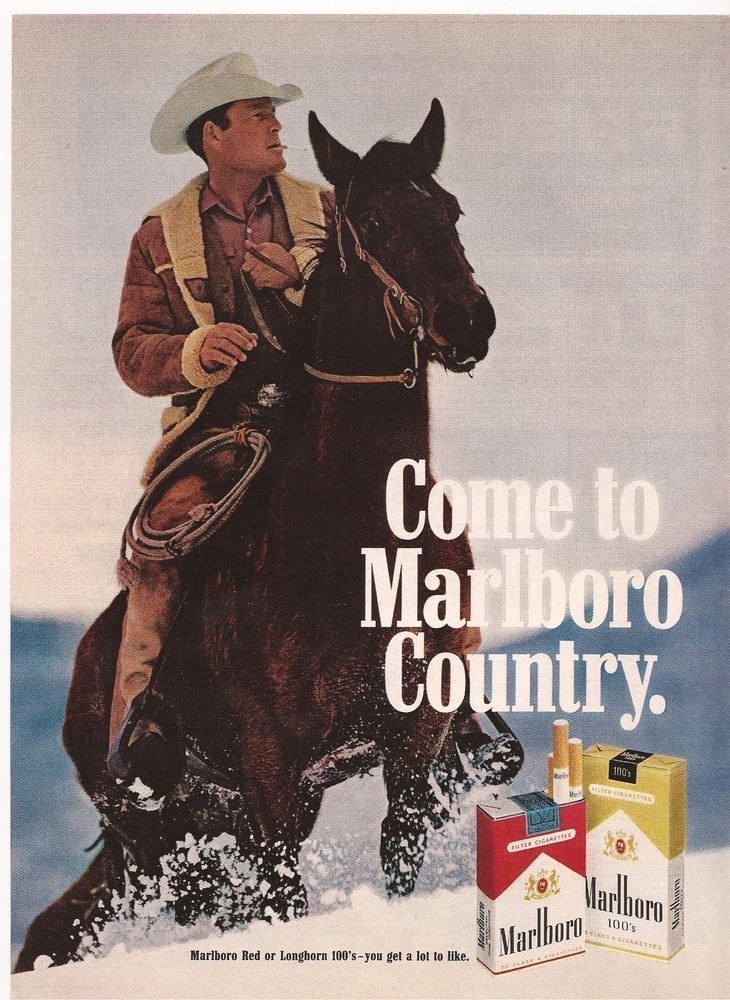
Marlboro Country
The most complete repositioning on record: a cigarette sold to women for thirty years was rebuilt around a single image of the American West, and the image became the brand.
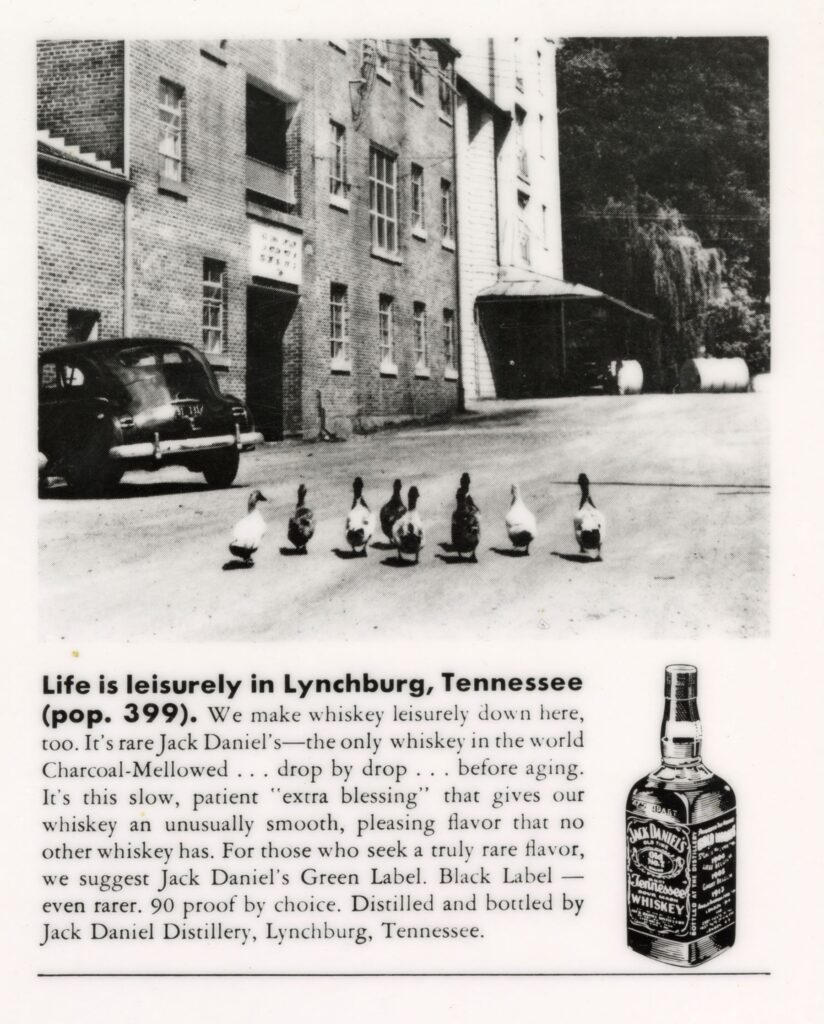
Postcards from Lynchburg
Forty years of advertising in which the whiskey is barely mentioned and the town is the whole argument.
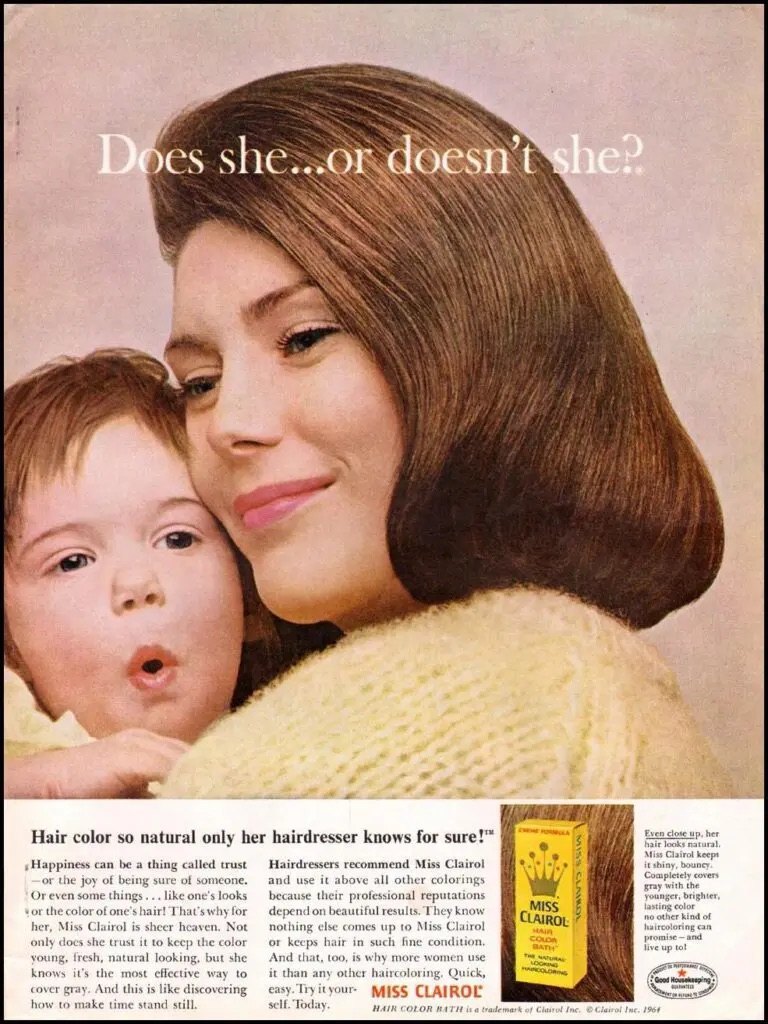
Does She or Doesn't She?
A product people were ashamed to be seen using was sold by promising that no one would ever know, and the question did the selling.
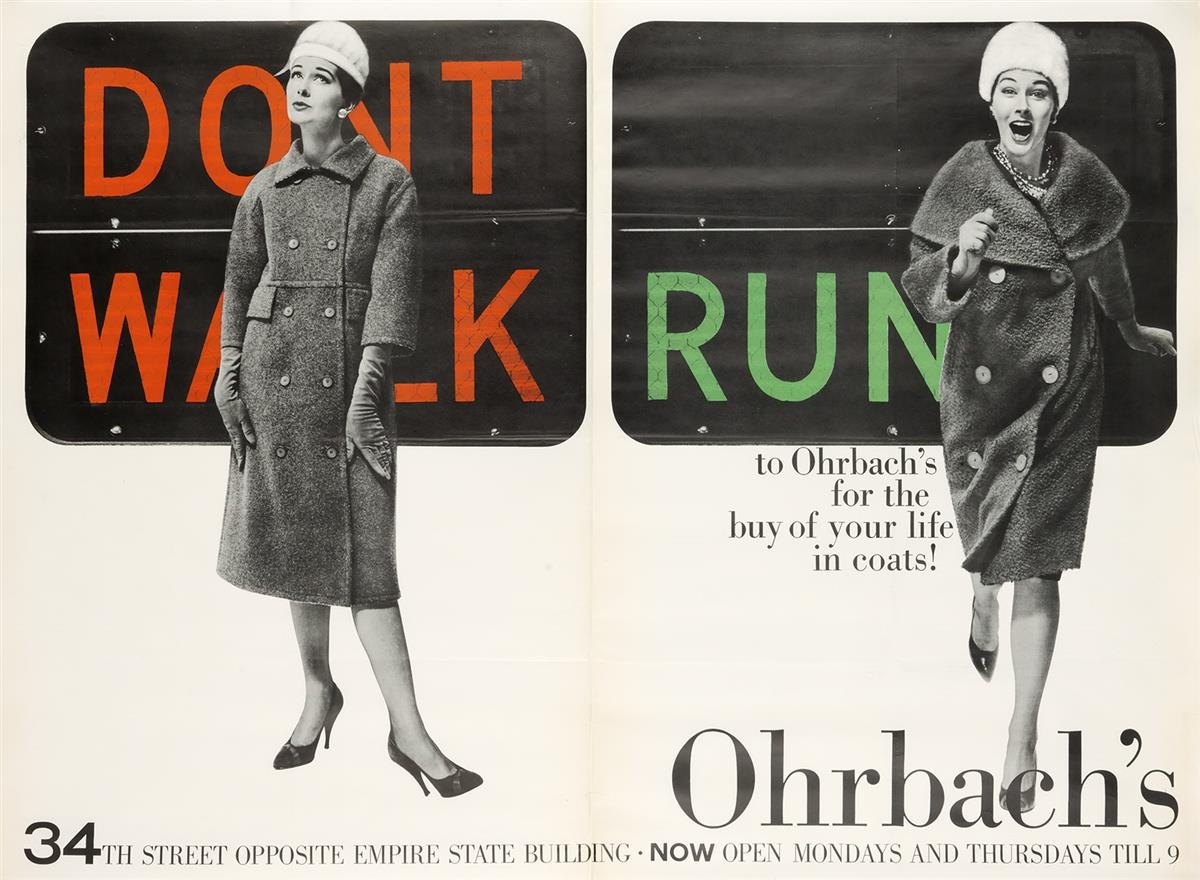
I Found Out About Joan
A cut-price store sold itself by flattering the woman who shopped there, and made it smart to be thrifty.
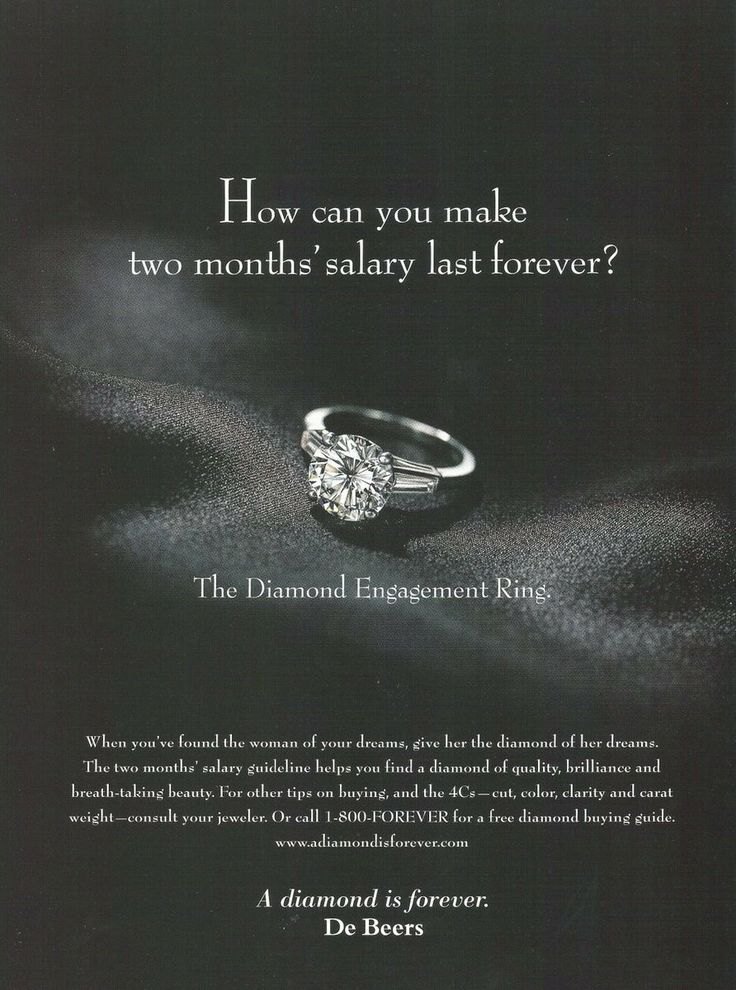
A Diamond Is Forever
The clearest case in the archive of advertising used as inventory control: a campaign whose commercial job was to stop the product coming back onto the market.
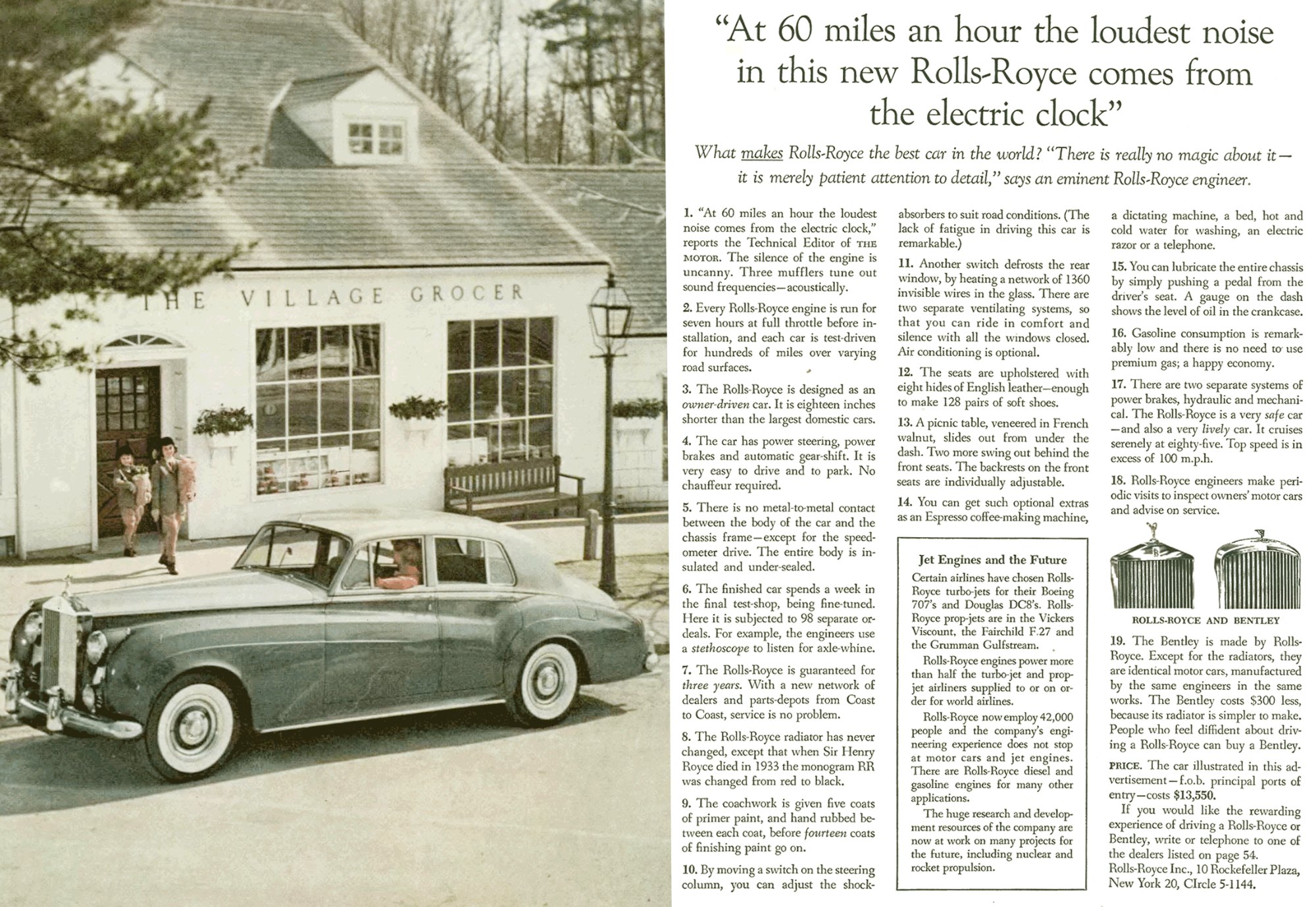
At 60 Miles an Hour
The clearest case for selling luxury with facts instead of adjectives, written by the man who built a school of advertising on research.
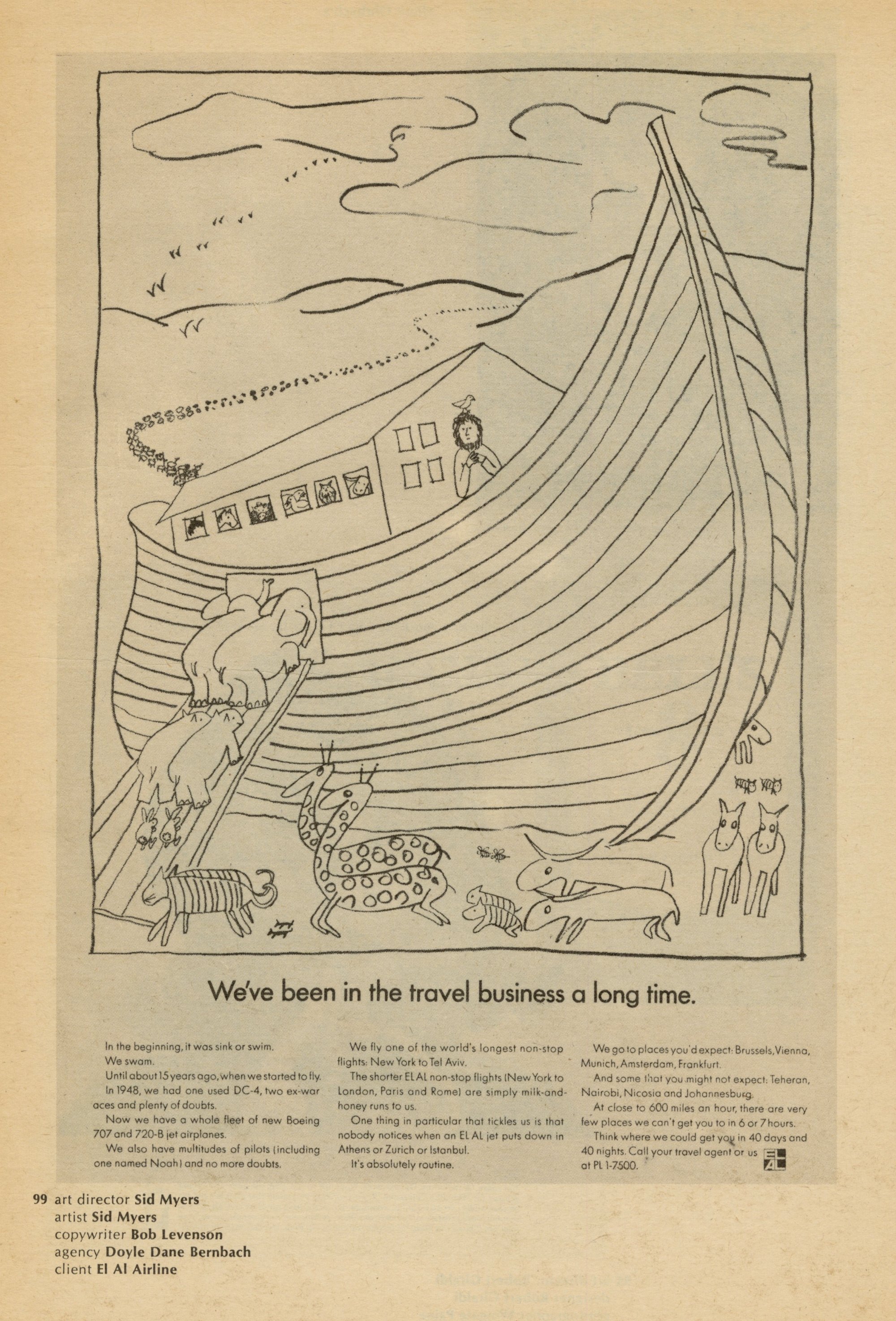
The Atlantic Is 20% Smaller
A small airline turned a technical fact into one picture, and the ad was good enough to recruit one of the agency's future leaders off a commuter train.
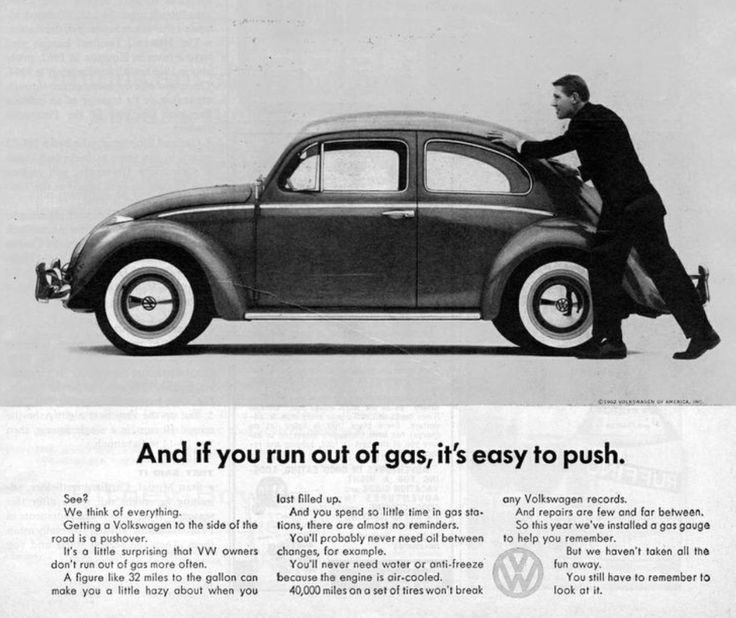
Think Small
The campaign that showed a small, plain, German car could be sold by telling the truth about it, and set the grammar for the creative work of the 1960s.
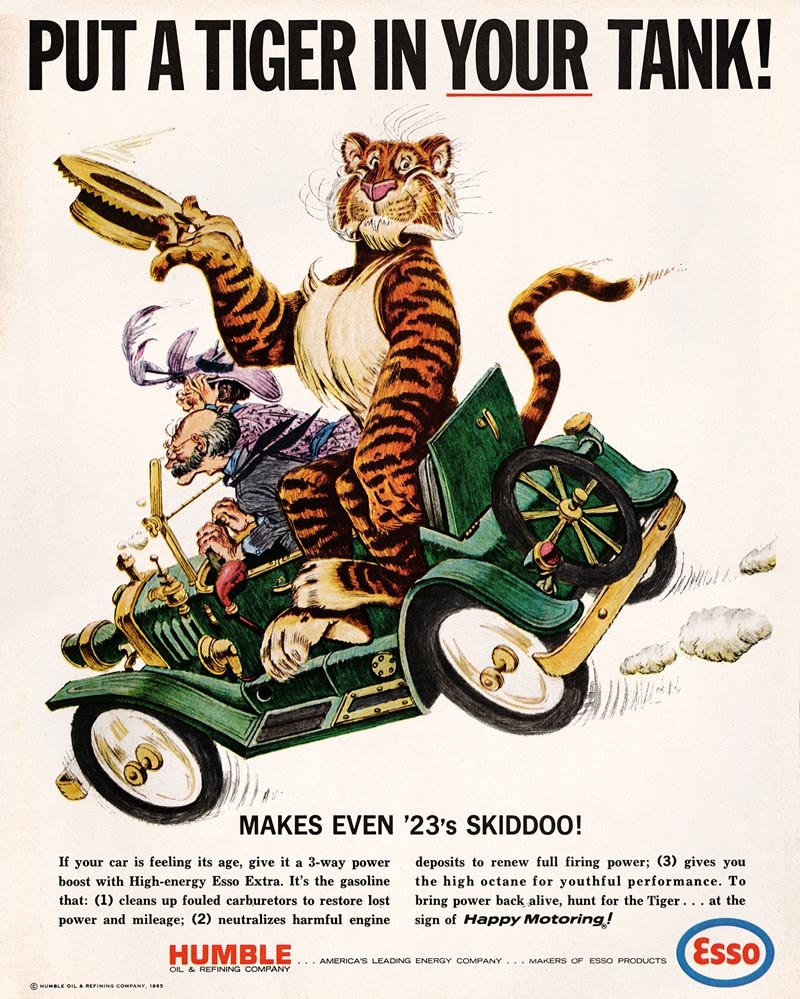
Put a Tiger in Your Tank
An oil company selling a product nobody could see or smell gave it an animal, and the animal crossed brand names, borders and languages.
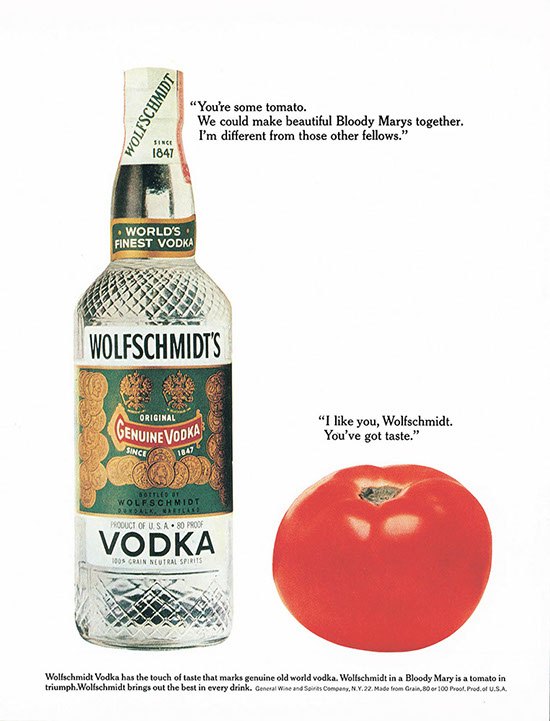
The Talking Bottle
A follower vodka made its own bottle the spokesman and ran the ads as a serial, each one answering the last.
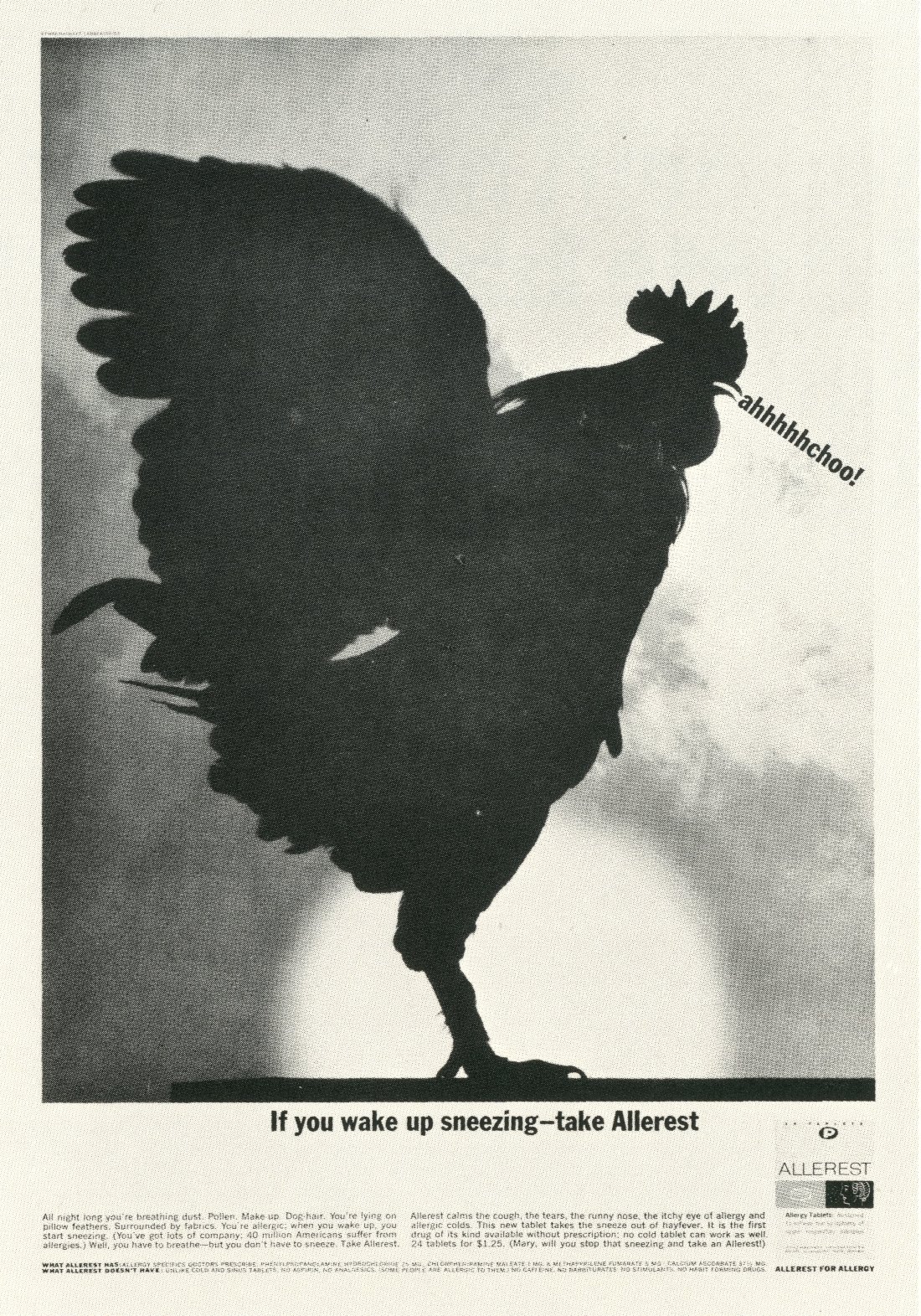
John, is that Billy coughing?
A cough remedy ad with no product, no ingredients, no diagram and no logo: a black page and two lines of dialogue in the dark.
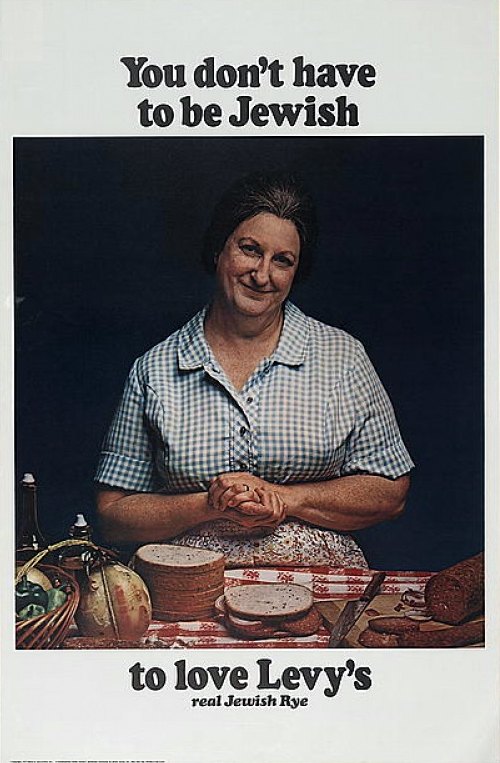
You Don't Have to Be Jewish to Love Levy's
The clearest proof in the Doyle Dane Bernbach canon that a brand's narrowest attribute can be the thing that opens it up.
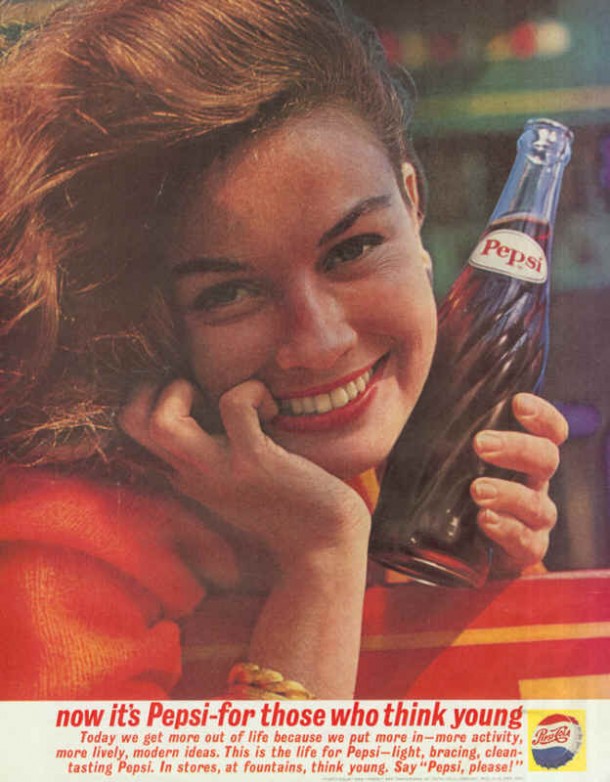
The Pepsi Generation
A brand losing on price stopped describing the drink and started describing the drinker.
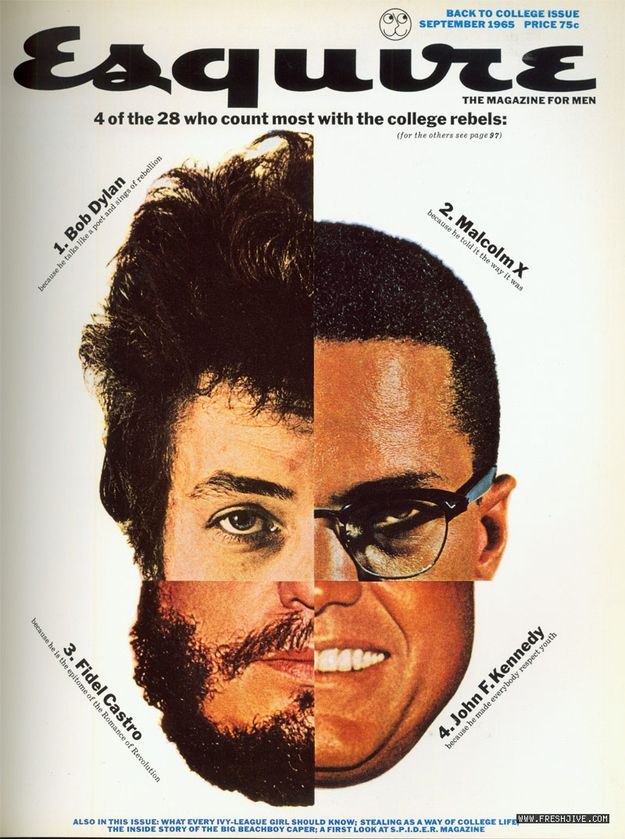
The Esquire Covers
A magazine near bankruptcy handed its cover to an outside adman, and for ten years the cover became the magazine's only advertisement and its loudest opinion.
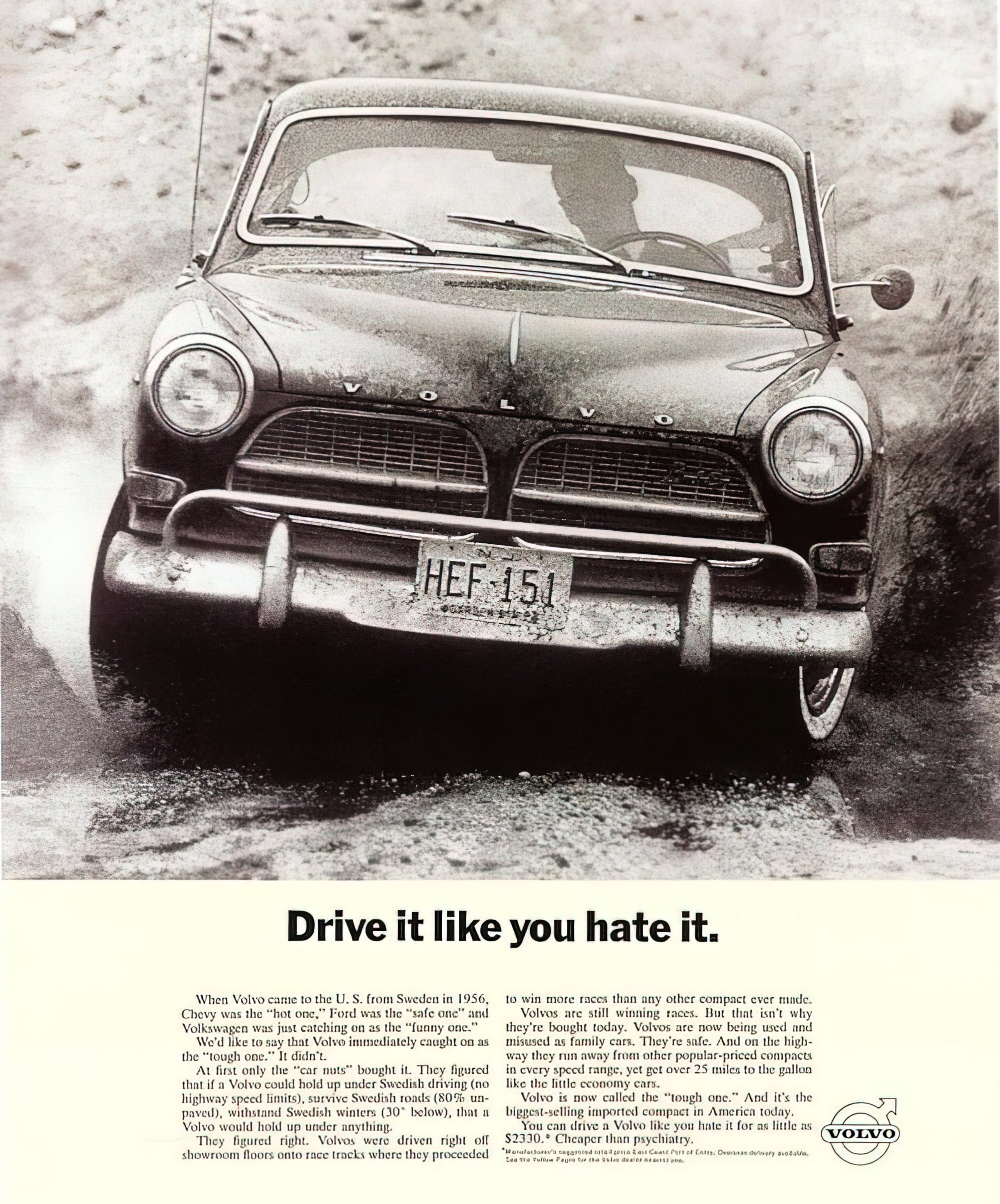
Drive It Like You Hate It
An unknown Swedish car sold itself in Detroit's home market by daring owners to punish it.
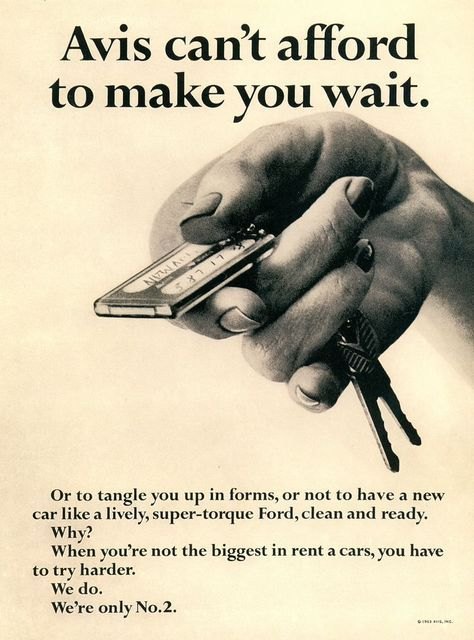
We Try Harder
The campaign that turned second place into the reason to choose a company, and wrote the first challenger-brand position into American advertising.
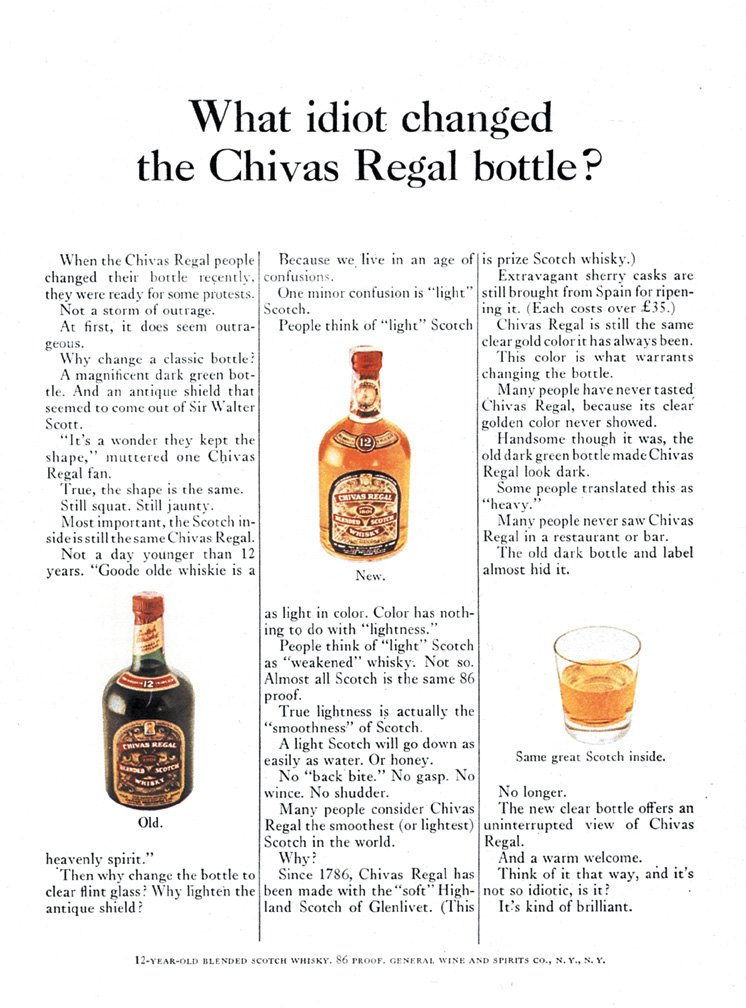
The Chivas Regal Print Campaign
Two decades of magazine pages that treated the reader as someone who already knew Chivas Regal was the best, until the market agreed.
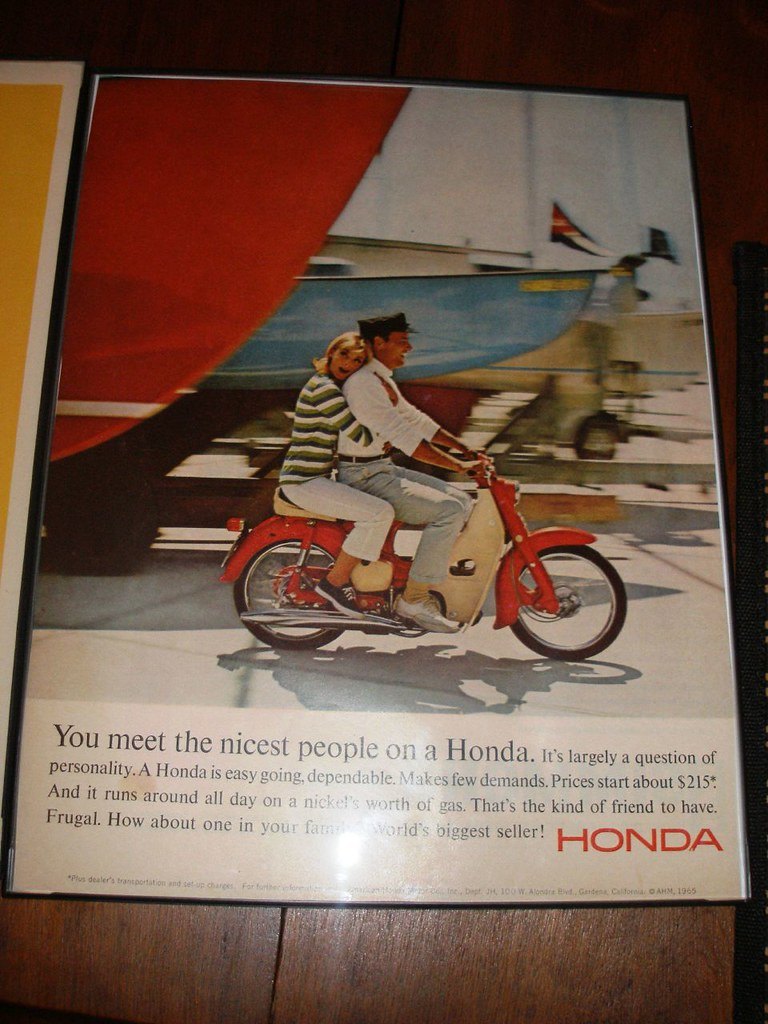
You Meet the Nicest People on a Honda
A foreign newcomer grew the motorcycle market by showing people who had never ridden that motorcycles could be for them.
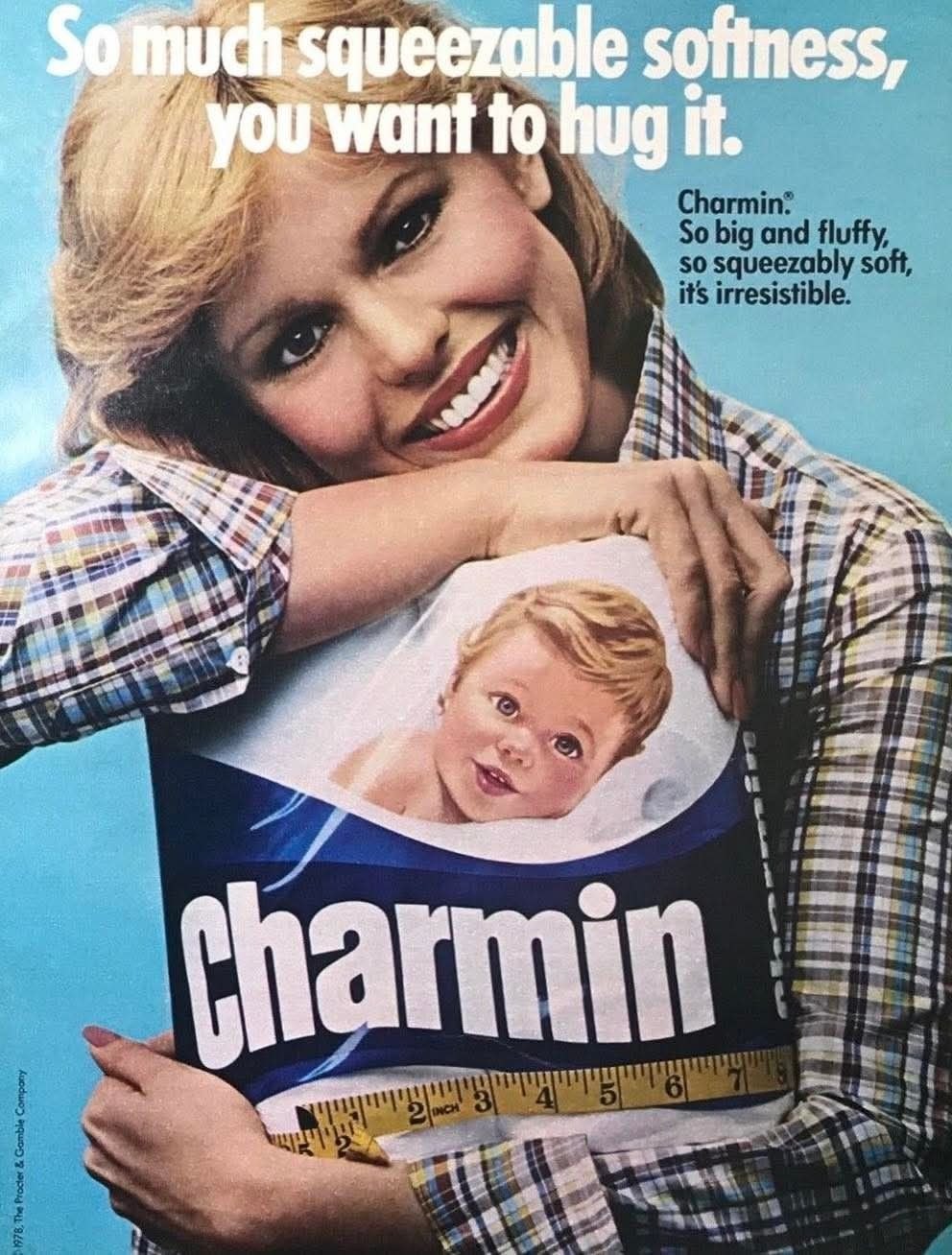
Please Don't Squeeze the Charmin
A commodity whose only advantage could not be shown built its demonstration out of a prohibition.
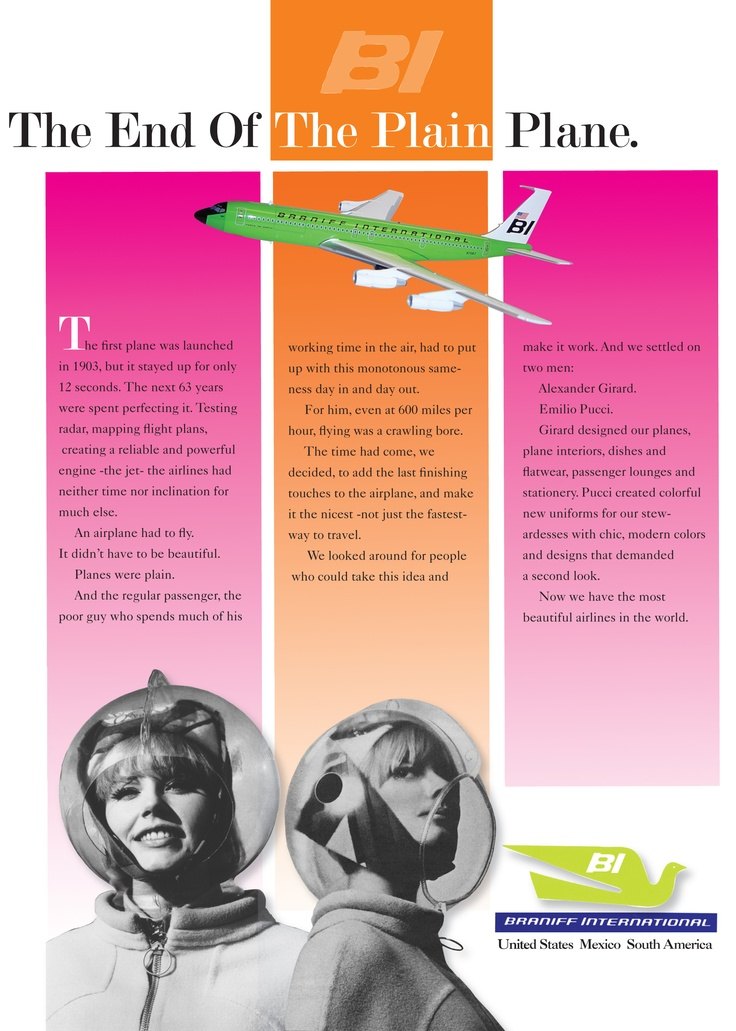
The End of the Plain Plane
The campaign that stopped describing the product and rebuilt it instead — then ran the rebuild as news.
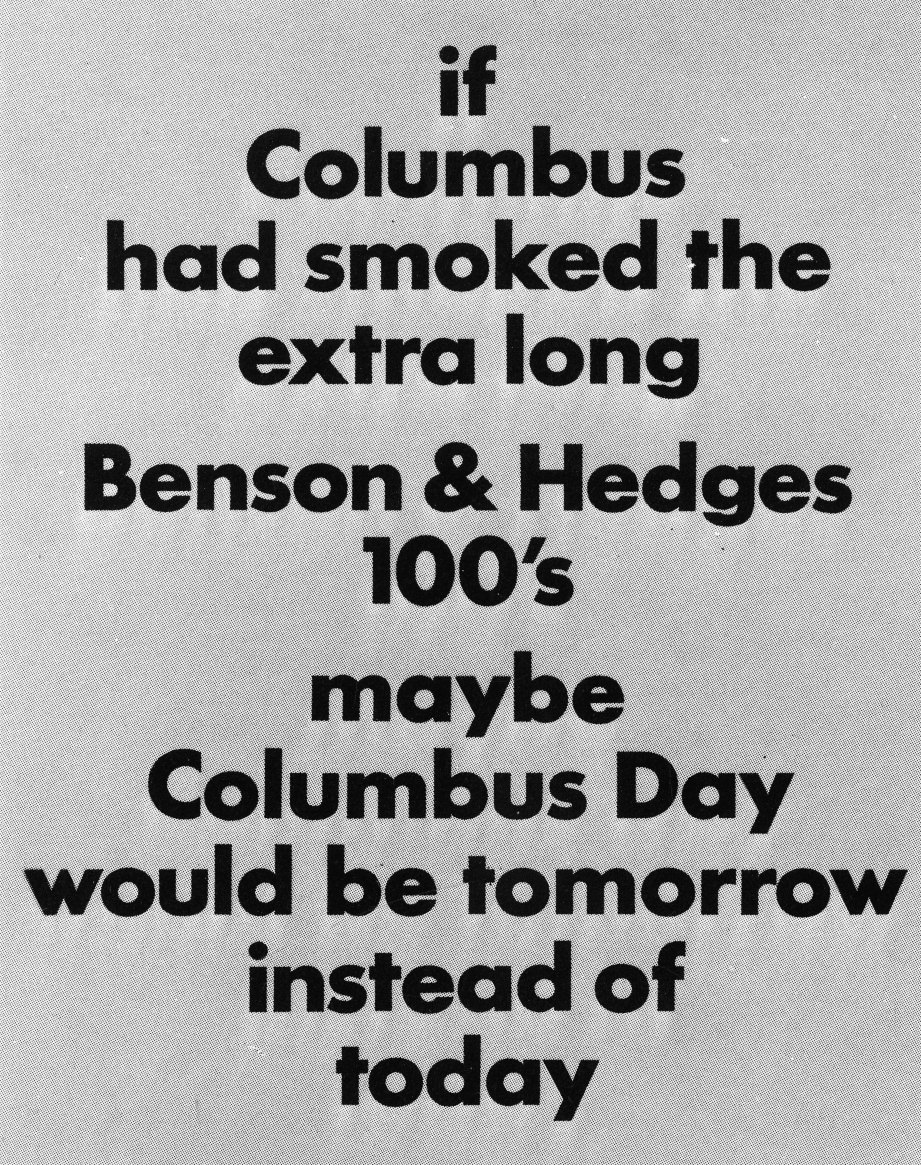
The Disadvantages of Benson & Hedges 100s
The case for selling a product's single feature by acting out its drawbacks.
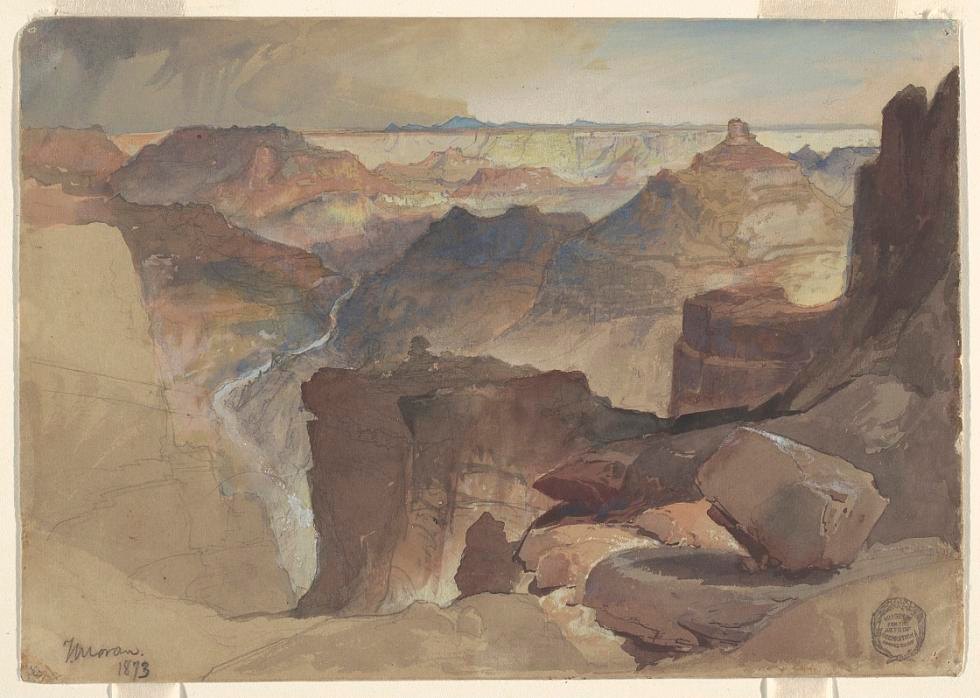
Should We Also Flood the Sistine Chapel?
Took the opposition's own selling point and moved it to a category where it read as vandalism; the reply came from the Internal Revenue Service the following morning.
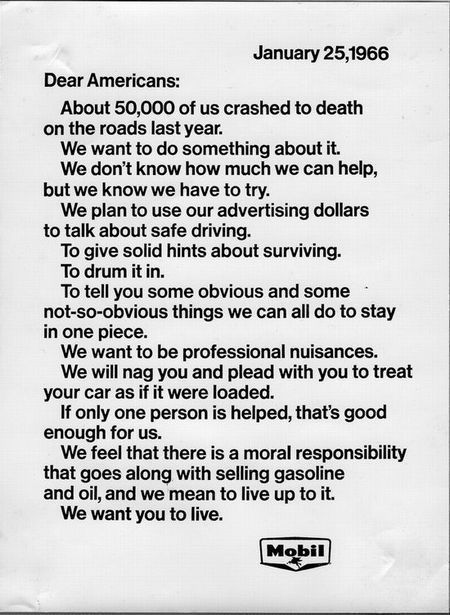
We Want You to Live
An oil company spent its centennial budget teaching Americans how not to die in their cars.
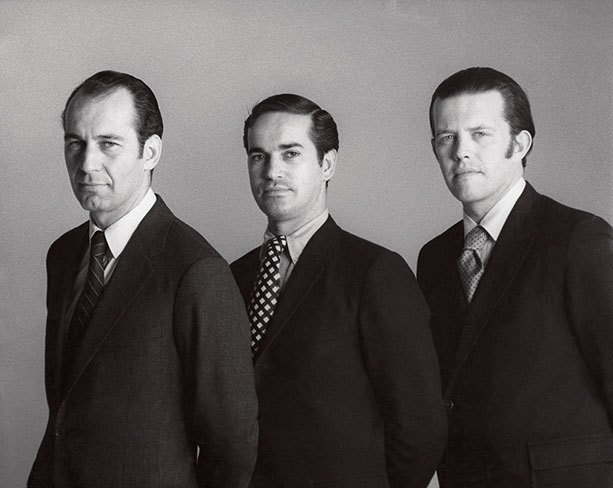
The Brokers You've Waited For
A brokerage almost nobody had heard of bought ten-second television spots in which famous people talked about money the way ordinary people do.
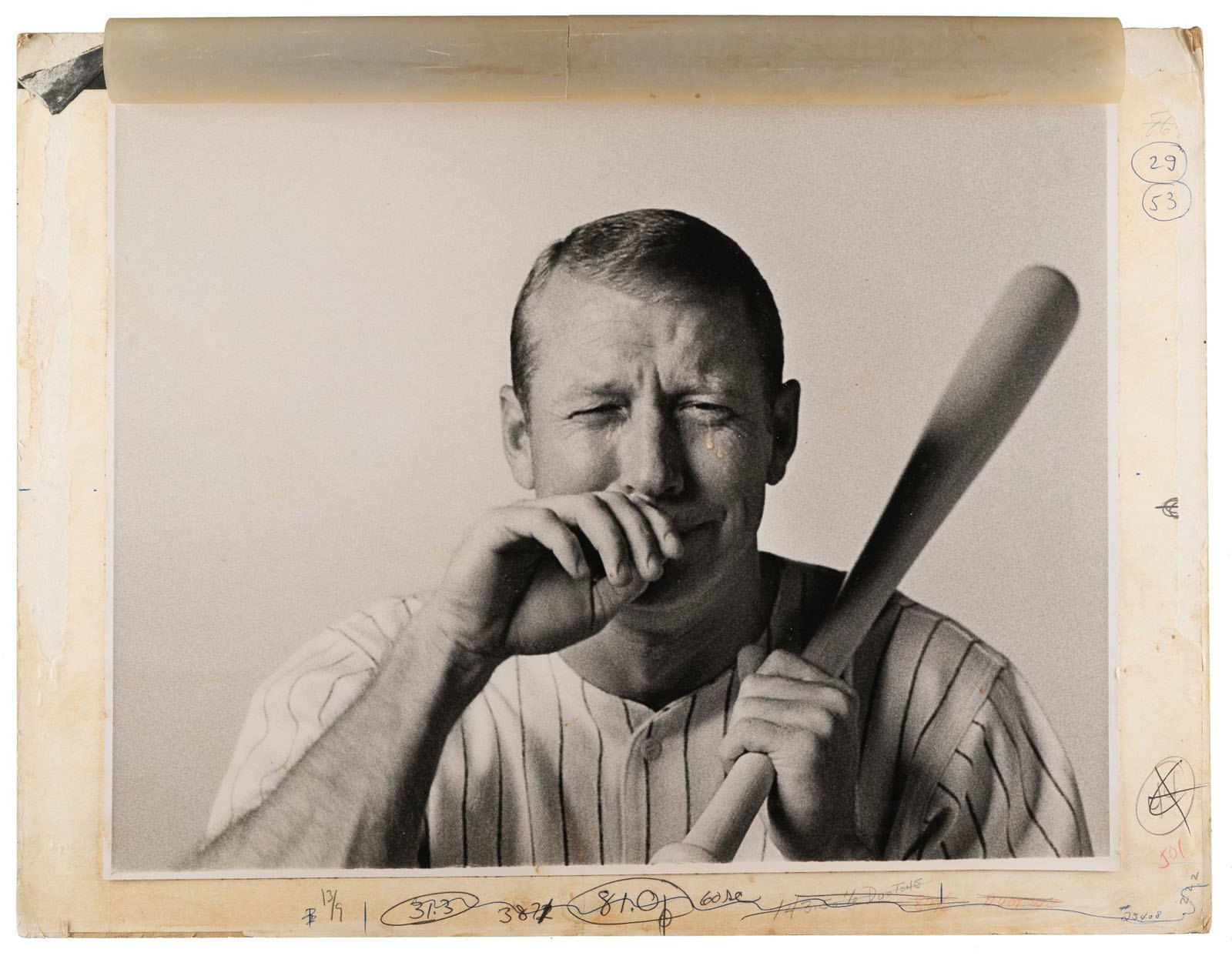
I Want My Maypo (the athletes)
A cereal that its own famous line had made into baby food kept the line and moved it into the mouths of grown sports heroes, crying for their breakfast.
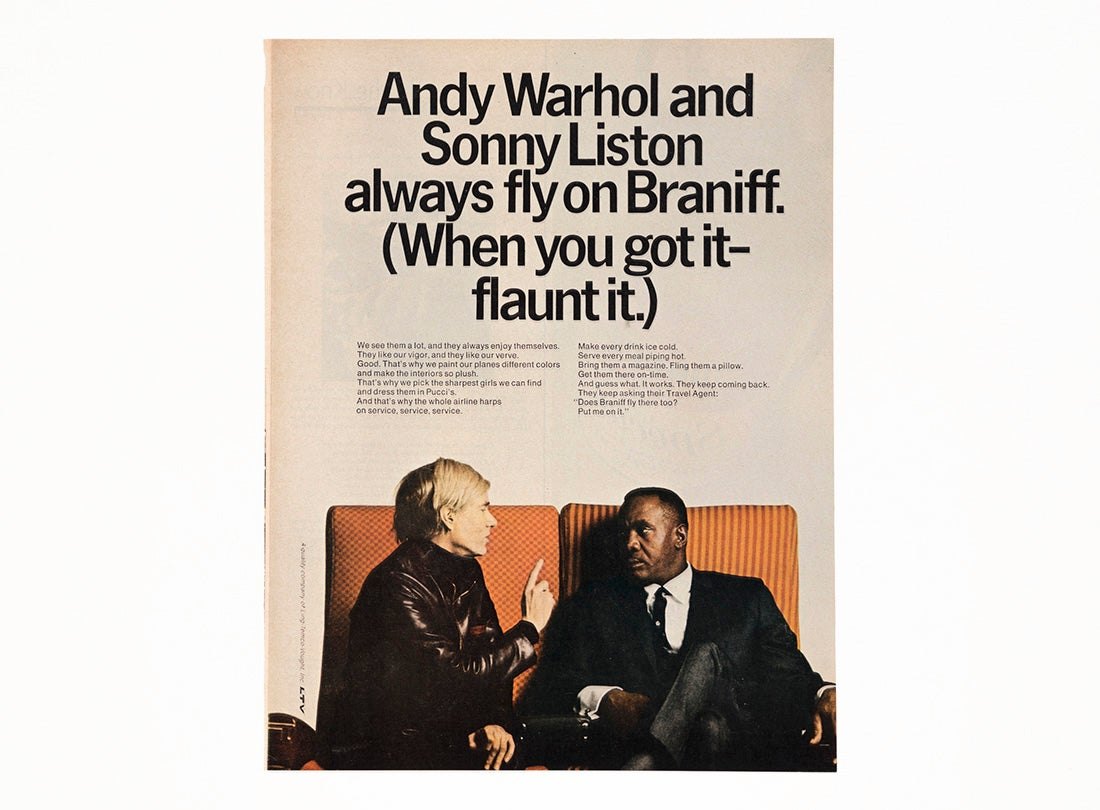
When You Got It, Flaunt It
An airline already famous for how it looked made its next campaign about who you might sit next to, and left the language a phrase.
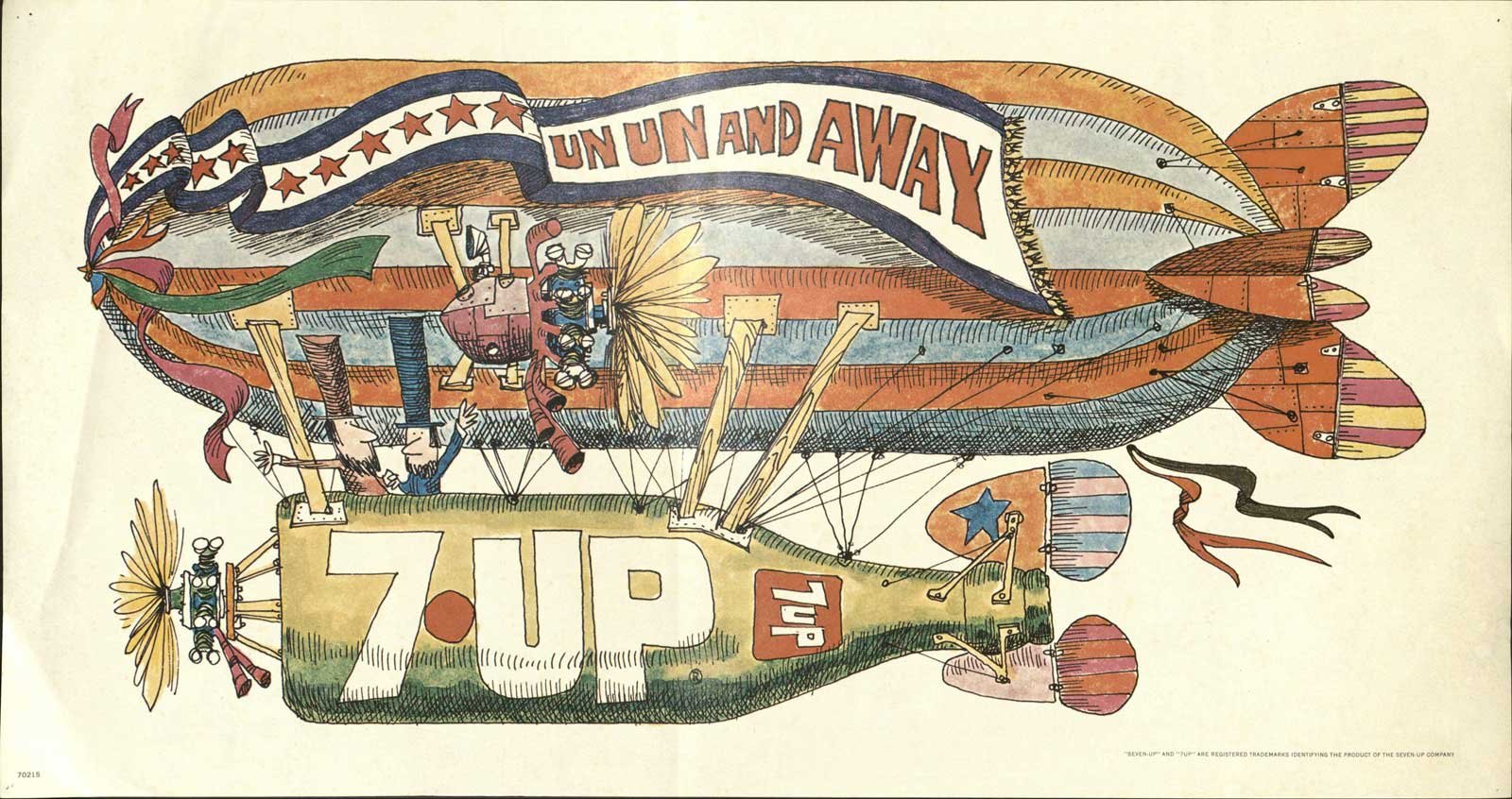
The Uncola
A soft drink known as a mixer and a cure for an upset stomach defined itself by what it was not, and took a place beside the colas.
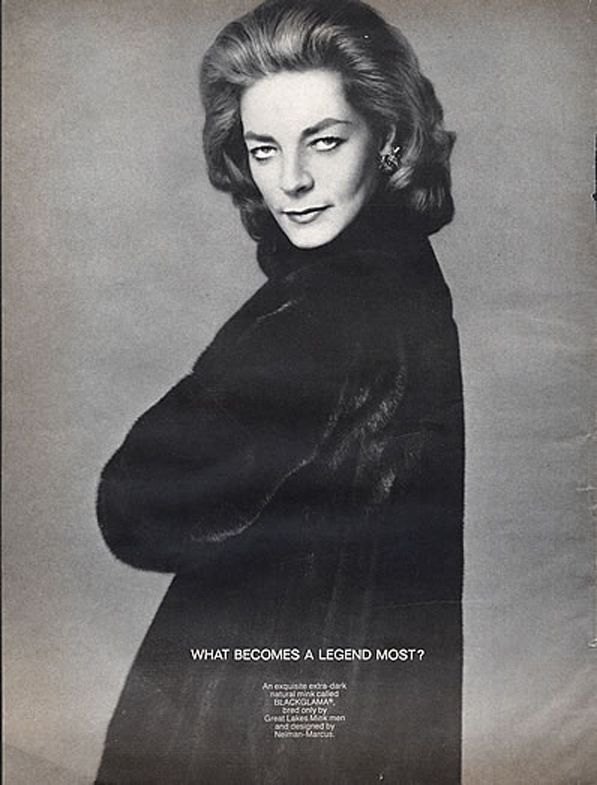
What Becomes a Legend Most?
A ranchers' association turned an unbranded pelt into a name women asked for, using one question, one photograph and no copy.
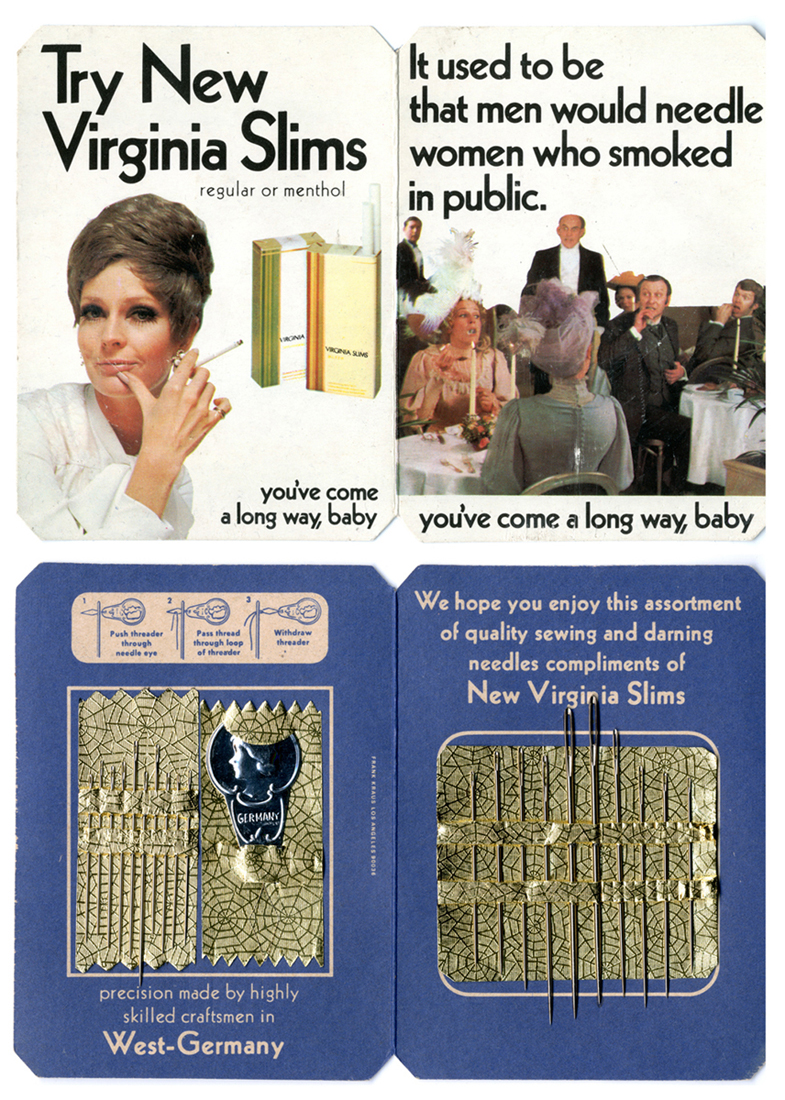
You've Come a Long Way, Baby
The first cigarette built for women, sold not on taste but on permission.
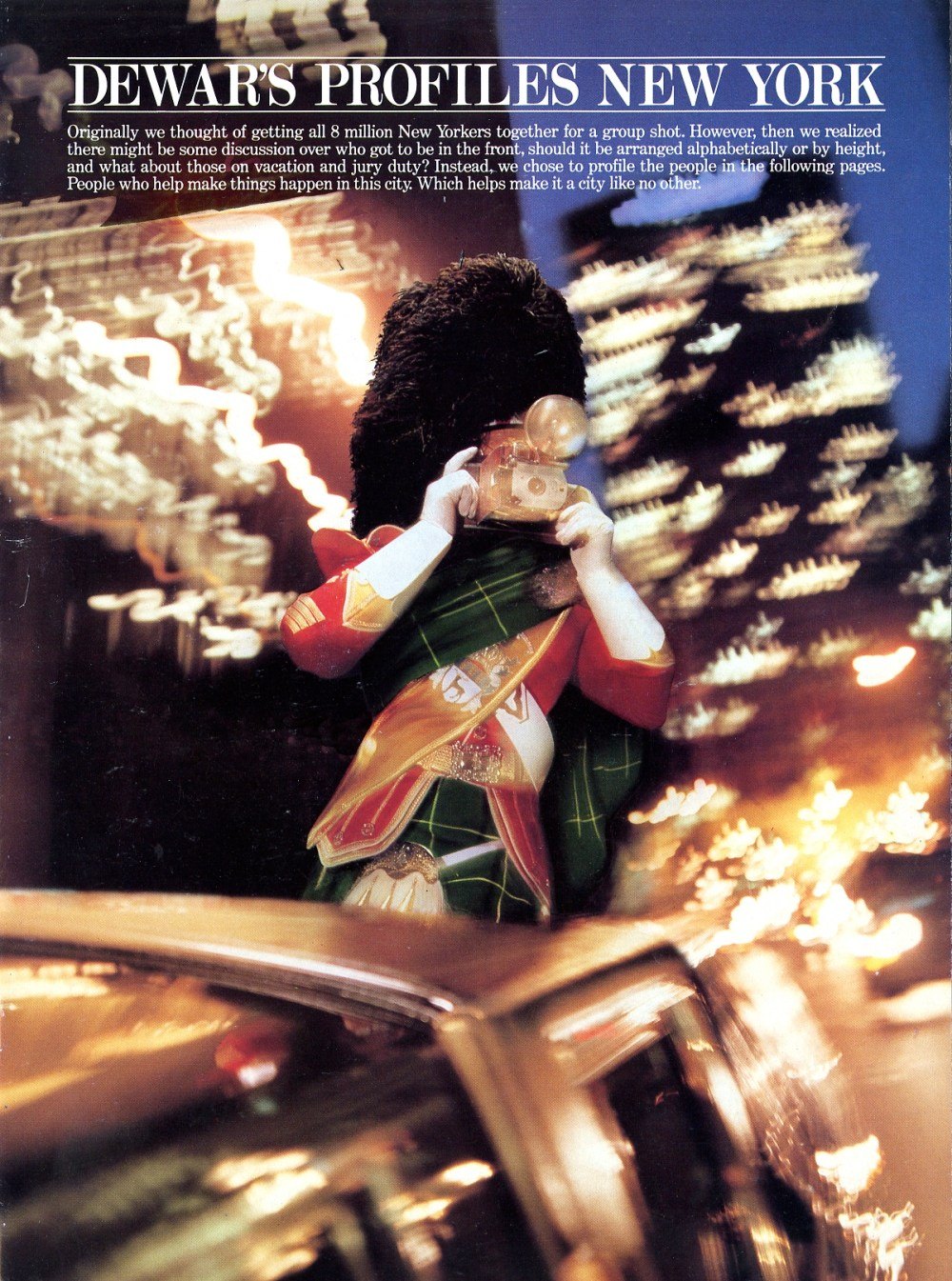
Dewar's Profiles
A Scotch whisky stopped talking about Scotland and started introducing its drinkers, one real person at a time, for more than two decades.

Would You Be More Careful If It Was You That Got Pregnant?
It shows how a picture can carry a message the words were not allowed to deliver on their own.
Spicy Meatball
Spicy Meatball
A commercial that sold a remedy by staging the cause, and a record of advertising being enjoyed while the product went unbought.
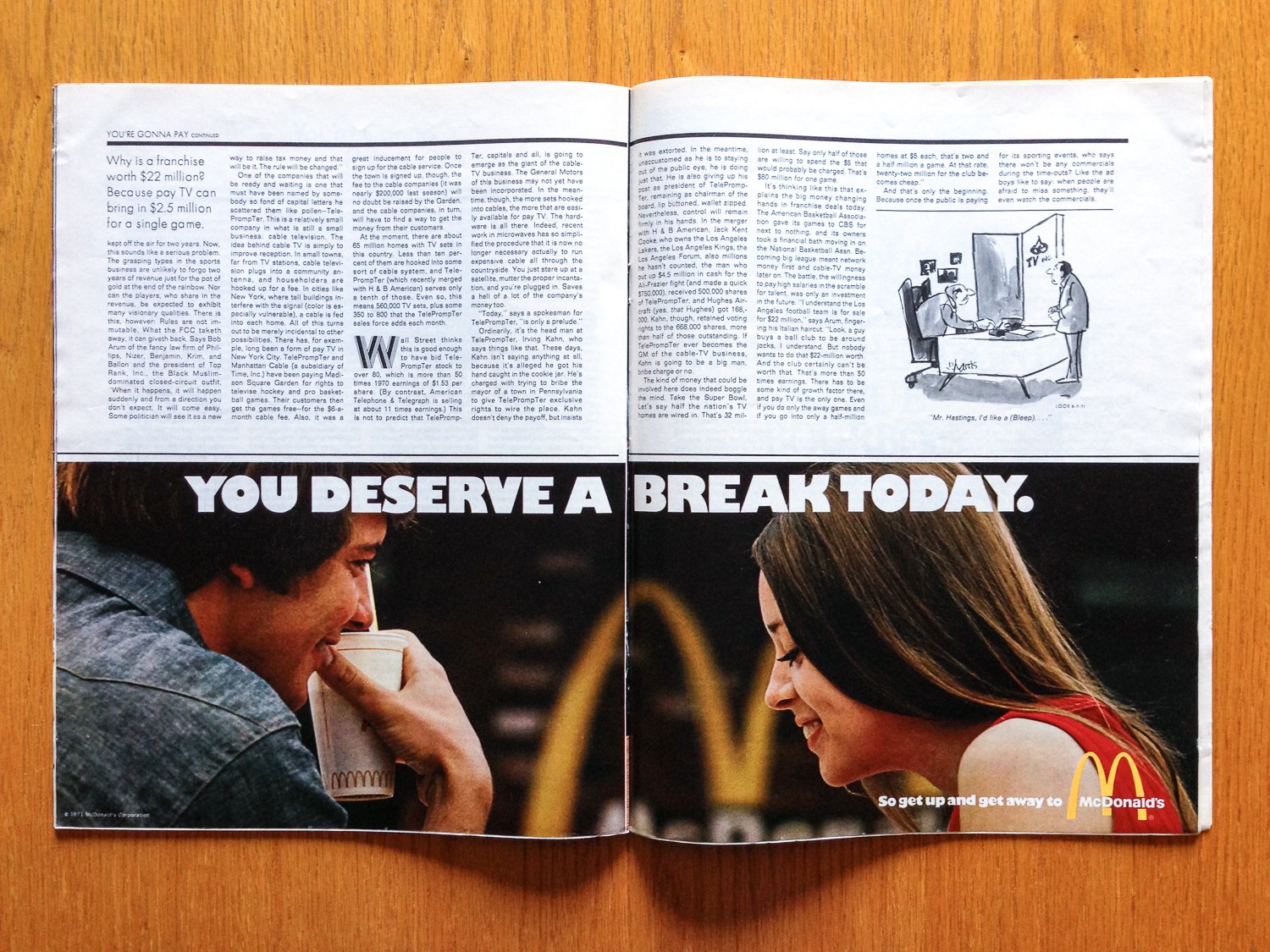
You Deserve a Break Today
A hamburger chain stopped selling hamburgers and sold the customer permission to stop, a word it found in its own research.
Hilltop
The spot that sold a soft drink as a small act of peace between strangers, and showed a jingle could become a hit record in its own right.
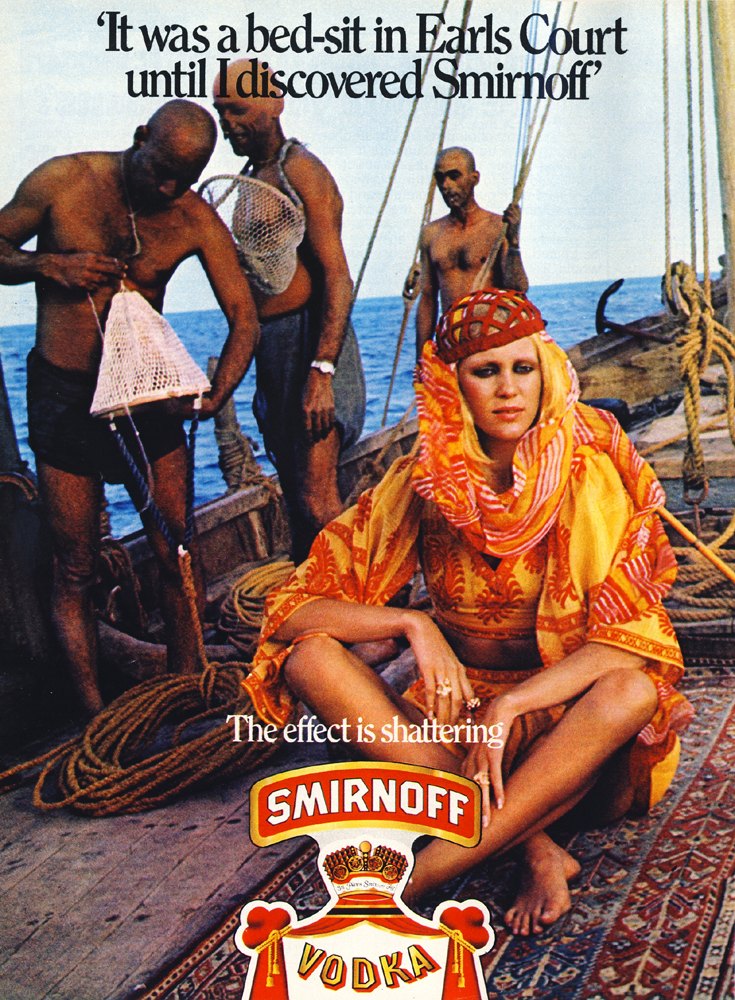
Accountancy Was My Life Until I Discovered Smirnoff
A one-line formula that let a premium vodka promise its drinkers a different life, until the advertising code made the promise too risky.
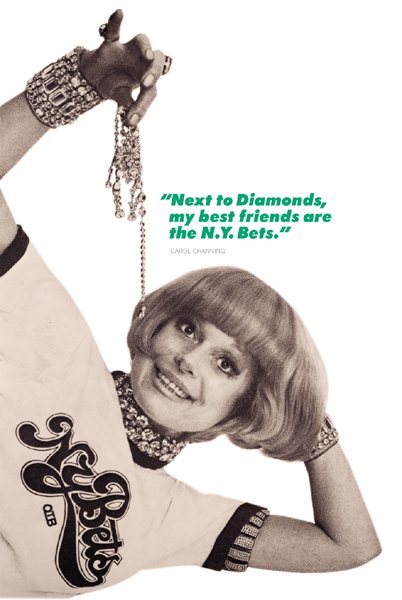
You're Just Right for the Bets
A city-run betting operation borrowed the goodwill of New York's own celebrities, for free, to make a two-dollar bet feel like civic sport.
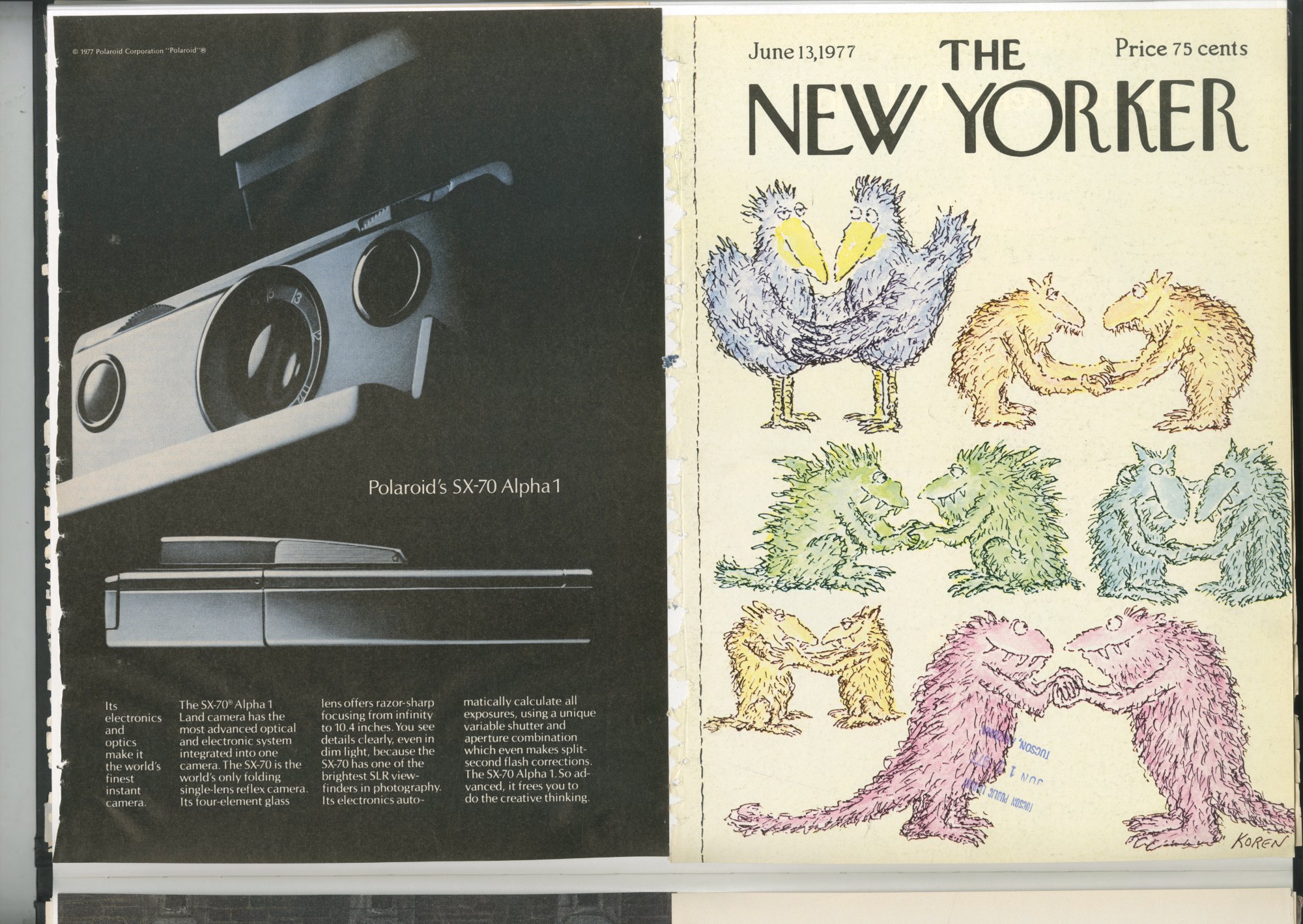
SX-70
A company with a technical marvel and a high price chose gravity over gimmicks, and cast Laurence Olivier to say plainly what the camera did.
Sales film: Nixon in the Oval Office
Don't Give Up the Ship
A Scotch about to drop its old sailing-ship trademark was told to fight for it instead, and the fight became the campaign line.
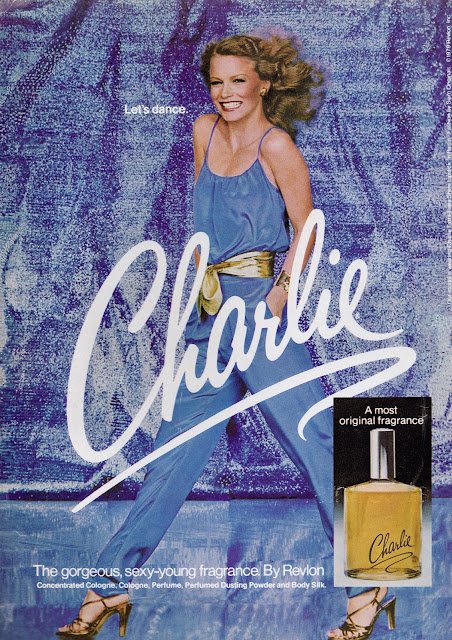
Charlie
The fragrance advertising that stopped asking a woman to be wanted and showed one on her way somewhere.
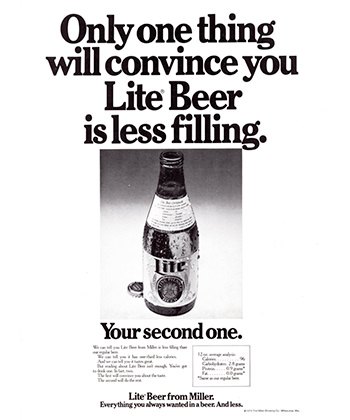
Tastes Great, Less Filling
Light beer had already failed twice as a diet product; this campaign kept the chemistry, changed the promise, and built a format that ran for seventeen years.
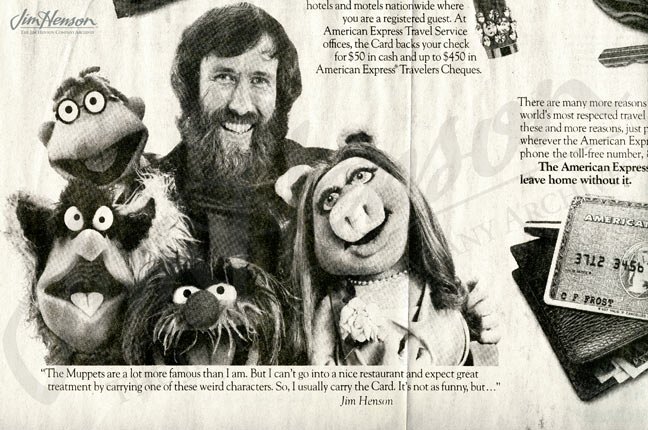
Do You Know Me?
How a card you had to pay for answered the free bank cards: by selling recognition instead of credit.
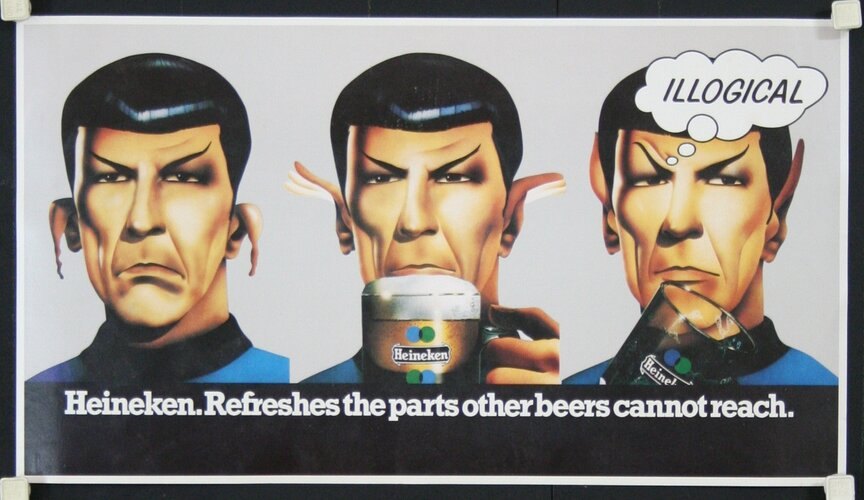
Refreshes the Parts
A lager with nothing factual to claim turned the vaguest word in the category, refreshment, into a joke that could be told a new way on every poster for sixteen years.
The Pepsi Challenge
The Pepsi Challenge
The number two brand stopped selling a mood and asked the leader's own drinkers to taste the difference on camera.
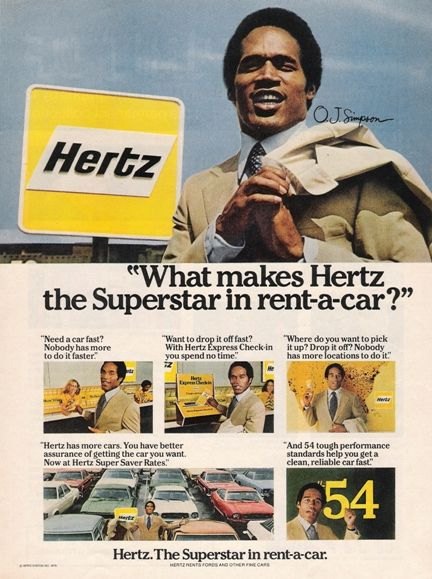
The Superstar in Rent-a-Car
The market leader answered a decade of Avis attacks by acting out its one real advantage, speed, with a running back who could make it look true.
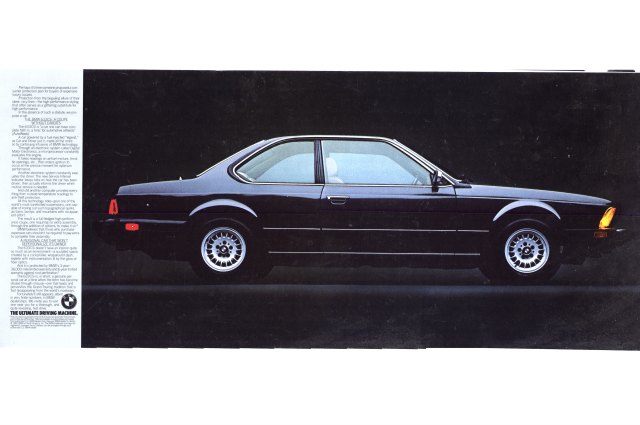
The Ultimate Driving Machine
A small German carmaker with no fixed image in America built its business there on one line about how the car drives, written by an agency that had almost run out of money.
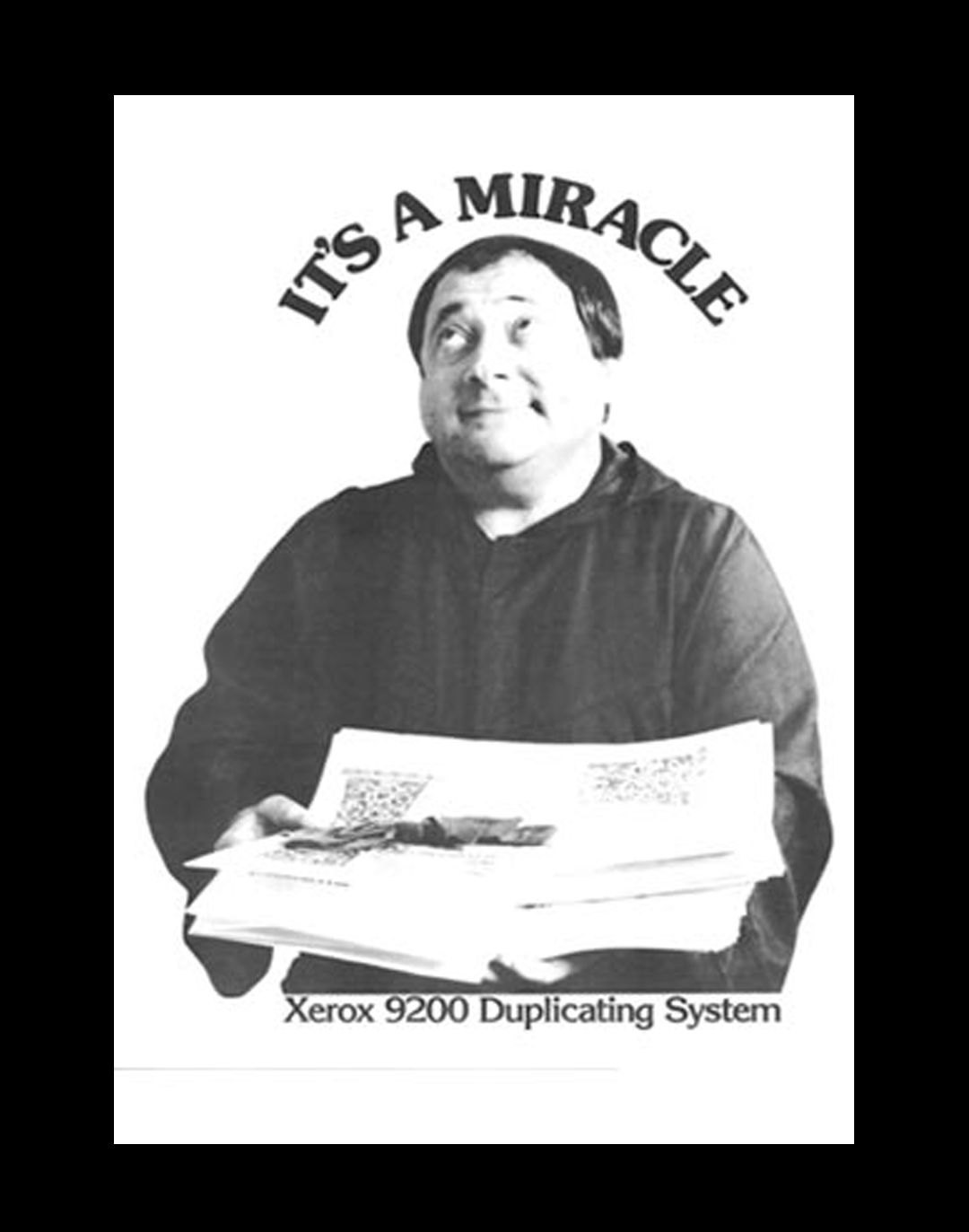
Brother Dominic
A ninety-thousand-dollar production duplicator sold to print-shop managers by measuring it against a medieval scribe, with the claim spoken by a sceptic rather than the brand.
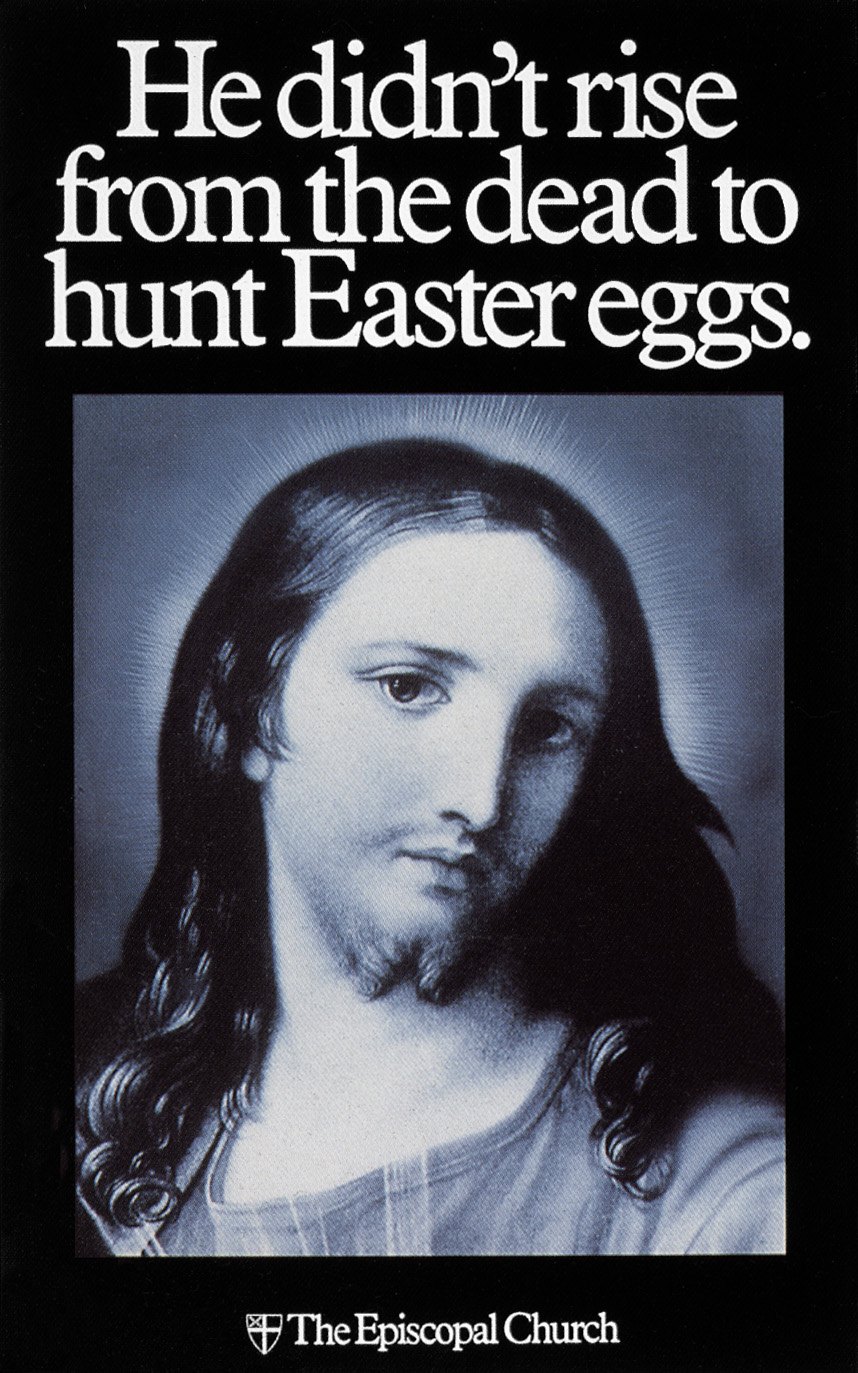
The Episcopal Ad Project
A parish priest and a priest's son sold wit to churches at cost, and the work took the public-service campaign gold at the 1984 One Show.
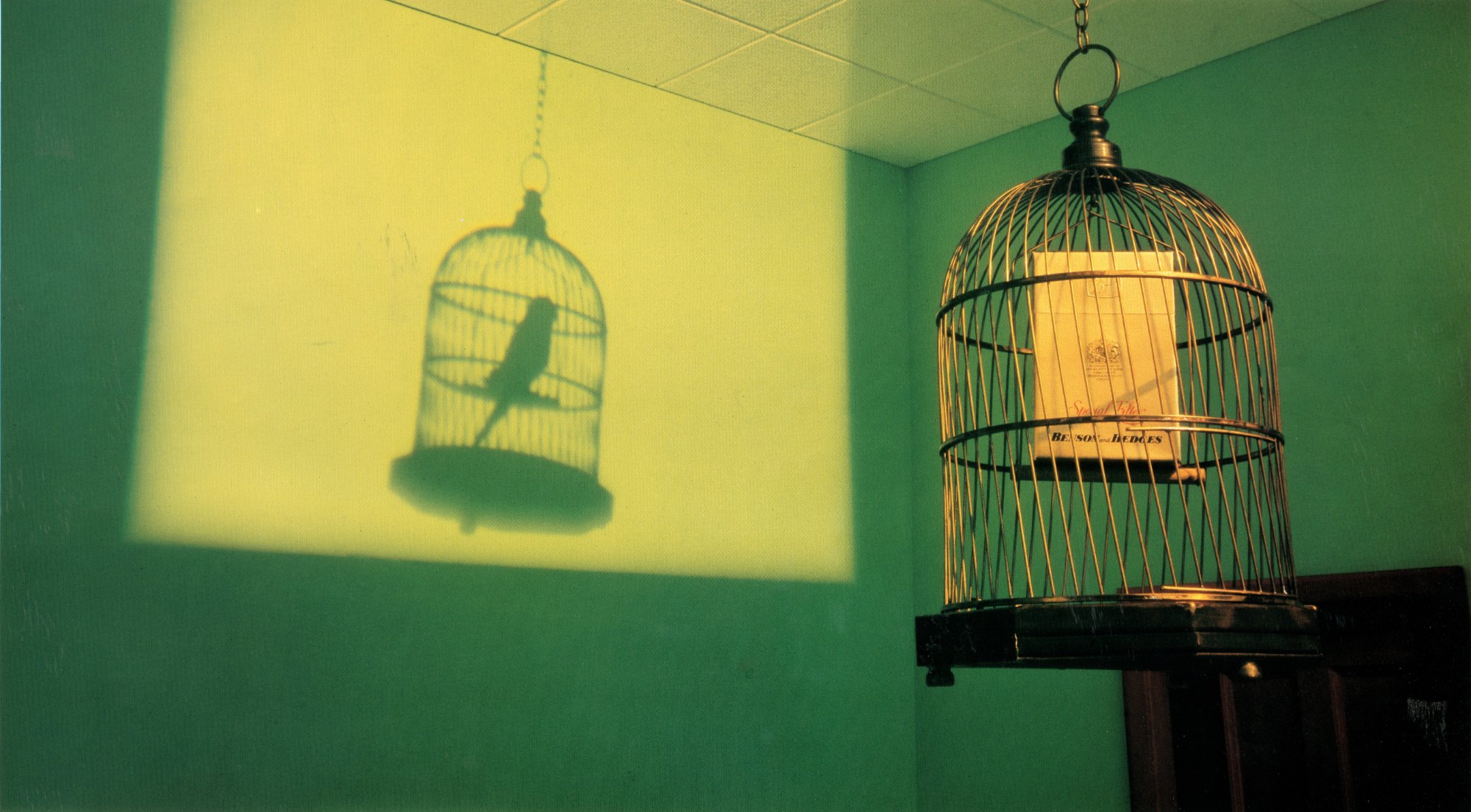
Gold Box
A brand forbidden to describe itself built a decade of recognition out of one gold rectangle and the audience's willingness to work.
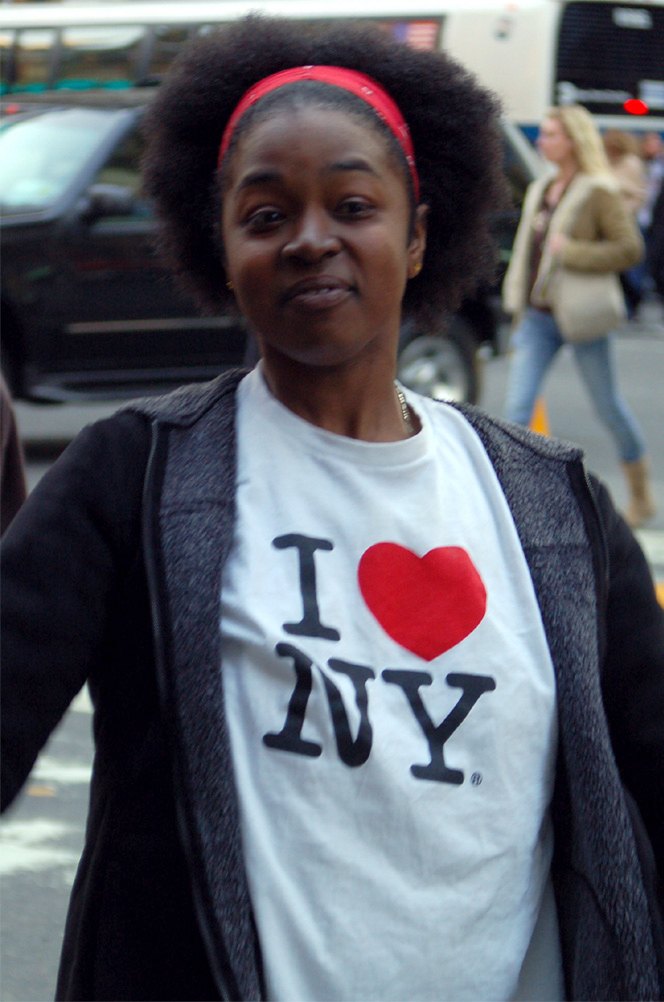
I Love New York
A government with no credibility left stopped making claims about its city and gave the audience a sentence to say in the first person, then let them carry it for nothing.
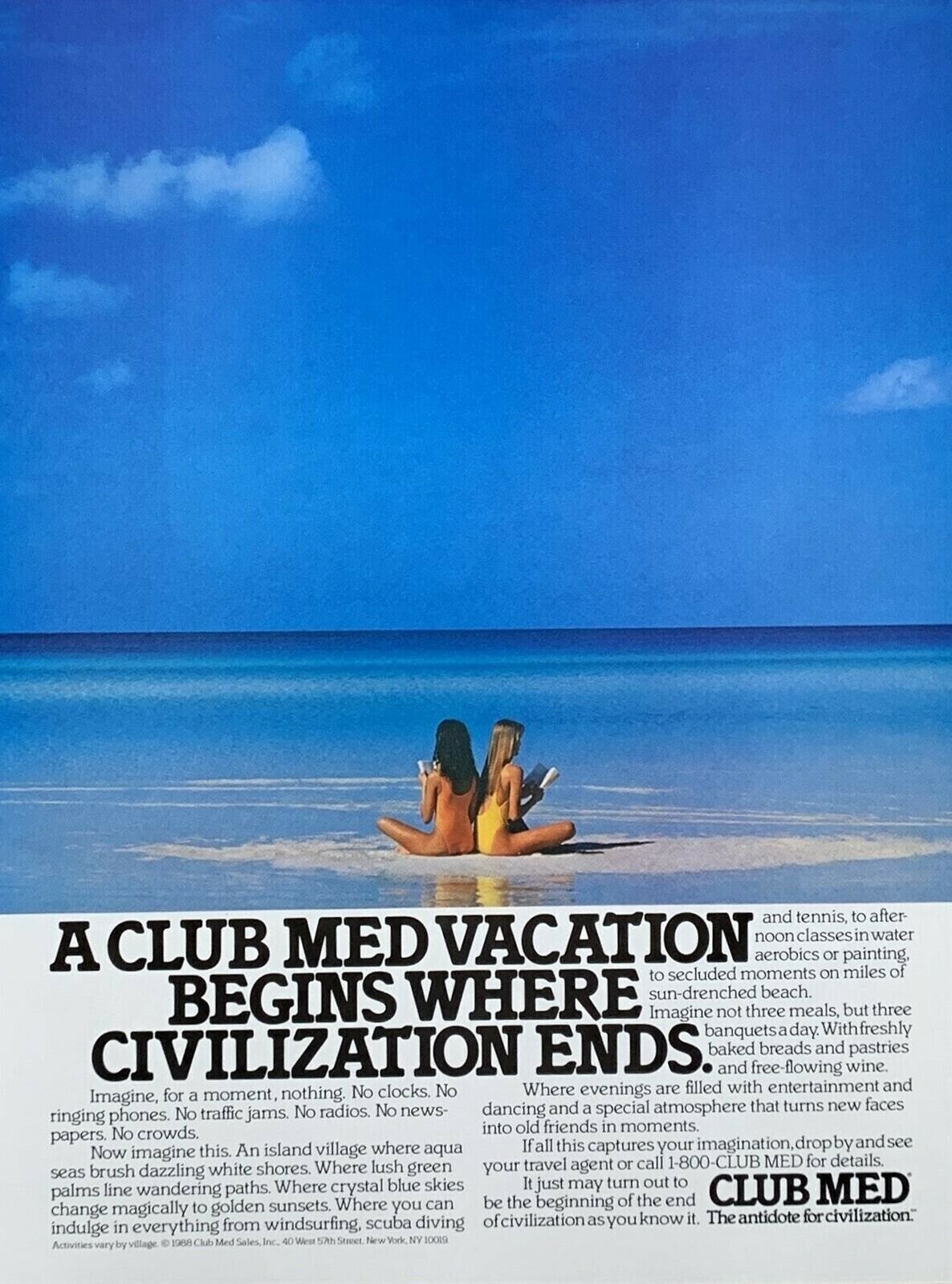
The Antidote for Civilization
A French holiday company sold its plain, all-in villages to Americans by promising to take things away: the watch, the alarm clock, the newspaper.
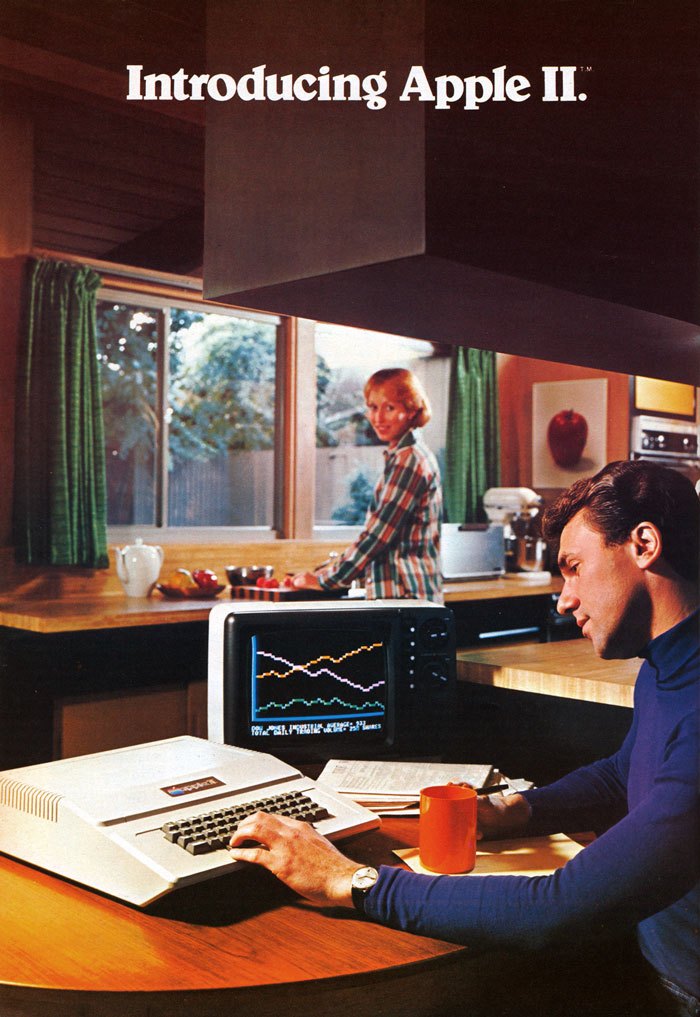
Simplicity Is the Ultimate Sophistication
The ad that took the computer off the workbench and put it on the kitchen table, and sold ease as the expensive part.
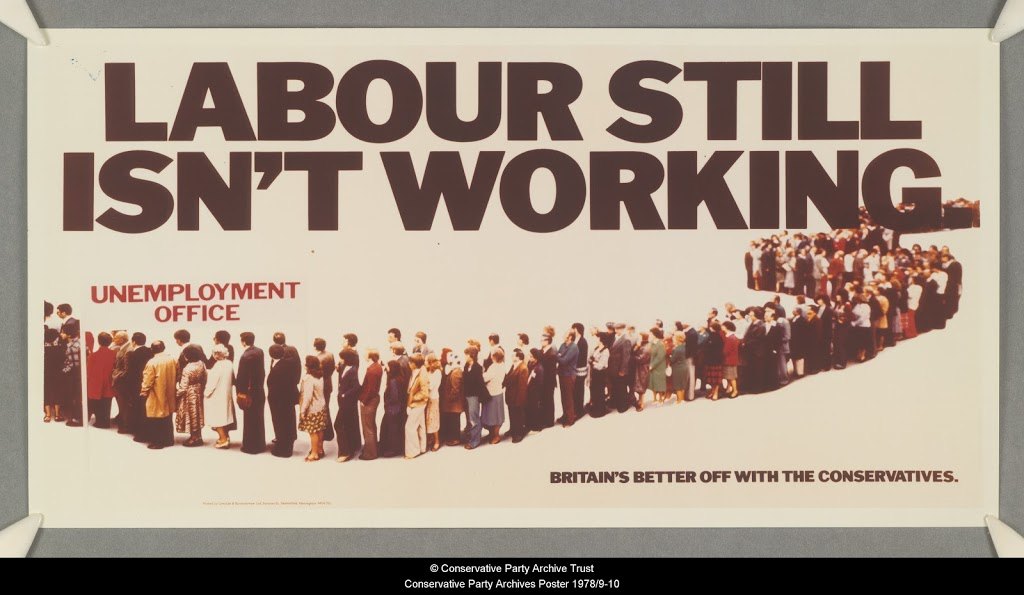
Labour Isn't Working
A poster bought for about 20 billboard sites that became a national news story, and a reference point for agencies working on British elections since.
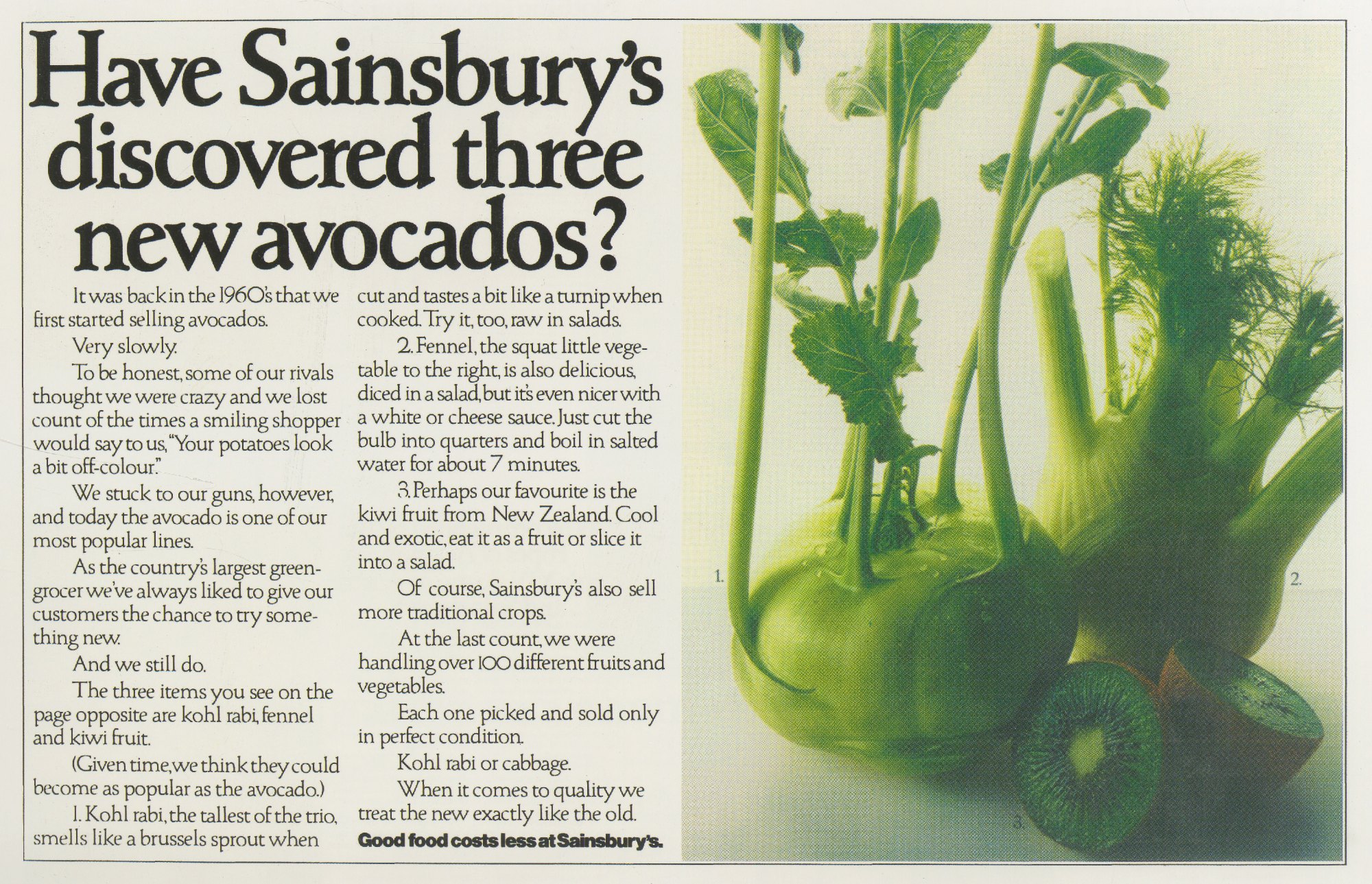
Good Food Costs Less at Sainsbury's
A supermarket caught in a price war stopped arguing about price and let a page of copy about one food at a time do the persuading.
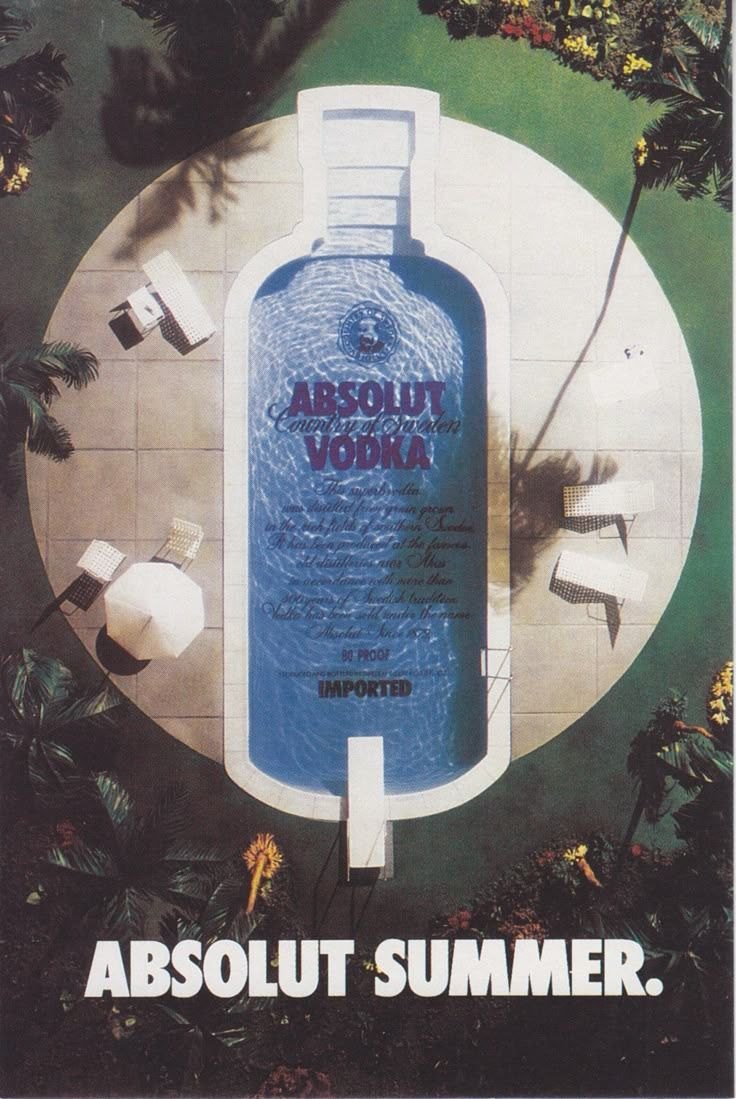
Absolut [Adjective]
A Swedish vodka with no American history made its odd bottle the whole advertisement, then kept the frame for twenty-five years and let the variations do the talking.
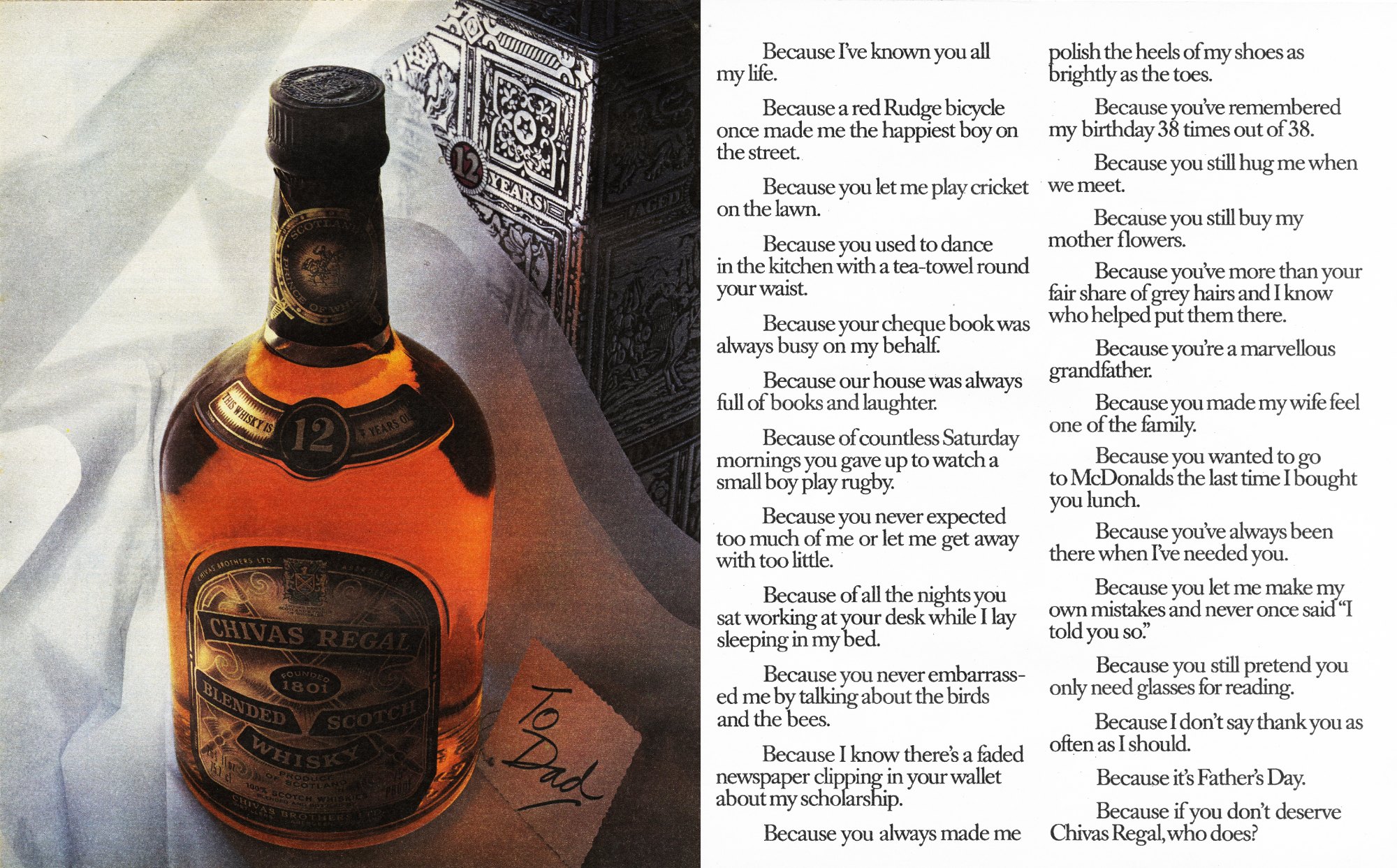
To Dad
A gift-occasion ad with no headline and no logo, written by the copywriter to his own father, became the page a generation of writers point to.
The Little Tramp
The company people saw as cold and corporate sold its first personal computer through a silent-film character the audience already loved, the man who had once been crushed by machinery.
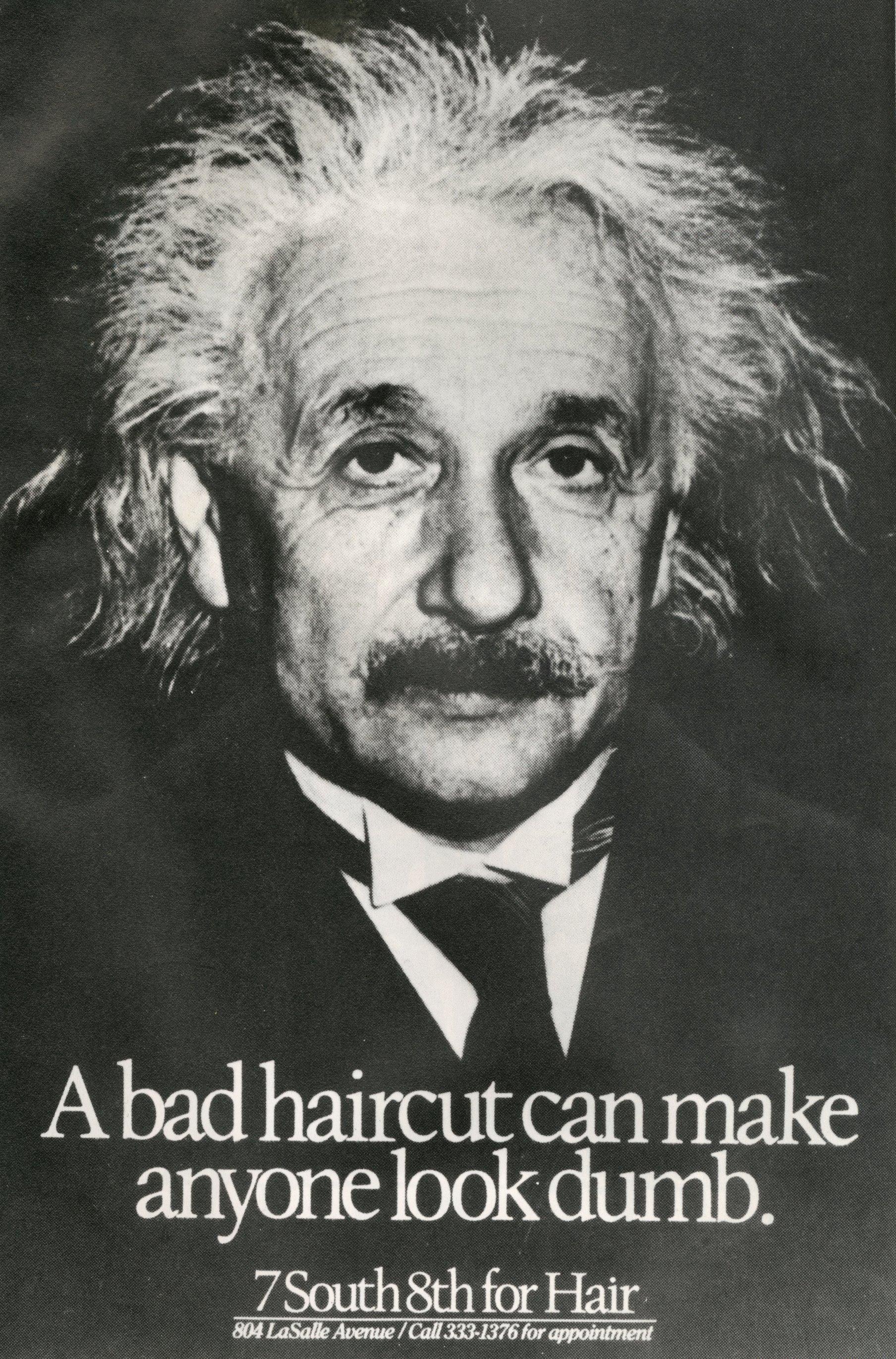
7 South 8th for Hair
A barbershop down the street, a few famous photographs and one line about bad hair became part of the body of work that made Fallon McElligott Rice Advertising Age's Agency of the Year.
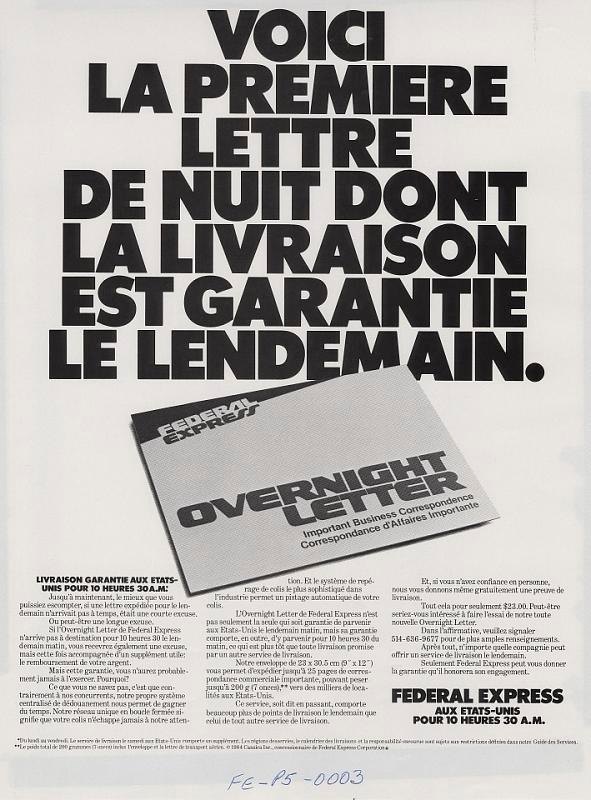
Fast-Paced World
An overnight courier proved its promise of speed by making the viewer struggle to keep up, and a business service became a phrase people repeated at home.
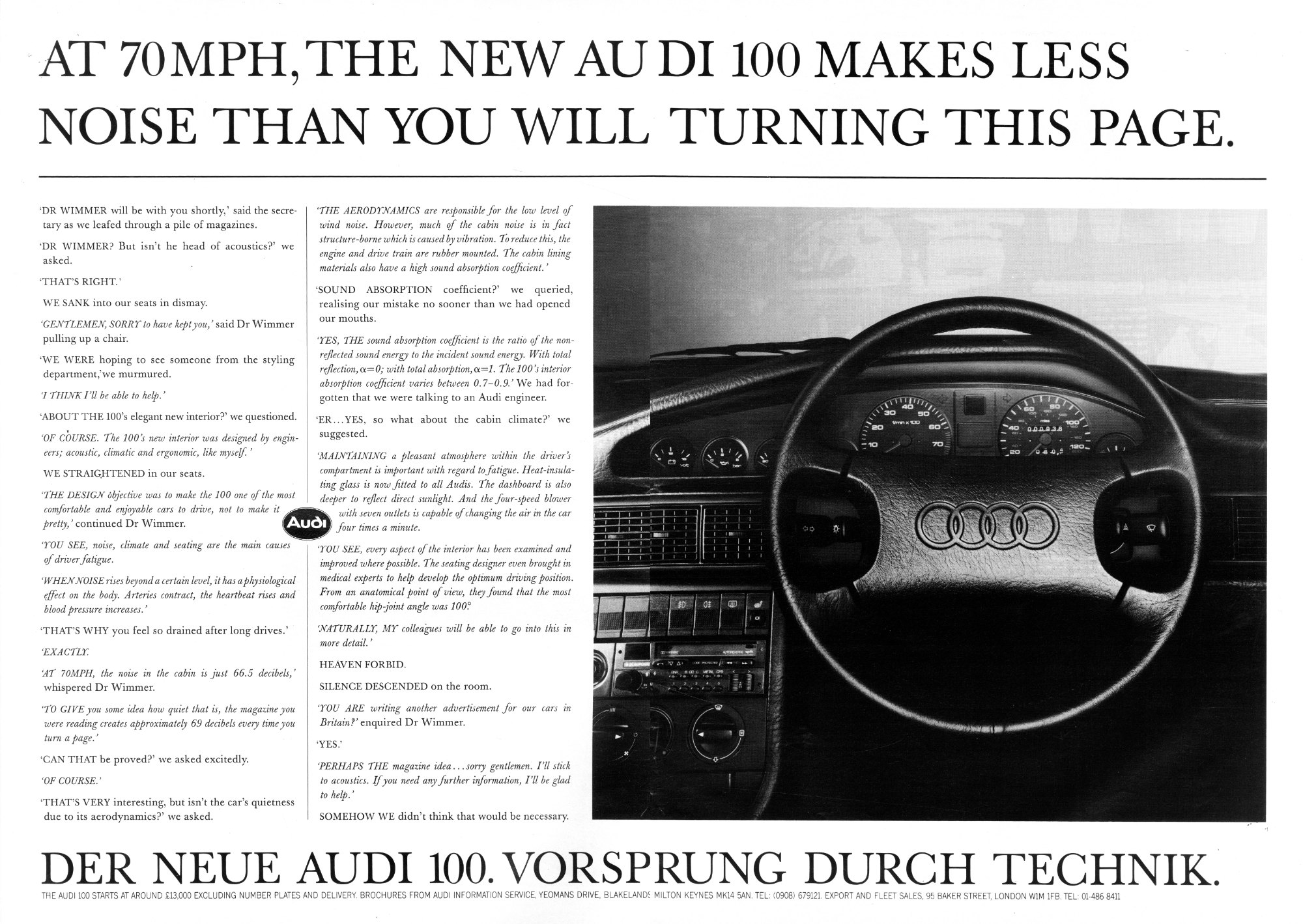
Vorsprung durch Technik
A car Britain could not place was given a nationality by signing every ad with a German line nobody translated.
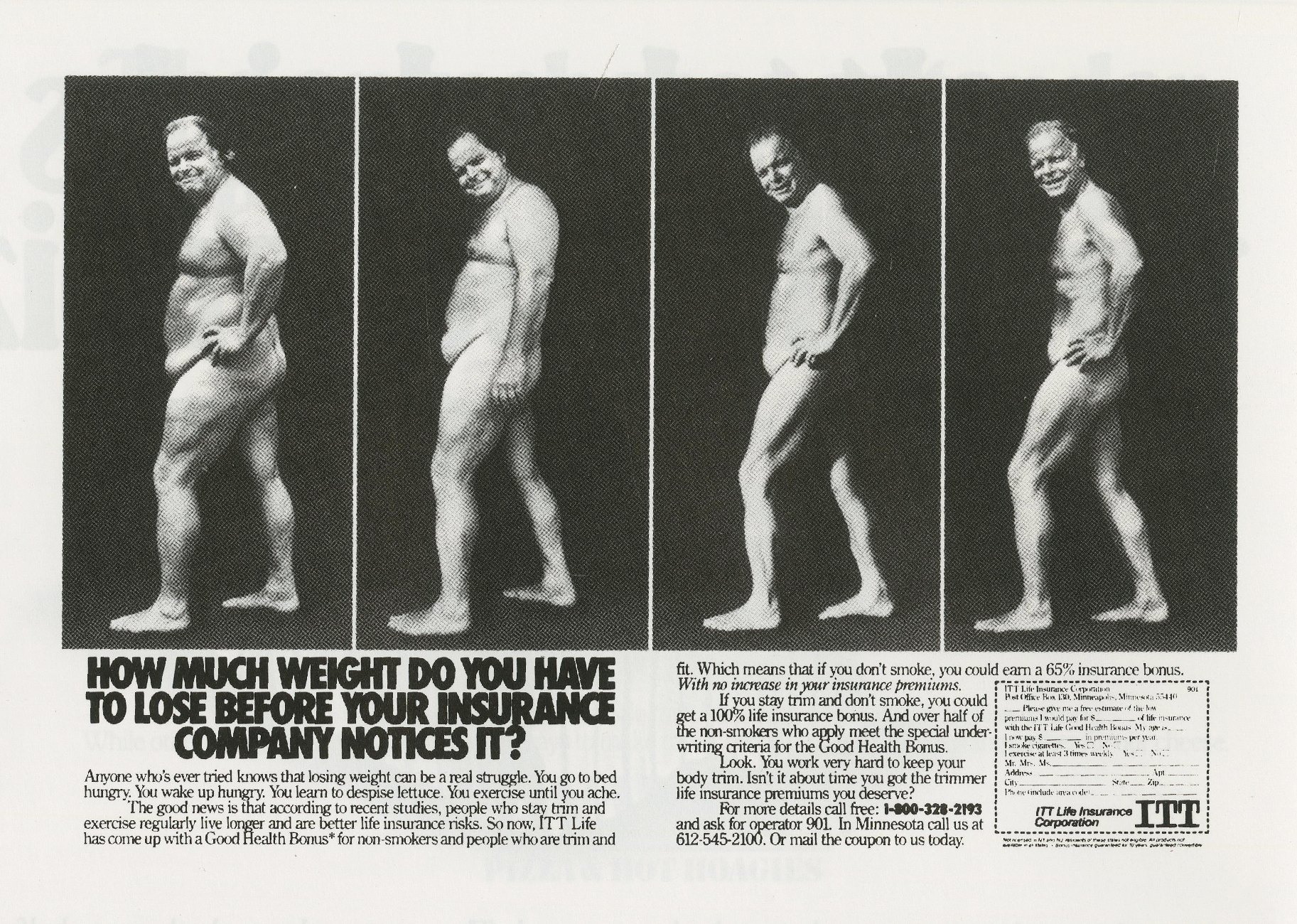
ITT Life Insurance: Your Whole Life Is a Mistake
An insurer paid for newspaper ads telling readers that the industry's best-selling product was a mistake, and they drew 12,000 responses, three times the goal.
Jiffy Lube Changes the Way America Changes Its Oil
A handful of oil-change bays got a logo built to steer cars off the road, and a line that claimed the whole category before it existed.
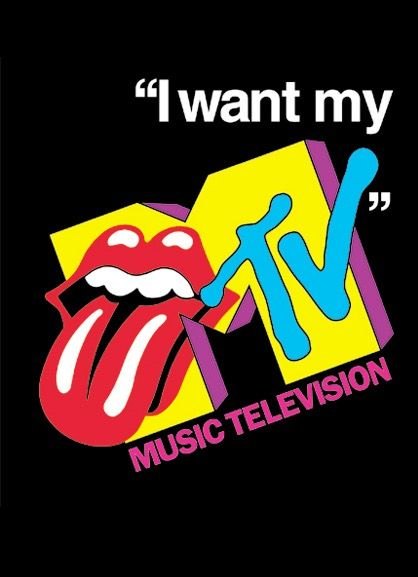
I Want My MTV
A channel that cable operators would not carry went over their heads to the audience and had viewers make the demand by phone.
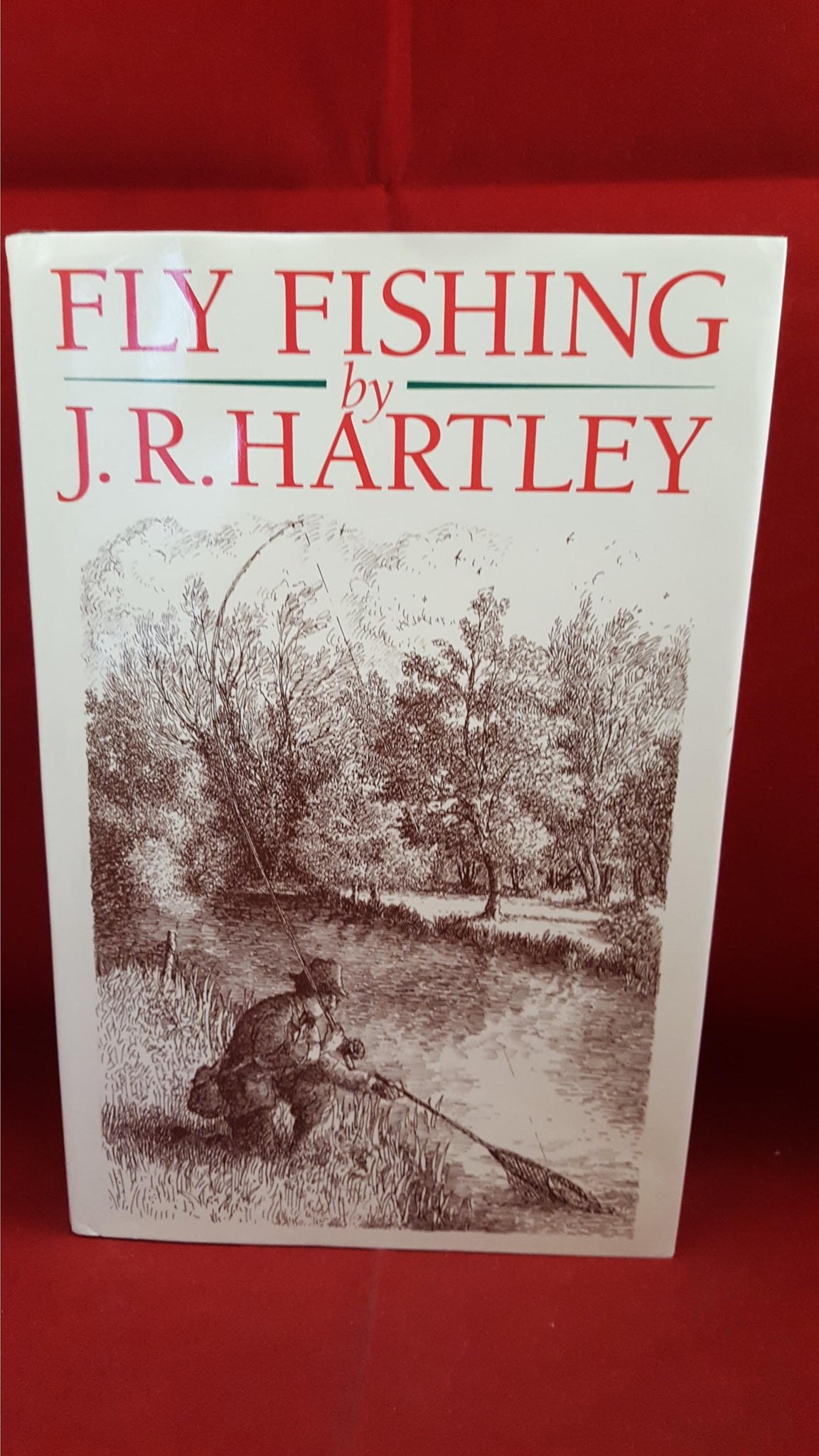
J.R. Hartley
A directory kept for emergencies was moved to the rest of the week by a sixty-second story in which the product appears only at the end.
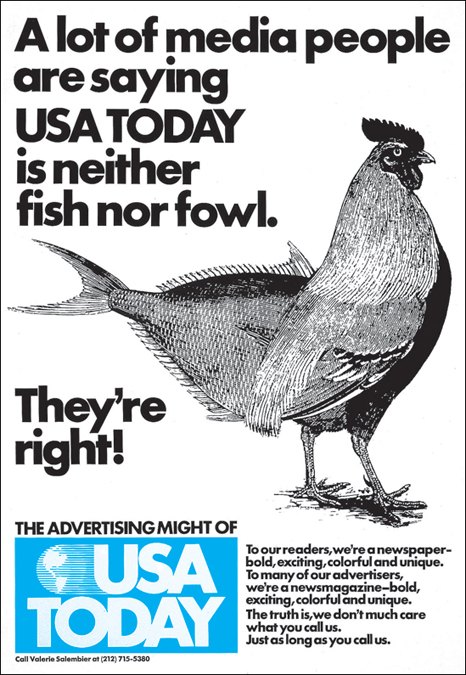
Neither Fish Nor Fowl
A new national paper mocked by the trade took the insult, printed it as its own headline, and sold the confusion as range.
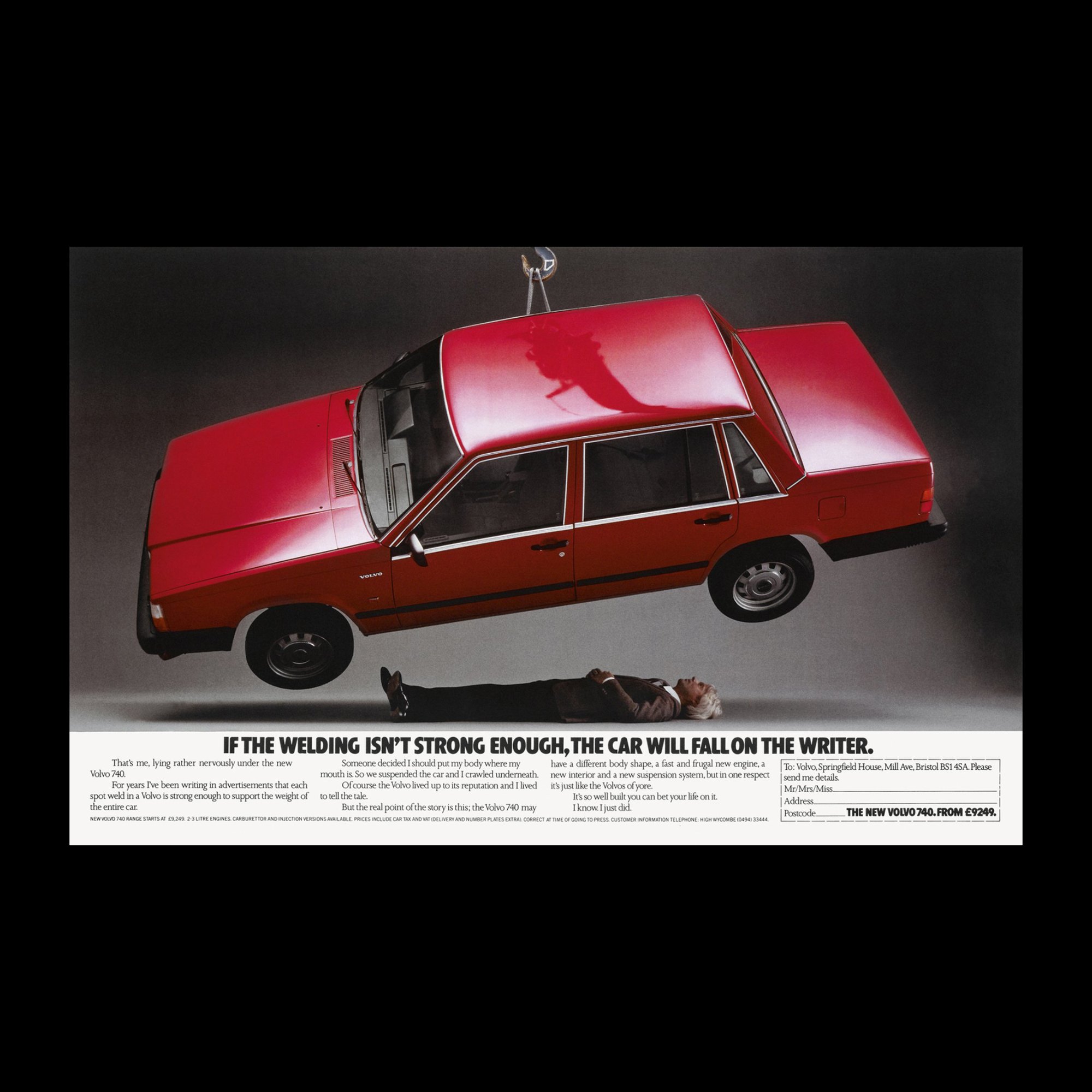
The Car Will Fall on the Writer
A safety claim everyone had stopped hearing was turned into a photograph nobody could ignore, with the writer's own body as the proof.
Where's the Beef?
Where's the Beef?
Three words that put a brand's competitive claim into a presidential debate, by never showing the brand's own product.
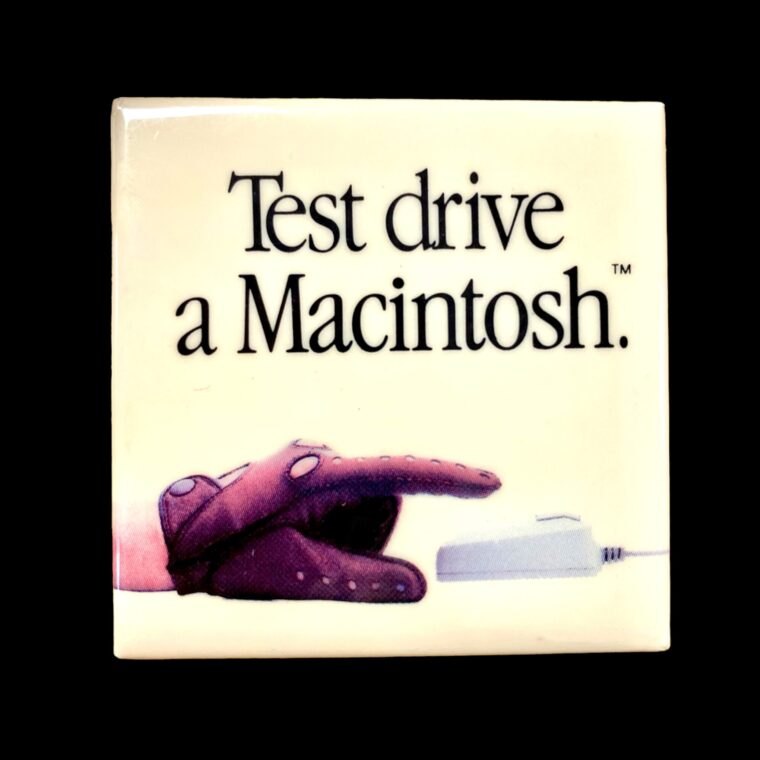
Test Drive a Macintosh
A trial promotion that proved the product and still failed, because the thing stopping the sale was the price.
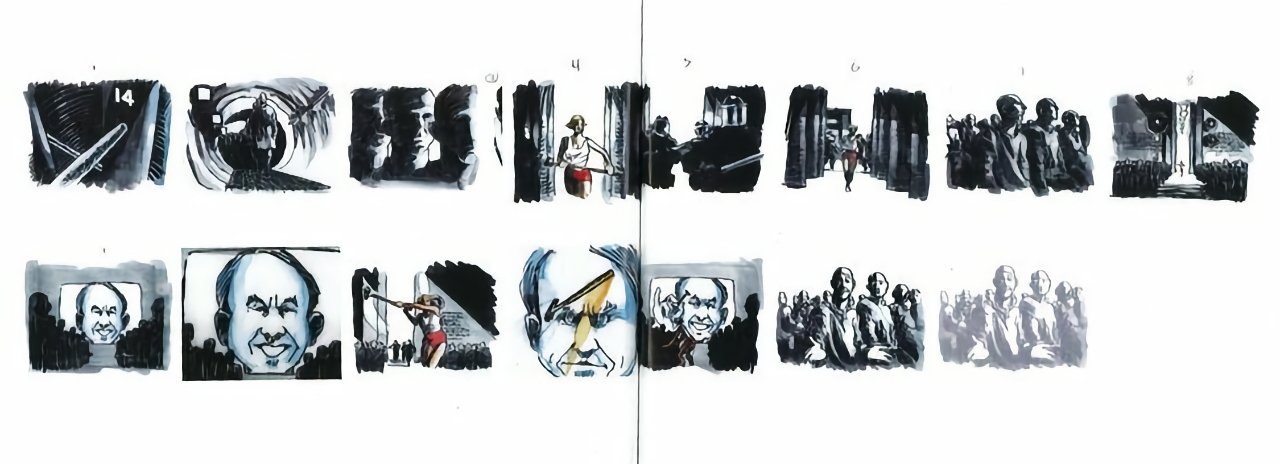
1984
A computer launch sold without showing the computer: sixty seconds of film that cast the market leader as Big Brother and turned a Super Bowl break into the launch itself.
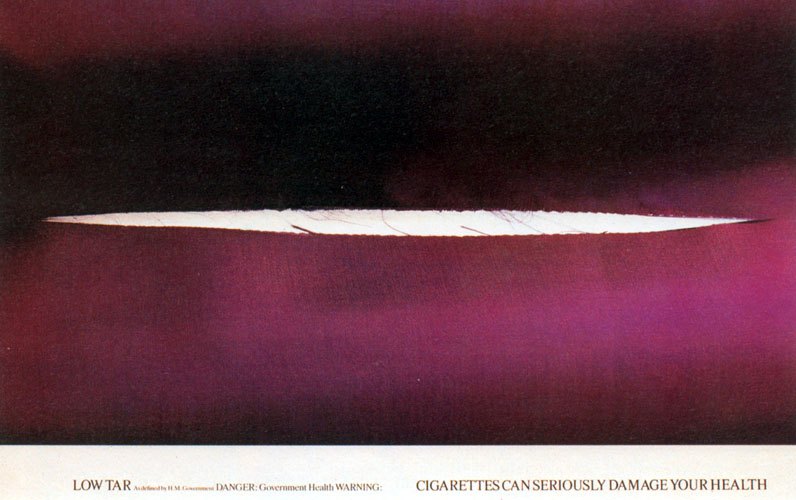
Purple Silk
A cigarette sold for nearly two decades with no name, no smoker and no claim, only purple, a fabric and a cut.
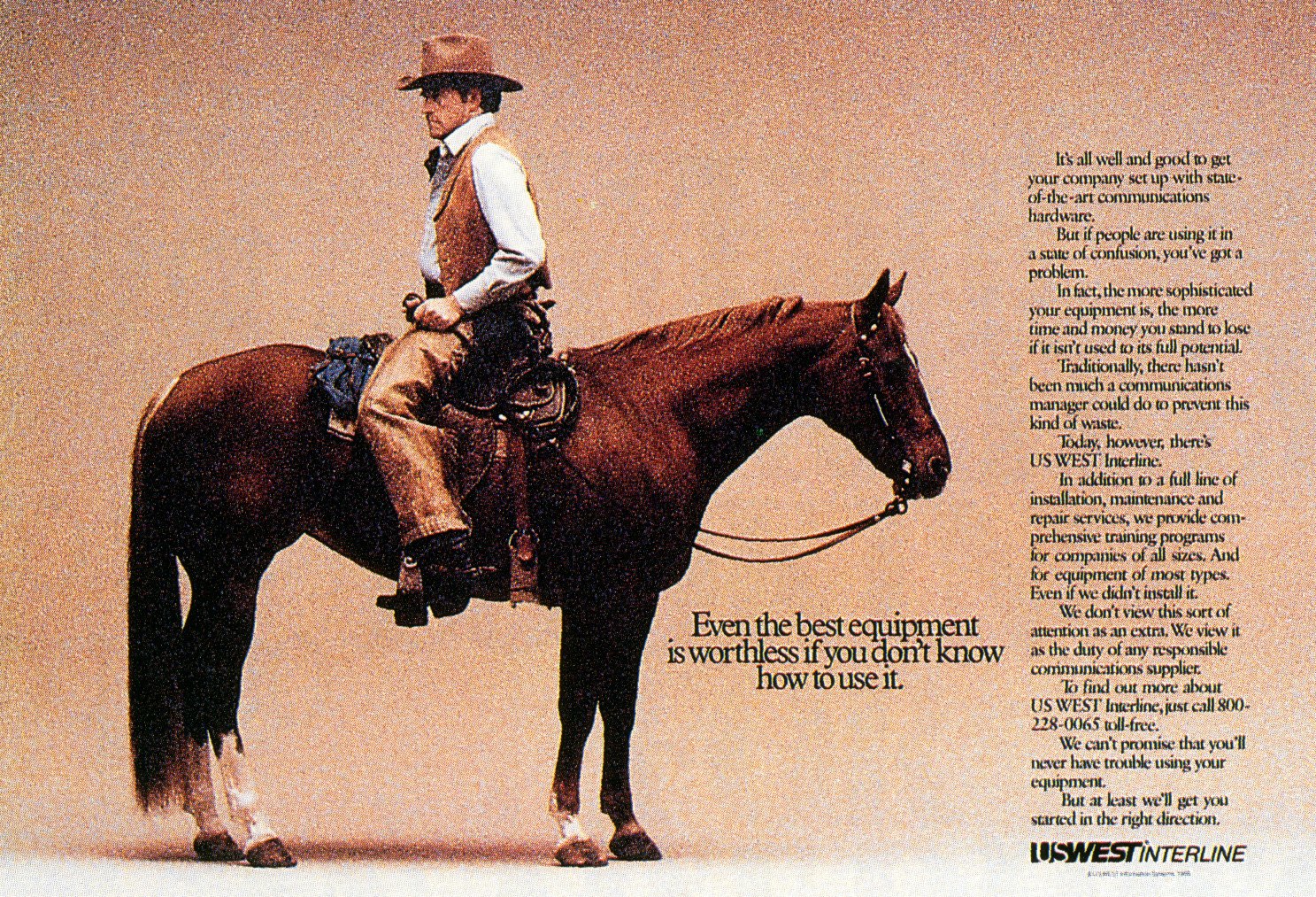
US WEST Corporate Print
A new company created by a court-ordered breakup had to introduce a name nobody knew; it is also the account whose loss in 1988 marked the start of the end of McElligott's time at Fallon.
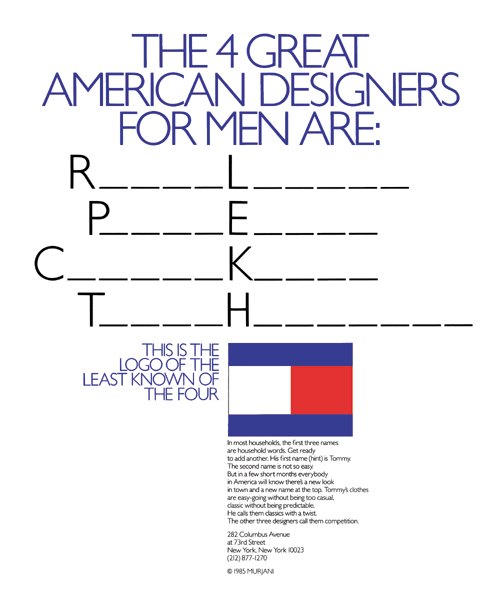
The 4 Great American Designers for Men
An unknown designer was announced as one of the four greats of American menswear, in a Times Square word game, on a budget of about $200,000.
Lemmings
Lemmings
A sequel that made the buyer the joke, attached to a product nobody could yet buy.
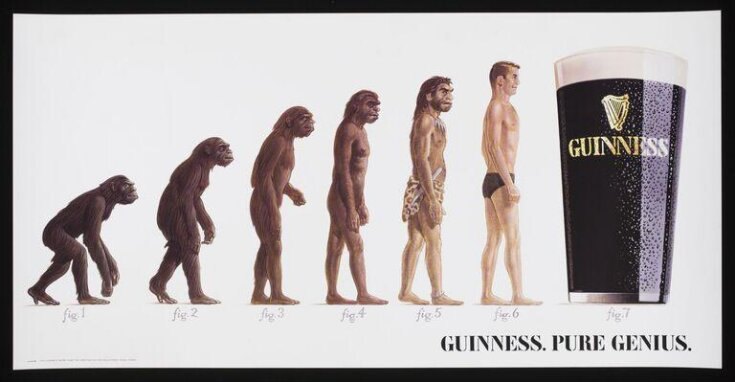
Pure Genius
Two words and a strange man in black turned an ageing stout into a drink for people who liked to think they were different.
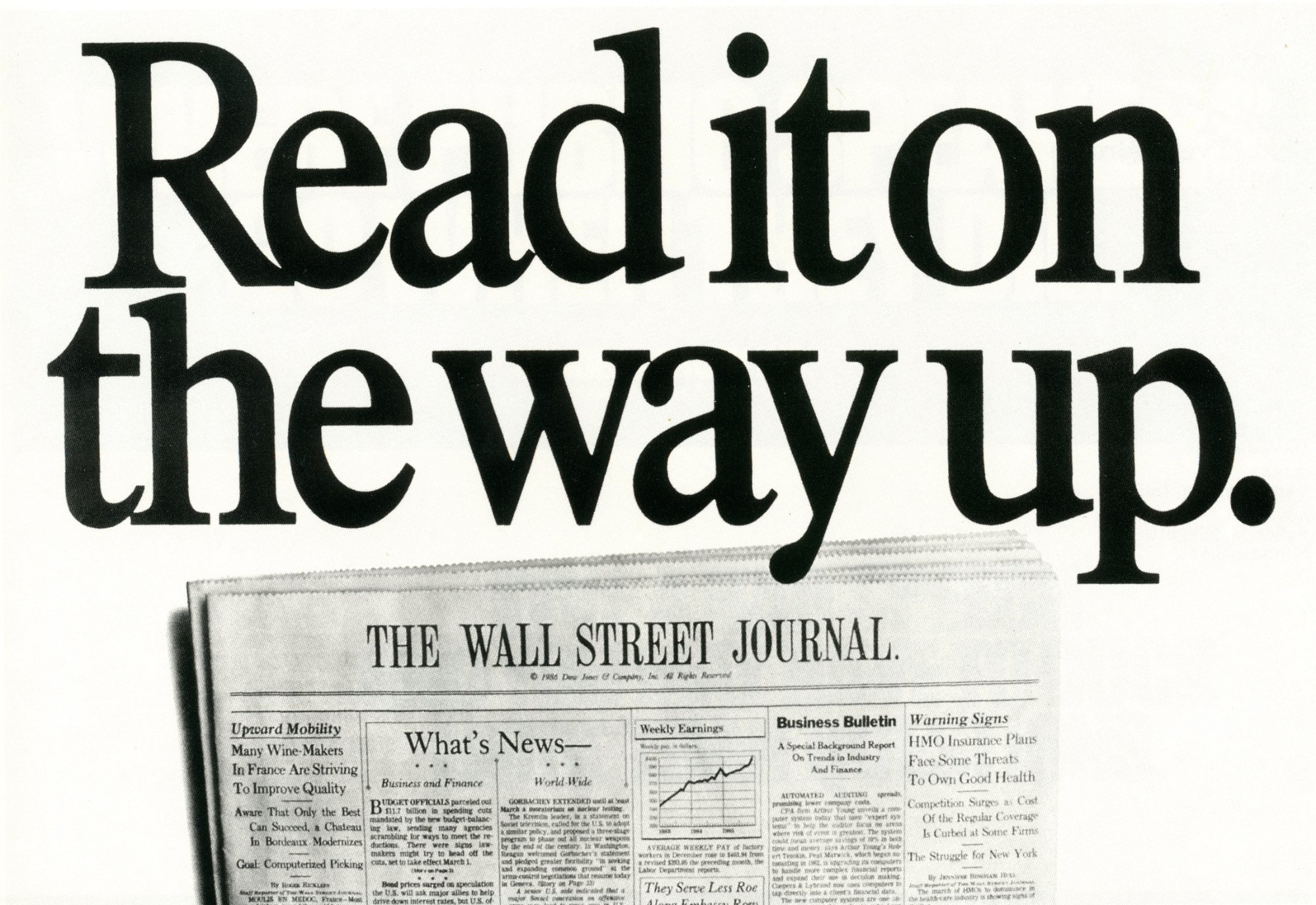
The Wall Street Journal: The Daily Diary of the American Dream
A Minneapolis agency took the Journal from its agency of nearly forty years and recast a financial paper as the daily record of personal ambition.
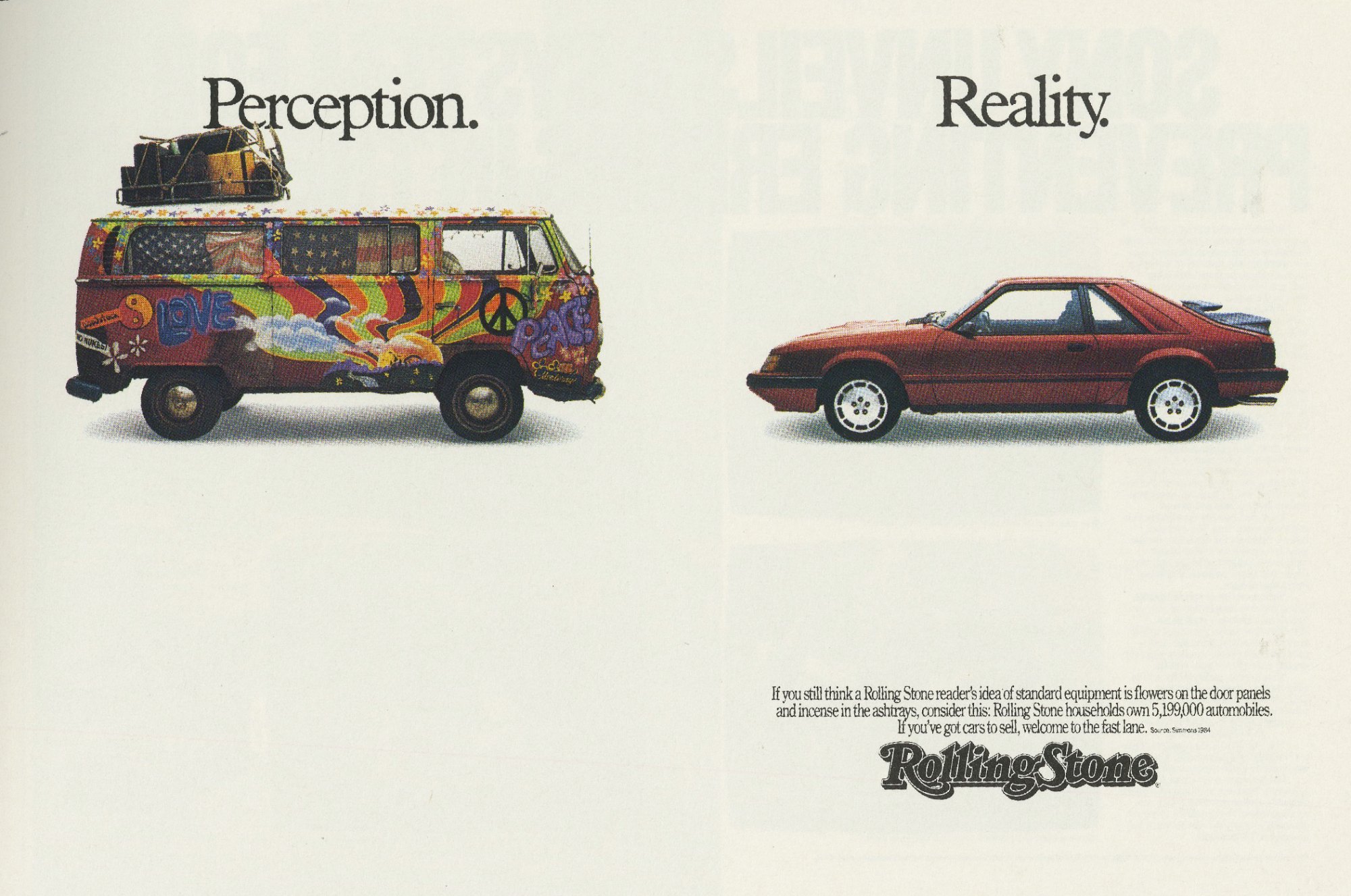
Perception. Reality.
A trade campaign aimed at media buyers that fixed a magazine's image problem with two words and two pictures, and became the model for every 'what you think versus what is true' ad since.
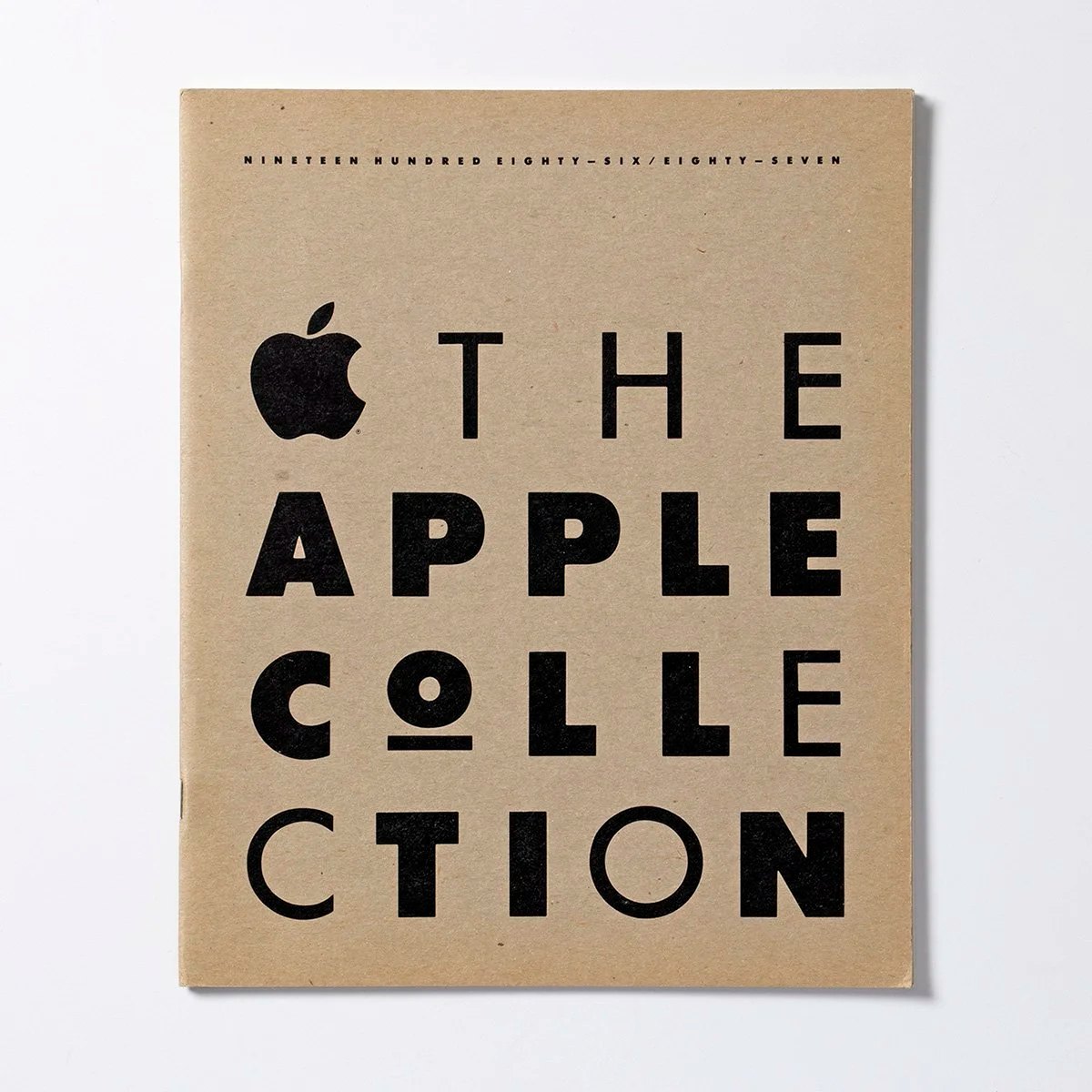
The Power to Be Your Best
How a four per cent computer company stopped arguing about the office and started arguing about the person sitting in it.
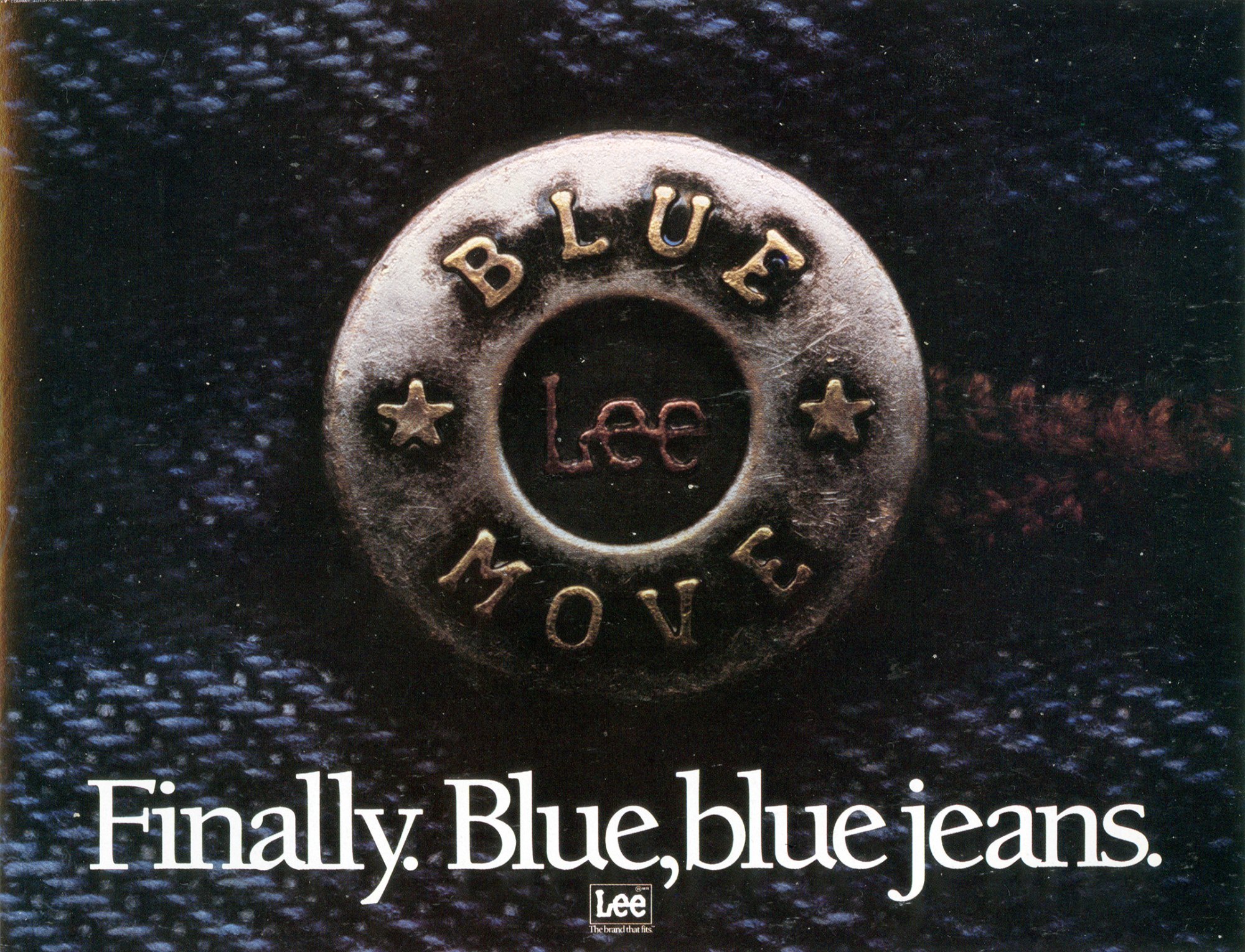
The Brand That Fits
A jeans maker with a real product advantage, fit, found a written voice for it at a time when the rest of the category sold attitude.
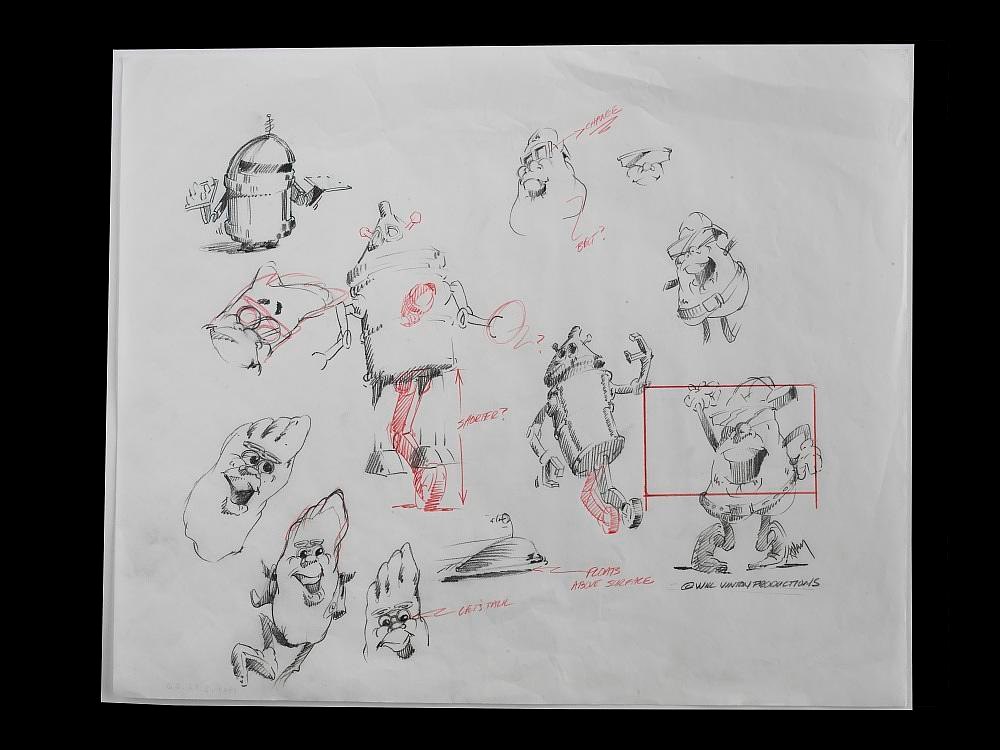
The California Raisins
How a commodity with no brand bought an emotion it could not generate, and chose the one borrowed thing that could not be pulled off the product.
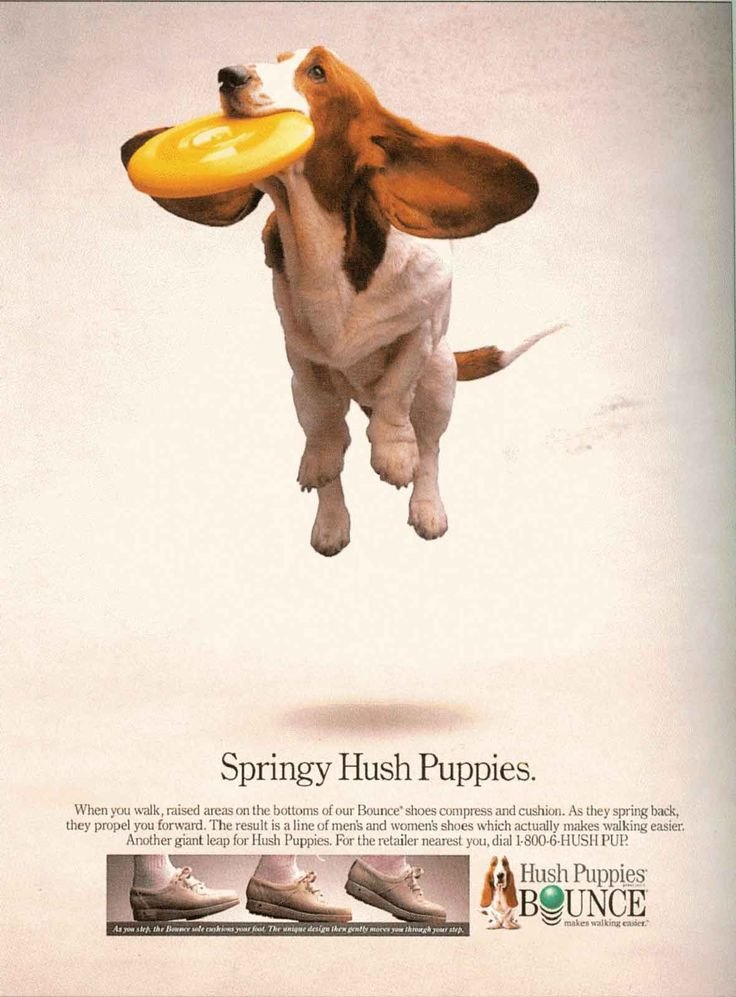
The Basset Hound Campaign
A tired shoe brand rebuilt on the one asset it had left, its dog, with the product name in every headline and the ads still funny.
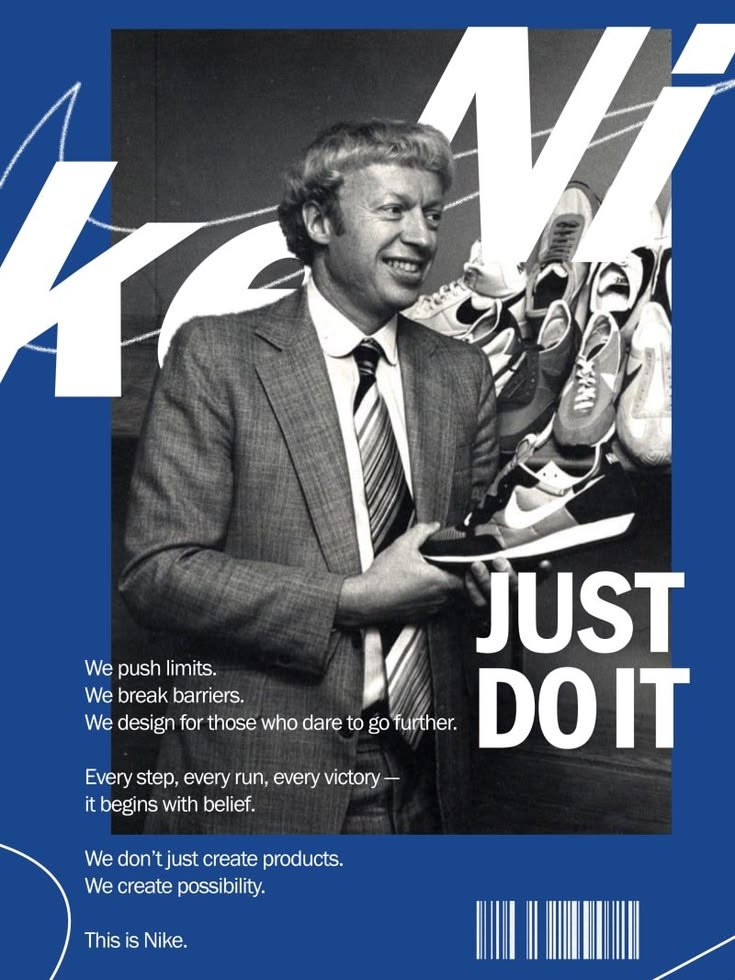
Just Do It
A three-word line with no sport in it, written to hold five unrelated commercials together, that let a runner's brand speak to everyone who moves.
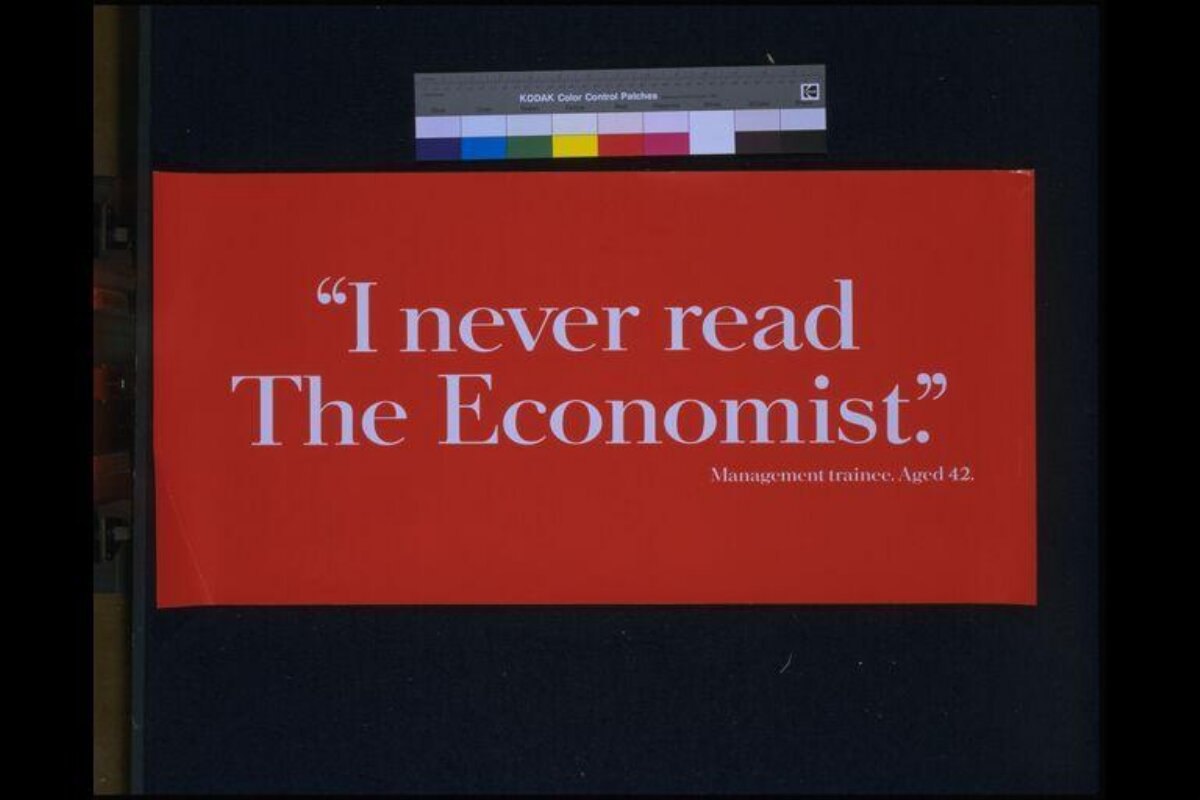
White Out of Red
A magazine sold its brand instead of its contents, with a poster that was nothing but its own masthead and one line, and kept it up for nineteen years.
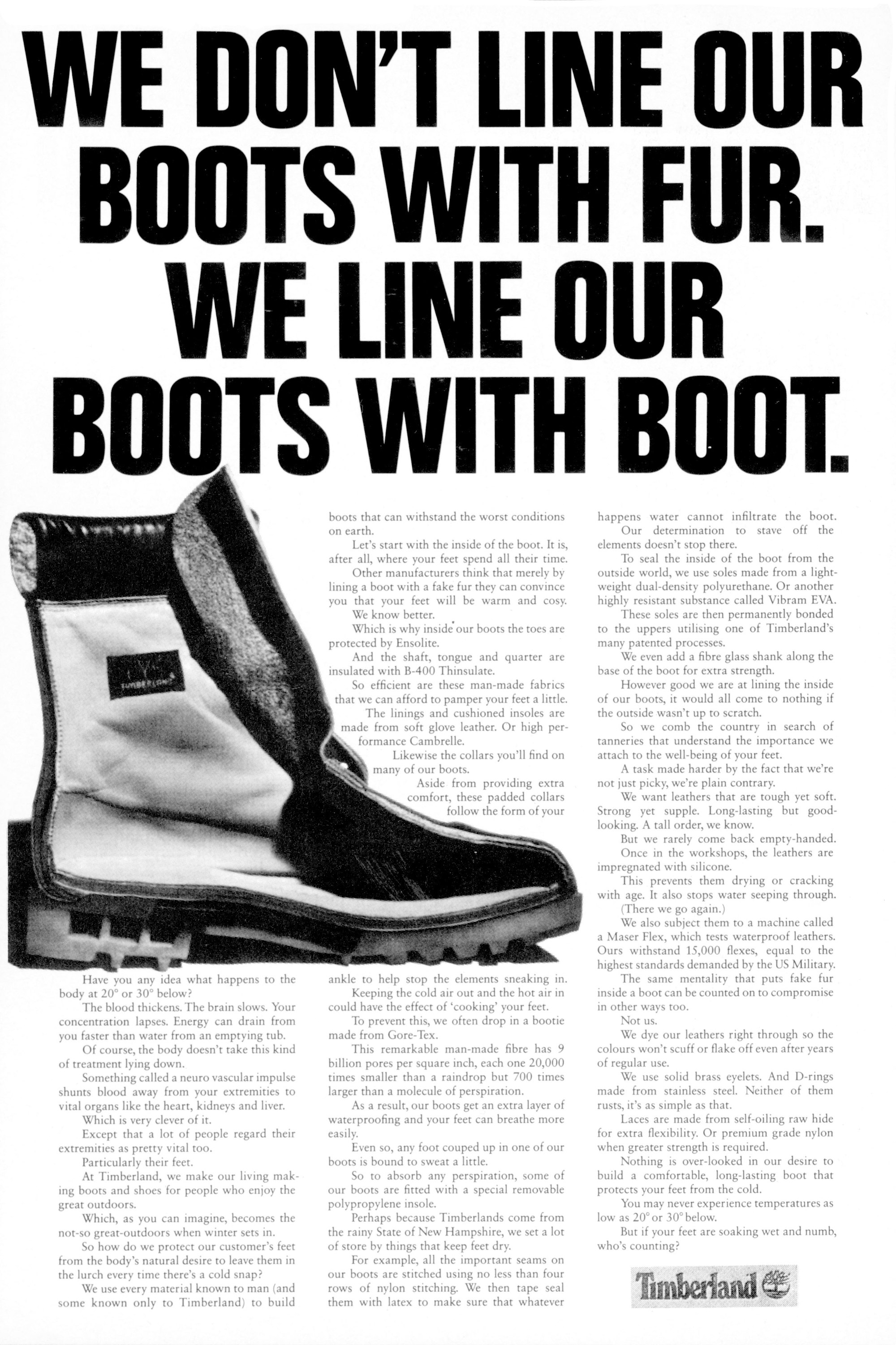
The Timberland Press Campaign
An unknown American boot at £110 a pair, sold to British newspaper readers with a loud headline and a full page of reasons.
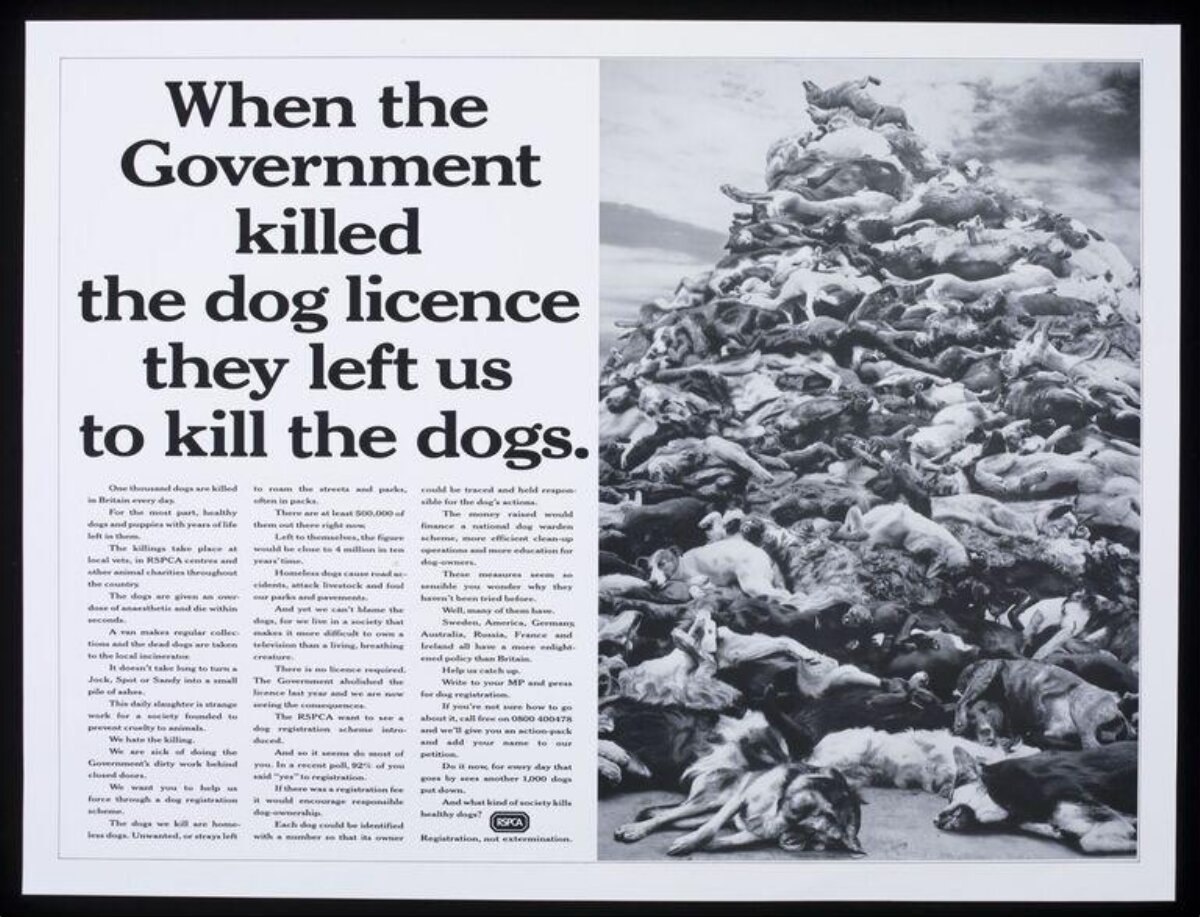
They Left Us to Kill the Dogs
A charity that had always asked for sympathy accused the Government instead, and came within thirteen votes of changing the law.
The Energizer Bunny
The Energizer Bunny
A brand took possession of the symbol its competitor had spent fifteen years building and then stopped defending.
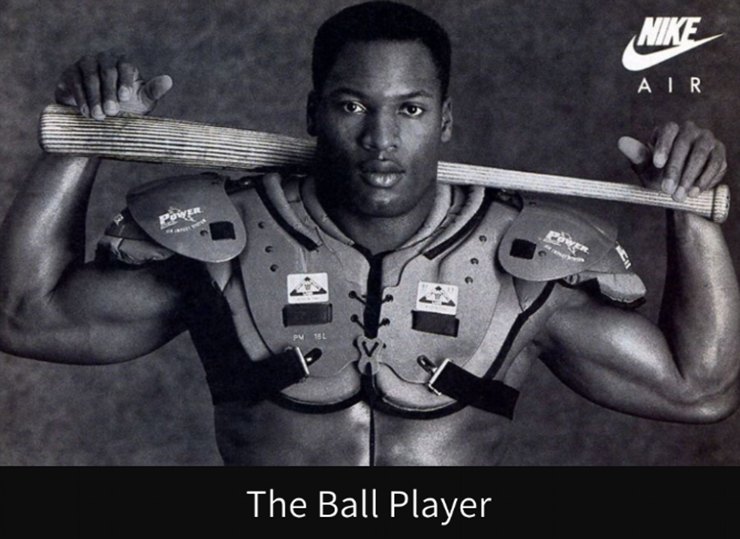
Bo Knows
Nike sold a new shoe category by putting it inside one real man who played two professional sports, then let him fail at a third.
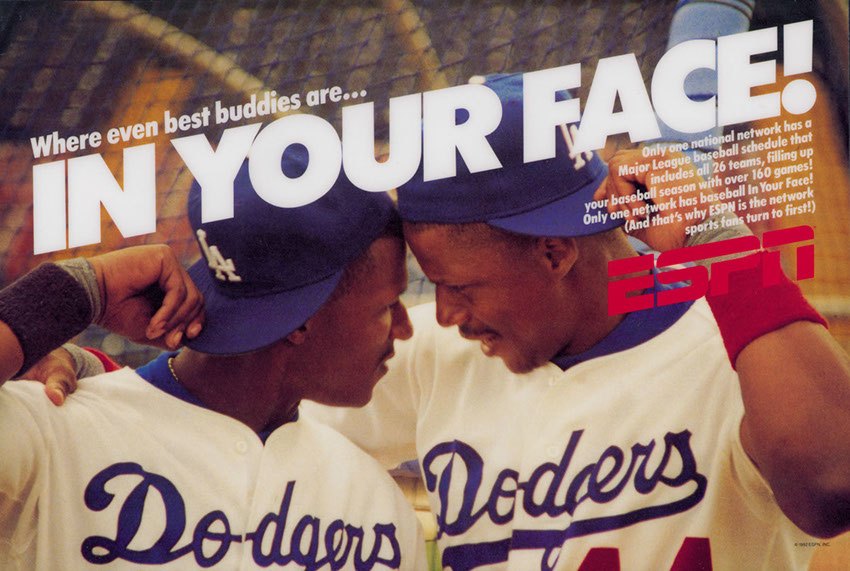
In Your Face
A cable network still known for tractor pulls borrowed the faces of the leagues it had just bought, to make its reputation catch up with its rights.
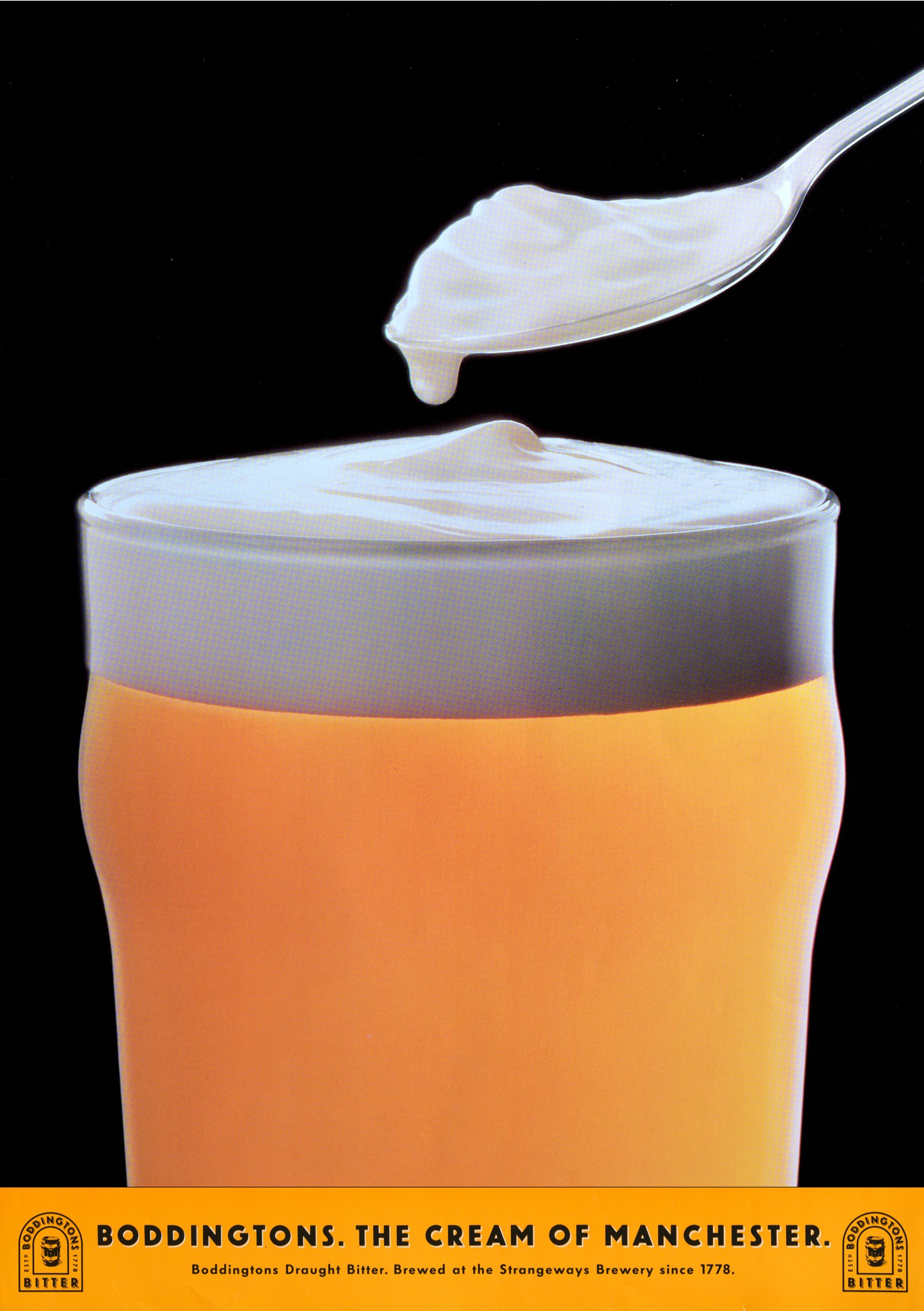
The Cream of Manchester
A regional bitter went national on one idea: the head of the pint is cream, shown as a single object on a black page.