Blackglama · Jane Trahey Associates
What Becomes a Legend Most?
A ranchers' association turned an unbranded pelt into a name women asked for, using one question, one photograph and no copy.
The era.
1968 was a hard year in the United States. The Tet offensive in Vietnam began in January. Martin Luther King Jr. was killed on 4 April and Robert Kennedy on 6 June. In August police and protesters fought in the streets of Chicago outside the Democratic convention, and in November Richard Nixon won the presidency.
The country was splitting by age. People under thirty had their own music, clothes and politics, and they distrusted the things their parents had worked for. The parents still had the money. Luxury stores still depended on older customers, and those customers were being told daily that their taste was out of date.
Magazines remained the place where luxury was sold. Vogue, Harper's Bazaar and The New Yorker carried full pages for furs, jewellery and scent, usually with a model, a store name and a paragraph of description. A fur page from one house looked much like a fur page from the next.
The culture.
For twenty years a mink coat or stole had been the plain sign that an American woman had arrived. By 1968 fashion was being set by girls in short skirts, and the young wore fun furs and fakes when they wore fur at all. Mink was at risk of becoming what an older woman wore.
The film stars of the 1930s and 1940s were in a similar position. The studios that made them had lost their power, but Bette Davis, Joan Crawford, Marlene Dietrich and Judy Garland were still alive, still working and known to everyone over thirty-five. Younger audiences were starting to rediscover their films on television and in revival houses.
Celebrity advertising at the time meant a paid testimonial. The star's name ran in large type beside a sentence saying how much she liked the product. Richard Avedon, a leading fashion photographer in New York, shot portraits for magazines that looked nothing like those ads.
The problem.
Ranchers who bred the darkest mink in America sold pelts with no name on them, so no woman could ask for theirs.
The Great Lakes Mink Association was a group of mink ranchers formed in 1941. Its members bred a mink so dark it was close to black, and they sold pelts to furriers, never coats to women. A customer in a fur salon saw the store's label and had no way to ask for one rancher's mink over another's.
The association wanted a name the customer would ask for, which would give furriers a reason to pay more for its pelts. There was a practical difficulty as well. Black fur printed on a magazine page turns into a dark shape with no detail, so a photograph of the coat alone would show nothing. And the product had to be made desirable in a year when luxury looked out of step.
The Great Lakes Mink Association, a ranchers' group, hired Jane Trahey's agency a few months before 1968 to promote the black mink its members bred. It needed a trade name and a way to make customers ask for it.
The solution.
Give the pelt a name, wrap it round a woman everyone already knows, and print nothing but a question the name answers.
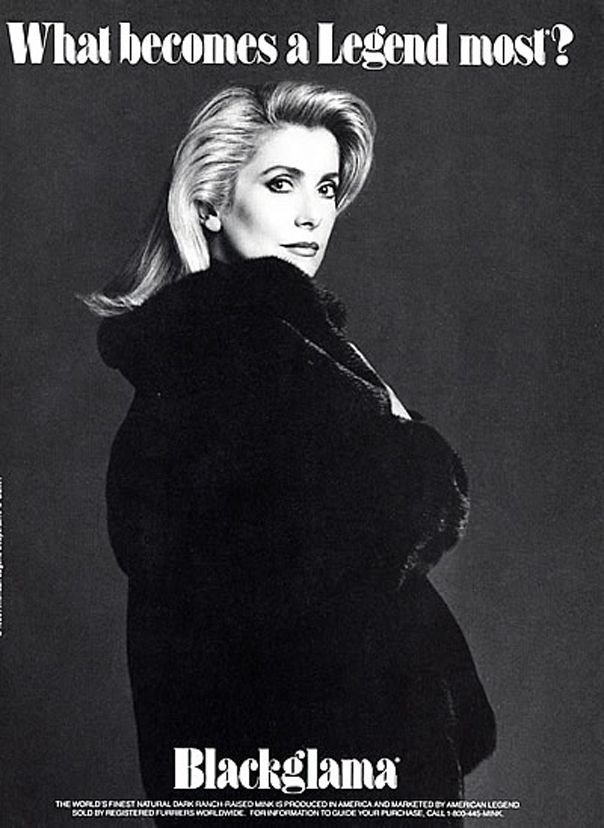
Jane Trahey's New York agency was hired a few months before 1968. Trahey made the trade name from the association's initials and the word glamour: Blackglama. Since the fur would not photograph, the agency decided the person inside it had to carry the page. The line, "What becomes a Legend most?", is credited to Norman Sunshine at the agency.
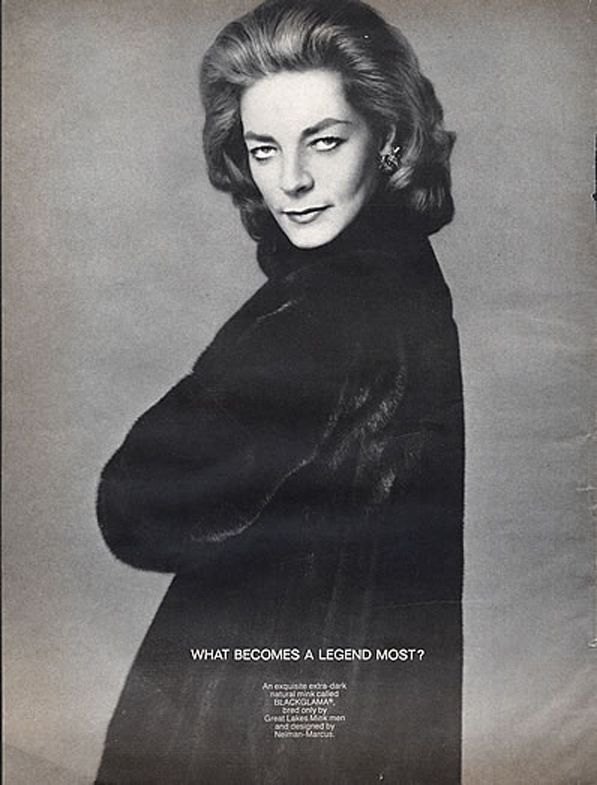
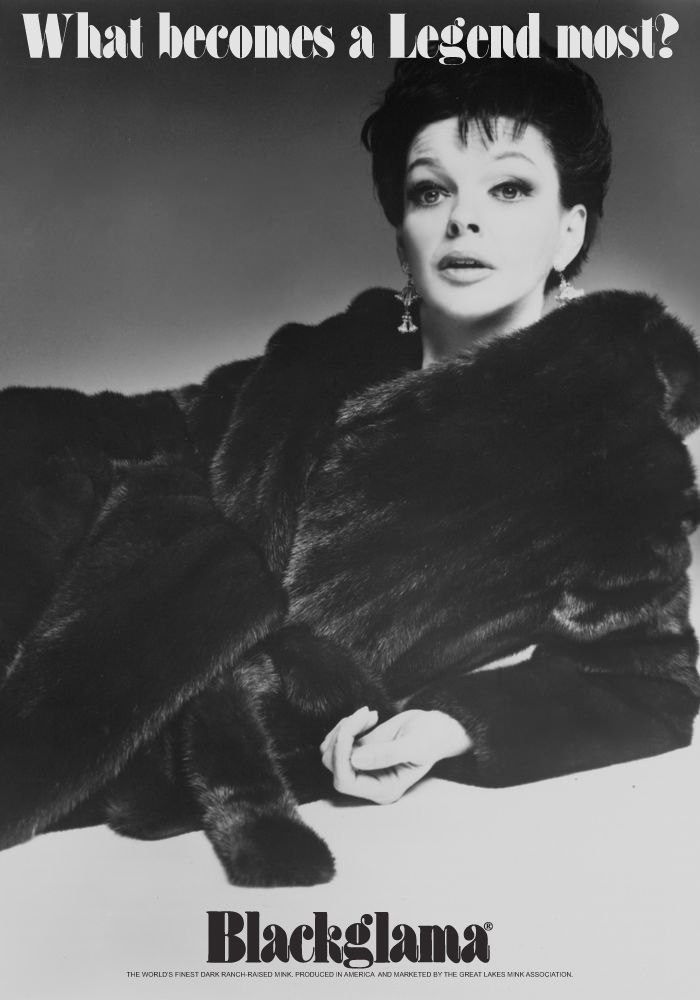
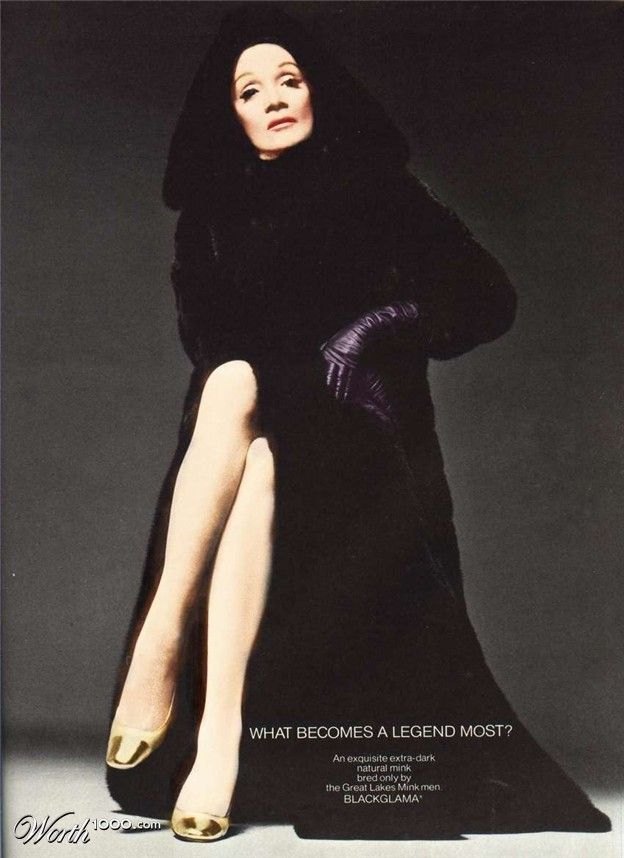
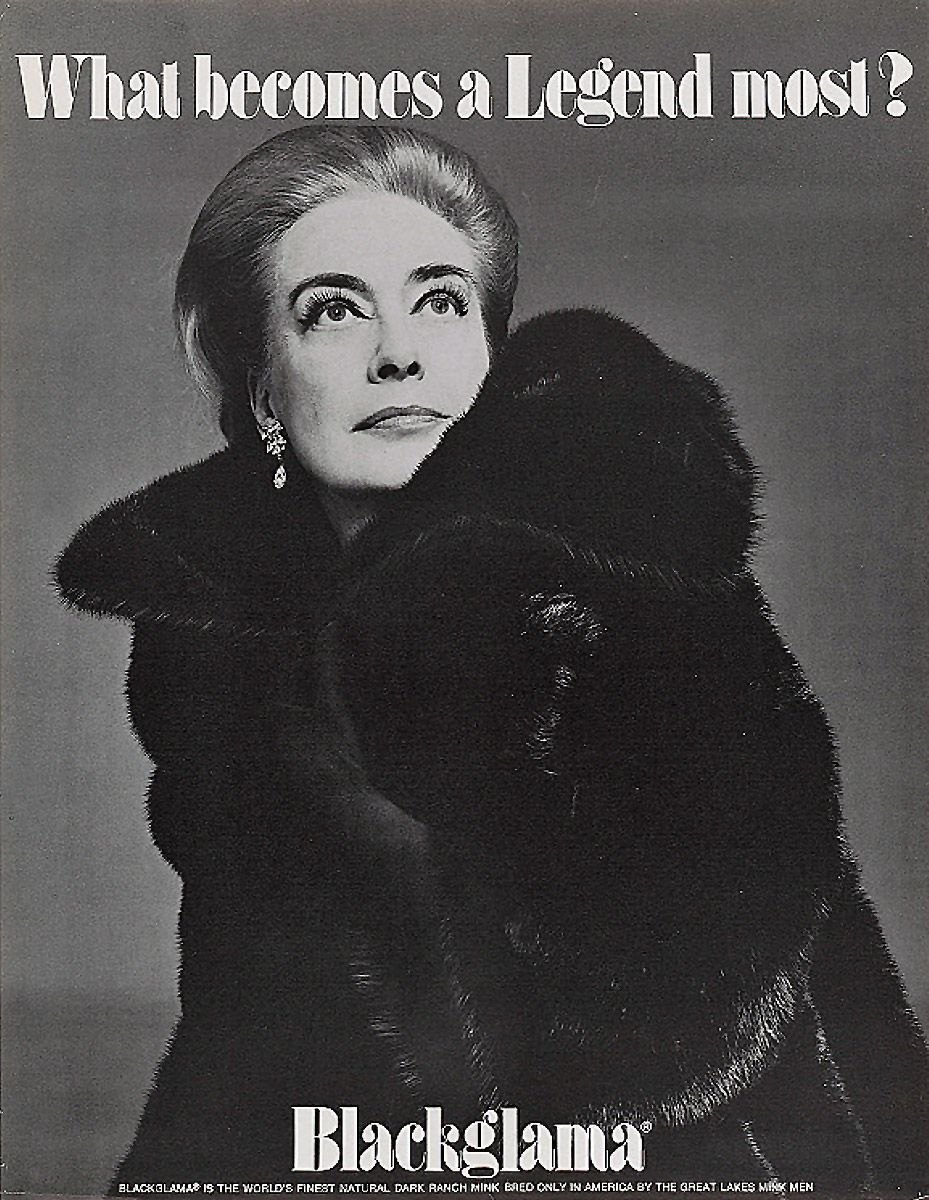
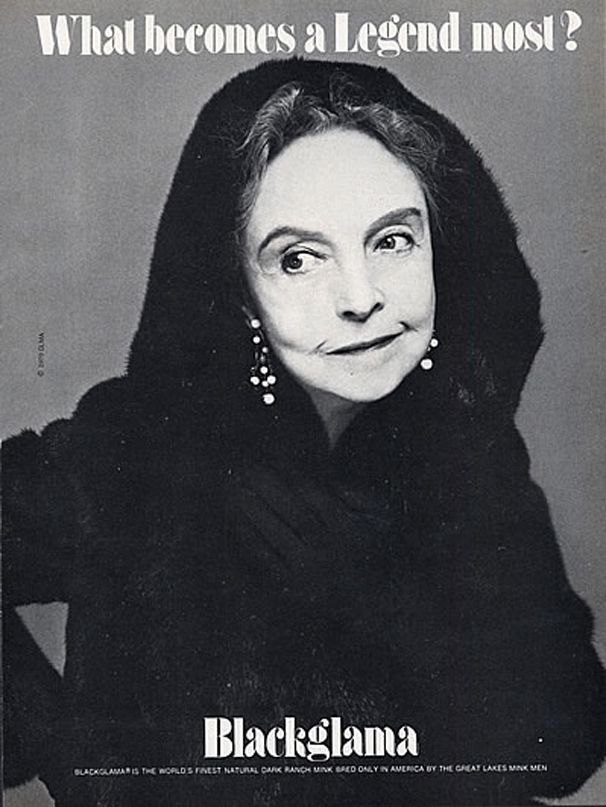
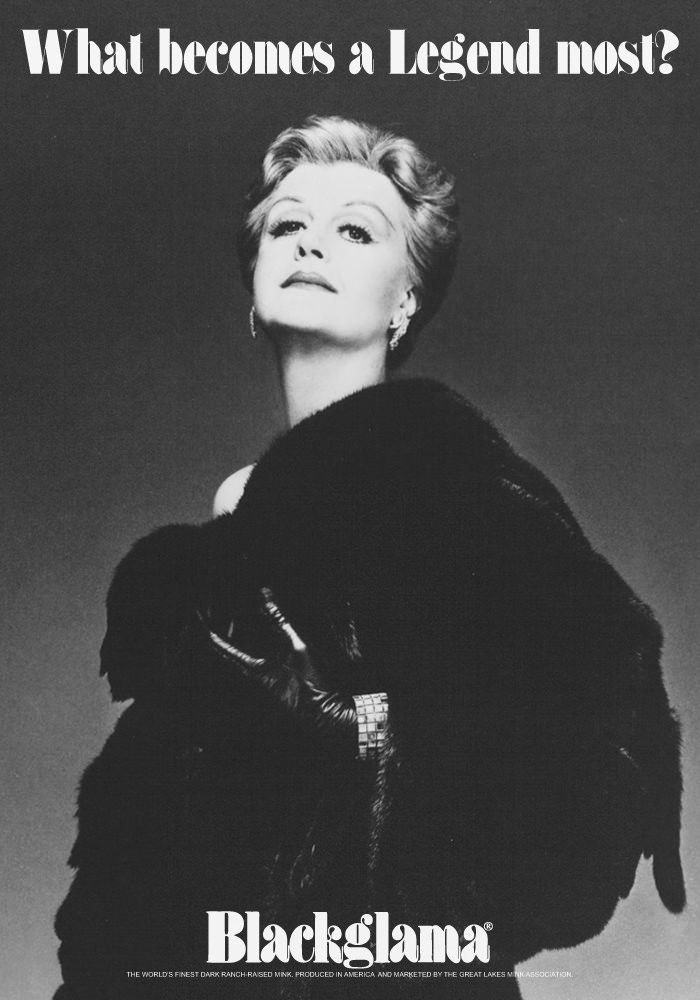
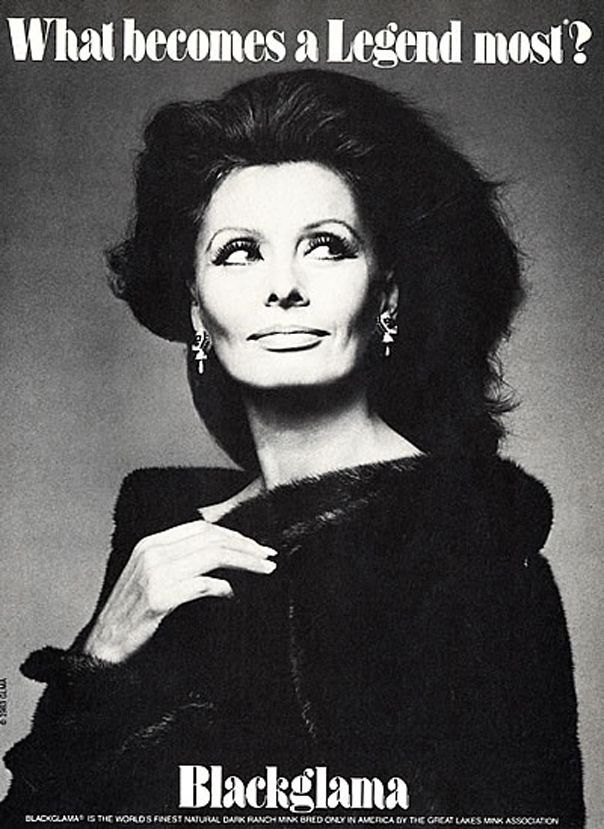
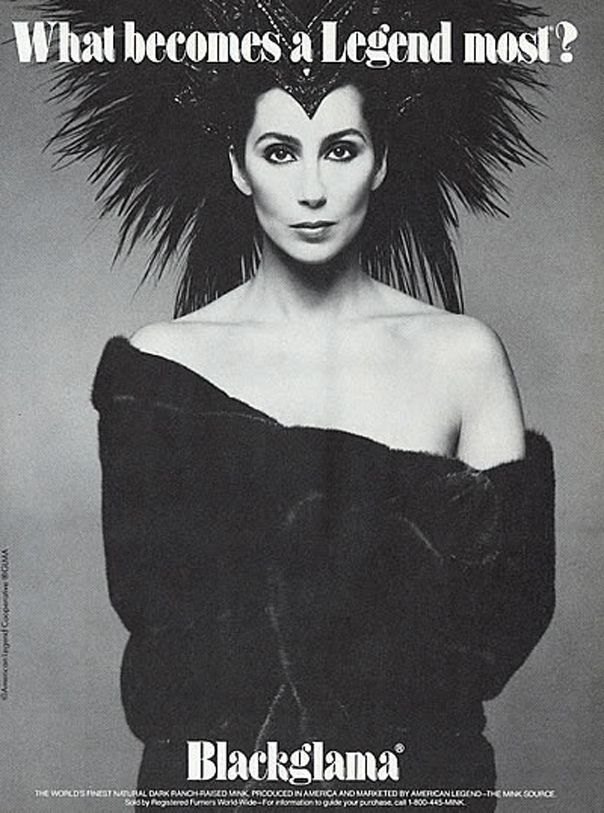
Every ad used the same parts. A full-page black-and-white portrait by Richard Avedon, the question across the top, the word Blackglama at the bottom. The star was never named and said nothing. Lauren Bacall, Bette Davis, Judy Garland, Melina Mercouri and Barbra Streisand posed in the first year. Peter Rogers of the agency persuaded them, and each was paid with a coat.
The format flattered everyone involved. The reader was trusted to recognise the face, the star was called a legend in print, and the mink became the thing legends wore. The campaign ran in the same form for more than twenty-five years and more than sixty sitters, from Maria Callas to Ray Charles. Avedon shot the first five years and Bill King followed him.
The work.
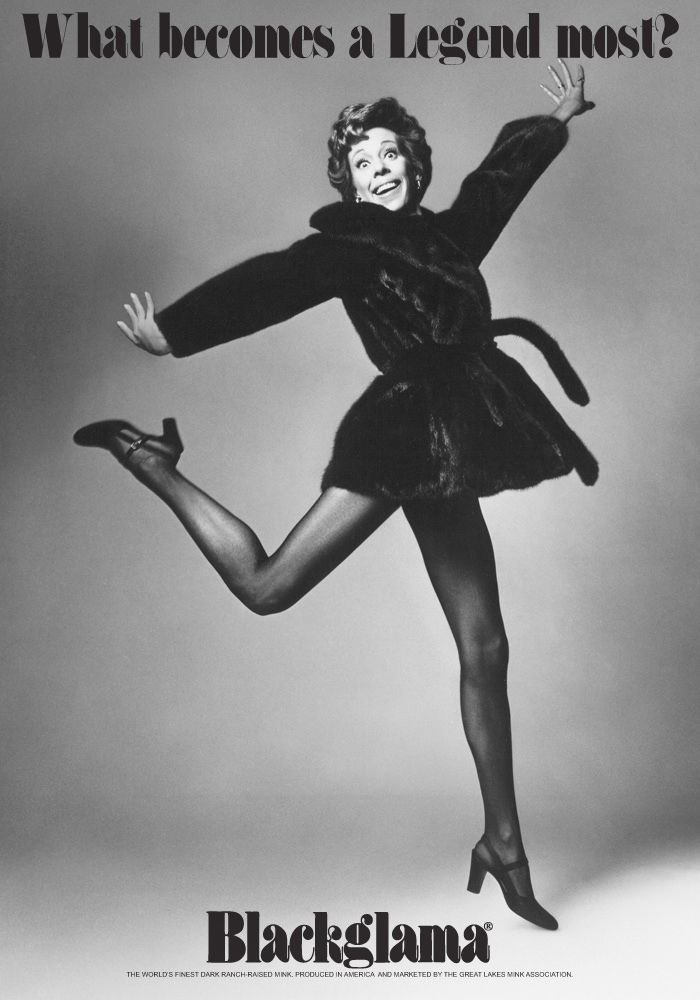
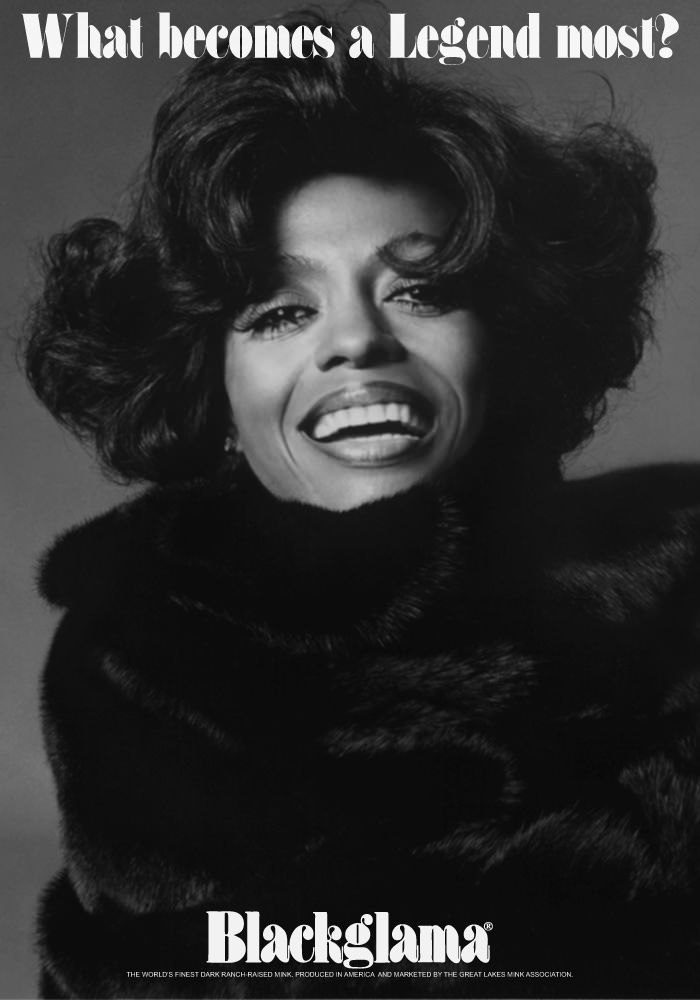
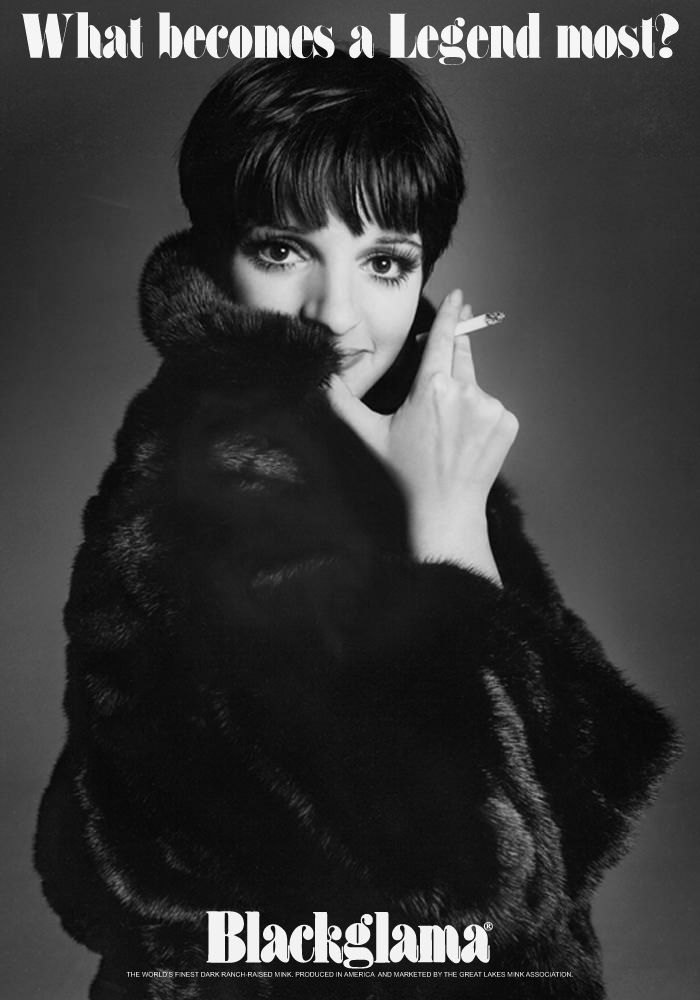
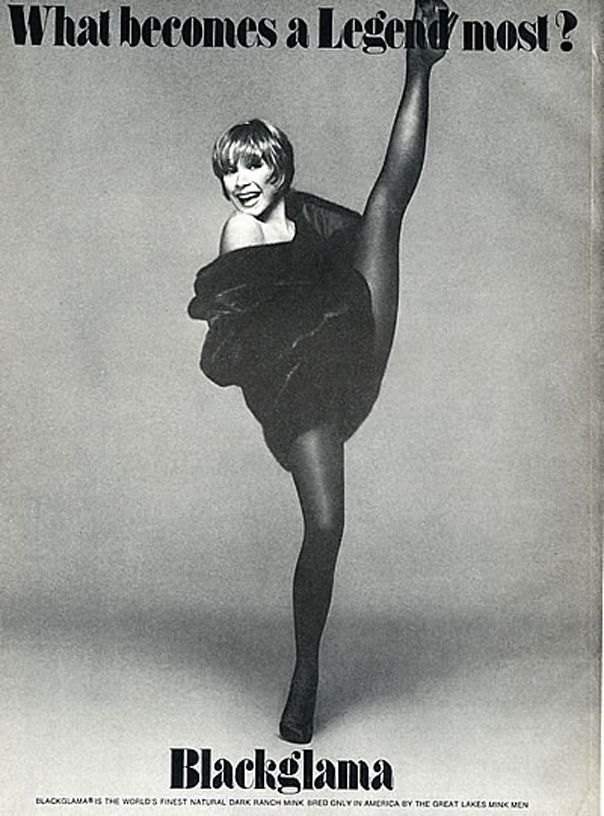
Same shape of problem.
The stars were not named, not quoted and not paid in money. Each one got a coat.
Back to the archive →