
Health Education Council · Cramer Saatchi
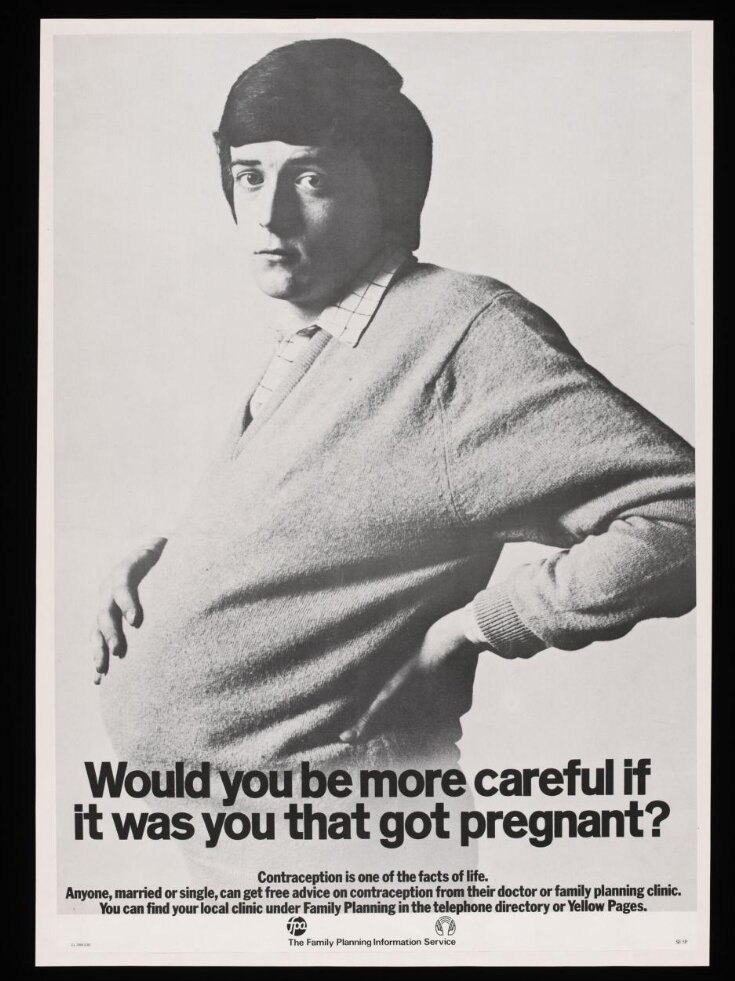
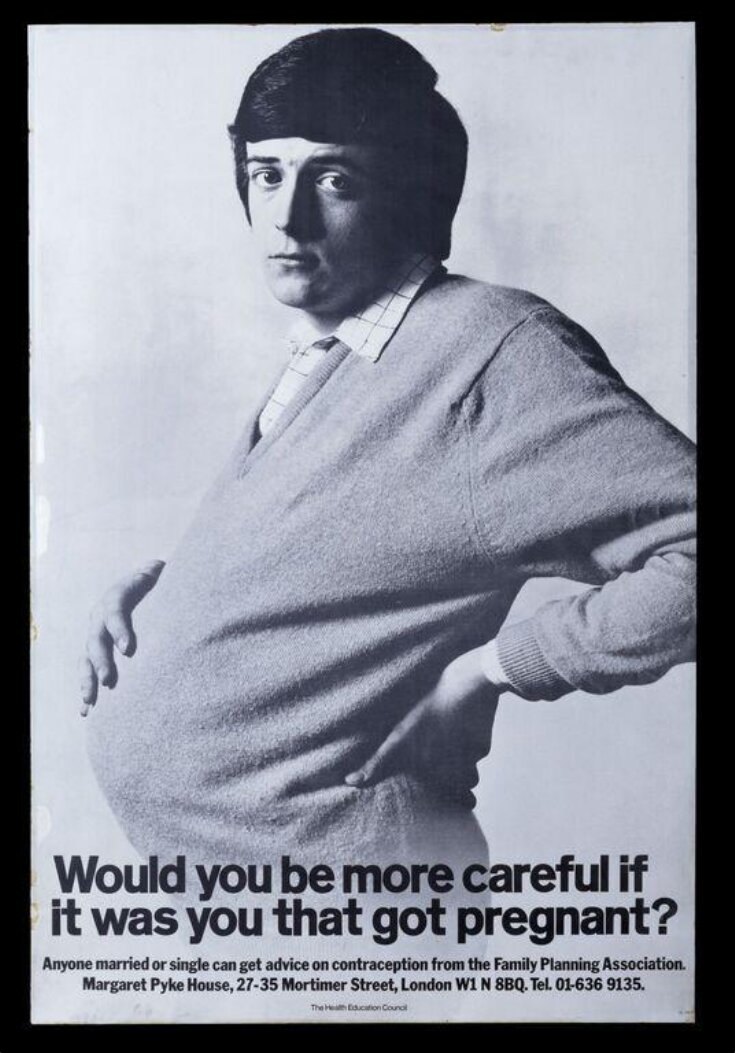
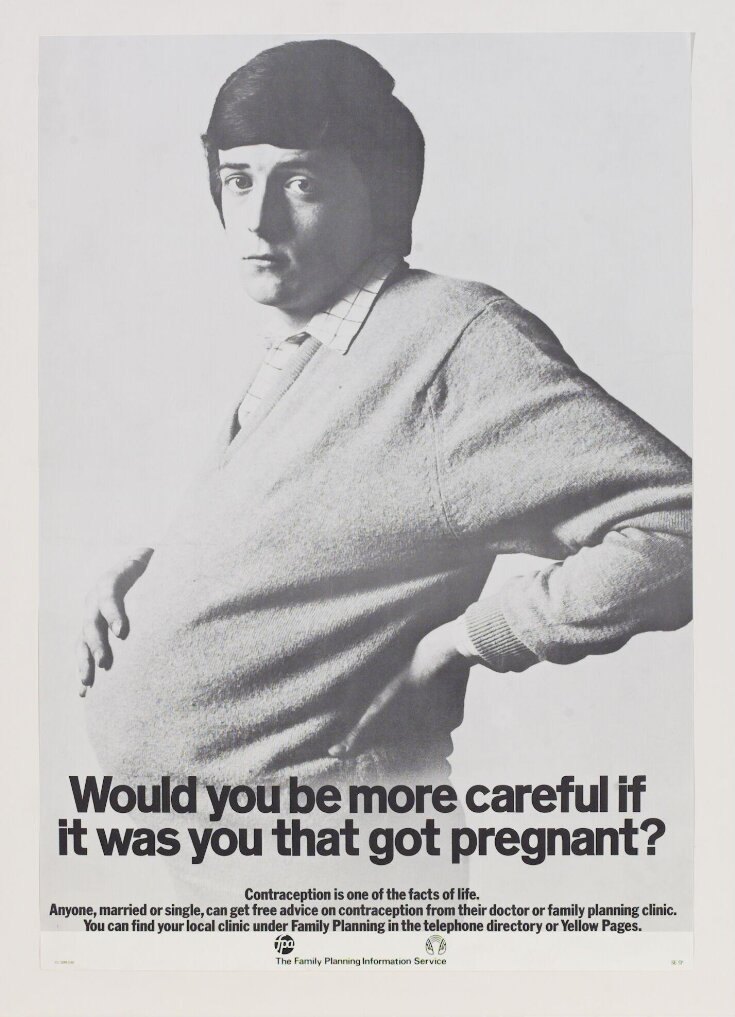
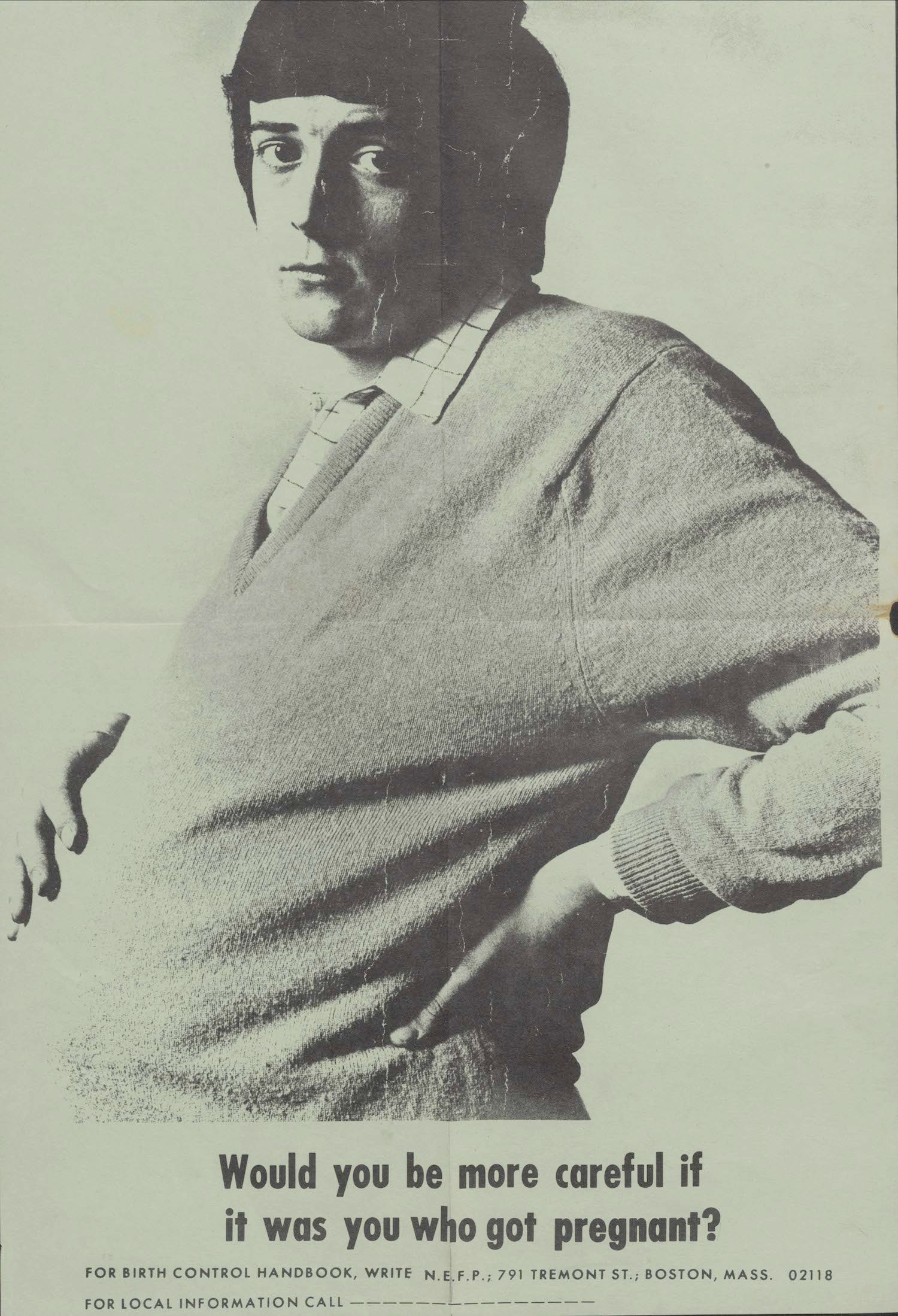
Would You Be More Careful If It Was You That Got Pregnant?
It shows how a picture can carry a message the words were not allowed to deliver on their own.
The era.
The Health Education Council was new. Set up in 1968 as a company limited by guarantee and funded in the main by the Department of Health and Social Security, it was meant to be the central executive body for health education in England, Wales and Northern Ireland. In March 1968 the Health Minister told the Commons it had been meeting only since the beginning of the year. It had a national brief, a government cheque and no habit of talking about sex in public.
It also had a law to explain. The National Health Service (Family Planning) Act 1967 let local health authorities give contraceptive advice to unmarried women, on social grounds as well as medical ones. The pill had been available on the NHS since 1961. The Abortion Act had passed the same year as the family planning act. The rules had changed faster than anyone's willingness to say so out loud.
The culture.
The pill was reported as liberation and worked, in practice, as a transfer. Contraception moved from something two people negotiated to a prescription in one person's handbag. The papers ran the permissive society; the clinics ran the consequences. Advice went where advice had always gone, to the woman already sitting in the waiting room.
Saying any of this in public was still difficult. Jeremy Sinclair's own account of the poster is that the shocking part was not the man. It was the line about who was entitled to help: anyone, married or single. Single people having sex, he remembered thinking, whatever next.
The problem.
Contraception had become the woman's job, and the men who could share it never saw the Council's material.
By the late 1960s the pill had made contraception something women managed, and men had largely left it to them. The men who could prevent half the unwanted pregnancies in Britain were not being reached. The Health Education Council wanted them to share the responsibility.
Its material went where its material always went: clinics, doctors' surgeries and leaflet racks. That reached the person who was already doing something about it. The men the Council needed did not go to those places, would not have felt addressed if they had, and had no reason to stop and read anything it produced.
The Health Education Council commissioned Cramer Saatchi, Charles Saatchi's small London consultancy, to persuade men to share responsibility for preventing unwanted pregnancy.
The solution.
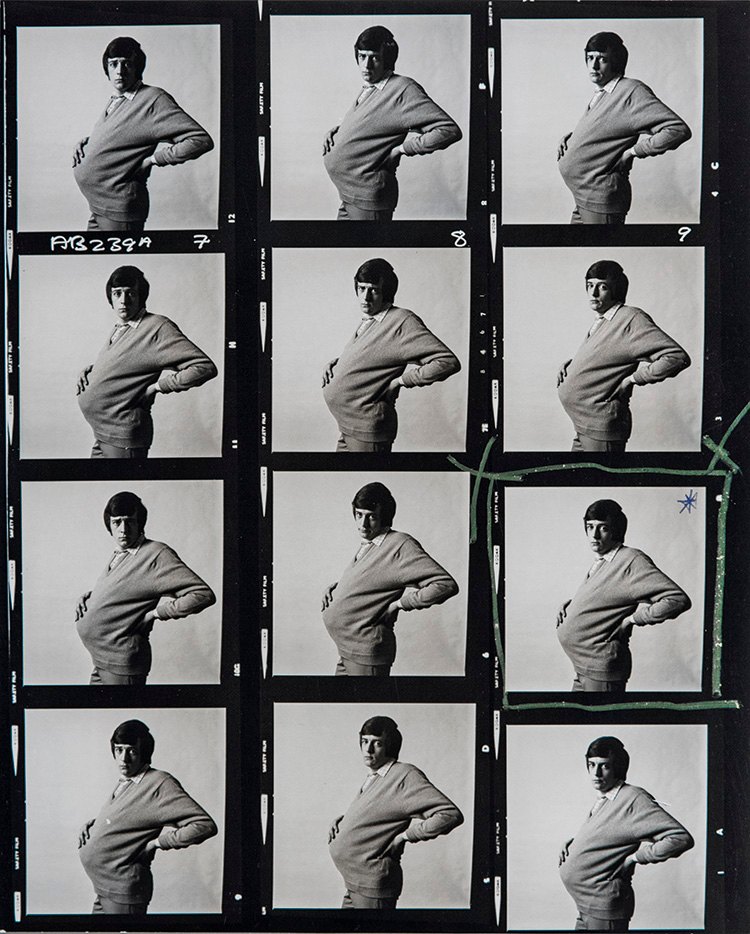
Put the consequence on the body of the man who never has to carry it.
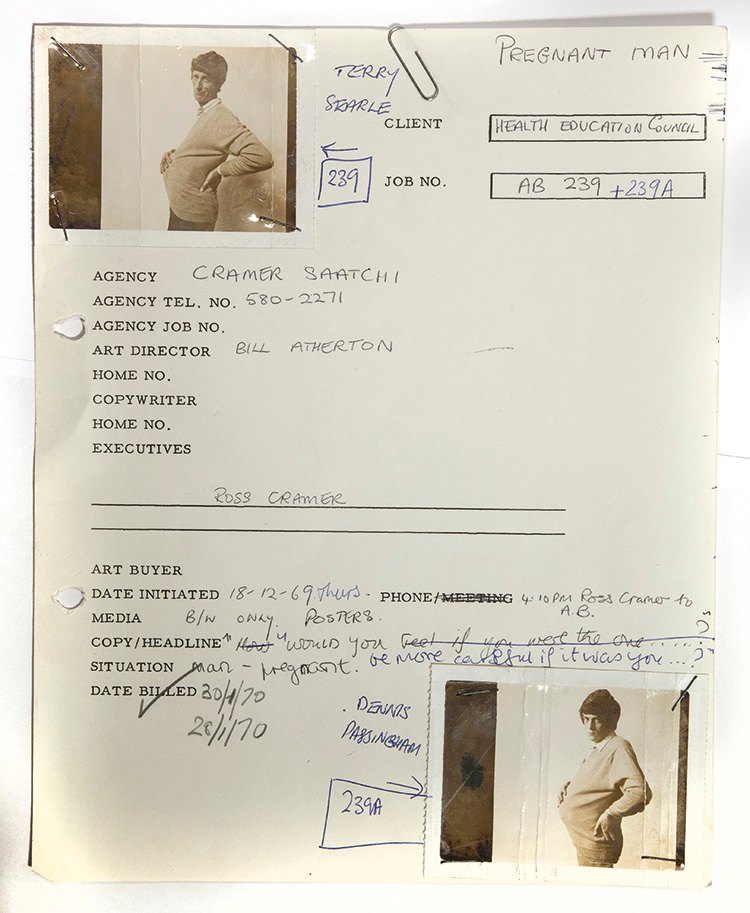
Bill Atherton's contribution, by his own telling, was to ask the room why they should not show a pregnant man. Alan Brooking photographed it, auditioning more than fifty men, his colleague John Hegarty among them, looking for a face rather than a body, one that could hold sheepish, bewildered and faintly sorry all at once; the man he chose asked to stay anonymous because his mother was a devout Catholic. The picture took all the shock, which left the copy free to be flat and useful: contraception is one of the facts of life, and anyone, married or single, can get free advice from a doctor or a family planning clinic. Charles Saatchi is said to have put the first posters up in public lavatories to have the work published before the Design and Art Direction awards deadline of 31 January. It brought questions in Parliament and headlines abroad, and it was Sinclair's first prize.
The work.
Around the work
Same shape of problem.
A shock image in British advertising, built to get one plain sentence read.
Back to the archive →