Ohrbach's · Doyle Dane Bernbach
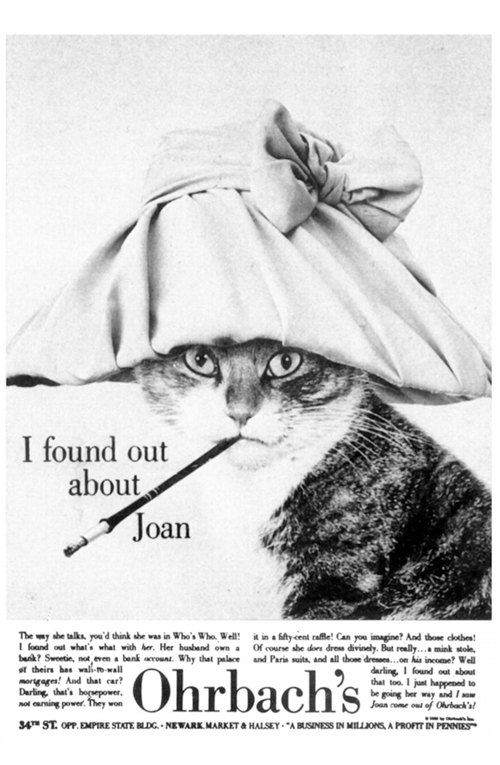
I Found Out About Joan
A cut-price store sold itself by flattering the woman who shopped there, and made it smart to be thrifty.
The era.
In 1958 the United States was in the second Eisenhower term and in a short, sharp recession that had begun the summer before. Factories laid people off, and families who had bought cars and houses on credit watched their money more closely. The postwar boom had paused.
New York was still the capital of American retail and advertising. The big department stores stood within a few blocks of each other in Midtown Manhattan, with Macy's and Gimbels at Herald Square on 34th Street. Each Sunday they bought page after page in the newspapers, most of it lists of goods and prices.
Advertising itself was under scrutiny. Vance Packard's book The Hidden Persuaders, published in 1957, argued that agencies were manipulating shoppers. Most agencies answered with more of the same: bigger claims, louder type and repetition. A small agency on Madison Avenue, Doyle Dane Bernbach, opened in 1949, was working in a different way.
The culture.
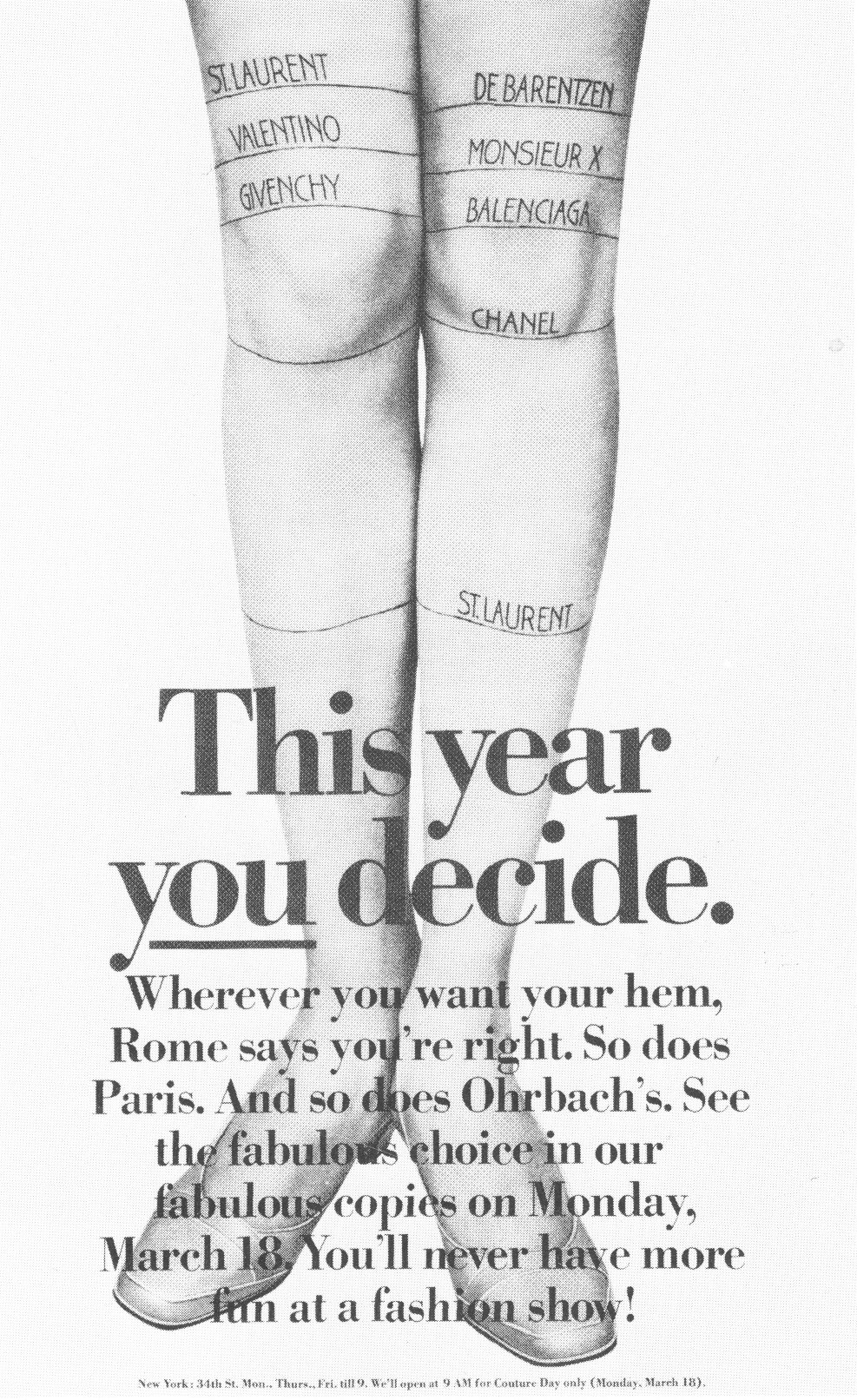
Fashion in the 1950s came from Paris. Dior, Balenciaga and Chanel set the lines each season, and American stores and magazines followed. A Paris look meant money, and dressing well was read as a sign of who your husband was and what he earned.
Women did most of the household buying and most of the reading of store advertising. The magazines they read, from Vogue to Look, ran fashion spreads with professional models such as Suzy Parker. The pressure to keep up with the people next door was a common subject in magazines, films and jokes.
Bargain shopping carried a stigma. A woman might buy at a discount store, but she did not want to be seen coming out of one. Snobbery about where clothes came from was part of the social life of the city and of the new suburbs.
The problem.
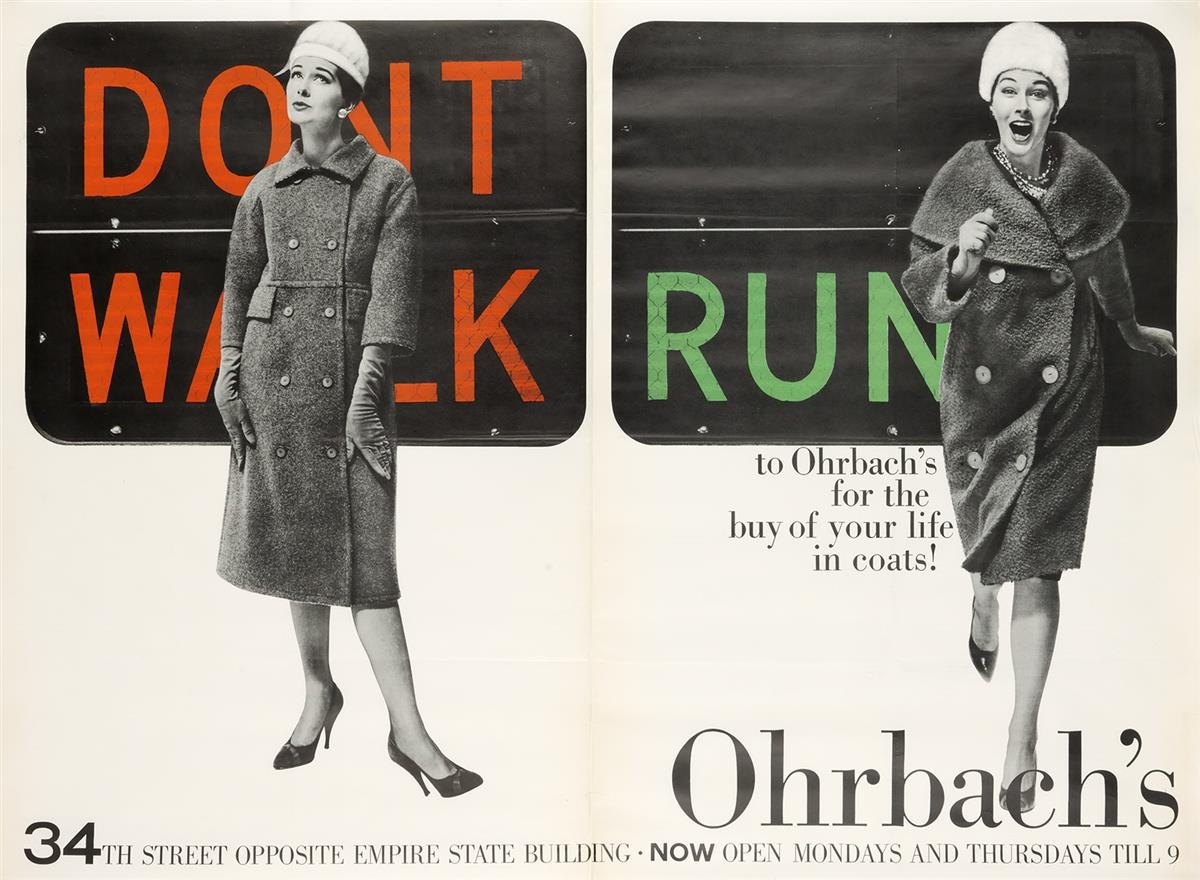
A cash-and-carry store sold Paris fashion at low prices, and the women it wanted were embarrassed to be seen shopping there.
Nathan M. Ohrbach opened his first store in New York in 1923. It ran on strict rules: cash and carry, no alterations, no deliveries, very little service and no special sales. The savings went into the price.
In 1954 the store moved from Union Square to a large building on West 34th Street, across from the Empire State Building and a short walk from Macy's and Gimbels. It also ran stores in Newark and Los Angeles. Ohrbach's wanted to be known for high fashion at low prices.
The low prices were the problem. A cheap store was a place you went quietly. Time magazine described Ohrbach's in 1958 as a low-budget department store trying to build a high-fashion name. Shouting about bargains, as the stores around it did, would only confirm that it was cheap.
Ohrbach's had worked with Bernbach at Grey Advertising. According to Print magazine, N.M. Ohrbach was unhappy at Grey, encouraged Bernbach to start his own agency, and paid for work in advance so Doyle Dane Bernbach could open in 1949 with Ohrbach's as its first big account.
The solution.
Make the customer the clever one: show a jealous snob who cannot work out how Joan dresses so well on so little.
Bill Bernbach and the art director Bob Gage came up with a cat. It wears a smart hat, holds a long cigarette holder and gossips about a woman called Joan. The headline is "I found out about Joan." Judy Protas wrote the body copy, in which the cat runs through Joan's mortgaged house and a car won in a 50-cent raffle, then reveals that she saw Joan come out of Ohrbach's.
The ad never lists a price. The snob is the joke and the woman who shops at Ohrbach's is the one with good sense. Print magazine later described it as the first time a retailer branded its customers rather than itself. It ran in newspapers in New York, Los Angeles and Newark in early 1958, and Time reported that readers sent in hundreds of requests for copies and that people on Madison Avenue pinned it to their walls.
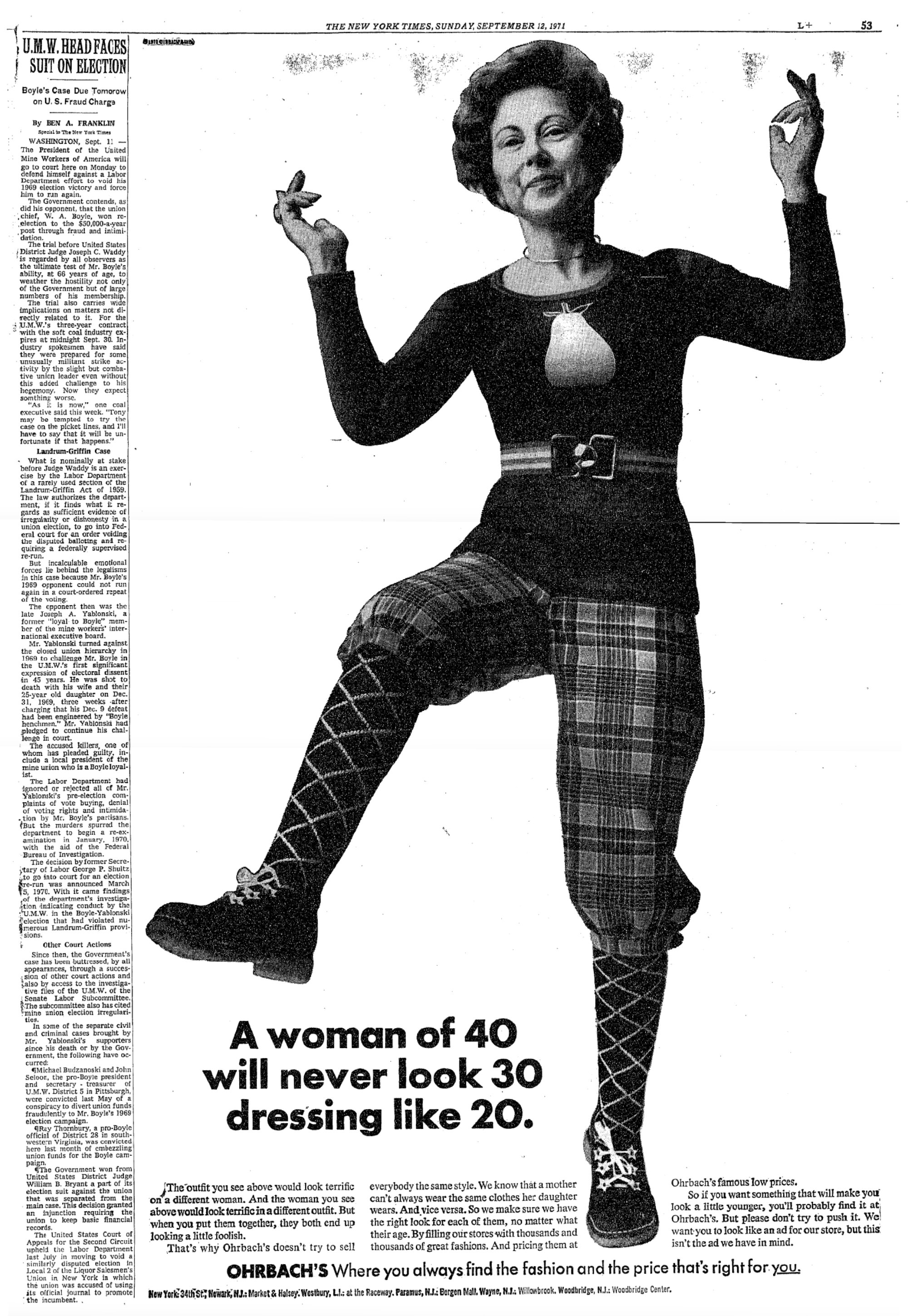
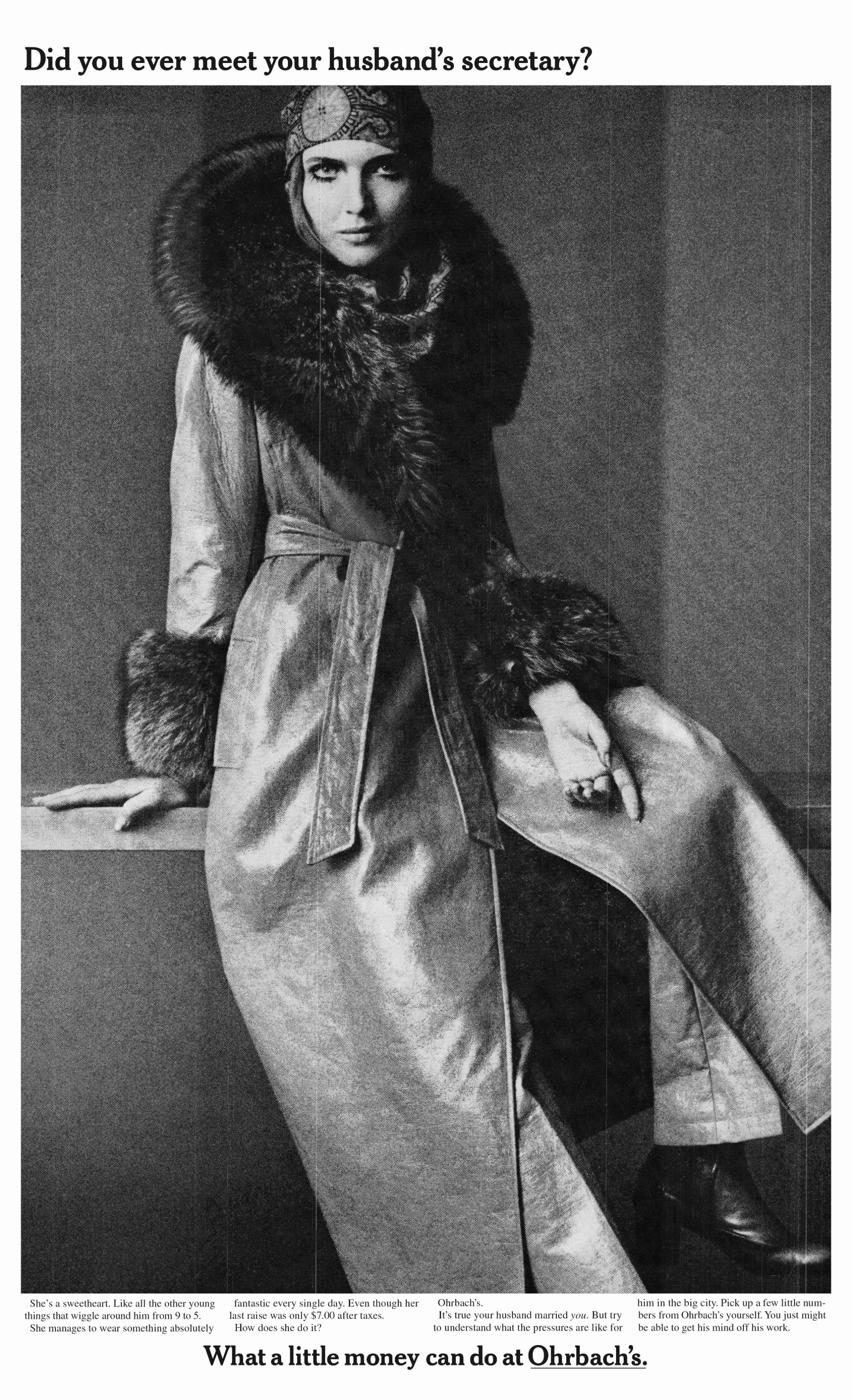
The idea carried on for years. Protas wrote the Ohrbach's ads until December 1968, working with art directors including Charlie Piccirillo and Gary Geyer, and the store's ads kept the same tone: witty, one idea a page, a large picture and a short line.
The work.
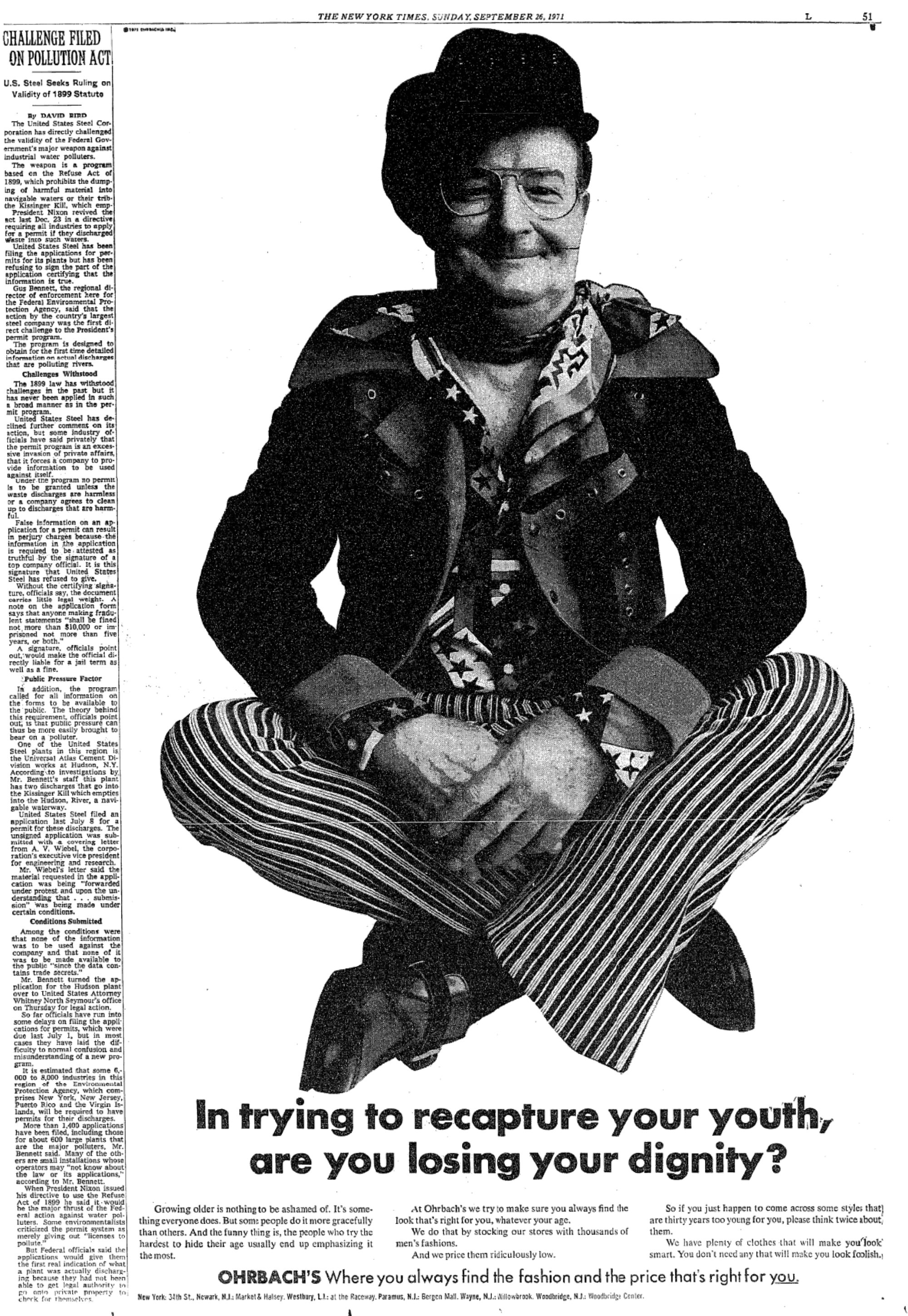
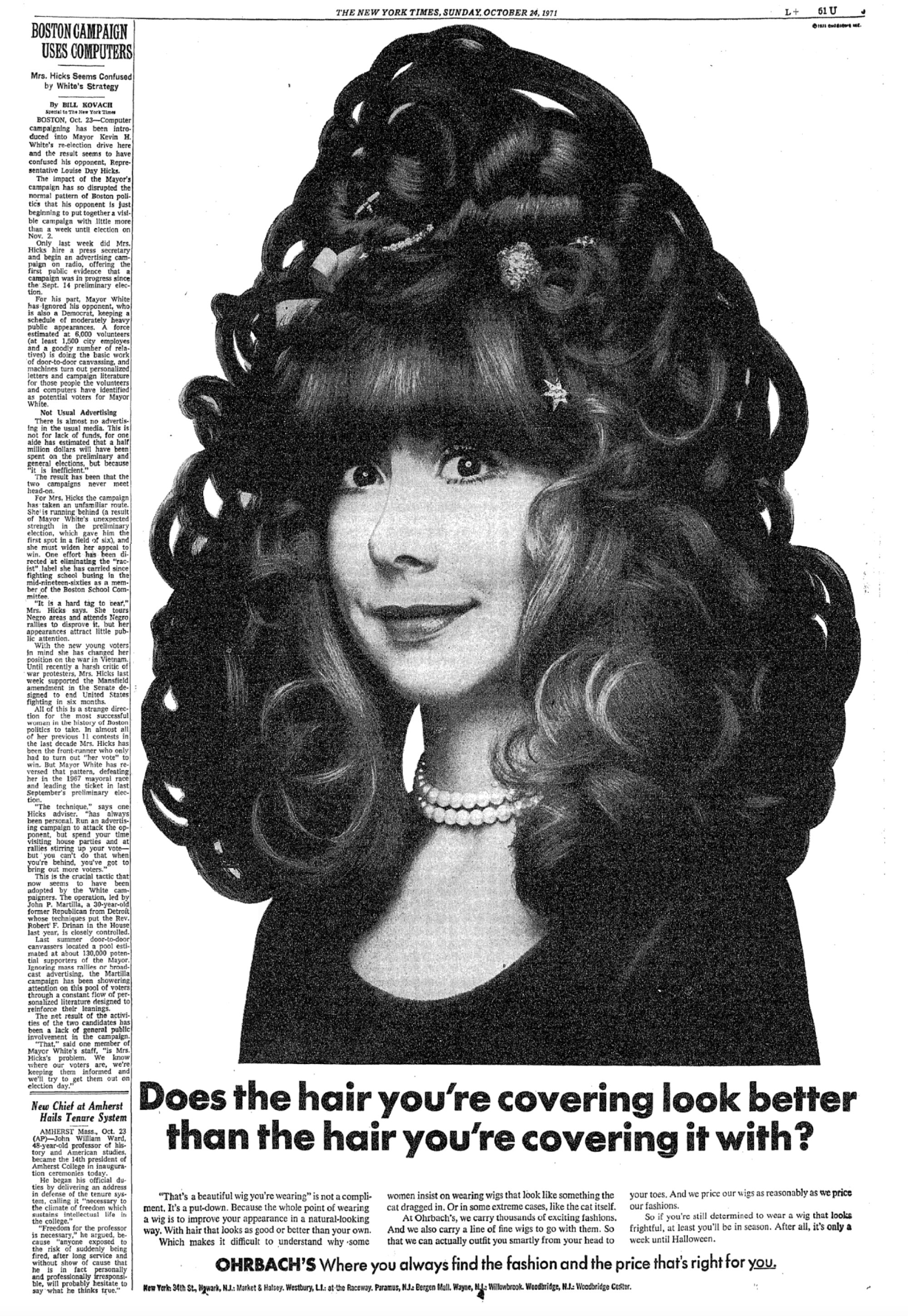
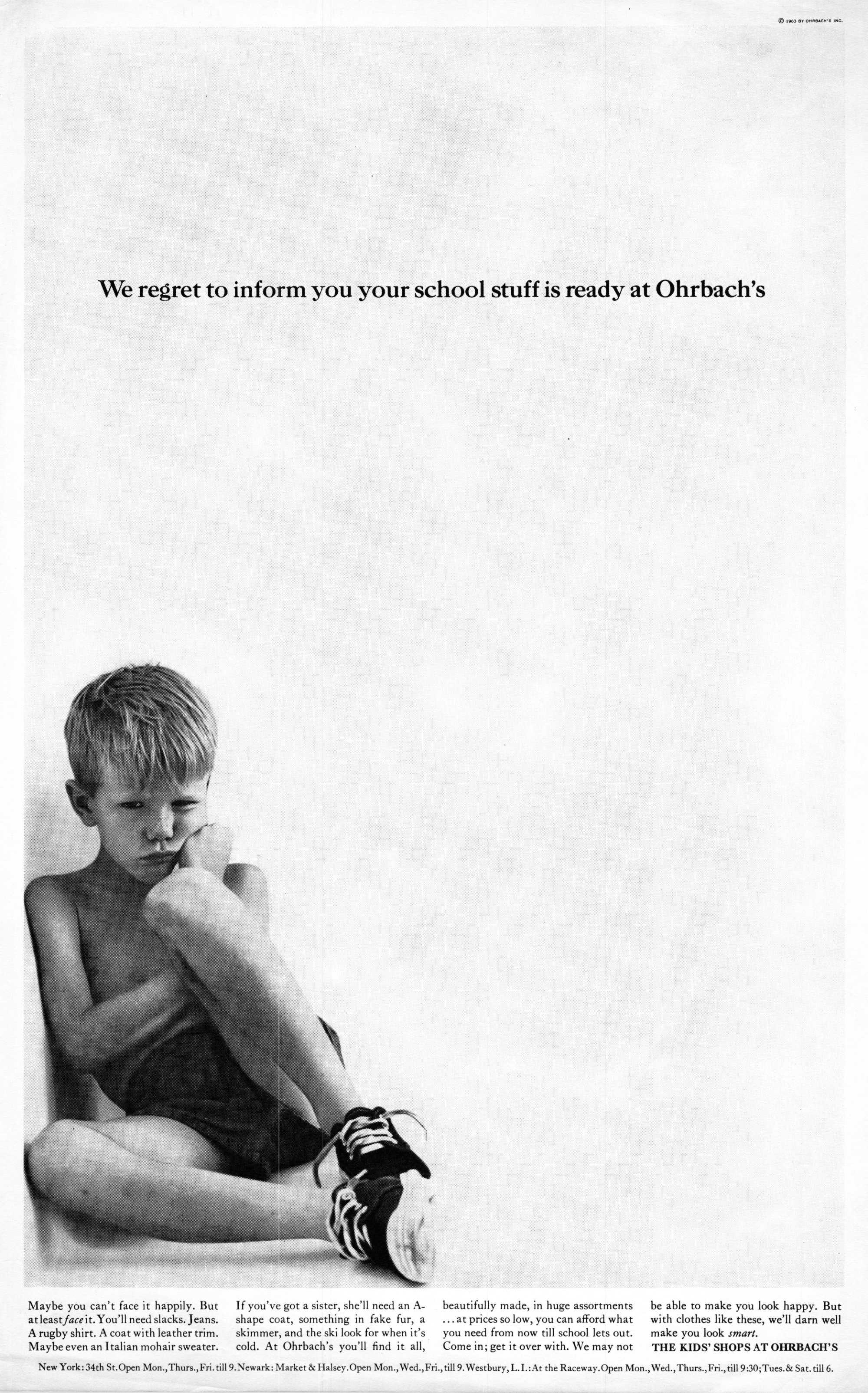
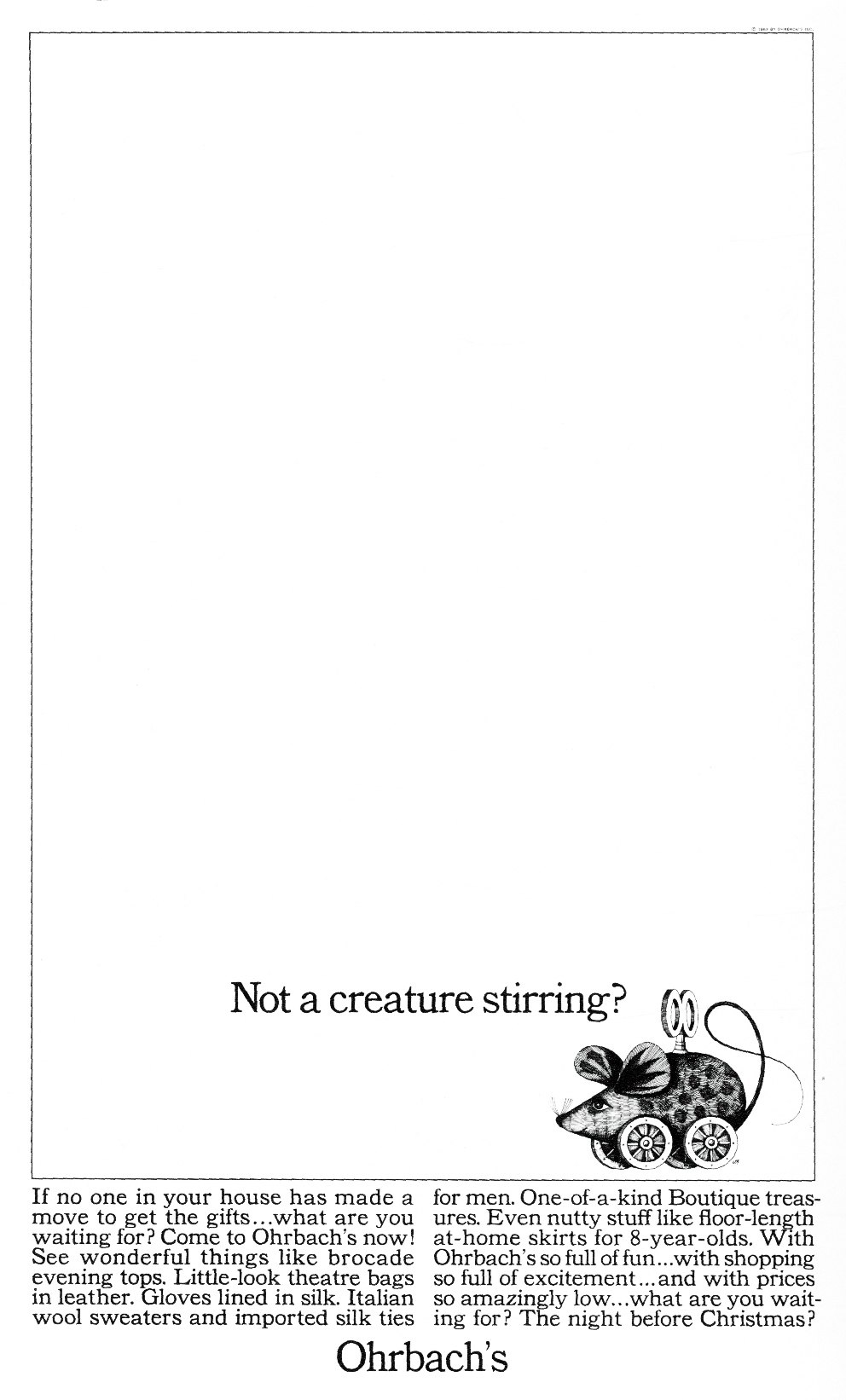
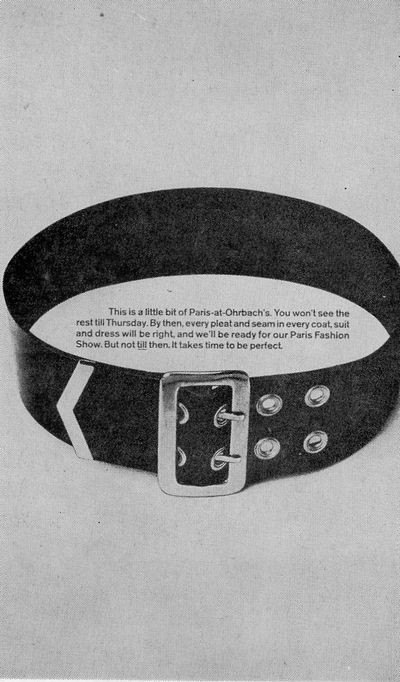
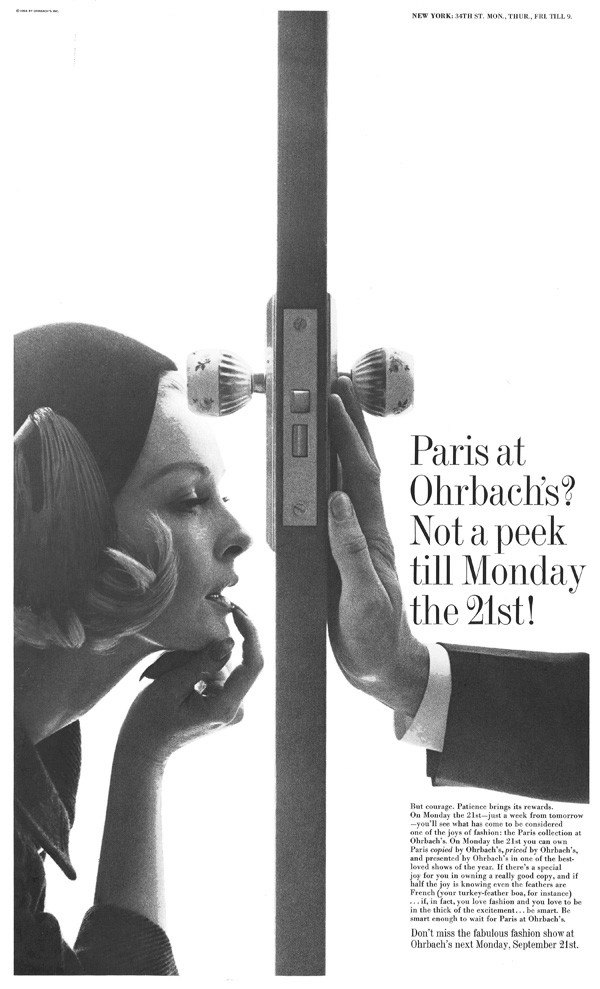
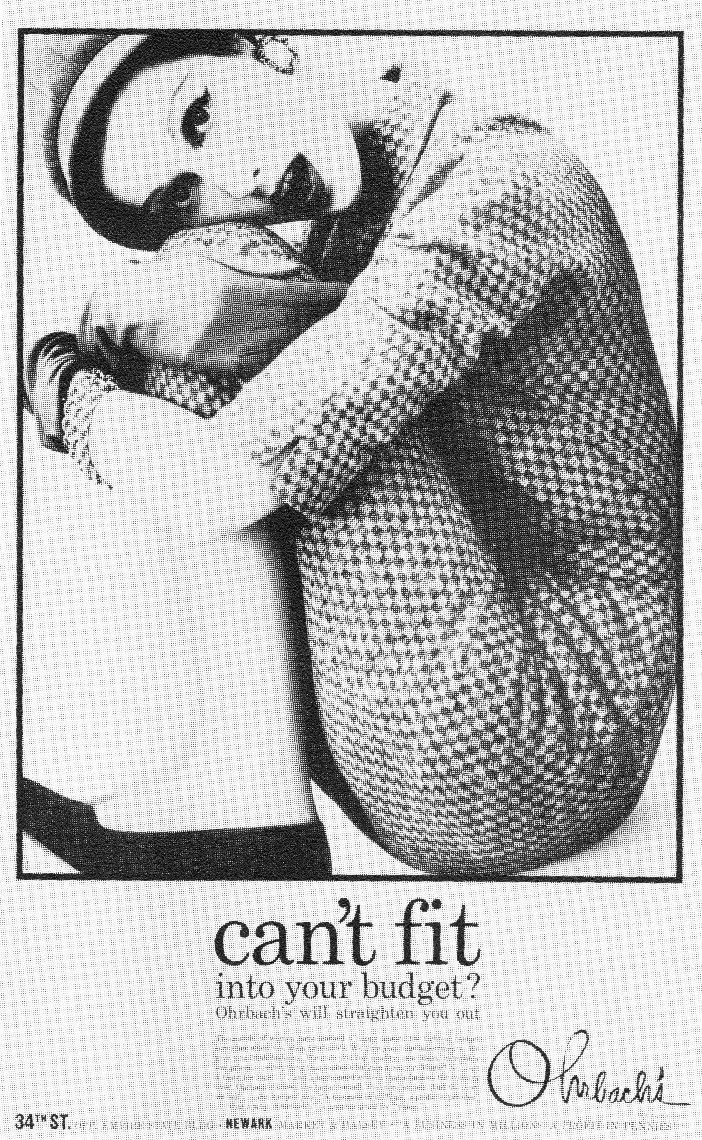
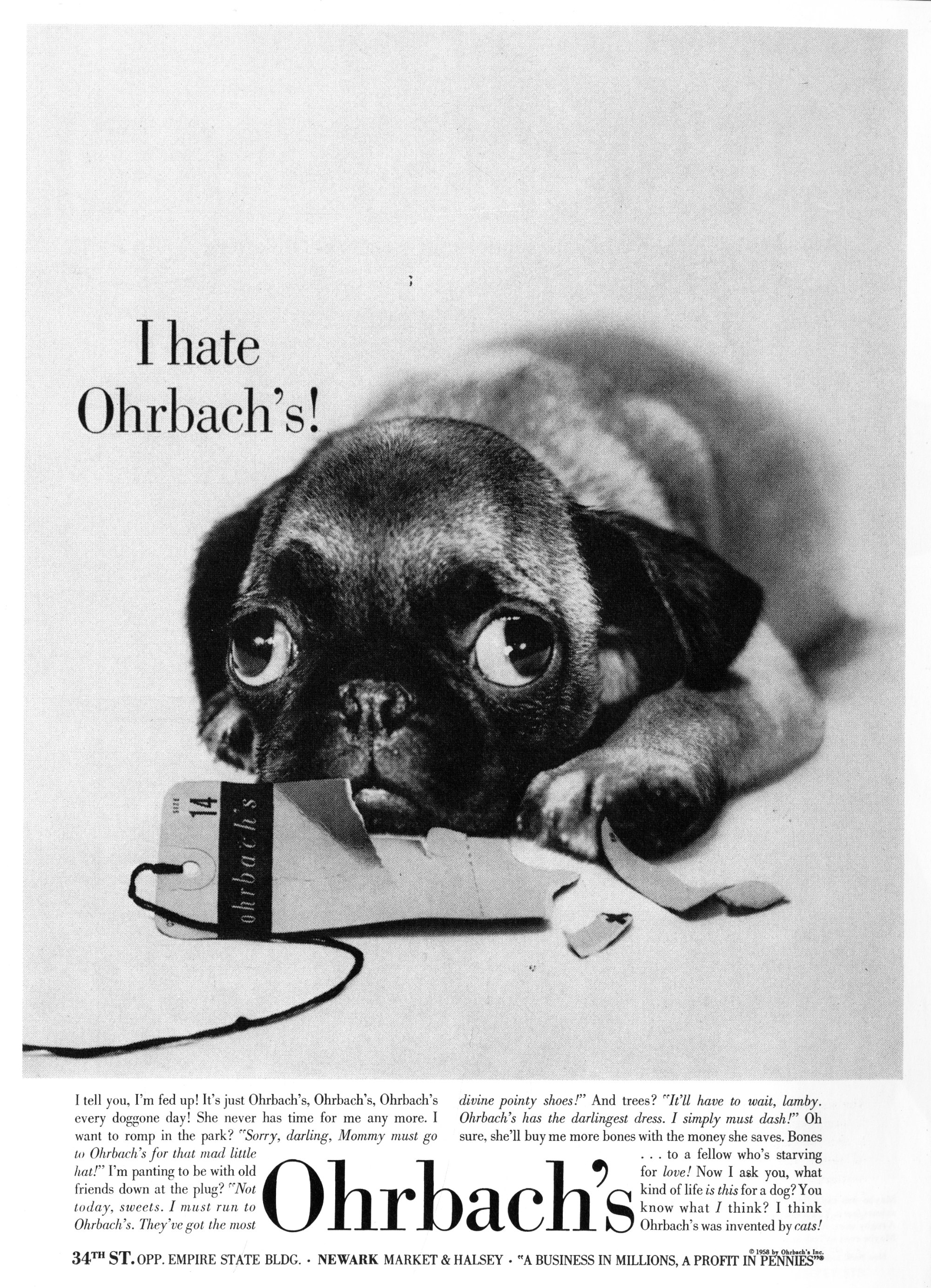
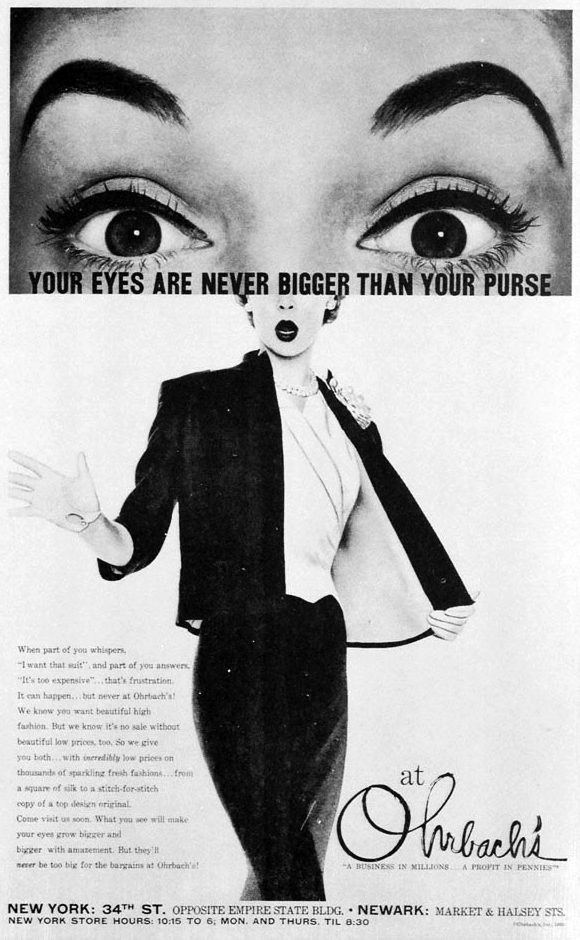
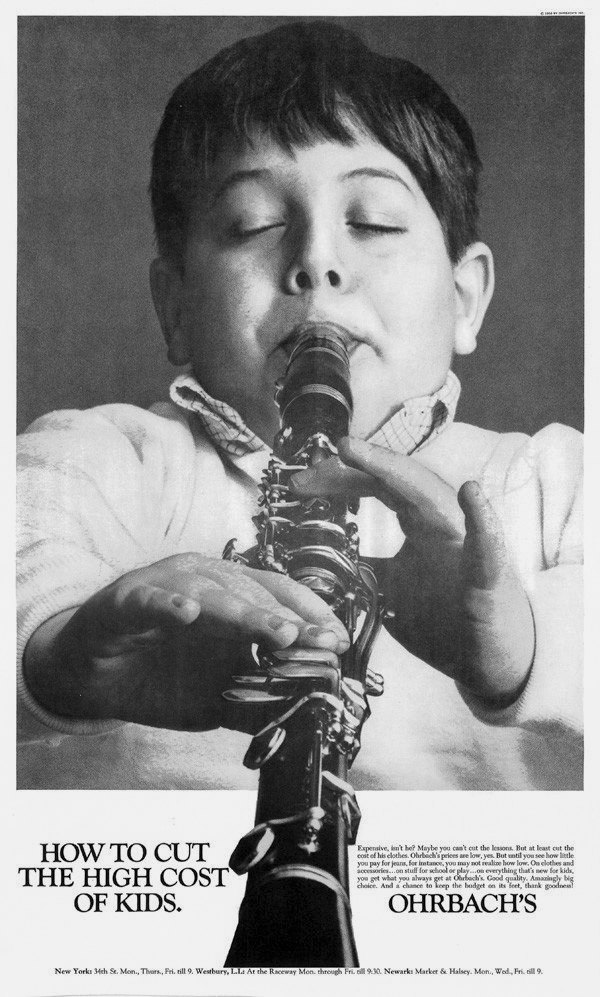
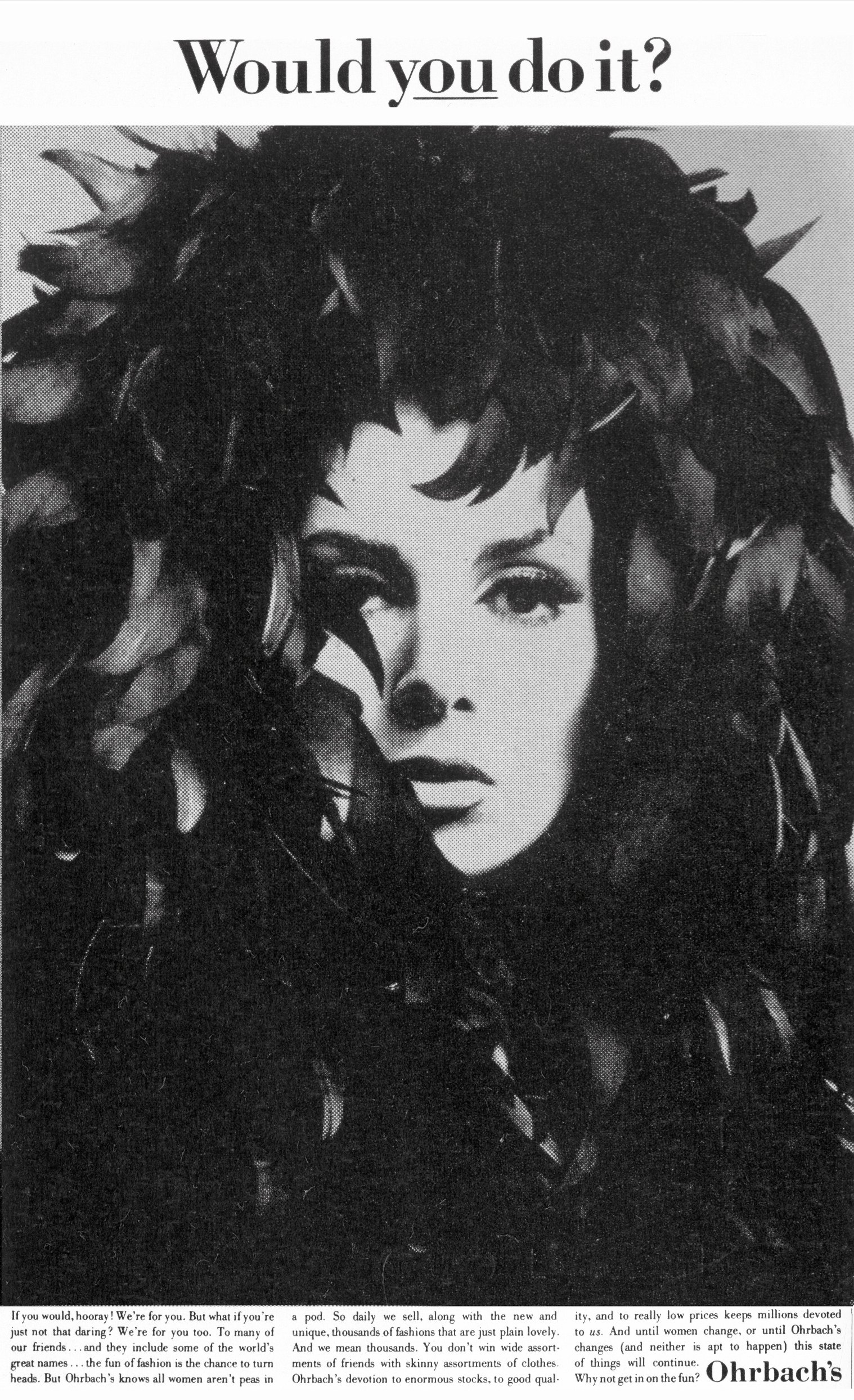
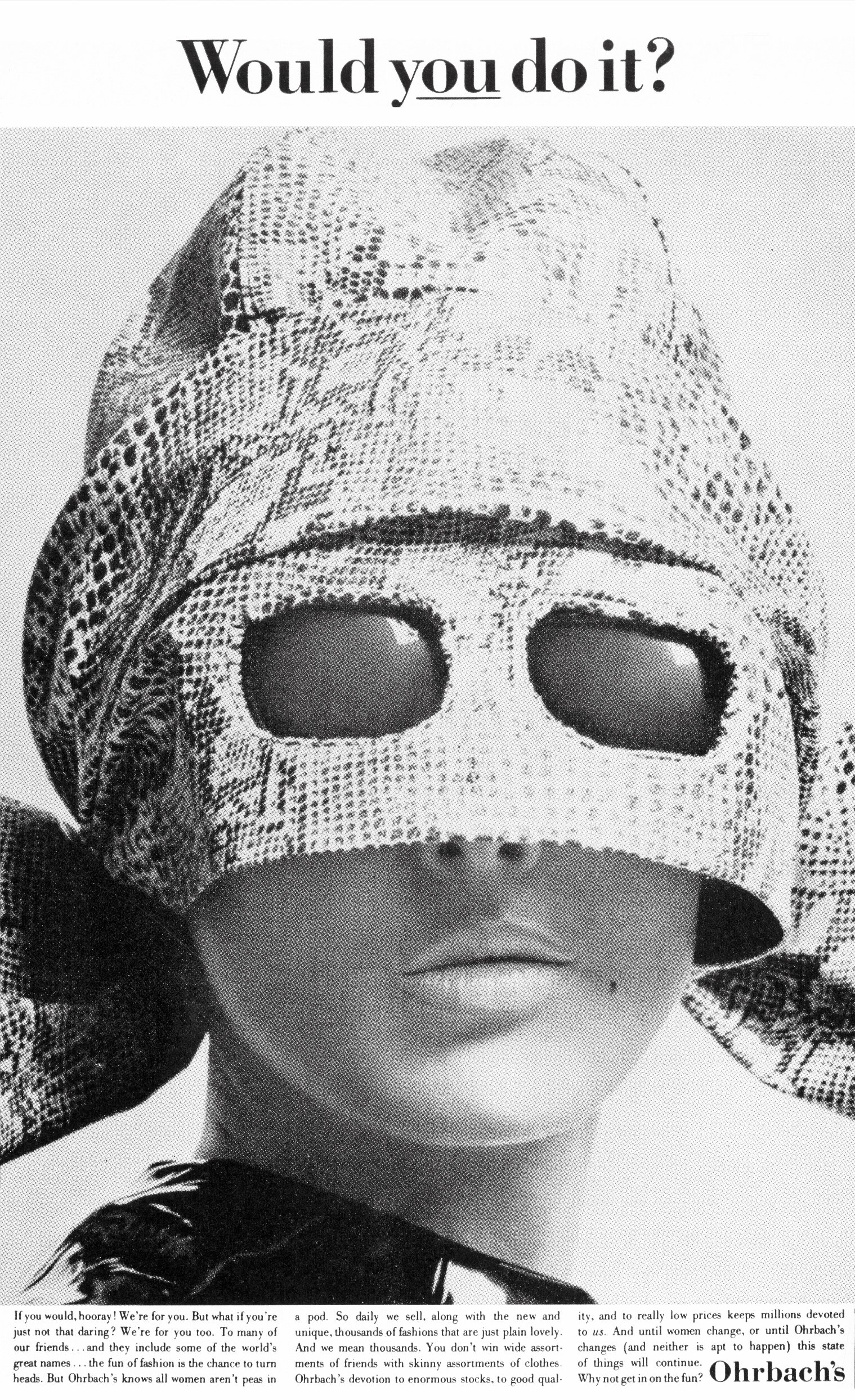
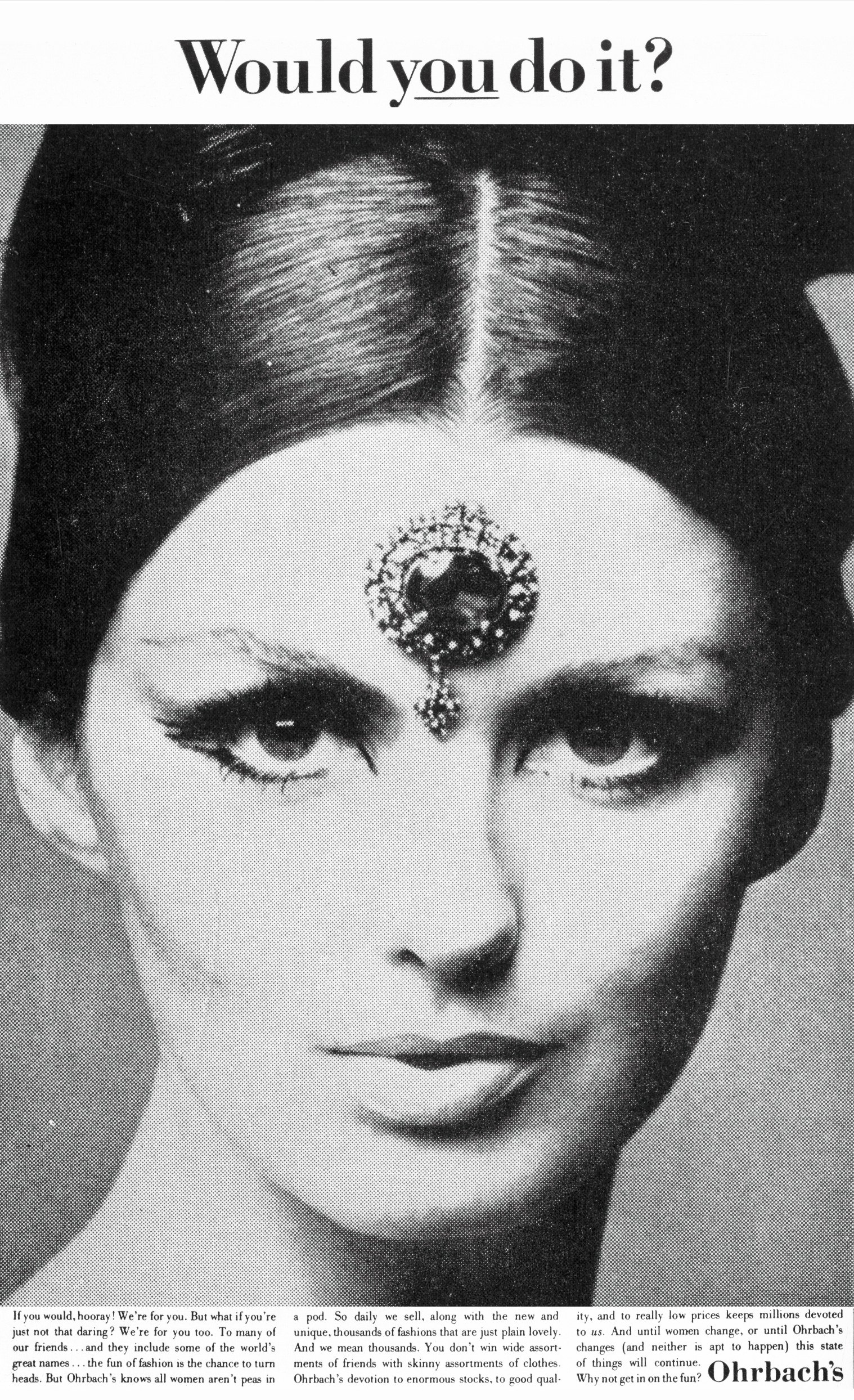
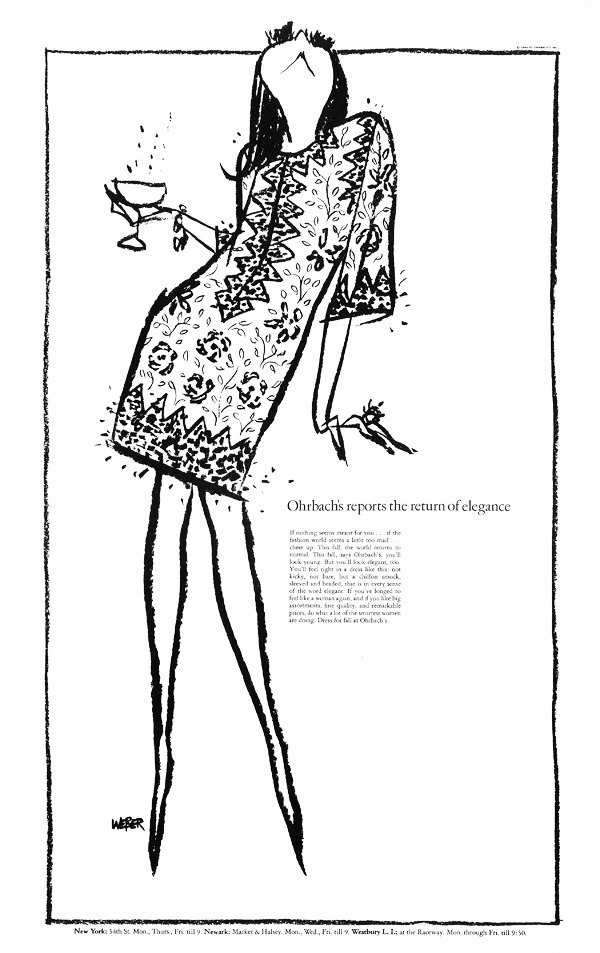
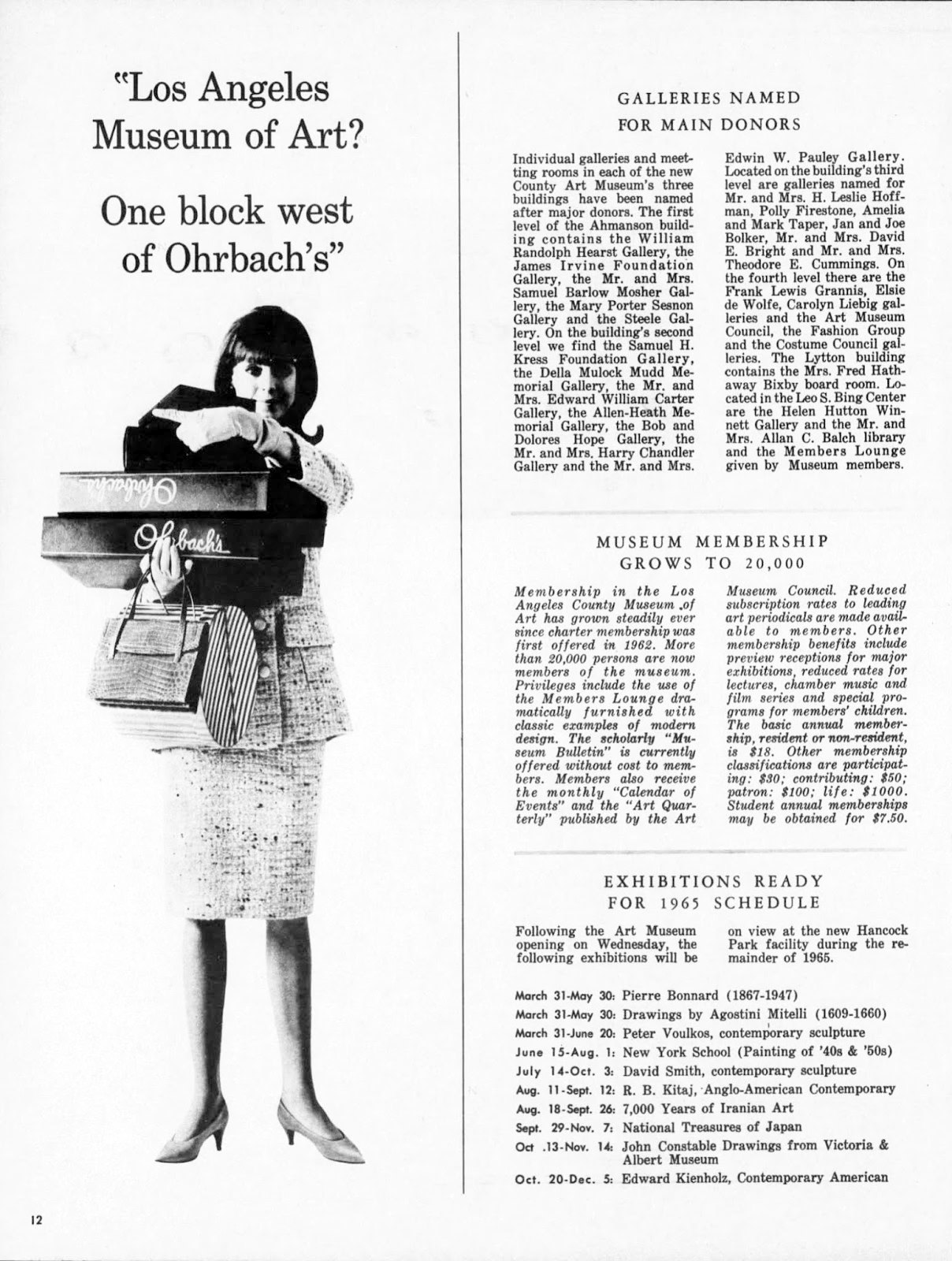
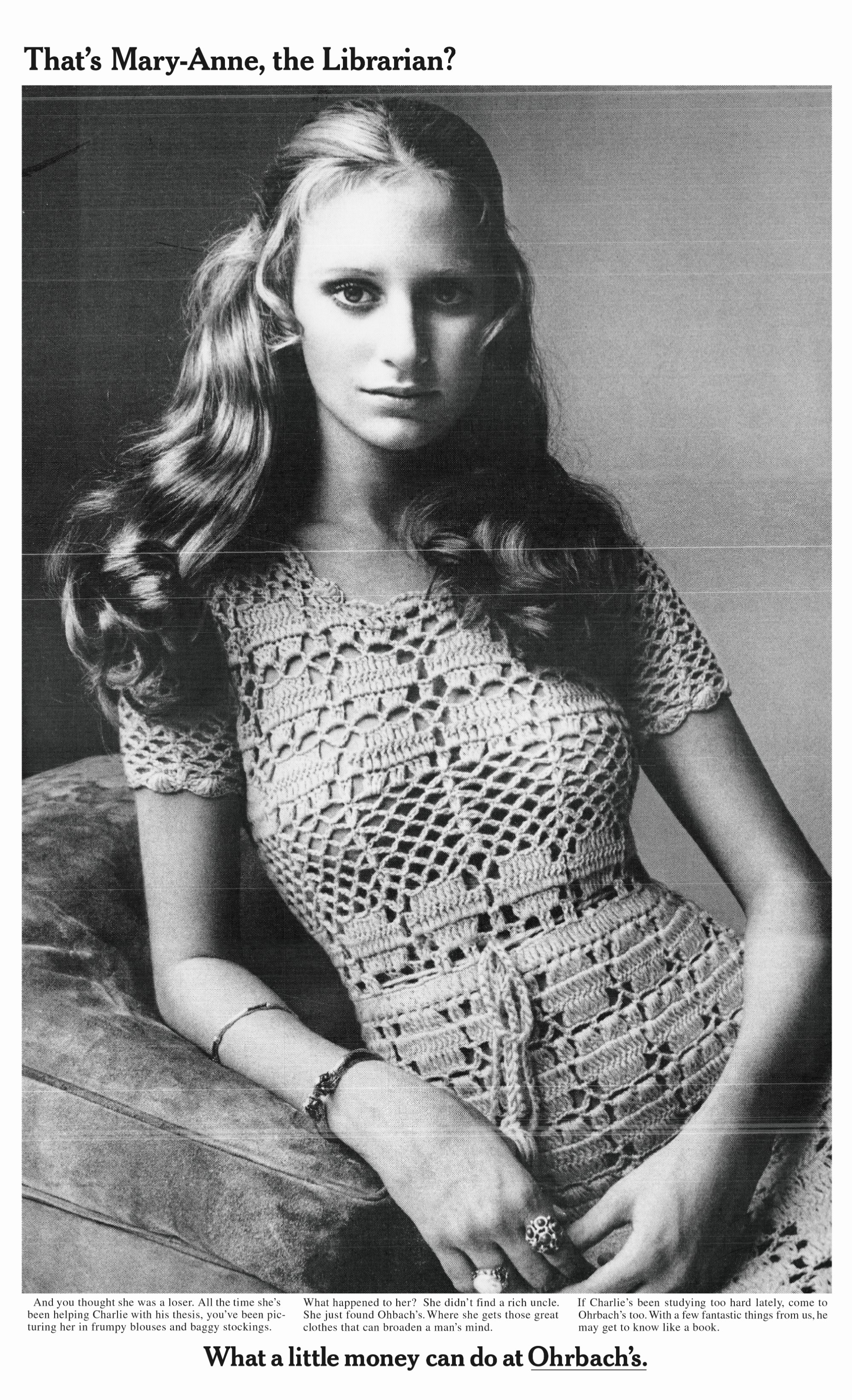
A snobbish cat with a cigarette holder made it fashionable to shop cheap.
Back to the archive →