California Raisin Advisory Board · Foote, Cone & Belding
The California Raisins
How a commodity with no brand bought an emotion it could not generate, and chose the one borrowed thing that could not be pulled off the product.
The era.
The American supermarket of the mid-1980s was a crowded place and getting more crowded. Packaged food brands fought for shelf space with new formats, licensed tie-ins and premiums inside the box, and the cereal aisle in particular had become a gallery of characters. A commodity with no brand name on it, loose dried fruit in a carton, had nothing to compete with on that shelf except price.
Licensing had become an industry in its own right. The first Licensing Show was held in New York in 1981, by 1985 the trade bodies had merged into a single association, and retail sales of licensed goods were being reported in the tens of billions of dollars. Cabbage Patch Kids alone moved more than two billion dollars at retail in 1984. By the middle of the decade the character on the package was often worth more than the package.
The 1960s were also coming back as a soundtrack. The Big Chill in 1983 put nine Motown records into a film that took more than fifty-six million dollars and stayed on the album chart for over three years, and taught advertisers to pay for the original recording rather than commission an imitation. Radio stations built whole formats on the decade. Lincoln-Mercury was already running the Four Tops and the Temptations in car commercials.
The culture.
Clay animation was having a moment and one studio owned it. Will Vinton, in Portland, Oregon, had won an Academy Award for Closed Mondays in 1975, trademarked the word Claymation, and by the middle of the 1980s was making a feature film, a title sequence for Moonlighting that won an Emmy, and effects for Michael Jackson. The technique had a handmade quality that neither cel animation nor live action could offer.
Giving products faces was the period's default move in food advertising. Brands were handed voices, personalities and bands, and the better characters escaped the commercial break into toys, albums and television specials. The commercial stopped being the whole of the advertising and became something closer to a pilot episode.
Grape growing in California carried a politics the advertising never mentioned. The United Farm Workers had made table grapes a national argument from the 1960s onward, and in 1982 Ester Hernandez reworked the Sun-Maid girl as a skeleton in a screenprint protesting pesticide use in the vineyards. The fruit was wholesome in the advertising and contested on the ground.
The problem.
People knew raisins were good for them, described them as lonely, boring and ugly, and said they would be embarrassed to eat them in front of anyone.
Raisins were a commodity in a price collapse. The average grower price per ton fell from 1,315 dollars in 1981 to 587 dollars in 1983, below the cost of production, and stayed near there through 1985, while a normal crop of around 350,000 tons met sales of about 275,000. The surplus went into a federally mandated reserve pool. The California Raisin Advisory Board, a grower-funded state marketing body in Fresno, had already tried selling raisins to mothers as nature's candy, as a recipe ingredient and as a cheap food, and each approach produced only a temporary lift.
Research by Foote, Cone and Belding found the problem was not a shortage of information. Eight focus groups of men and women aged twenty-five to fifty-four were asked to give six snacks a personality; people who ate raisins described them warmly, and people who did not called them lonely, weak, boring, old and ugly. Some said eating them in front of other people would embarrass them. The agency named the gap between what people knew and what they felt, and concluded that no further argument about nutrition would close it.
The California Raisin Advisory Board was the smallest account in Foote, Cone and Belding's San Francisco office. Seth Werner, bored, asked the creative director Mike Koelker for something harder and was put on the raisin business. The ask, as the agency framed it afterwards, was to convince people that raisins were an enjoyable and acceptable food rather than merely a healthy one; no written client brief survives in any published account.
The solution.
Borrow the cool the product cannot generate, and pick the one borrowed thing that cannot detach from it: grapevine, grapes, raisins.
Seth Werner, a copywriter on the agency's smallest account, proposed putting raisins in sunglasses and having them perform I Heard It Through the Grapevine; he pitched it to the full board in person, dancing in white gloves, and the vote was unanimous. The pun is what makes the transplant hold, because a Motown record every thirty-five-year-old already loved is fastened to the product by a word that cannot be pulled off it, so the borrowed affection could not float away to the music.
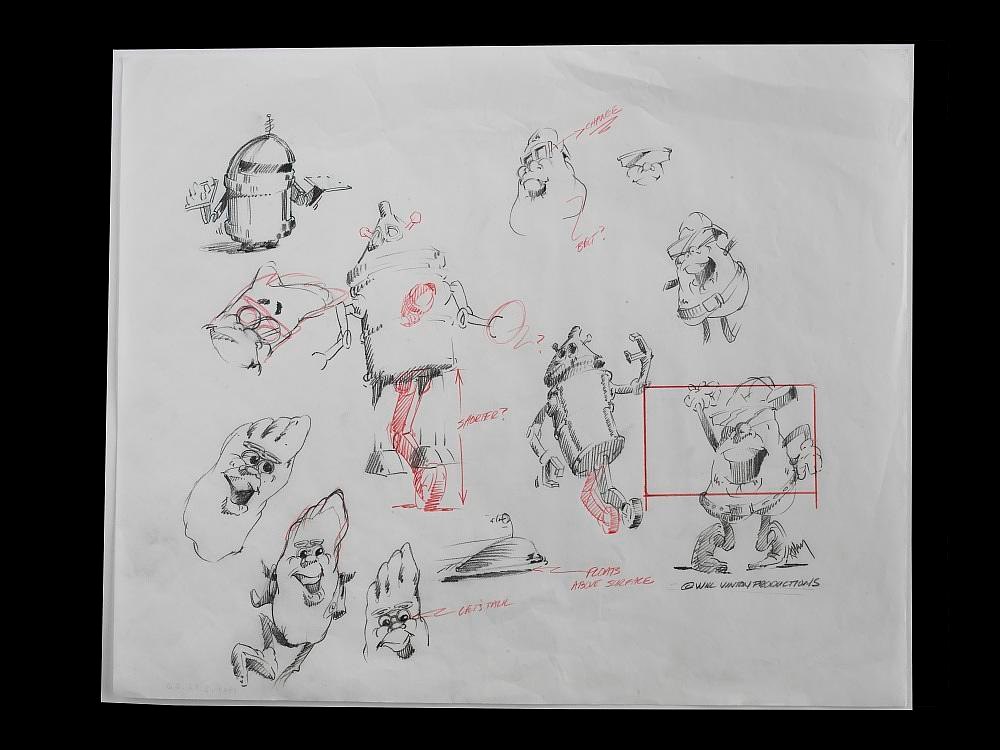
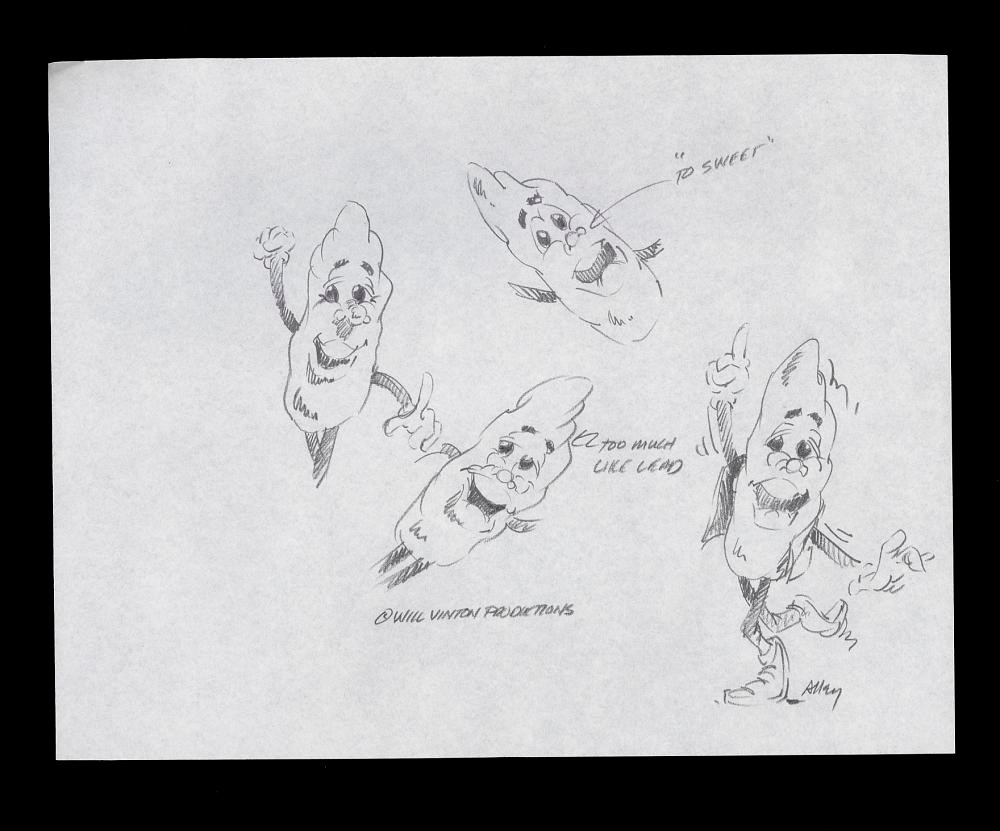
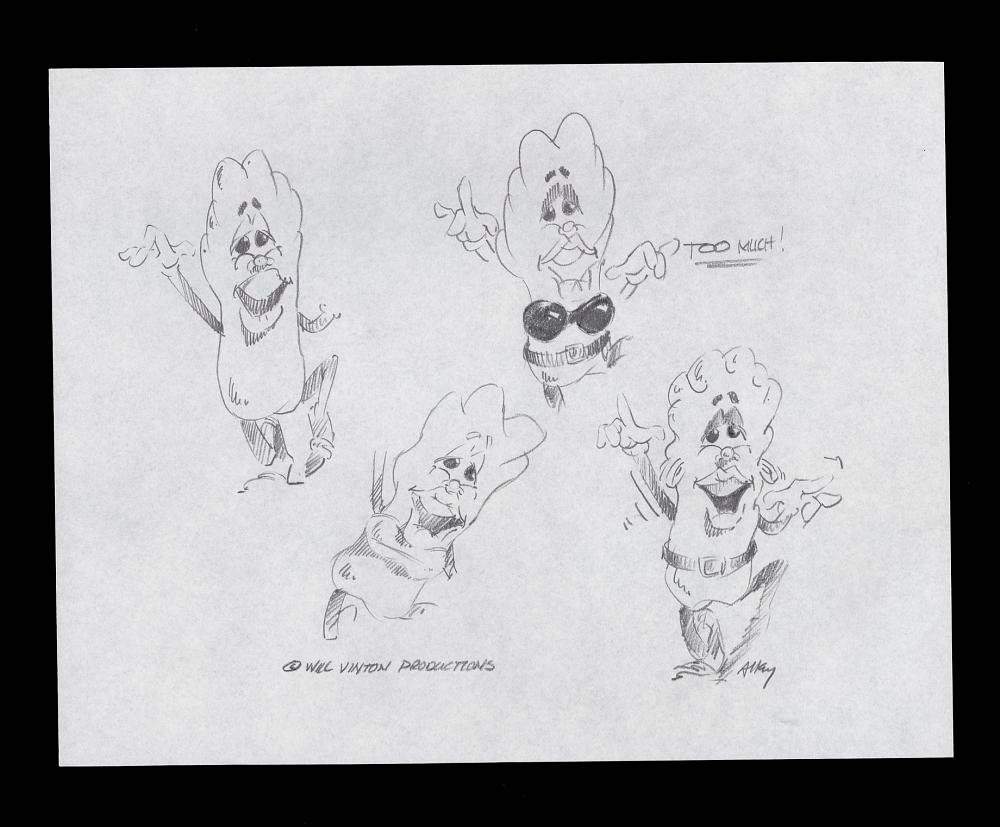
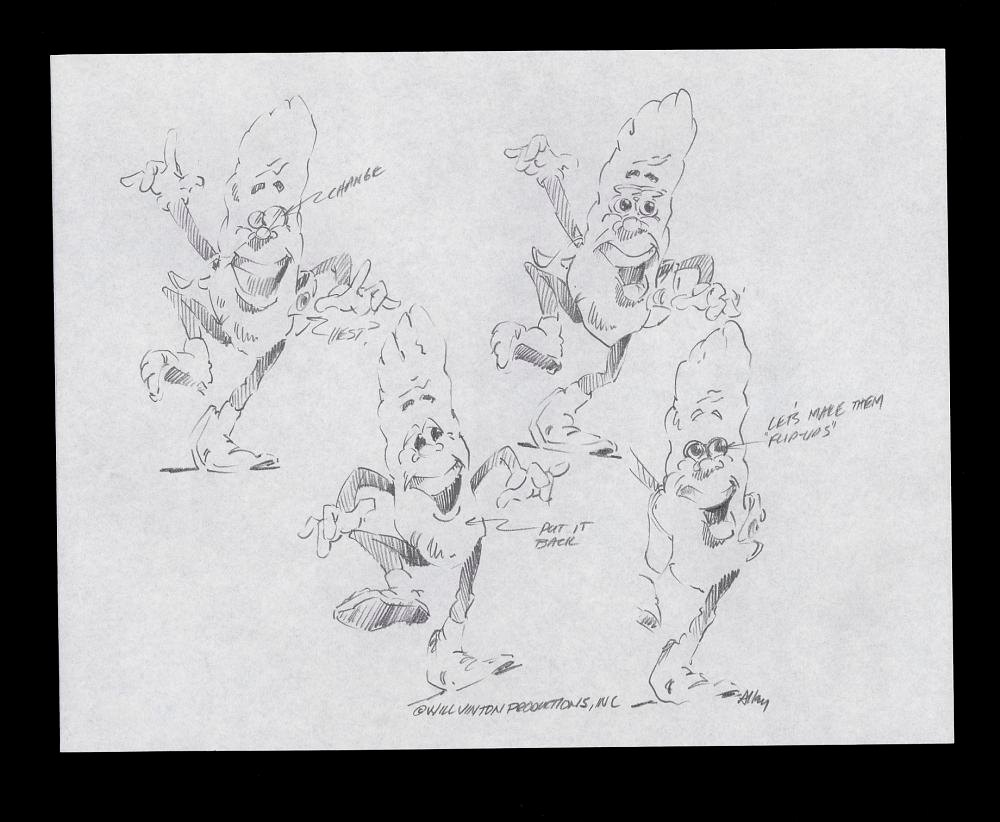
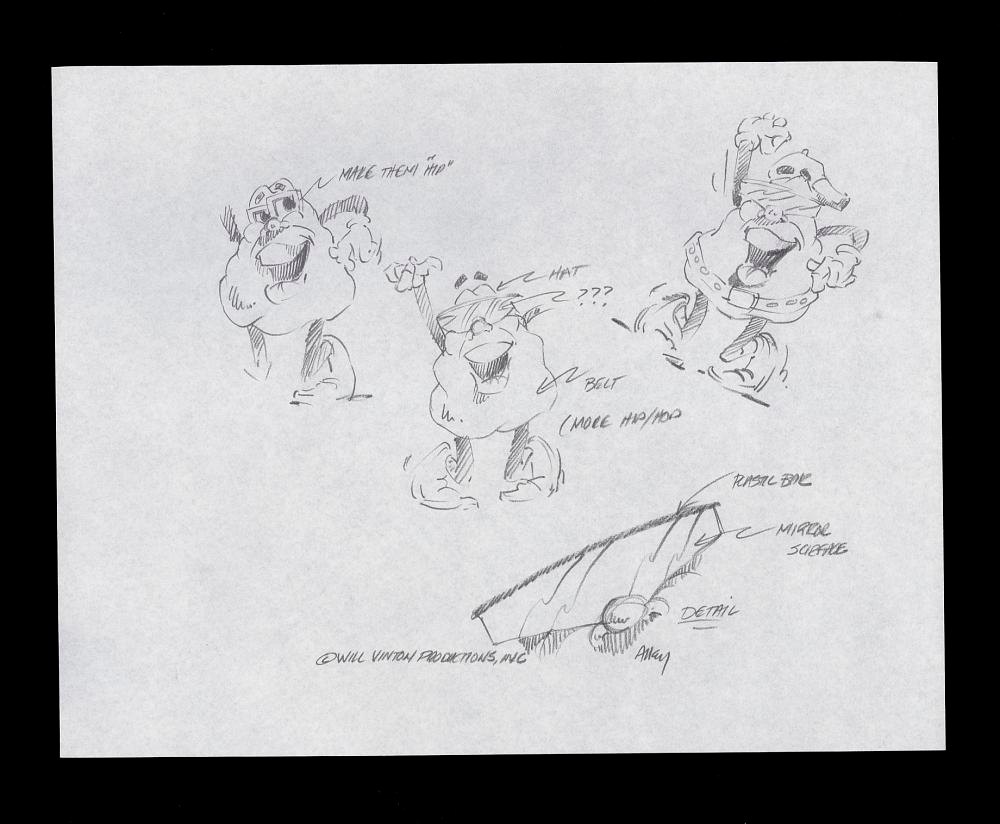
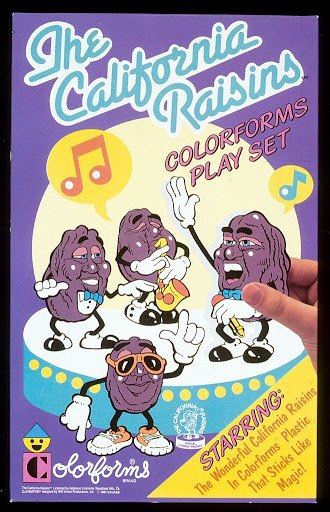
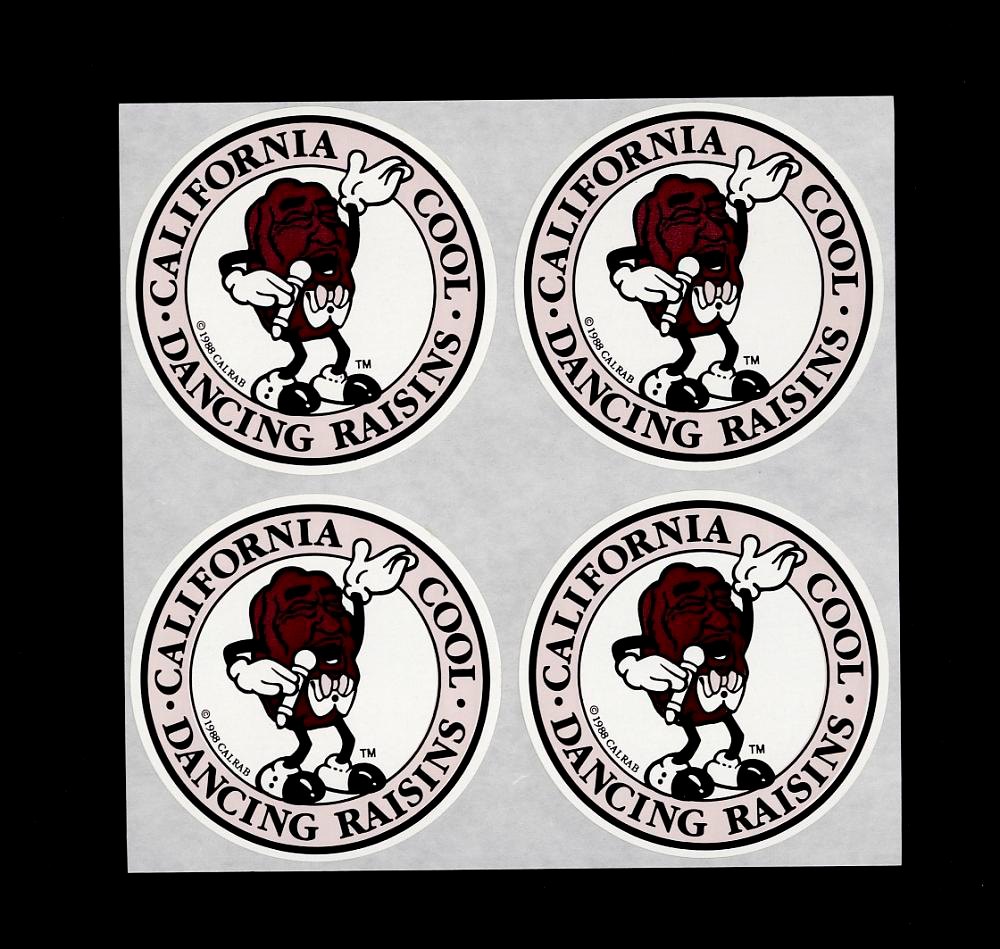
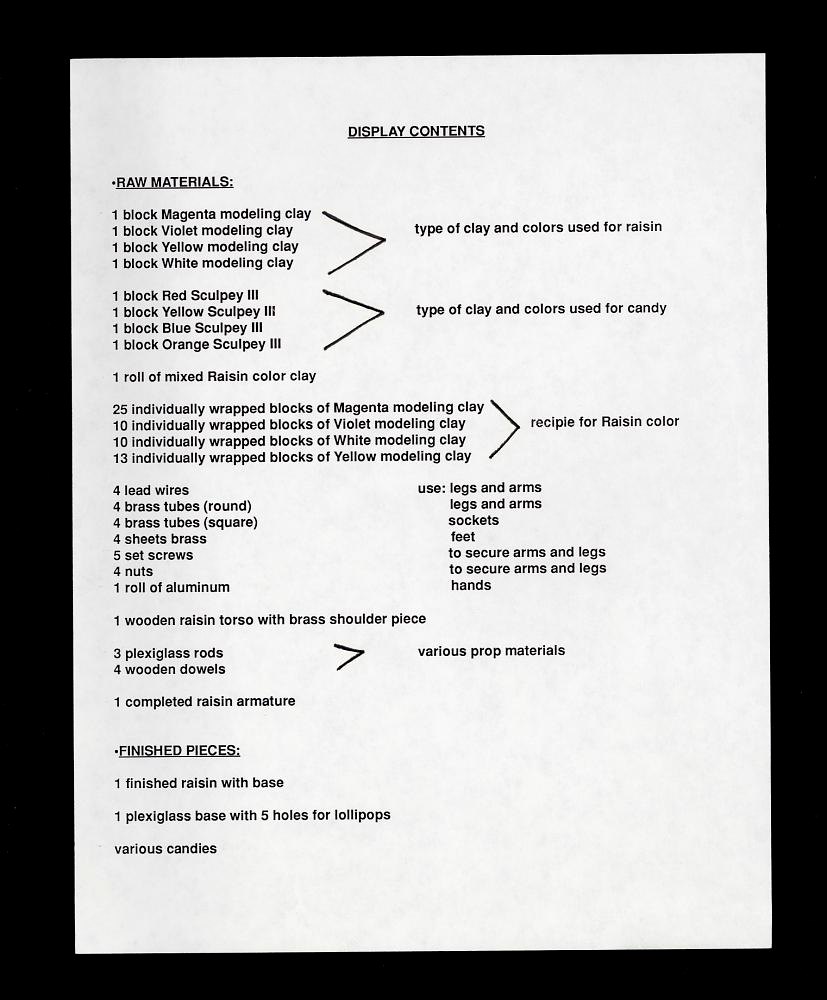
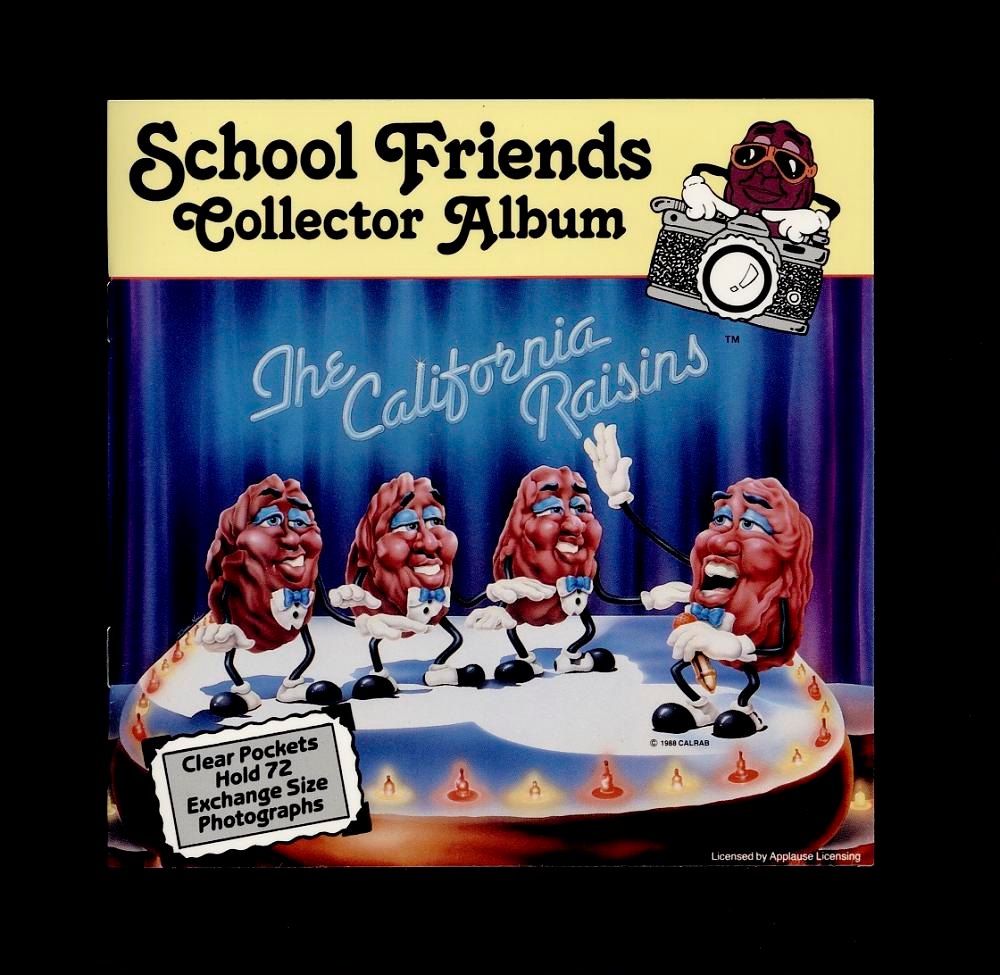
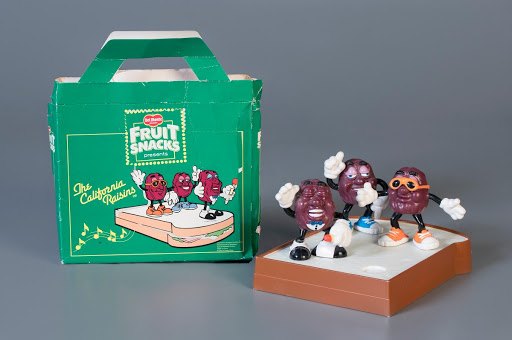
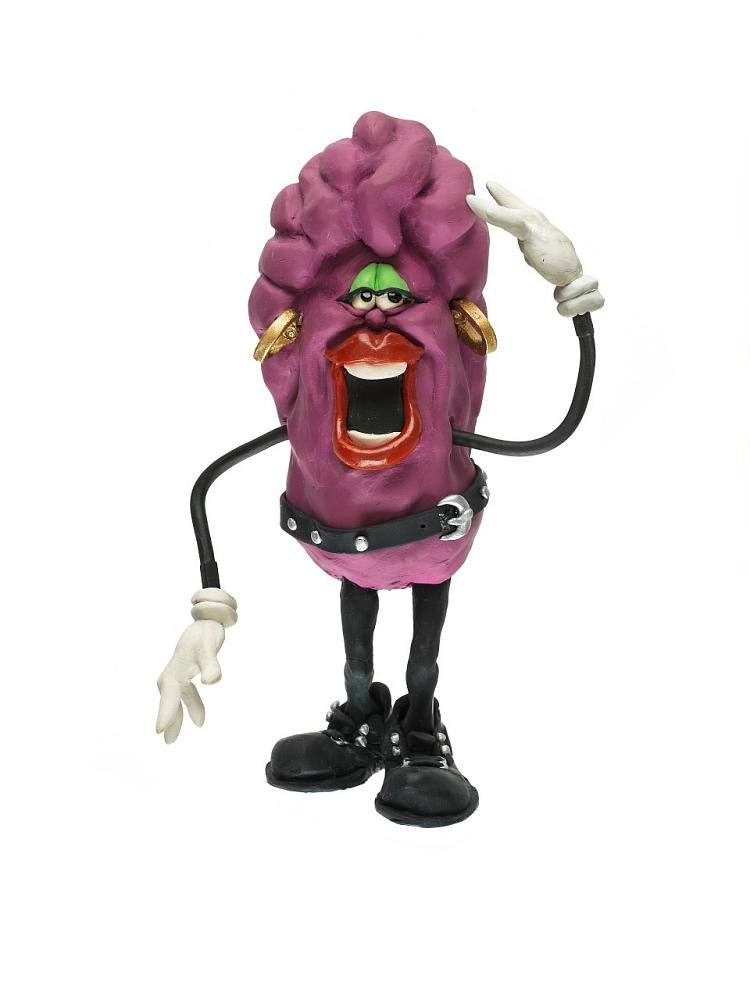
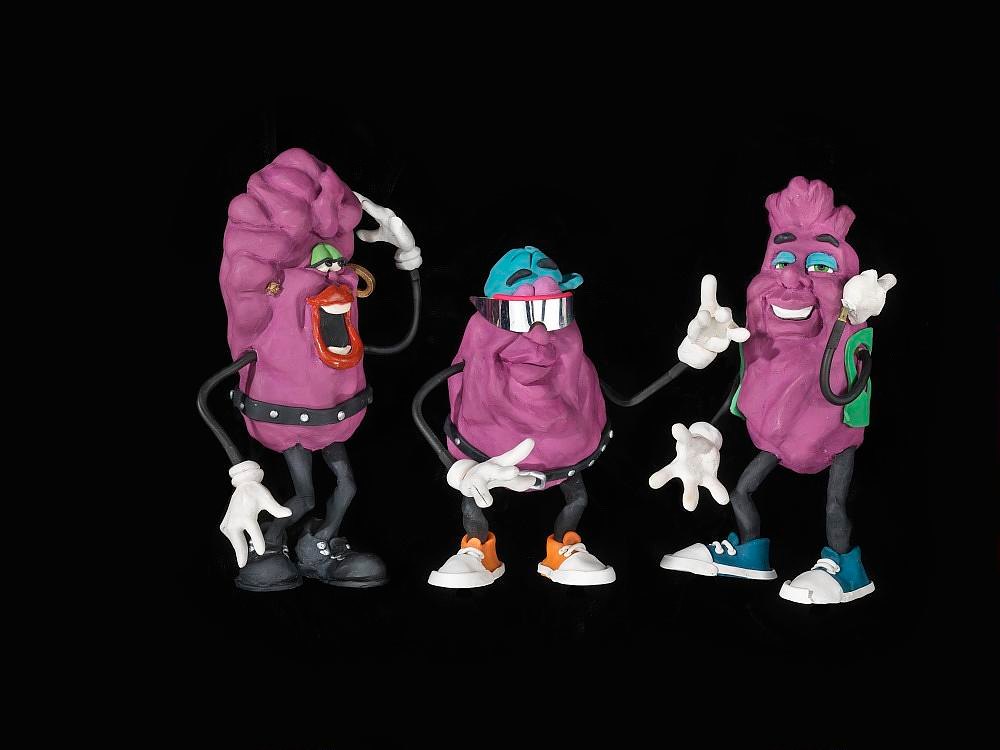
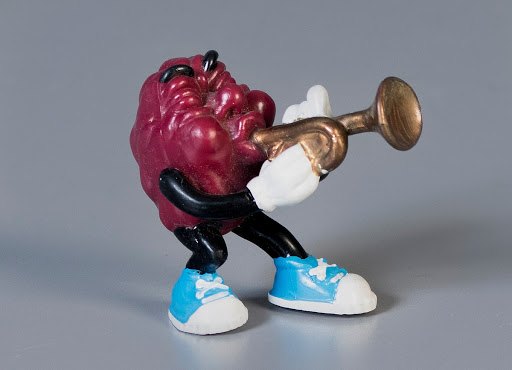
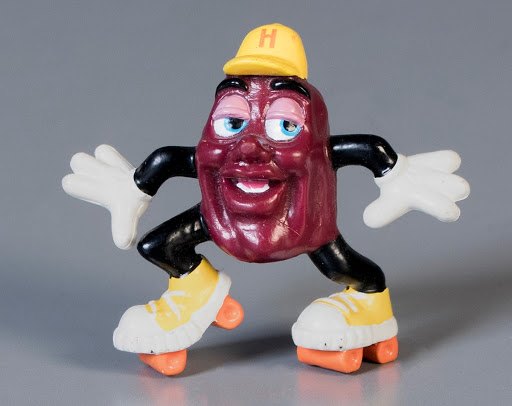
The record then forced the form. Raisins cannot be shot in live action, so Will Vinton's studio built them in clay over wire armatures about eight inches high and photographed them a frame at a time, twenty-four frames to the second, over more than a month for each commercial, which turned the characters into property rather than a passing execution. Within two years a grower board with no brand to protect had around three hundred licensed products in shops, two platinum albums and an Emmy-winning Christmas special, and raisin consumption rose by close to a fifth across three and a half years. The campaign also grew expensive enough to alarm the growers paying for it, and the board was dissolved in 1994.
The work.
Film
Around the work
Same shape of problem.
A grower board with no brand to protect ended up owning three hundred licensed products.
Back to the archive →