I Want My MTV
A channel that cable operators would not carry went over their heads to the audience and had viewers make the demand by phone.
The era.
MTV went on the air at 12:01 a.m. on 1 August 1981. It belonged to Warner-Amex Satellite Entertainment, a joint venture of Warner Communications and American Express, and the first video it played was the Buggles' "Video Killed the Radio Star." It started with about 2.1 million subscribers. Robert Pittman, formerly a programmer at WNBC radio, ran the founding team.
Cable in 1981 was a patchwork of local franchises. Each operator chose which networks to carry, from a limited number of channels, and charged its subscribers for the package. On launch night MTV was seen on a few systems in New Jersey. It was not on cable in Manhattan, so executives crossed the Hudson to an apartment the company rented in Fort Lee to watch their own channel.
Doubt came from every side. Many record companies refused to supply videos because they expected the channel to fail, so MTV opened with about 200 clips, many by British acts, and repeated them constantly. Wall Street and operators asked whether anyone would sit at home and watch music. In 1982 MTV was still struggling to persuade cable systems to put it on their basic service.
The culture.
Where MTV was available, it changed what sold. Within two months of launch, record stores were selling music that MTV played and local radio did not. Warner-Amex had built the channel on the view that teenagers were an overlooked audience, and the first evidence suggested they were right.
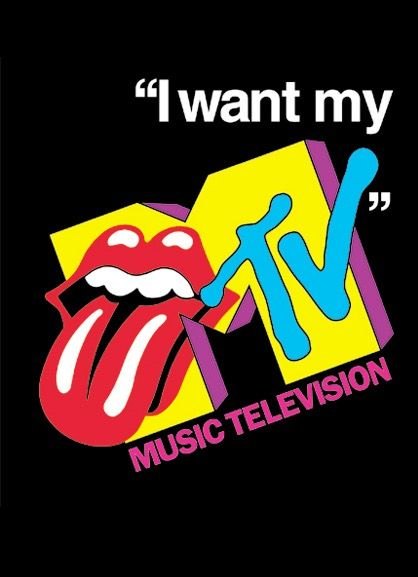
Fred Seibert and Alan Goodman ran the channel's on-air promotion. Seibert had overseen the channel's logo, a block M that changed colour and pattern from one identity to the next, and they treated the logo as something performers could touch and play with on screen. Buzzco, the animation studio run by Buzz Potamkin, produced much of that work.
The device that became the campaign was older than MTV. In the late 1950s a cartoon boy in television commercials for Maypo cereal had cried "I want my Maypo!" The animation was by John and Faith Hubley. In 1967 Lois's agency remade the idea with sports stars weeping for the cereal. Fifteen years later the line was waiting to be reused.
The problem.
The people who decided whether MTV existed were cable operators, and they had no reason to say yes.
MTV's real customer was the cable operator, and the operator was not convinced. Every channel slot given to MTV was taken from something else. The people who signed carriage deals were rarely the people who wanted to watch music videos. In 1982 the channel was still struggling to get onto basic service, and it was not even on cable in Manhattan.
A trade campaign aimed at operators would have argued with sceptics on their own terms. The viewers who did want the channel had no way to get it and no reason to think they could change that. Until the major markets carried MTV, advertisers and record companies would keep their distance too.
MTV's promotion chiefs Fred Seibert and Alan Goodman brought in Dale Pon, Seibert's former boss at a radio station, to give the channel a slogan. George Lois's first pitch, with rock stars crying for their MTV, was rejected; Pon reworked it without the tears and it was approved in 1982.
The solution.
Skip the operator, put the stars on screen, and have viewers make the demand by phone.
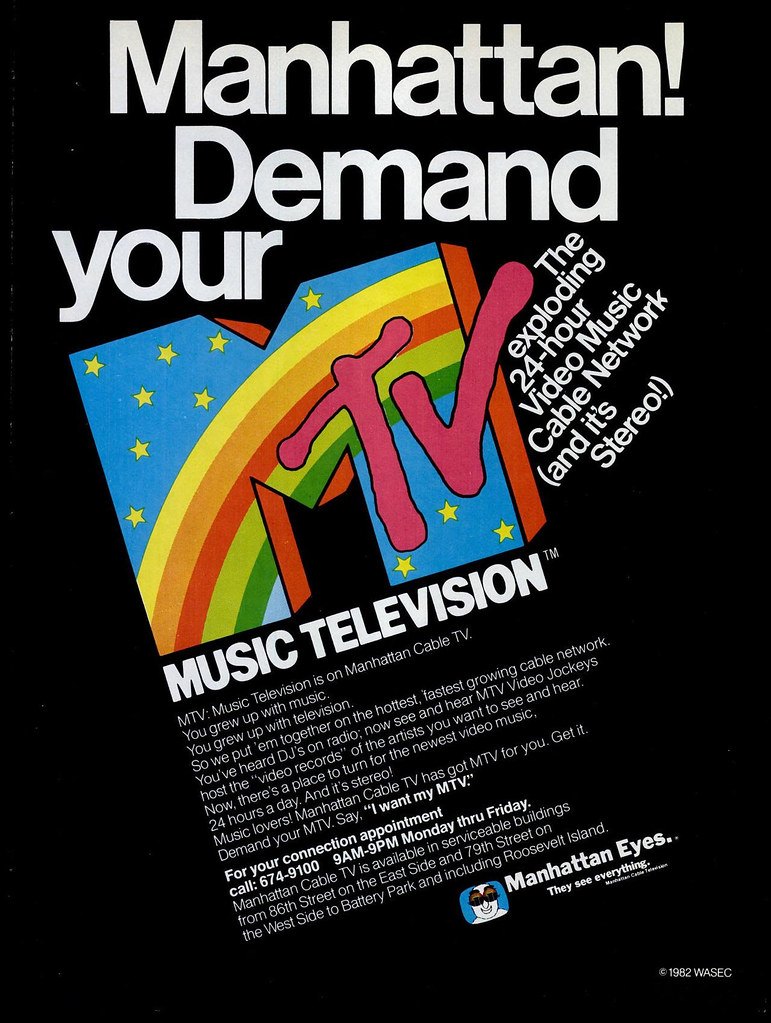
The spots put rock stars inside the MTV logo, grabbing it and shouting the line at the camera, while an announcer told viewers who could not get the channel to call their cable company and say it themselves. Pete Townshend, Pat Benatar, the Police, David Bowie and Mick Jagger were among the first; Hall and Oates, Billy Idol, Culture Club, Cyndi Lauper, Madonna and Lionel Richie followed. Buzzco produced the films, re-animating and hand-colouring the live footage. Local tie-in ads gave viewers the actual number to call; an autumn 1982 ad for Manhattan Cable TV listed the booking line and the streets it served. The calls turned operators' own subscribers into the sales force. By 1985 the phrase was so common that Sting sang it on Dire Straits' "Money for Nothing."
The work.
Film
Same shape of problem.
The line was borrowed from a 1950s cartoon about a boy who wanted his oatmeal.
Back to the archive →