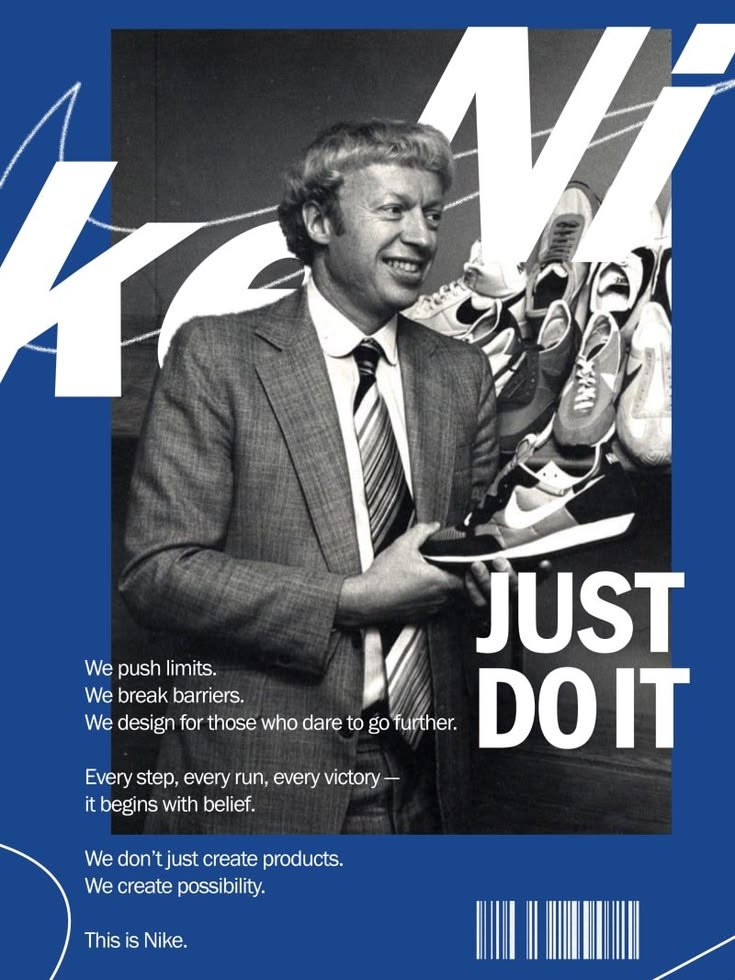
Just Do It
A three-word line with no sport in it, written to hold five unrelated commercials together, that let a runner's brand speak to everyone who moves.
The era.
Nike began in 1964 as Blue Ribbon Sports, a running-shoe importer started by Phil Knight and his Oregon track coach, Bill Bowerman. Through the 1970s it grew on serious runners and on the American running boom. Its advertising spoke to them in their own language, about training, distance and the road.
By the mid-1980s the market had moved. Aerobics classes filled with women who wanted a shoe for the studio, and Reebok built a lead by selling soft, fashionable aerobics shoes to them. Reebok passed Nike in American sales, and Nike, late to the trend, spent the middle of the decade trying to catch up.
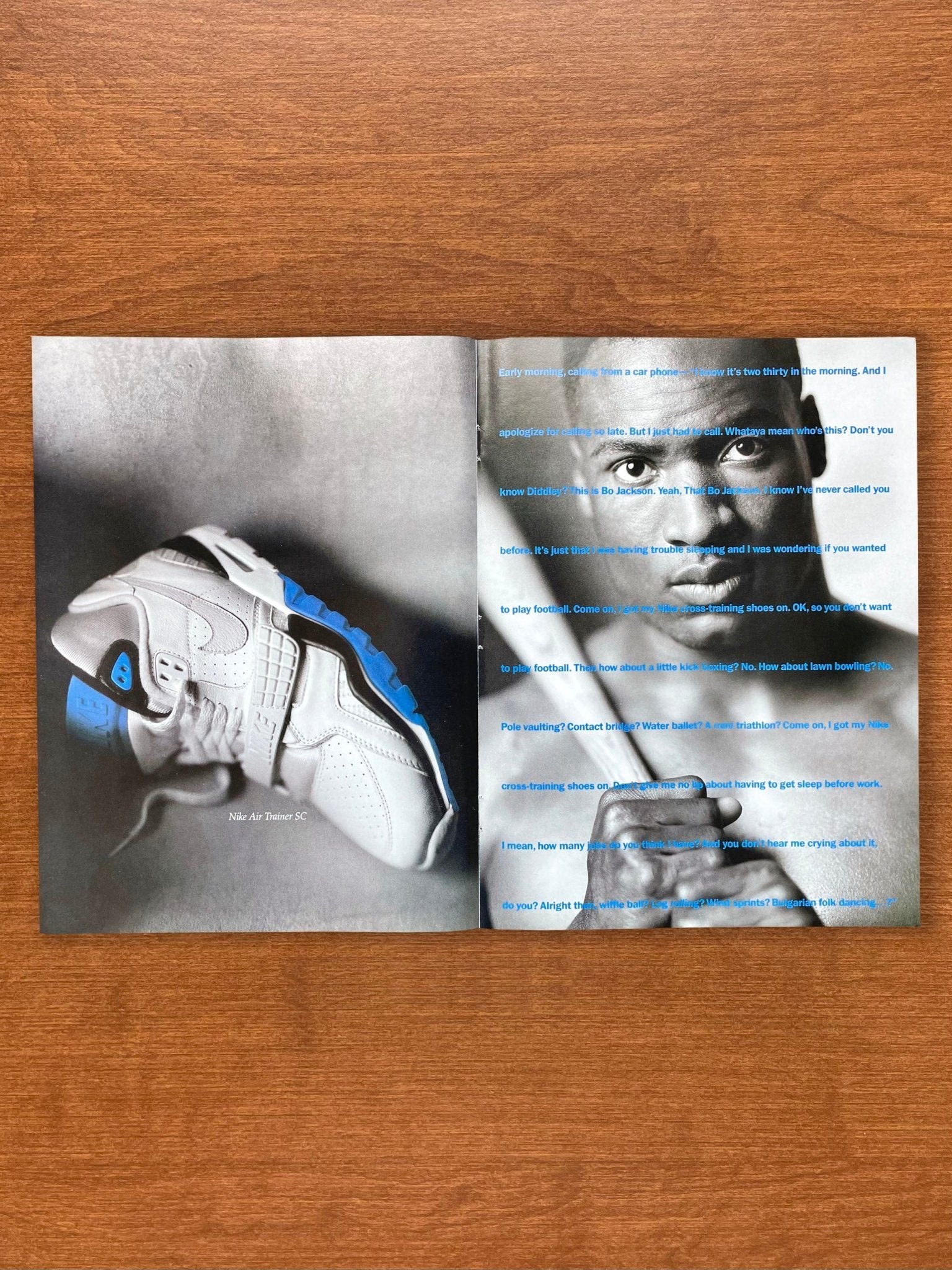
Nike's advertising account had gone in 1982 to Wieden+Kennedy, a new agency founded that year in Portland, Oregon, by Dan Wieden and David Kennedy. Its 1987 Air Max film, set to the Beatles' "Revolution", showed what the agency could do with sound and pace. In 1988 Nike put real money behind a national television campaign for the first time.
The culture.
In late-1980s America, exercise was turning from a hobby into a duty. Gyms, home workout tapes and personal trainers spread out from the big cities. The body had become something people felt responsible for, and many felt they were falling behind.
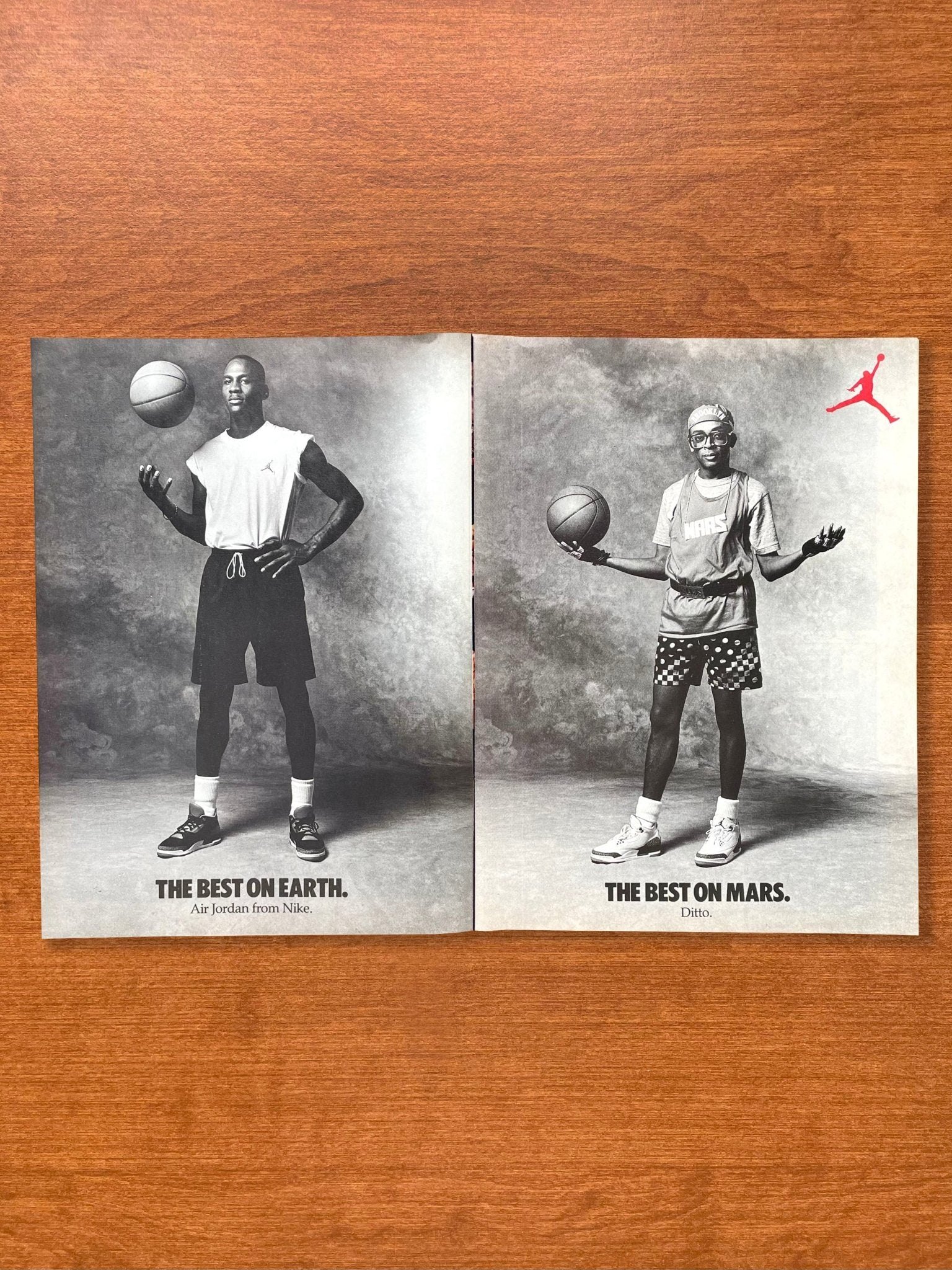
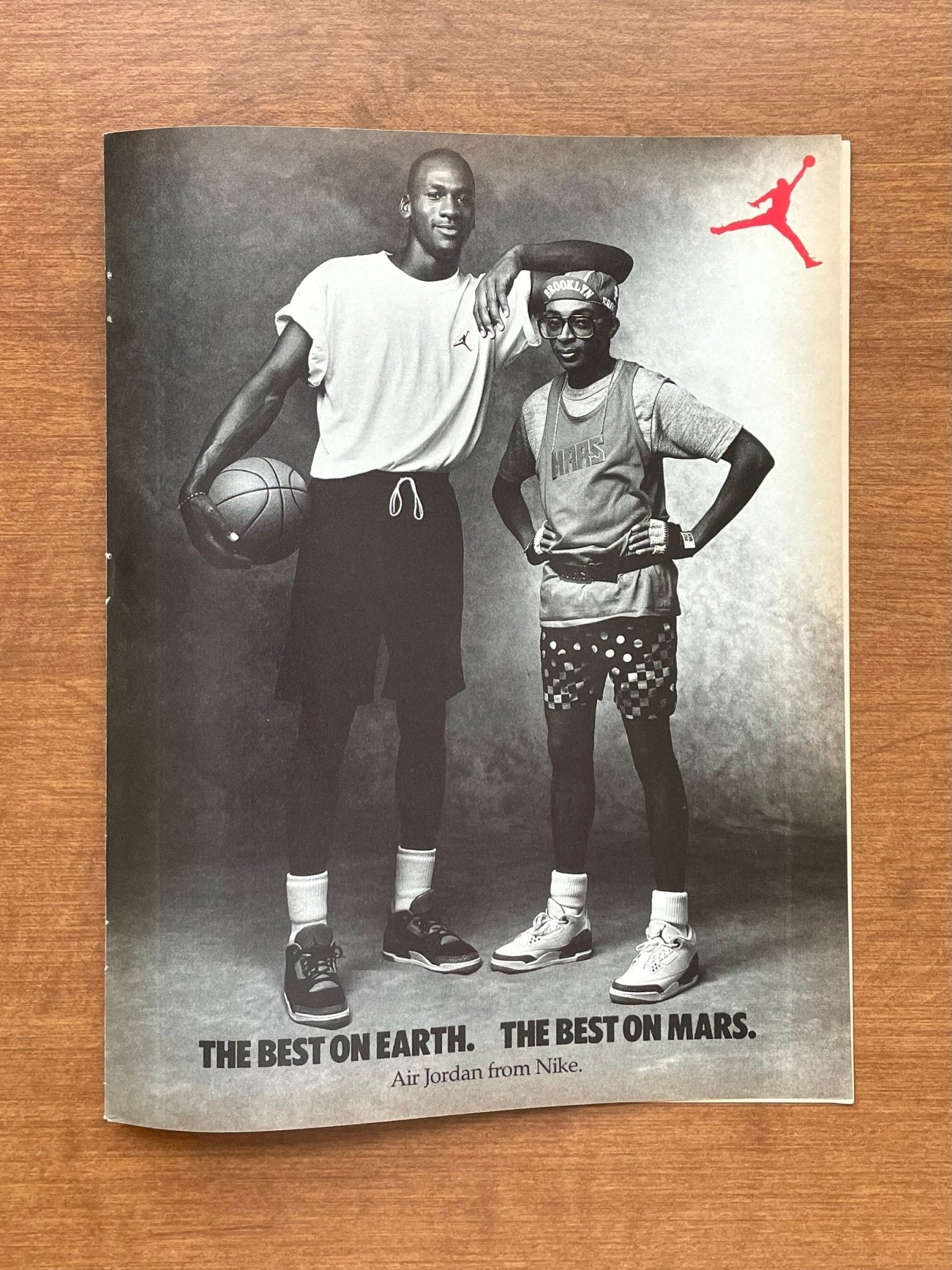
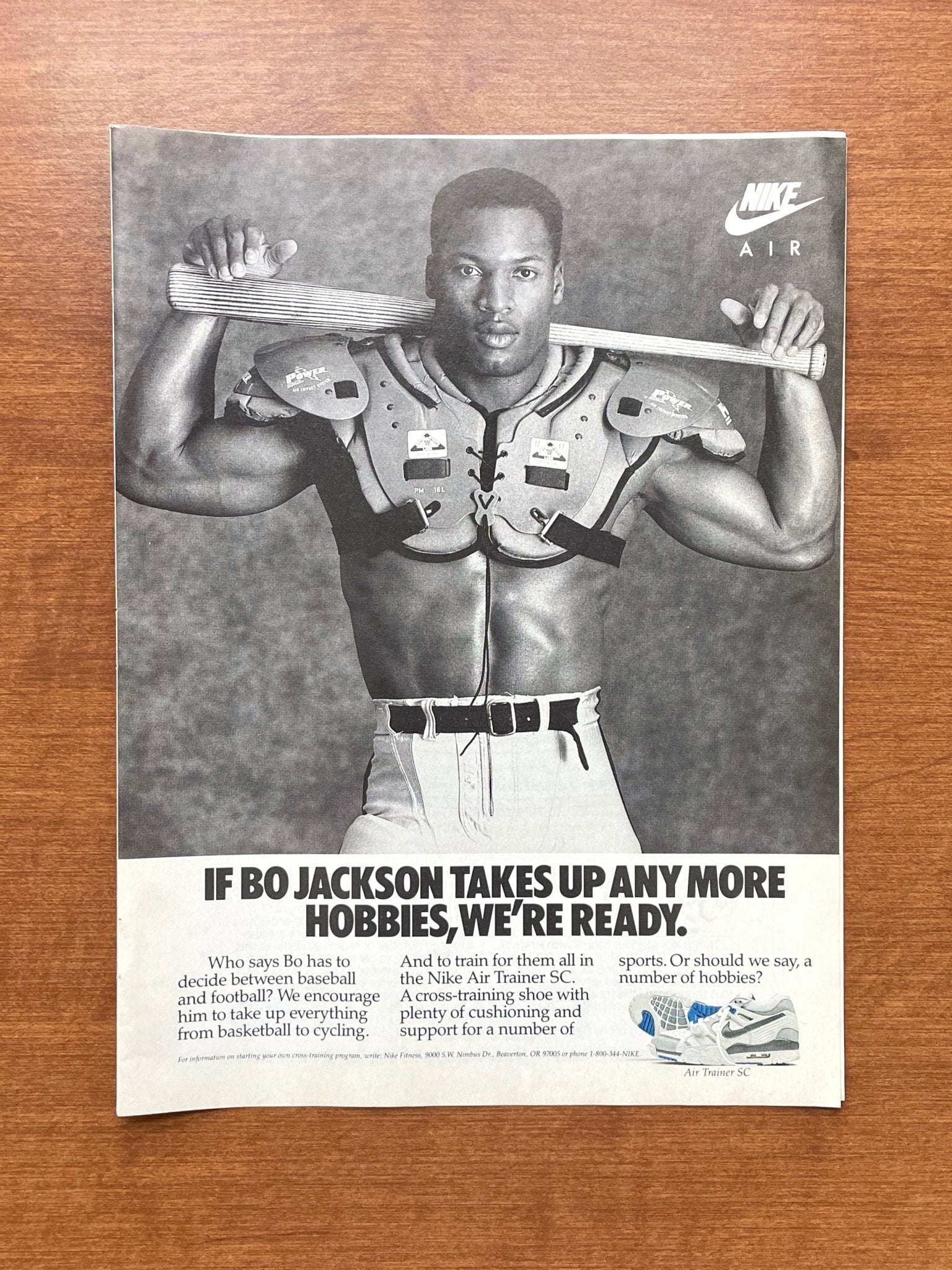
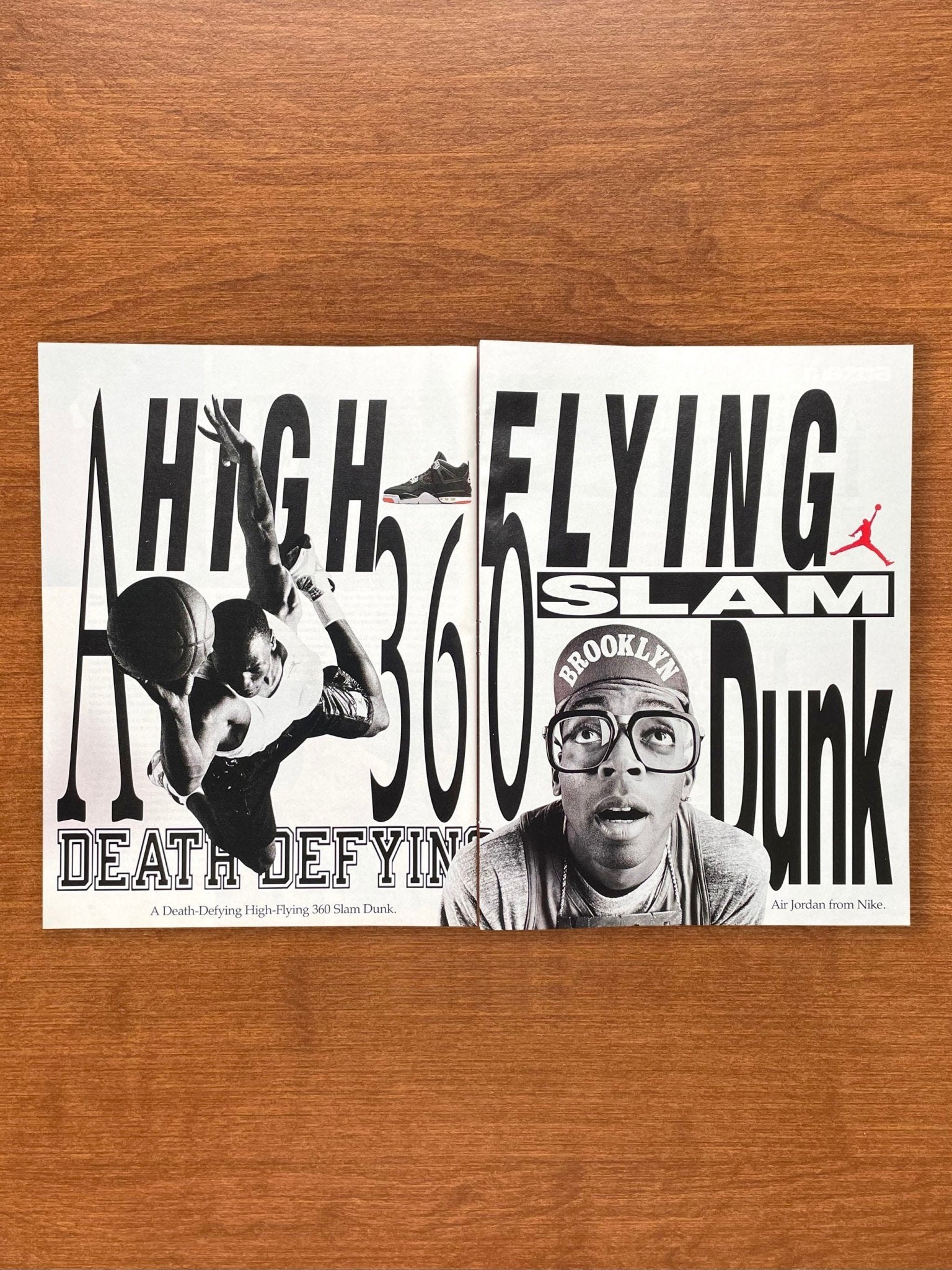
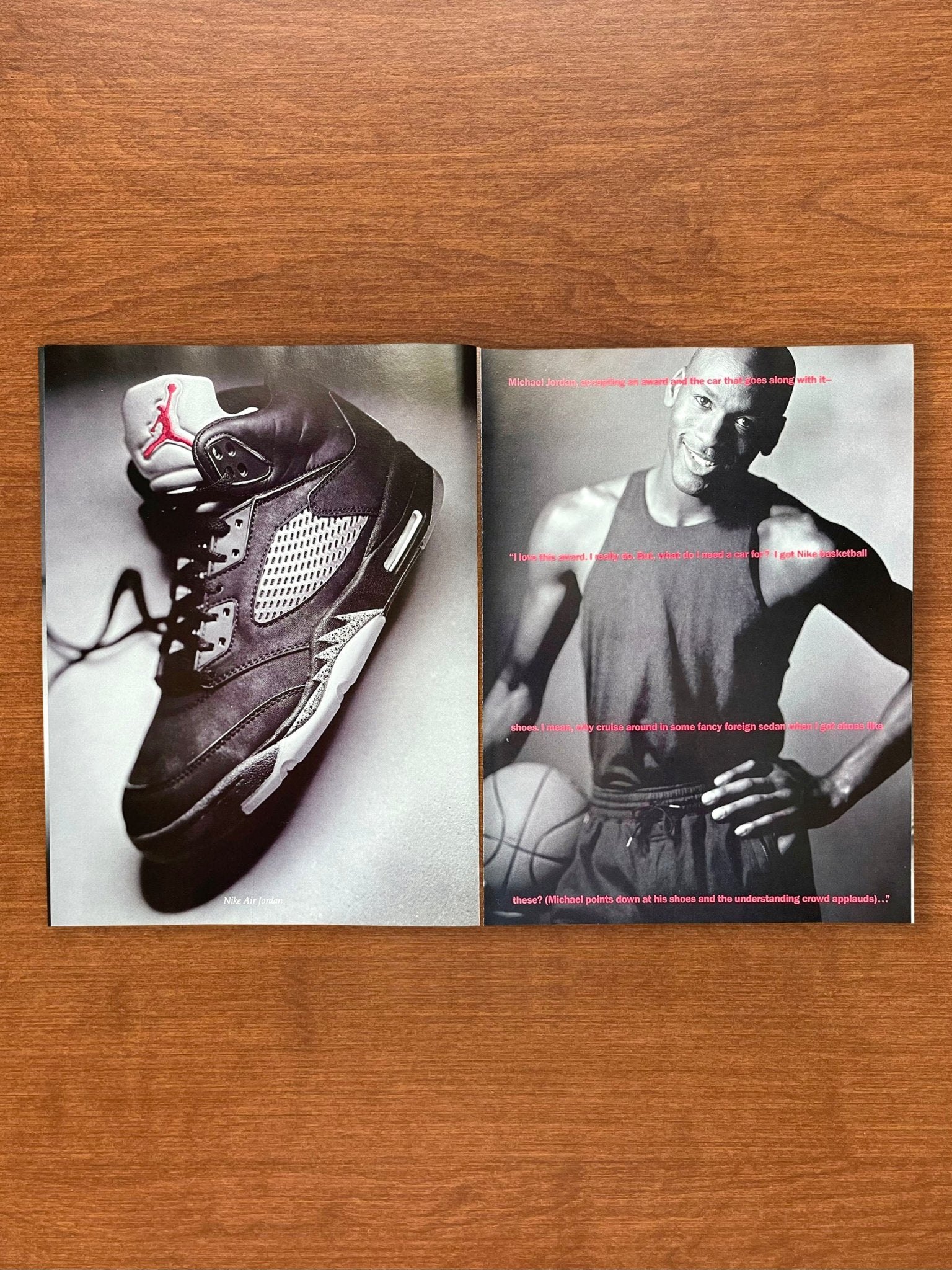
Sport on television was also changing. Michael Jordan's Air Jordan, launched in 1985, had made a basketball shoe into something people wanted off the court. Athletes were becoming the faces of brands, and a single commercial could carry a player further than a season.
Wieden+Kennedy's way of working was unusual for its time. It wrote in plain, almost blunt sentences and let real people talk. Its office was in Portland, Oregon, a long way from Madison Avenue.
The problem.
A specialist brand needed one voice for every kind of customer without losing the one kind that made it credible.
Nike's authority came from serious runners. Its growth now lay with people who did not think of themselves as athletes at all.
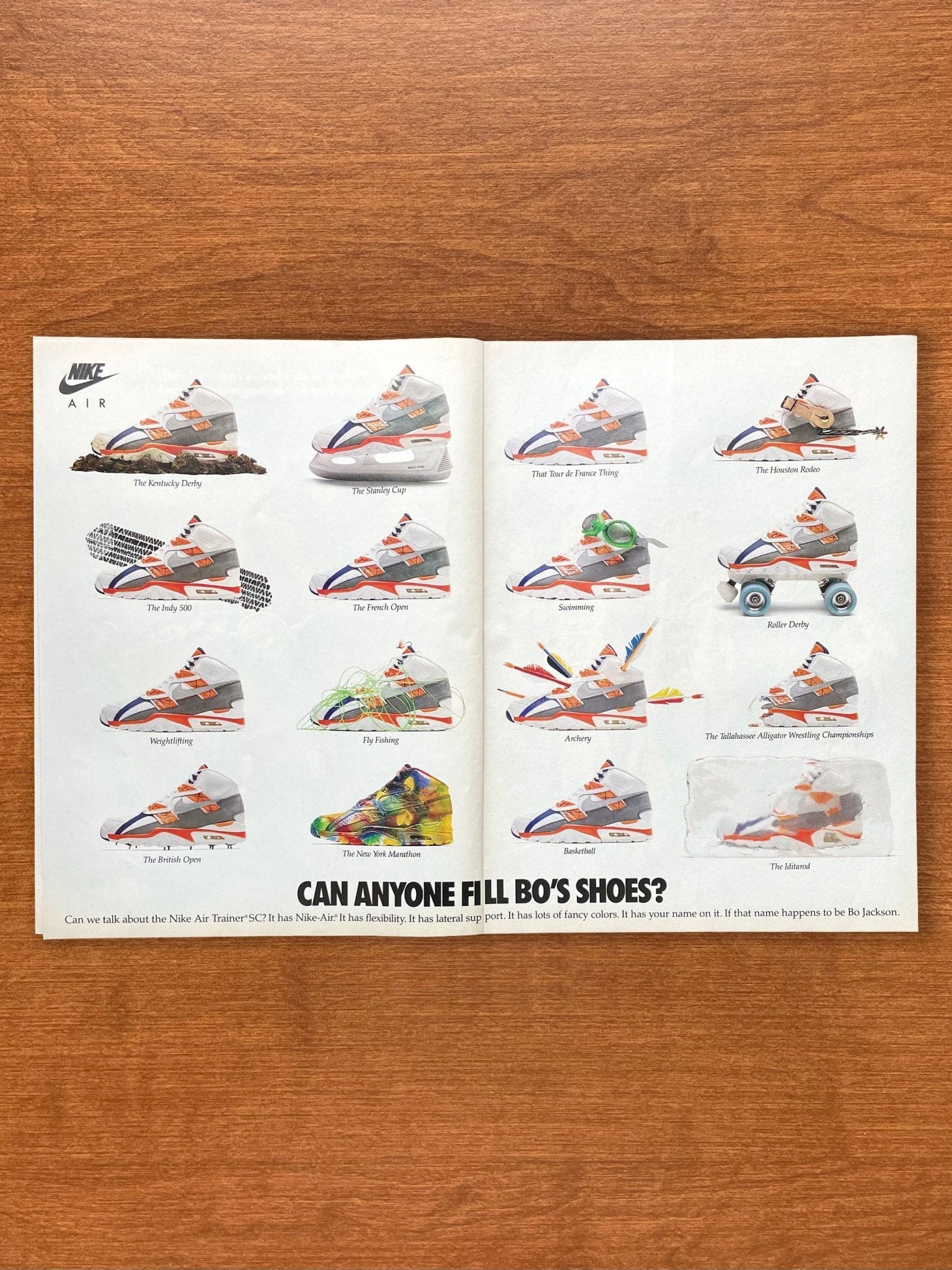
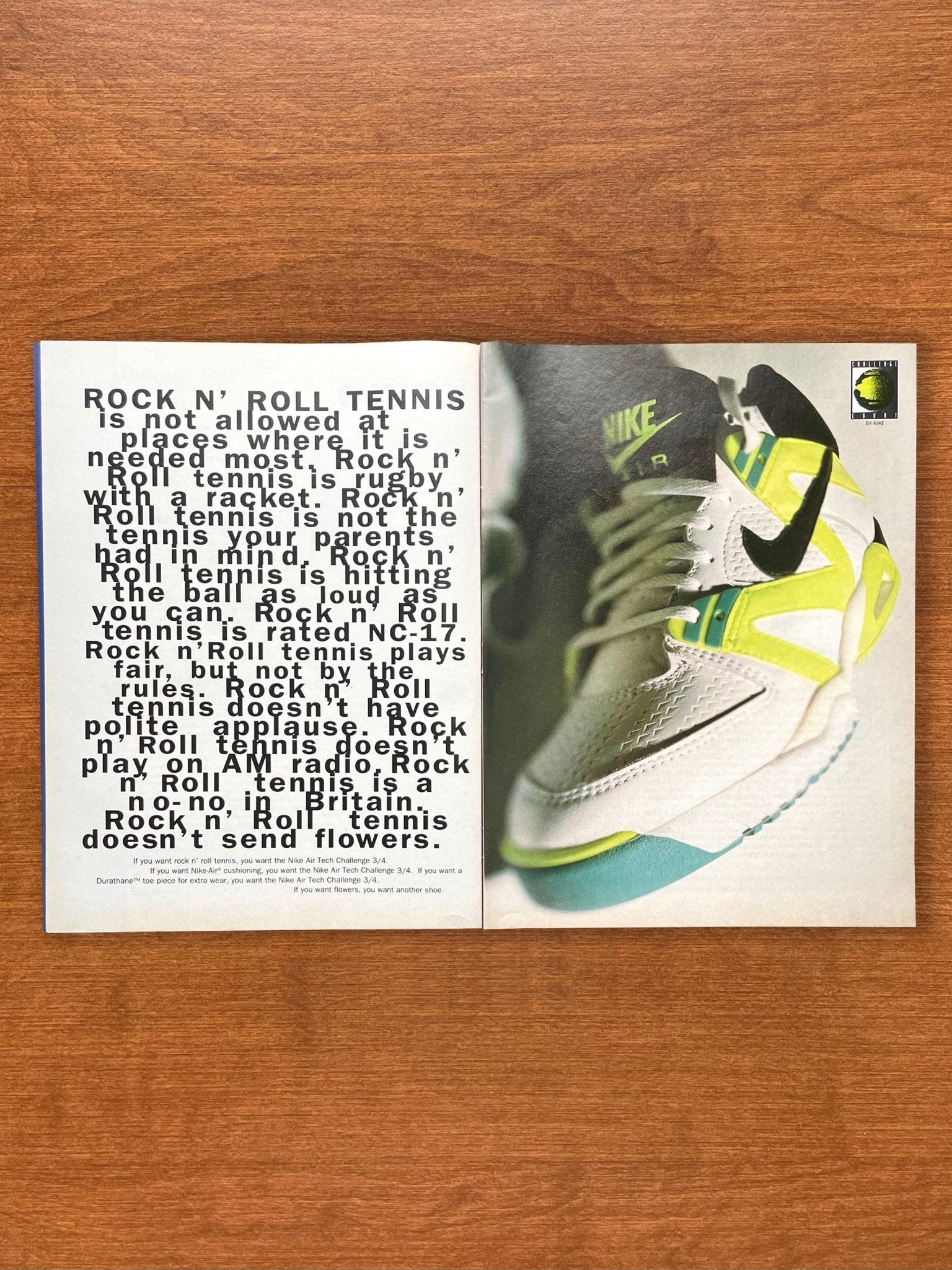
Its advertising was split by product, with separate work for running, basketball, tennis and the rest. Reebok, meanwhile, was winning the fitness boom with aerobics and a broader lifestyle message.
In 1988 Wieden+Kennedy had five television spots for different sports and nothing to tie them together. Any line that named a sport would shut out the others, and any line that sounded like fashion would lose the runners.
In 1988 Wieden+Kennedy had made five thirty-second spots for Nike, each by a different team and for a different sport. Dan Wieden worried they had no common thread, wrote four or five tag lines the night before, chose "Just do it", and told every team to use it.
The solution.
Write the line about the decision to start. Leave the sport blank, and everyone who moves can fill it in.
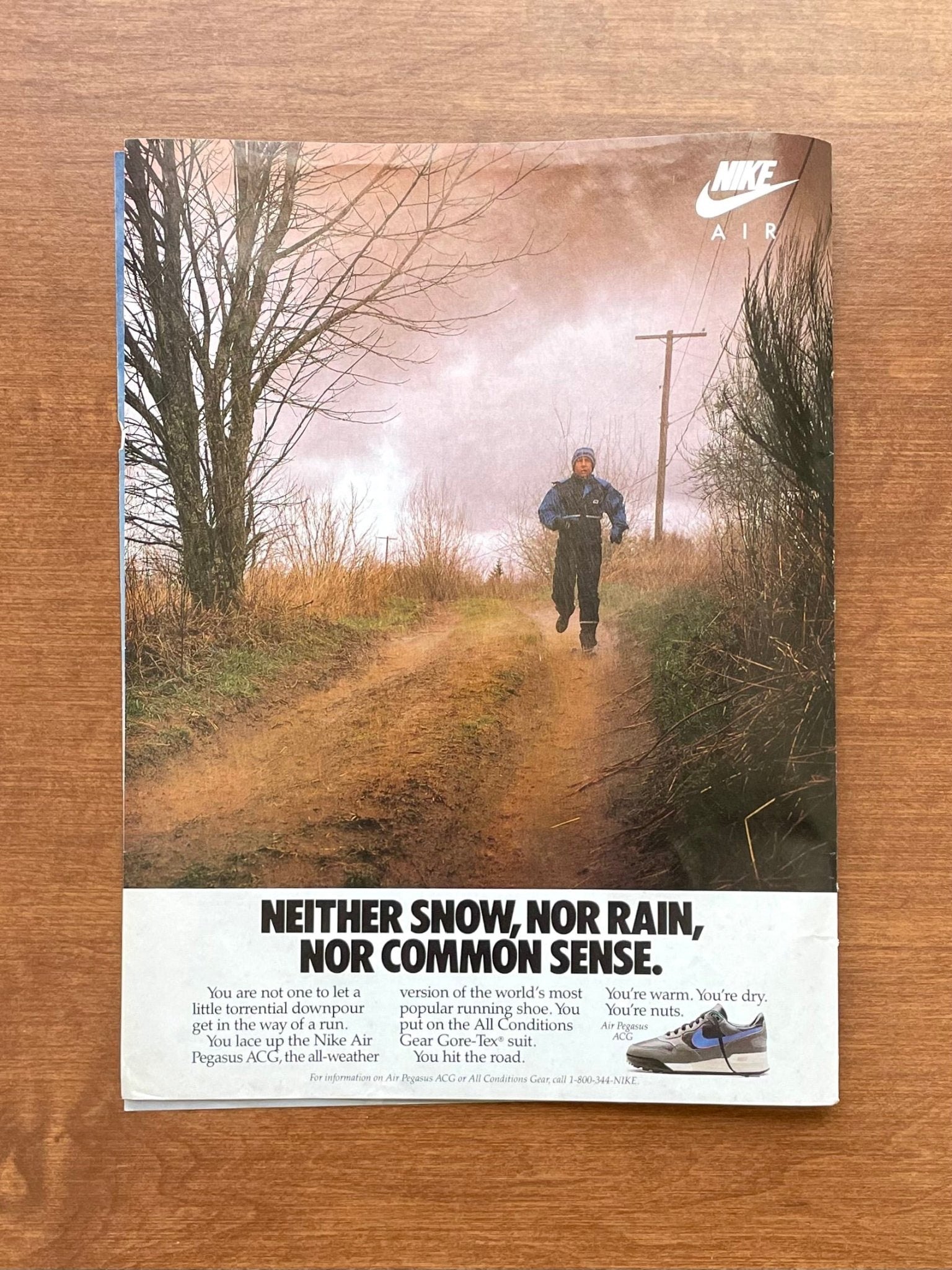
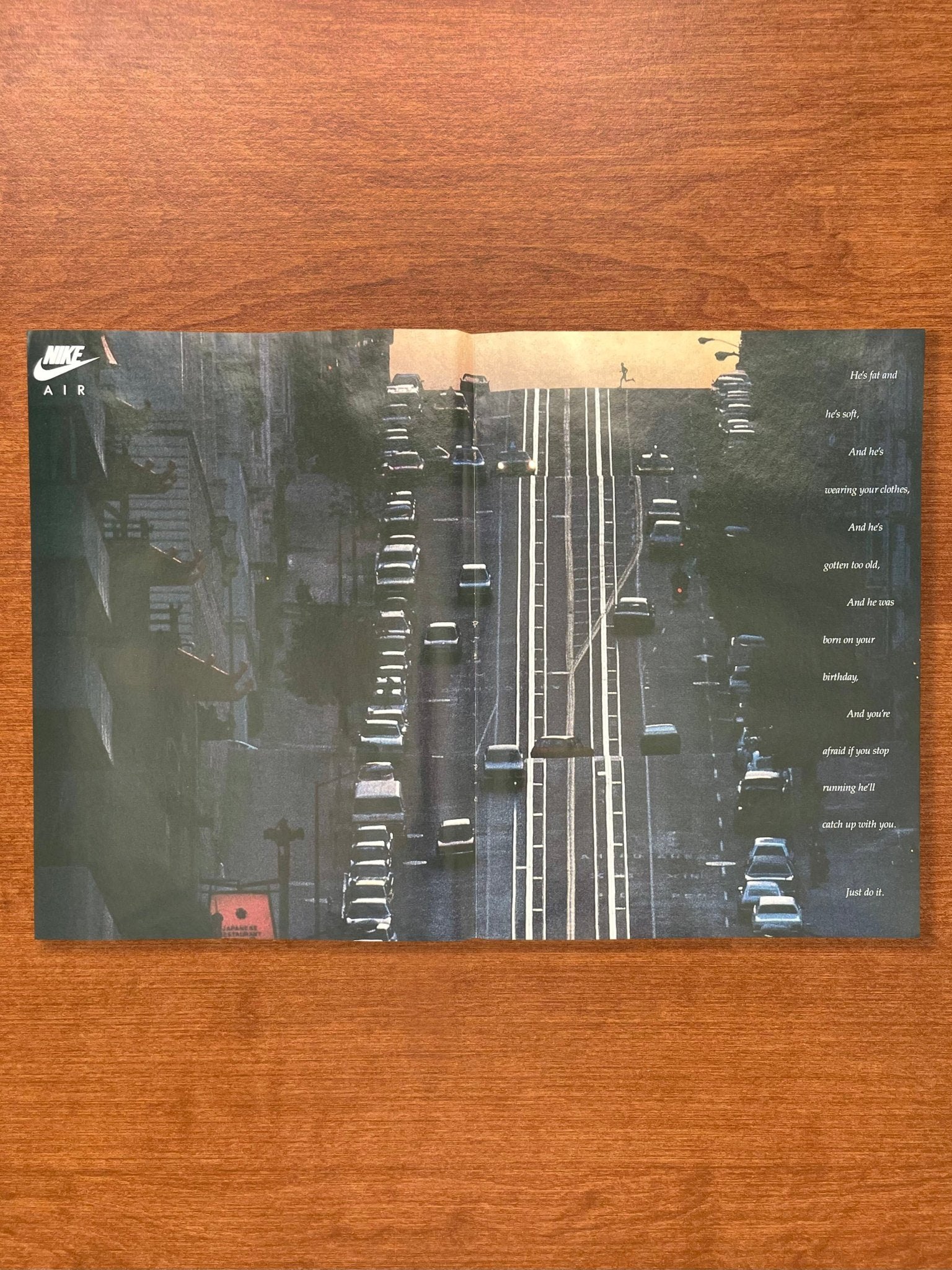
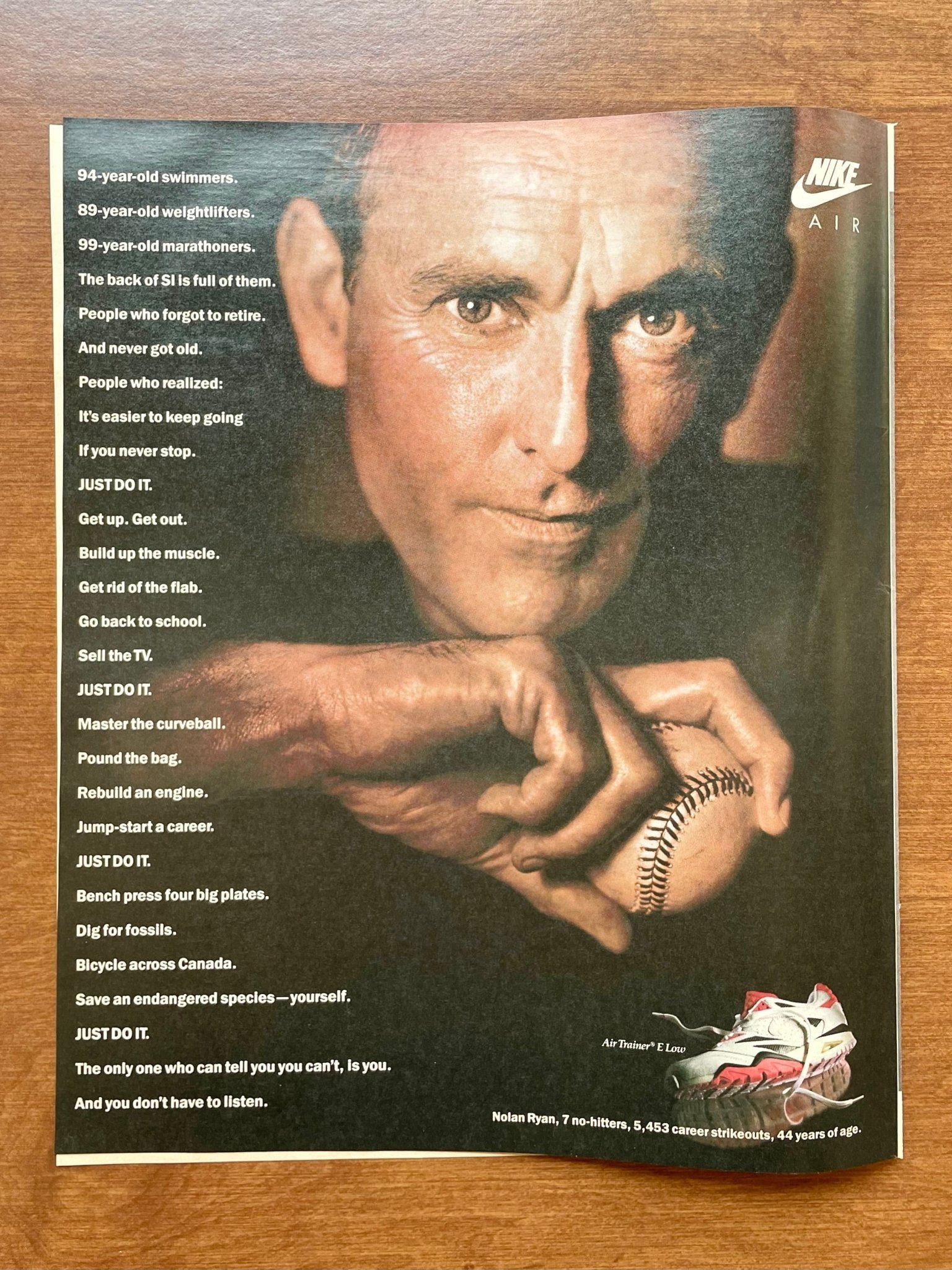
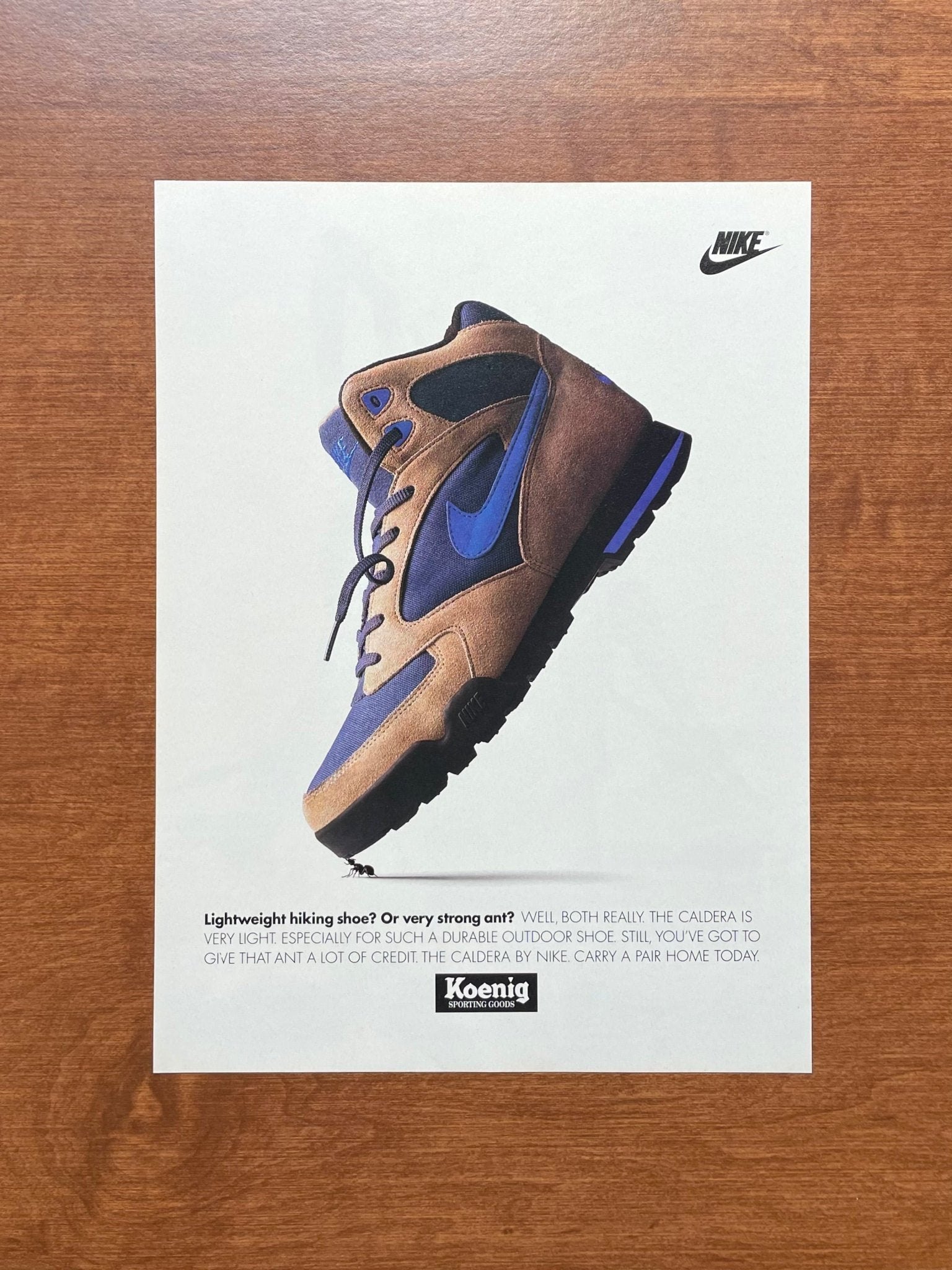
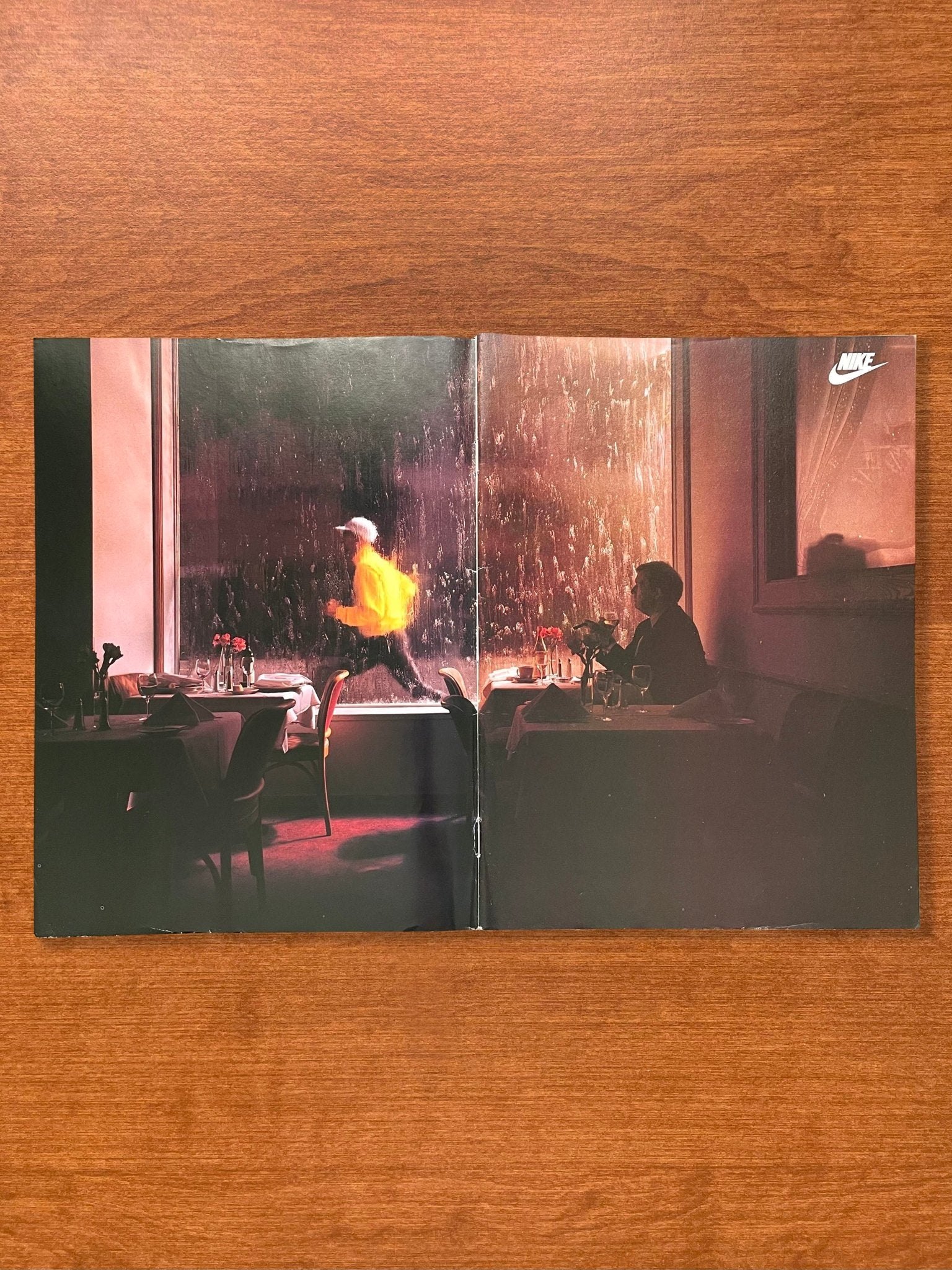
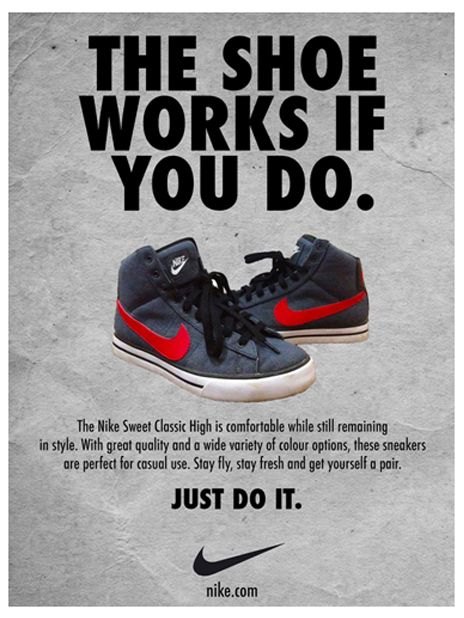
Dan Wieden wrote "Just do it" to pull the five spots together; he has said it came from the last words of a man executed in Utah, "Let's do it", which he changed. Phil Knight told him Nike did not need it, and Wieden asked him to trust him. The first spot, on 1 July 1988, showed Walt Stack, an 80-year-old San Francisco runner, crossing the Golden Gate Bridge and joking about his seventeen miles a morning. Because the line names no sport and no product, it could close a running film, a basketball film or a magazine page for hiking boots. From 1988 to 1998 Nike's share of the North American sport-shoe business is reported to have risen from 18 to 43 percent, and Advertising Age ranked the campaign fourth of the twentieth century.
The work.




Film
Same shape of problem.
More from Nike.
Every Nikecampaign →Phil Knight told Dan Wieden that Nike did not need the line.
Back to the archive →