Yellow Pages · Abbott Mead Vickers
J.R. Hartley
A directory kept for emergencies was moved to the rest of the week by a sixty-second story in which the product appears only at the end.
The era.
In 1983 Yellow Pages belonged to British Telecom, itself about to be sold to the public, and the directory sat by the phone in most of the country's households. The business made its money from the tradesmen and shops who paid to be listed, and what it needed from the public was use. Britain was coming out of the recession of the early 1980s, and usage of the directory was, in its own marketing head's word, stagnant.
The strapline Let your fingers do the walking had done its work too well. It tied the book to the burst pipe and the broken window, to the moment you needed somebody fast. Outside those moments the directory was furniture.
Television advertising in Britain was entering its most admired decade. The commercial that told a small story with a quiet ending, from Hovis to Hamlet, was the form the industry was proudest of, and the agencies that could write one were in demand. Abbott Mead Vickers, six years old, was not yet one of them; it was known for press and posters.
The culture.
The second-hand bookshop was still an ordinary feature of a British high street, and the hunt for an out-of-print title was a recognisable small pleasure. So was fly fishing: an unhurried, slightly old-fashioned pursuit that said a good deal about a man without his saying any of it.
British audiences liked their sentiment dry. A story that moved them had to be allowed to end on a joke, or at least on a shrug, and the best commercials of the period gave the viewer the pleasure of working out the ending a second before it arrived.
The telephone was changing from an instrument for emergencies to a tool for arranging life. The directory's opportunity was to move with it, from the drawer where the fuses were kept to the table where the weekend was planned.
The problem.
Yellow Pages had taught the country to reach for it when a pipe burst, and nobody reached for it otherwise.
John Condron, head of marketing at Yellow Pages, put the account out to tender with a brief of one line: increase usage. The directory's penetration in non-emergency categories was five or six per cent through the 1970s. People used it when they had to and never when they merely wanted to, and the advertising, by tying the book to emergencies, had helped build that habit.
Among the agencies pitching, Abbott Mead Vickers was thought a curiosity: good at print, little television to show. The problem it inherited was not awareness, which was total, but meaning. The brand needed to be re-explained as a thing for the nice parts of life, and it had to be done in a medium the agency had not yet mastered.
John Condron, head of marketing at Yellow Pages, put the account out to tender in 1983 with a one-line brief, increase usage, because the directory's use was stagnant and tied to emergencies. Abbott Mead Vickers won against agencies with far more television experience and held the business until 2006.
The solution.
Put the directory at the end of a small, warm story about a want rather than a need, and let the audience discover the point for themselves.
The idea arrived as a story told in the office. Peter Mead, one of the agency's founders, had walked the shops looking for a compact disc player and failed, then found one in minutes through Yellow Pages. Leslie Butterfield, the planning director, heard it and saw the brief in it. David Abbott wrote a script over a weekend. His first attempt was about a book on European butterflies; a second was about a pony. Both were turned down as too elitist. The third was about fly fishing.
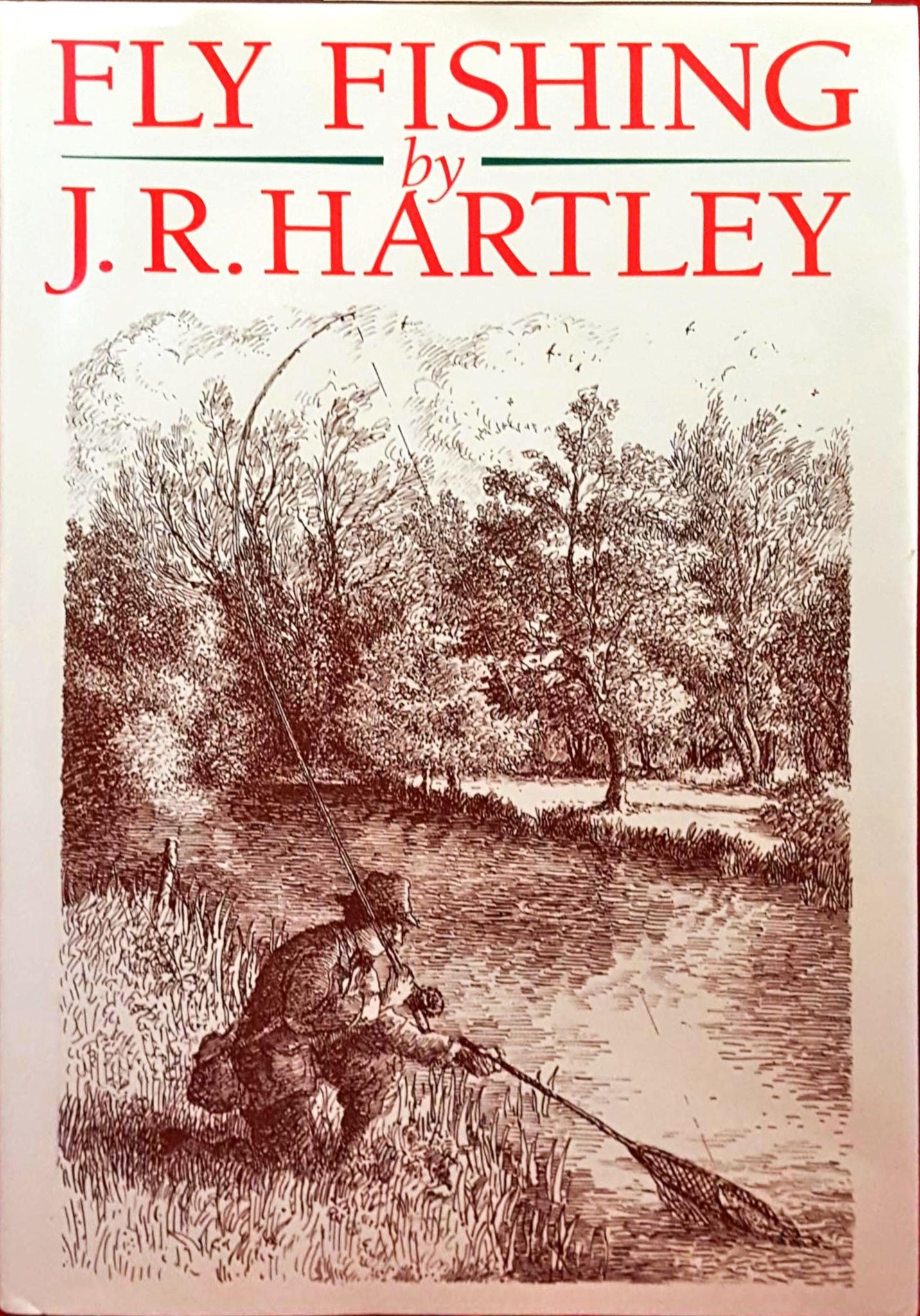
An elderly man goes from one second-hand bookshop to the next asking for Fly Fishing by J.R. Hartley. Nobody has it. At home his daughter hands him the Yellow Pages, he telephones, a shop has a copy, and he asks them to keep it for him. Asked his name, he says, at dictation speed: My name? Oh, yes. It's J.R. Hartley. The voice-over closes on the directory being there for the nice things too. Bob Brooks directed; Norman Lumsden, a former opera bass in his late seventies, played Hartley; Joss Ackland spoke the closing line; Dick Walter wrote the piano.
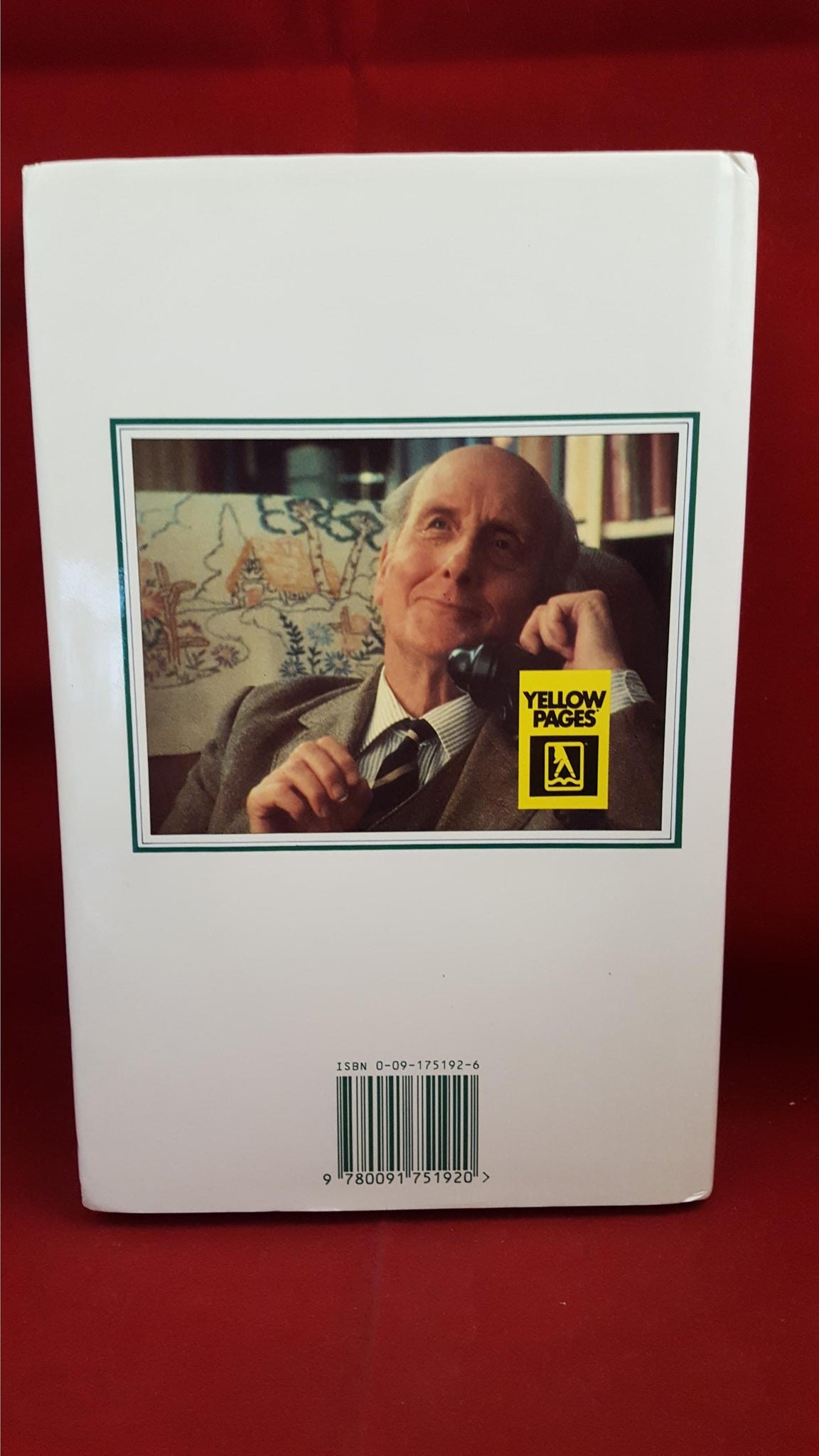
It worked because the product was never the subject. The viewer followed a man and a want, reached the ending a beat before he said his name, and only then noticed what had found the book. The line about nice things did the rest of the job: it moved the directory, in one sentence, from the emergency drawer to the rest of the week. Penetration in non-emergency categories rose to fifteen to twenty per cent, bookshops began receiving requests for a book that did not exist, and in 1991 a publisher wrote it. Fly Fishing by J.R. Hartley, with Lumsden as the author's public face, sold 130,000 copies that Christmas and topped the Sunday Times non-fiction list.
The work.
Film
Same shape of problem.
A directory everyone kept for emergencies wanted to be opened on a quiet Saturday, so its agency wrote a story about an old man looking for a book.
Back to the archive →