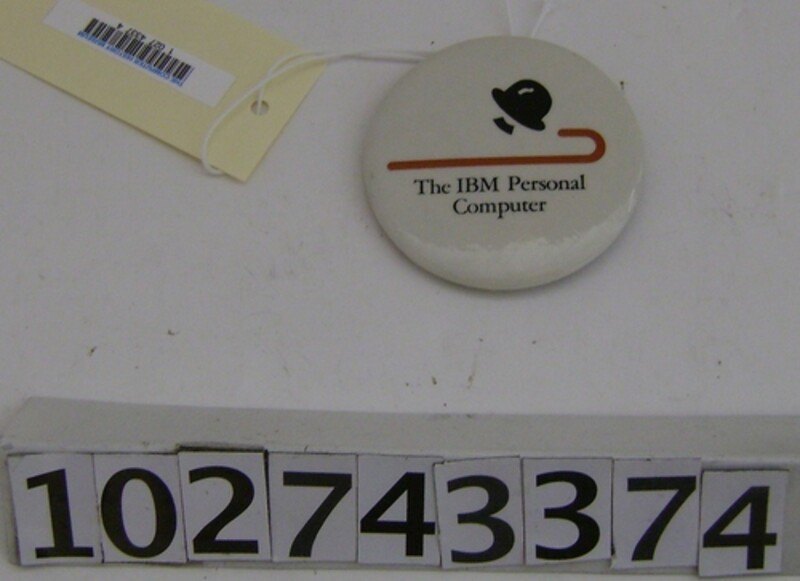
IBM · Lord, Geller, Federico, Einstein
The Little Tramp
The company people saw as cold and corporate sold its first personal computer through a silent-film character the audience already loved, the man who had once been crushed by machinery.
The era.
By the end of the 1970s small computers were a real business, and IBM was not in it. Apple, Tandy and Commodore sold machines to hobbyists, schools and small firms. Tandy alone shipped more than 100,000 TRS-80s in 1979. IBM sold large computers to large companies through its own sales force.
In 1980 William Lowe proposed to IBM chairman Frank Cary that the company build a personal computer to sell for about $1,500. Cary gave him a month for a prototype and a year to reach the market. IBM's normal product cycle was four or five years. The team in Boca Raton, Florida, led by Don Estridge, used parts bought from outside suppliers: an Intel 8088 processor and an operating system from Microsoft.
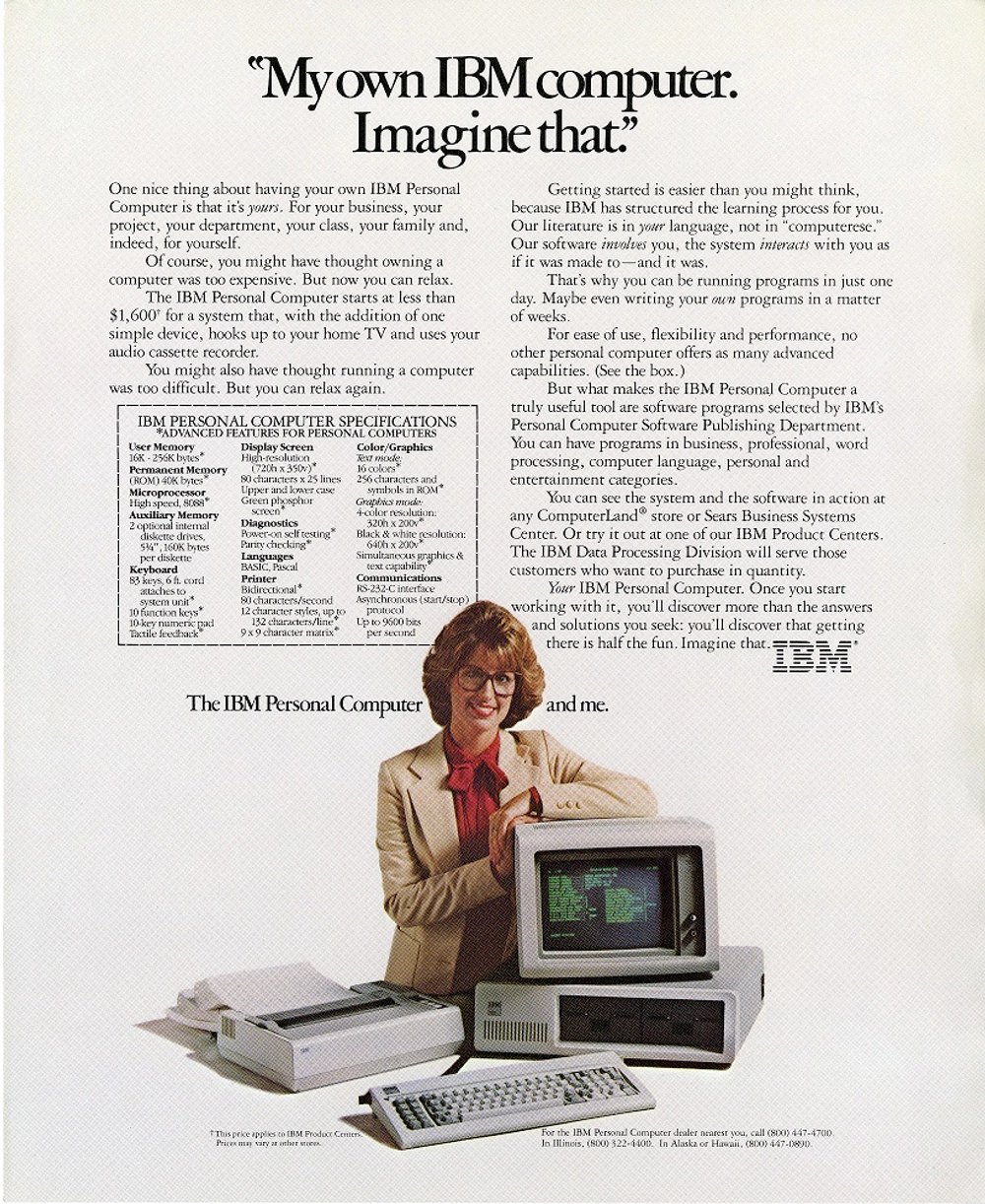
Estridge unveiled the IBM Personal Computer at the Waldorf in New York on 12 August 1981. The base model cost $1,565 with 16 kilobytes of memory and no disk drive. For the first time IBM sold through shops, ComputerLand and Sears, Roebuck among them. The buyer was now a shopkeeper, an accountant or a parent, someone who had never dealt with IBM.
The culture.
The early 1980s were the years the computer came off the factory floor and into the office and the home. Time magazine named the computer its Machine of the Year for 1982, in place of a Person of the Year. Most of the people being sold to had never used one. Many were afraid of it.
Rival makers reached for television faces to make their machines feel safe. Apple used Dick Cavett, Texas Instruments used Bill Cosby, Commodore used William Shatner and Atari used Alan Alda. Each borrowed trust from a familiar person.
Charlie Chaplin created his Tramp in 1915. In Modern Times, in 1936, the Tramp is a factory worker swallowed by the gears of an assembly line. Decades later the bowler hat, cane and walk were still known around the world, and the character carried no words that needed translating.
The problem.
The name that meant computers to big business meant nothing friendly to the shopkeeper, the parent or the first-time buyer it now had to win.
IBM was known as efficient and reliable. It was also seen as cold and aloof, a company of white shirts and mainframes.
The Personal Computer had to be sold to people who had never bought from IBM. Charles Pankenier, the director of communications for the PC, put it plainly: "We were dealing with a whole new audience that never thought of IBM as a part of their lives." Those buyers were walking into Sears and ComputerLand with a fear of technology and no idea what the machine would do for them.
Apple had a four-year head start, and it greeted IBM's arrival with a full-page advertisement headed "Welcome, IBM. Seriously." IBM needed a voice that would make its first small machine feel safe, simple and human without giving up the trust its name already carried.
In 1981 IBM hired Lord, Geller, Federico, Einstein to launch its first microcomputer to an audience that had never bought from IBM. The first commercial, The House, ran in November 1981.
The solution.
Take the man the machine age once crushed and let him master the machine, so the fear of technology turns into a joke the audience is in on.
Lord, Geller, Federico, Einstein looked at the Muppets and at the mime Marcel Marceau before choosing Chaplin's Tramp. Tom Mabley, the agency's creative director, said the idea "sort of walked in and sat down." He saw the Tramp as Everyman: vulnerable, but clever.
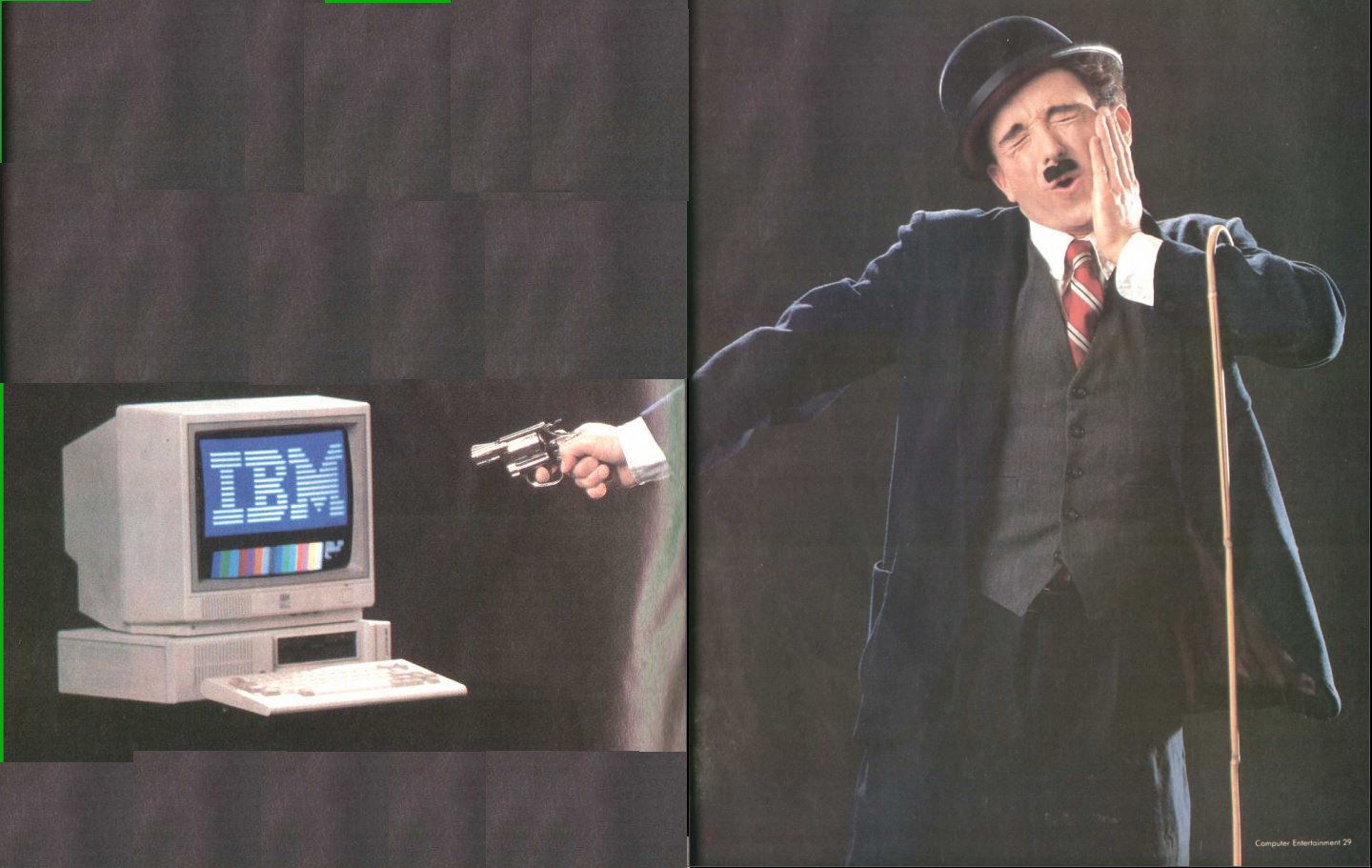
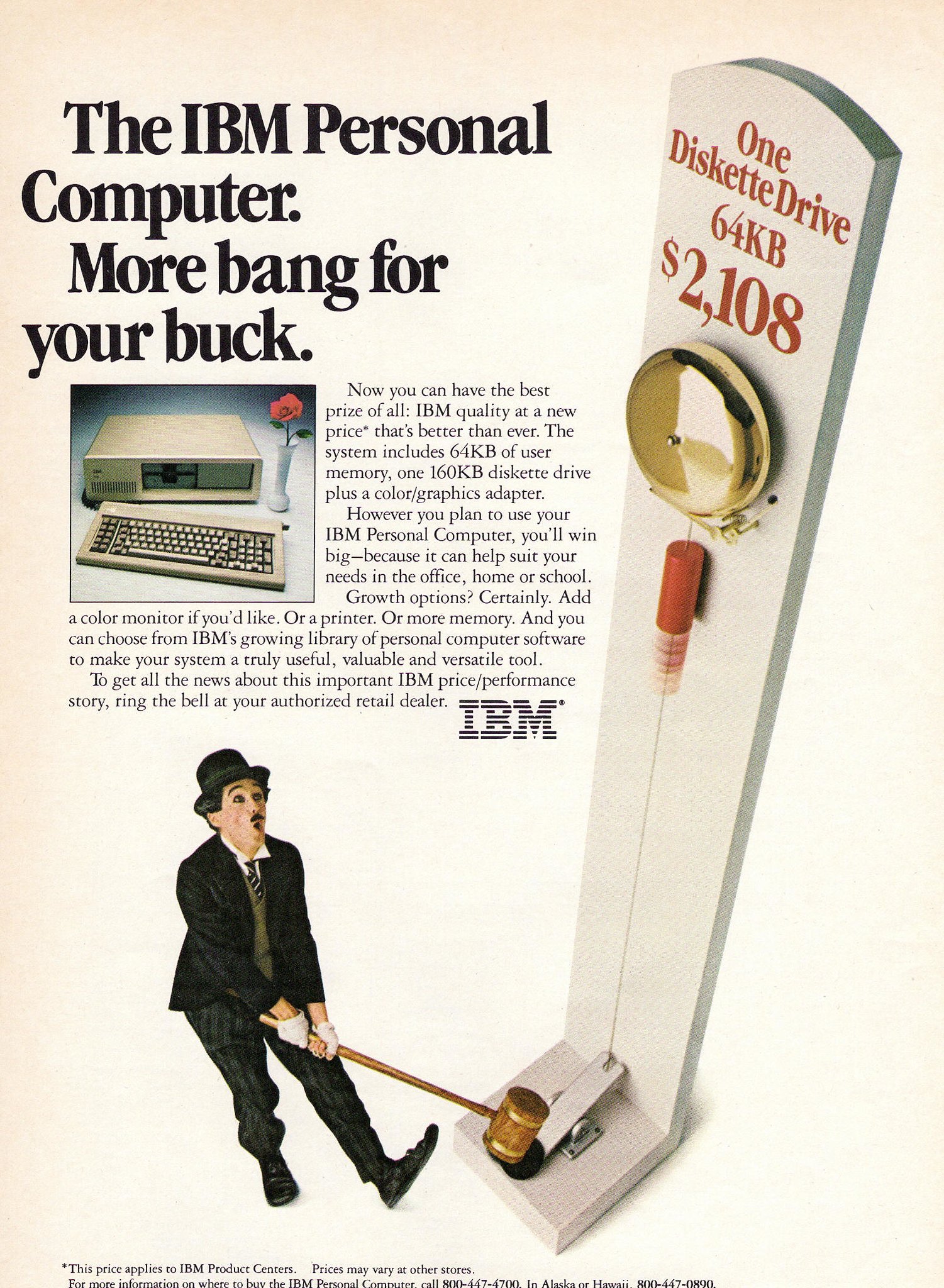
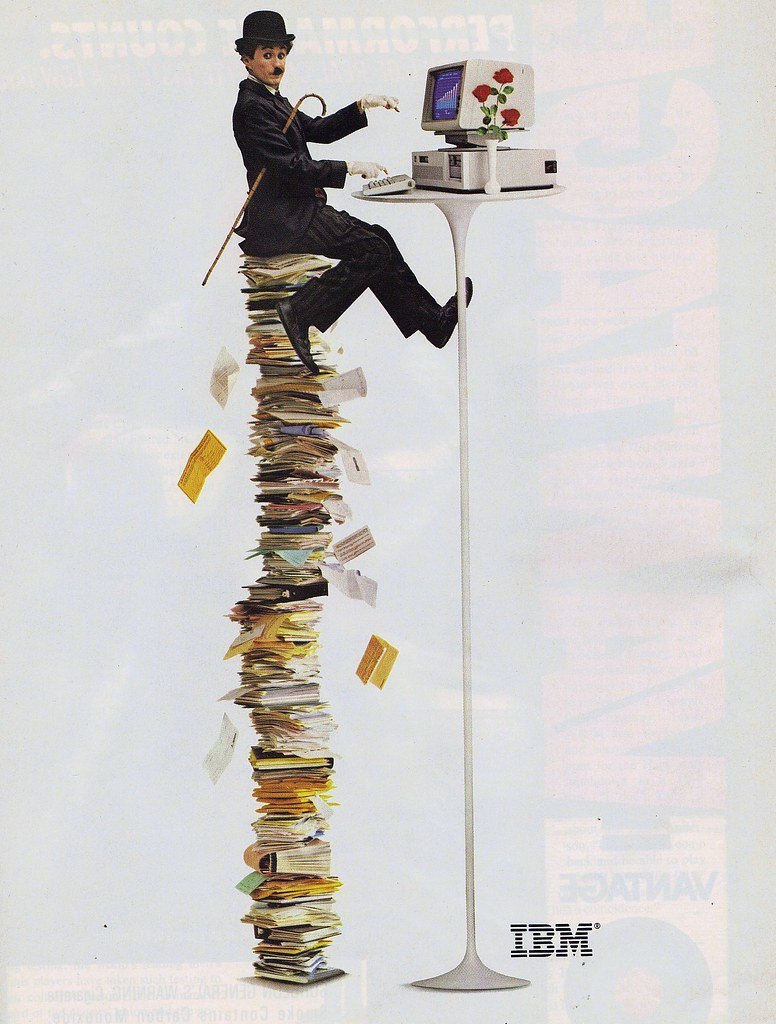
IBM licensed the character from Bubbles, the Chaplin family company, and the agency auditioned about 60 performers before casting Billy Scudder. The theme was "Keeping up with Modern Times." In each spot the Tramp runs a small business that is falling apart, a bakery line among them, until the PC arrives, the frantic music turns into a waltz and order returns. Some at IBM worried the character clashed with the company's image or hinted at the factory gears of the 1936 film; IBM and the agency decided it did the opposite.
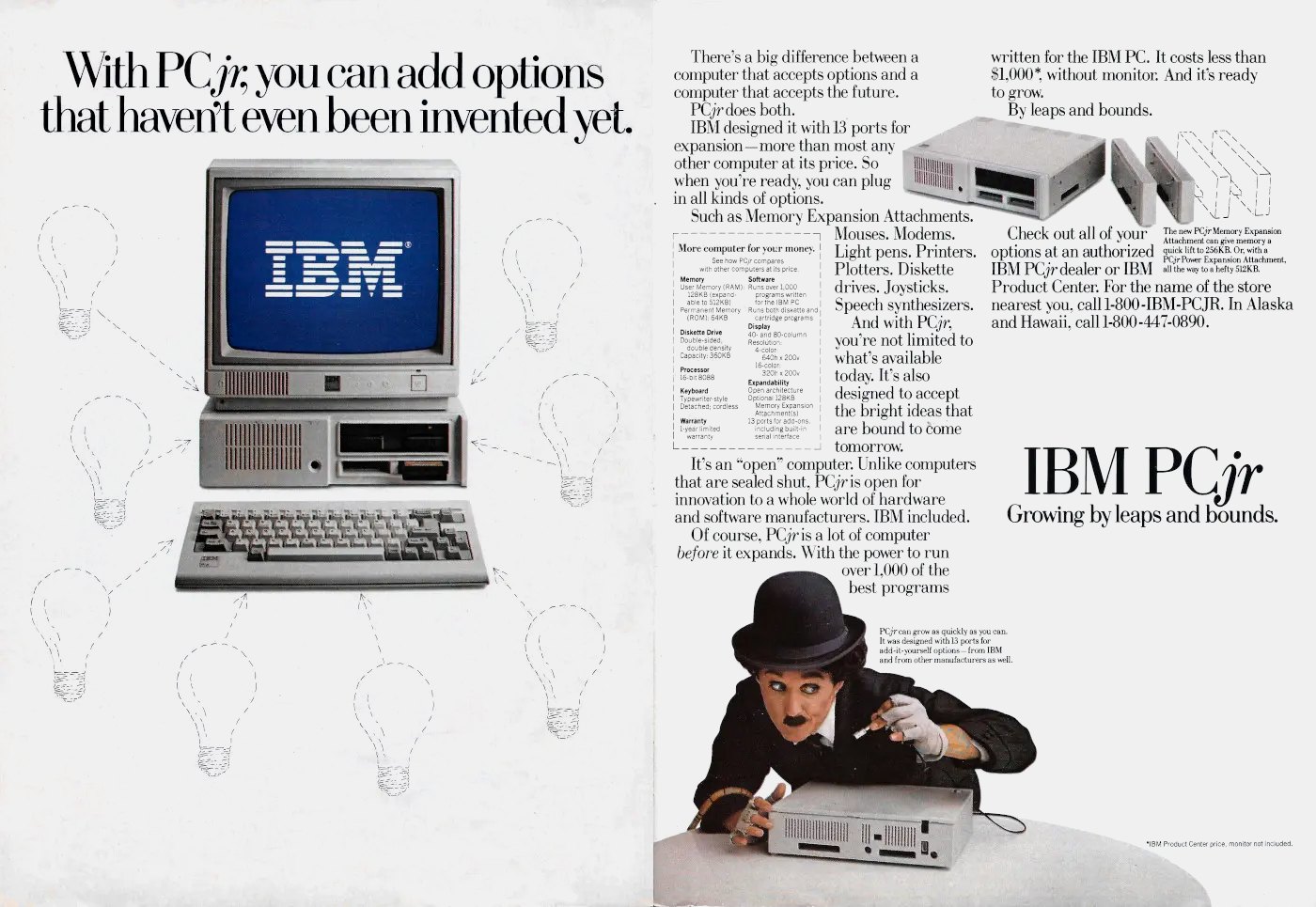
The silent character needed no technical vocabulary, and his red rose gave IBM a human face. By mid-1983 the campaign had run three widely seen commercials and more than 20 print advertisements, at an estimated $36 million. IBM sold more than 750,000 PCs in 1983, and the Tramp went on to launch the PCjr.
The work.
Film
Around the work
Same shape of problem.
IBM sold its first personal computer with the help of the man Modern Times fed into the machine.
Back to the archive →