Jack Daniel's · Gardner Advertising
Postcards from Lynchburg
Forty years of advertising in which the whiskey is barely mentioned and the town is the whole argument.
The era.
In 1954 the American magazine was still the mass medium. Time, Life, The Saturday Evening Post and Sports Illustrated, which published its first issue that August, arrived in households every week. Advertisers bought space by the page and filled it with words, because readers still read. A brand could put one idea in front of a national audience and expect it to be taken in whole.
The country those magazines reached was moving away from the places most of its readers had come from. Families left farms and small towns for new houses on the edges of cities. Work moved indoors. The federal highway programme, begun in 1956, laid the ground for a nation that drove rather than walked. What had been ordinary life within living memory was turning into something people visited at weekends.
The South was the part of the country changing slowest and being looked at hardest. It was poorer, more rural and more openly argued over than anywhere else in America. Photographs of Tennessee as late as 1974 still show emptied mining towns and shuttered country stores, places whose population had fallen from thousands to a few hundred. For a reader in Chicago or New York, a small Tennessee town was a real place and also a picture of where the family had been two generations earlier.
The culture.
American whiskey was sold on money. Through the 1950s and 1960s the bourbon brands advertised affluence: men in sport coats, decanters bought as Christmas presents, the drink as evidence that its drinker had arrived. Ted Simmons, who wrote the Jack Daniel's advertising for about twenty-five years, described the competition's world as wealthy people in tweed drinking bourbon at the country club. He set out to do the opposite, and called the result a counterculture feeling.
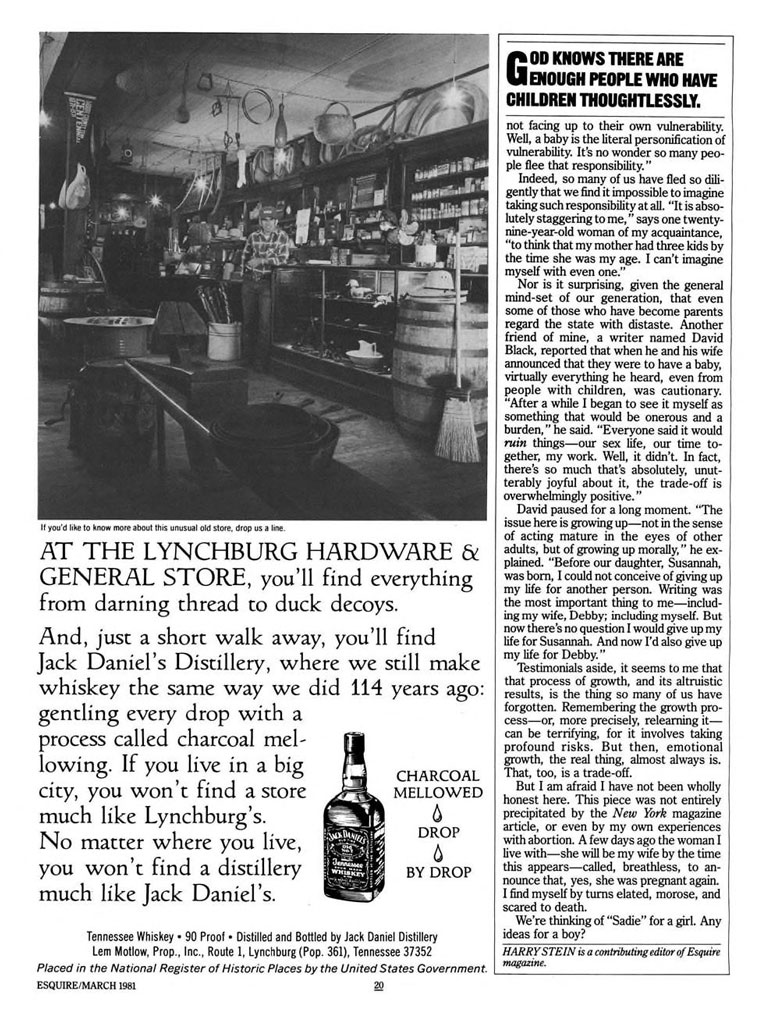
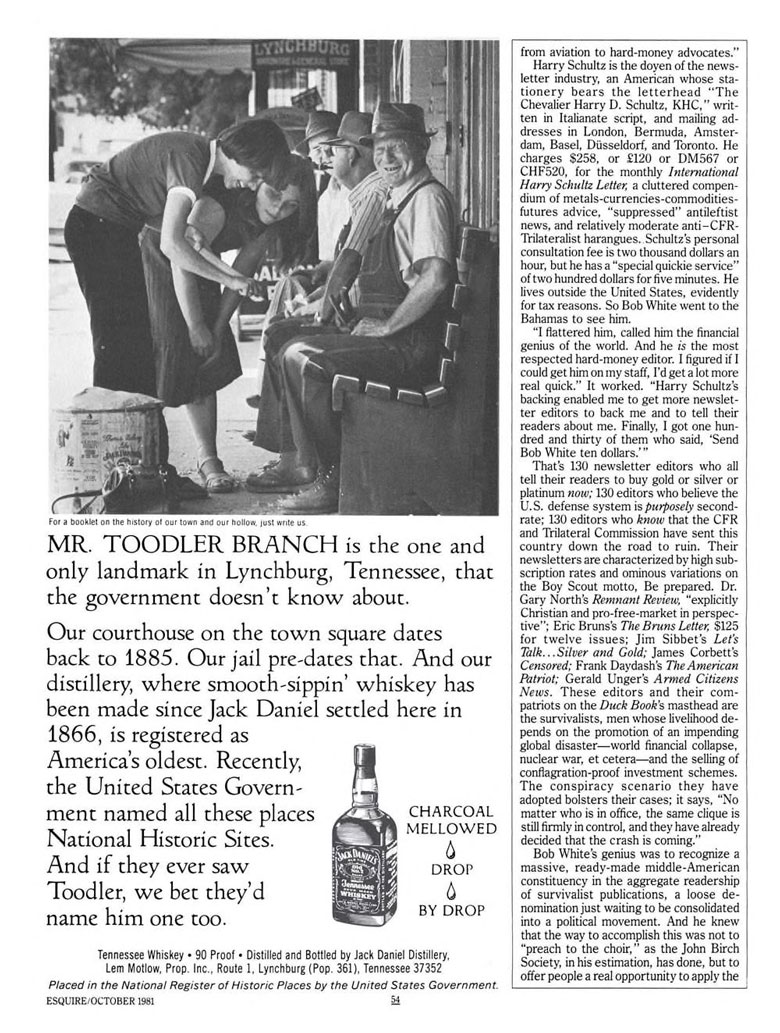
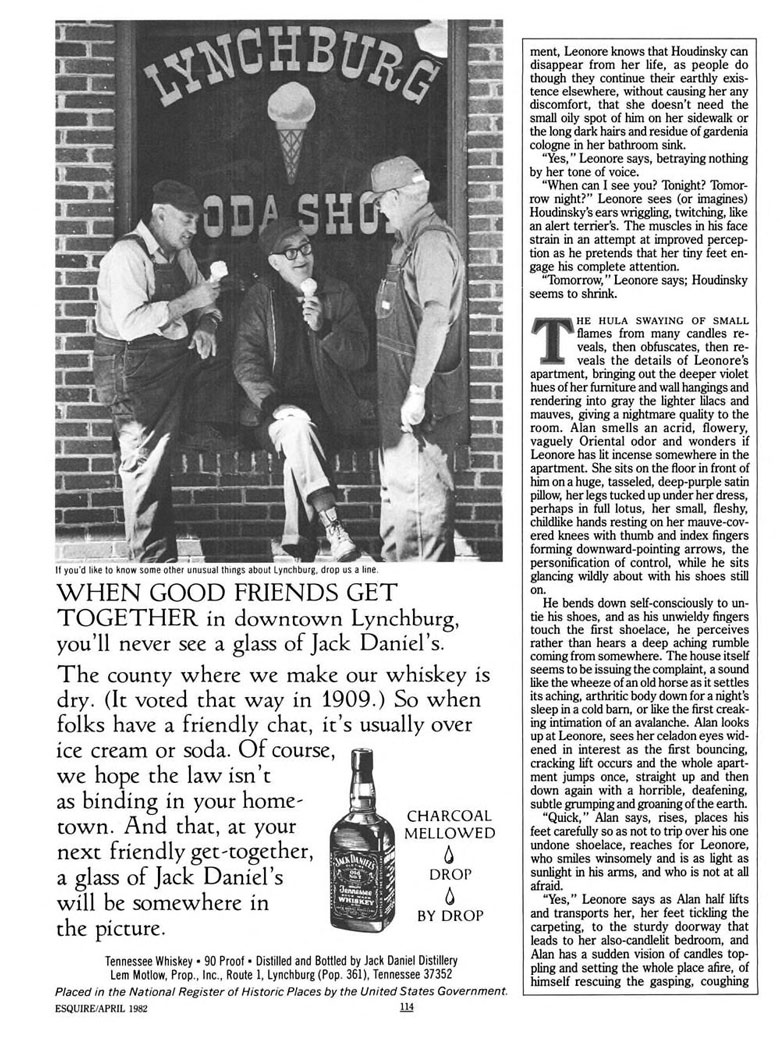
Lynchburg, Tennessee, where the whiskey was made, was the reverse of that world. It sits in Moore County, which voted itself dry and stayed dry, so the whiskey could be made there and not bought there. The town had a hardware and general store, a courthouse square, a few hundred people, and a distillery at the bottom of a hollow fed by a limestone cave spring. Nobody in the advertising business would have chosen it as a setting.
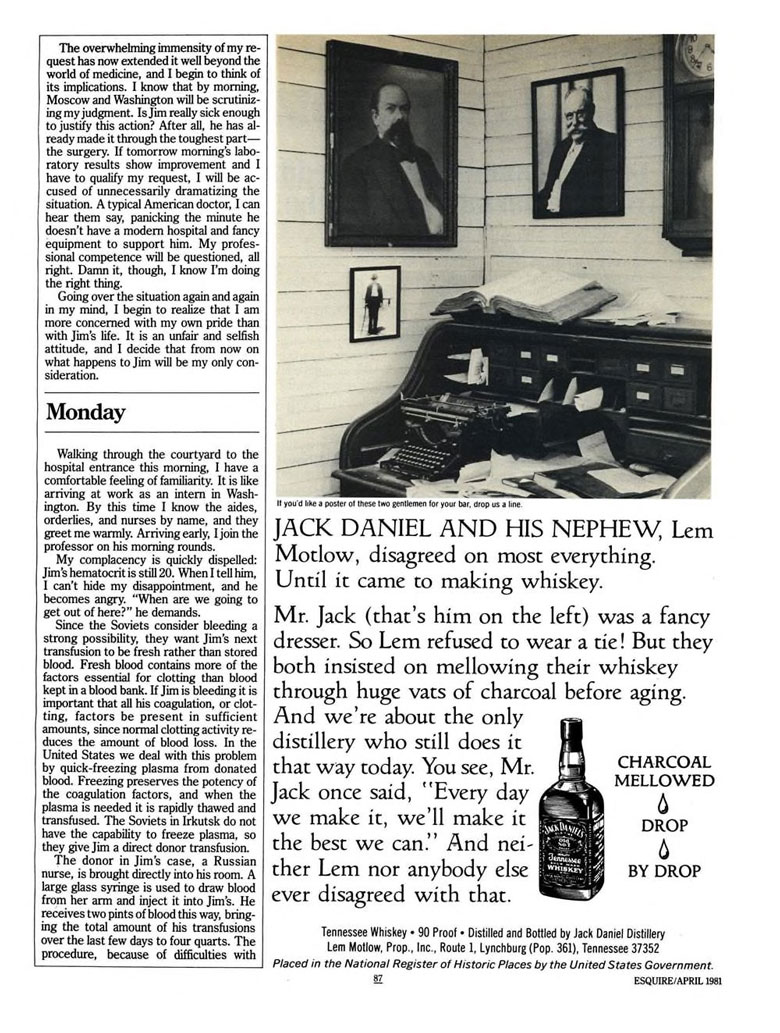
Tennessee had legislated itself dry in 1909, and Lem Motlow, Jack Daniel's nephew, had registered the Old No. 7 mark in Lynchburg the year before. The business came through prohibition and its long local tail by staying in the same place and working in much the same way. By the 1950s that stubbornness had stopped being a handicap. It was the one thing the brand owned that no competitor could buy.
The problem.
A small distillery in a county where you could not buy a drink had to sell whiskey against national brands that advertised wealth, and it had no wealth to show.
Jack Daniel's was a small operation. It made whiskey in one hollow in Moore County, Tennessee, on water from one cave spring, and could not raise that output quickly or move it anywhere else.
The brands it competed with were larger, better distributed and advertising on a different scale, and they were all making a version of the same argument: buy this and be the sort of person who drinks it. Matching that would have meant pretending to a size and a polish the distillery did not have.
No source records a sales crisis, so the problem was not collapse. It was that the true facts about the company, which was small, rural, slow and sited in a dry county, were exactly the facts mid-century liquor advertising treated as things to hide.
Art Hancock, the distillery's first director of marketing, conceived the campaign himself and set it out as a one-page plan; he was twenty-seven at the time. The work was made at Gardner Advertising in St Louis, which held the Jack Daniel Distillery account from 1954 to 1985, after which Ted Simmons kept the account and continued the campaign through his own agency. No source records the brief in writing, and no art director is named anywhere in the campaign's run.
The solution.
Stop selling the whiskey and start selling the place it comes from.
Art Hancock, the distillery's first director of marketing, set the campaign out on a single page: the company was not selling a bottle, it was selling a place. The first advertisement ran in Time in October 1954.
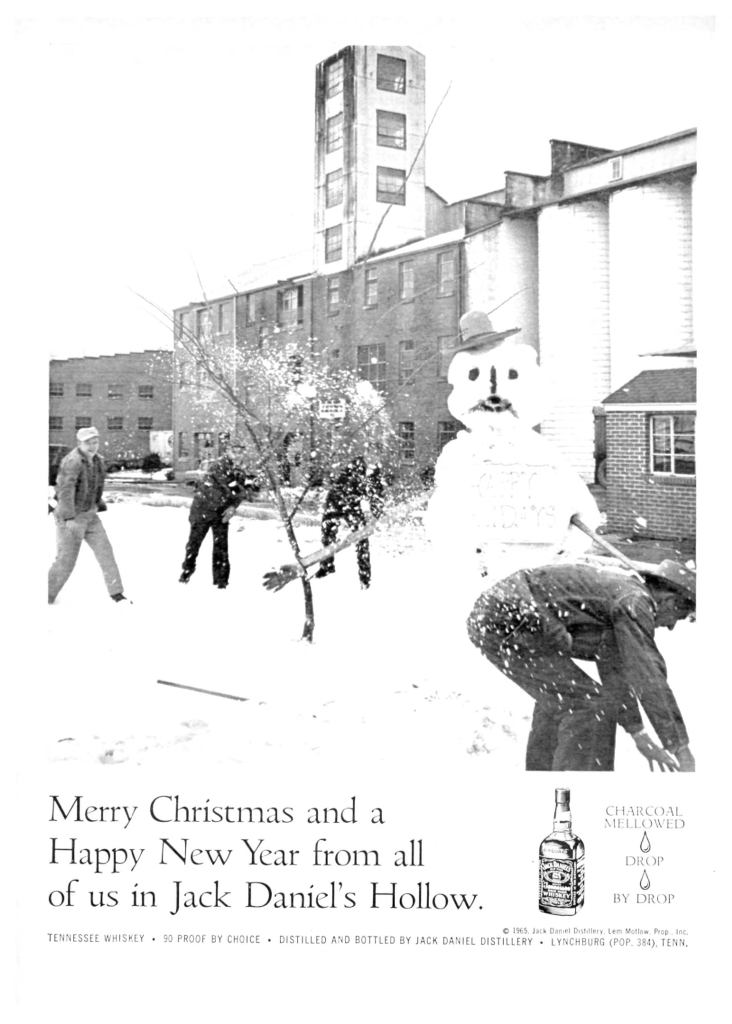
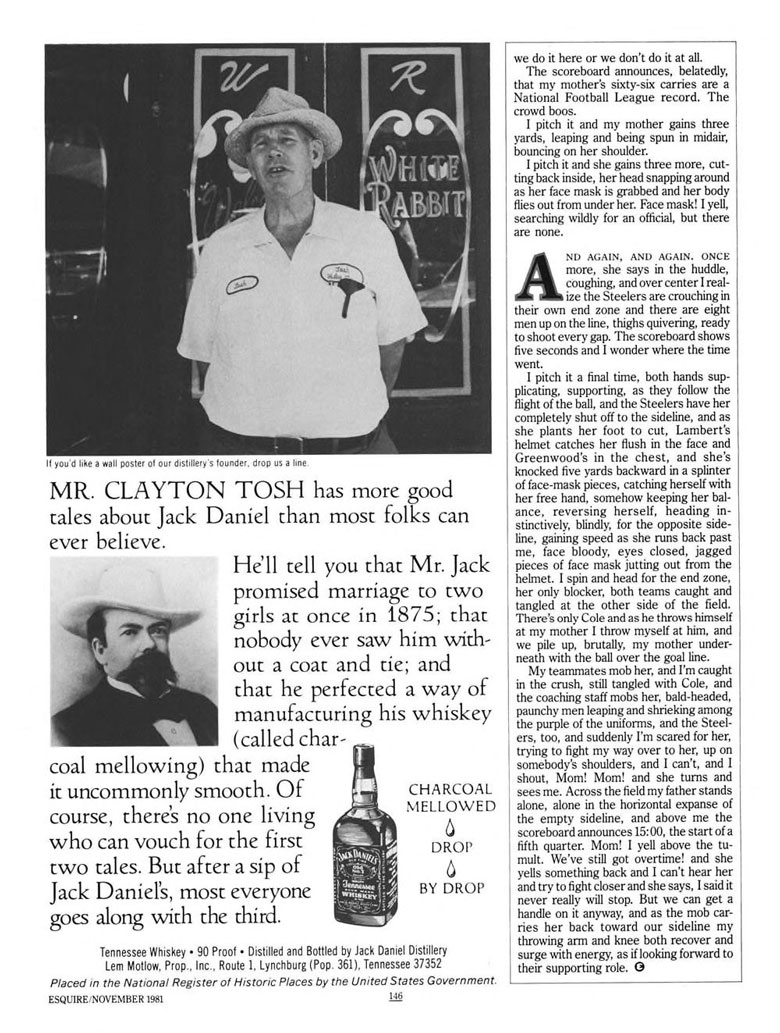
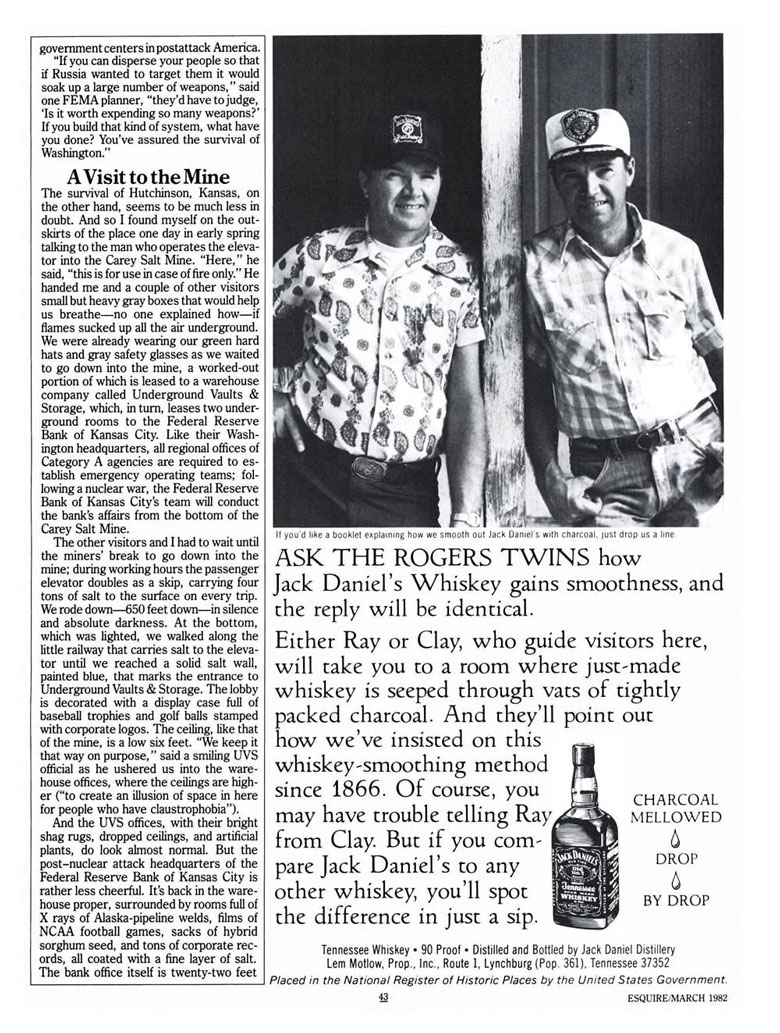
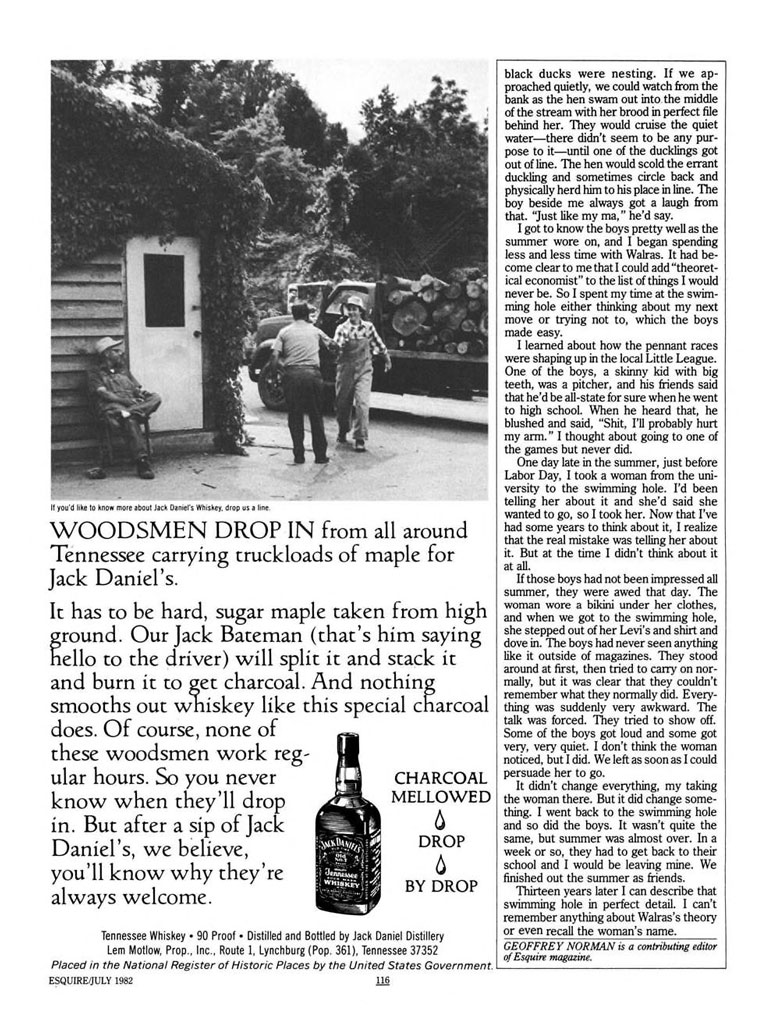
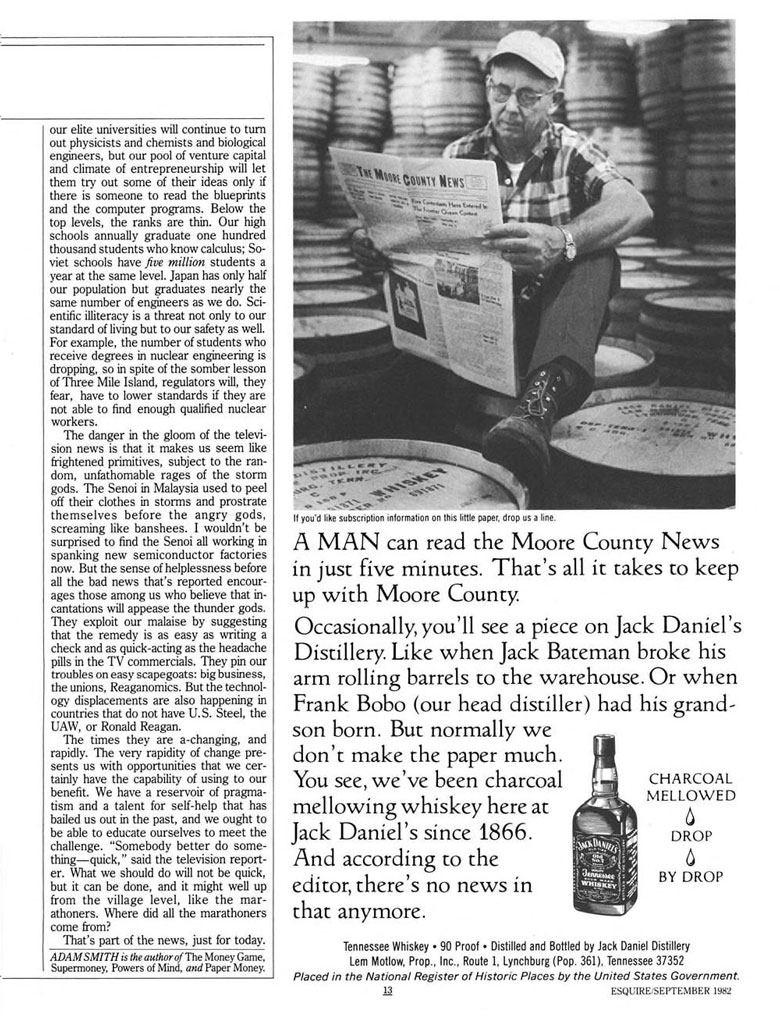
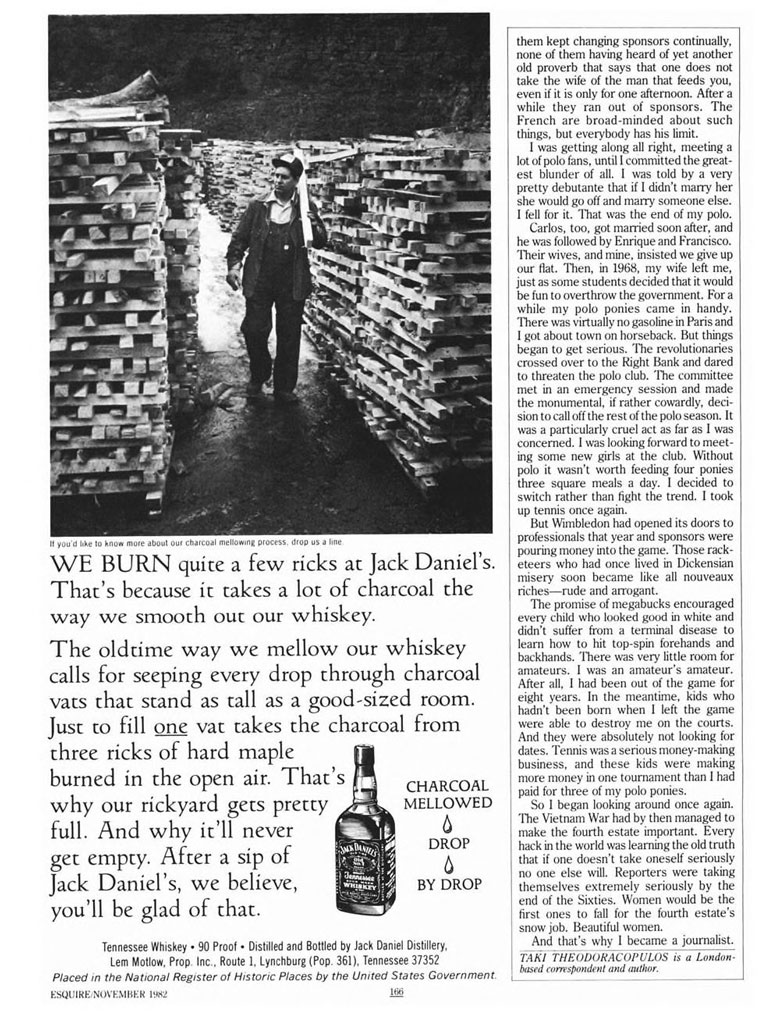
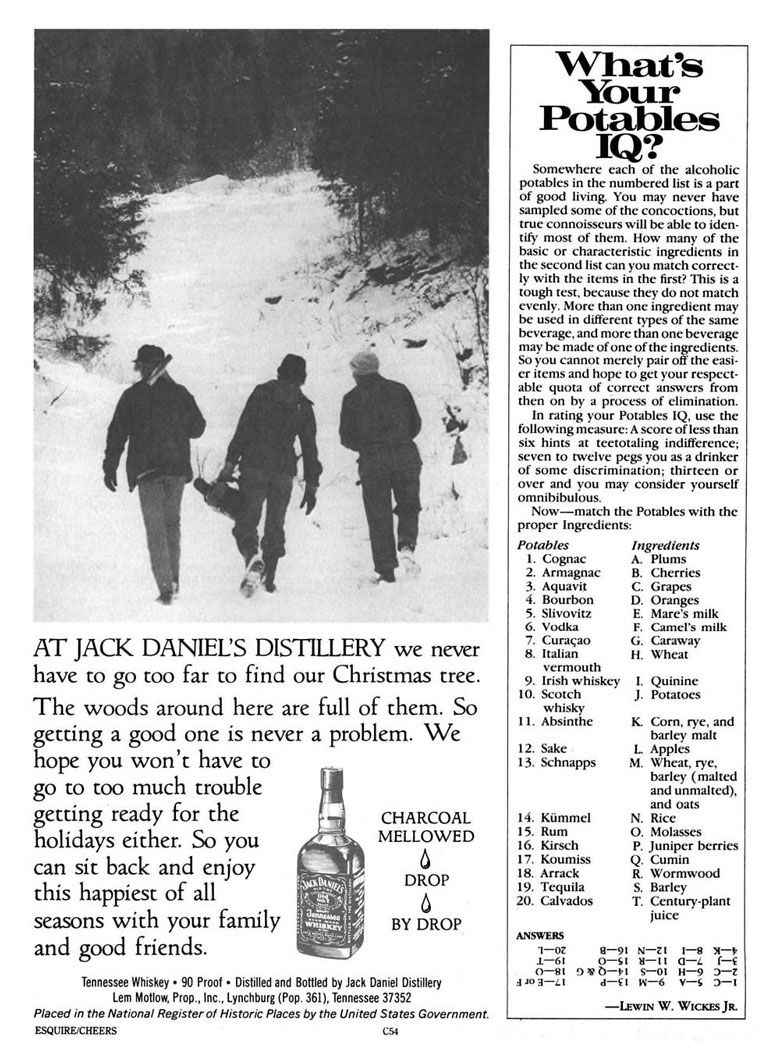
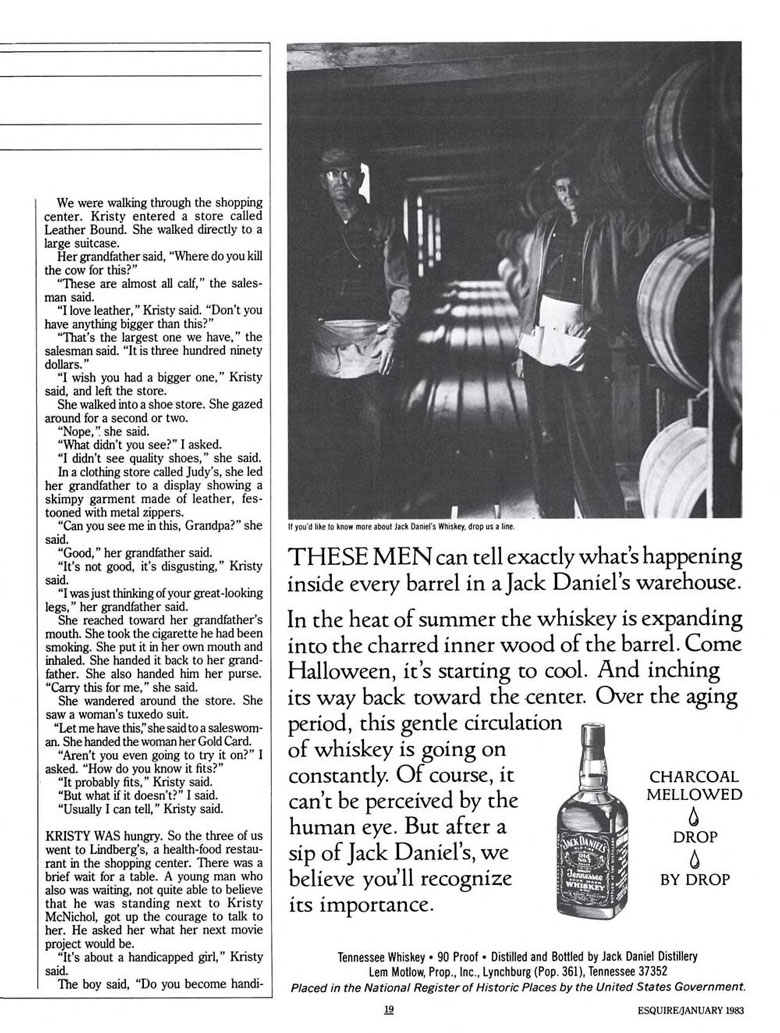
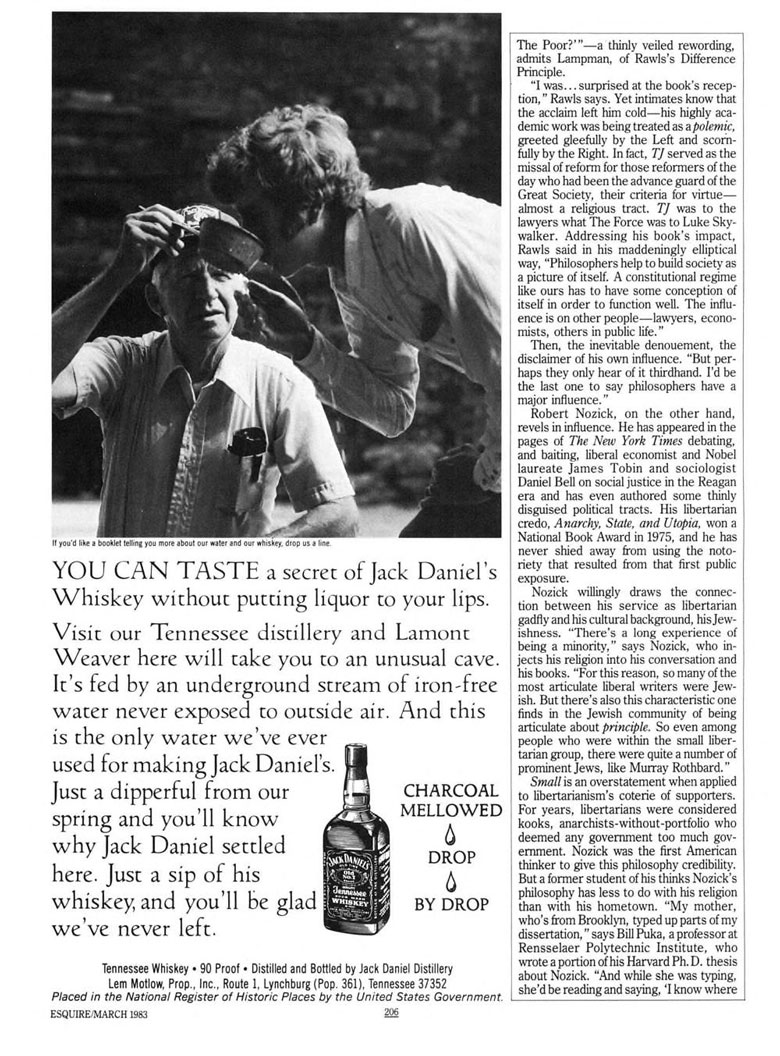
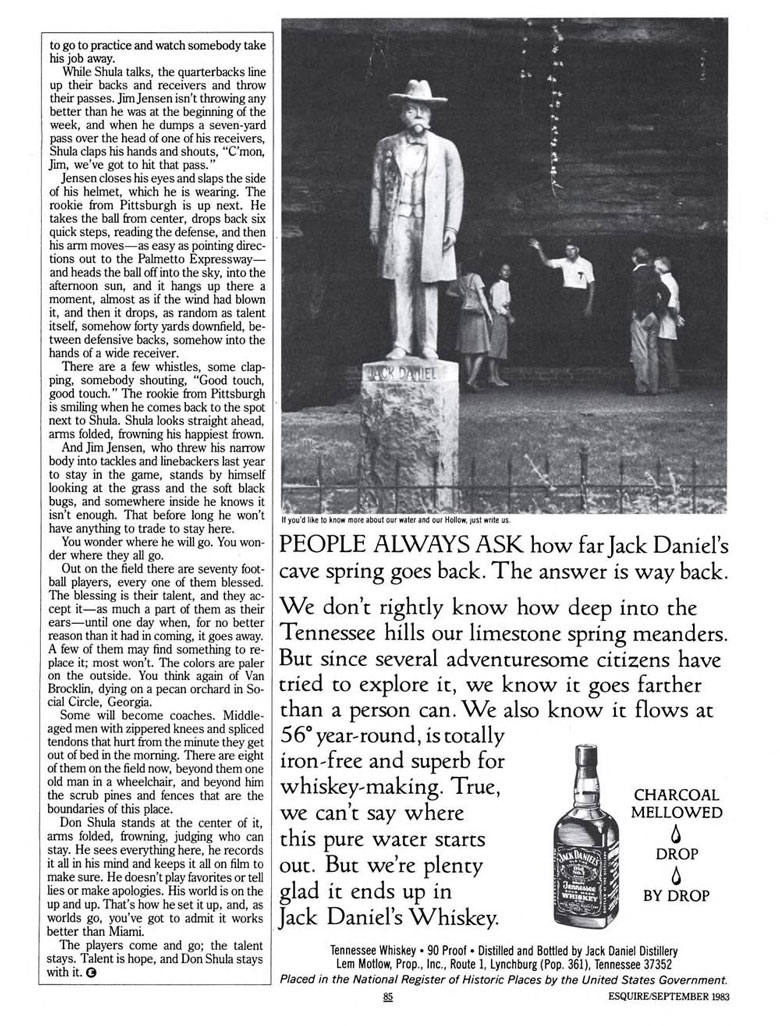
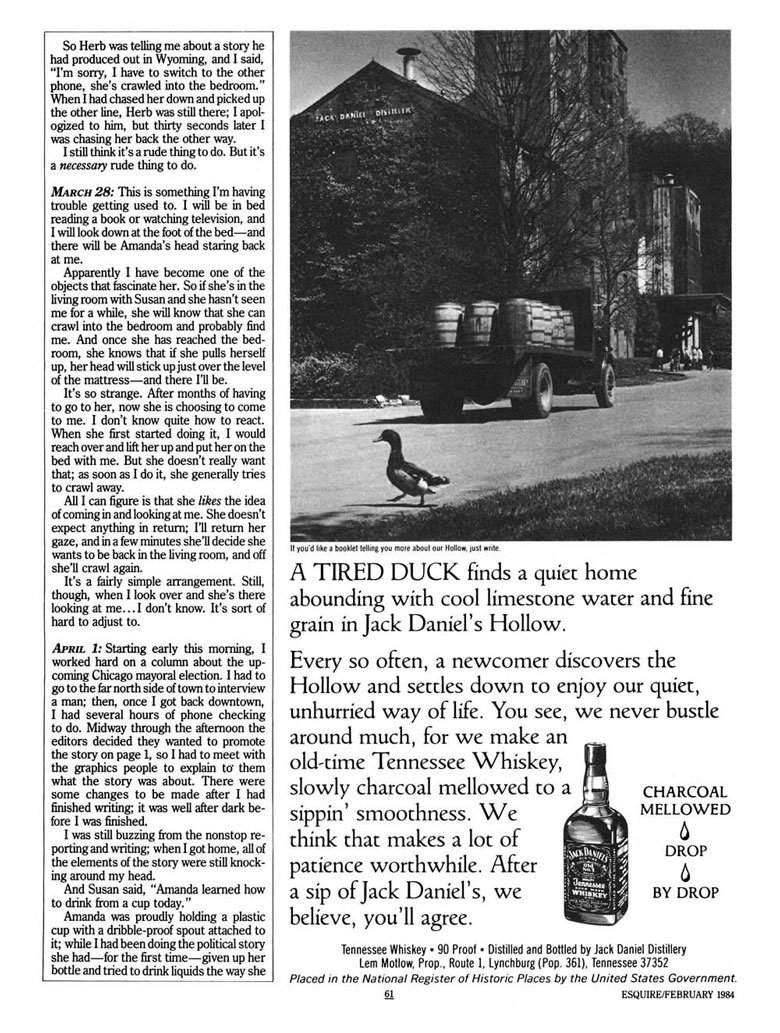
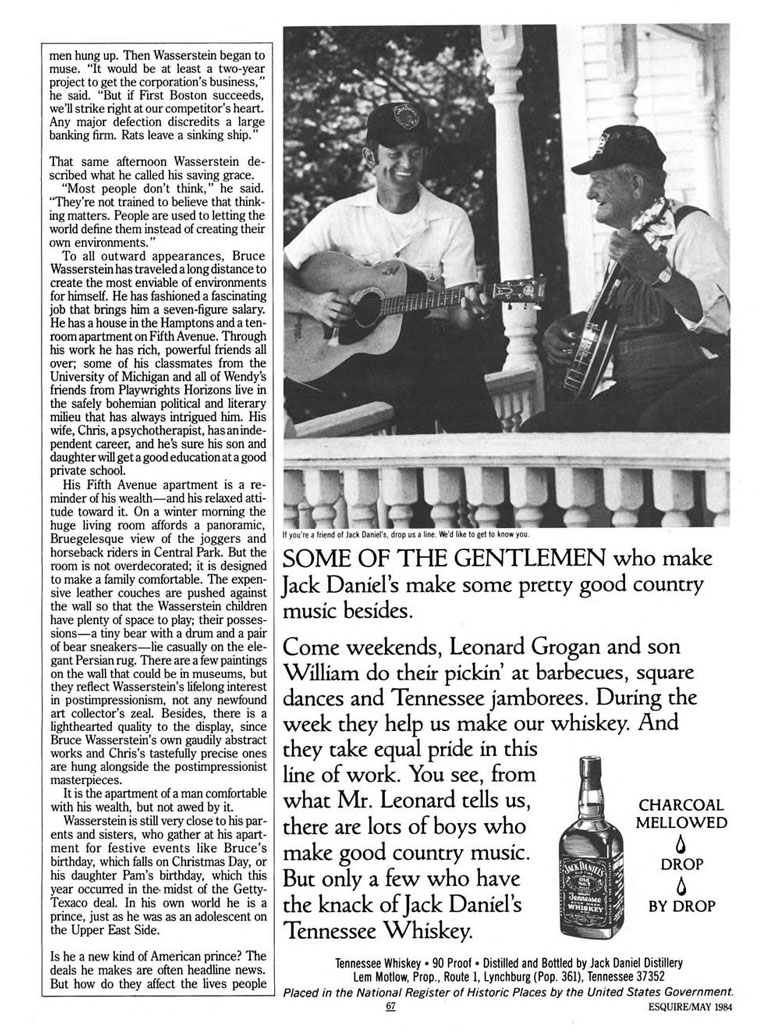
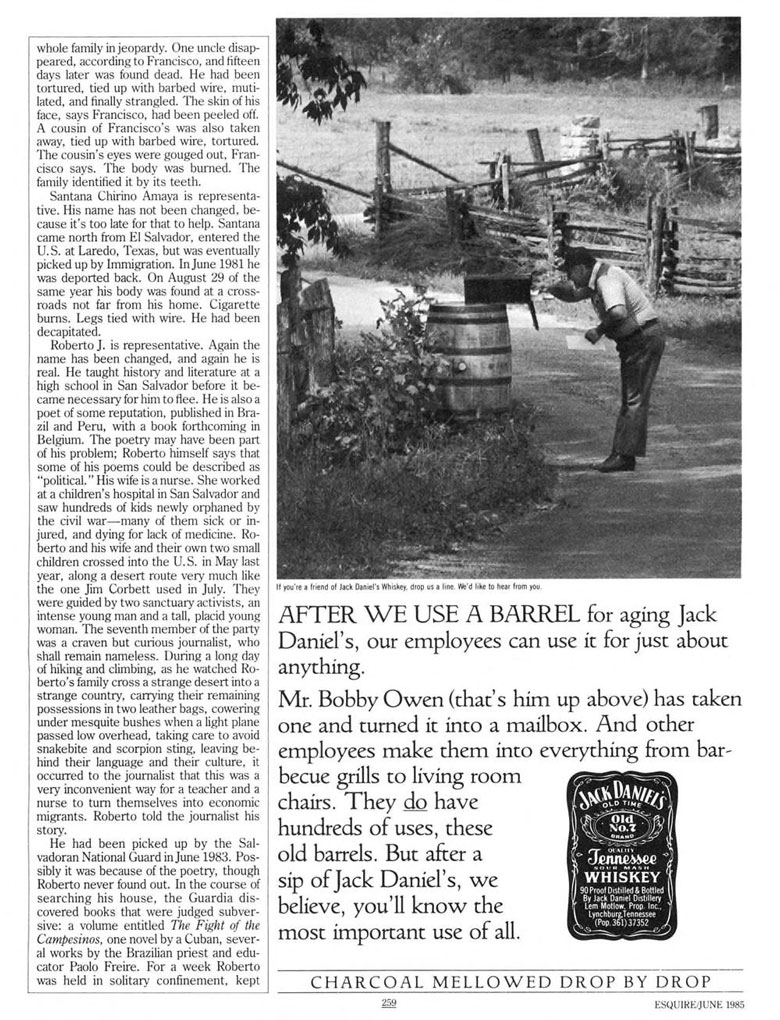
From 1956 the photographer Joe Clark, and later his son Joseph Wade Clark, known as Junebug, drove down to Lynchburg again and again and photographed the town, the distillery and the men and women who worked there. Ted Simmons, the copywriter, spent about a week a year in Lynchburg for roughly twenty-five years, listening and then writing the copy in the speech he had heard.
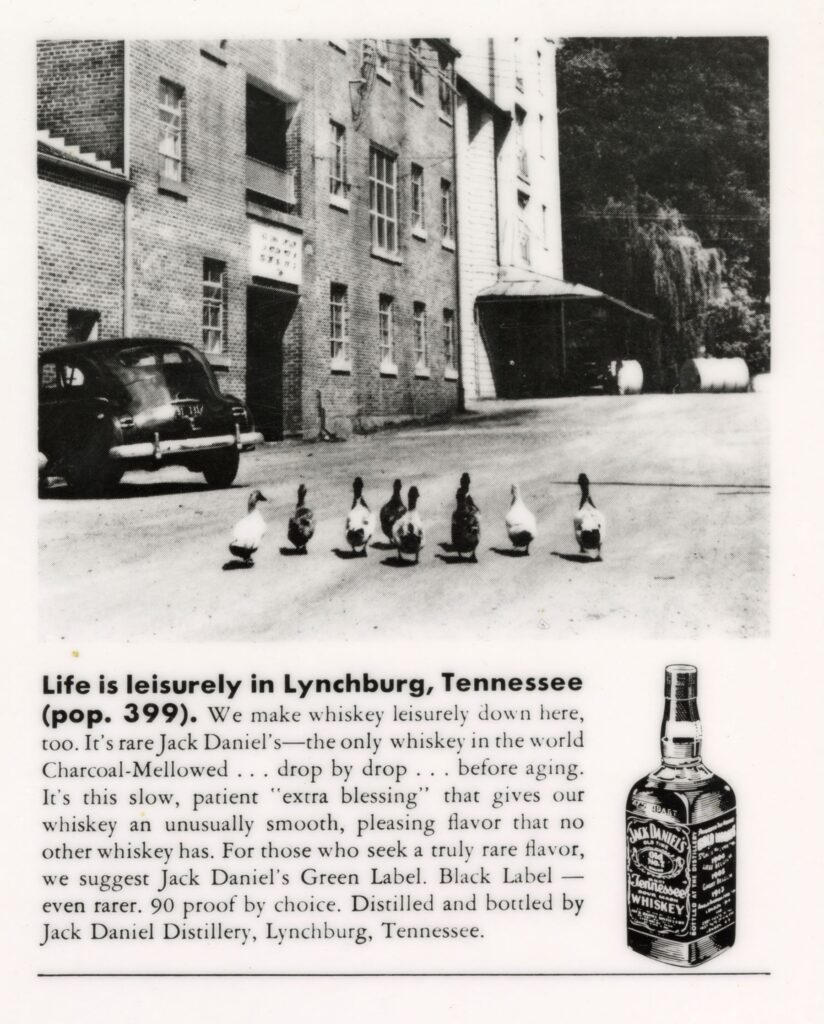
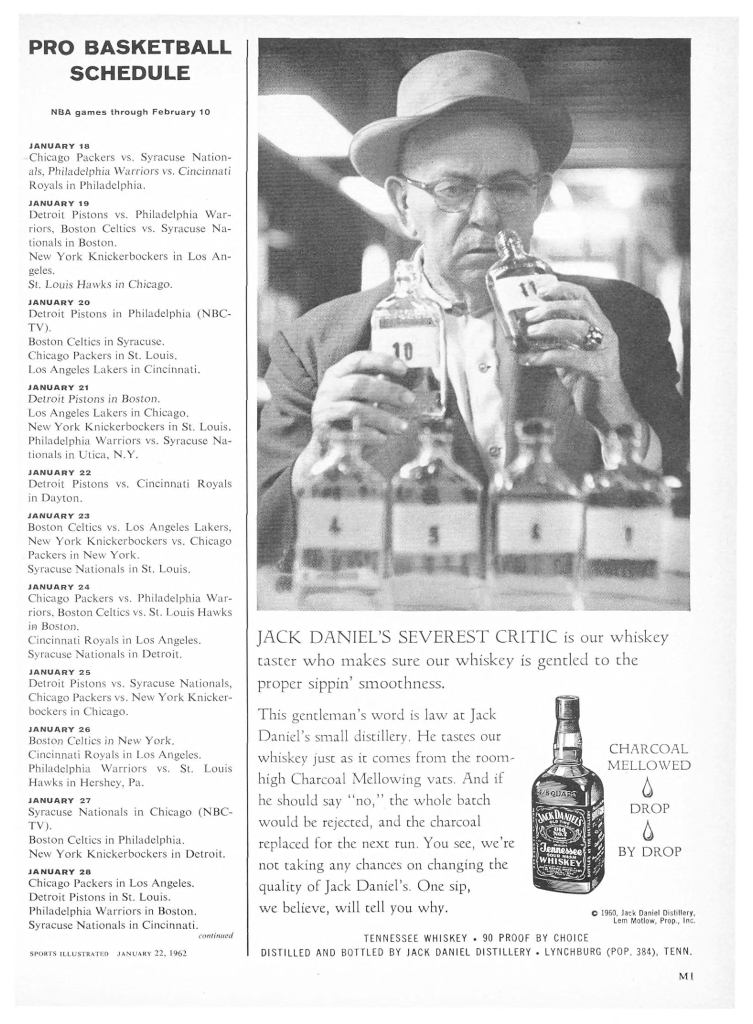
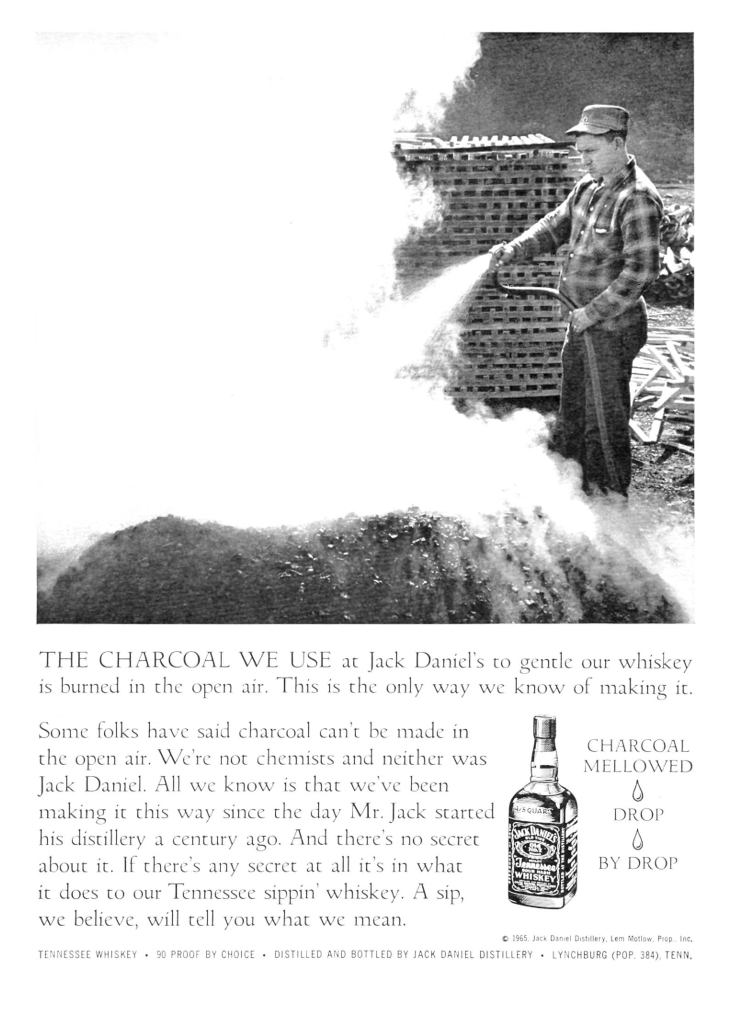
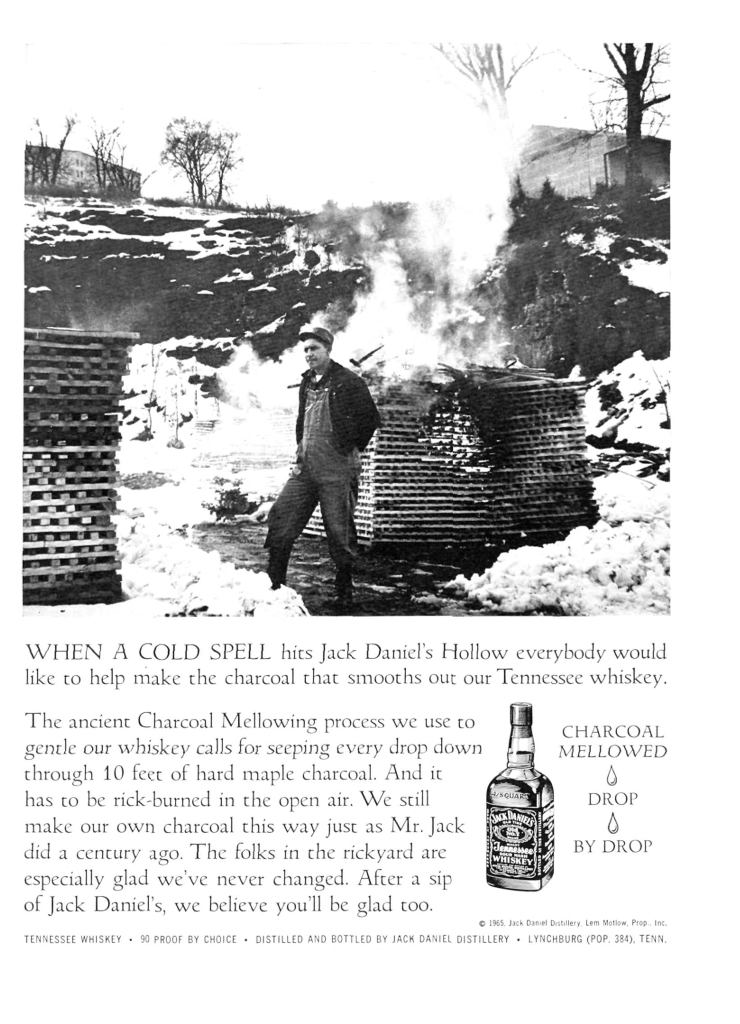
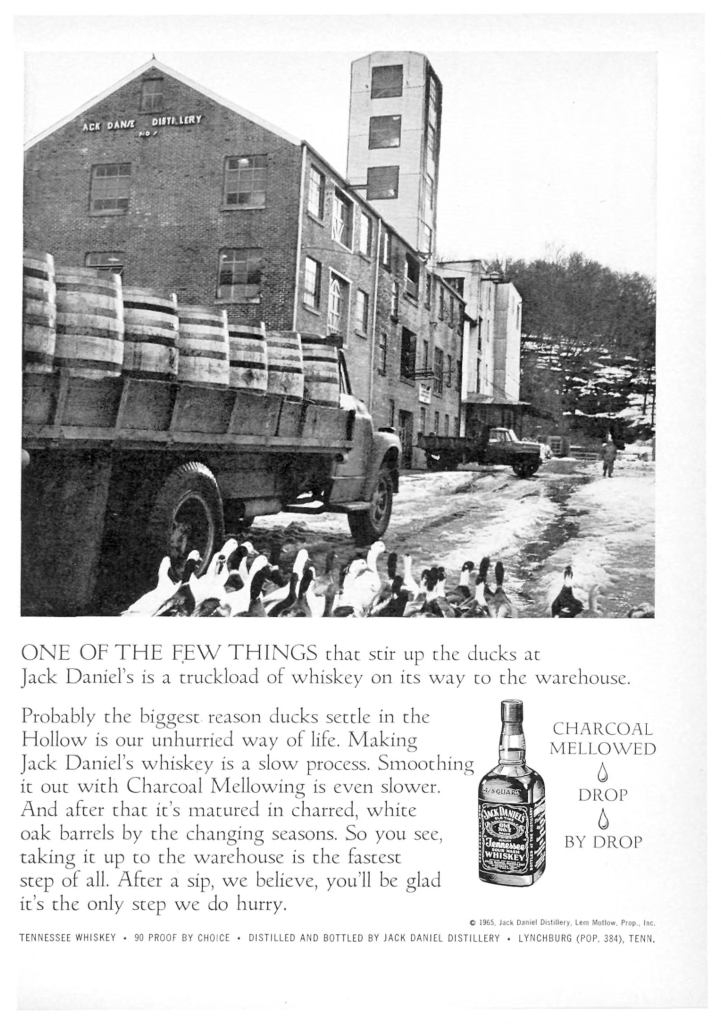
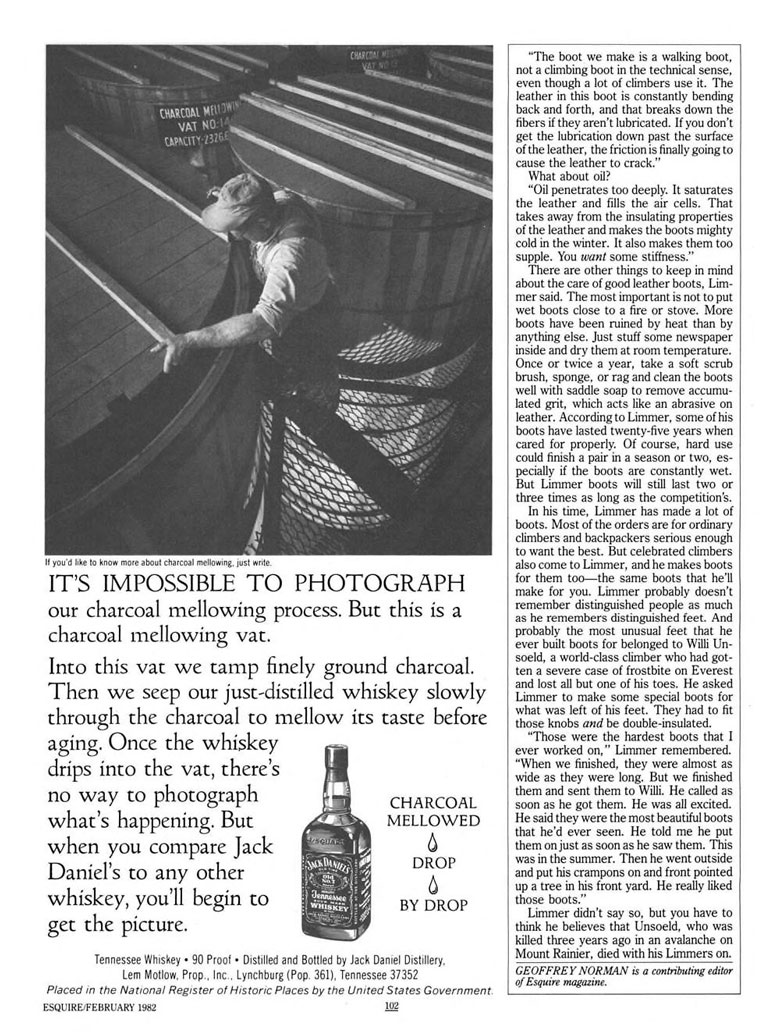
Each advertisement was a plain photograph and a few hundred words about something small and true: how the charcoal is burned in the open air, how long the Moore County News takes to read, what the ducks do when a truckload of whiskey goes to the warehouse. The whiskey itself was barely argued for. A reader was taken to a place and left to draw the obvious conclusion about anything made that slowly, by people who had been named.
The work.
Same shape of problem.
The distillery sat in a county where you could not buy a drink, so they advertised the county.
Back to the archive →