Charlie
The fragrance advertising that stopped asking a woman to be wanted and showed one on her way somewhere.
The era.
The United States in the early 1970s was a country arguing with itself in public. Vietnam, Watergate, the oil embargo and inflation ran through the same few years. Cities looked worn: photographs of New York in May 1973 show crowds at the ferry terminal and traffic backed up along Canal Street towards the Holland Tunnel. Optimism had become something a person had to argue for.
Magazines were where a brand spoke to women. Vogue, Glamour, Cosmopolitan, Redbook and the new Ms. carried the beauty business, and the beauty business paid for them. A fragrance launch meant a full page in the glossies, a television spot, and a counter in a department store with someone standing behind it to sell.
Work was where the real change was happening. In 1970, 43.3 per cent of American women aged sixteen and over were in the workforce; by 1980 the figure was 52.0 per cent. Those women were commuting, earning and spending money they had earned themselves. A good deal of what was being sold to them had not caught up with any of that.
The culture.
The law was still catching up. Until 1974 most lenders could require a woman to produce her husband's signature for a line of credit, and the Equal Credit Opportunity Act ended that practice in that year. Title IX had passed in 1972 and Roe against Wade was decided in 1973. The Equal Rights Amendment was still being fought over in the street: in February 1977 demonstrators against it stood outside the White House.
Advertising had noticed the working woman and mostly got her wrong. Duke University's survey of the period calls the advertisers' version of her a fantasy, and gives the reason: in 1973 only fifteen in every hundred working women held a professional or technical job, while the advertising showed a woman who did everything faultlessly. In 1979 Tina Santi, a vice-president at Colgate-Palmolive, asked publicly whether the new woman really existed or was a slogan dreamed up by an overeager copywriter.
Fragrance advertising had changed least of all. It was sold on pleasing men. Jovan's line was that someone you know wants it. Revlon's own Ciara was sold as devastatingly female, and Enjoli as the eight-hour perfume for the twenty-four-hour woman. The woman in a perfume advertisement was waiting to be approved of, and the reader was invited to want the same thing.
The problem.
Perfume was sold to women on the promise of being wanted, at the moment when a great many women had gone to work and were buying it for themselves.
Revlon in the early 1970s was not in trouble. Net sales were 506 million dollars in 1973 and 606 million the year after, and Charles Revson had split the company into divisions aimed at different price levels, taking the idea from General Motors.
The gap was generational. Fragrance was still being sold the way it had been sold for decades, expensively, over a department store counter, on the promise of attracting a man, while the customers with new pay of their own were younger, in work and under thirty.
There was a competitive edge to it as well. Estee Lauder had a fragrance carrying its founder's name and Revlon did not. And nothing in the category was addressing a woman who was buying perfume for herself, on the way home from a job.
No source names the Revlon executive who briefed Grey Advertising, or records the brief. What is documented is that Charles Revson directed the fragrance's development and gave it his own name, in order to compete with Estee Lauder's fragrance carrying its founder's name, and that Revlon built a twenty-point profile of the Charlie customer which then turned up in the advertising. One of the twenty points reads: breaks all the rules.
The solution.
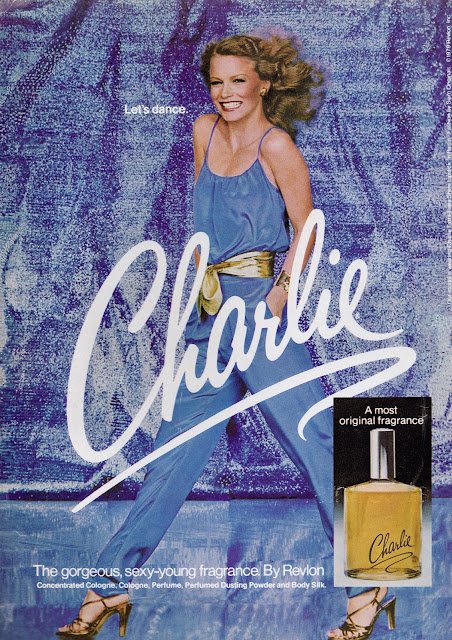
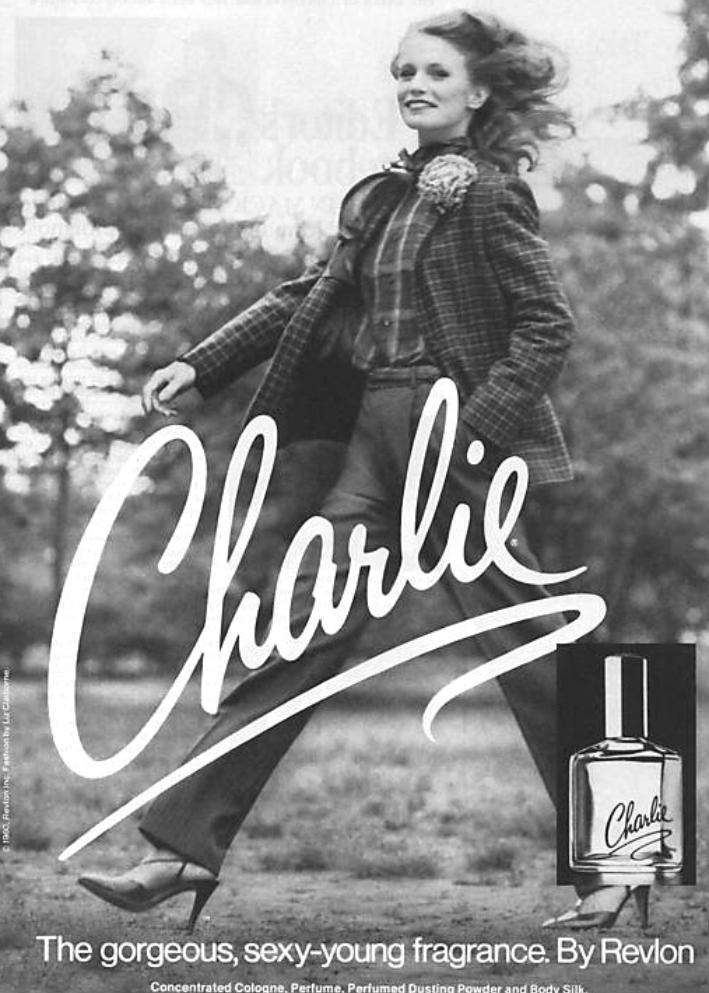
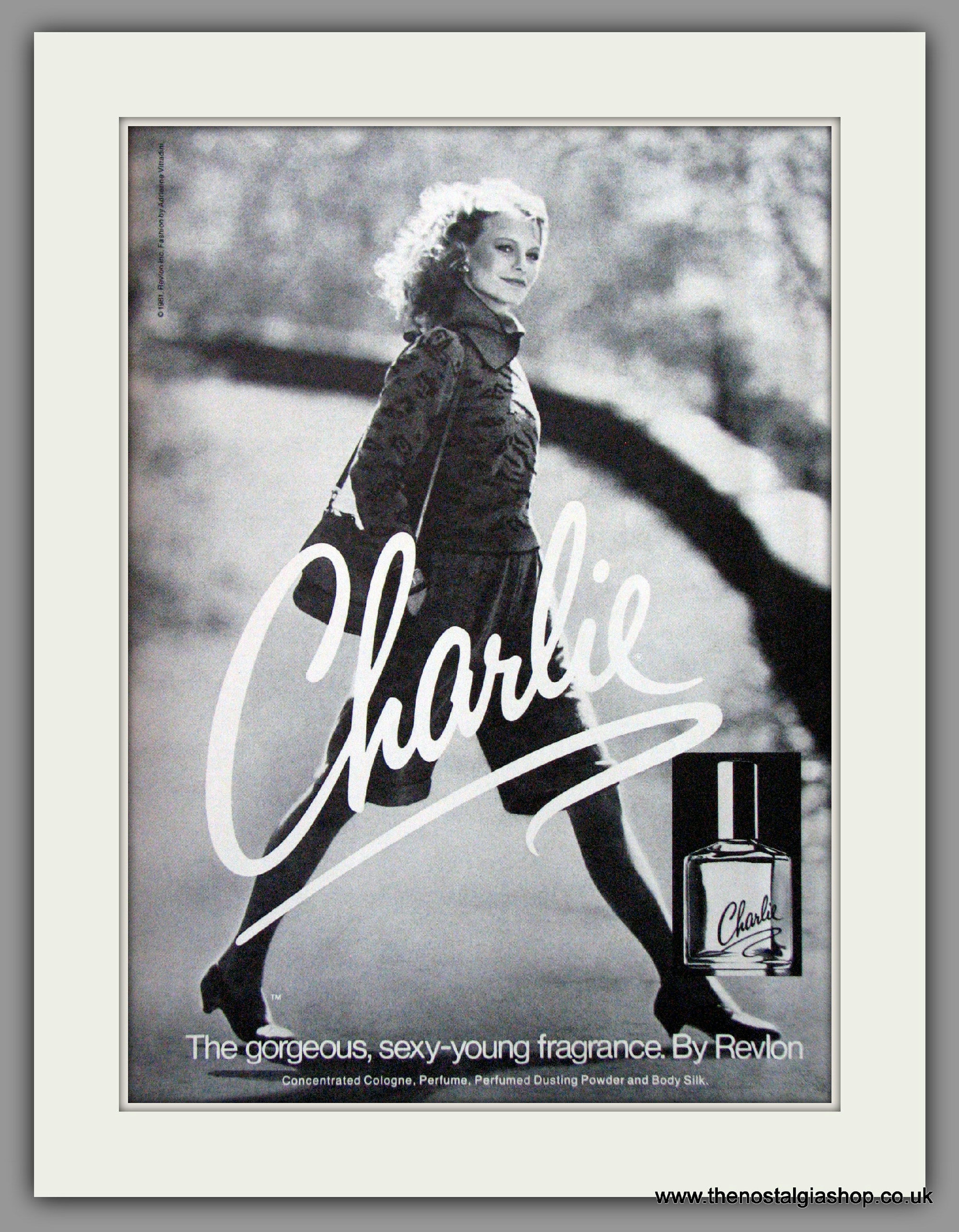
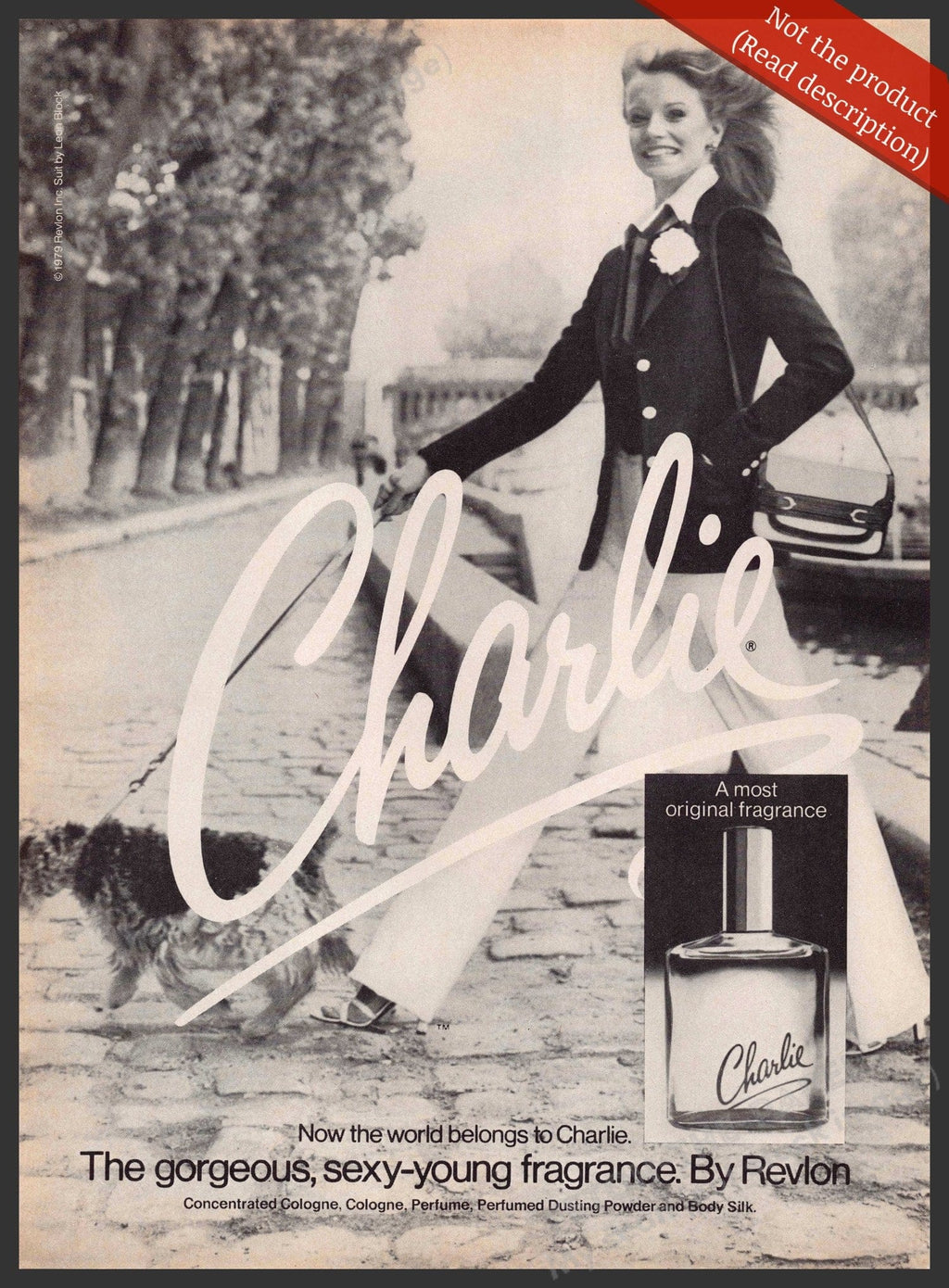
Put her in trousers, give her somewhere to be going, and name the perfume after a man.
Charlie launched in February 1973, which was a break in itself: new scents were normally introduced before Christmas. It was named after Charles Revson, who directed the fragrance's development and gave it his own name, and the name read as a man's.
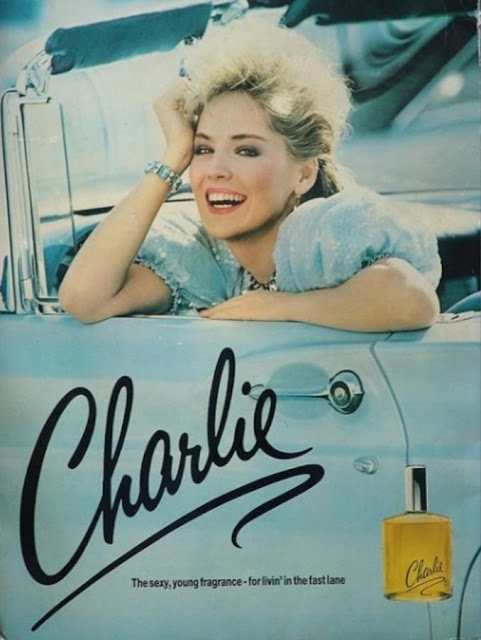
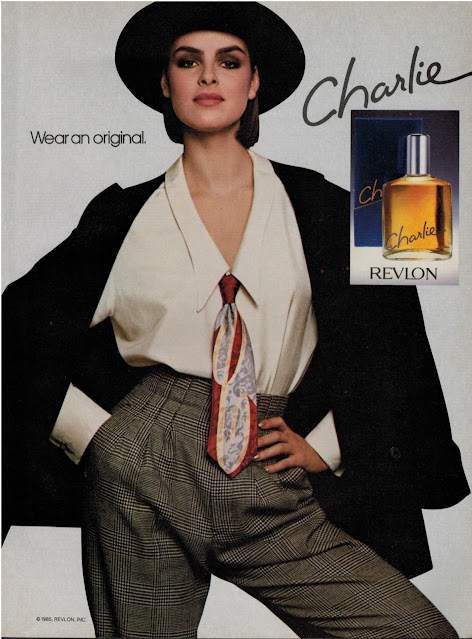
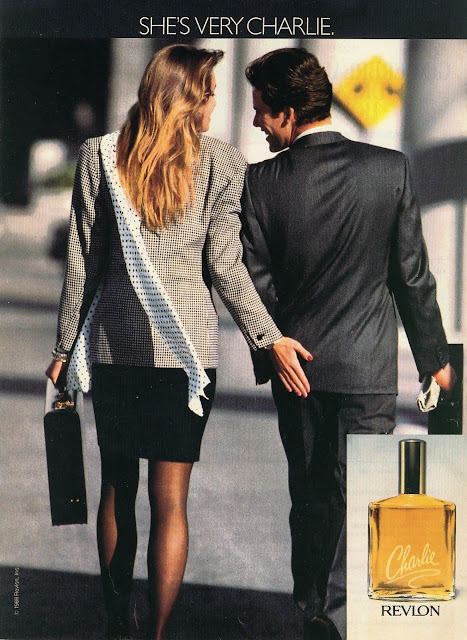
It was priced below everything else in the category and aimed at people under thirty. The advertising put a woman in a trouser suit, mid-stride, going somewhere, and never explained who she was dressing for. The Smithsonian's own note on its Charlie display bottle makes the point plainly: trouser suits, in place of the dresses and the romance of earlier perfume advertising, for a more independent customer.
First-year sales passed ten million dollars. Within three years Charlie was the best-selling fragrance in the world, and the first American fragrance to sell that way internationally. It took two prizes at the 1974 Fragrance Foundation awards, one of them for the media campaign.
The work.
Film
Same shape of problem.
A perfume named after a man, worn by a woman in trousers who is already walking away.
Back to the archive →