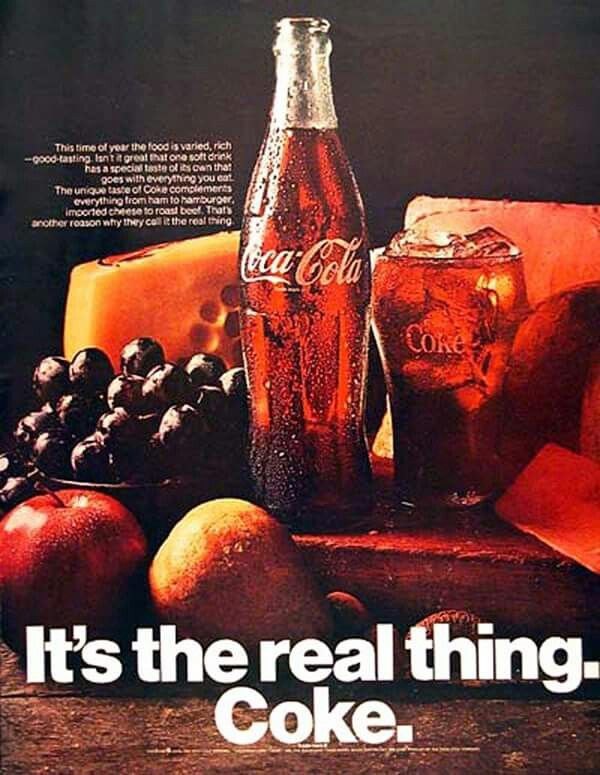
Hilltop
The spot that sold a soft drink as a small act of peace between strangers, and showed a jingle could become a hit record in its own right.
The era.
In 1971 the United States was still at war in Vietnam. Troops were being withdrawn, but the fighting went on, and the protests at home had hardened into a lasting split between generations. In June The New York Times began publishing the Pentagon Papers.
Television reached nearly every American home, and a handful of national commercials could reach most of the country in a night. Advertisers were learning to borrow the sound of the counterculture: folk guitars, young faces, long hair, the language of togetherness.
Coca-Cola had been the world's best-known soft drink for decades. Its agency, McCann Erickson, had used "Things Go Better with Coke" since 1963, and replaced it with "It's the Real Thing" in 1969. Both lines came from the same man, the agency's creative director on the account, Bill Backer.
The culture.
On 18 January 1971 Backer was flying to London when fog forced his plane down at Shannon, in Ireland. The next morning he watched stranded passengers, irritated the night before, talking and laughing over bottles of Coca-Cola in the airport café. He later wrote that he began to see Coke as a way for people to "keep each other company for a little while."
In London he was due to write radio commercials with Billy Davis, the account's music director, and the British songwriters Roger Cook and Roger Greenaway. They reworked a Cook and Greenaway melody into a jingle, and The New Seekers recorded it at Trident Studios. It went out on American radio on 12 February 1971.
Listeners phoned radio stations asking to hear it again. That response persuaded McCann to turn the jingle into a film. The brief for the picture was the song itself: young people from many countries, together on a hill.
The problem.
Give the most familiar product in the world something new to mean, at a time when the country was coming apart.
Coca-Cola had nothing new to say about its taste, its price or its bottle. Everyone already knew all three.
Years of advertising had tied it to refreshment and good times, but every soft drink made the same claims. A brand that sold to everyone could not take a side in a country divided by the war and the protests against it, and young people in particular had grown wary of slick corporate selling.
The job was to find a feeling large enough for a global brand that did not sound like a corporation talking.
Backer was flying to London in January 1971 to write Coca-Cola radio commercials with Roger Cook and Roger Greenaway, to be sung by The New Seekers. Fog put his plane down at Shannon, Ireland, where he watched stranded, angry passengers laughing together over bottles of Coke. The jingle went on American radio on 12 February 1971, and Backer then persuaded McCann Erickson to film it.
The solution.
Make the product the small thing strangers share, and let a song carry it.
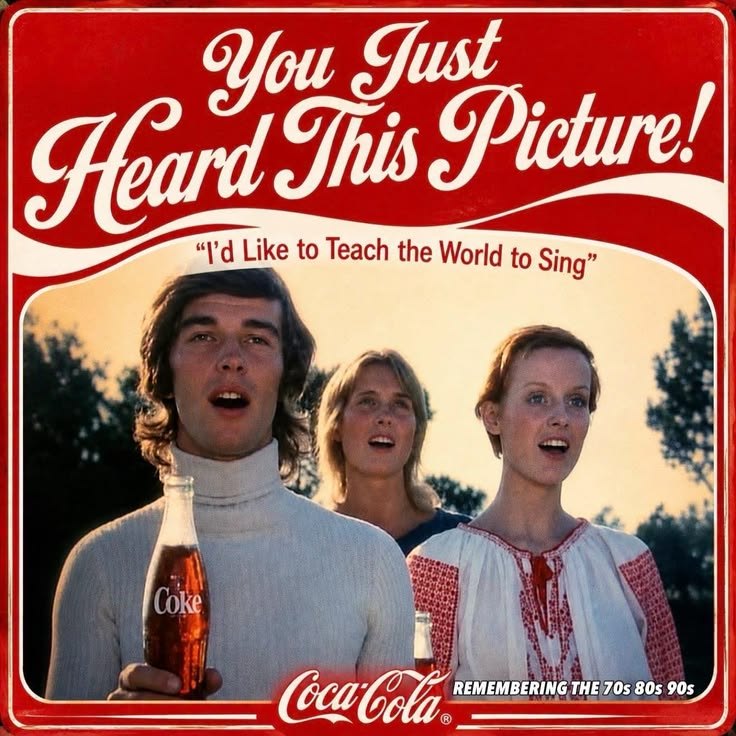
Backer's idea was that a Coke is a small thing strangers can share, "a tiny bit of commonality between all peoples", as he put it after Shannon. Harvey Gabor turned the song into a picture: young people from many countries on a hilltop, singing it together.
The first shoot, planned by producer Phil Messina on the cliffs of Dover, was lost to three days of rain. Account supervisor Sid McAlister won a second budget, and the crew filmed on a hill at Manziana, outside Rome, with about 500 young people recruited from embassies and schools.
With the reshoot, the spot cost more than 250,000 dollars. It first aired in the United States in July 1971. Coca-Cola and its bottlers received more than 100,000 letters about it.
A full-length version without the brand name, recorded by The New Seekers, reached No. 1 in Britain and No. 7 in the United States, and the first 80,000 dollars of royalties went to the United Nations Children's Fund. In 2015 the original spot, unchanged, closed the final episode of Mad Men.
The work.
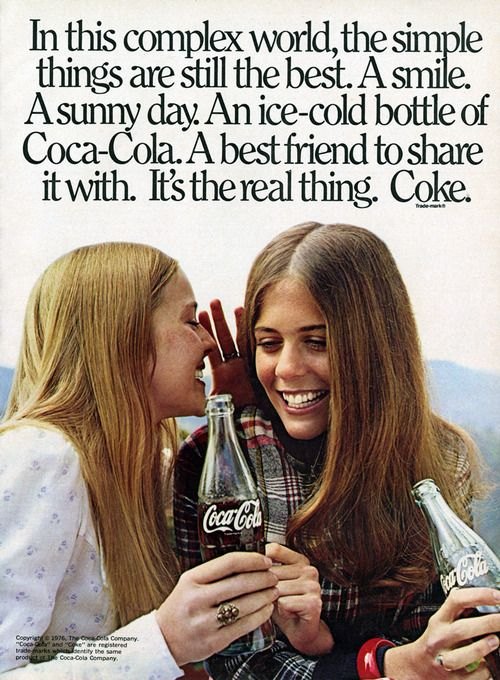
Film
Around the work
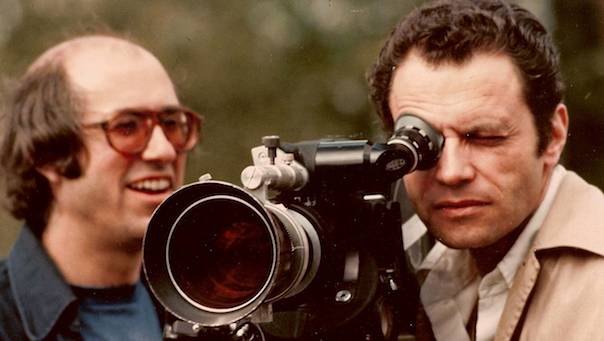
Same shape of problem.
Fog grounded a plane at Shannon. By the next morning the stranded passengers were sharing Cokes.
Back to the archive →