The era.
In August 1981 IBM shipped its Personal Computer, and within two years the category had a default. Business buyers bought IBM because nobody was blamed for buying IBM. Compaq was already selling cheaper copies of the IBM machine, and Commodore and Tandy split the home market. Apple, the leading personal computer brand at the start of the decade, was losing ground quarter by quarter.
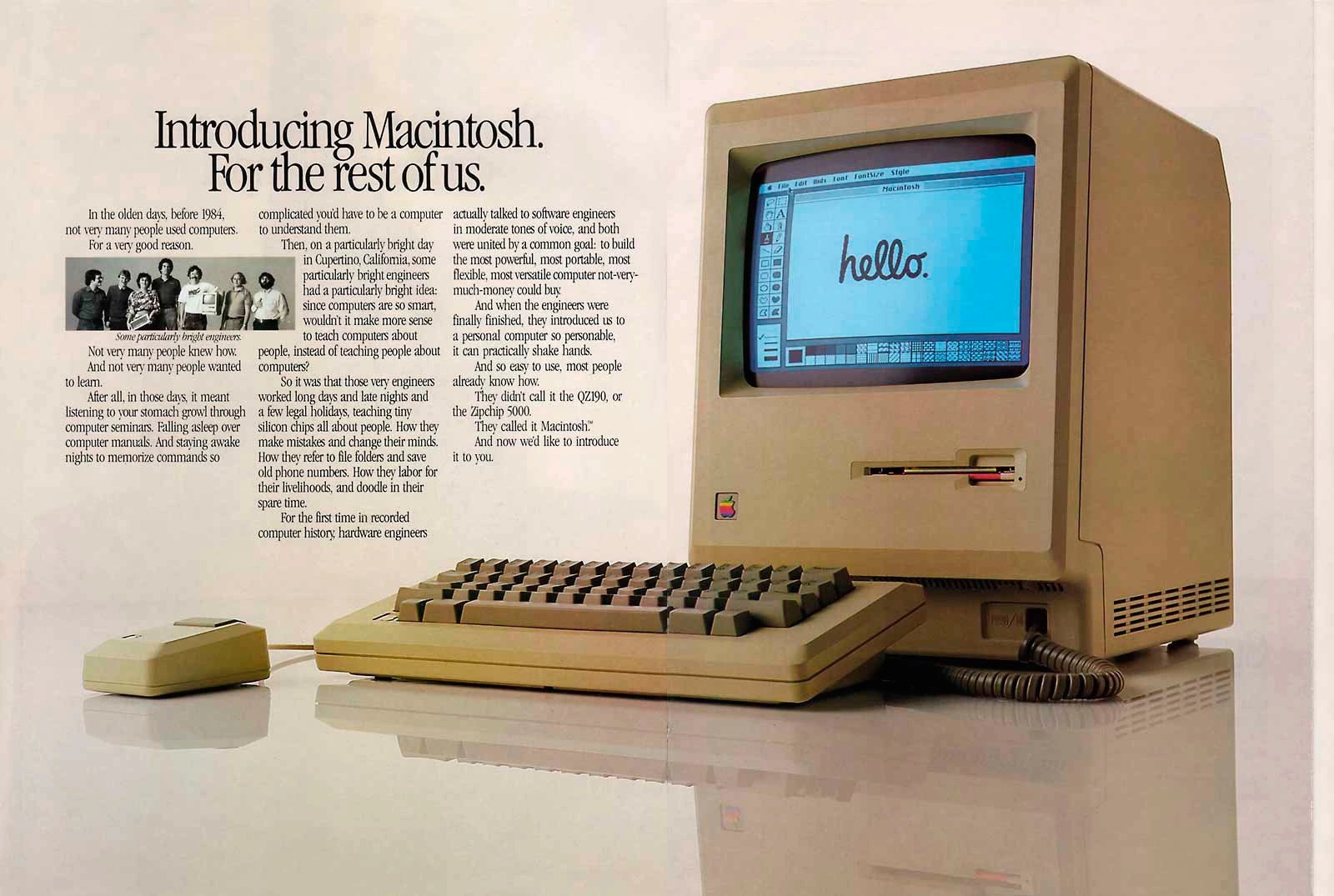
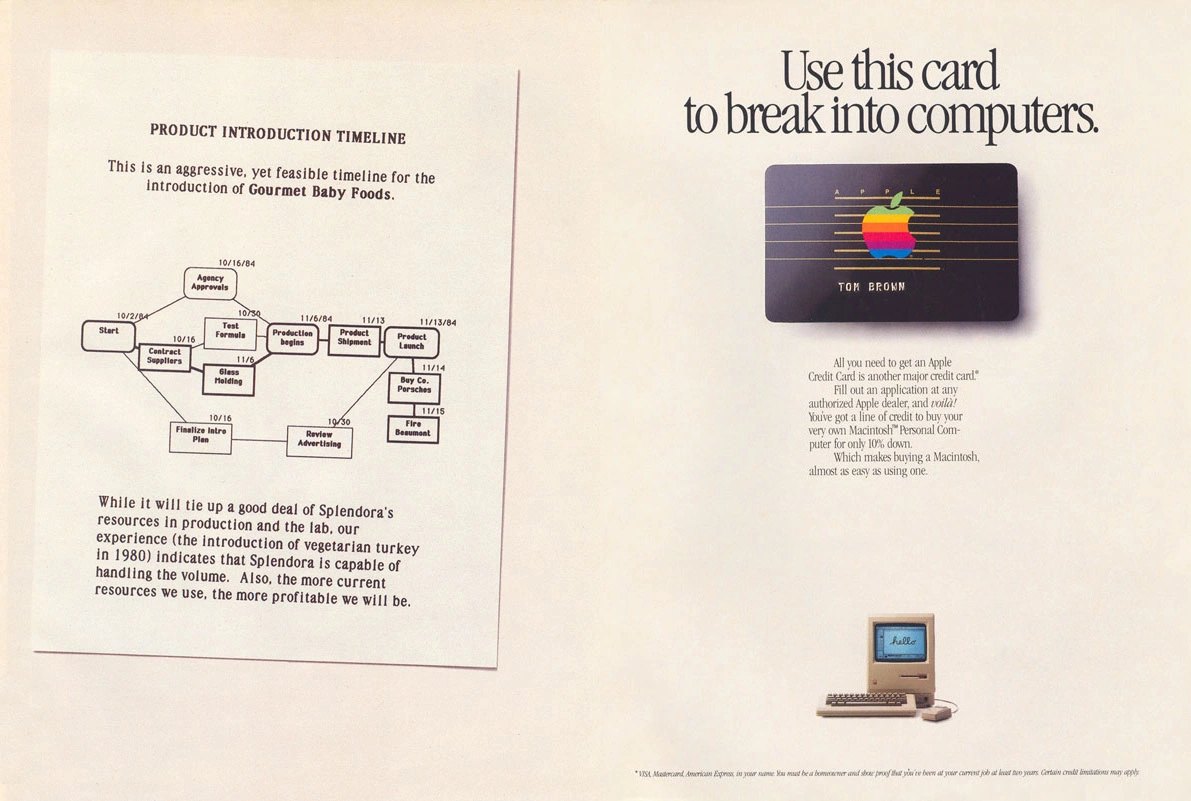
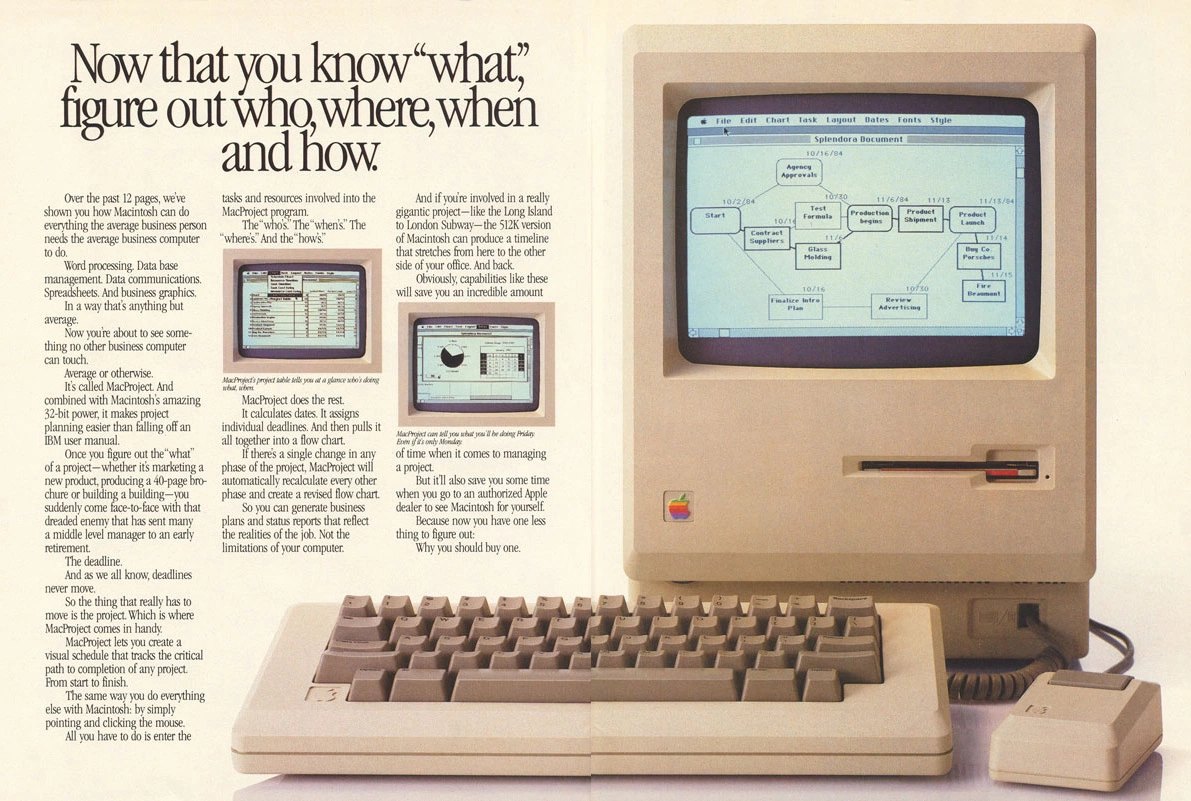
Apple's own recent launches had not helped. The Lisa, introduced in January 1983, brought the mouse and on-screen windows to an office computer, but at $9,995 it sold slowly. The Macintosh was the cheaper machine built on the same ideas, priced at $2,495 and set for introduction on 24 January 1984 at Apple's shareholders' meeting in Cupertino. Steve Jobs had run the Macintosh team as a company inside the company since 1981.
The Super Bowl in 1984 was the largest audience on American television, but the commercials in it were not yet an event. Advertisers bought the break for the rating. Most of what ran was thirty seconds of beer, cars and soft drinks. Nobody expected a computer company to buy sixty seconds of it.
The culture.
George Orwell's novel Nineteen Eighty-Four had sat on school reading lists for a generation. As the real year approached, newspapers and magazines ran pieces asking how close the country had come to the book. The Cold War had turned cold again in 1983, and the idea of one screen speaking to a seated crowd needed no explanation.
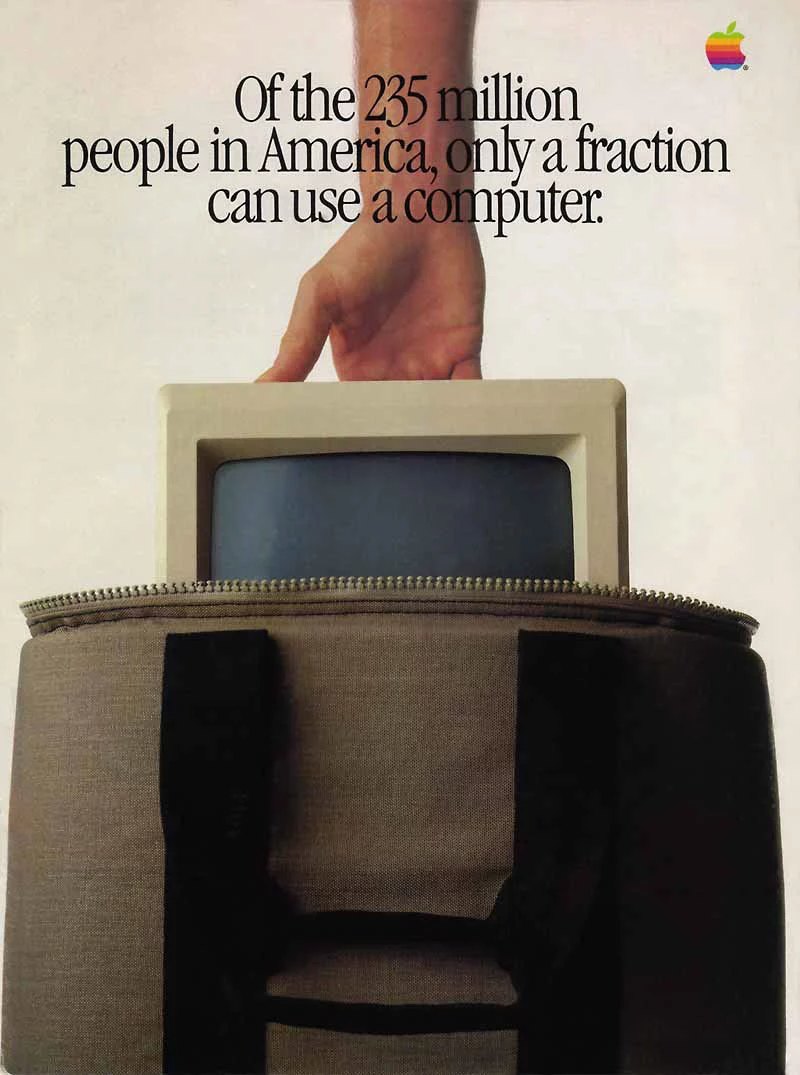
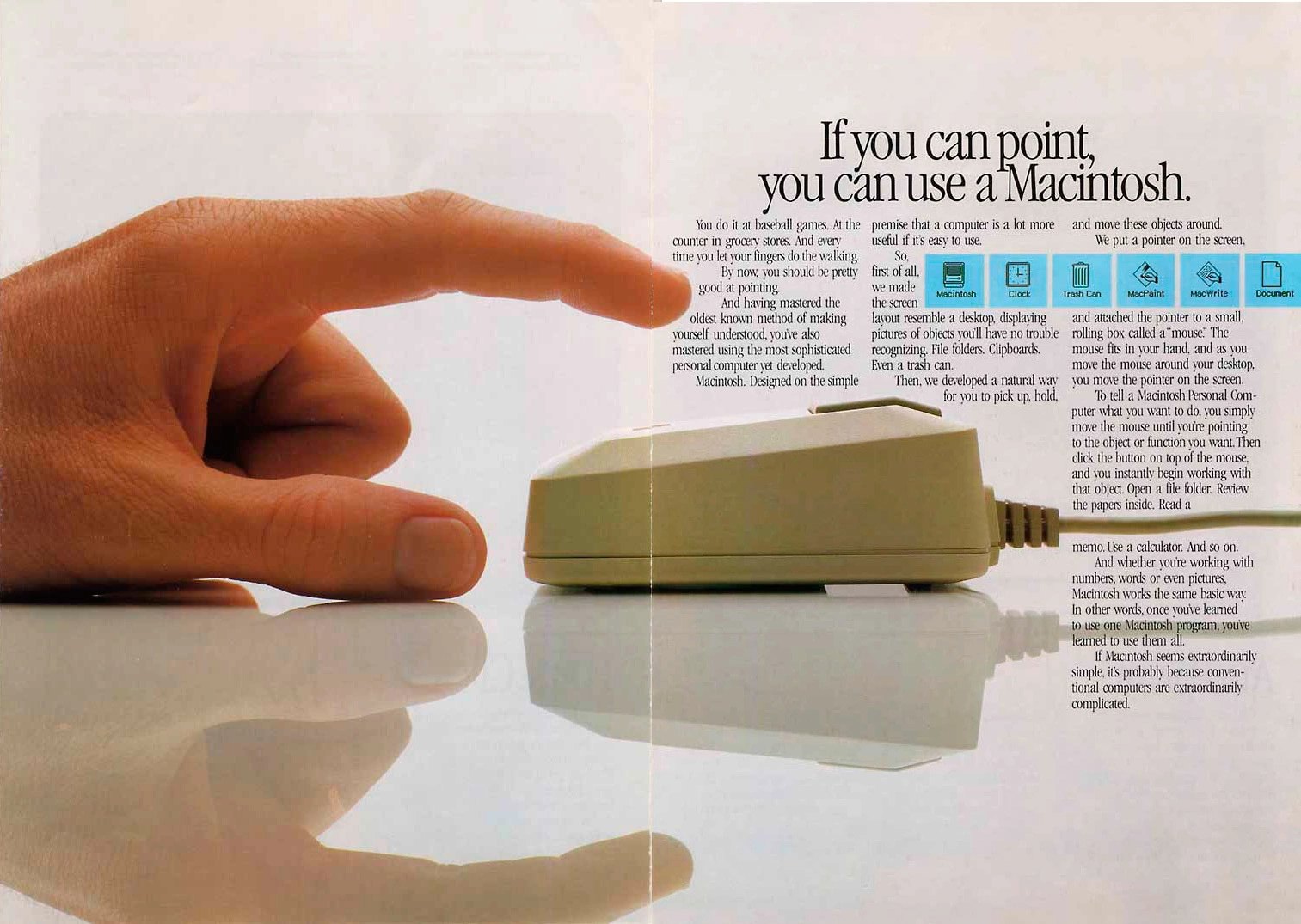
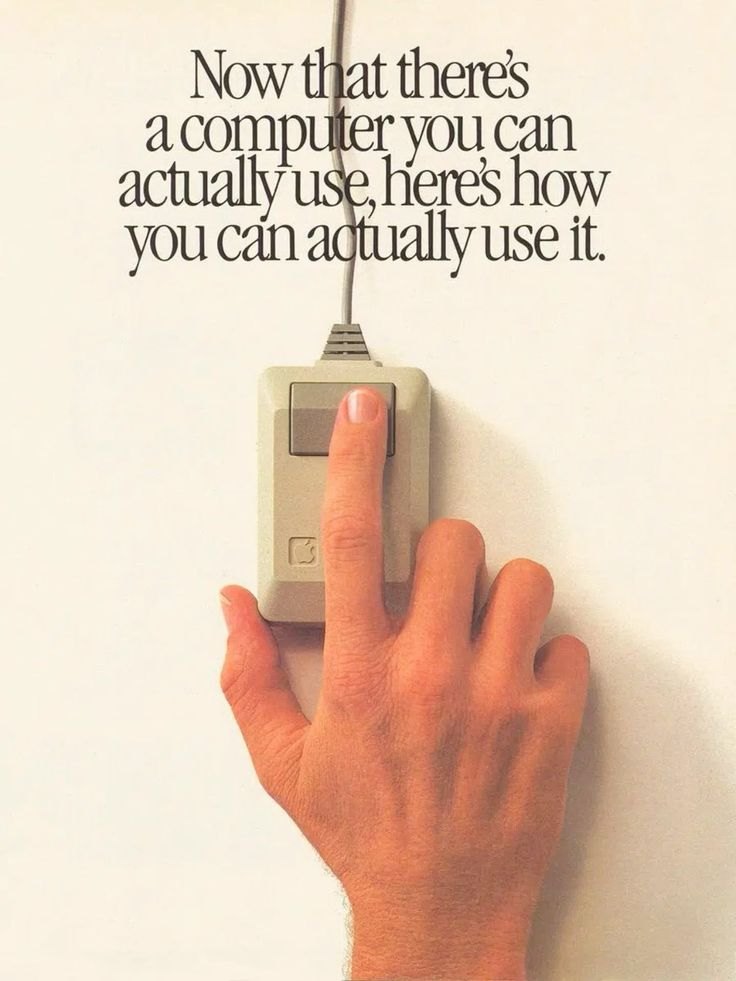
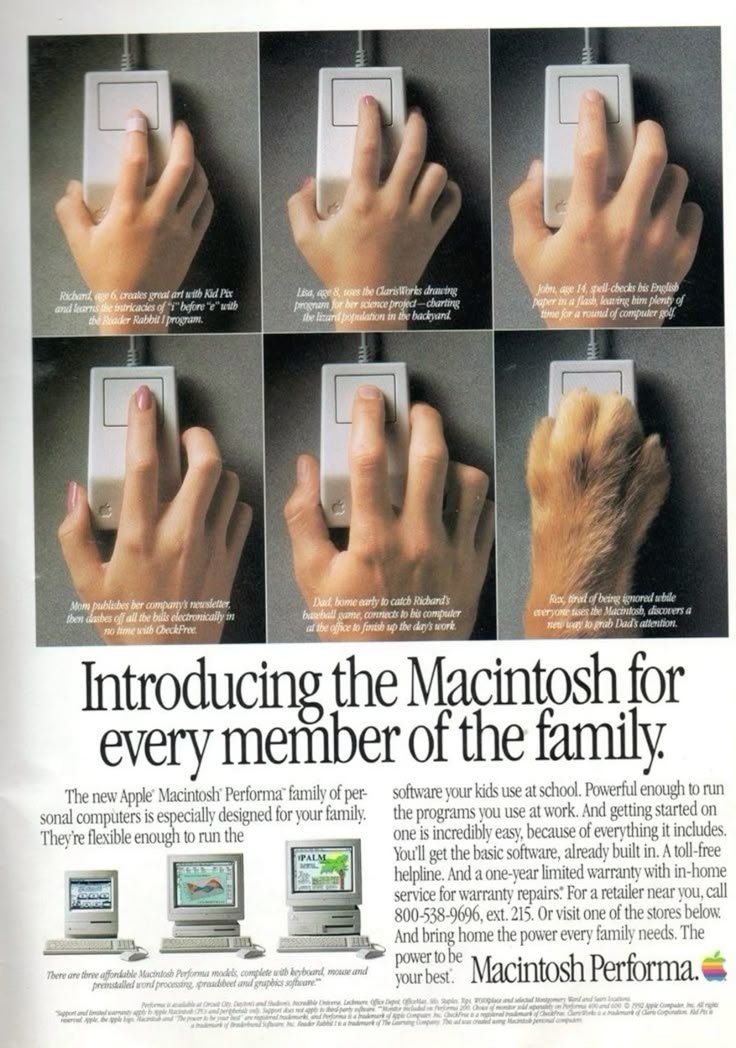
Computers themselves were still institutional objects to most Americans. They lived in offices, banks and school labs, sold on memory, speed and compatibility. Apple's own advertising in the late 1970s had worked hard to make the machines feel approachable, with long copy that explained what a personal computer was for.
Ridley Scott came to the job from feature films. His Alien (1979) and Blade Runner (1982) had given the screen a look of its own: smoke, hard light, industrial interiors. Chiat/Day, an agency based in Venice, California and run by Jay Chiat, had a reputation for work other agencies said they could not get approved.
The problem.
Introduce an unknown machine to buyers who had already decided the market leader was the safe choice.
By 1983 the personal computer had become an IBM product category. IBM's strength was that buying it required no thought; nobody had to defend the choice.
A spec-sheet launch would have put the Macintosh into a comparison it could not win on familiarity. The product itself, a small beige box with a mouse, did not look like an event.
Apple needed people to see the Mac as a choice about how they wanted to work, before they saw it as a set of features. And it needed that to happen in two days, between the one national airing and the launch on 24 January.
Brent Thomas and Steve Hayden wrote the line "Why 1984 won't be like 1984" in 1982 and offered it to several clients, Apple among them for the Apple II, and were turned down. In 1983 Steve Jobs took it up as a way to set Apple against IBM, and Chiat/Day was asked for a commercial to launch the Macintosh in January 1984.
The solution.
Leave the product out. Sell the side, and name the machine in the last line.
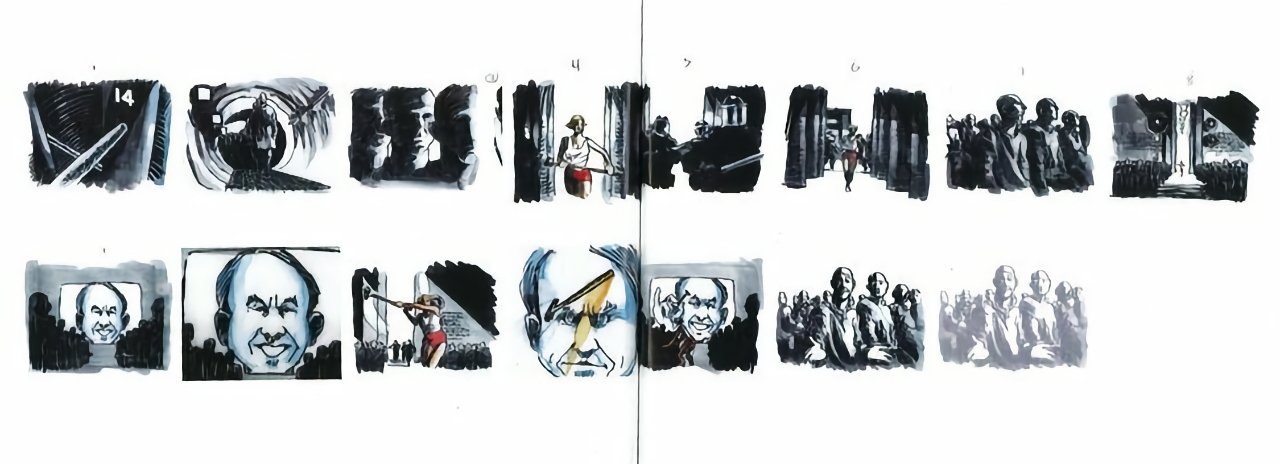
Steve Hayden and Brent Thomas wrote a short film in which grey, shaven-headed workers sit before a giant screen while a Big Brother figure speaks, until a woman runs in and throws a sledgehammer through it. The Macintosh never appears; a voice over black says that on January 24th Apple will introduce Macintosh, "and you'll see why 1984 won't be like '1984'." Apple's board disliked the film in December 1983, and John Sculley asked Chiat/Day to sell the Super Bowl time; the agency sold thirty seconds and kept the sixty. It aired nationally once, in the third quarter of Super Bowl XVIII on CBS on 22 January 1984, after a run on about ten local stations in December 1983 that qualified it for awards. Network news programmes replayed it as a story, and Brent Thomas told The New York Times that about $3.5 million worth of Macintoshes sold straight after it ran.
The work.
Film
Same shape of problem.
More from Apple.
Every Applecampaign →Apple's board watched the film in December 1983 and asked the agency to sell the airtime.
Back to the archive →