
New York State · Wells Rich Greene
I Love New York
A government with no credibility left stopped making claims about its city and gave the audience a sentence to say in the first person, then let them carry it for nothing.
The era.
New York City spent the middle of the 1970s visibly subtracting itself. A state-backed housing authority defaulted in February 1975; by April the banks had stopped lending against the city's deficits; in June the state took over its finances. More than fifty thousand city workers were laid off, about a sixth of the workforce. On 1 July 1975 alone, five thousand police officers were furloughed, sixteen hundred firefighters and seven thousand teachers.
On 29 October 1975 President Ford told the National Press Club he would veto any federal rescue. The next morning the Daily News ran the headline FORD TO CITY: DROP DEAD, a line proposed by its editor William J. Brink over two duller alternatives. Ford had never said it, called the headline unfair, approved 2.3 billion dollars in loans within months, and later blamed those four words for costing him New York State and the presidency.
The damage underneath the headlines was structural. Around three hundred thousand manufacturing jobs went in six years. Murders ran above a thousand a year, and burglaries and rapes had more than tripled since 1965. Landlords burned buildings for the insurance, some South Bronx blocks lost more than ninety-seven per cent of their buildings, and the city had an official depopulation policy called planned shrinkage. The state was trying to sell holidays into this.
The culture.
The subway was the era's dominant visual fact and the thing visitors feared most. It was also covered in handwriting: whole cars painted end to end, writers keeping black books of their own lettering, lists of lines and who was working them. That is the surface the state's new mark had to compete with, and it is part of why the answer was a piece of handwriting in crayon rather than a government identity.
The same years produced the city's most generative culture. The Ramones were playing CBGB by 1976 and put out their first album that year; Debbie Harry was photographed at Coney Island for Punk magazine in 1977; the New York Dolls staged a reunion on St Marks Place the same year. Studio 54 opened in 1977 in the old Gallo Opera House, and Bella Abzug danced there at the Beatlemania party. New York in 1977 was at once the most frightening and the most inventive city in the world.
Broadway was the piece of the city the research found people actually wanted. It came out ahead of the Statue of Liberty and the Empire State Building as the main attraction, even though the theatre district of 1976 was peep shows and Forty-Deuce rather than a tourist precinct. Annie opened in April 1977: a Depression orphan singing about tomorrow, in the city the Daily News had just told to drop dead.
The problem.
New York State had to sell holidays in a city whose own police union had printed a million leaflets telling tourists to stay away.
In June 1975 the Council for Public Safety, a consortium of police and fire unions fronted by the Patrolmen's Benevolent Association president Ken McFeeley, printed about a million copies of a pamphlet called Welcome to Fear City: A Survival Guide for Visitors to the City of New York. The cover carried a hooded skull. Inside were nine survival tips: do not walk, avoid public transportation, remain in Manhattan, stay off the streets after six in the evening, and, in conclusion, that until things changed visitors should stay away from New York City if they possibly could. Distribution began at Kennedy Airport on the morning of Friday 13 June 1975, the city failed to have it stopped, and a judge ruled it protected speech.
That is the market the New York State Department of Commerce was advertising into. Its whole annual tourism budget was four hundred thousand dollars, and the department spent all of it on consumer research rather than media. The research is what bought the campaign: it persuaded the legislature to appropriate roughly four million dollars against a promised eight million in returned state revenue.
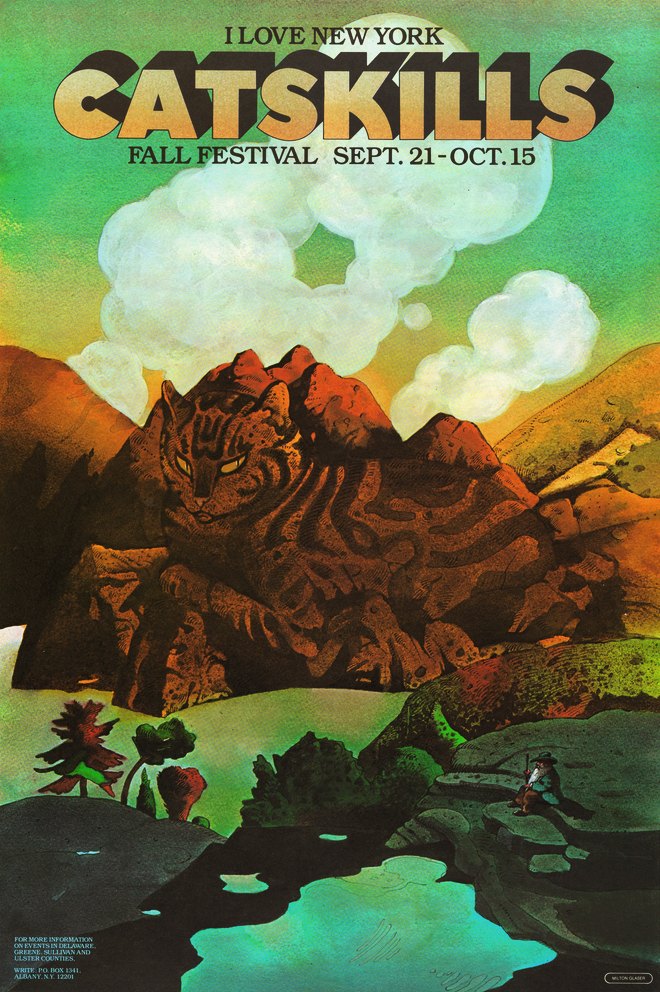
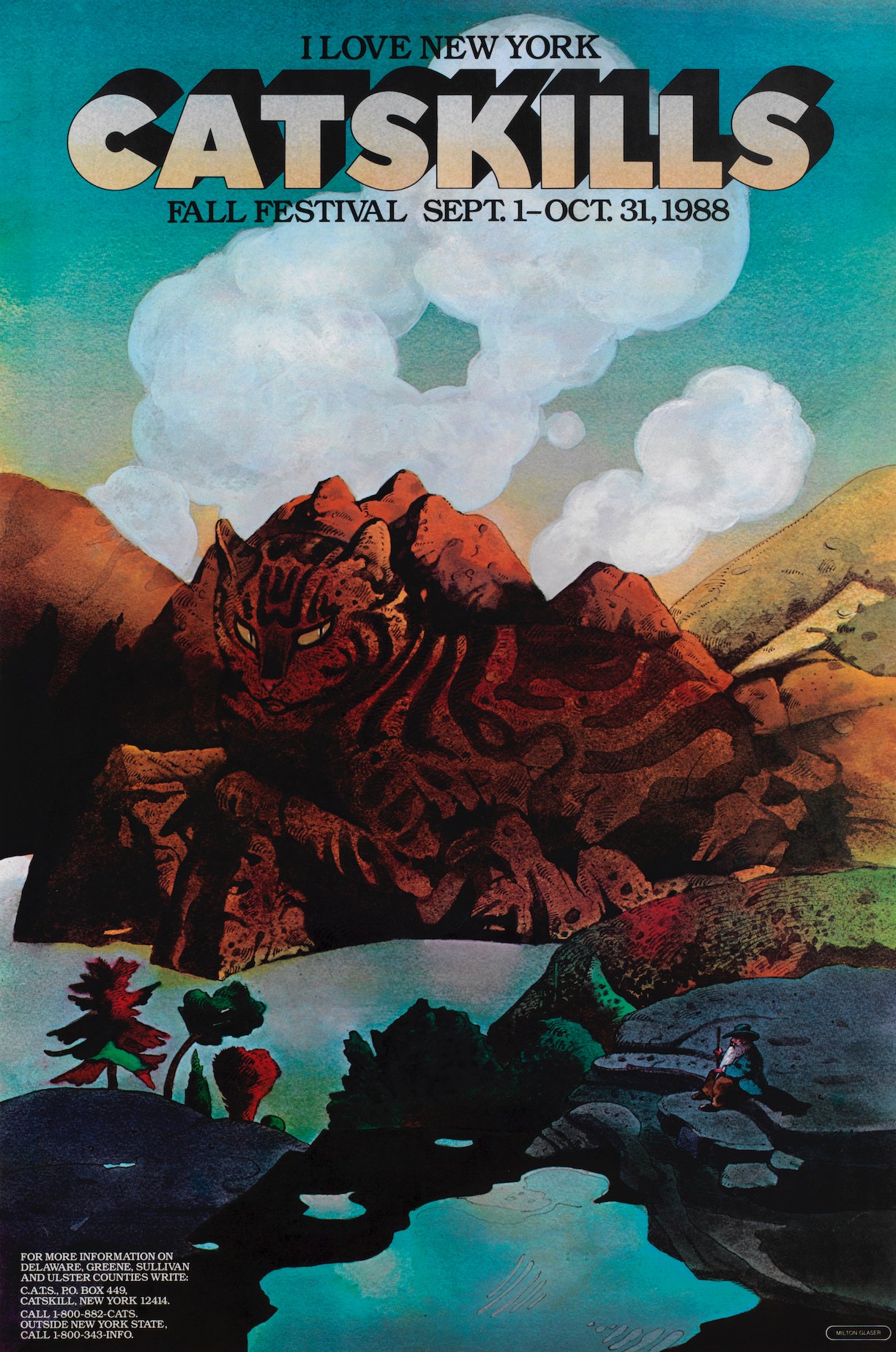
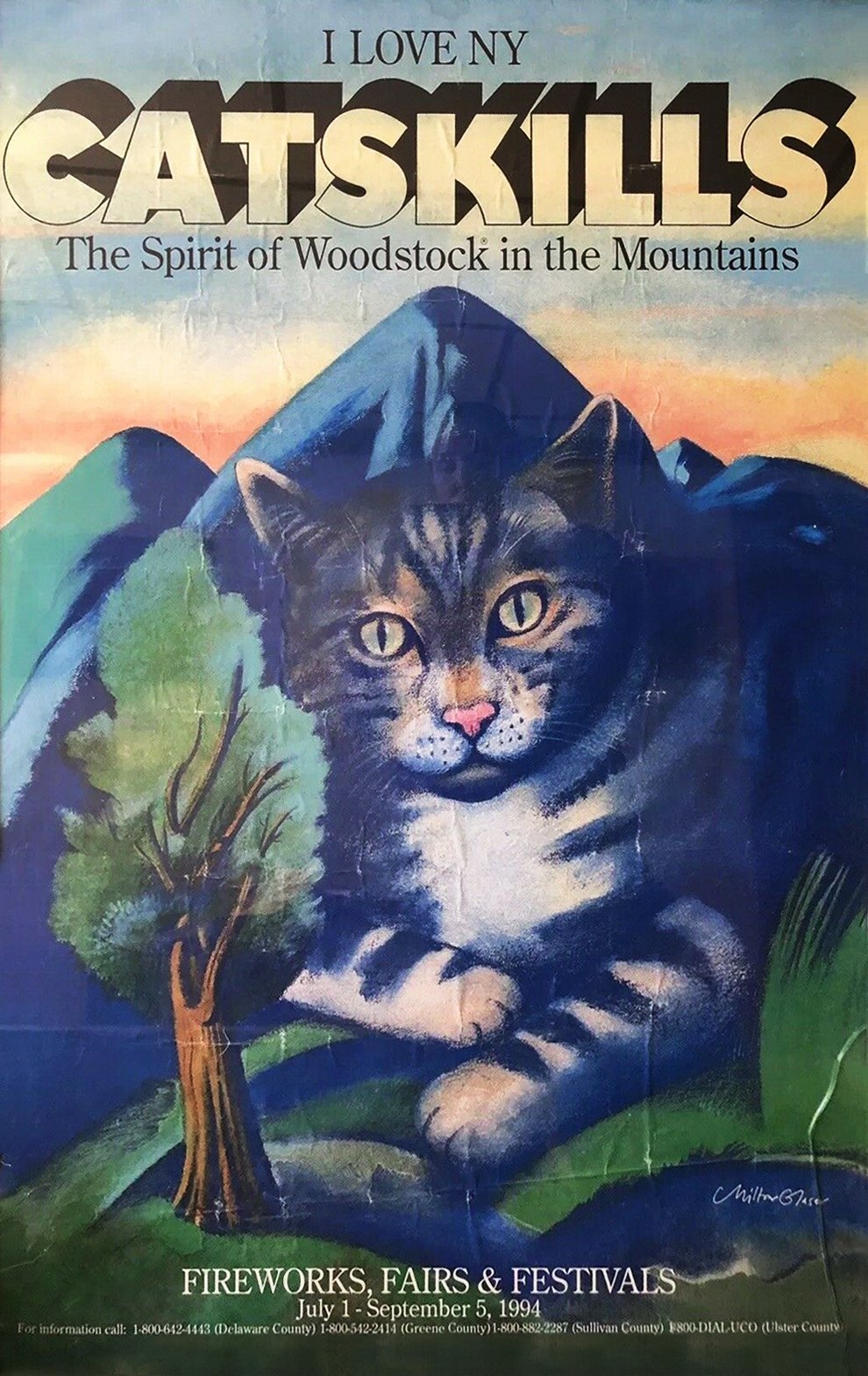
The brief was also wider than the city. The client was the state, and the job covered the Adirondacks, the Catskills, the Finger Lakes and Niagara as well as Broadway, with New England as the competitor to beat. The account had arrived at Wells Rich Greene as a small brief to promote the state's ski areas before it grew into this.
And the state had no claim available to it. It could not say safe, clean or solvent, because each of those was contradicted by that morning's newspaper. Then the timing turned: the campaign launched on 27 June 1977, and on 13 July the city went dark for about twenty-five hours, with more than a thousand fires, sixteen hundred stores looted and three thousand seven hundred arrests. The Son of Sam killer was still at large and was not arrested until 10 August. The campaign did not answer the blackout. It was already in market and had to survive it.
Governor Hugh Carey asked for a tourism campaign through a personal contact. William S. Doyle, deputy commissioner at the Department of Commerce, hired Wells Rich Greene, where the work arrived as a small brief for the state's ski areas and grew. Doyle separately retained Milton Glaser to make a symbol from the agency's line, which is why the slogan preceded the mark rather than the other way round.
The solution.
Stop making claims about the place; give people a sentence about their own feelings, and a mark they would wear for nothing.
The research found the one asset that had survived the facts: people outside New York still loved the idea of the place, its spirit rather than its condition. So the campaign made no claim about the city at all. It made a claim about the audience, in the first person, and then gave them a way to say it themselves.
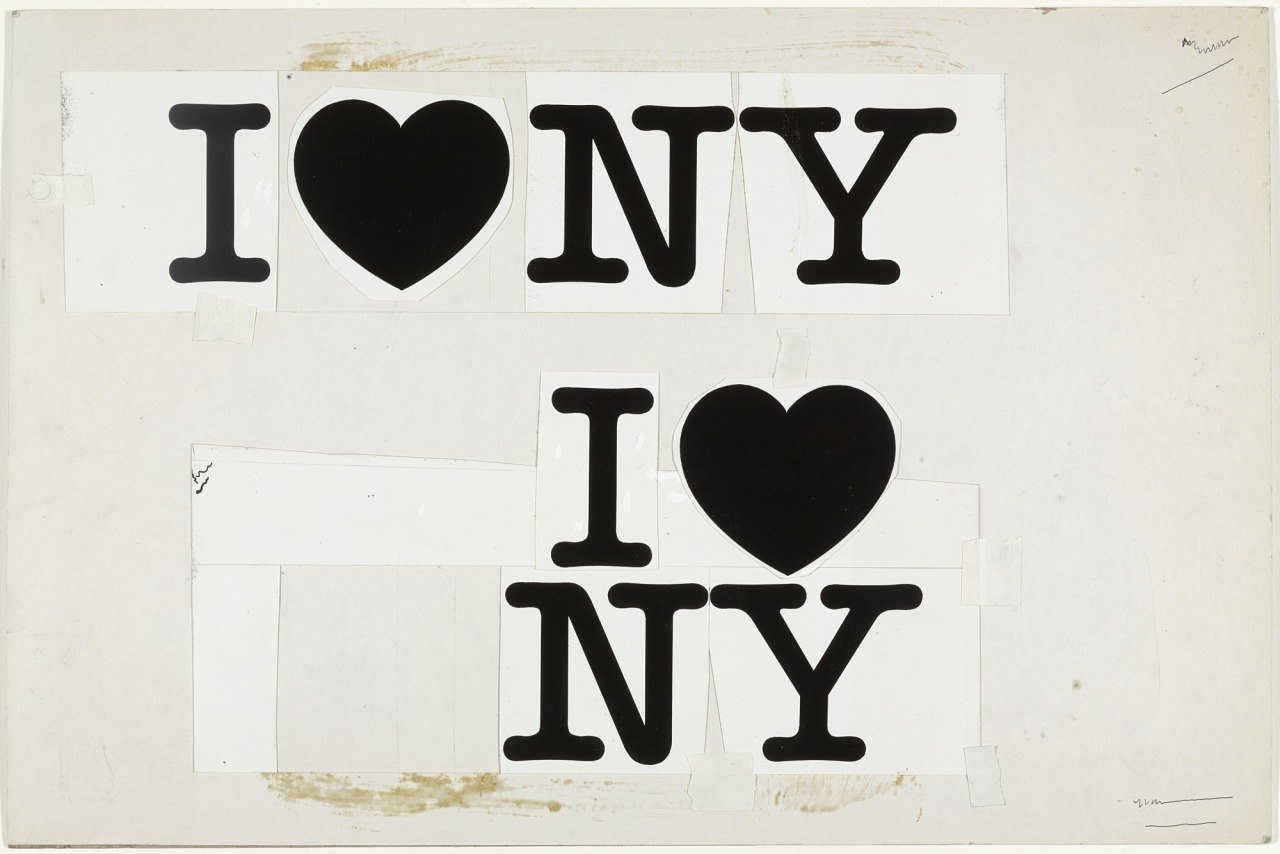
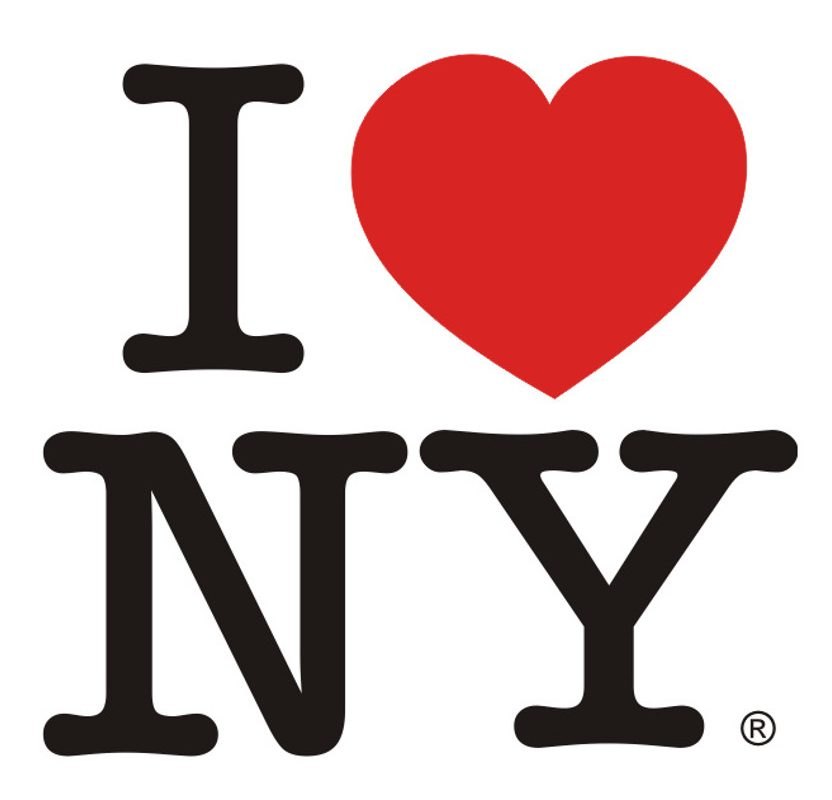
The line came first and the mark second. William S. Doyle, deputy commissioner at the New York State Department of Commerce, hired Wells Rich Greene for the campaign and separately retained Milton Glaser to make a symbol from it. Glaser spent about a week on a purely typographic solution with no symbol, and it was approved. A week later he was doodling in a taxi, sketched the heart version in red crayon on the back of a torn envelope, and says the final arrangement took around ten seconds. Doyle resisted changing an approved design and then approved the new one in the meeting. The letterforms are a variation on American Typewriter.
The mark works because it makes the viewer do a small piece of work. Glaser's own explanation is that you have to translate the letter, which is a complete word, into the heart, which is a symbol for a feeling. That tiny act of decoding produces ownership. It was also drawn by hand, in crayon, at a moment when every surface in the city was covered in handwriting.
Television carried the launch: a five-week flight in twenty markets on four point three million dollars from 27 June 1977, with ordinary people in West Virginia, New Hampshire, Massachusetts and Brooklyn filmed saying the line, shot by the director and cameraman Mike Zingale. Steve Karmen wrote the music and the rest of the lyric around the agency's line, and gave the rights to the state for nothing, as Glaser had assigned his. In February 1978 came the Broadway Show Tours films, cast with around eighty Broadway performers plus Frank Sinatra and Liza Minnelli, and the 32nd Tony Awards gave Moss, Dragoti and Doyle a theatre award for them.
The largest medium was never bought. It started on plain white shirts sold in the city, which sold out, and ran on through buttons, bumper stickers, bags, mugs and shop signs, because the Department of Commerce deliberately left the mark effectively open so any attraction in the state could use it free. The department reported ninety-three thousand eight hundred brochure requests after the first flight, city hotel occupancy at ninety per cent, and state visitor spending rising from five hundred million dollars in 1976 to one point six billion in 1977. Those are the client's own numbers from a year the city was recovering for other reasons too. The unarguable result is simpler: the state doubled the budget the following year and has never stopped running the campaign.
The work.


Around the work
Same shape of problem.
The state had no claim it could make, so it gave people a sentence about themselves instead.
Back to the archive →