The Episcopal Ad Project · Fallon McElligott Rice
The Episcopal Ad Project
A parish priest and a priest's son sold wit to churches at cost, and the work took the public-service campaign gold at the 1984 One Show.
The era.
In the mid-1970s, American churches did not advertise in any real sense. A parish bought a line on the Saturday religion page, listed its service times and perhaps added a drawing of a steeple. The mainline denominations, the Episcopal Church among them, were in a membership decline that had begun in the 1960s. Nobody who sold soap or cars would have called what churches did advertising.
Minneapolis was a print town. Its sharpest work came out of Bozell & Jacobs, where the copywriter Tom McElligott and the art director Ron Anderson worked as a team on Northwestern Bell, United Way, the Twin Cities Red Cross and a run of small local accounts. Communication Arts profiled the pair in 1976. Their method was a large, plain headline, one image and copy that assumed the reader was paying attention.
In 1976 the Rev. George H. Martin of St. Luke's Episcopal Church in Minneapolis started what became the Episcopal Ad Project. He and McElligott developed the themes together. In 1981 McElligott left Bozell with Nancy Rice to found Fallon McElligott Rice with Pat Fallon, and the church came with him. The new agency charged the project only basic expenses.
The culture.
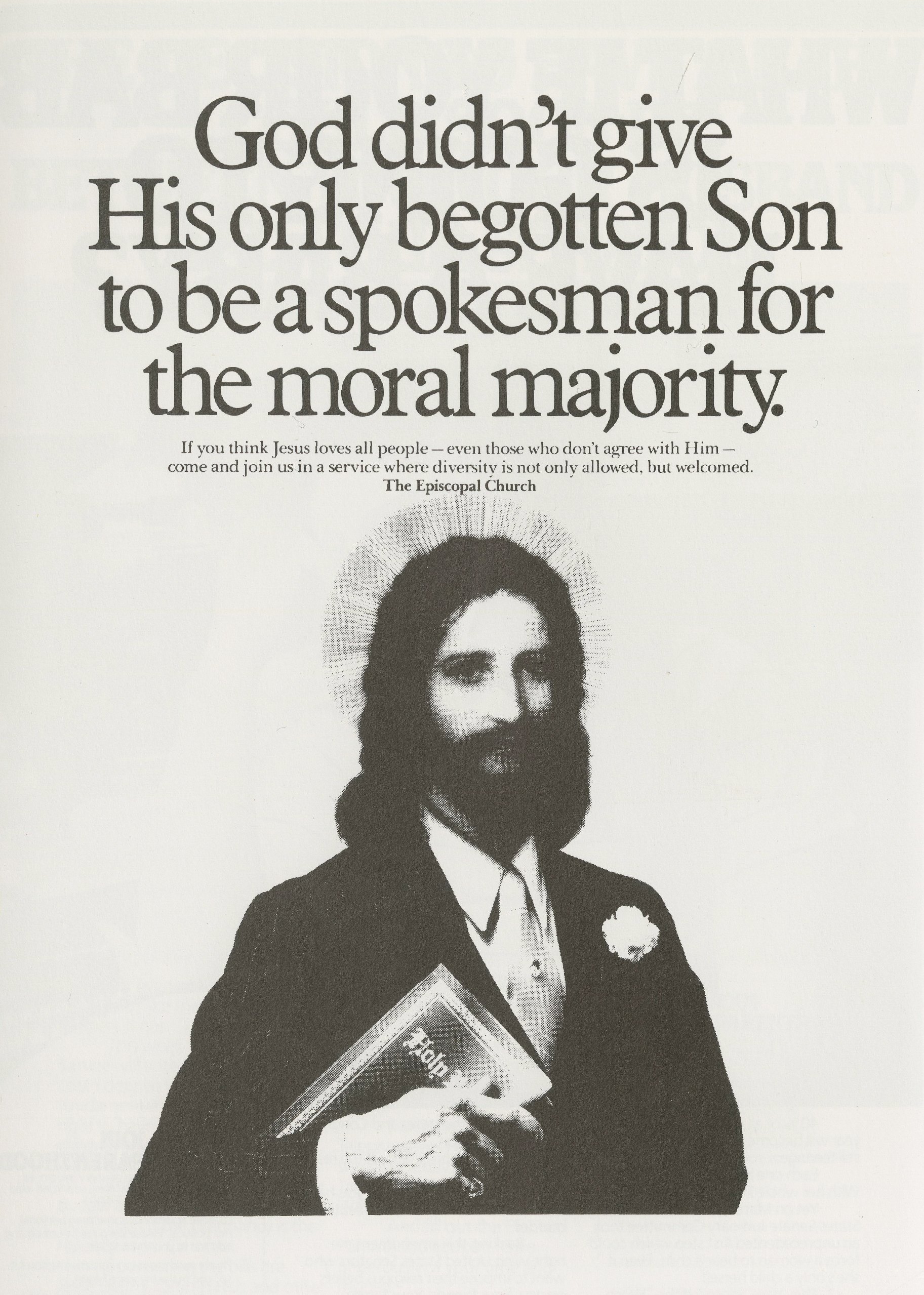
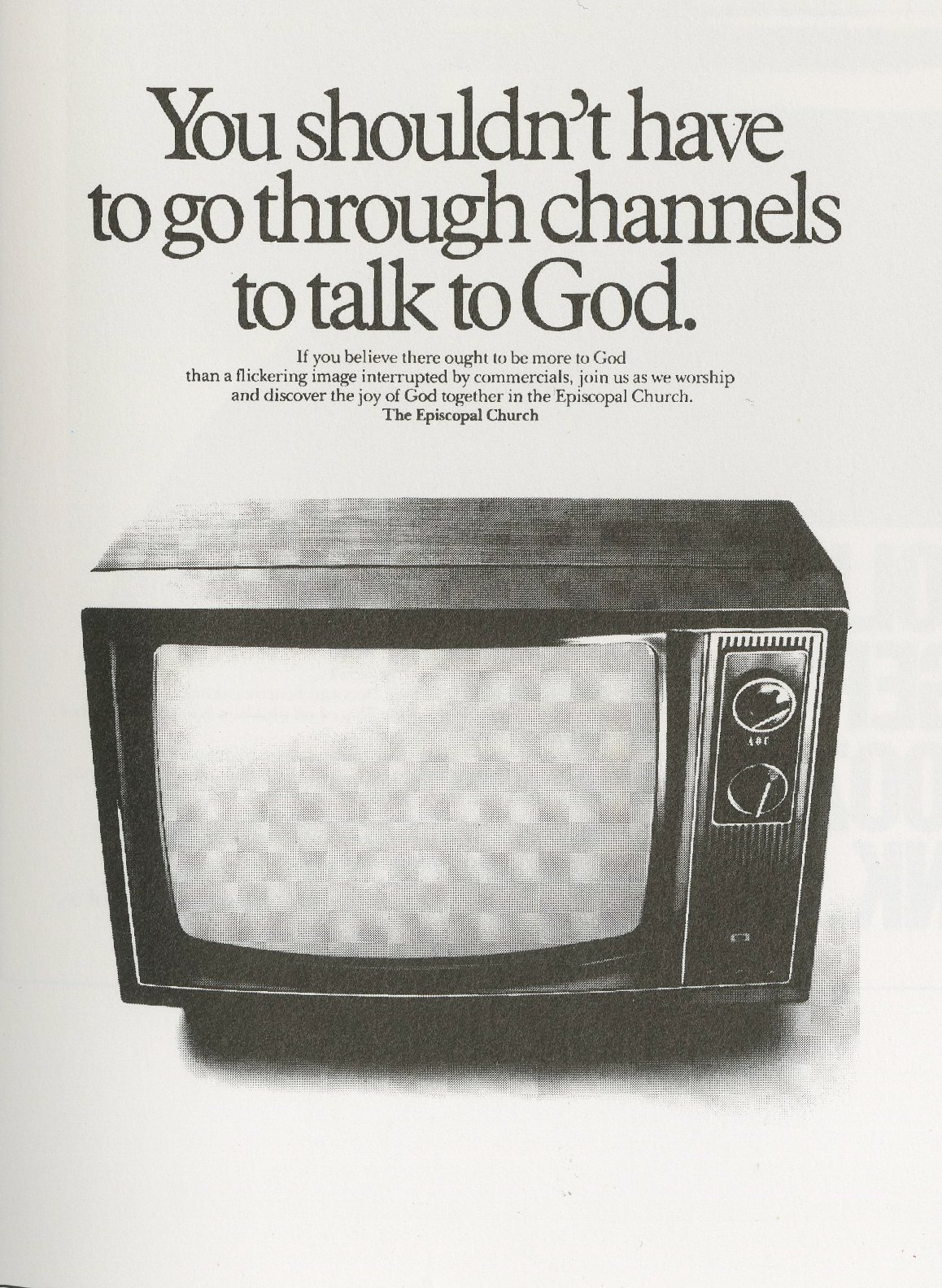
By the late 1970s American religion had a loud new voice on television. Evangelists bought airtime, built networks and raised money by telephone, and in 1979 Jerry Falwell founded the Moral Majority. To many educated, lapsed churchgoers, public faith now meant a preacher on screen asking for money. The quieter denominations had no answer on the same scale.
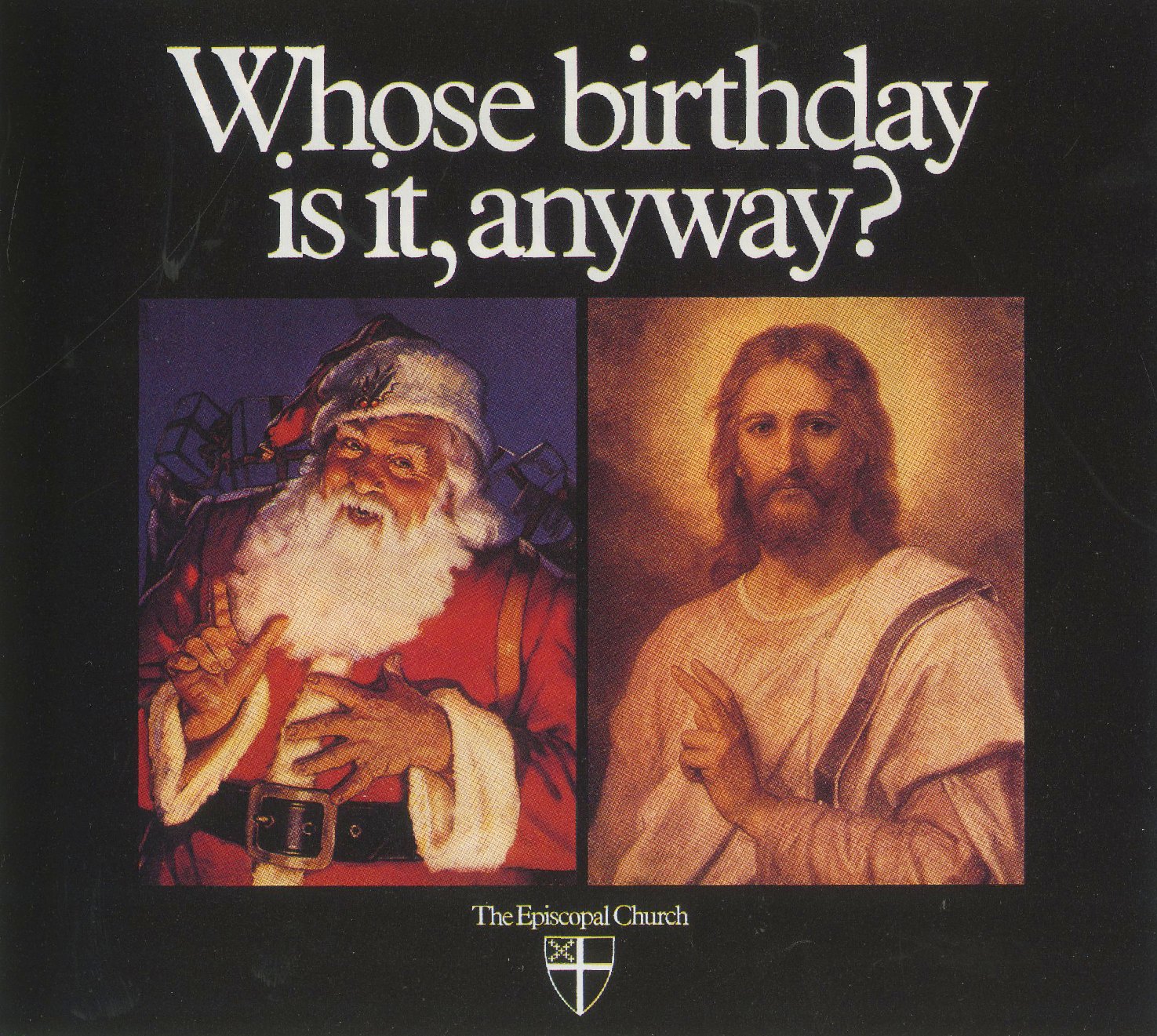
Christmas had become the biggest retail season of the year, with Santa Claus as its spokesman. Department stores and discount chains ran breakfasts with Santa, and shopping malls ran photo sessions from Thanksgiving on. Clergy had complained about the commercial Christmas for decades. They complained in church bulletins, which the people they meant to reach never read.
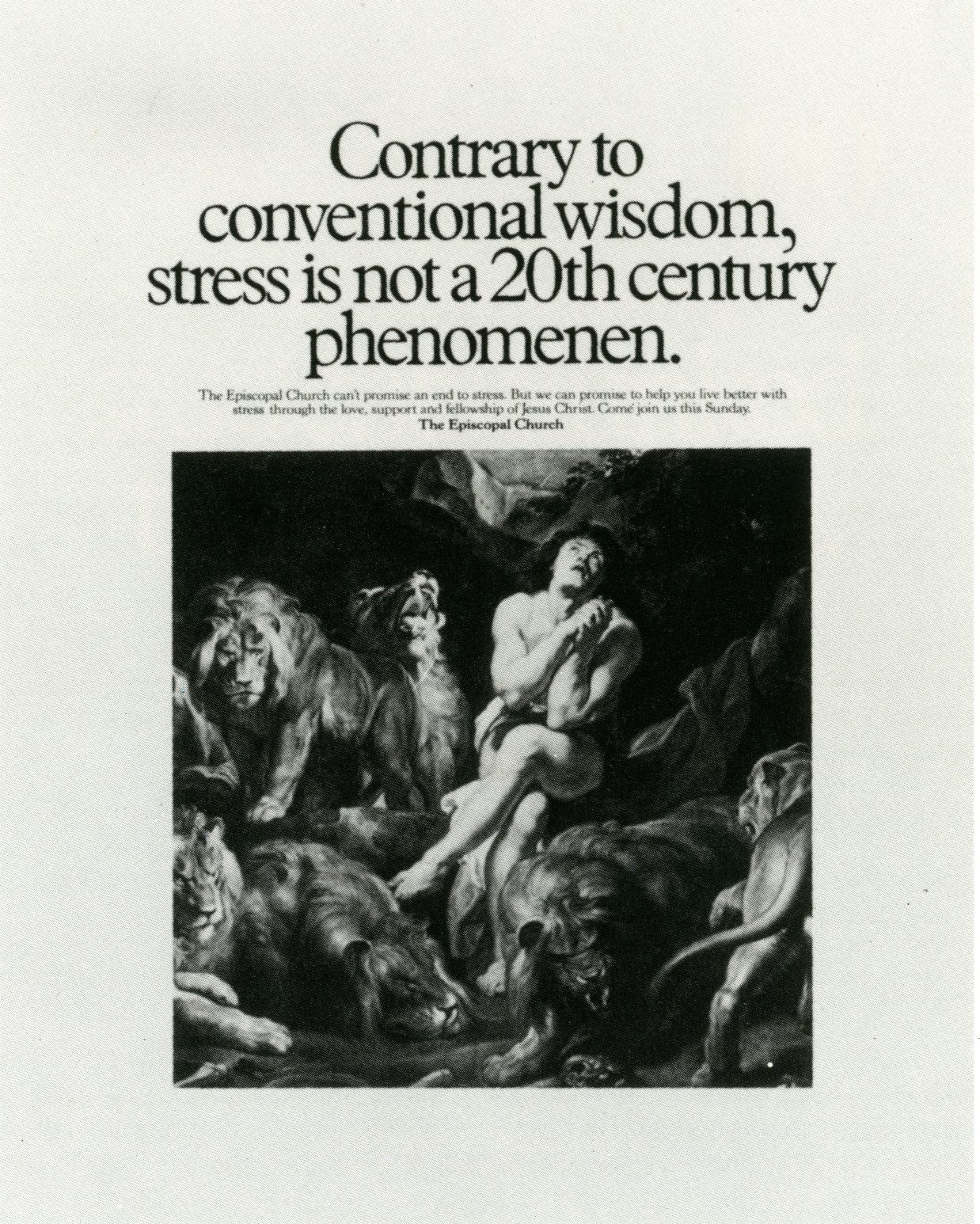
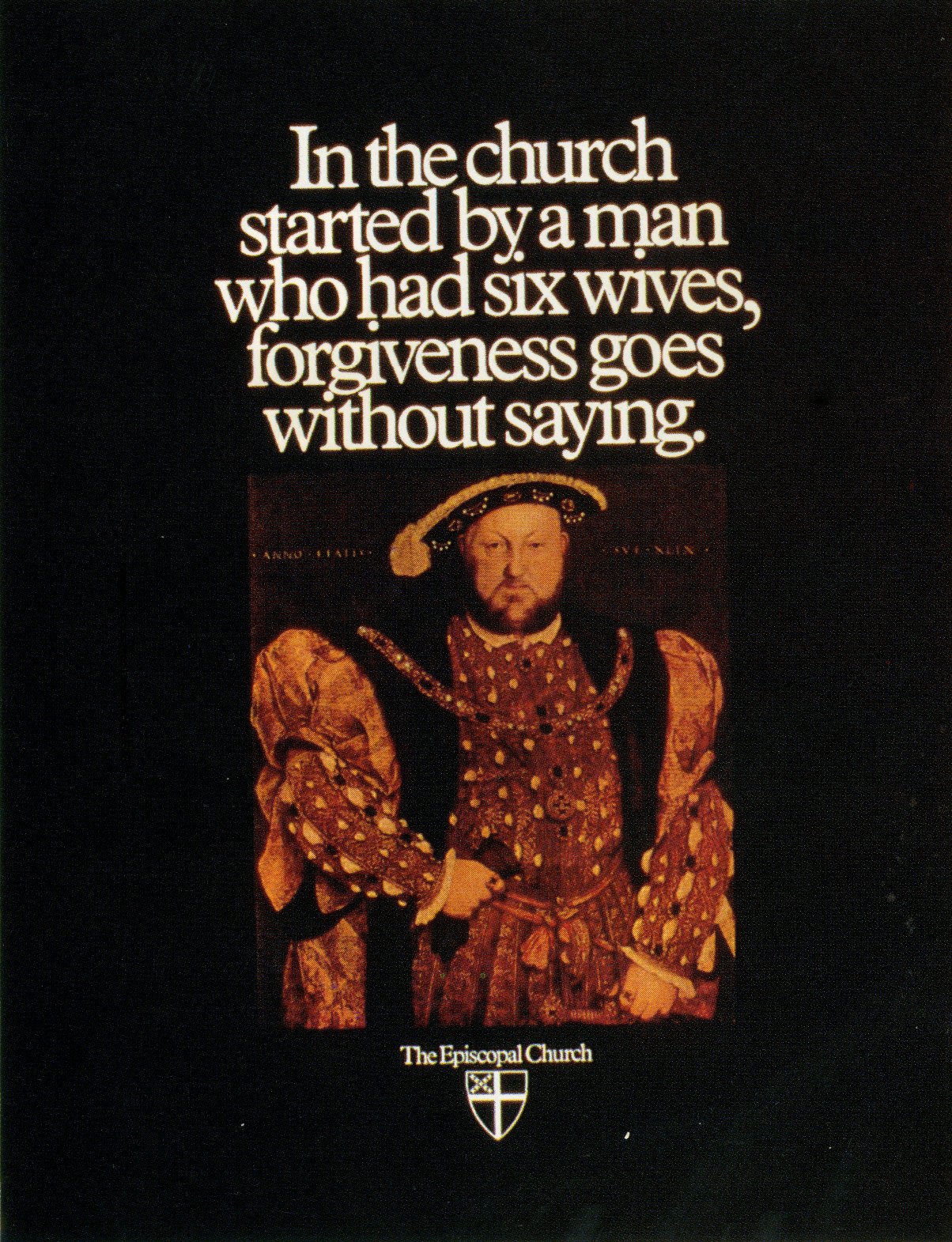
There was also a stock of images every reader shared: Bible stories from Sunday school, old master paintings, Henry VIII and his six wives. McElligott knew that material from the inside. He was the son of an Episcopal priest, and his first portfolio, put together at the Dayton's department store, included ads for an Episcopal summer camp. He also understood the people who had walked away.
The problem.
A small church with no budget had to win back thoughtful adults who had quietly stopped coming, while television preachers decided what religion sounded like.
St. Luke's was one parish with an ageing congregation, and the Episcopal Church had no national advertising budget. Martin said the church had lost its punch.
The people he wanted were baptized, educated adults who had drifted away and were put off by the hard sell they saw on television. Most parishes could not pay an agency, and few would risk a provocative ad in their own town paper. Martin put the economics plainly: churches on limited budgets were more likely to try advertising if they could afford the ads in the first place.
Martin became rector of St. Luke's in 1975, found an ageing congregation with far more funerals than baptisms, and began writing newspaper ads himself. People told him the ads needed professional help and pointed him to Tom McElligott, the son and son-in-law of Episcopal clergy. Martin said the project was among the first to ask McElligott for help.
The solution.
Speak to lapsed churchgoers in the voice of the best commercial print, and let any parish run the ads for almost nothing.
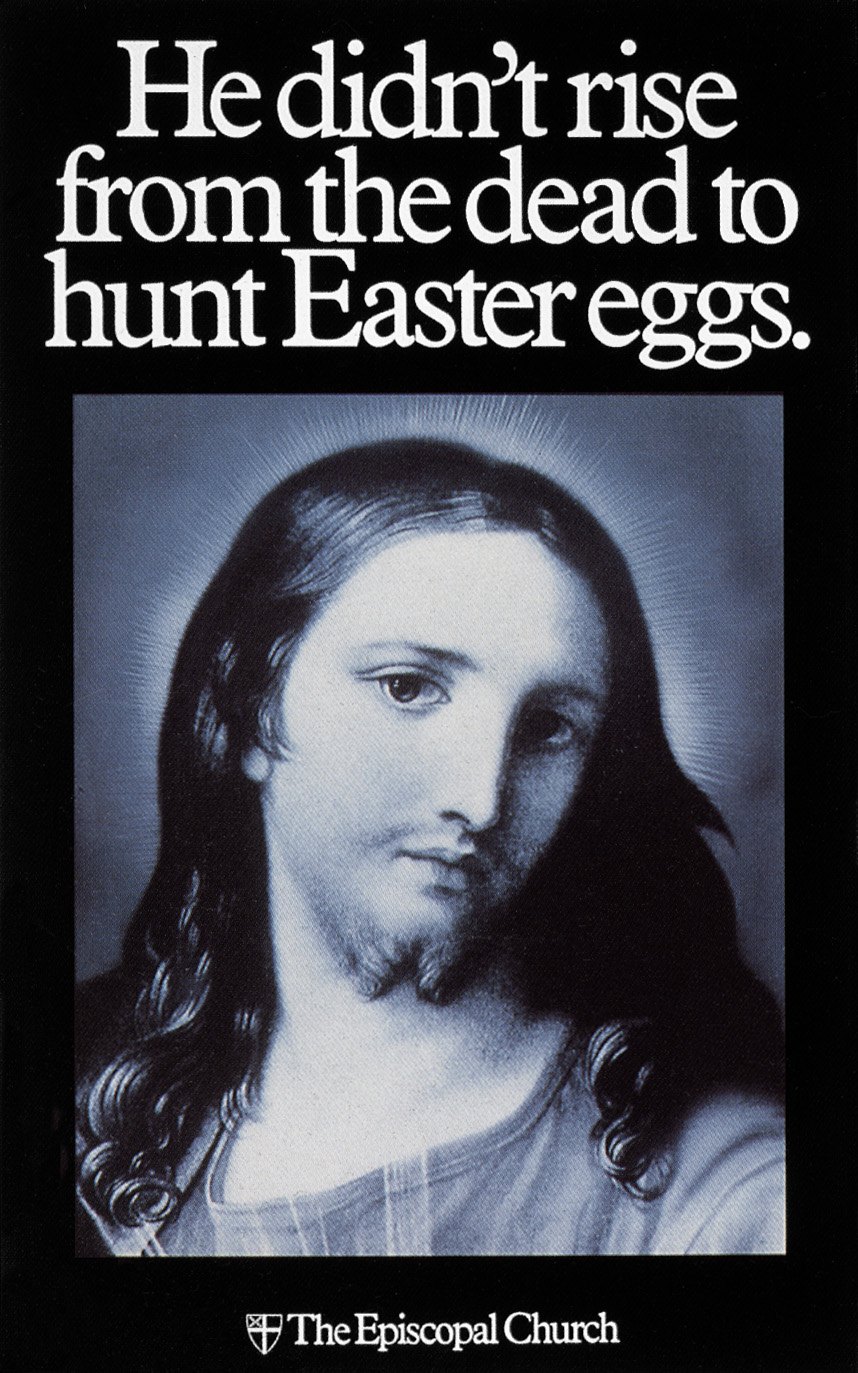
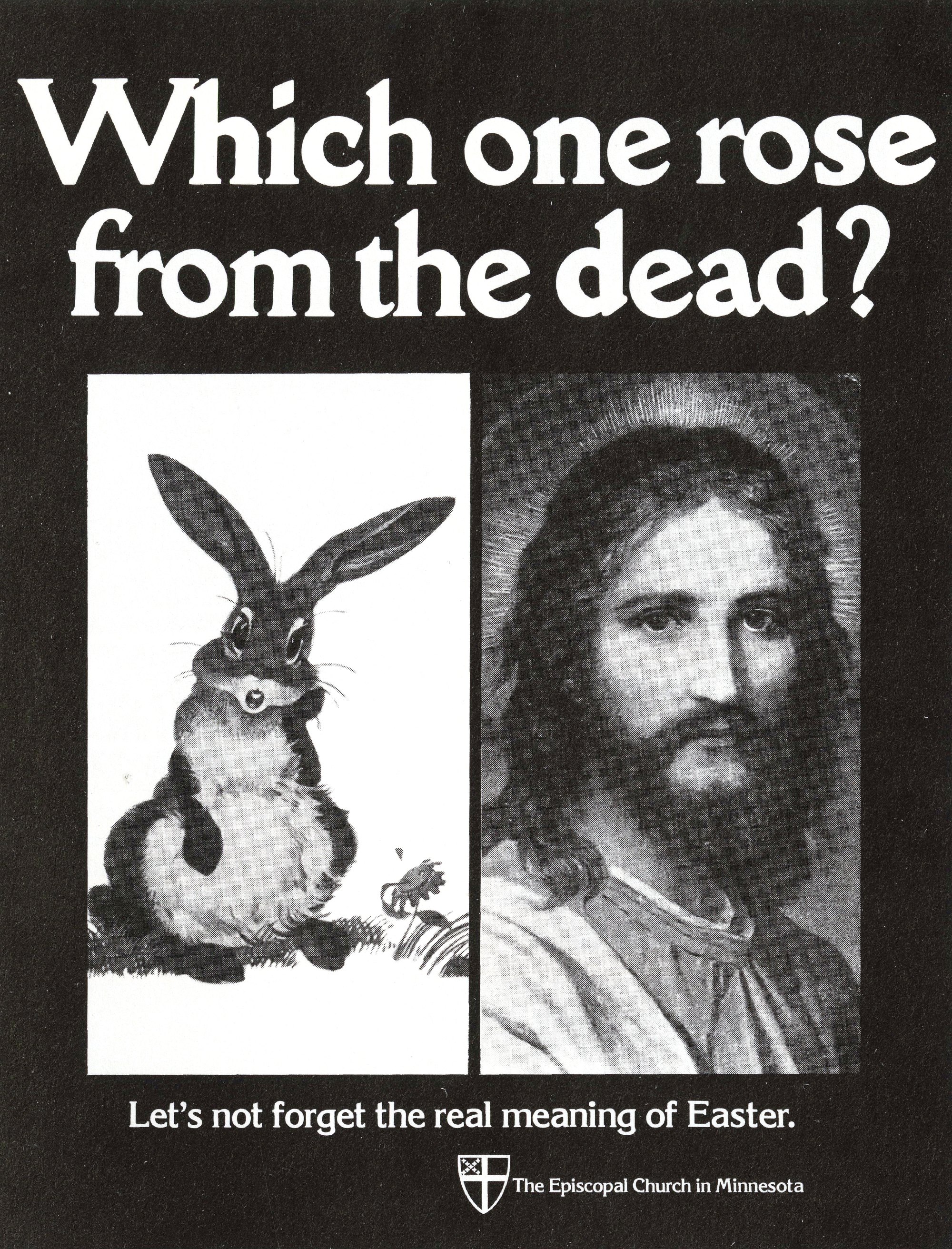
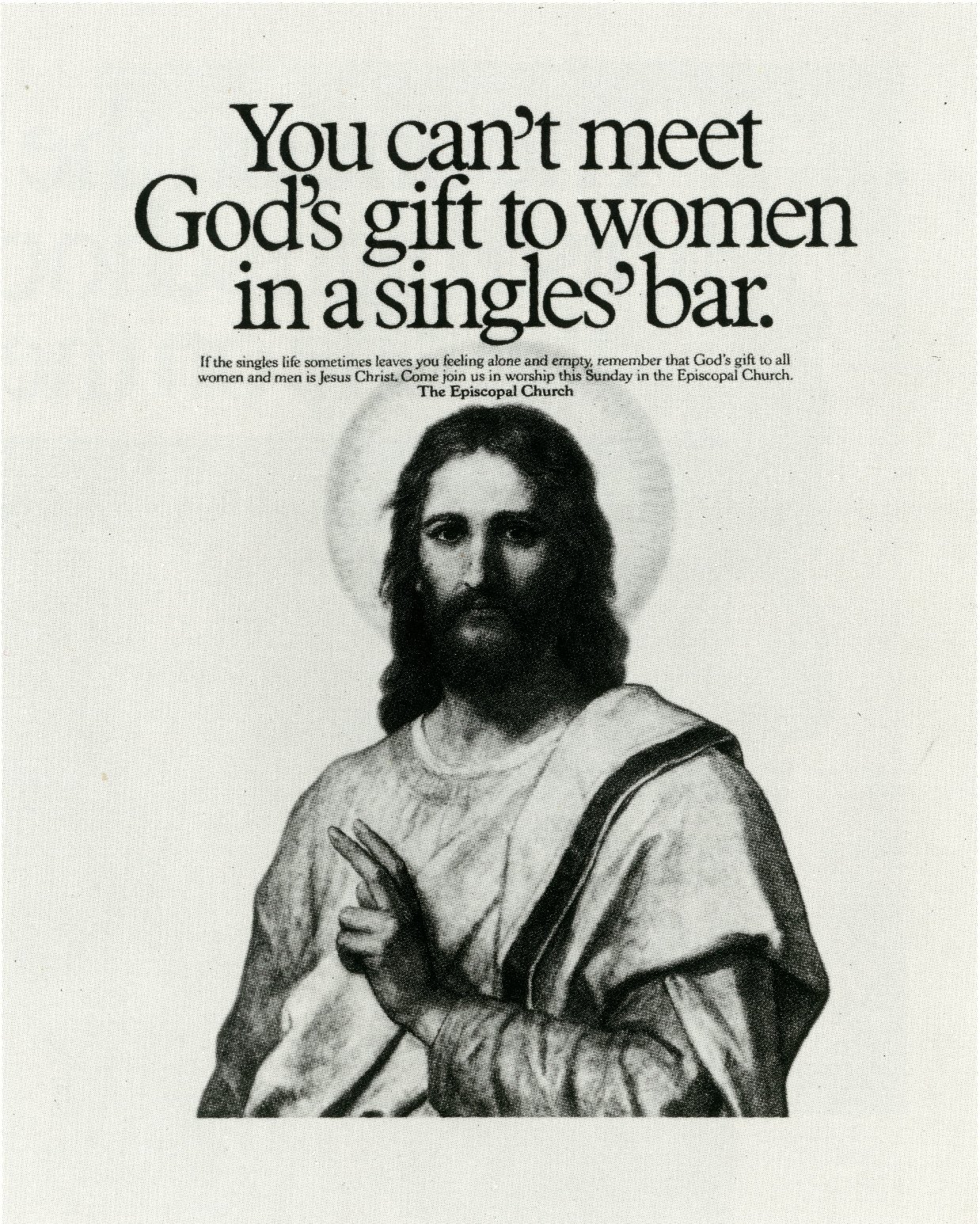
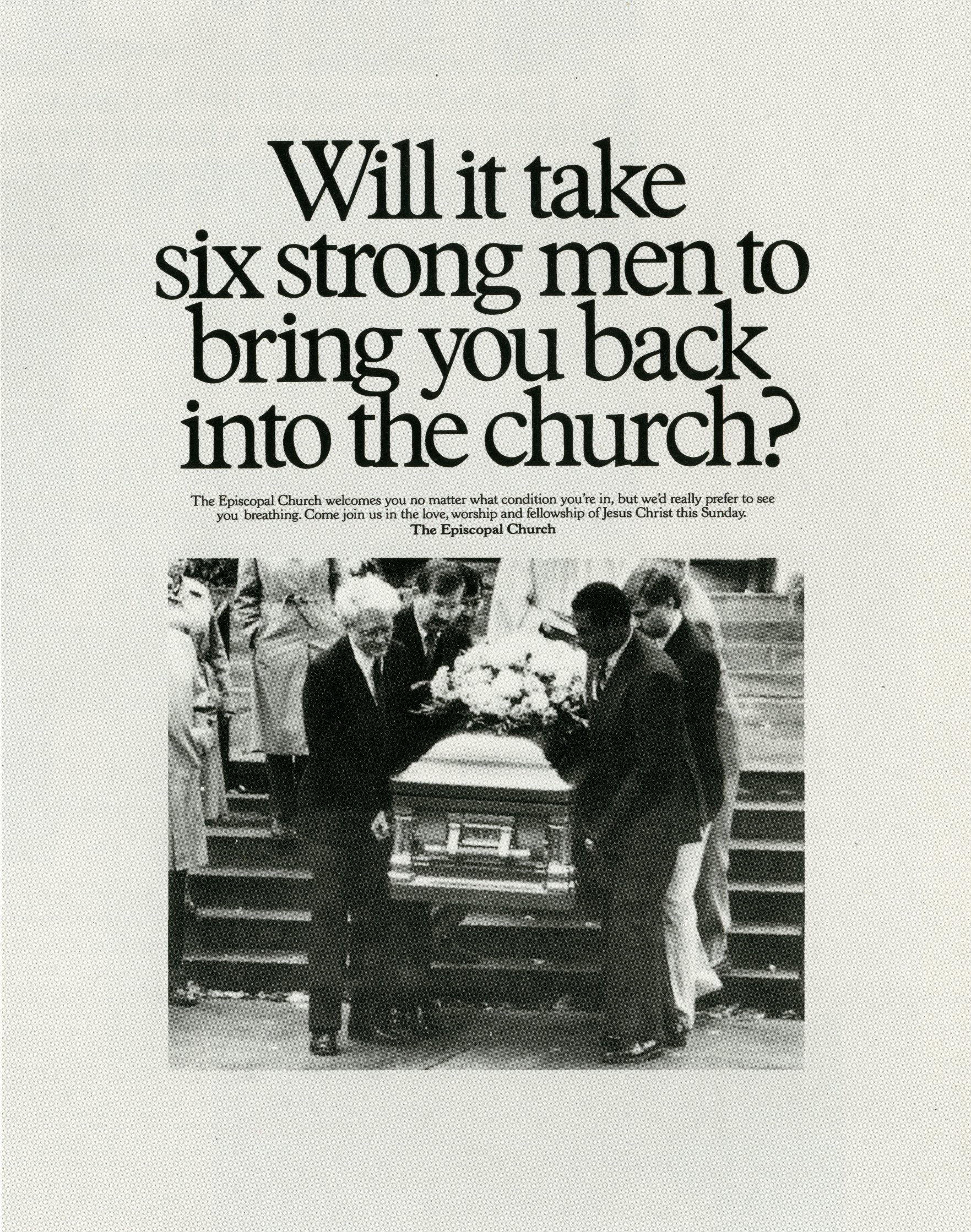
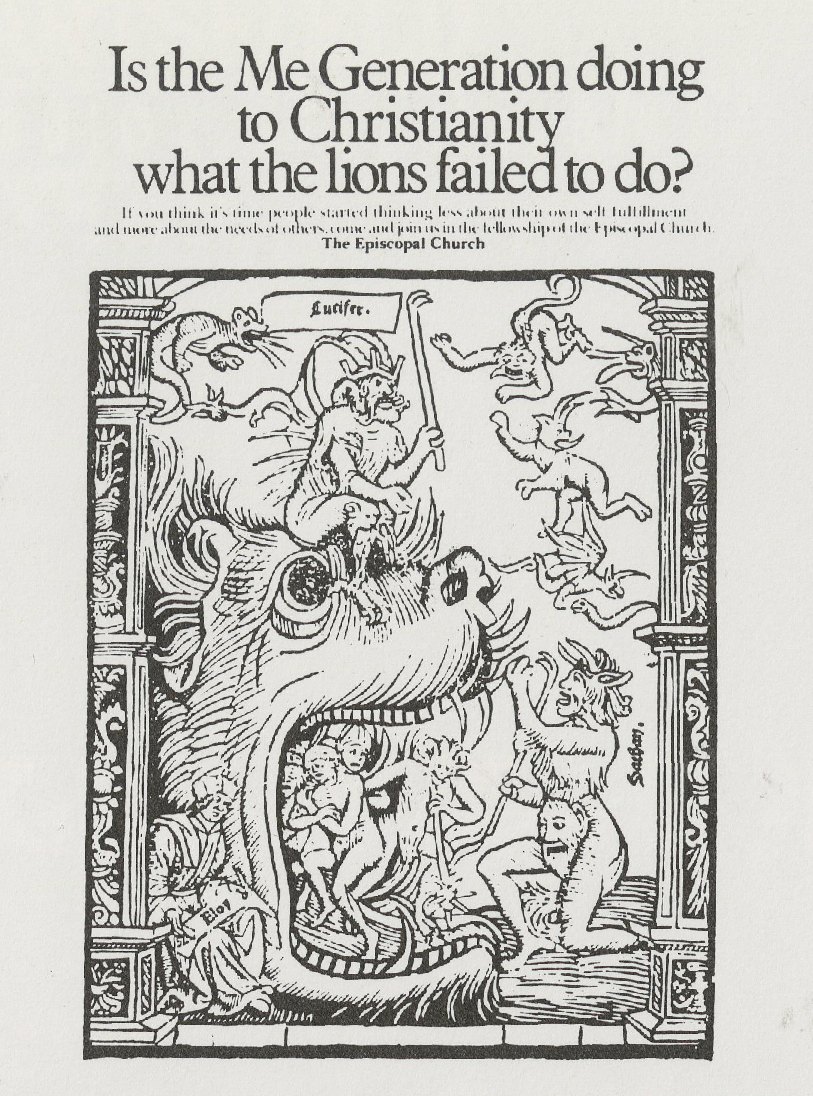
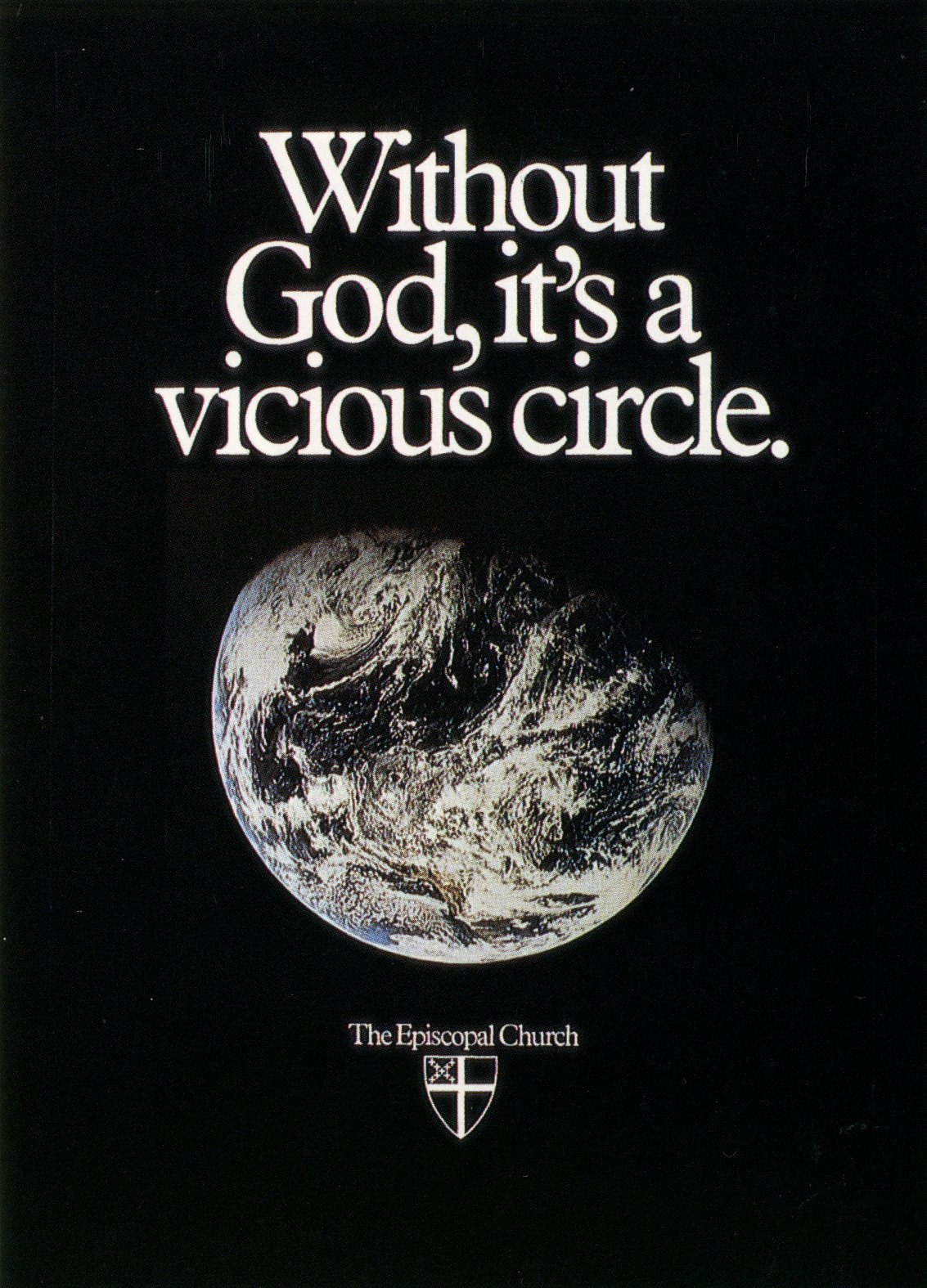
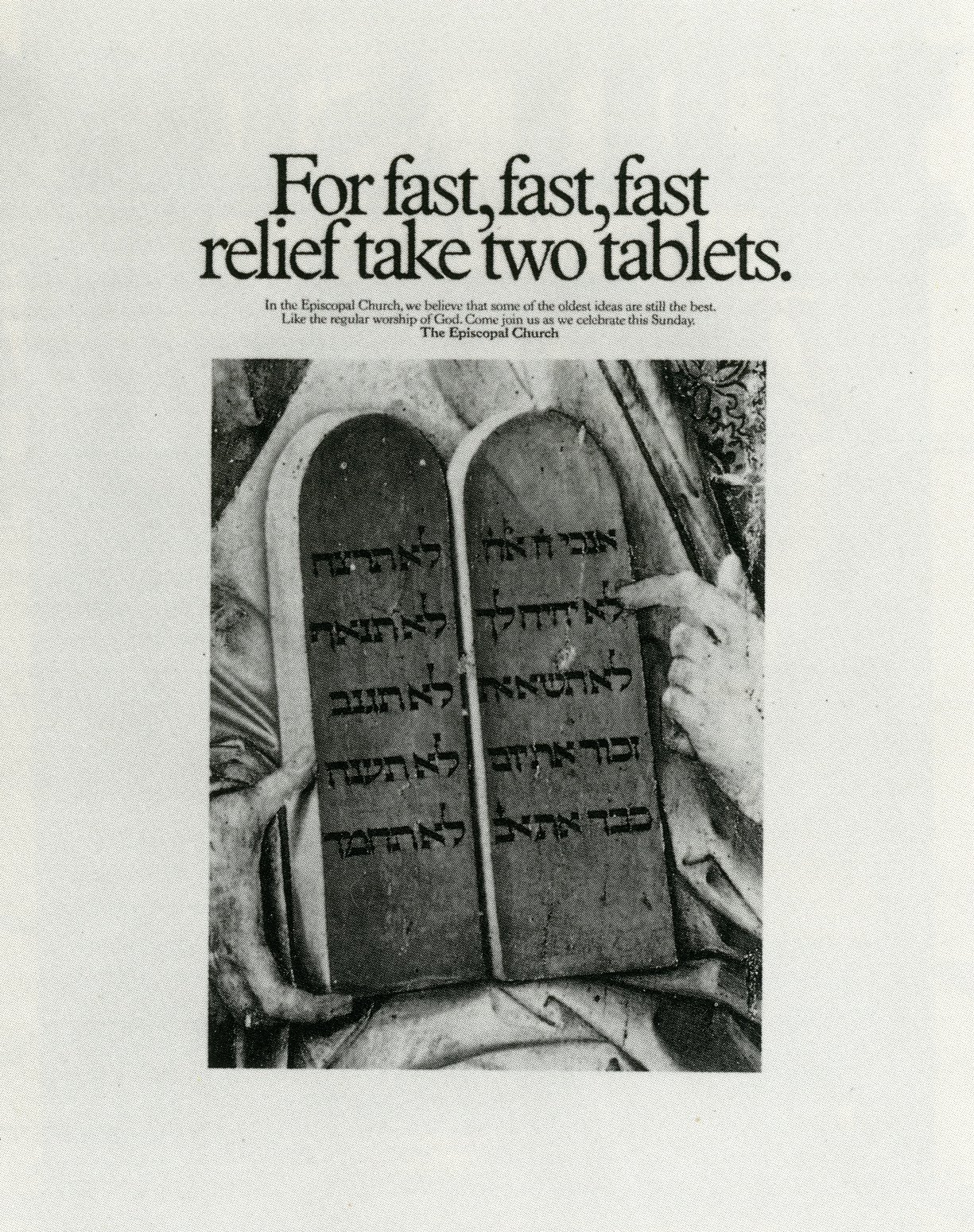
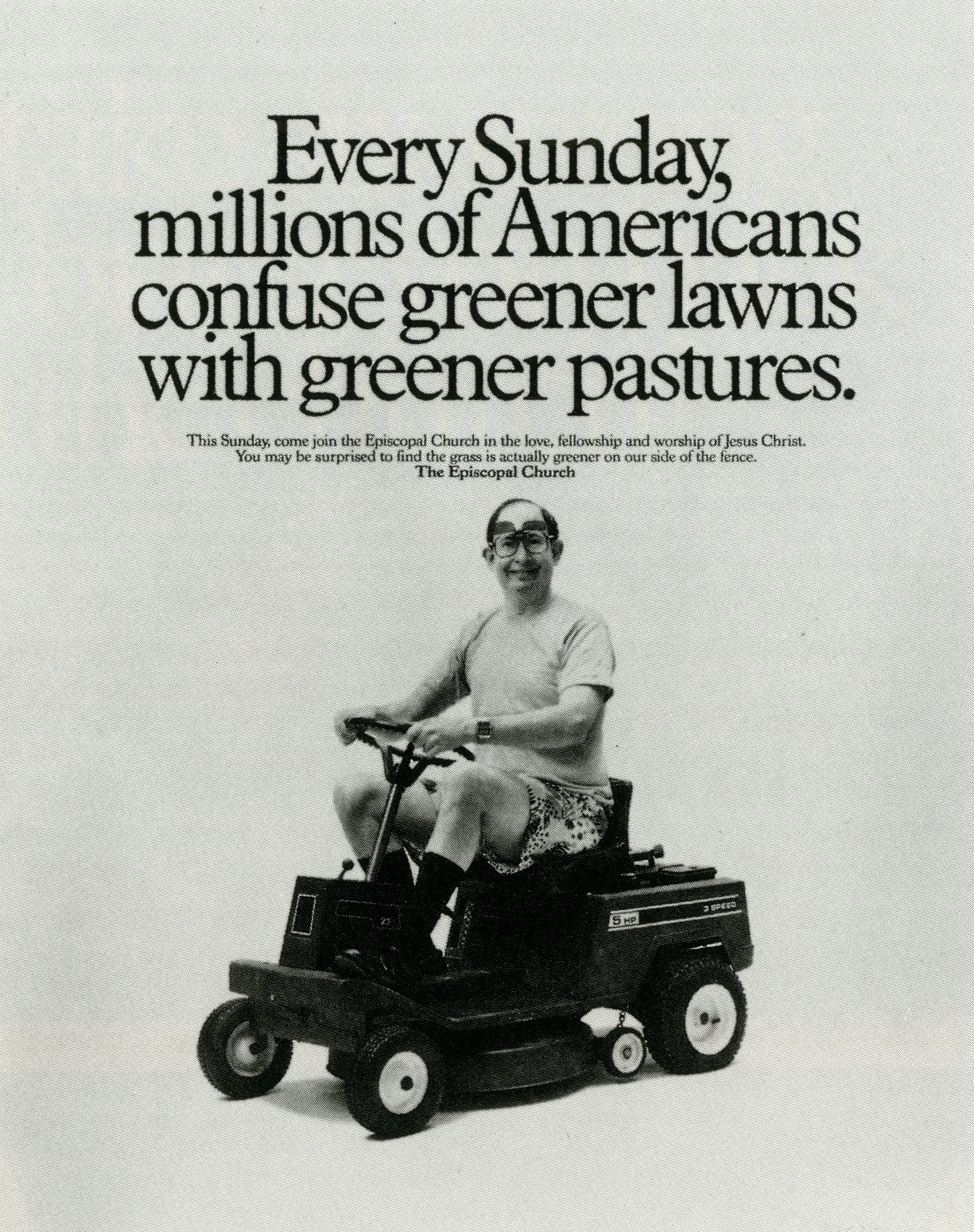
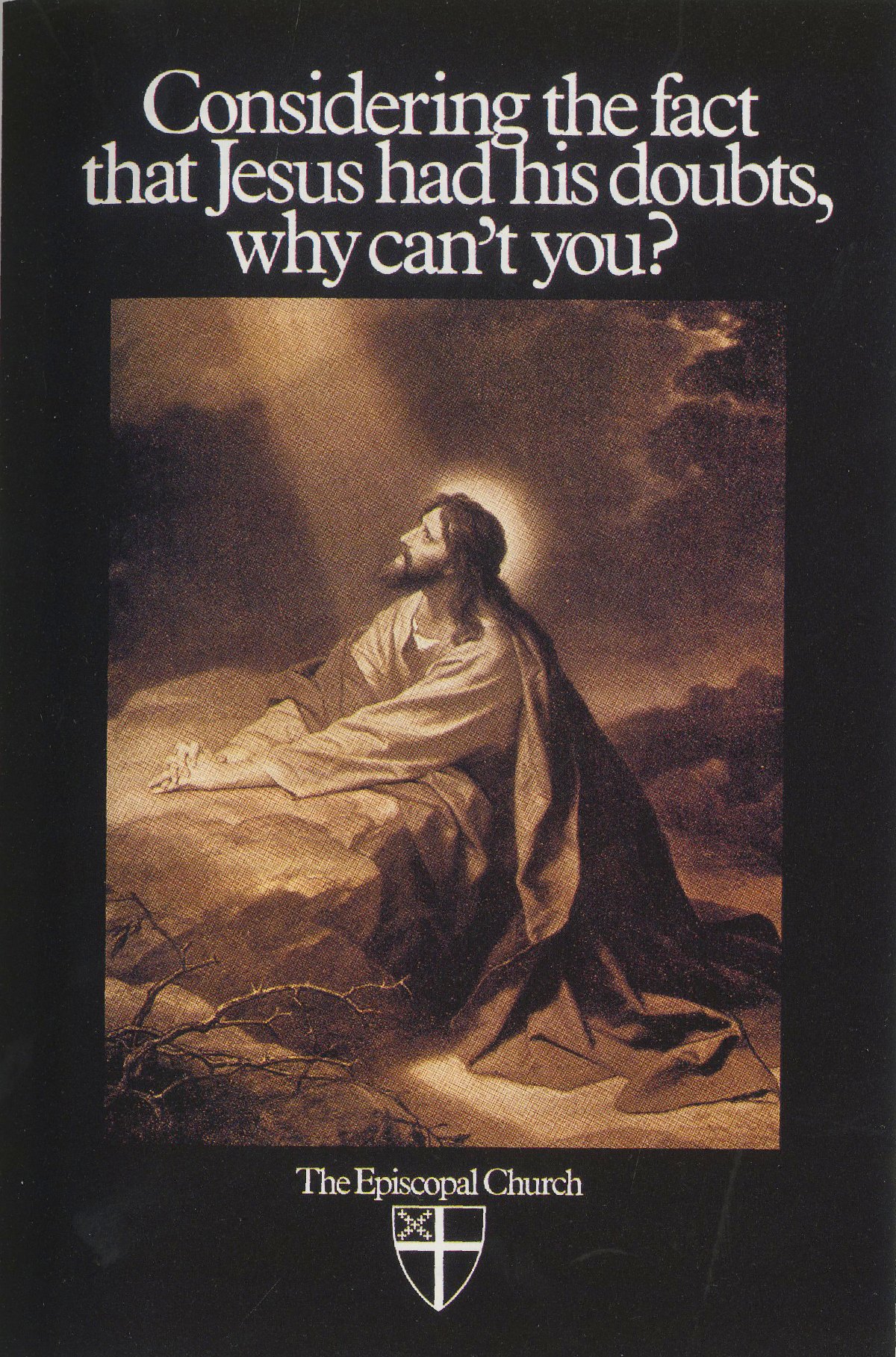
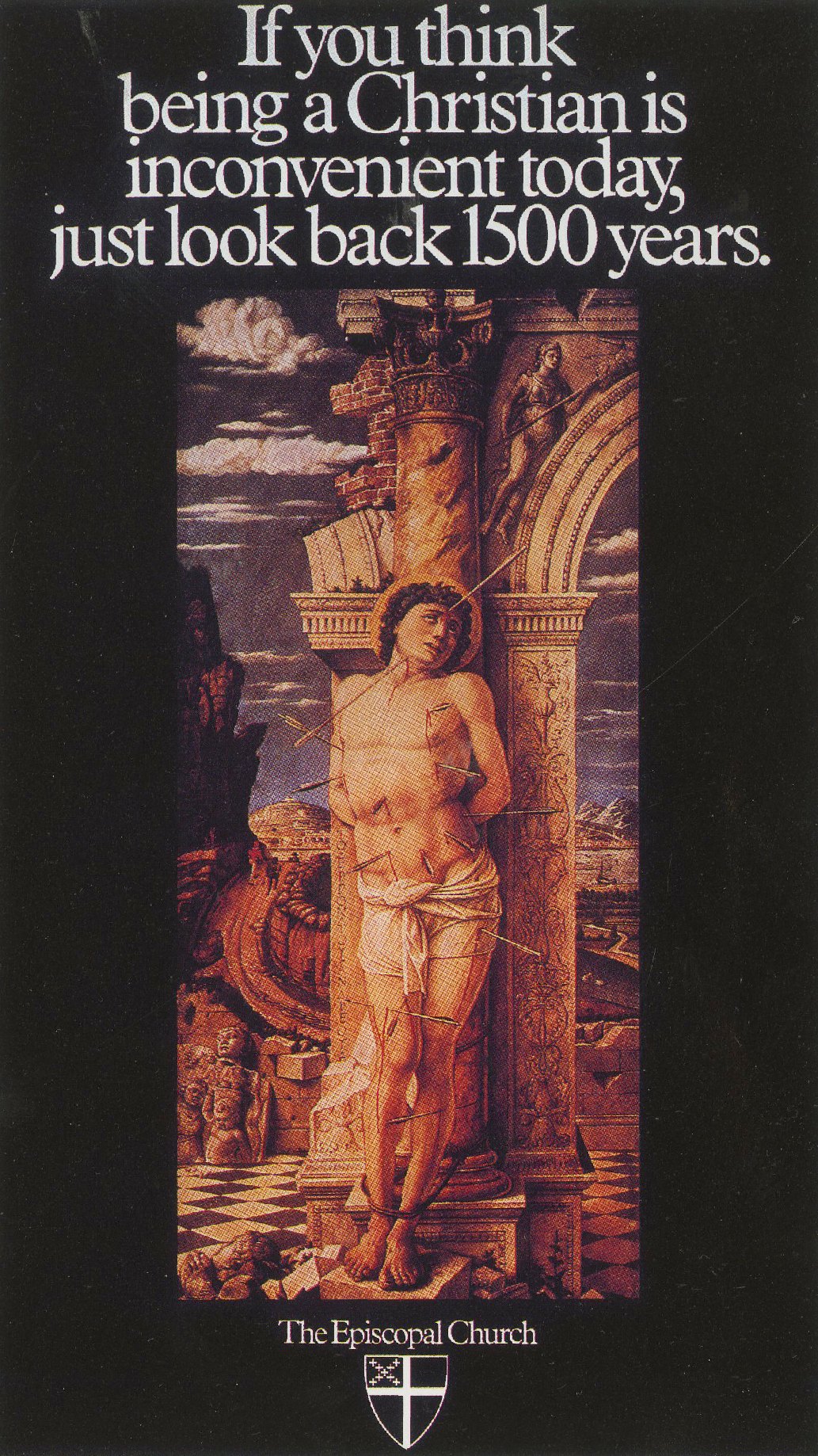
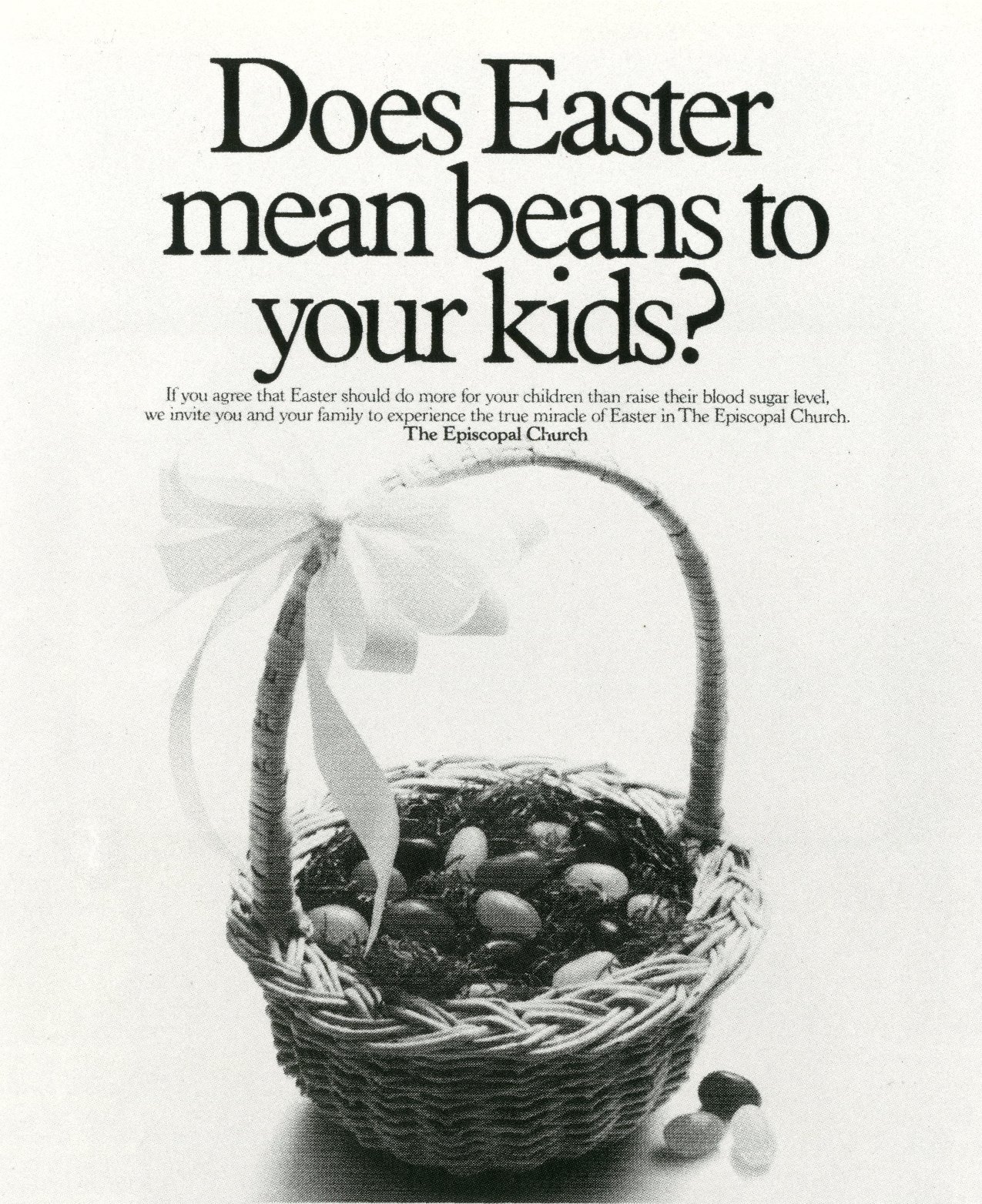
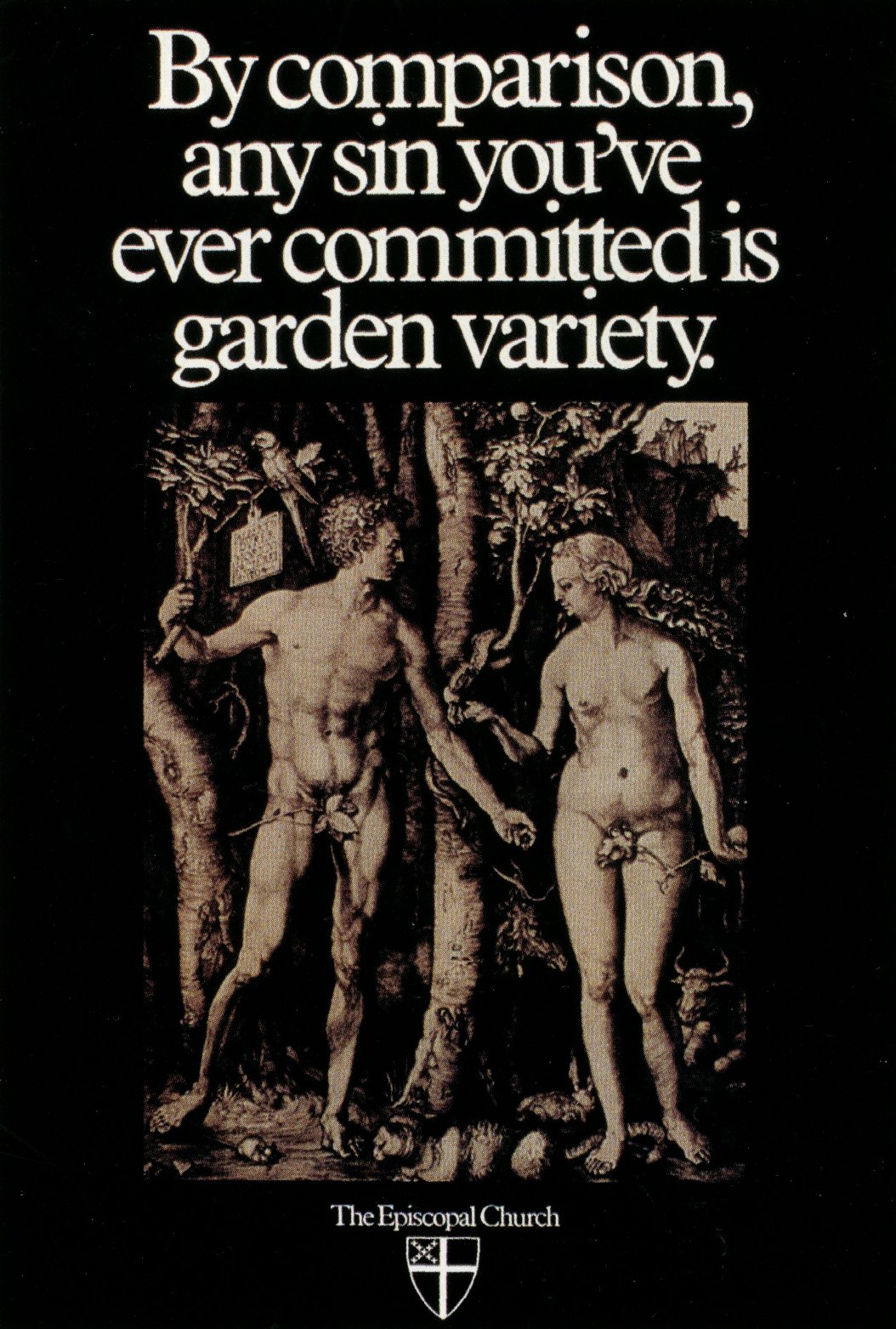
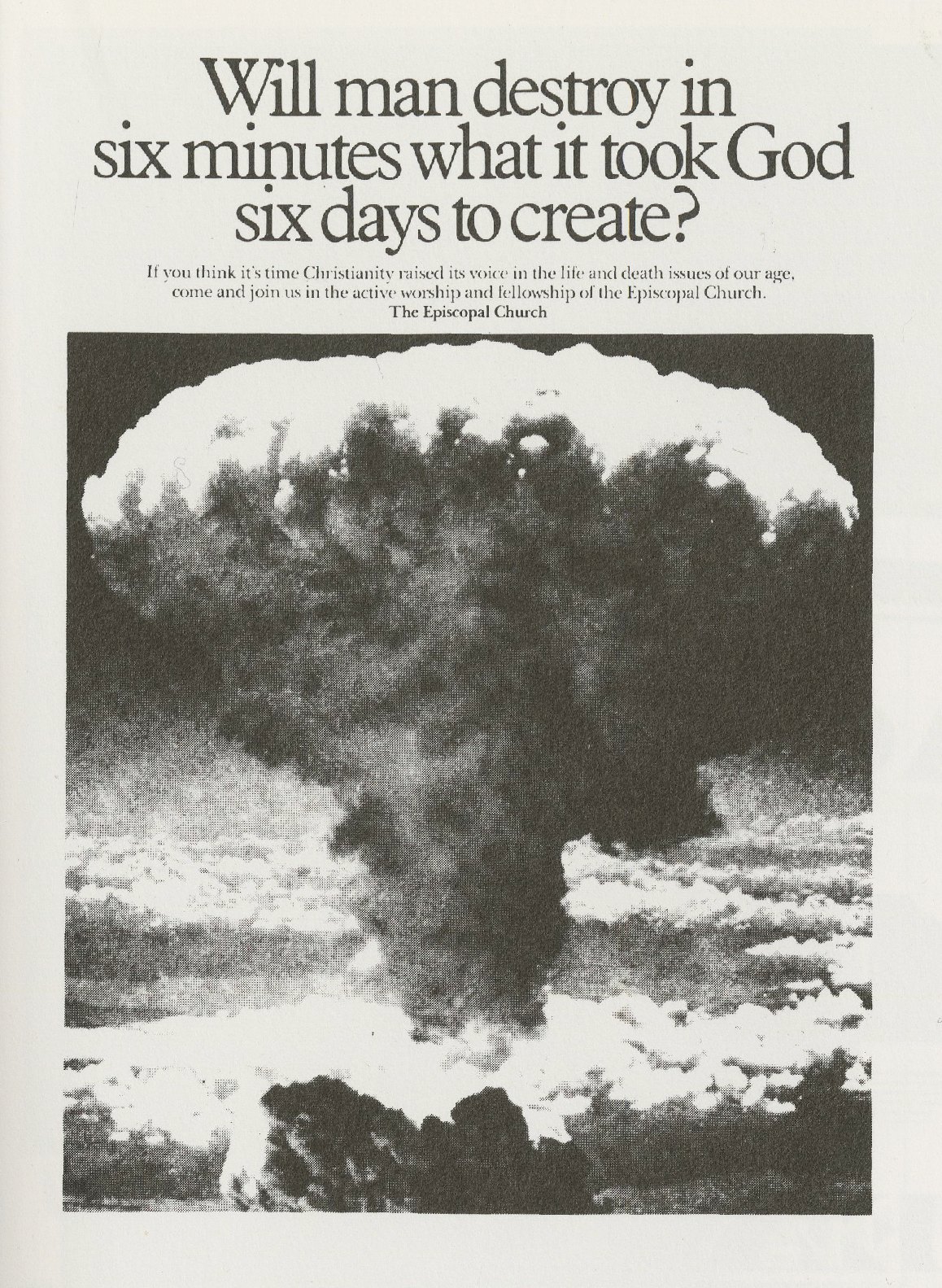
McElligott wrote the church the way he wrote for a bank or a phone company: one sharp headline, one image, a short reasoned paragraph. The ads took the church's own stories and history, from Daniel in the lions' den to Henry VIII, and turned them on the reader's assumptions. 'You can't meet God's gift to women in a singles' bar' ran under an image of Christ, and 'Whose birthday is it, anyway?' set Santa Claus beside Jesus. Parishes bought the finished ads and posters from the project and placed them in their own papers, and because the agency charged only expenses the prices stayed low. At the 1984 One Show, Fallon McElligott Rice won six golds, more than any other agency, and the Episcopal Ad Project took the gold for a public-service magazine or newspaper campaign. Martin later said the ads brought 'a steady, small stream of people', never an avalanche.
The work.
Same shape of problem.
A priest's son wrote the church's ads the way he wrote a phone company's, and sold them to parishes at cost.
Back to the archive →