Chivas Regal · Doyle Dane Bernbach
The Chivas Regal Print Campaign
Two decades of magazine pages that treated the reader as someone who already knew Chivas Regal was the best, until the market agreed.
The era.
In the early 1960s many Americans had more money to spend than ever before, and many wanted it to show. The bottle on the bar cart said something about the person who bought it. Imported Scotch was one of the ways to say it.
Madison Avenue was changing at the same time. Doyle Dane Bernbach, founded in 1949, had shown with Volkswagen, from 1959, that an ad could be honest, funny and short, and still sell. Clients who wanted to look clever began to come to its door.
Magazines were the natural home for this kind of work. The New Yorker, Esquire and Time reached exactly the readers a premium Scotch wanted, and a full page could hold a single picture and a single line long enough for a reader to stop and smile.
The culture.
The Scotch market was moving toward lighter whiskies. Cutty Sark and J&B Rare, pale and light in taste, were taking share through the 1960s. A rich, older blend risked looking like something your father drank.
The readers Chivas Regal wanted were the readers of The New Yorker and Esquire: educated, well paid and used to clever writing. A boast would fall flat with them. A shared joke would not.
Seagram, run by the Bronfman family, sat at the heart of the American drinks trade. The company had bought Chivas Brothers in Scotland in 1949, and Sam Bronfman and his son Edgar wanted Chivas Regal to be the whisky a successful man would choose.
The problem.
An expensive Scotch that people did not yet think of as the best, in a market drifting toward lighter rivals.
When Doyle Dane Bernbach took the account, Chivas Regal was neither seen as a premium brand nor the leader of its category, according to Dave Dye's history of the campaign. Lighter Scotches such as Cutty Sark and J&B were gaining. Chivas cost more than most of its rivals, and a high price without a reason looks like vanity.
The brand also faced the problem every long campaign meets. Later in the run, art director Charlie Piccirillo recalled that the company's research showed falling sales, lower readership of the ads and an image that had grown old-fashioned.
Bernbach met Sam Bronfman, admitted he would never know the whisky business as well as Bronfman did, and won the account after a short exchange. Each year the agency took its best ideas to the Seagram Building, where Edgar Bronfman picked about twelve to run, plus one Christmas ad.
The solution.
Never claim to be the best; write every ad as if the reader already knows.
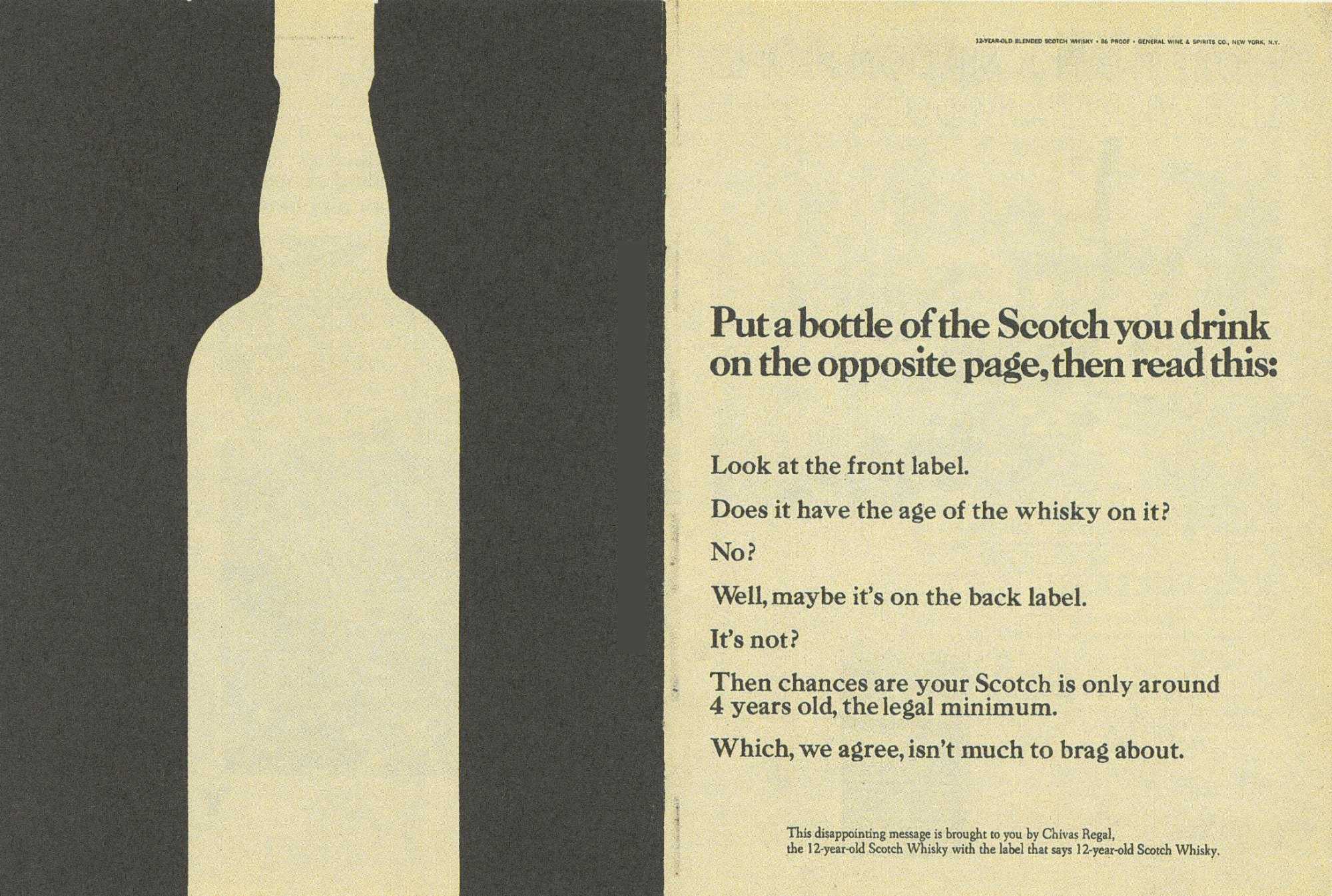
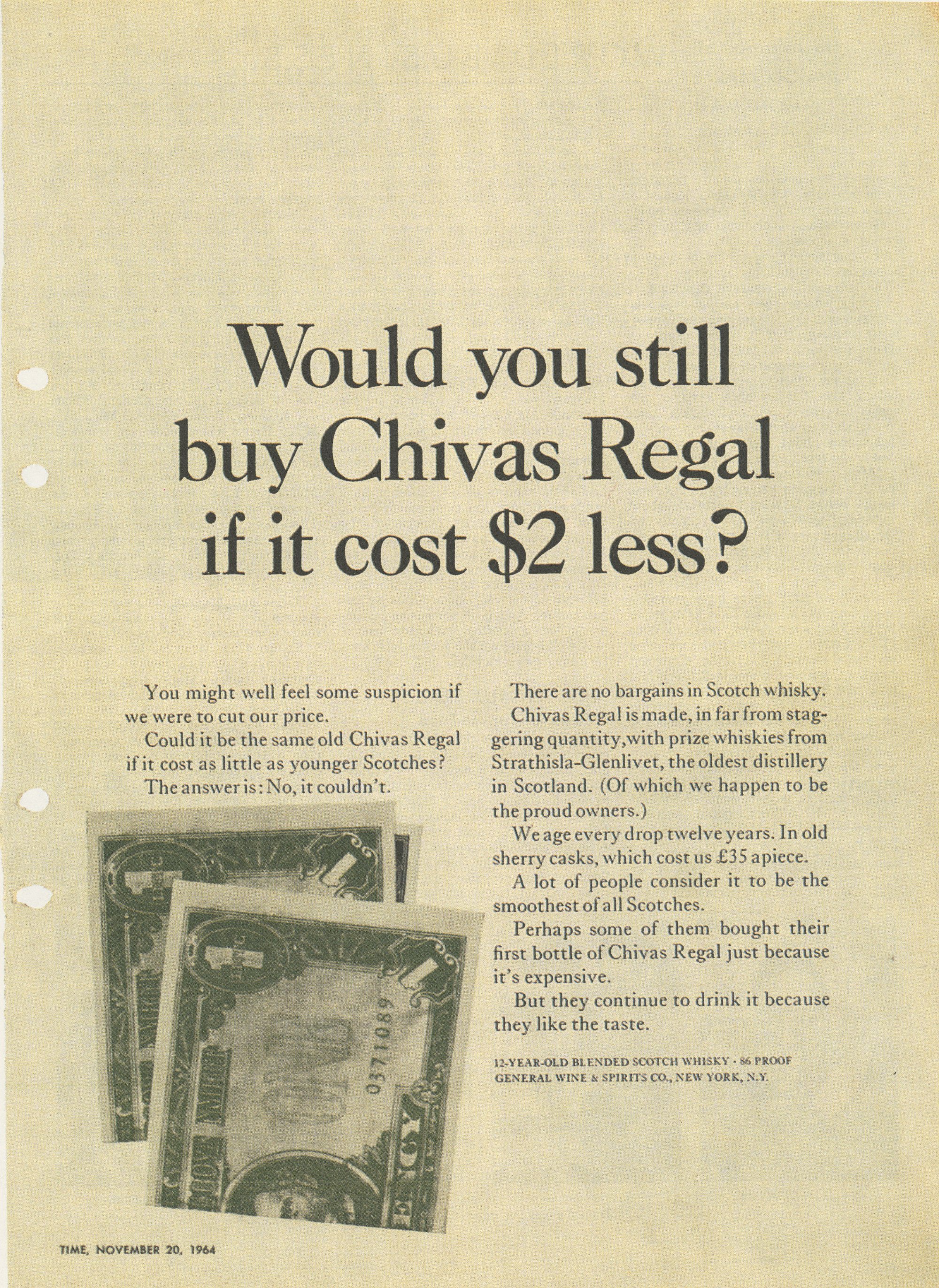
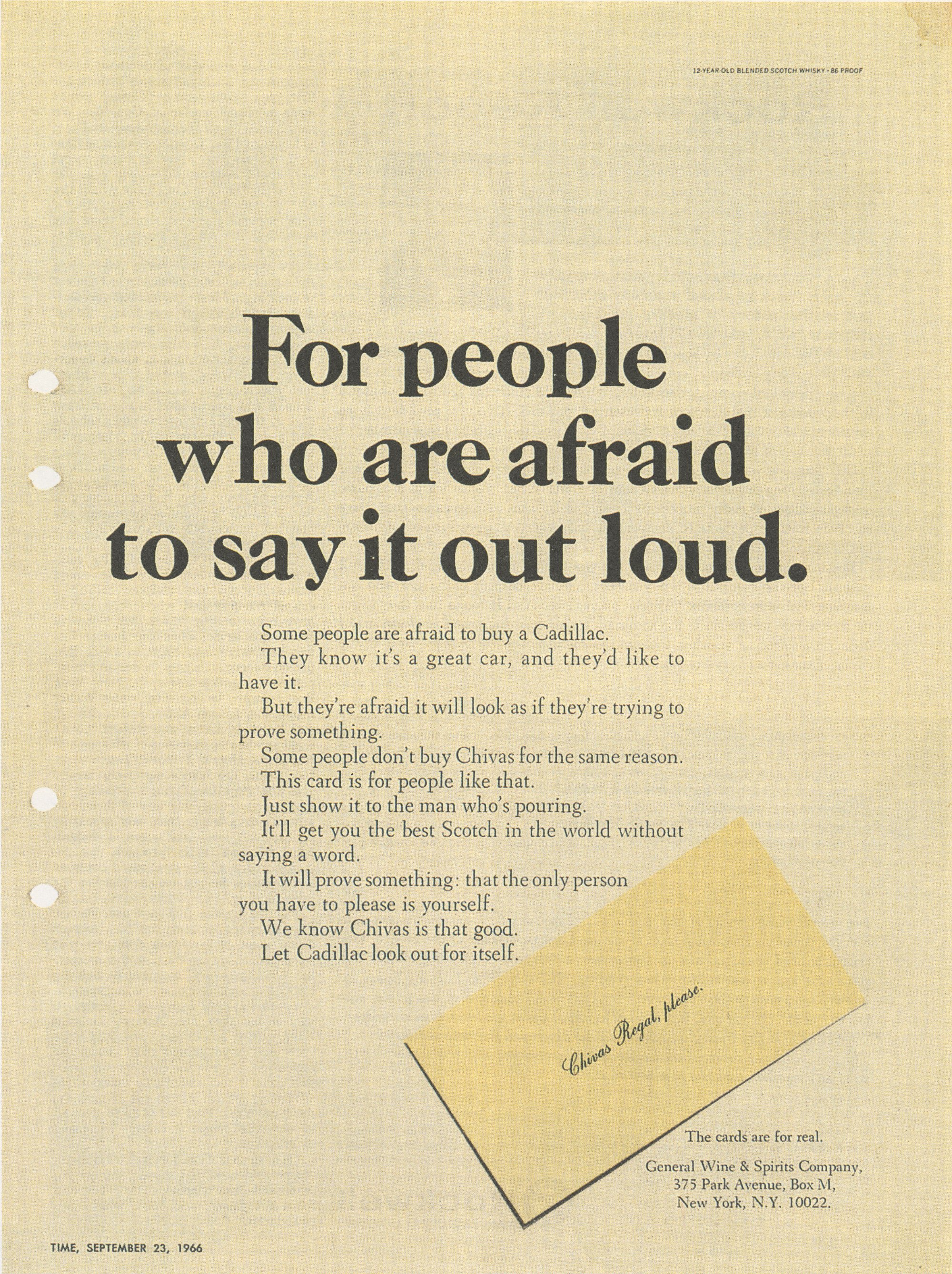
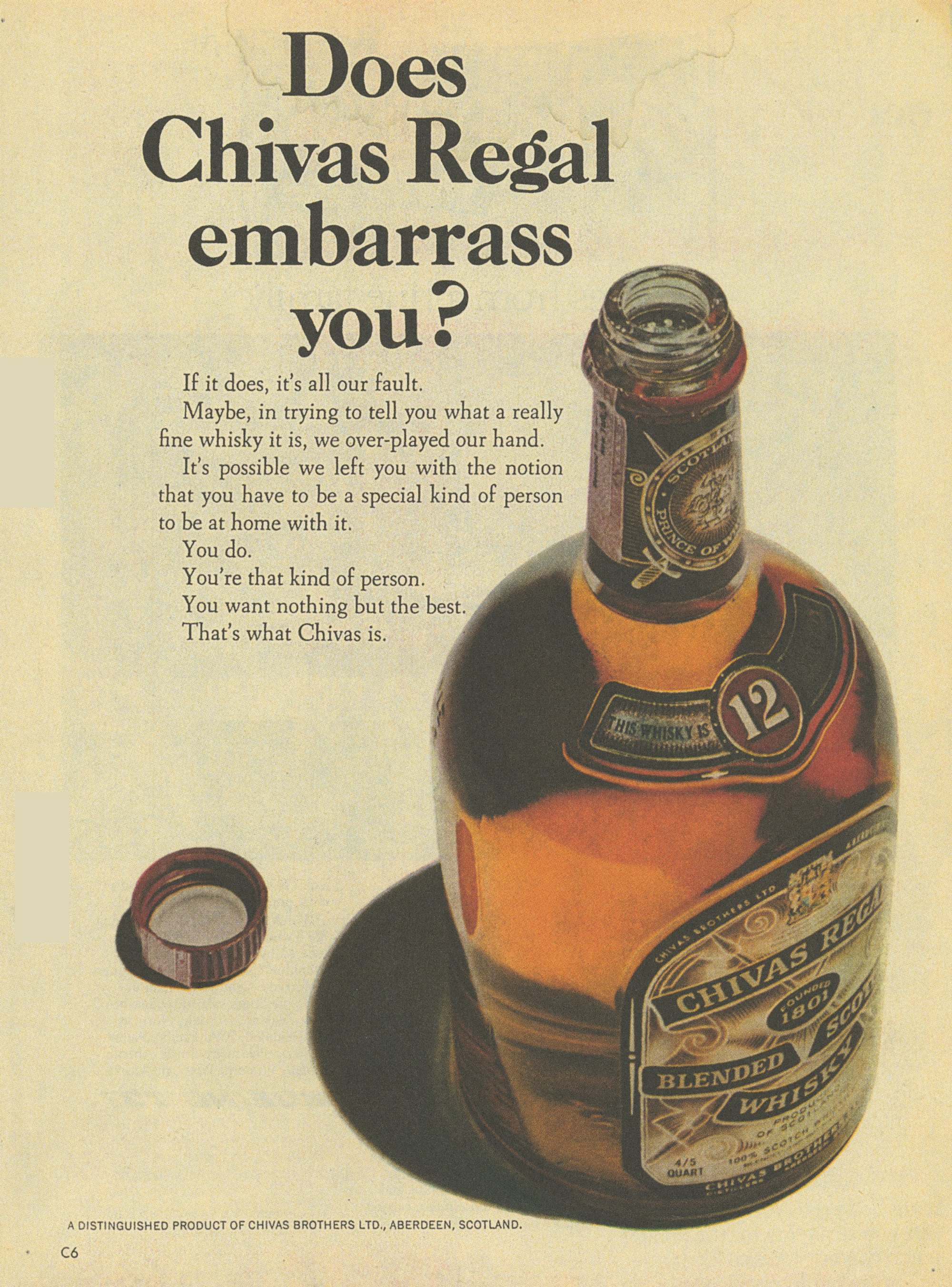
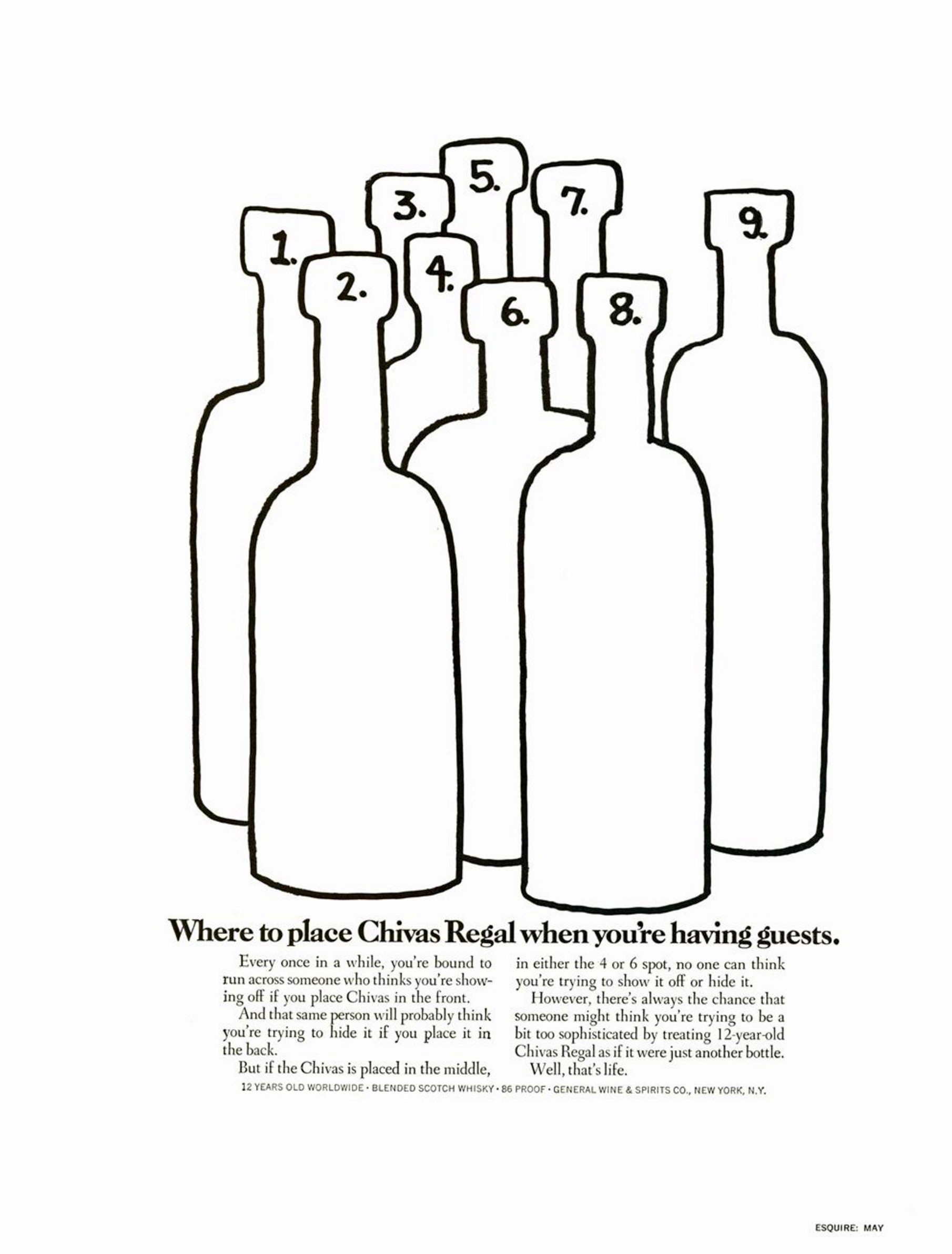
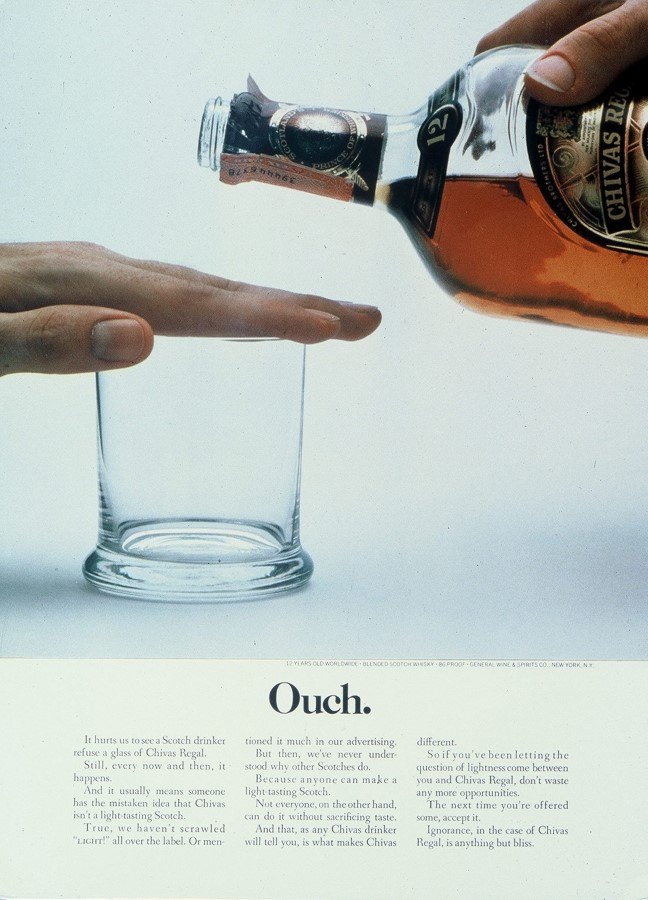
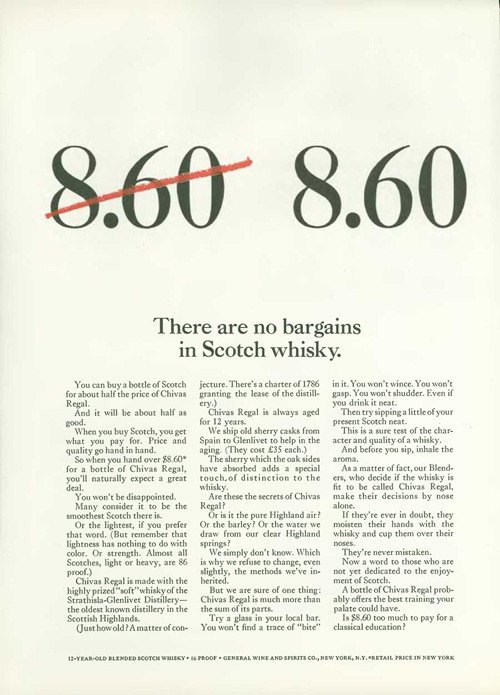
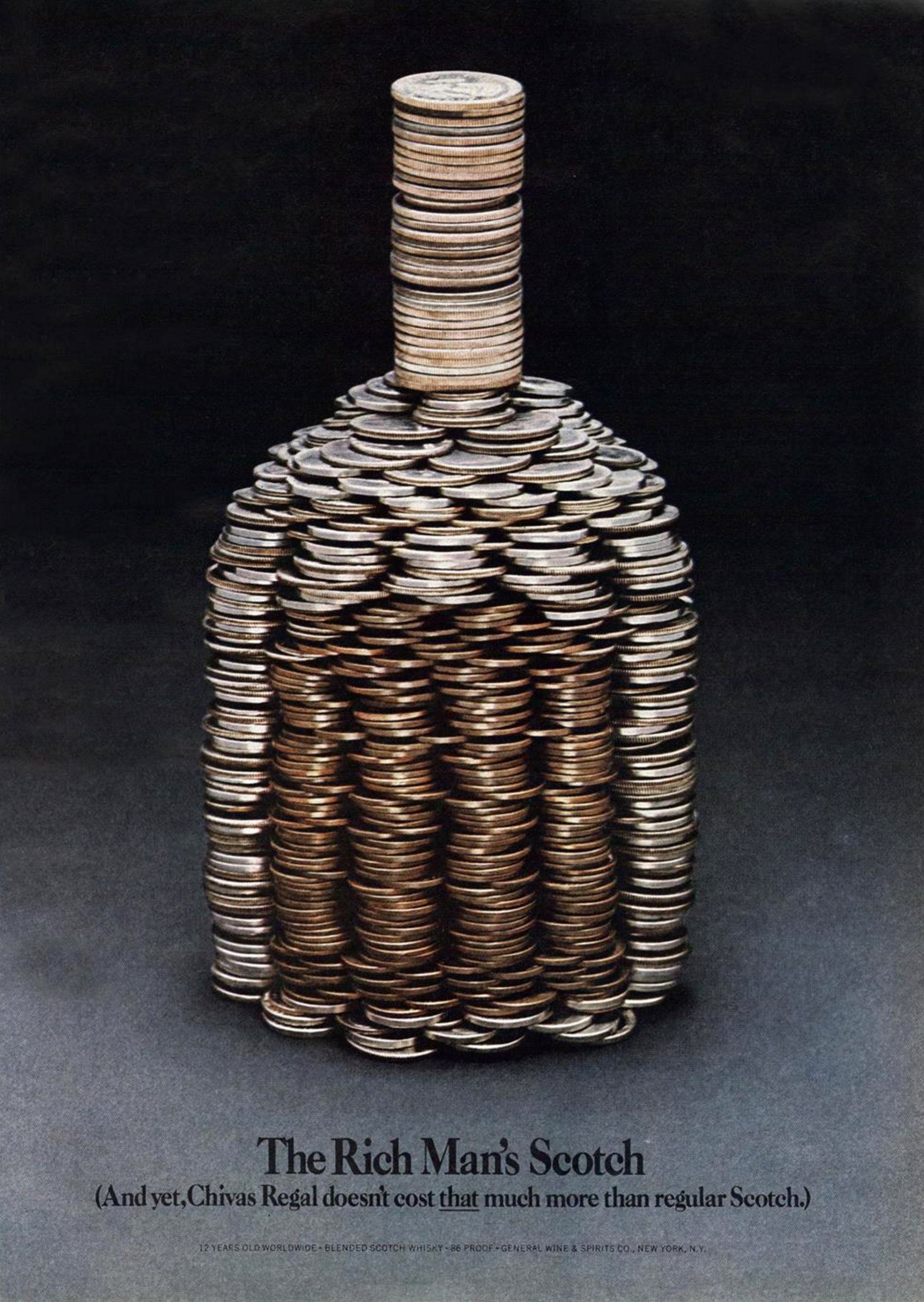
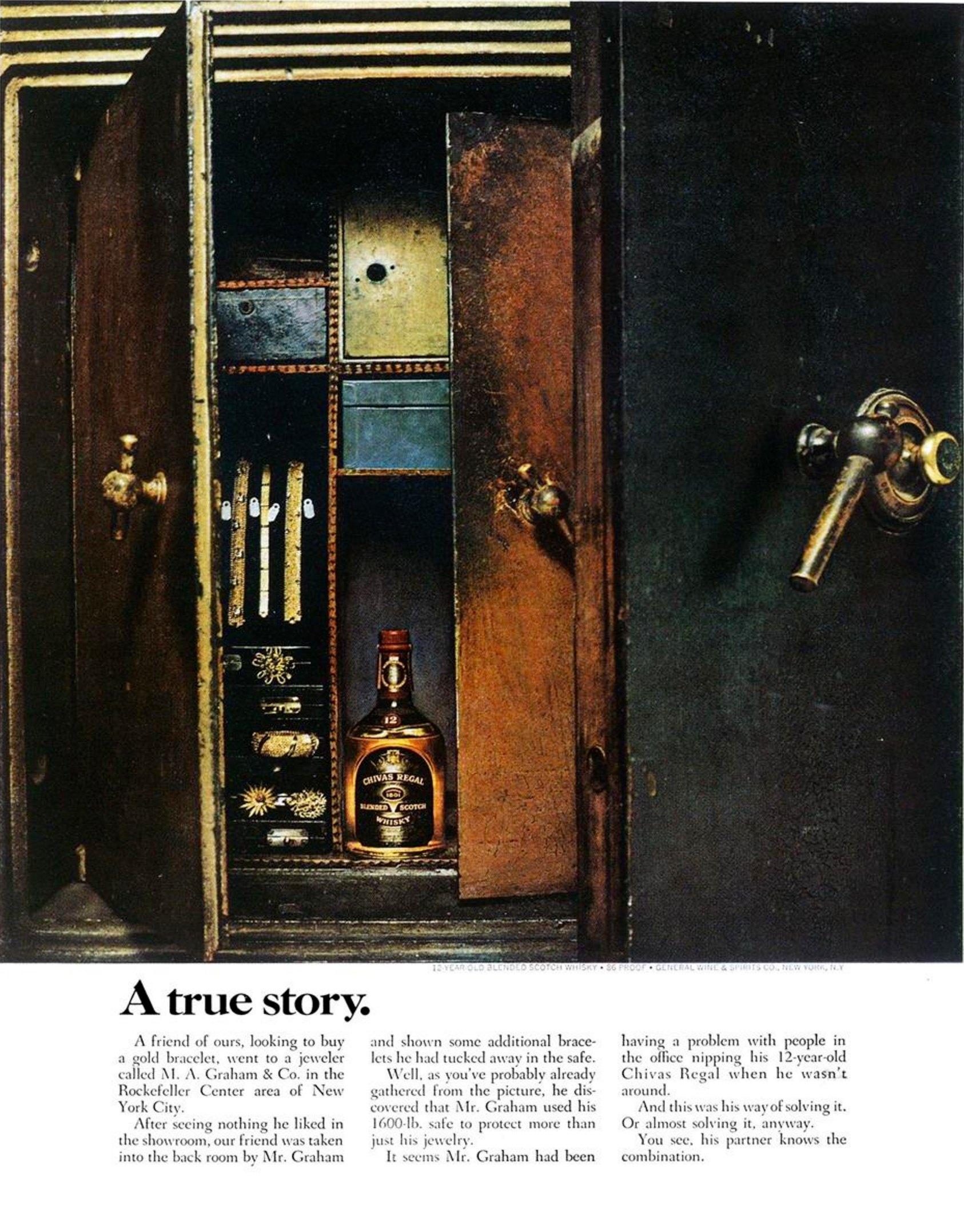
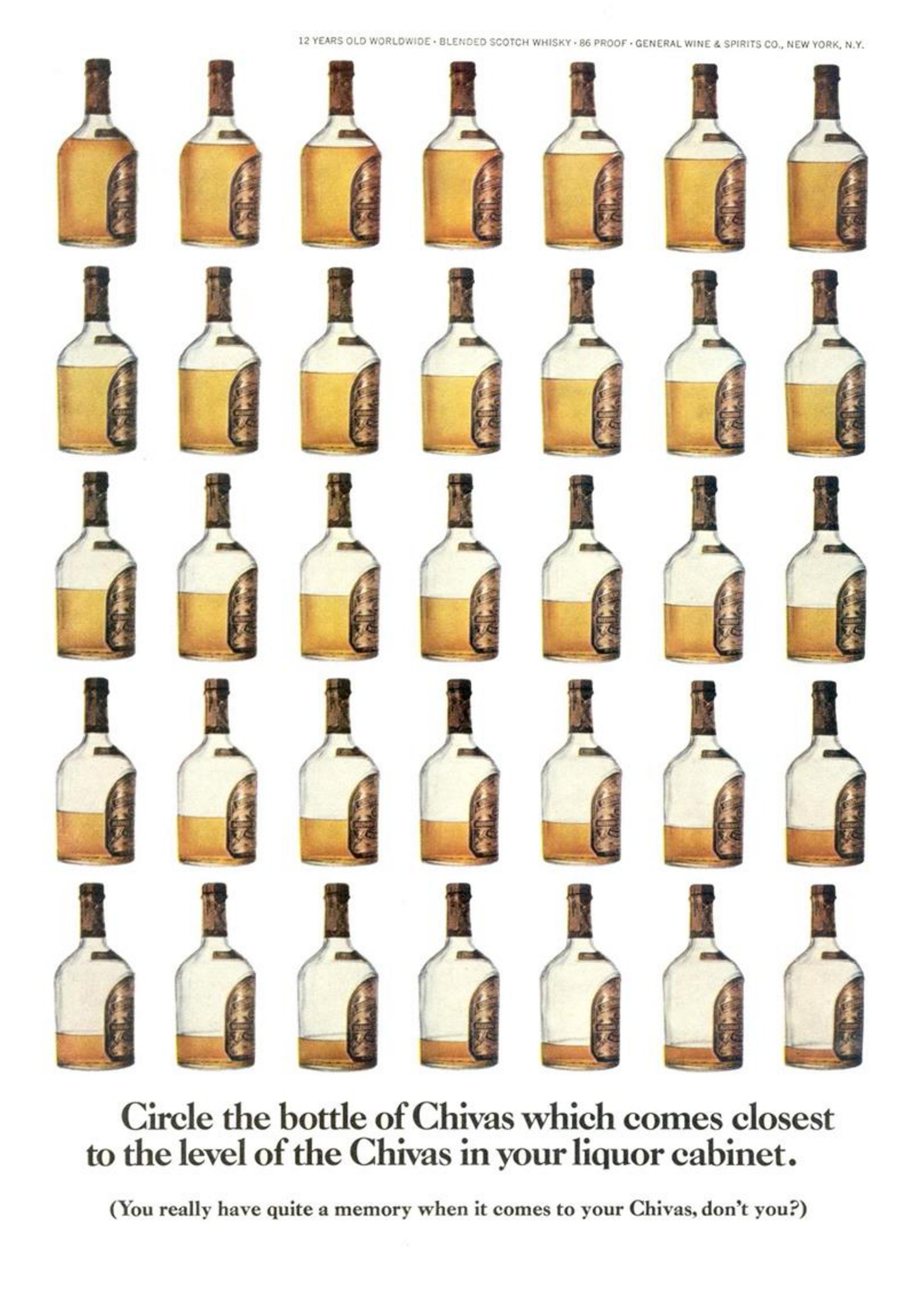
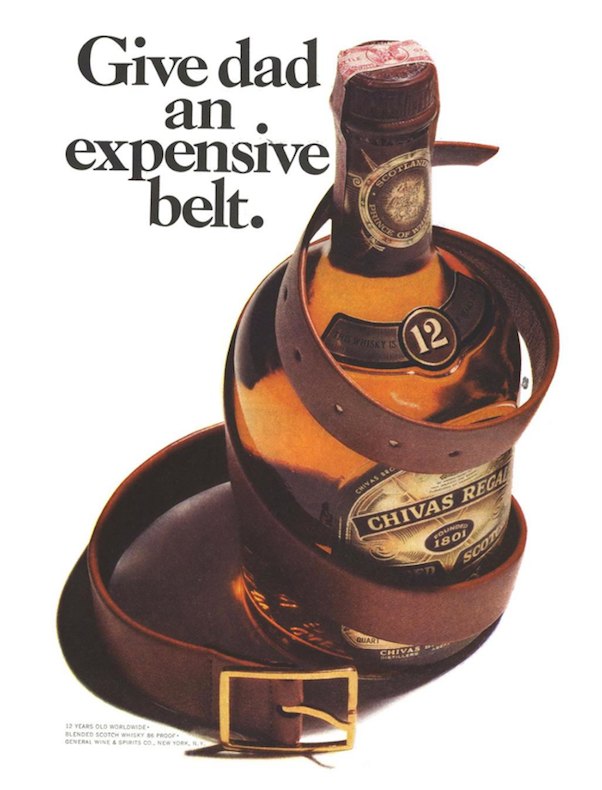
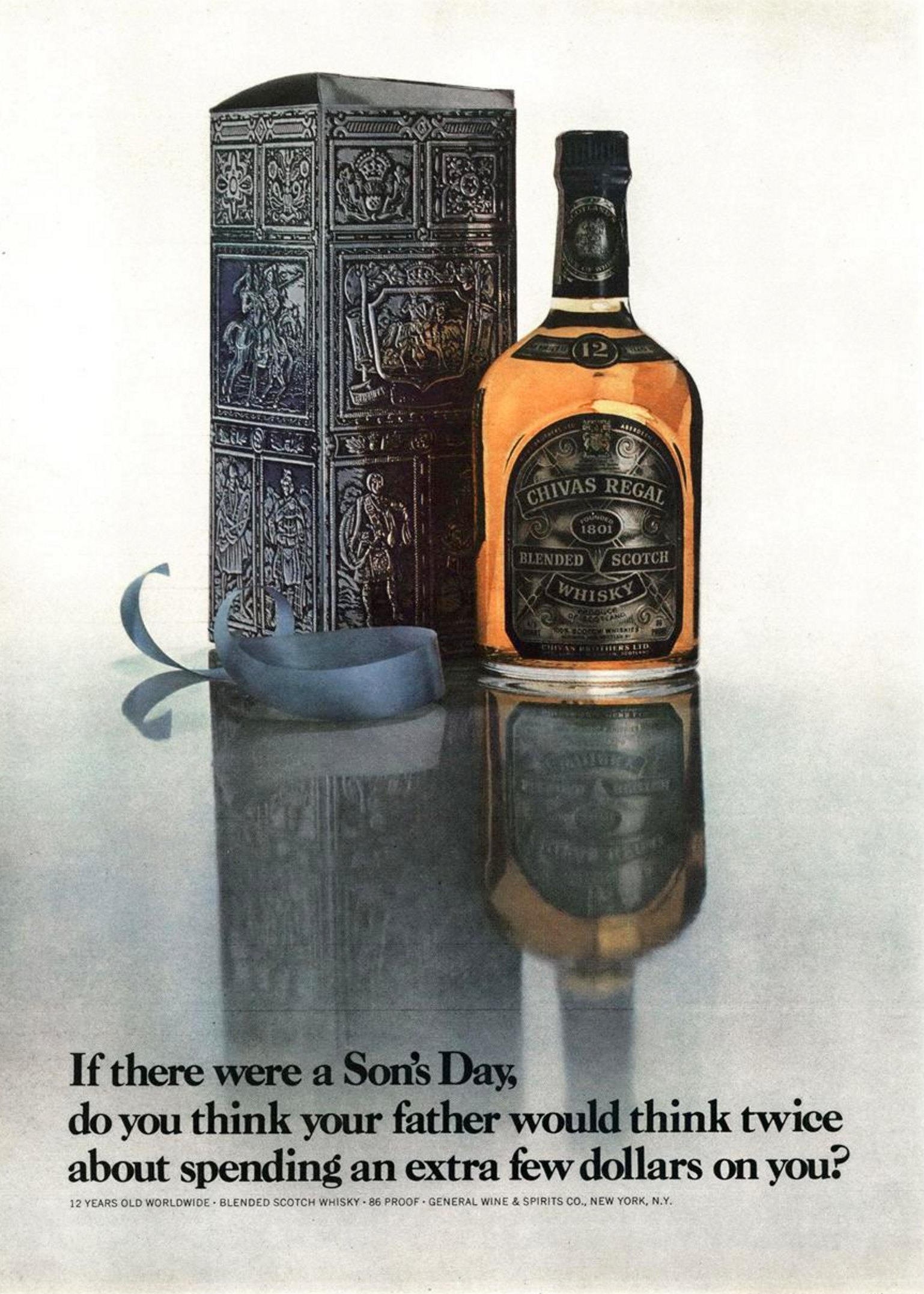
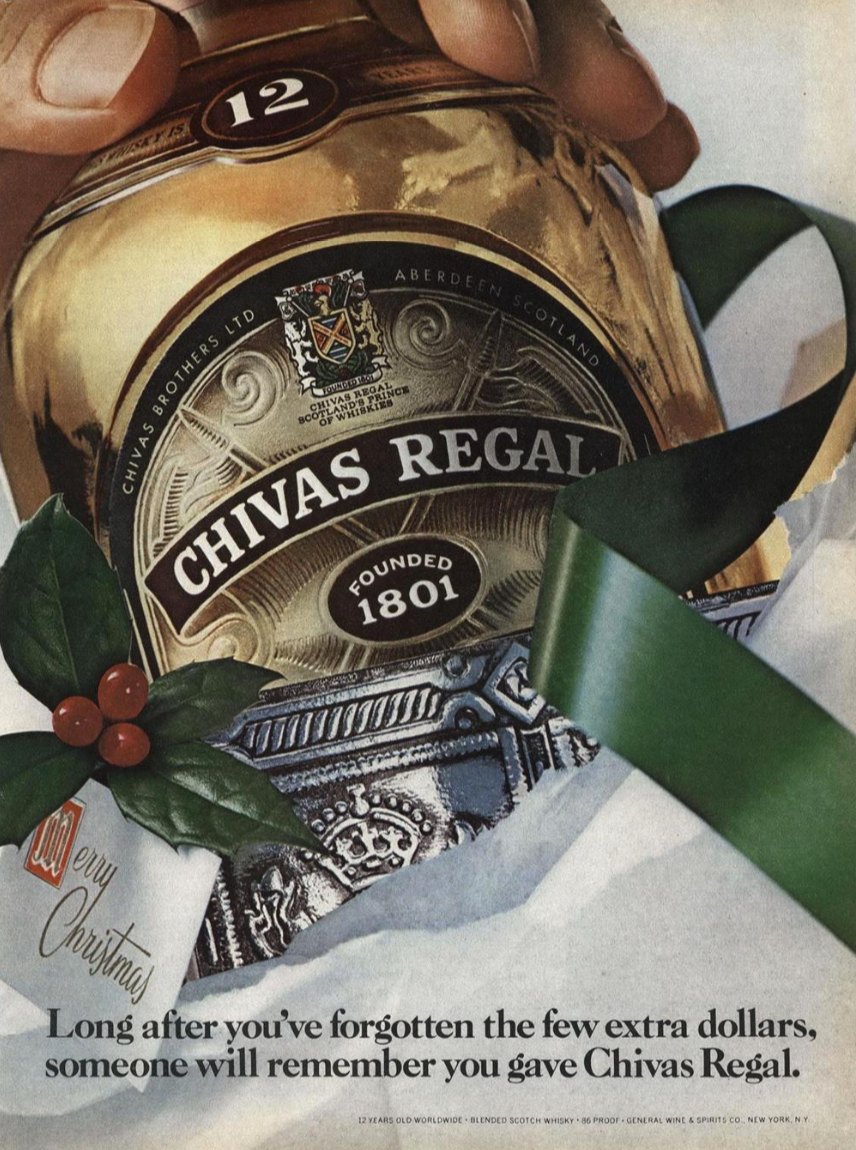
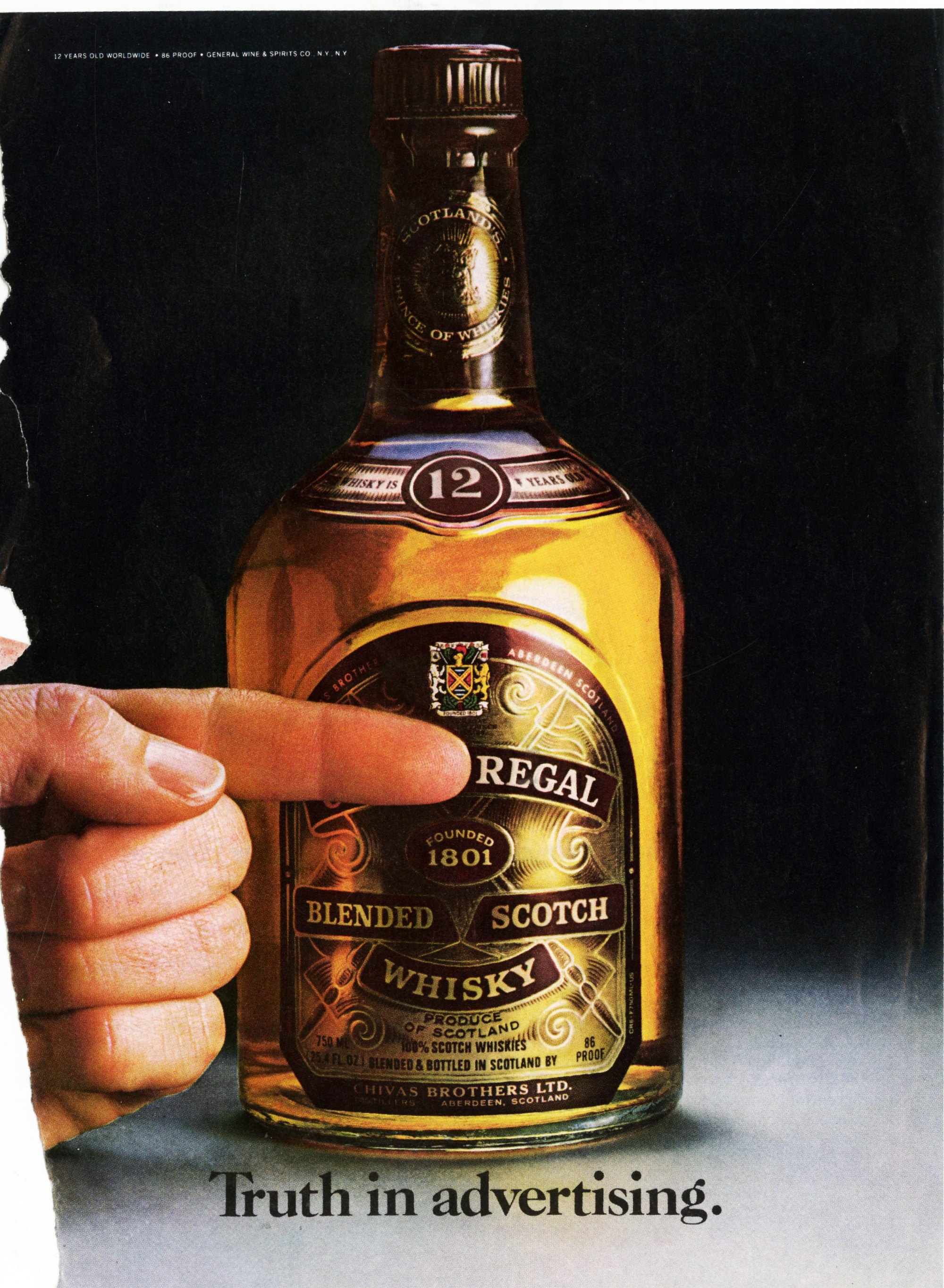
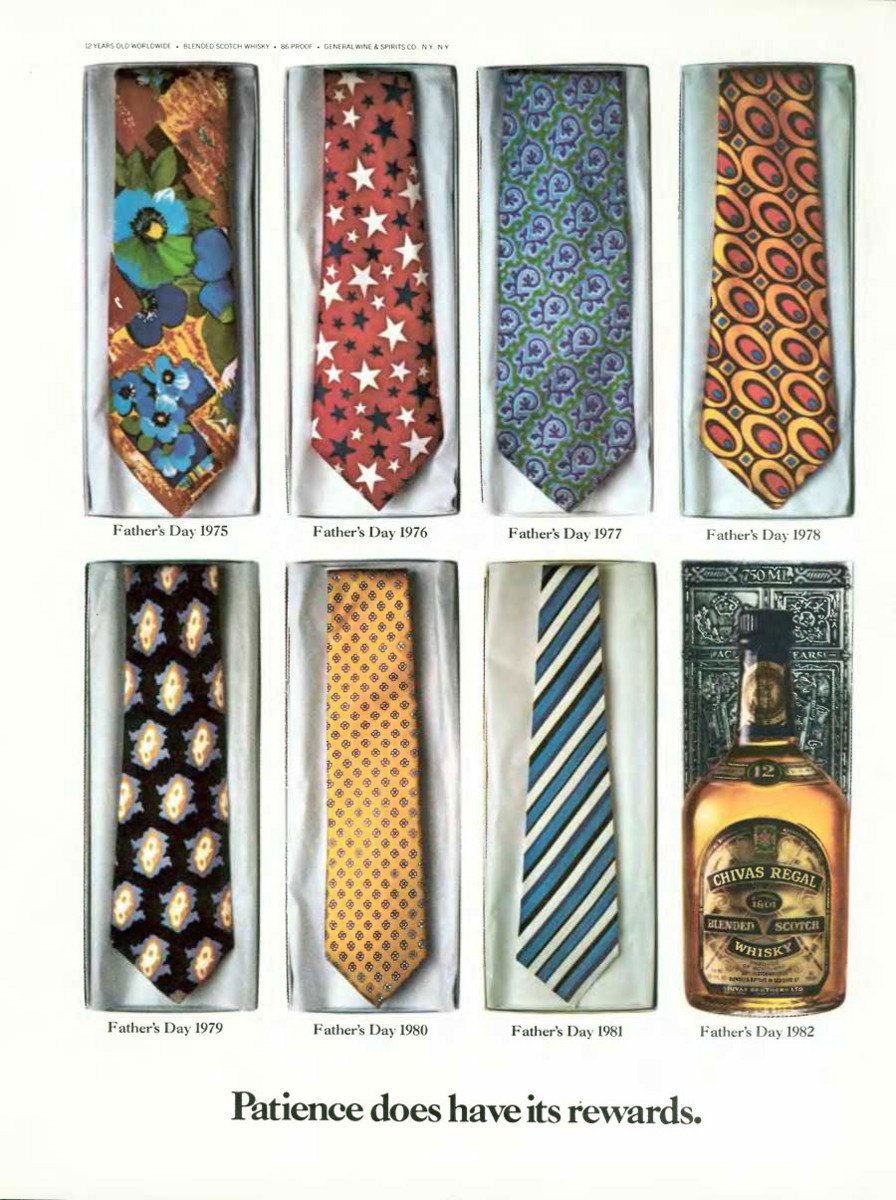
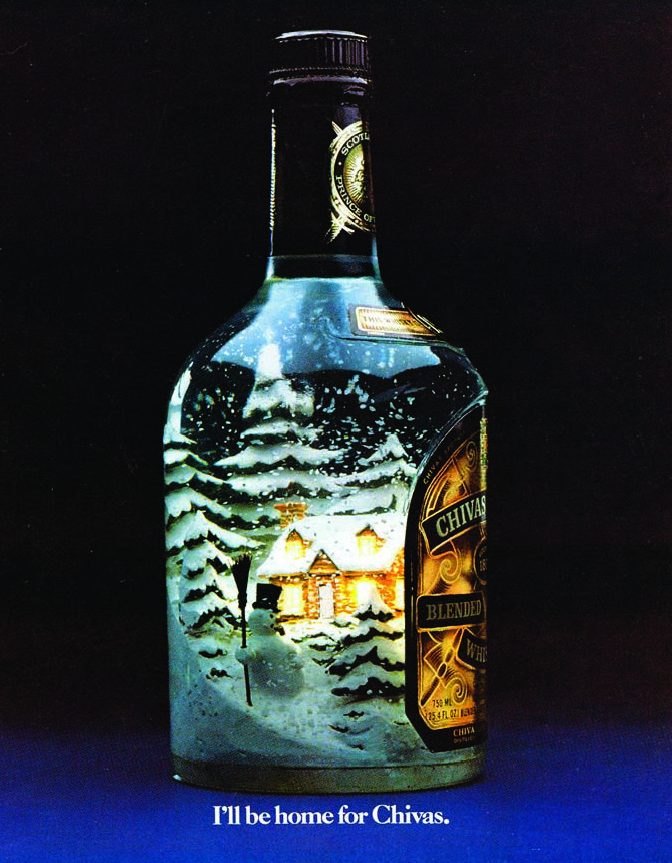
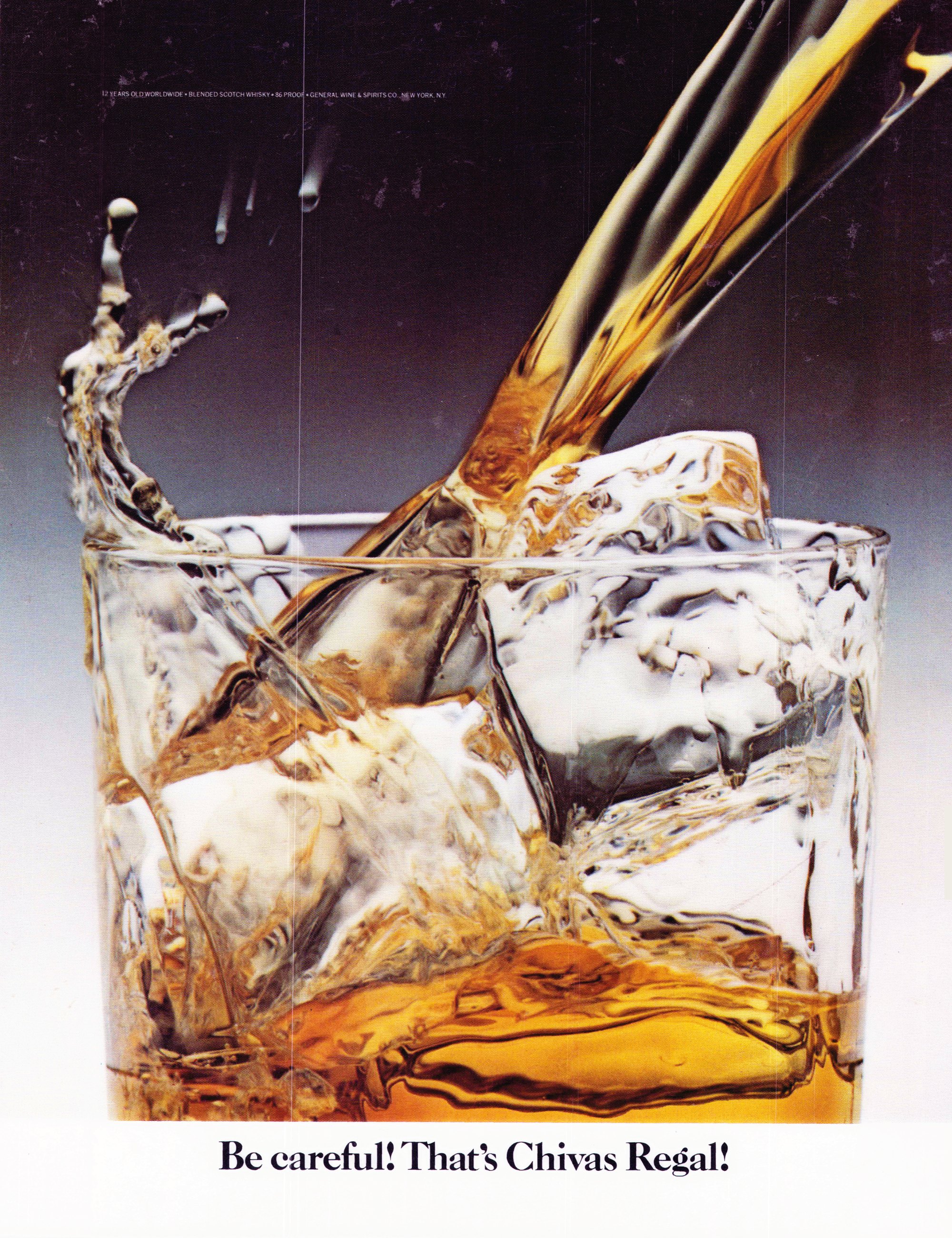
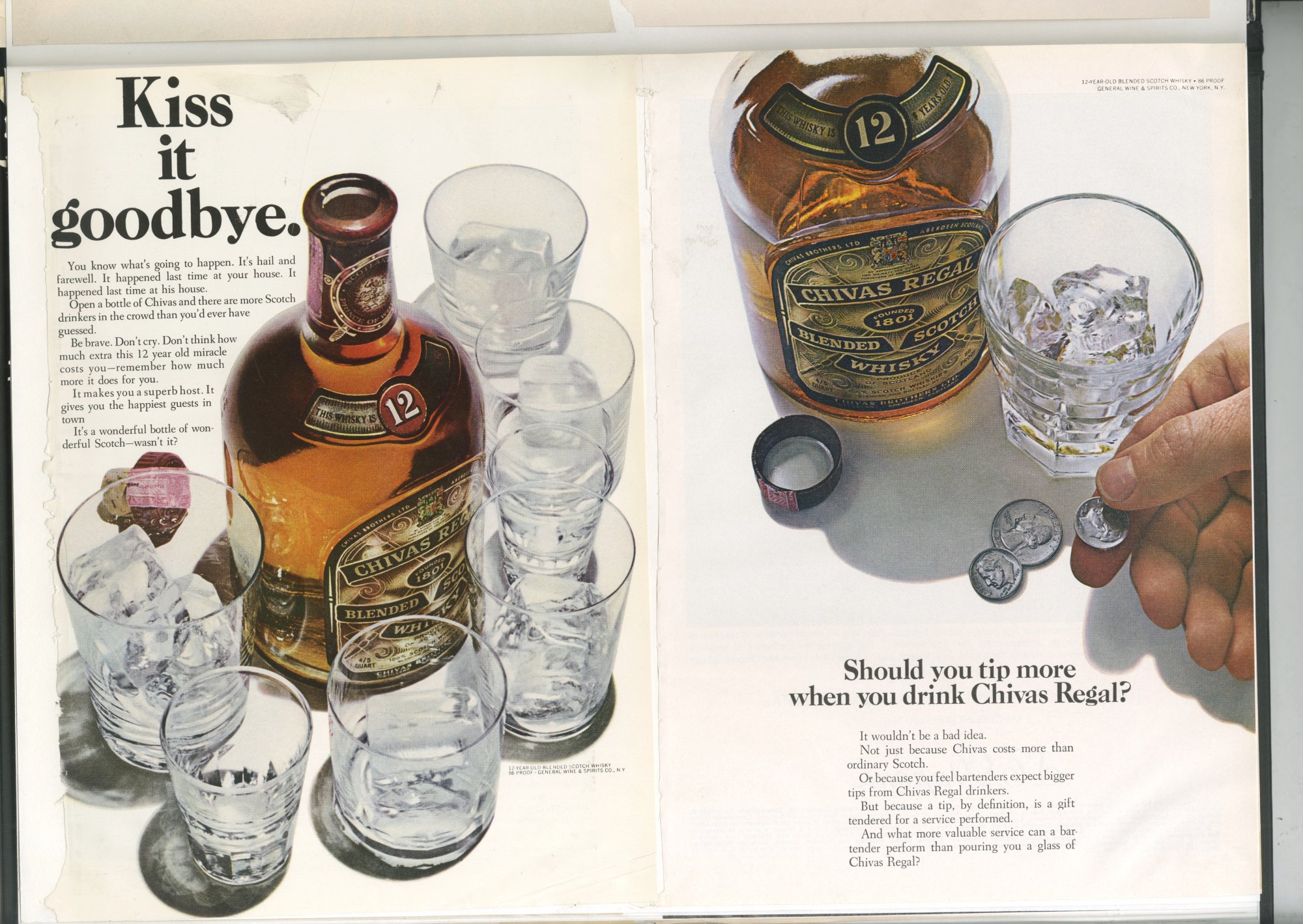
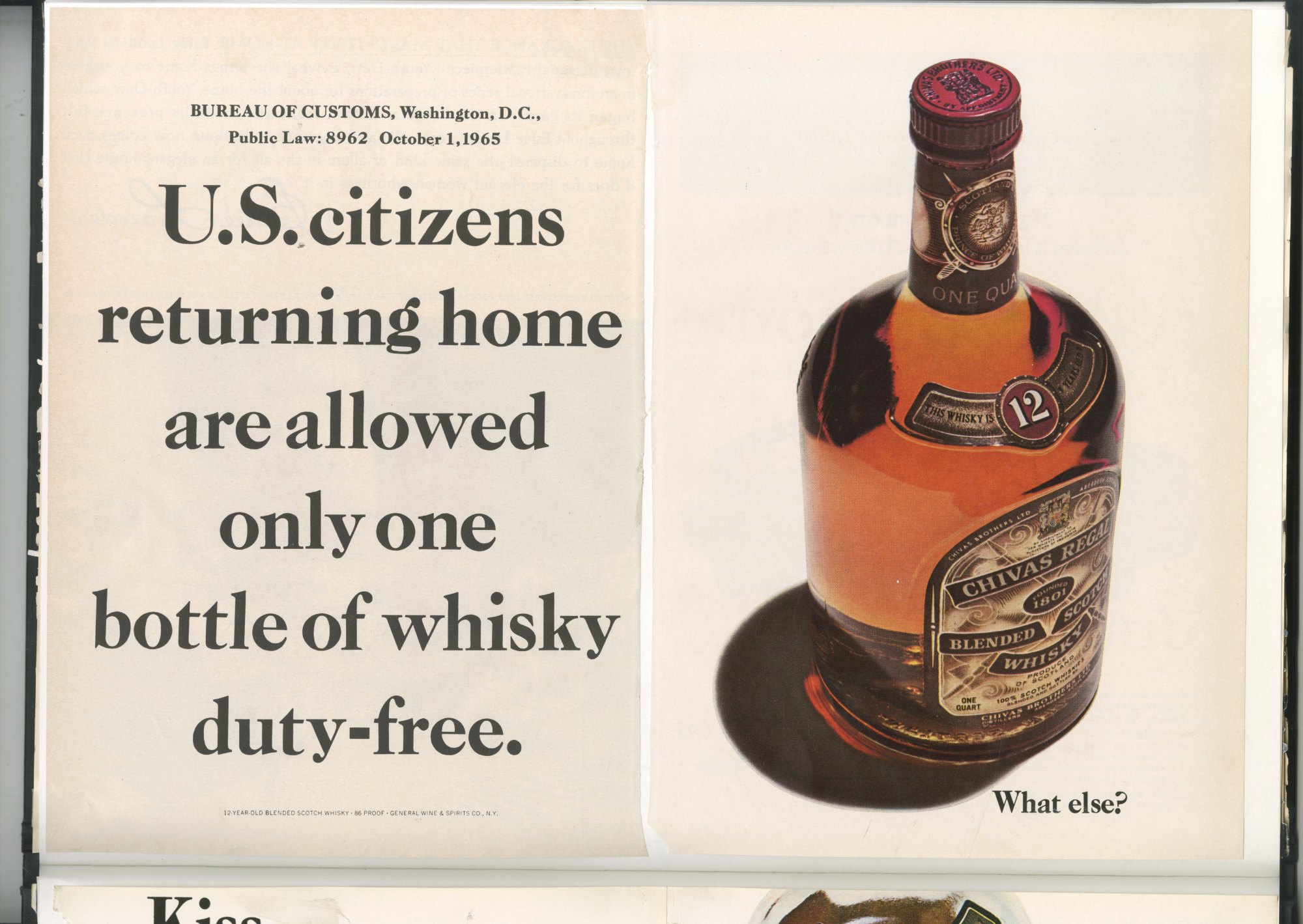
Edgar Bronfman brought Bill Bernbach onto the account in the early 1960s. The agency did not argue for Chivas Regal. It assumed the case was closed and joked from there: about the price, about guests who drink it too fast, about the bottle, about what to give Dad.
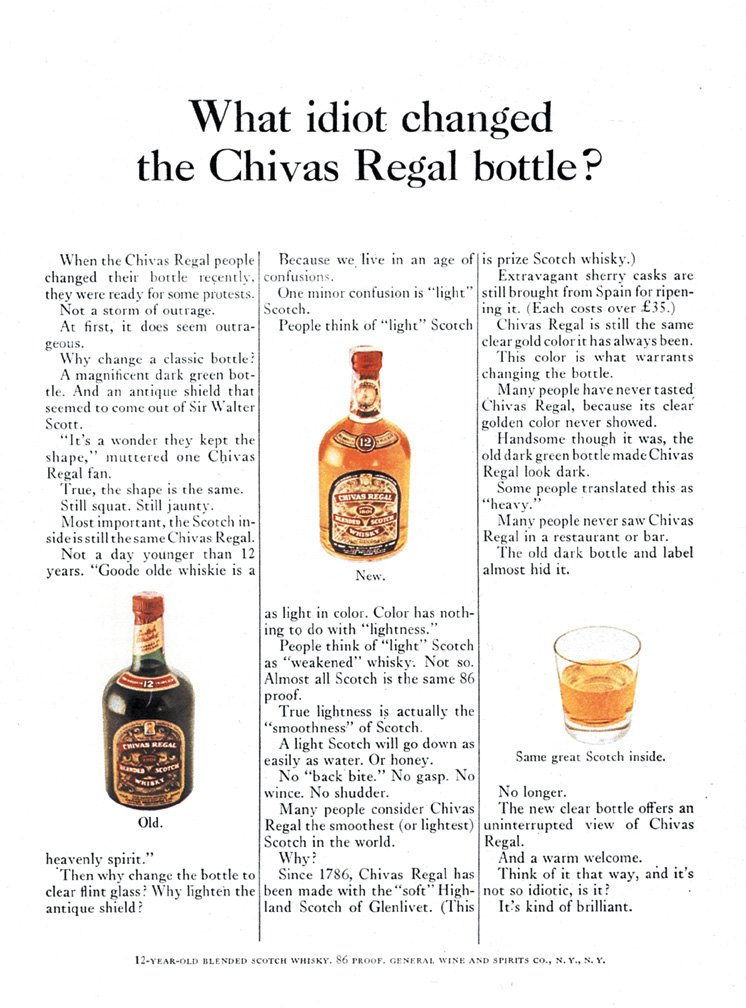
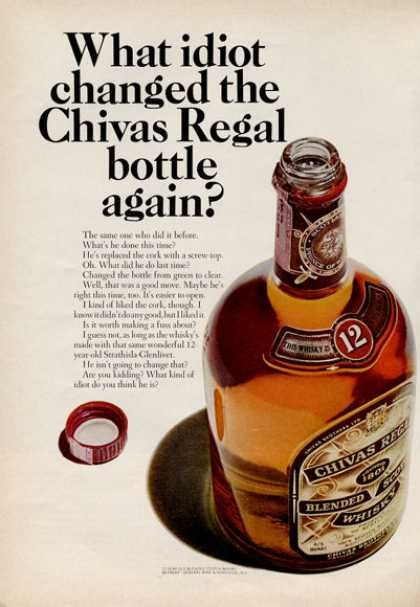
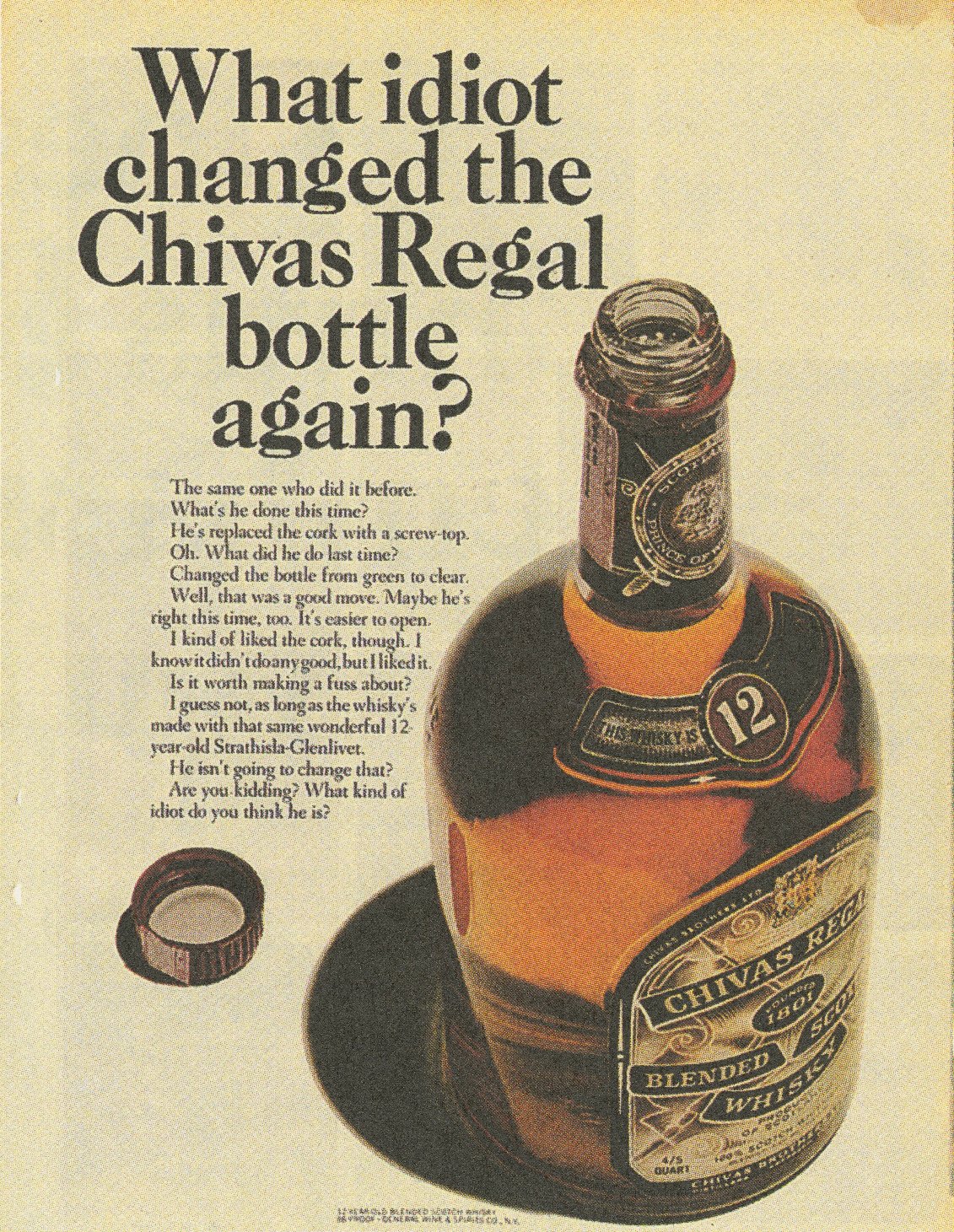
One ad answered a change to the bottle with the headline "What idiot changed the Chivas Regal bottle?" and went on to reassure readers that the whisky inside was the same.
The same voice ran for two decades, and when research said the pages looked tired, Piccirillo and writer Mike Mangano refreshed the pictures and kept the headlines. Dave Dye credits the work with turning Chivas Regal into a premium brand and the leader of its category.
The work.
Same shape of problem.
More from Chivas Regal.
Every Chivas Regalcampaign →Bernbach hid the bottle ad at the bottom of the pile, afraid the client would hate it.
Back to the archive →