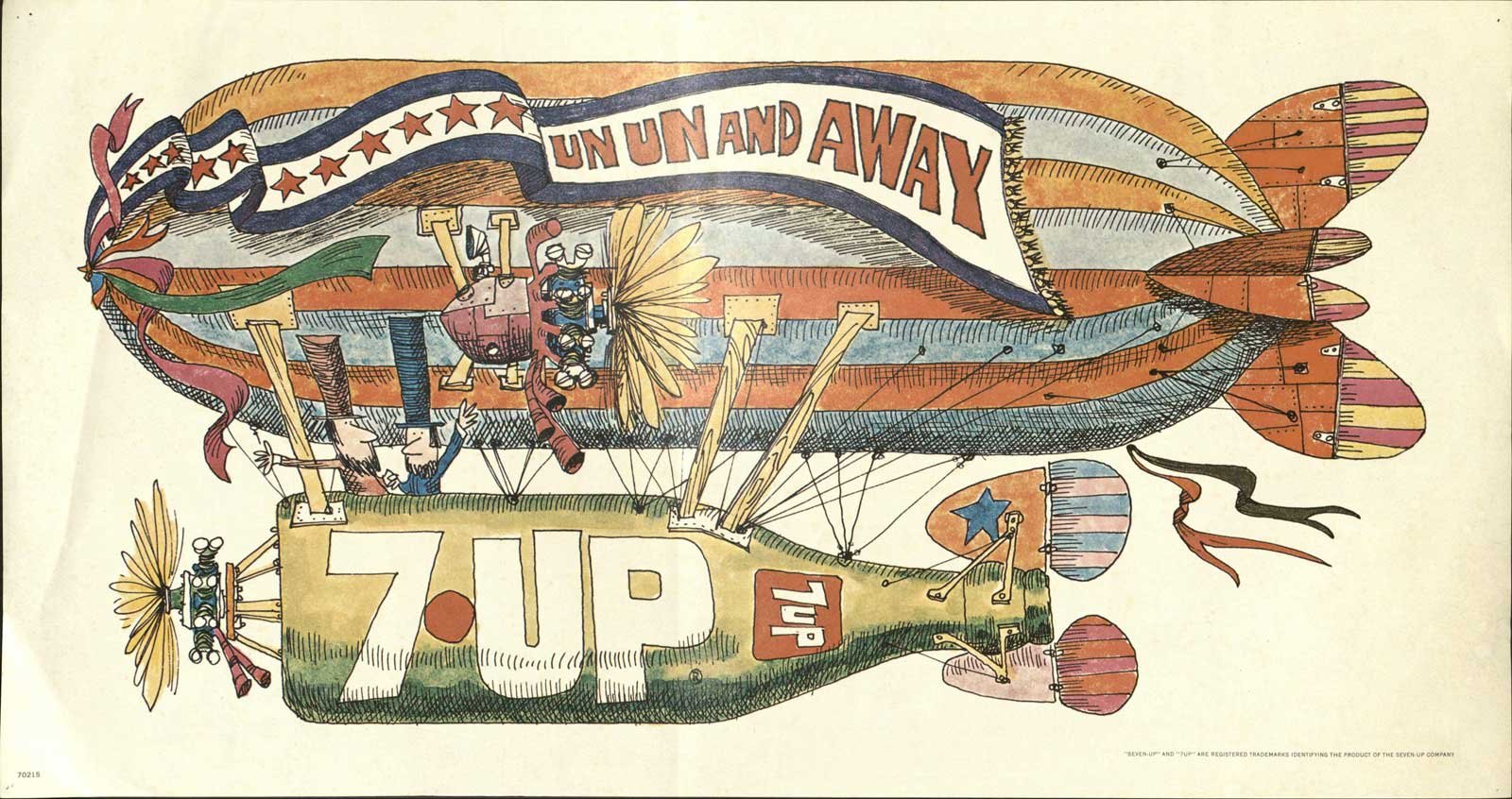
The Uncola
A soft drink known as a mixer and a cure for an upset stomach defined itself by what it was not, and took a place beside the colas.
The era.
In 1967 the American soft-drink market belonged to Coca-Cola and Pepsi. Cola was the default order, and the two brands spent heavily to keep it that way.
Seven-Up of St. Louis sold a clear lemon-lime drink that most people kept for other jobs. It was a mixer for drinks, or something to settle an upset stomach. Sources describe the company in those years as struggling and close to failure.
Its executives wanted 7Up drunk the way people drank Coca-Cola, as an everyday soft drink. They took the problem to the Chicago office of J. Walter Thompson.
The culture.
1967 was the Summer of Love, and by 1969 young Americans were defining themselves against what they called the Establishment. The war in Vietnam, the draft and the generation gap gave the word real weight.
Psychedelic art had moved from concert posters in San Francisco into record sleeves, magazines and films. The Beatles' Yellow Submarine came out in 1968. Bright, swirling, hand-drawn imagery stood for youth in a way type and photography did not.
Rebellion was in the air, as one collector of the billboards later put it, and the small prefix "un" carried it. To be against something was a position in itself. A brand that could borrow that stance without sounding like a parent had an opening.
The problem.
People did not think of 7Up as a soft drink at all, so it was never in the running when they chose one.
7Up's trouble was its job description. It was bought to mix with liquor or to calm a sick stomach, and its advertising had long been gentle and family-minded. When someone wanted a soft drink, they asked for a cola.
Competing with Coca-Cola and Pepsi as another cola was impossible. 7Up was clear, and it did not taste like cola.
The company needed to be considered in the same moment as the colas, by a younger audience, without pretending to be one of them.
Seven-Up executives in St. Louis wanted 7Up seen as an everyday soft drink and hired the Chicago office of J. Walter Thompson to reposition it. According to retired agency staff, the client encouraged bold work and chose designs without knowing which artist had made them.
The solution.
Name the category leader, then stand outside it: if everyone orders a cola, be the Uncola.
J. Walter Thompson in Chicago turned 7Up's difference into its name. The word "Uncola", credited to Charlie Martell at the agency, put 7Up on the same shelf as Coca-Cola and Pepsi while declaring it their opposite. The colas became the Establishment, and 7Up became the clear alternative.
The first ads appeared in 1968. In 1969 the agency invited young illustrators to submit unsigned designs, paid the chosen artists $2,000 each to finish them, and pasted the results on billboards across the country. Art director Bob Taylor and freelance illustrator Pat Dypold led the work, with designs from Milton Glaser, John Alcorn, Kim Whitesides, Ed George and others. On television, the Trinidadian actor and dancer Geoffrey Holder spoke for the brand, and Seven-Up cast Black actors in its commercials for the first time.
Sales rose about 30 percent within a couple of years, according to collectors and later press accounts. Students wanted the billboards for their rooms, and Seven-Up offered them as posters by mail. The billboards ran until about 1975.
The work.
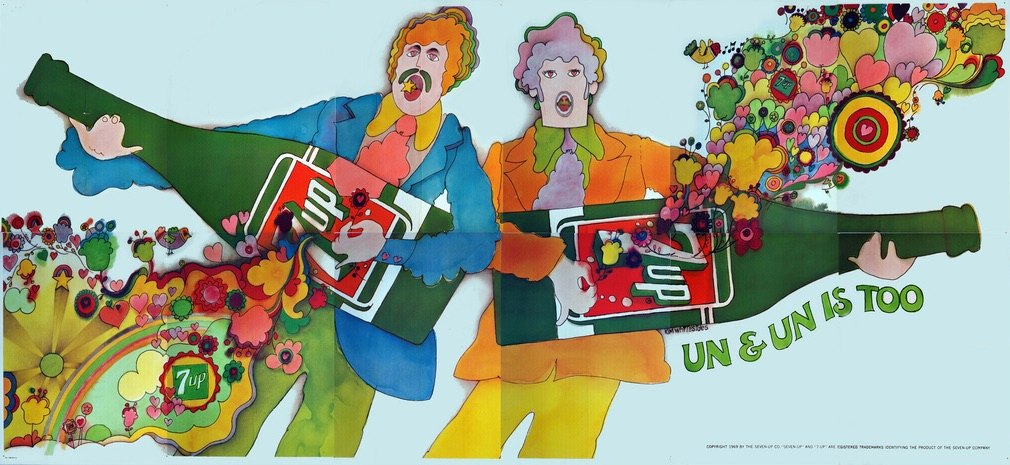
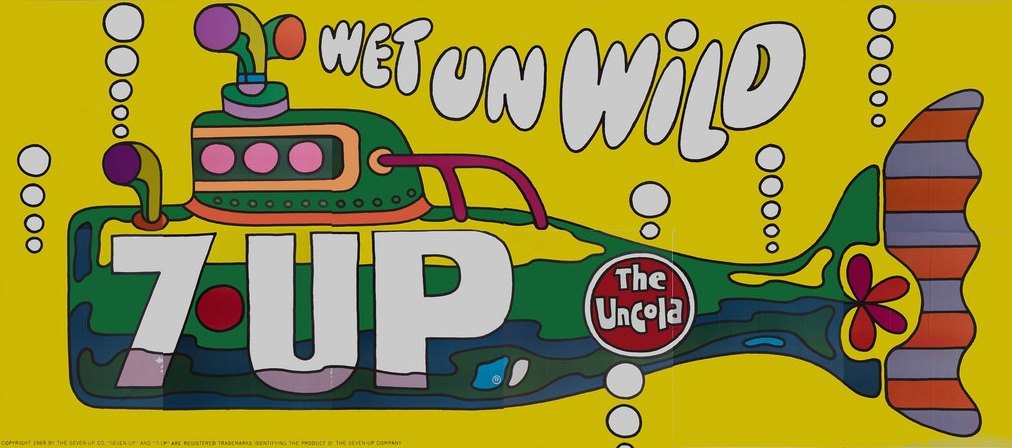
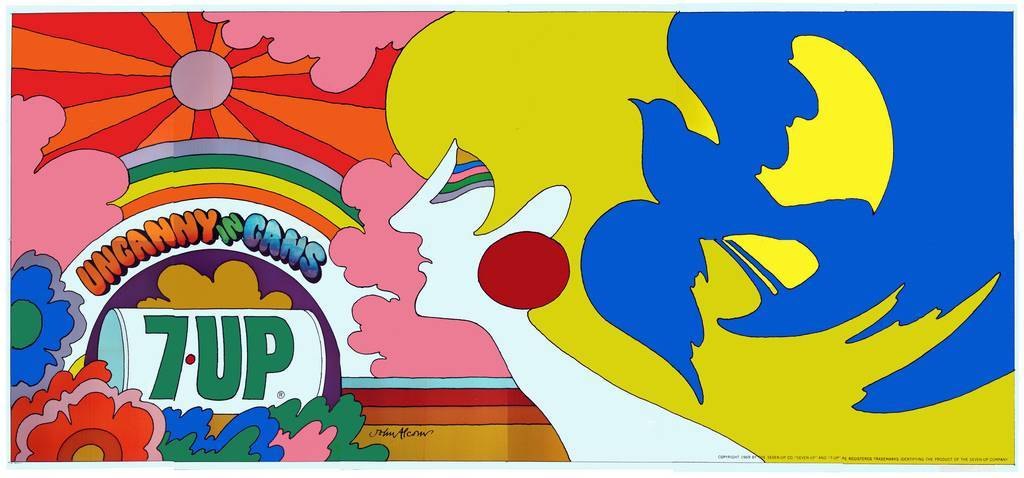
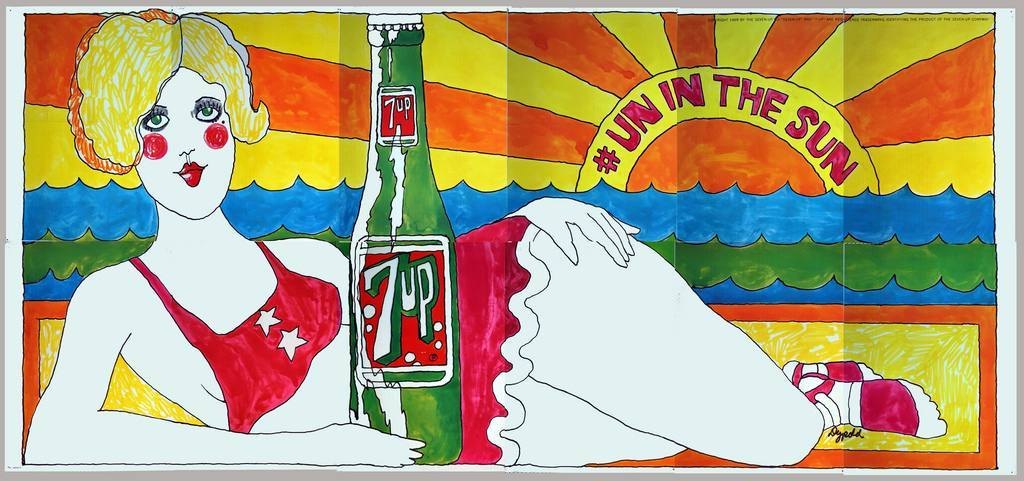
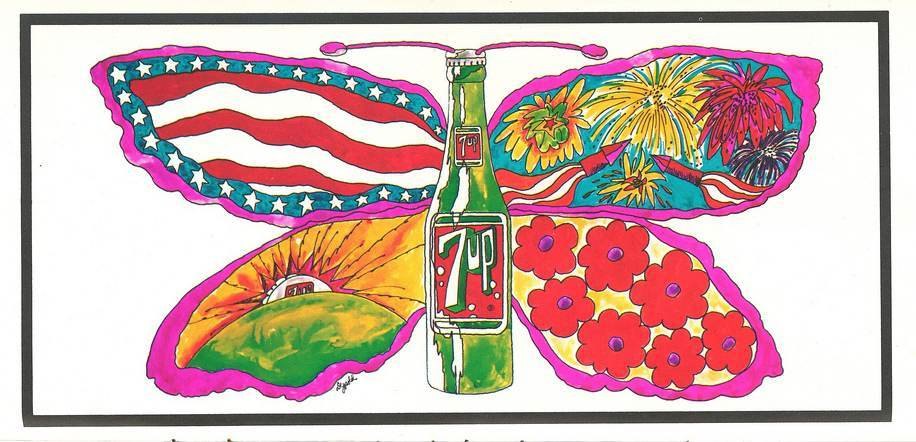
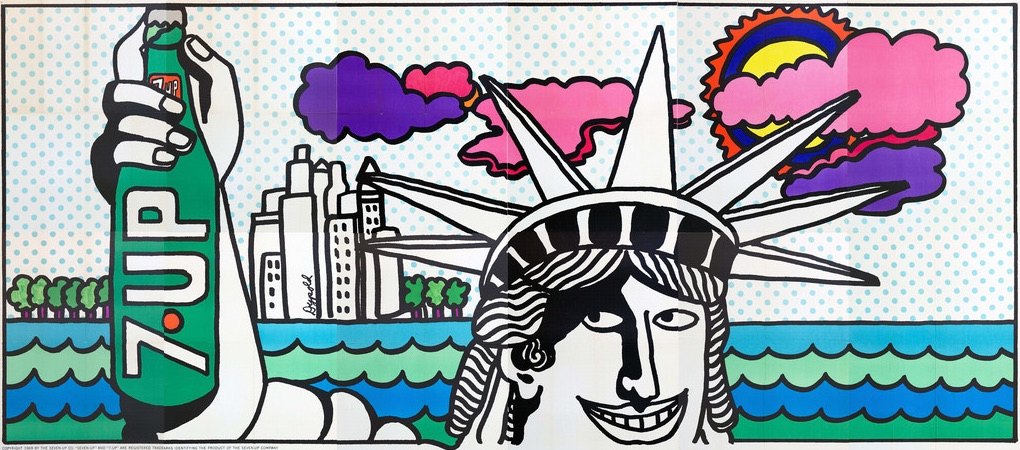
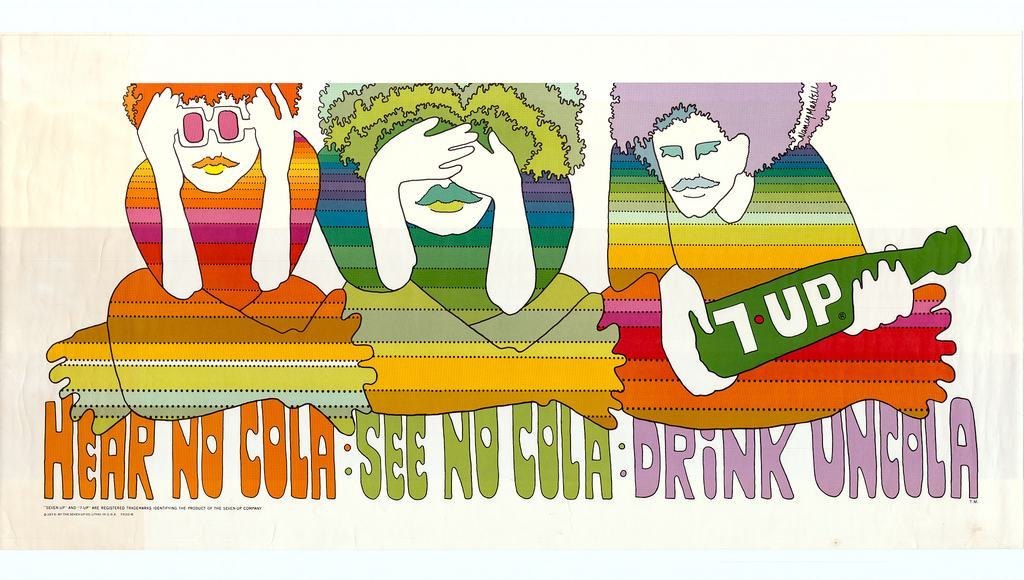
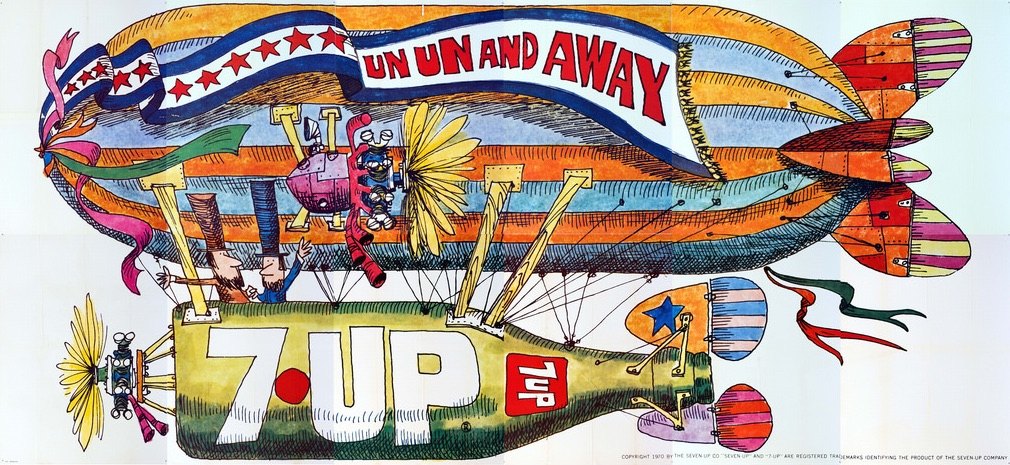
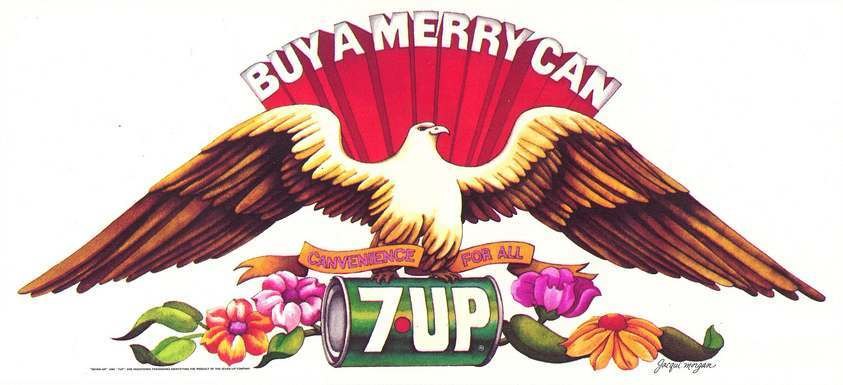
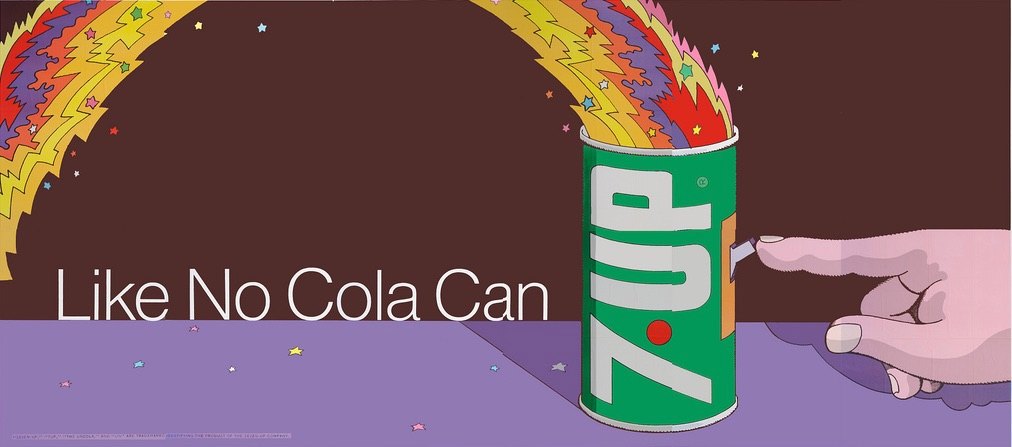
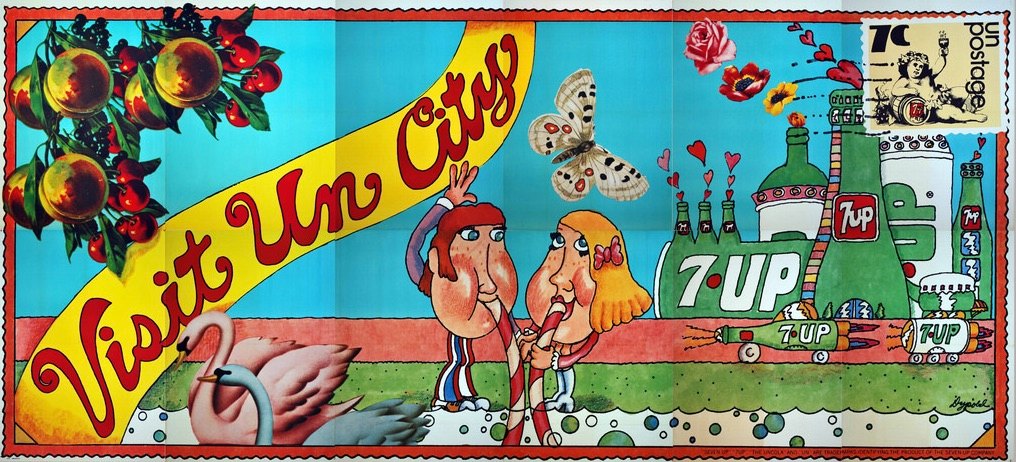
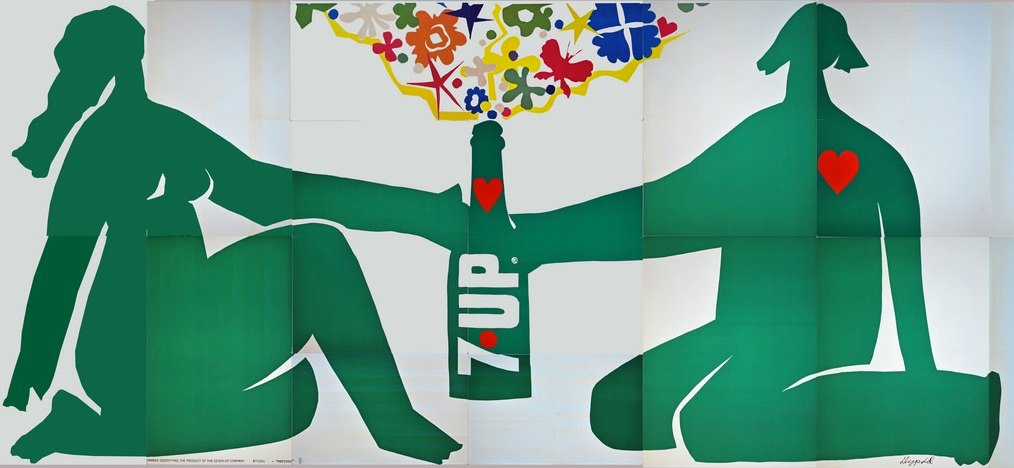
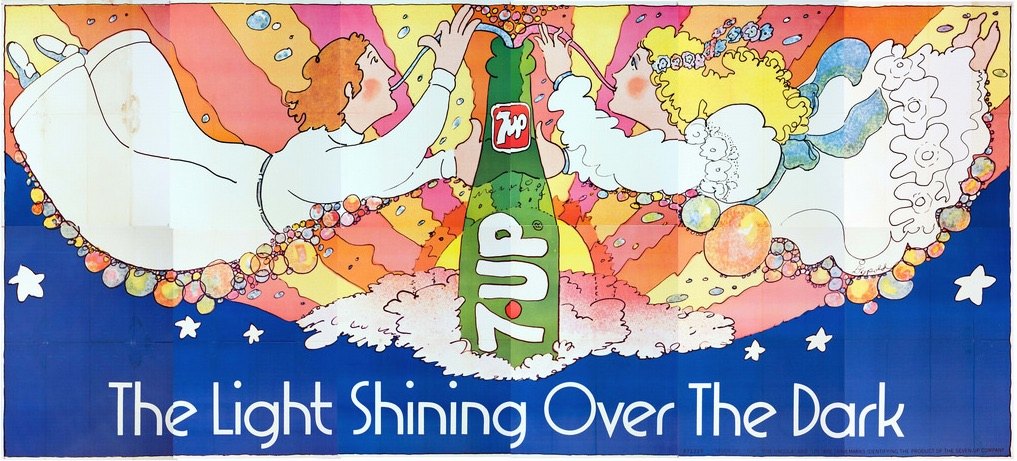
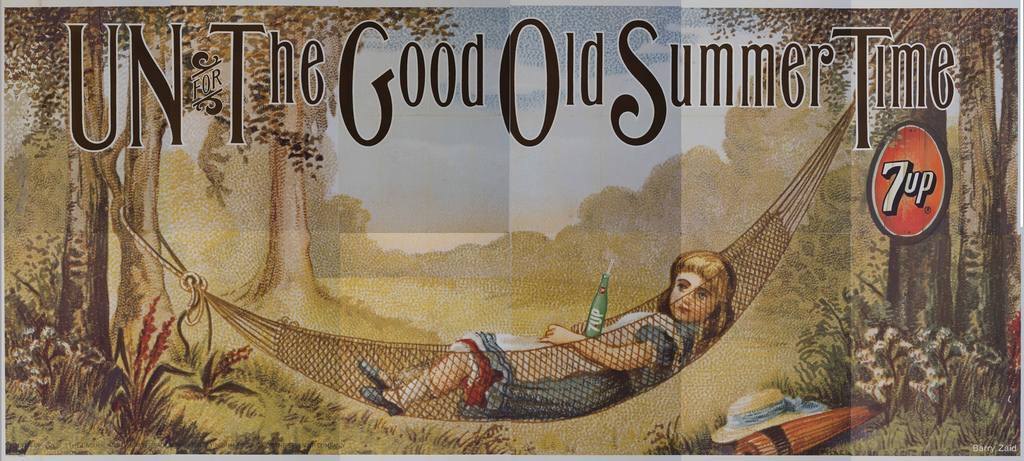
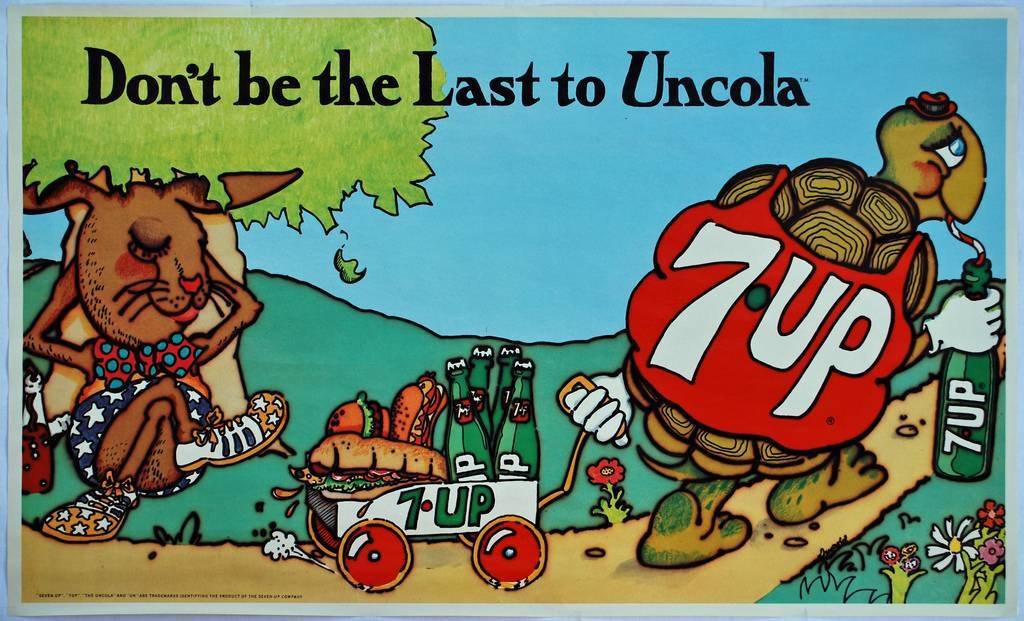
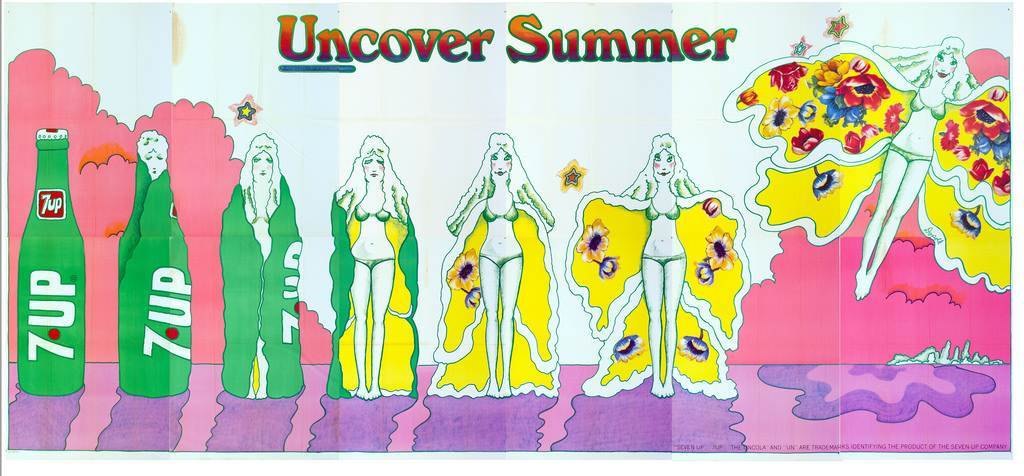
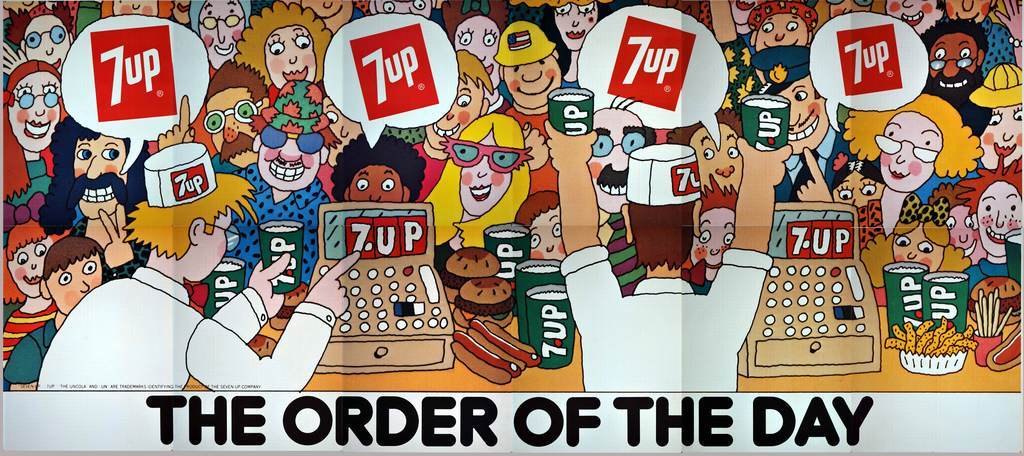
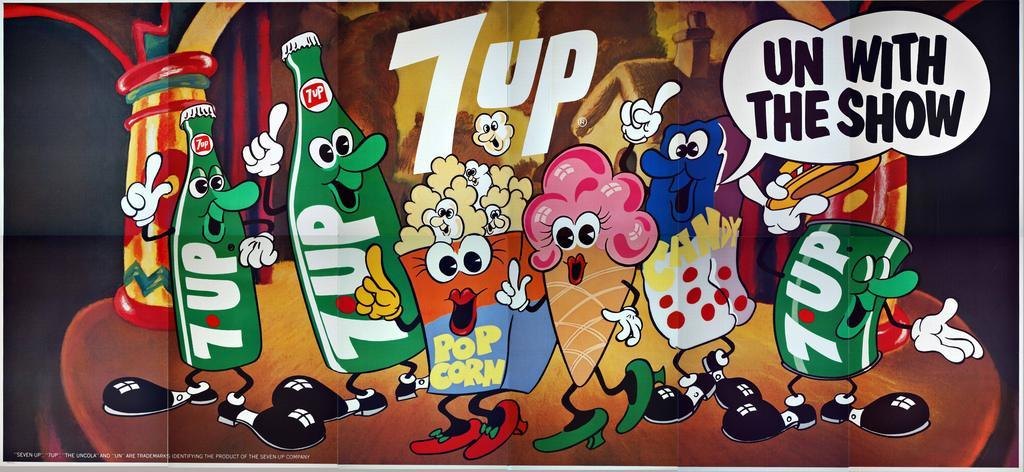
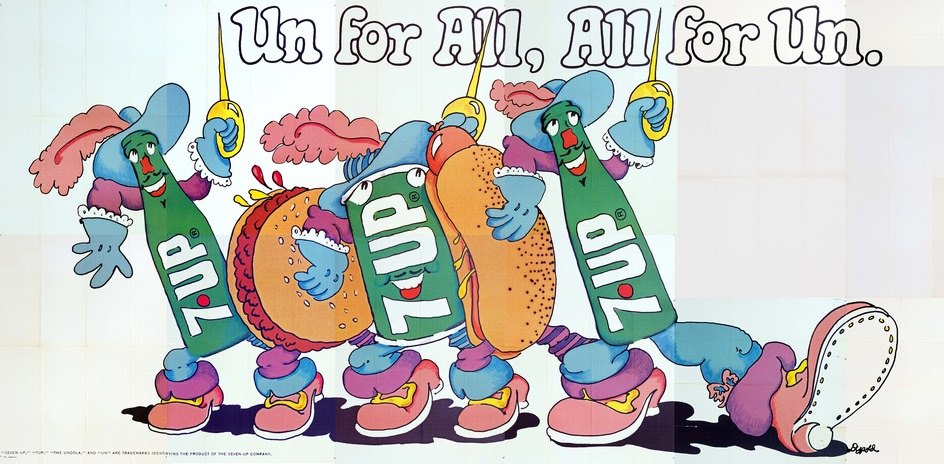
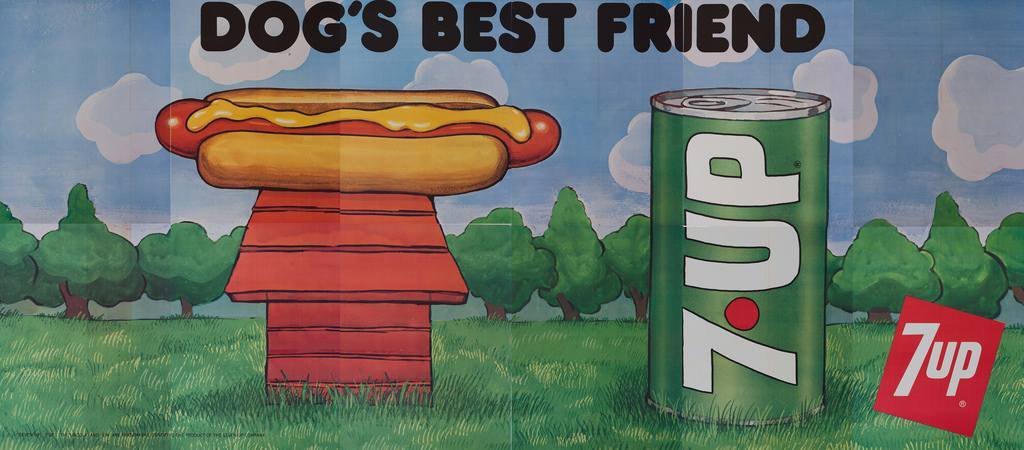
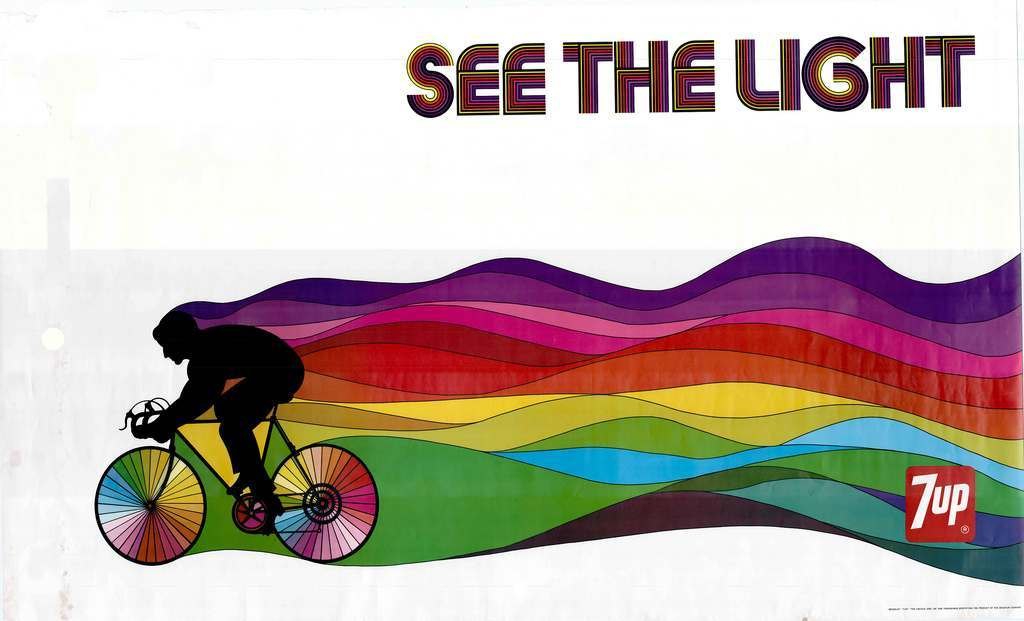
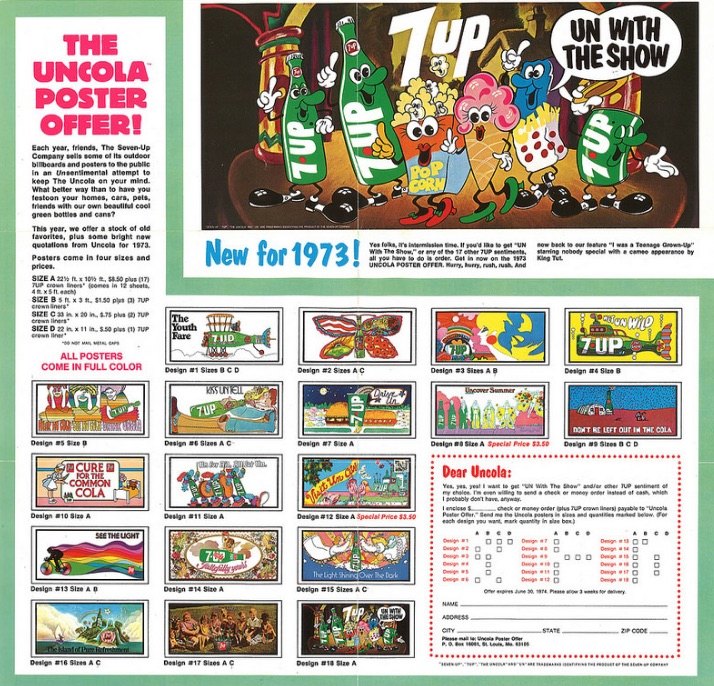
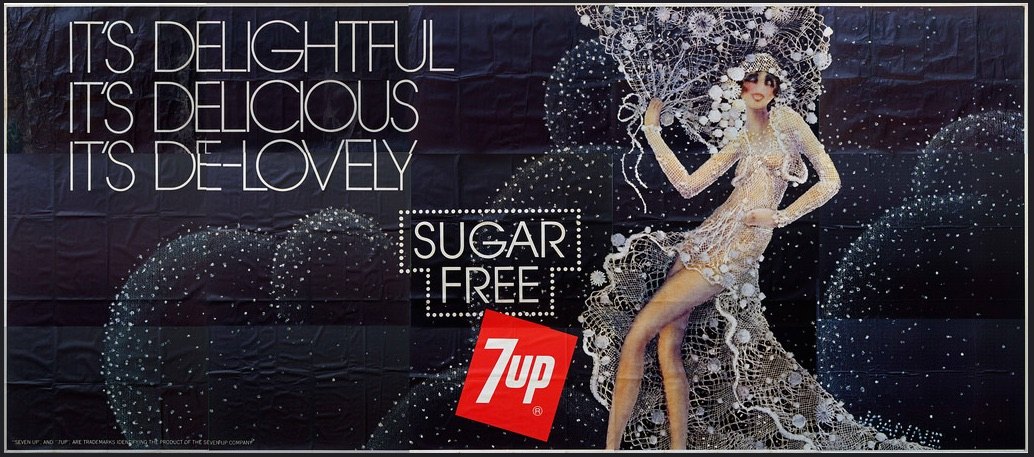
Salt Lake City had one of the billboards, a psychedelic Statue of Liberty, taken down in 1969.
Back to the archive →