ITT Life Insurance · Fallon McElligott Rice
ITT Life Insurance: Your Whole Life Is a Mistake
An insurer paid for newspaper ads telling readers that the industry's best-selling product was a mistake, and they drew 12,000 responses, three times the goal.
The era.
American interest rates reached their modern peak in 1980 and 1981, and inflation ran in double digits. Savers could earn 11 percent or more in money market funds and in new insurance products. Traditional whole life insurance, which built cash value at 3 to 6 percent, looked worse every month. Policyholders began converting to term insurance, which was cheap, pure coverage.
The industry moved slowly. E. F. Hutton introduced the first universal life policy a few years before 1983, and the number of companies offering it grew from 70 to 130. Agents and companies still earned more on whole life, and most of the big names kept selling it. In 1982 ITT Life, a Minneapolis insurer in the ITT group, announced that it was dropping every form of life insurance except term.
Robert W. MacDonald ran marketing at ITT Life and later became its president. He called the industry 'ossified, petrified, myopic and inbred' and argued in public that whole life had stopped being a good buy. He wanted advertising that went after the big insurers by name. By his own account, every agency he approached turned him down.
The culture.
Life insurance advertising was built on reassurance. Prudential had used the Rock of Gibraltar since the 1890s, and other companies showed families at the breakfast table, sheltering umbrellas and steady hands. The message was permanence. The product itself was sold face to face by an agent, rarely argued in the newspaper.
After a decade of inflation, Watergate and energy crises, Americans trusted big institutions less. Financial planners repeated a simple rule: buy term and invest the difference. Deregulation was opening banking, brokerage and insurance to new competitors. Buyers who had never questioned a policy were starting to read the numbers.
In Minneapolis, a city of insurers, banks and investment firms, a new agency had just announced itself. Fallon McElligott Rice's launch ad, in the Minneapolis Star and Tribune on 3 August 1981, said imagination was 'one of the last remaining legal means you have to gain an unfair advantage over your competition.' MacDonald read it and called.
The problem.
A small insurer had bet its business on term insurance, while the rest of the industry made more money selling the product term was replacing.
ITT Life, a Minneapolis insurer in the ITT group, was small beside Prudential, Metropolitan and Northwestern Mutual. In 1982 it bet its business on term insurance, a cheaper and simpler product, while the big companies' advertising told the public that whole life was the responsible choice.
Agents earned more selling whole life, so the industry had little reason to invite the comparison. To grow, ITT Life had to make people doubt a product their parents had bought and their agents still recommended. It also needed an agency willing to pick the fight, and the established ones would not.
Bob MacDonald read the agency's first ad, which ran on 3 August 1981 in the Minneapolis Star and Tribune, and set up a meeting after every agency he had approached turned ITT Life down. Pat Fallon made a 45-minute presentation and the agency was given the account.
The solution.
Make the advertiser the whistleblower: an insurer telling readers, in plain type, that the industry's flagship product is a mistake.
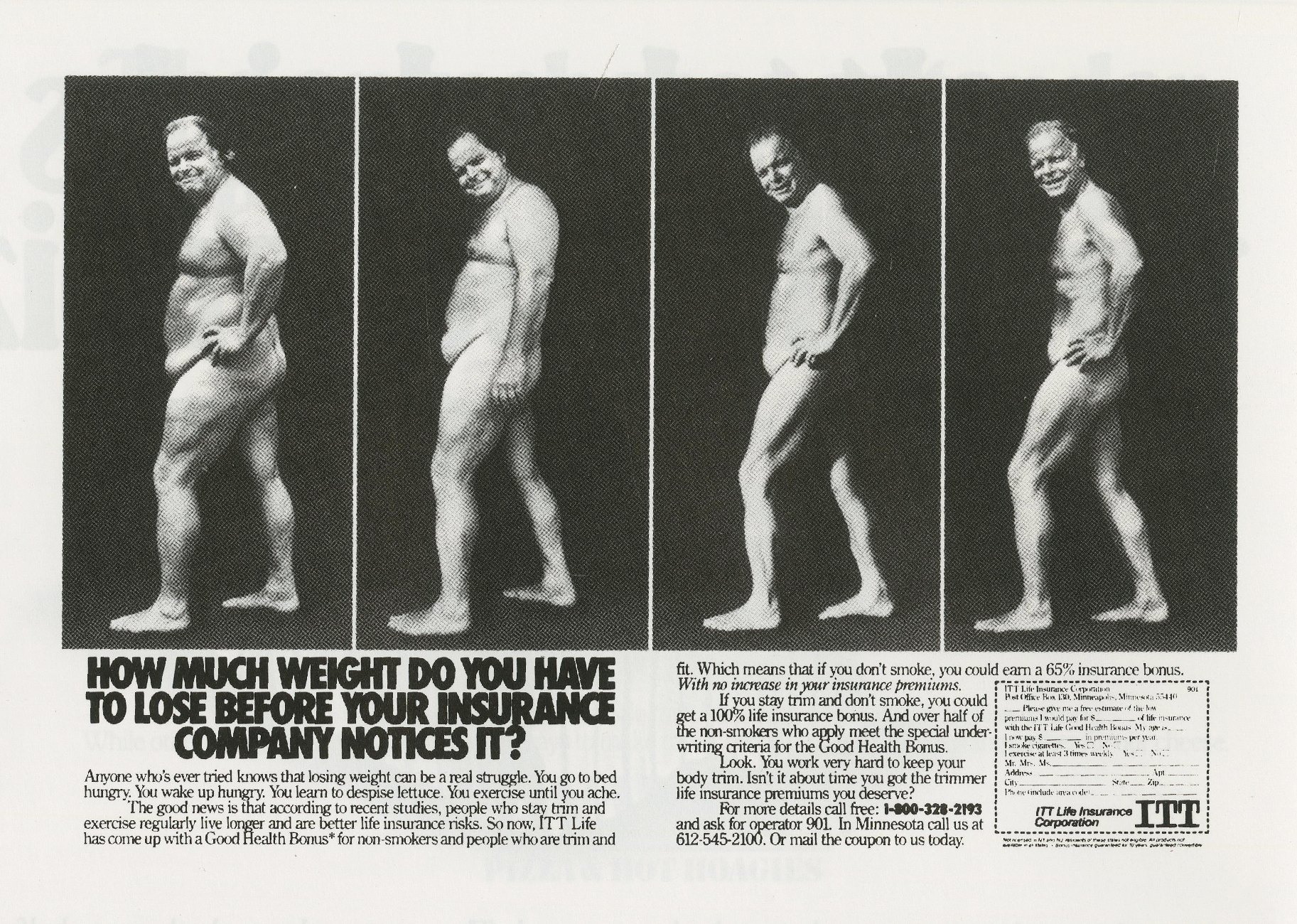
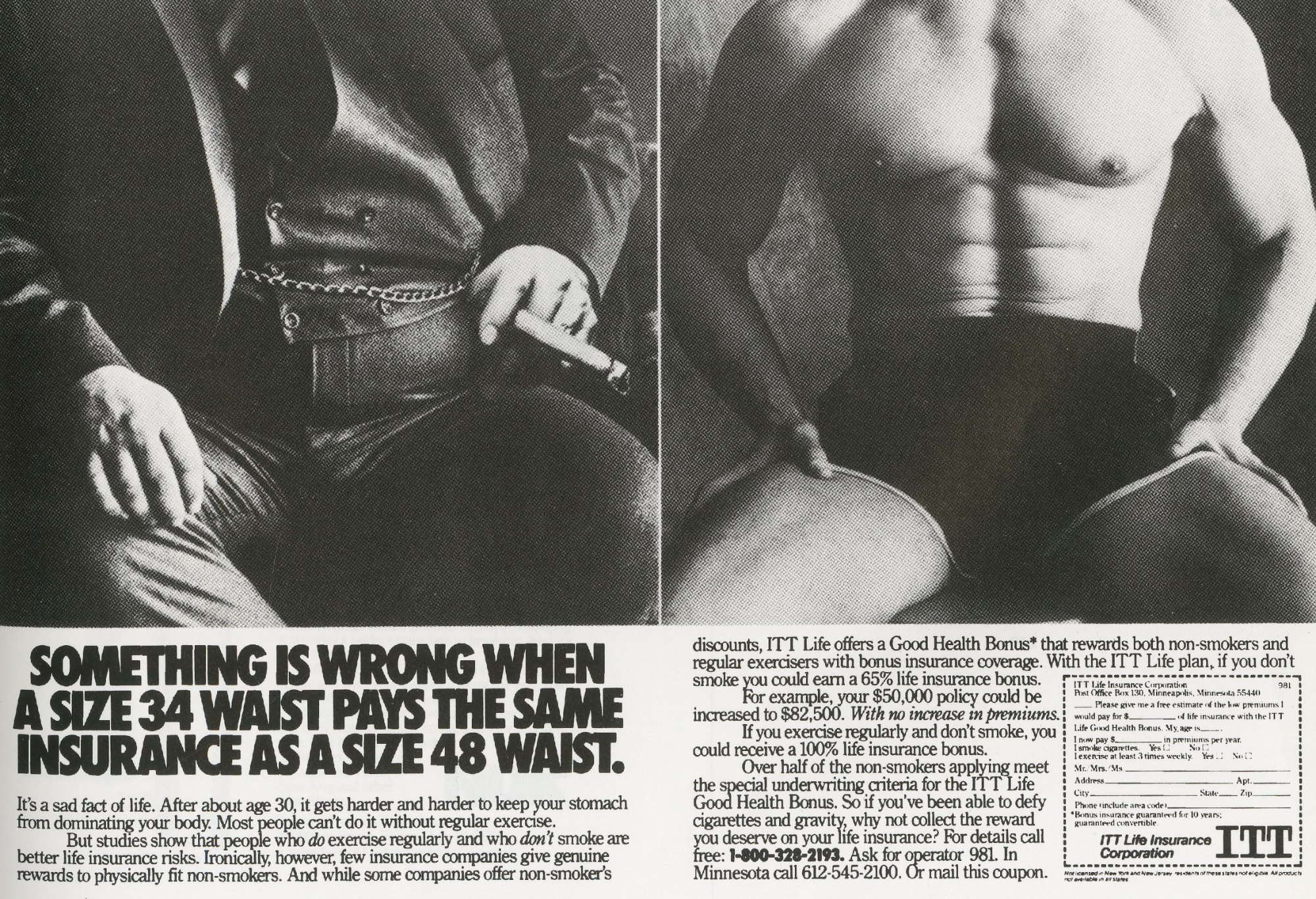
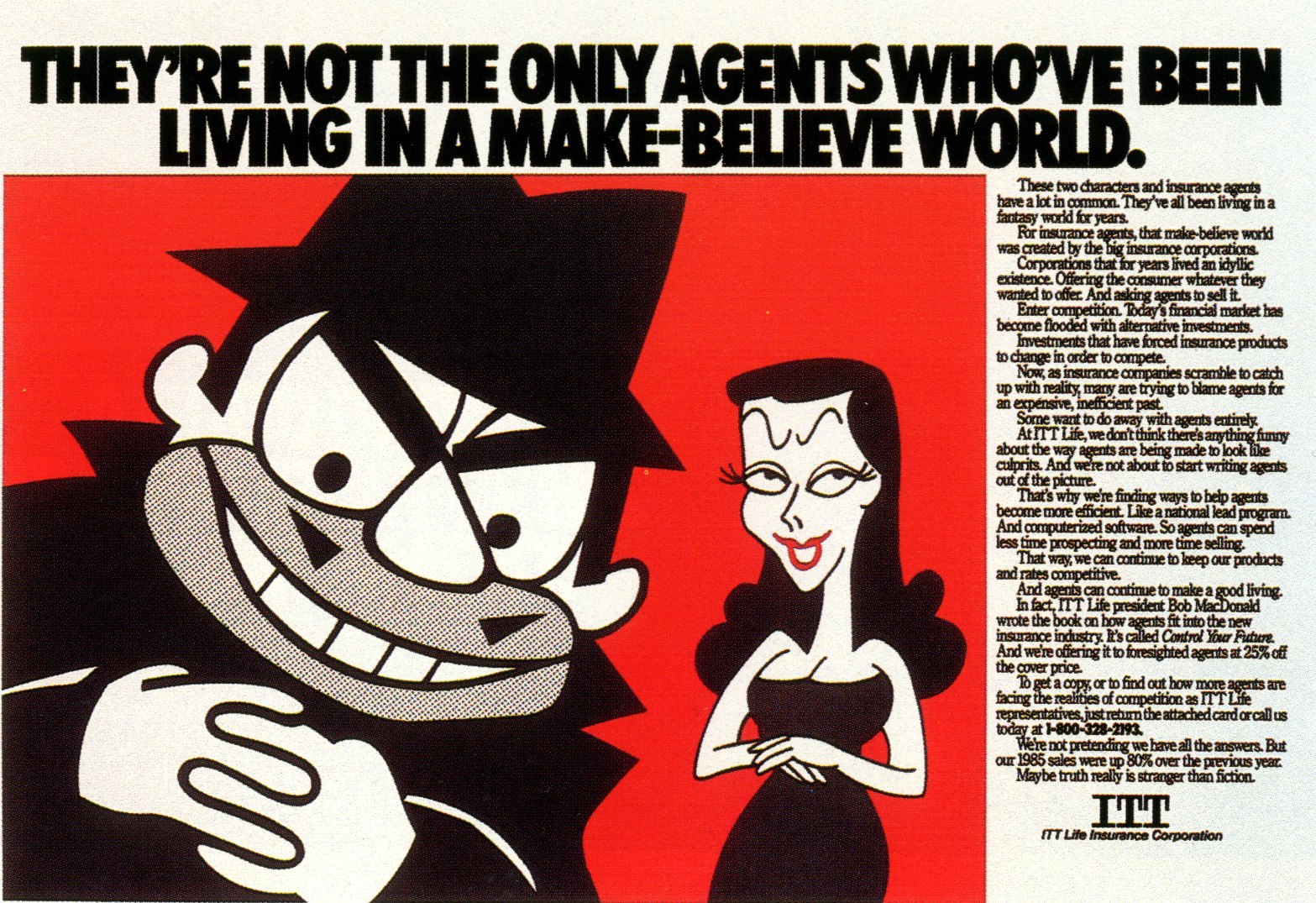
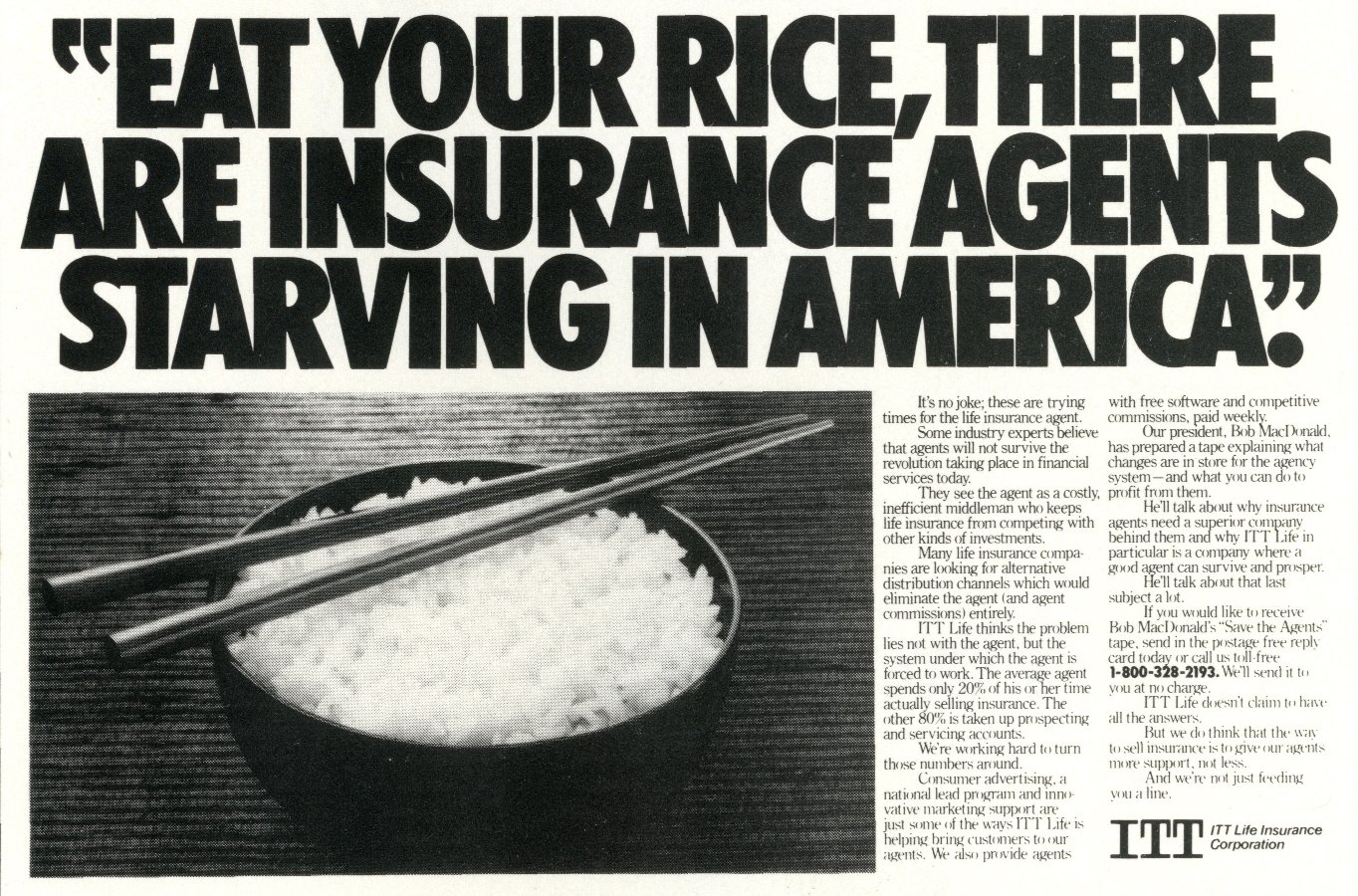
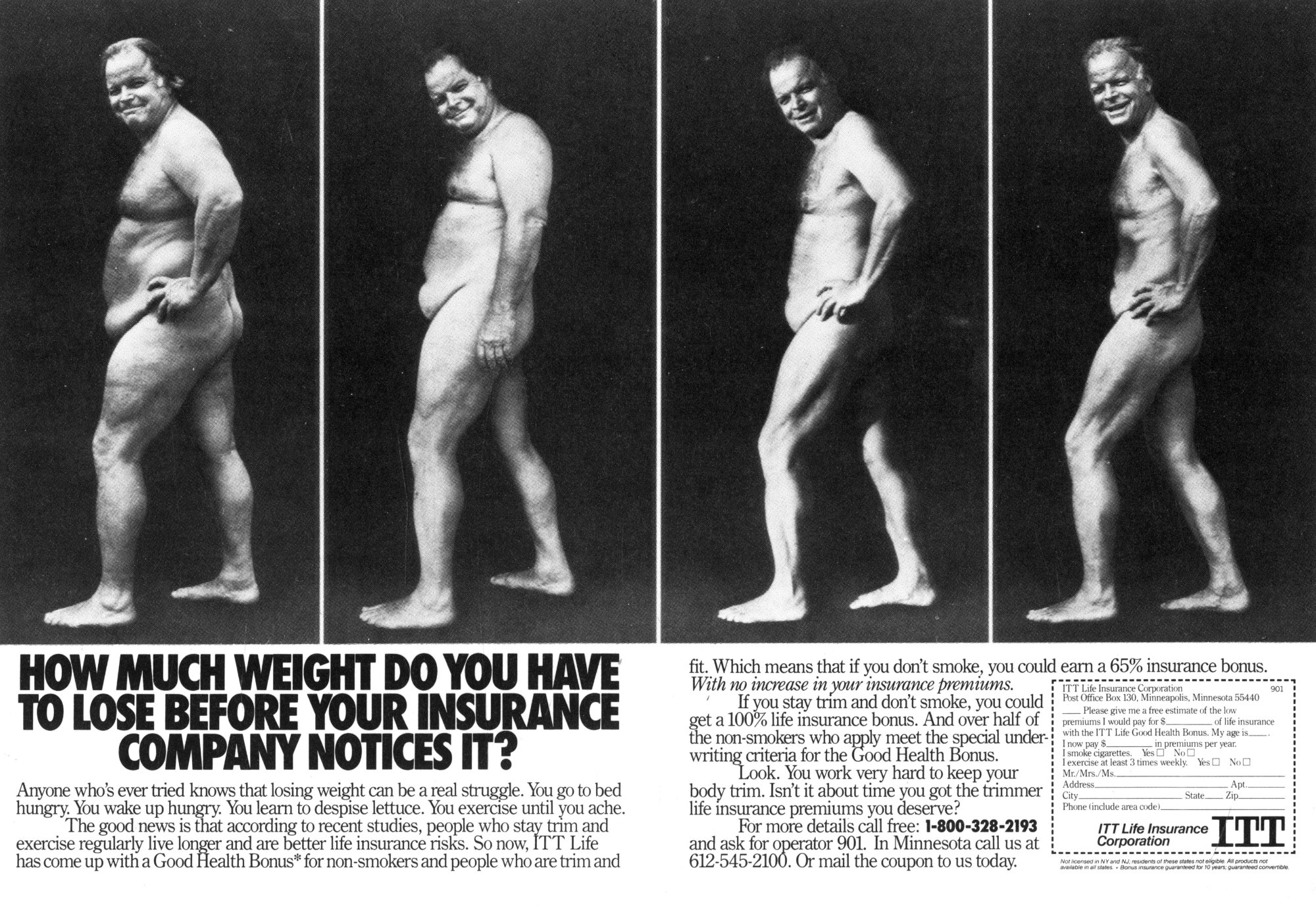
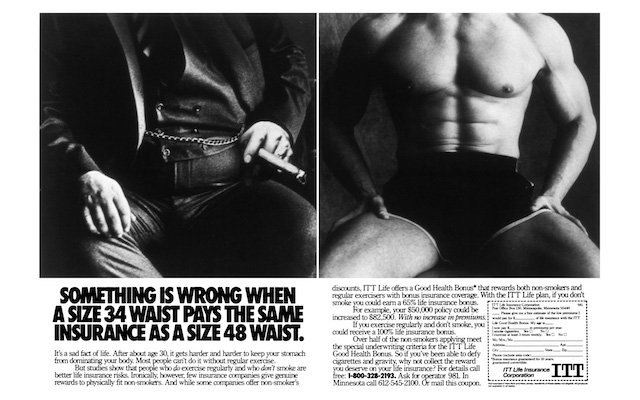
Fallon McElligott Rice took the account and cast ITT Life as the insider who tells the truth about the business. The newspaper headline was blunt: 'Your whole life is a mistake.' It worked twice, as a pun on the product's name and as a direct charge against it. Other executions followed in the same attacking voice; Dave Dye's archive files them as 'Fat', 'Waists', 'Cartoon', 'Rice' and 'How Much'. Fortune reported in March 1985 that the ads drew 12,000 responses, more than three times the campaign's goal. ITT Life was the agency's first national client, and the work was part of the record behind Advertising Age naming Fallon McElligott Rice its Agency of the Year for 1983.
The work.
Same shape of problem.
An insurance company bought newspaper space to call the industry's best-seller a mistake.
Back to the archive →