Volkswagen · Doyle Dane Bernbach
Think Small
The campaign that showed a small, plain, German car could be sold by telling the truth about it, and set the grammar for the creative work of the 1960s.
The era.
In 1959 Detroit sold cars on size and novelty. A new body arrived every autumn, and that year the fins on a Cadillac reached their highest point. The car was a statement of where its owner stood, and the advertising said so in every line.
Car advertising was mostly painted, not photographed. Illustrators stretched bodies and lowered roofs; Pontiac's Wide-Track pages, painted by Art Fitzpatrick and Van Kaufman, made the cars longer and wider than any camera could. The settings were country clubs, resorts and city avenues at dusk.
The mood was starting to turn. Imports had become a real share of the market, led by Volkswagen and Renault. In the autumn of 1959 General Motors, Ford and Chrysler answered with compacts of their own, the Corvair, the Falcon and the Valiant. For the first time in a generation, a small car was a serious idea in America.
The culture.
Doyle Dane Bernbach opened on Madison Avenue in 1949, founded by Ned Doyle, Maxwell Dane and William Bernbach. By 1959 it was known for print that spoke plainly and made people smile: Ohrbach's department store, Levy's rye bread, El Al. It was still a small agency, and it worked differently from the big ones. Art directors and copywriters sat together and made the idea as a pair.
Helmut Krone was the art director. He was born in Manhattan in 1925 to a German family and had joined the agency in 1954. Julian Koenig, born in 1921, was the first copywriter on the account. Krone later described the look they built as "an editorial look, but with sans serif type."
The readers they had in mind were the readers of Life, Look and The New Yorker. Many of them were tired of being flattered. A small group of them already drove Volkswagens, and they were the kind of buyers who chose a car because it made sense. The agency wrote to them as adults.
The problem.
Sell a small, plain, German car to a country that bought cars to look big.
Volkswagen of America was set up in Newark in October 1955 and had sold the Beetle on word of mouth. By 1959 it was losing share to Renault and to the new American compacts, which offered small cars with Detroit names.
The Beetle had none of what the category rewarded. It was small, slow and the same shape every year, and it was built in Wolfsburg, in a factory the Nazi government had opened in 1938. The budget was small too: about $800,000 for 1960. Any attempt to make the Beetle look glamorous would have been both false and easy to see through.
Carl Hahn became president of Volkswagen of America in 1959 and soon brought in Doyle Dane Bernbach. Volkswagen wanted a professional advertising campaign to win back the share it had lost to European and American competitors.
The solution.
Say the weakness first, in plain words, and let the reader decide it is a strength.
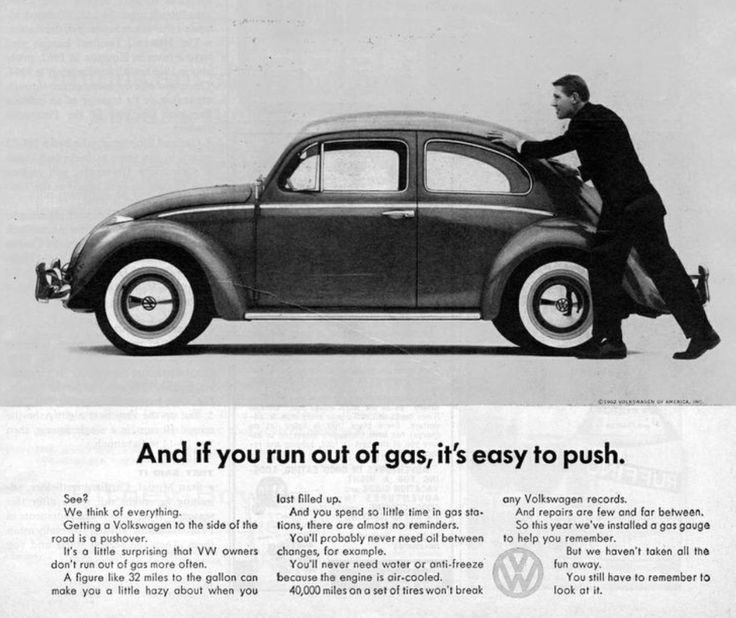
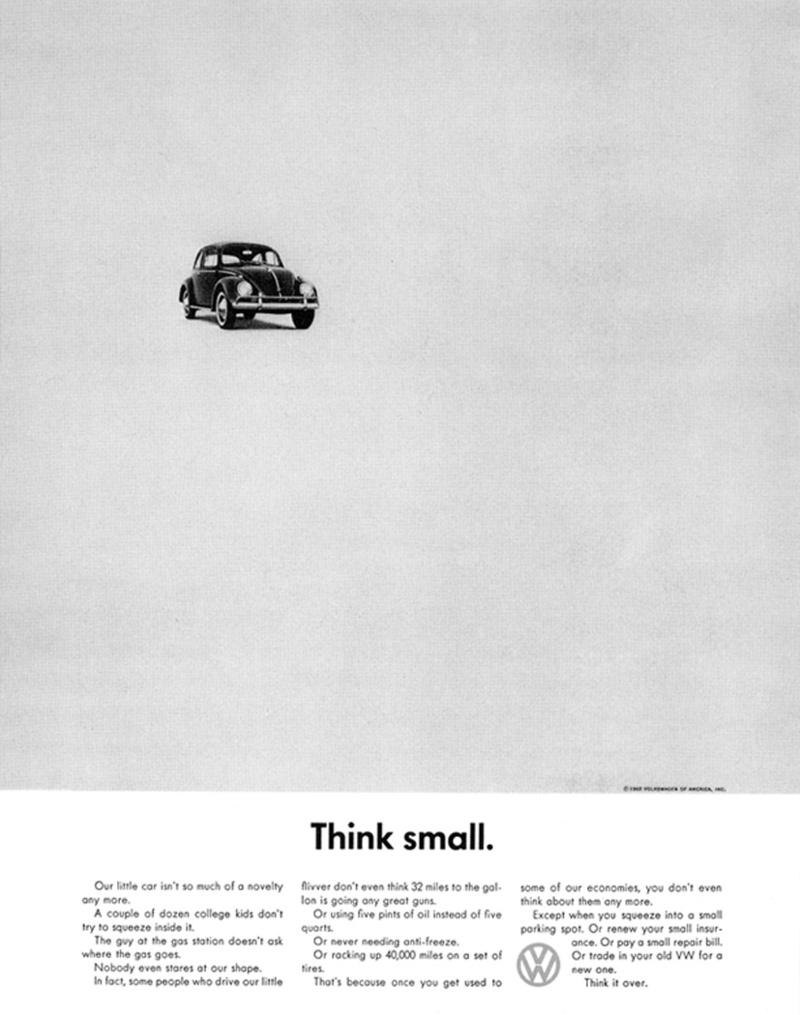
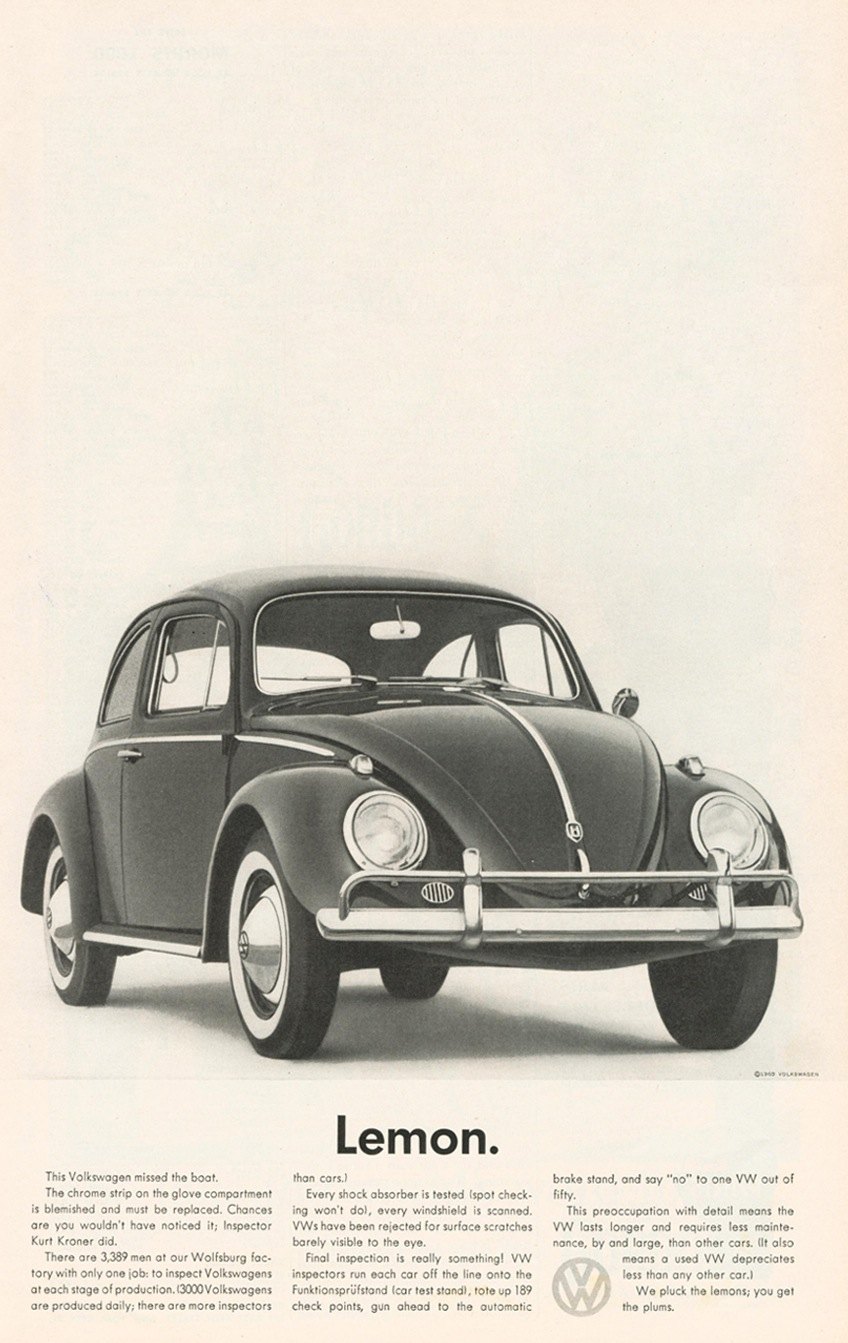
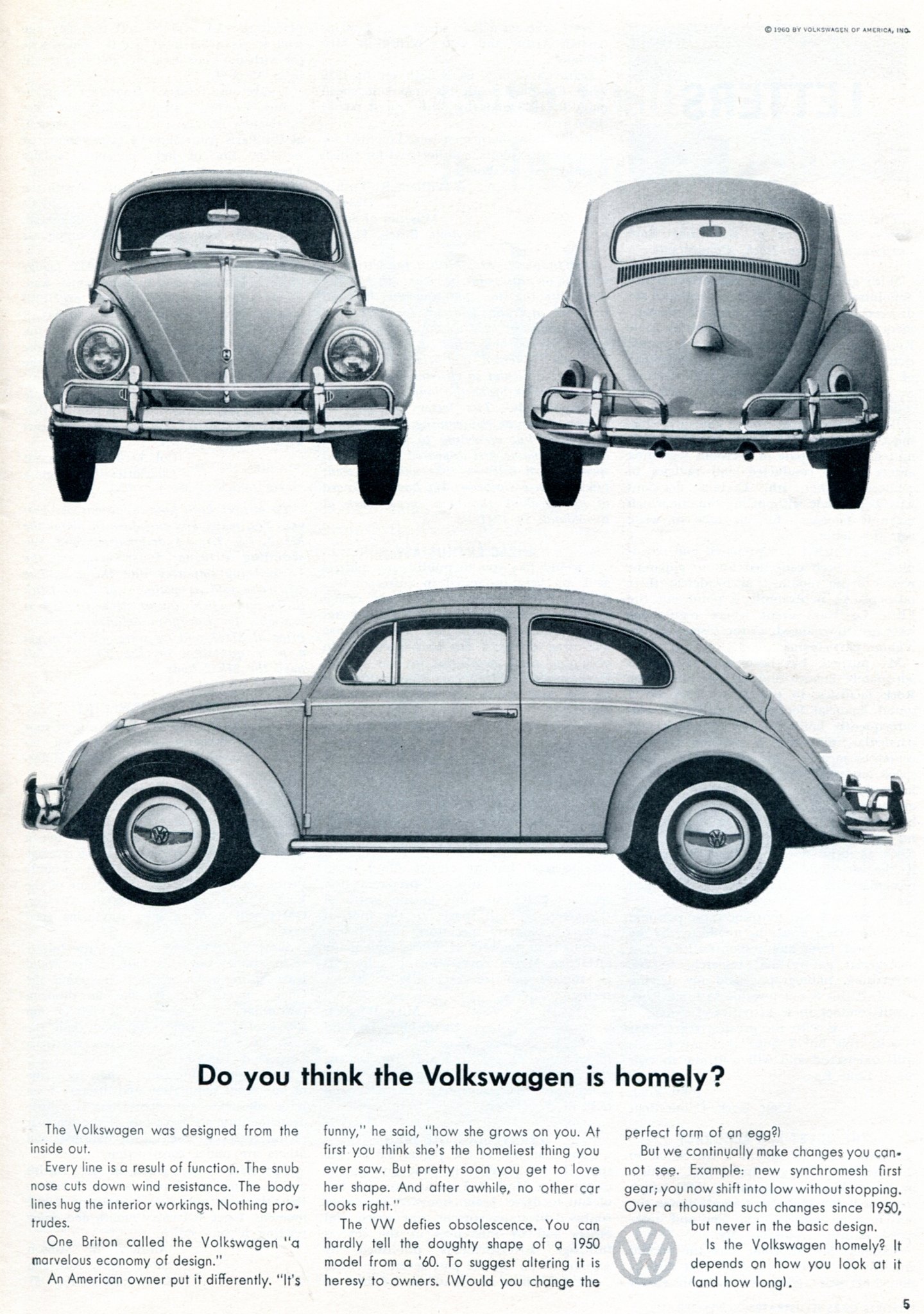
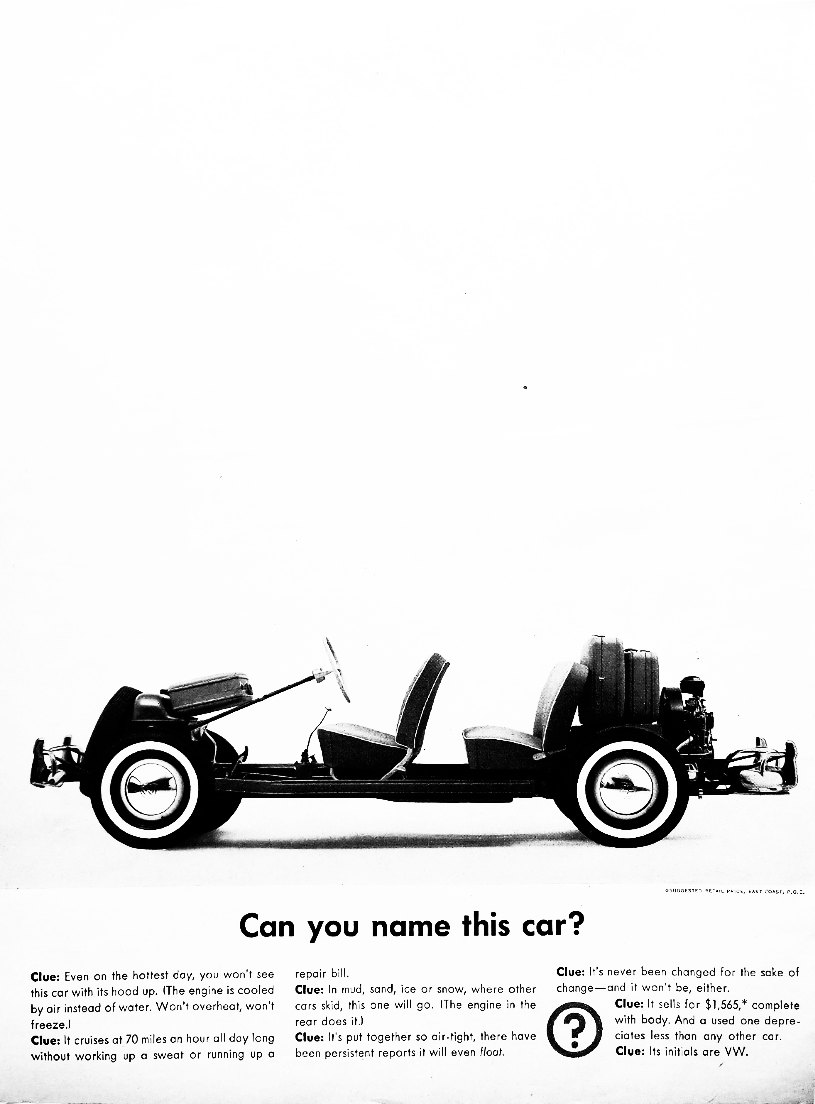
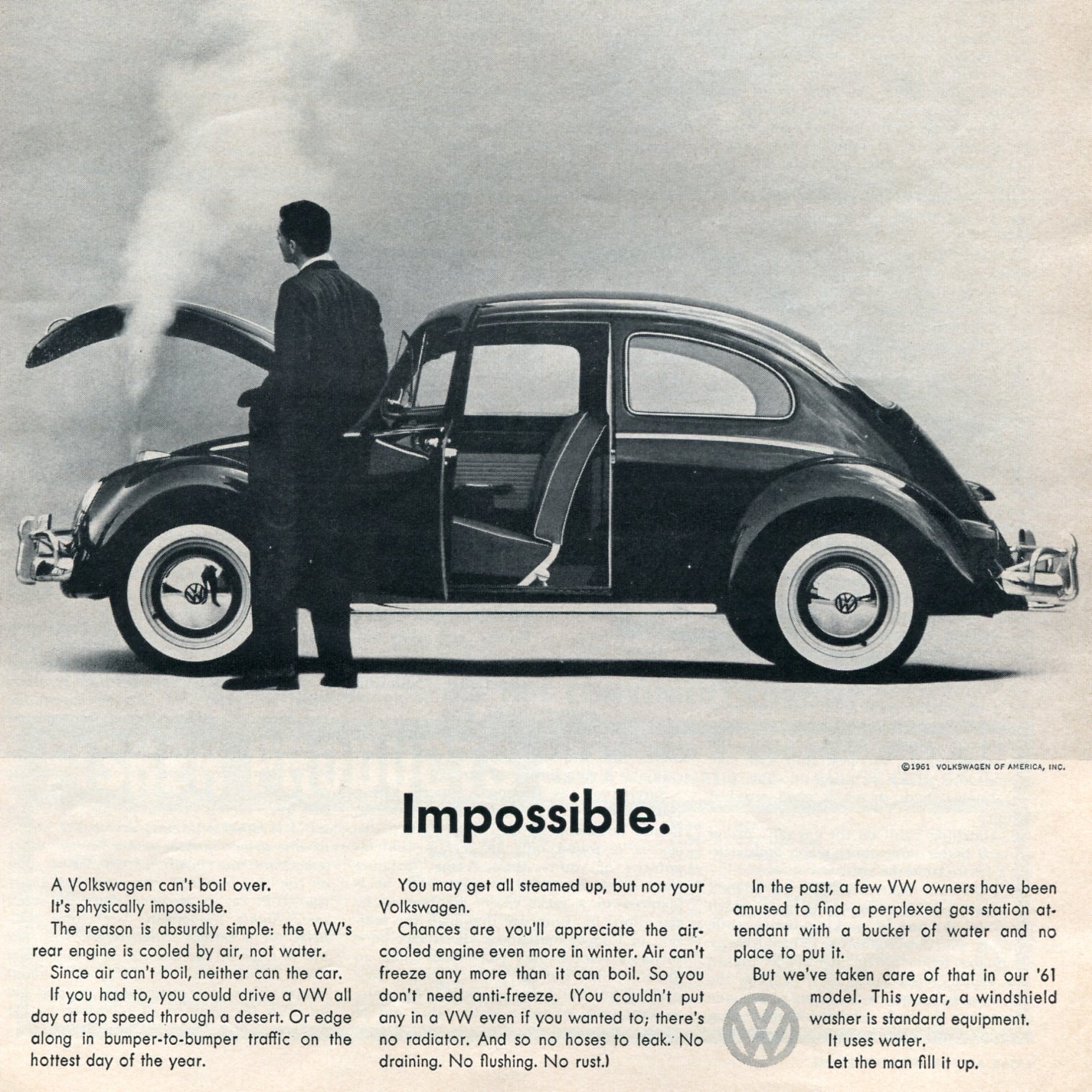
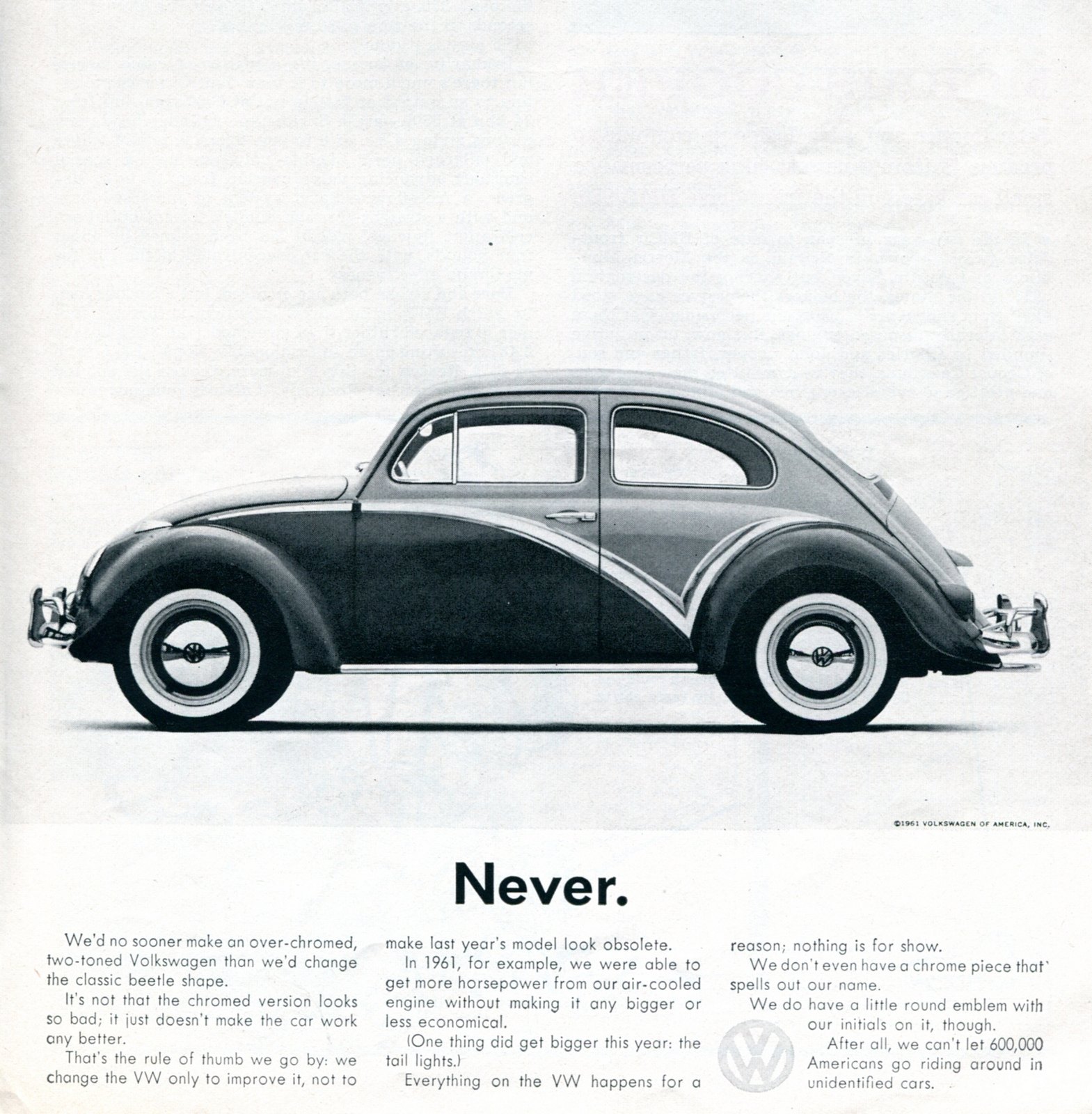
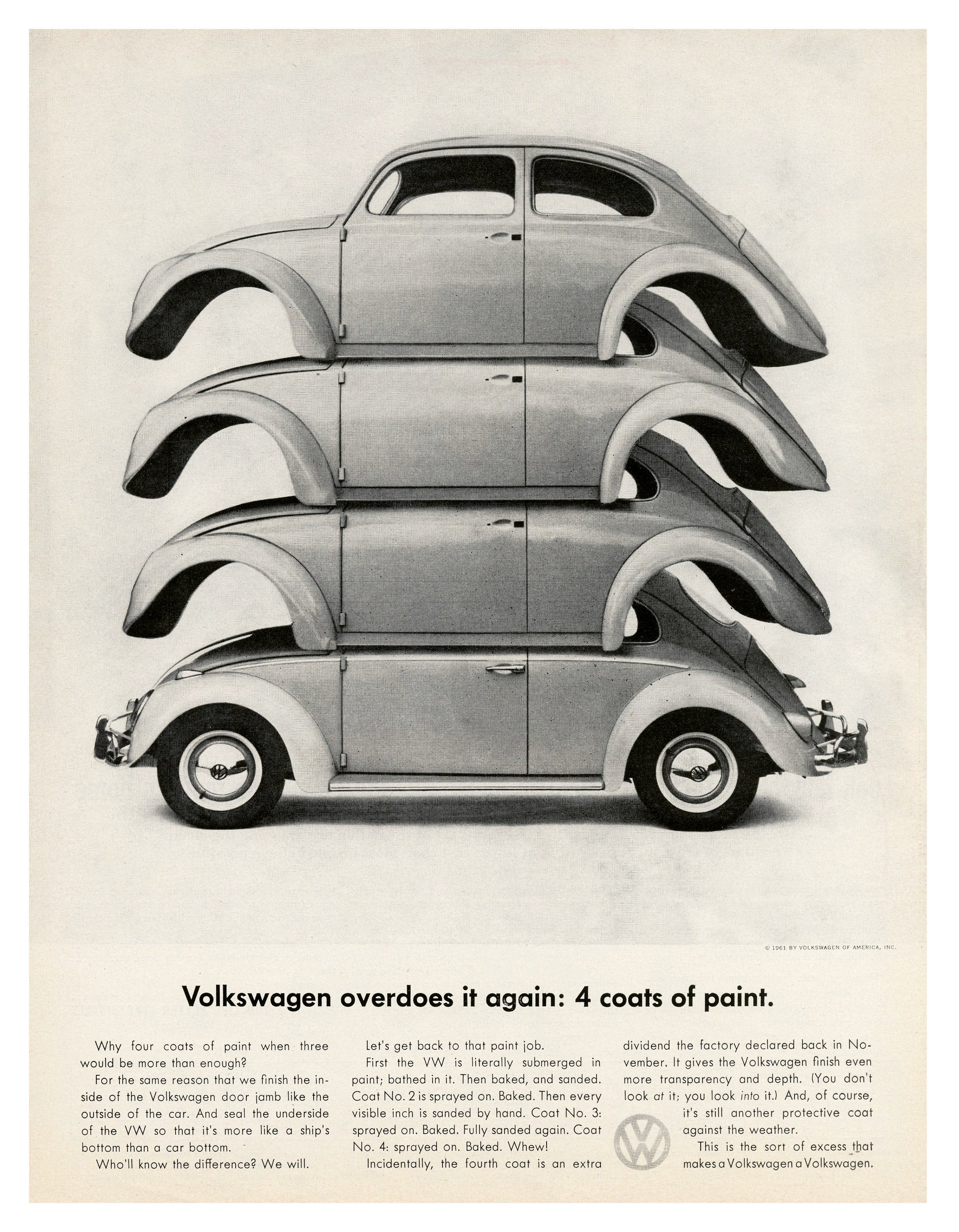
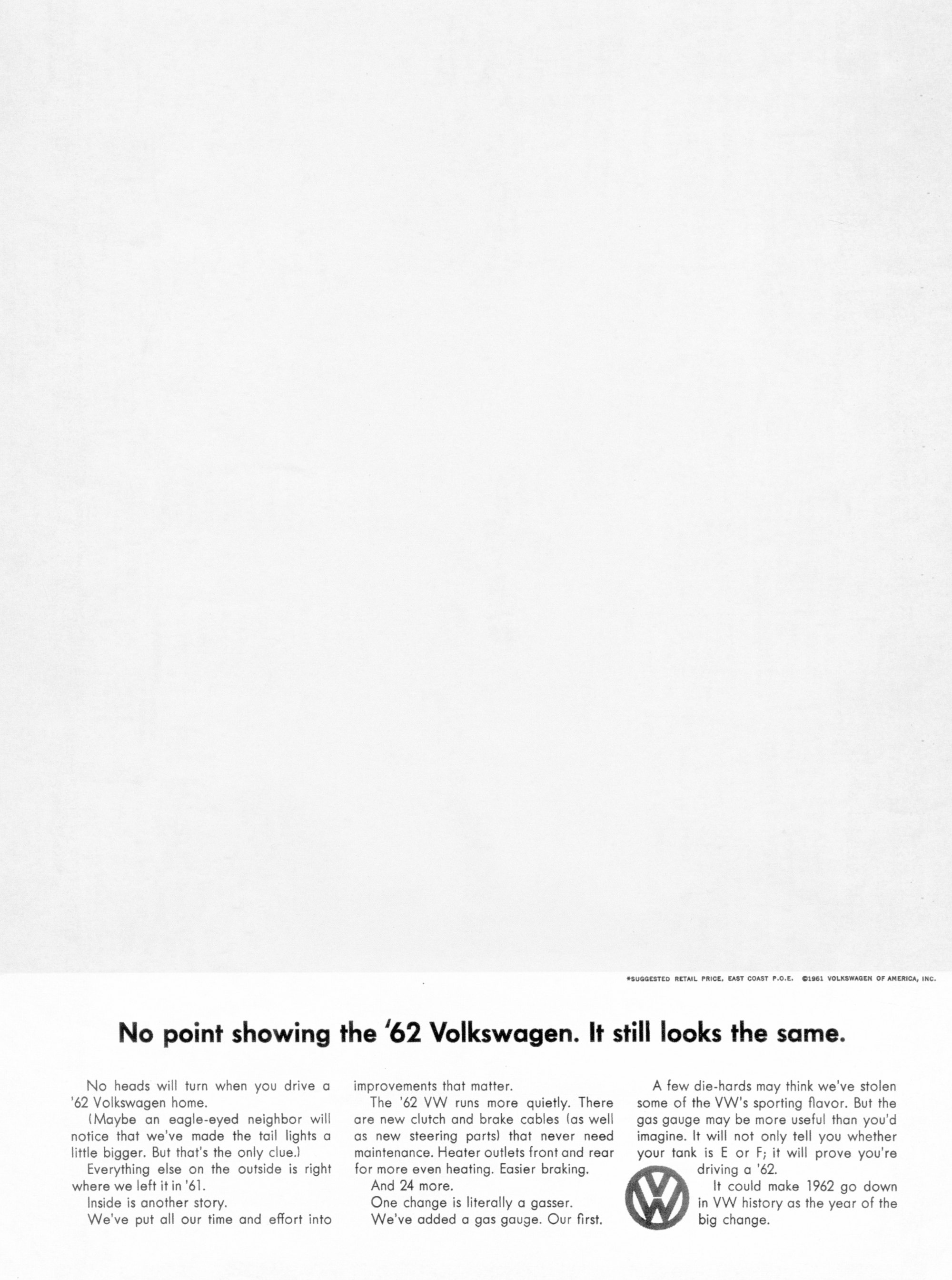
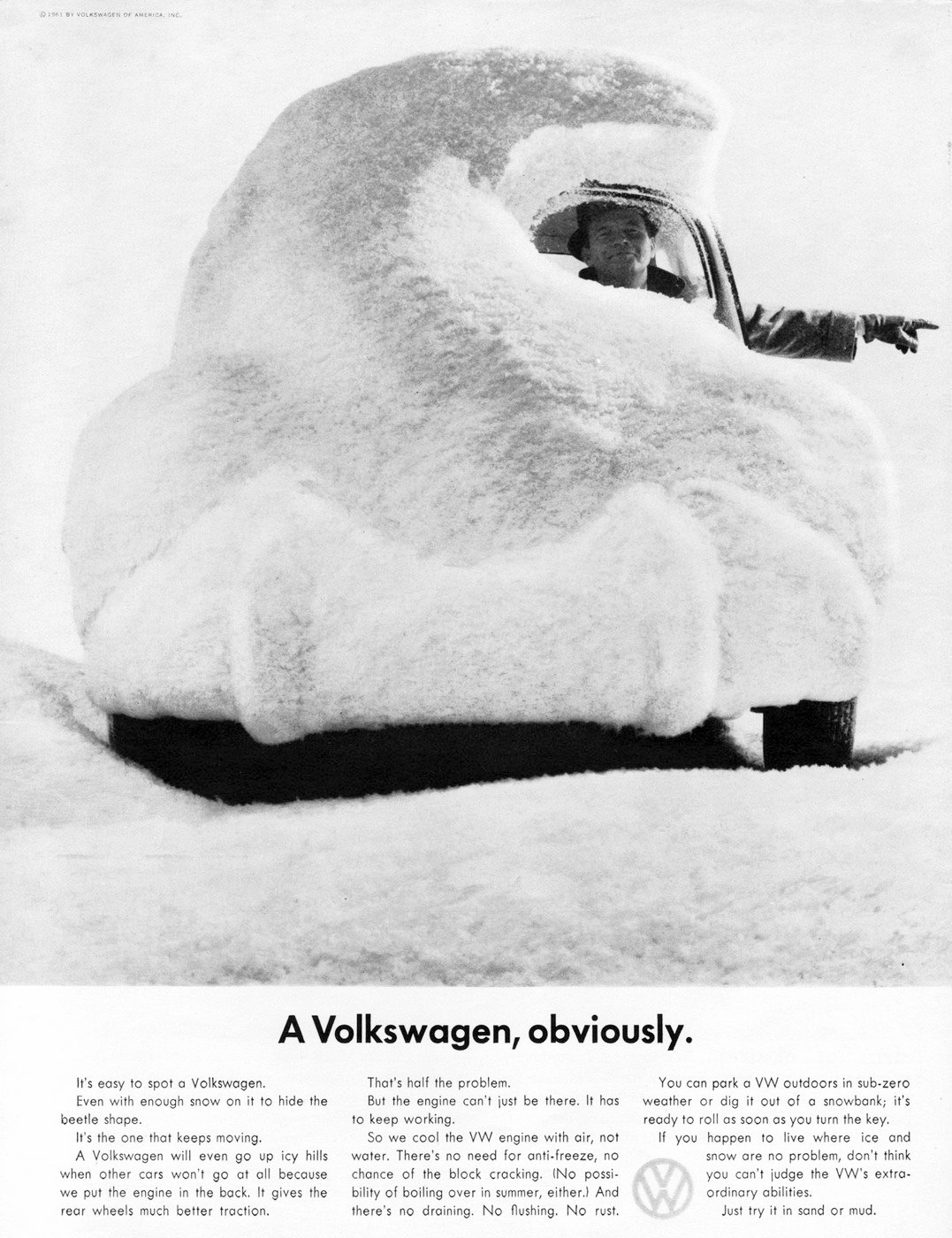
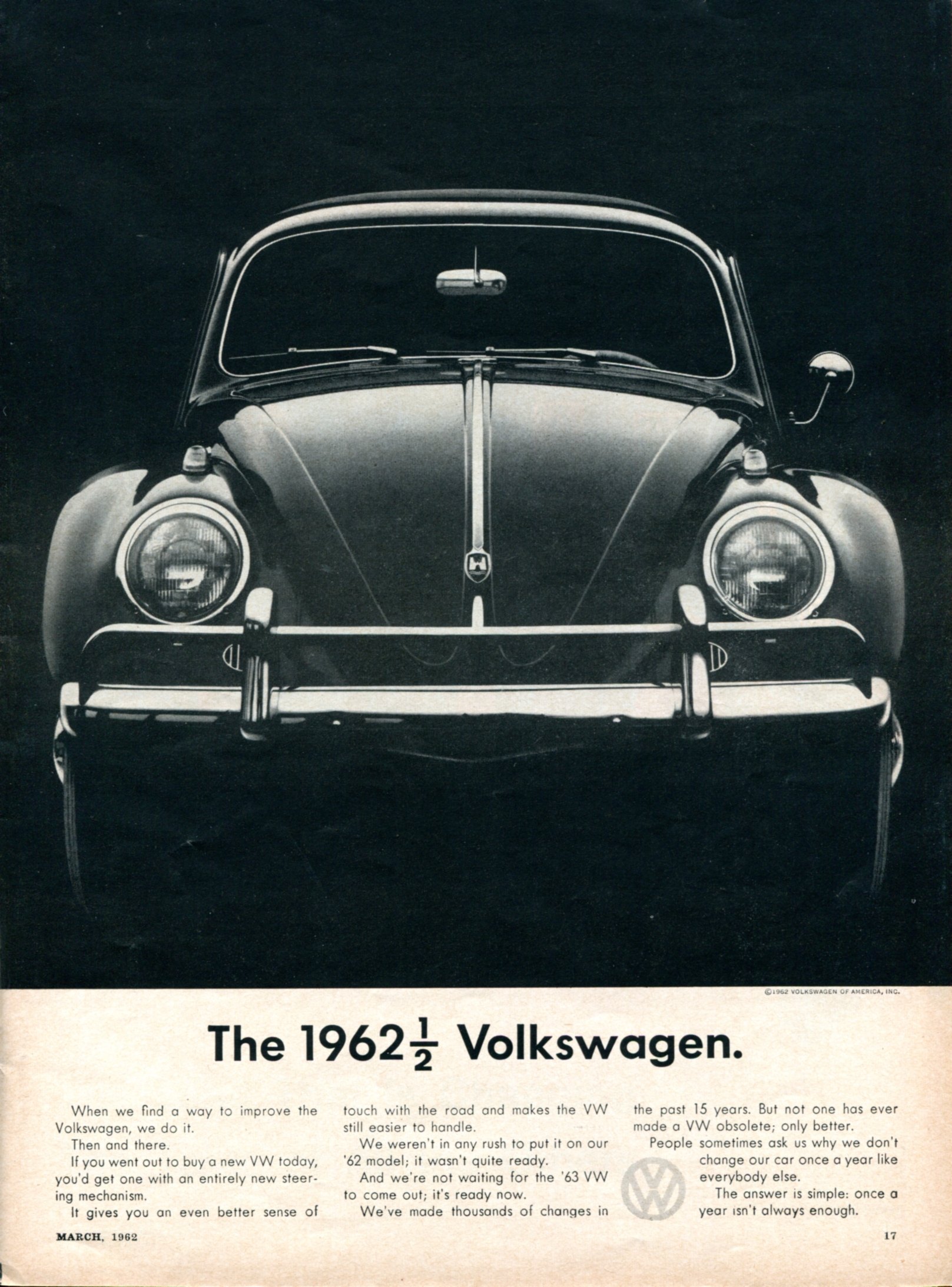
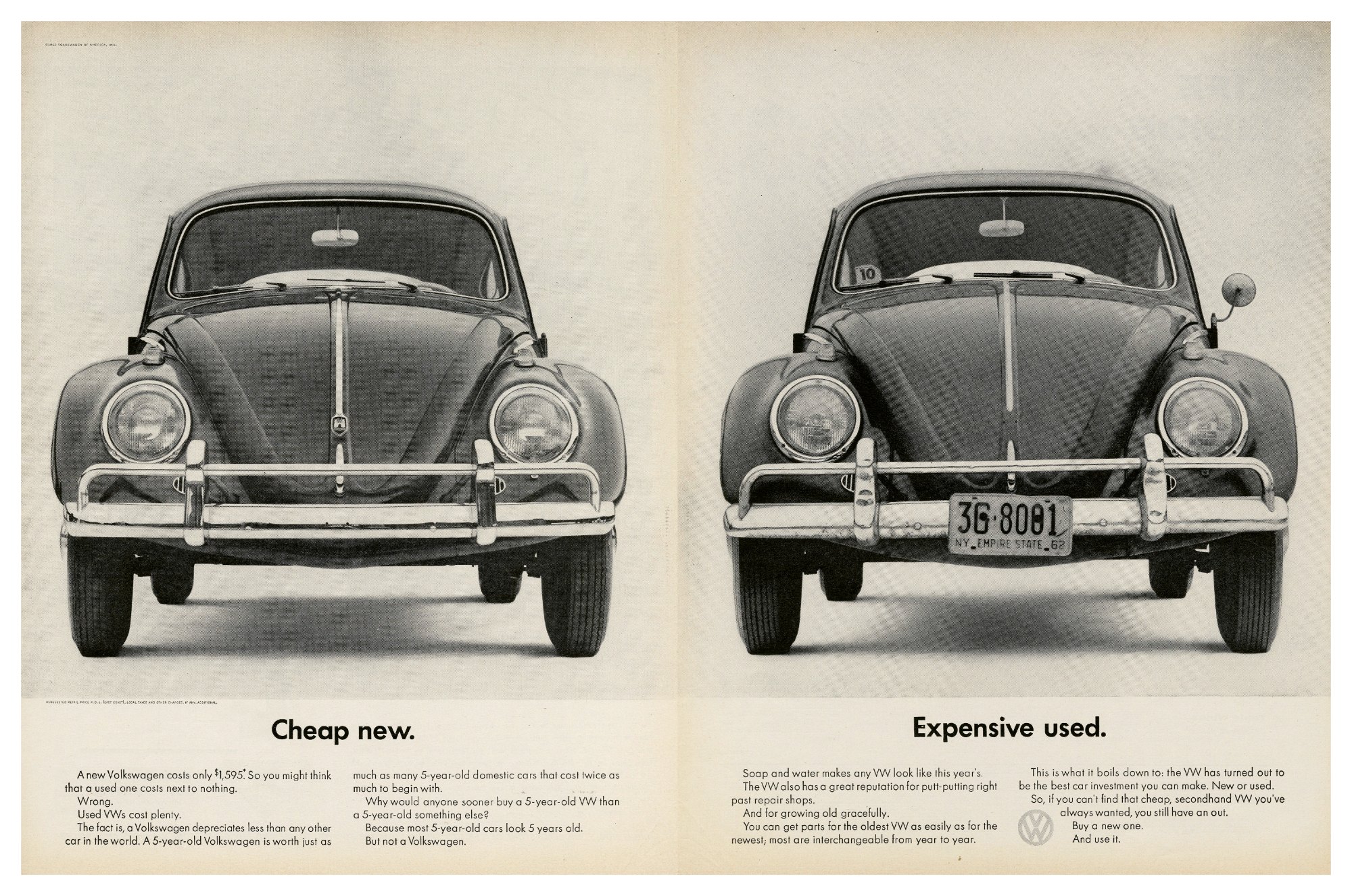
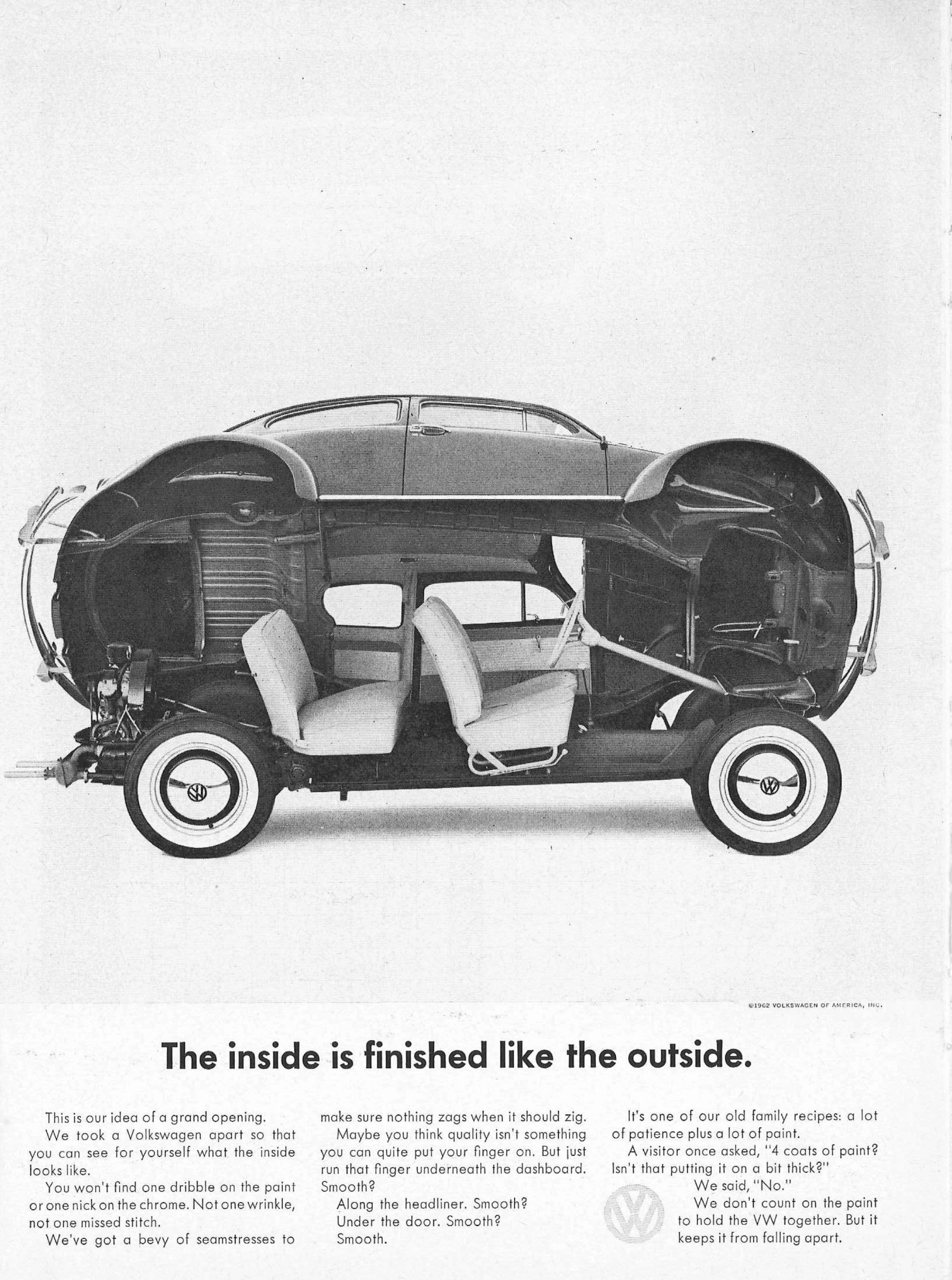
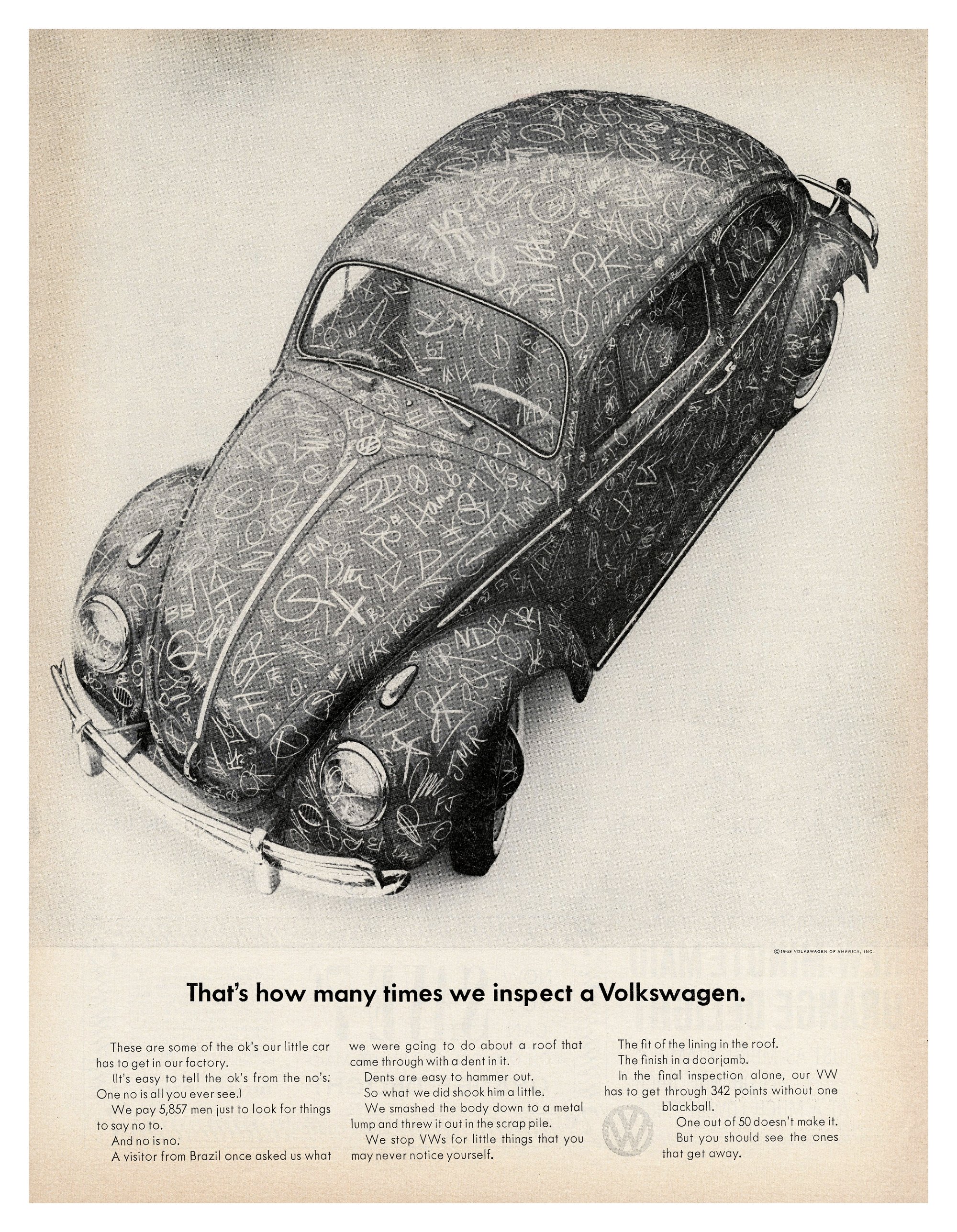
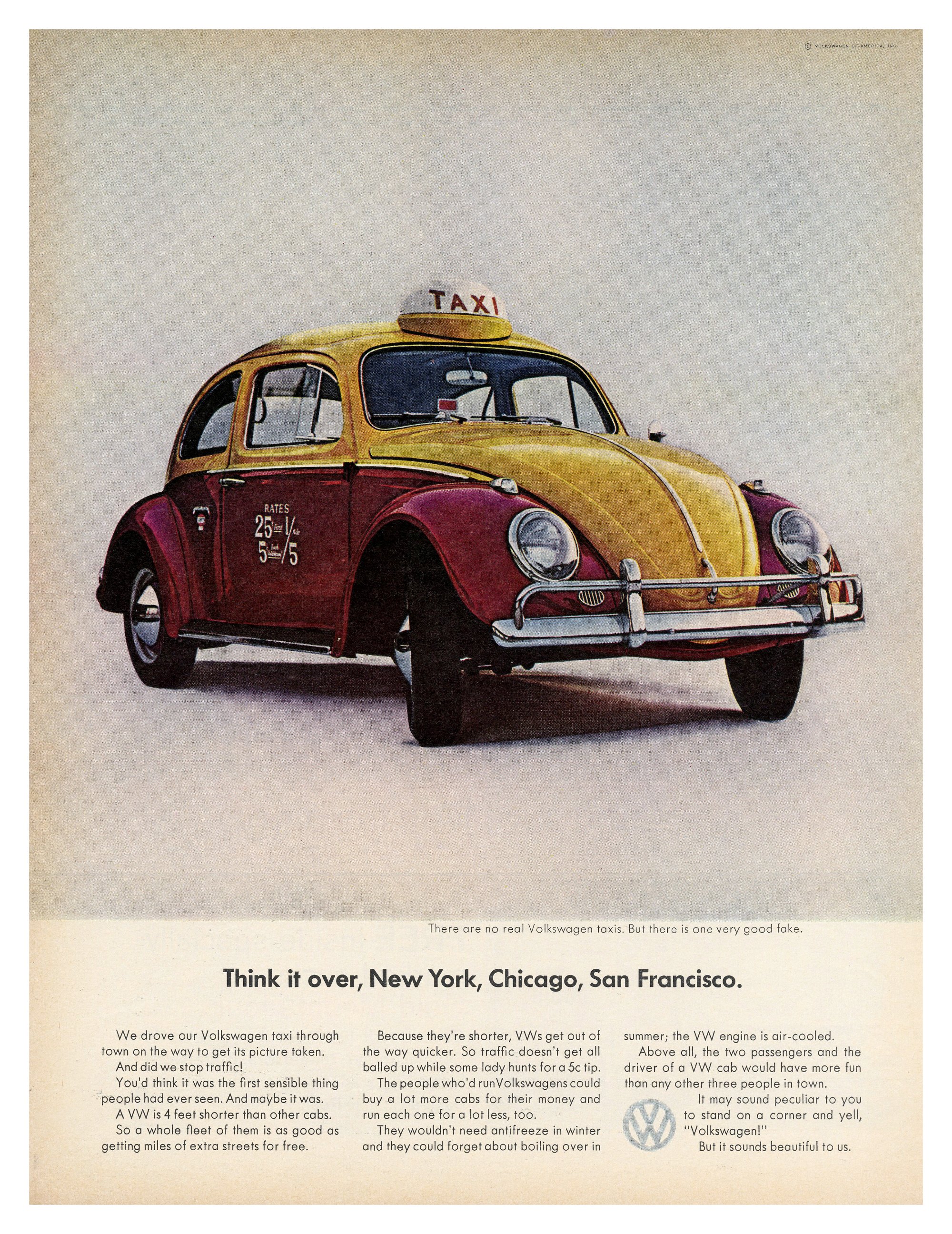
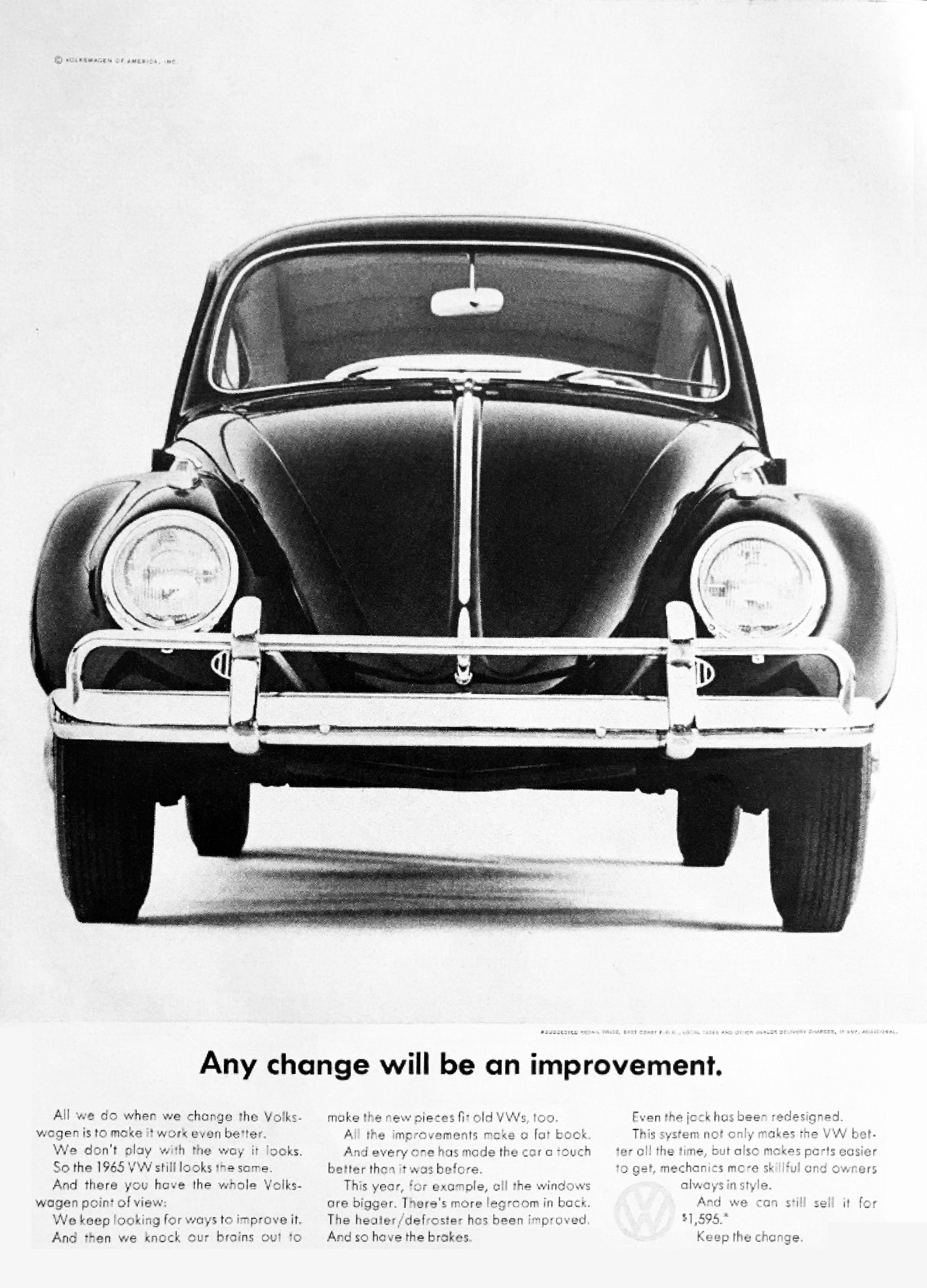
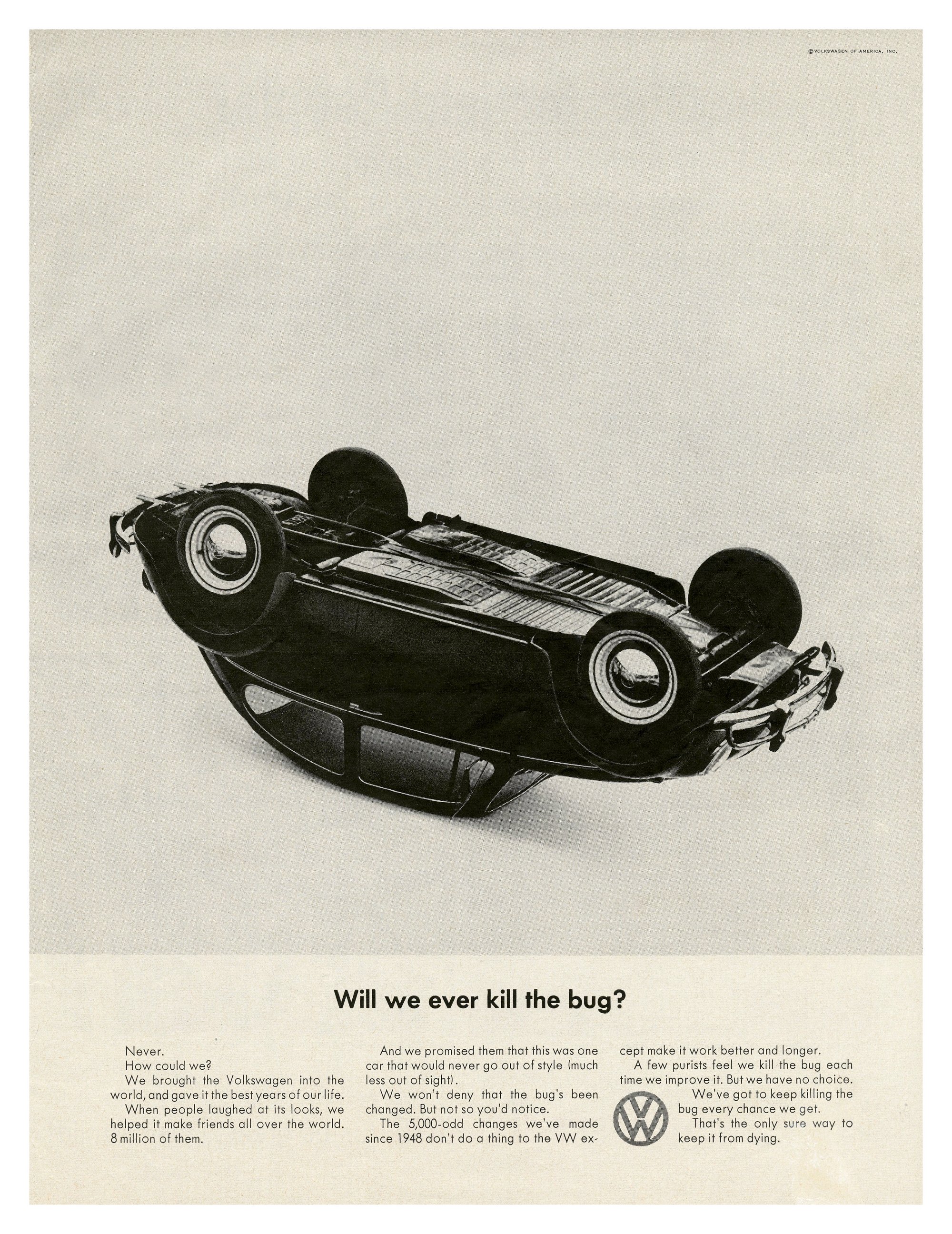
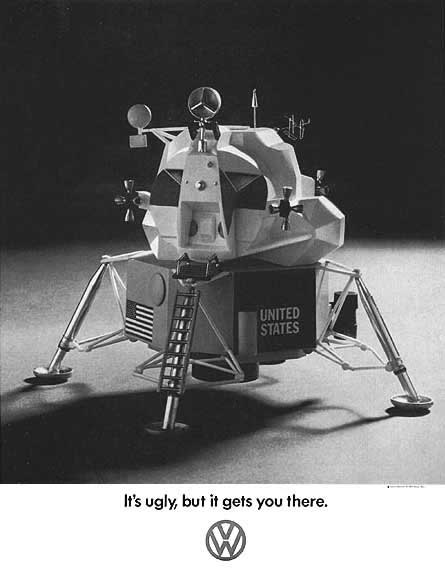
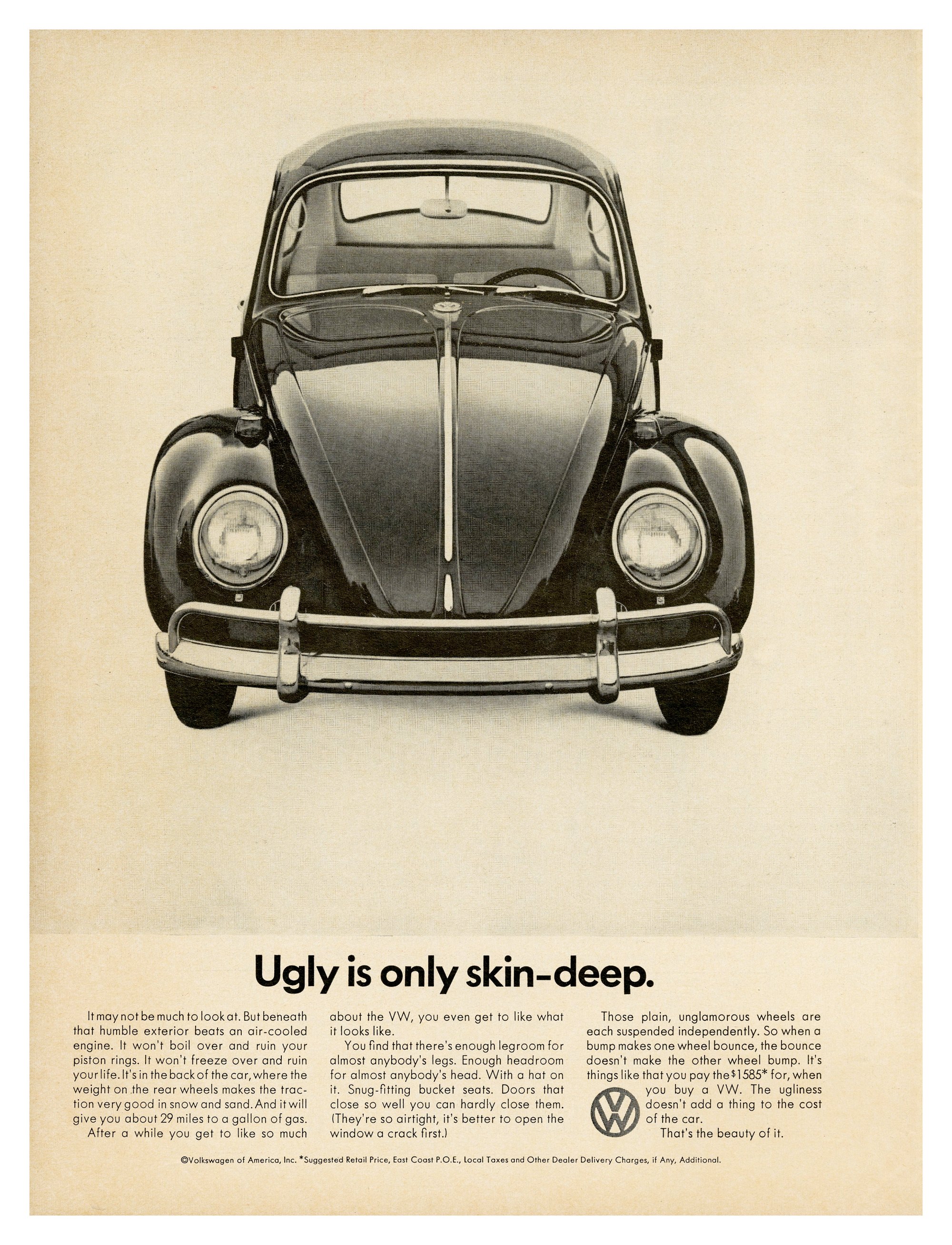
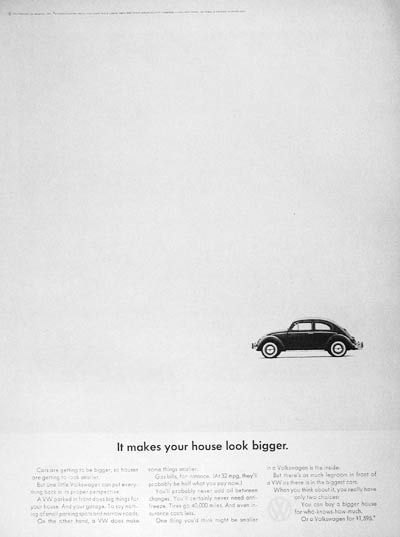
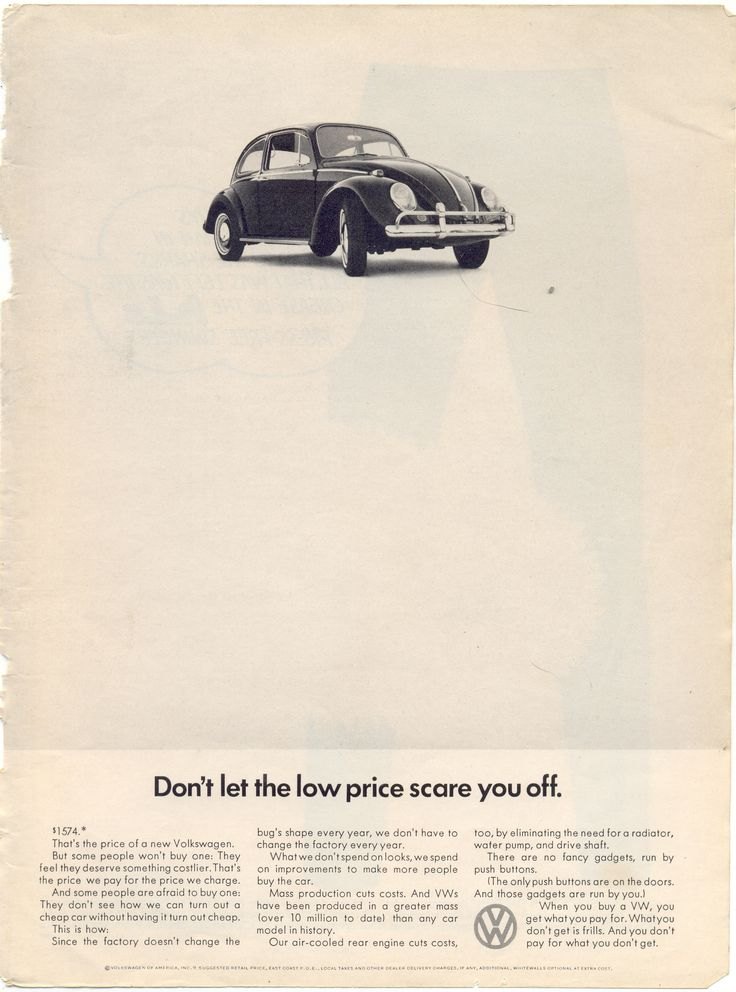
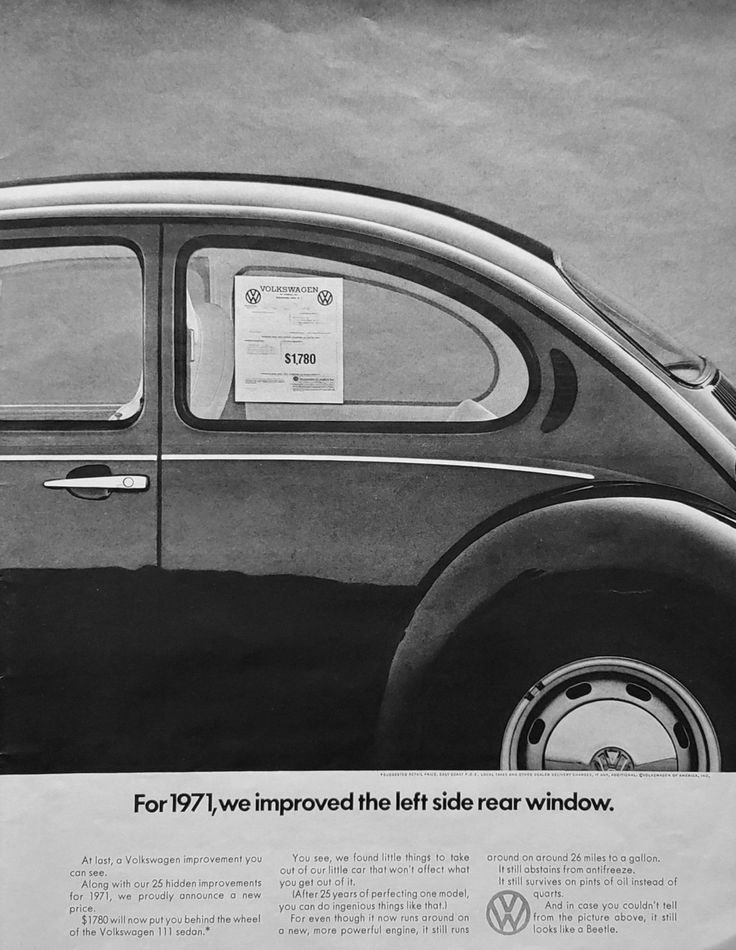
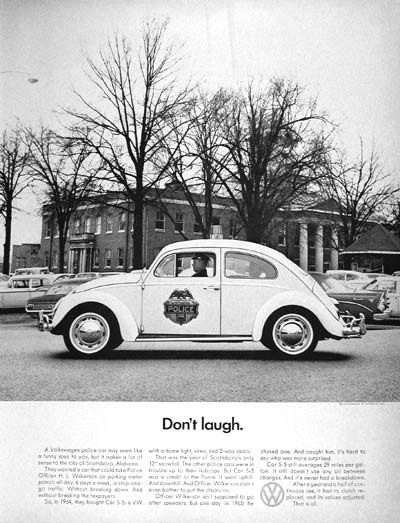
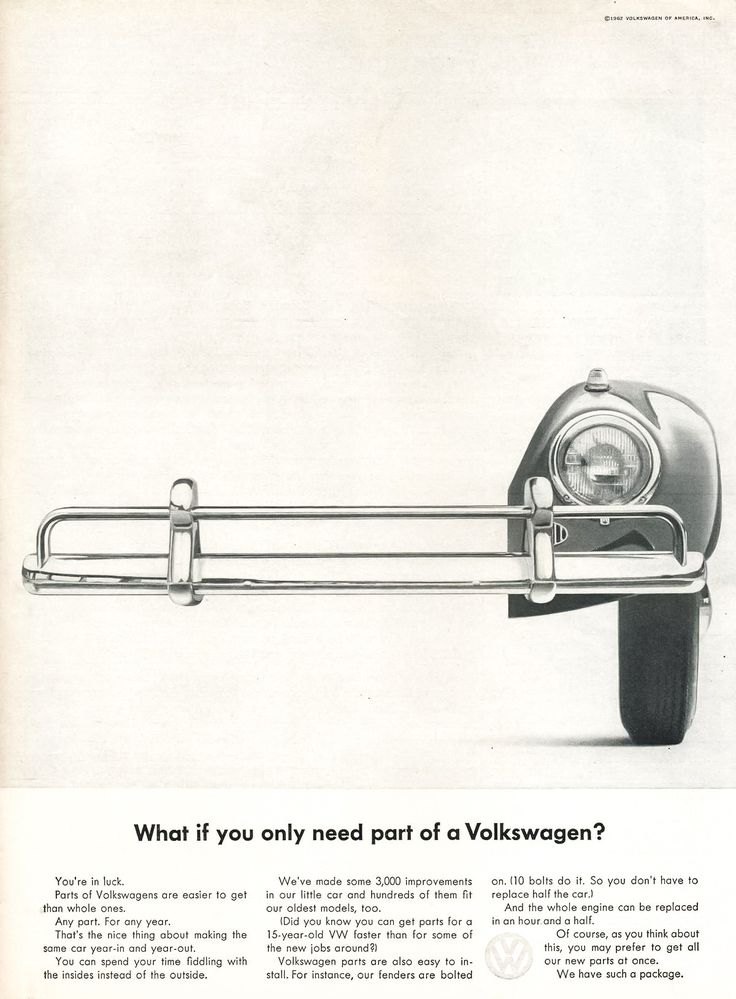
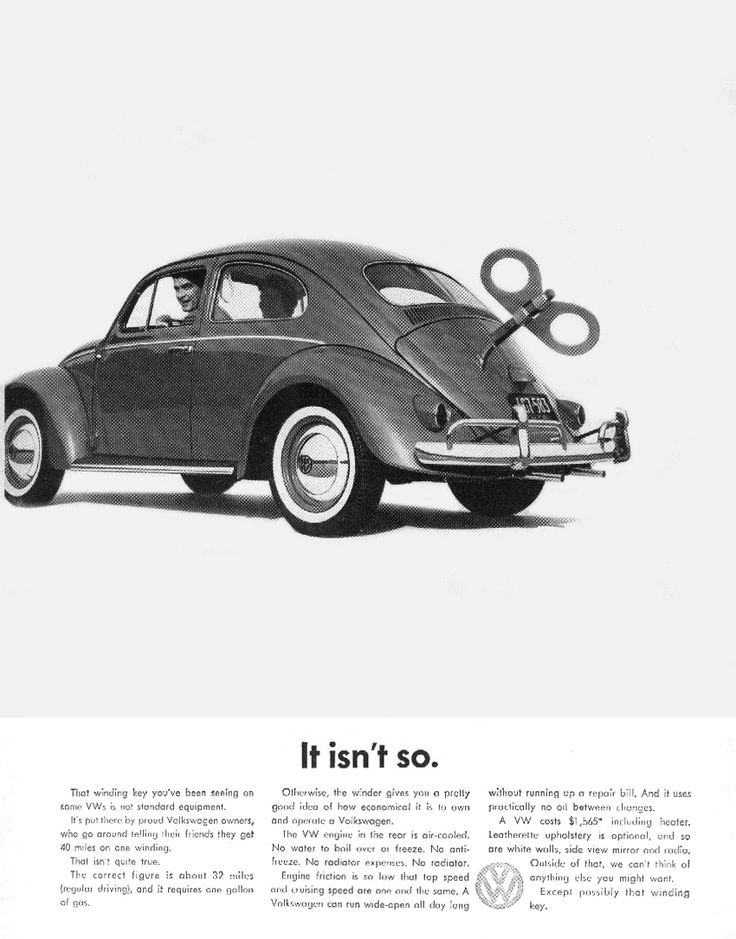
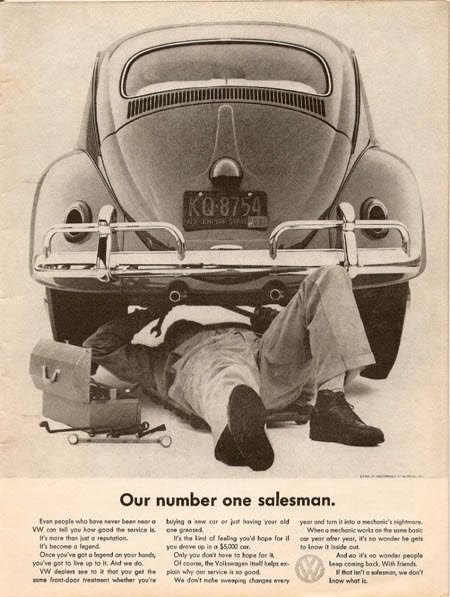
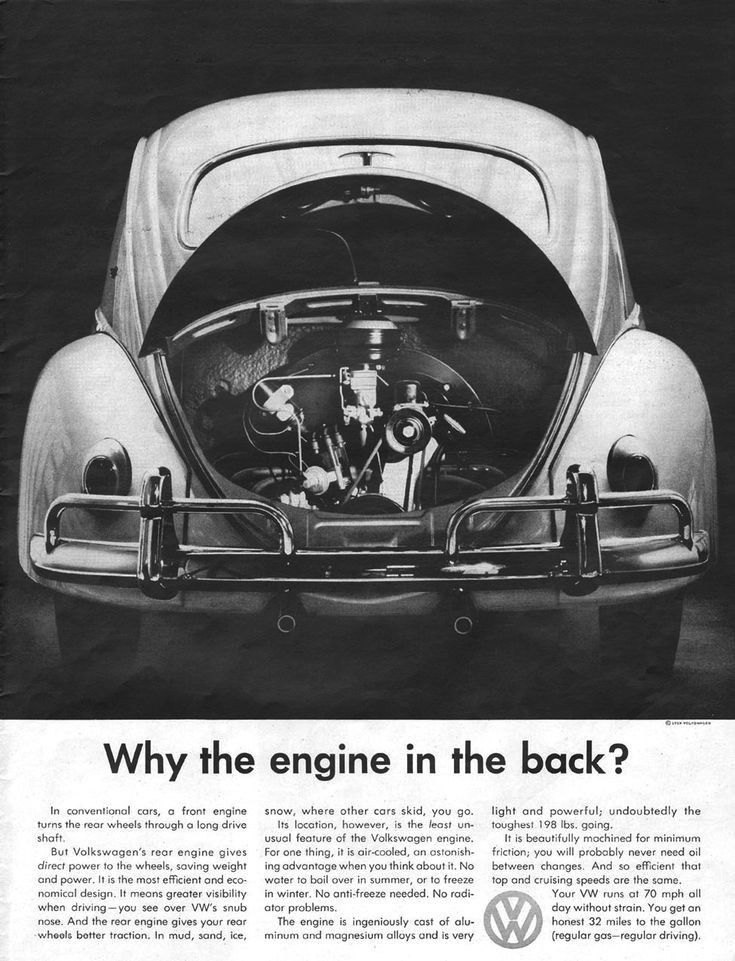
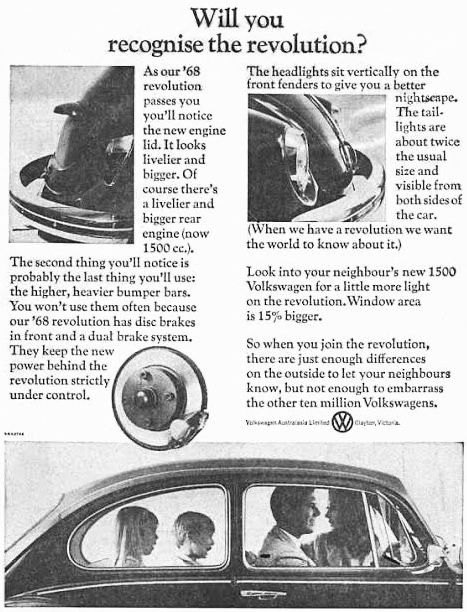
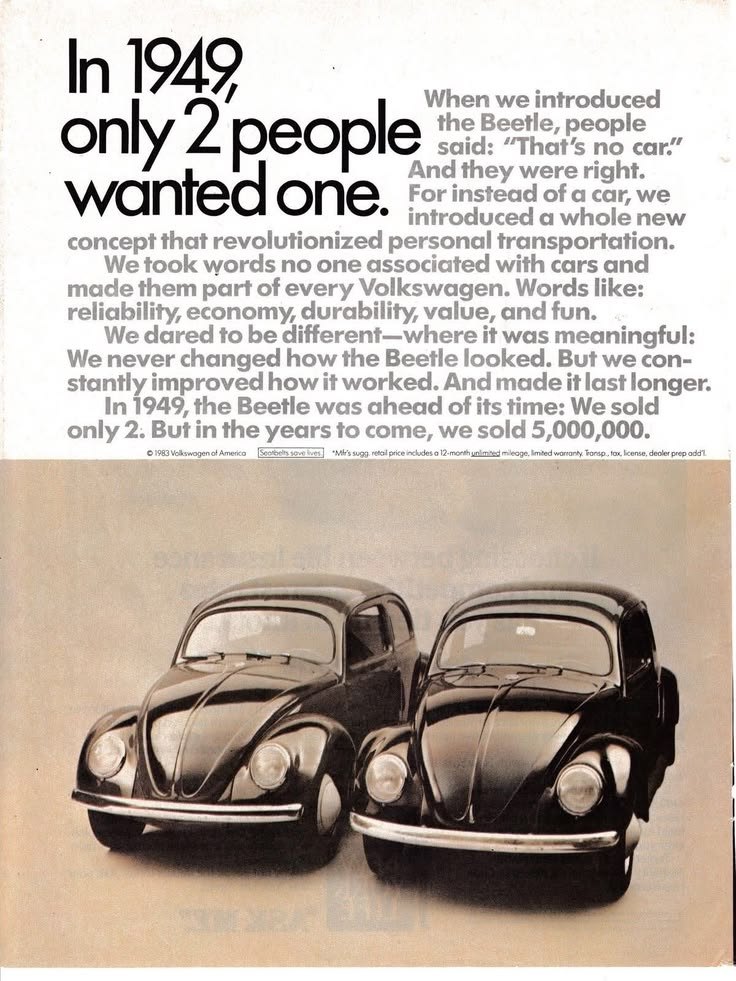
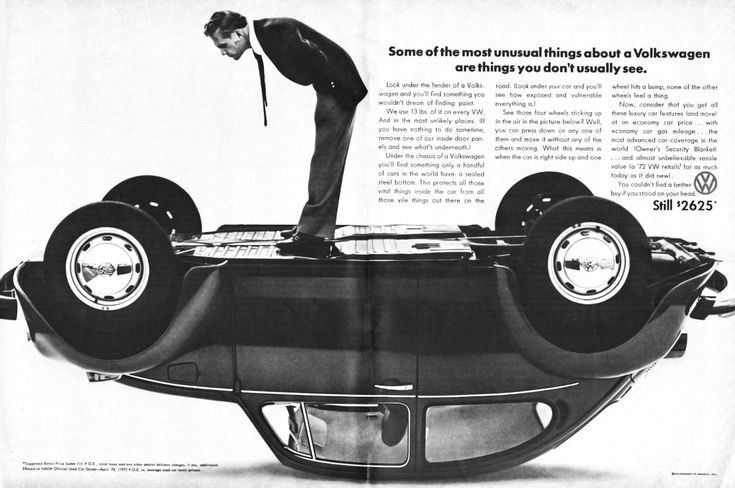
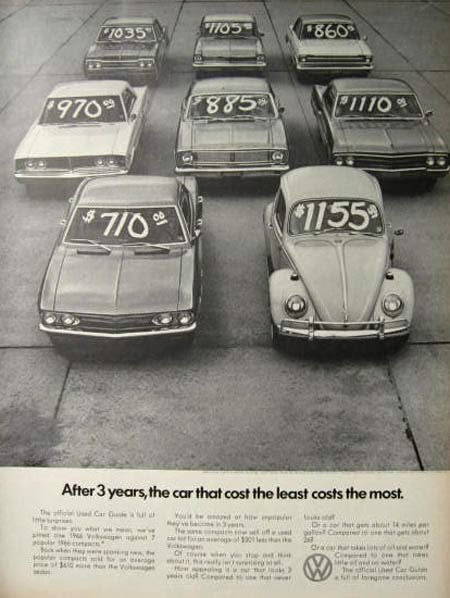
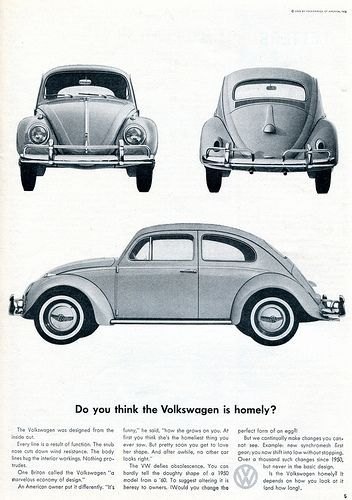
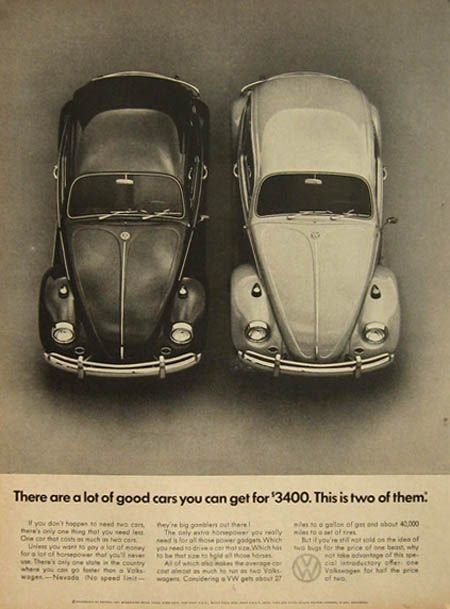
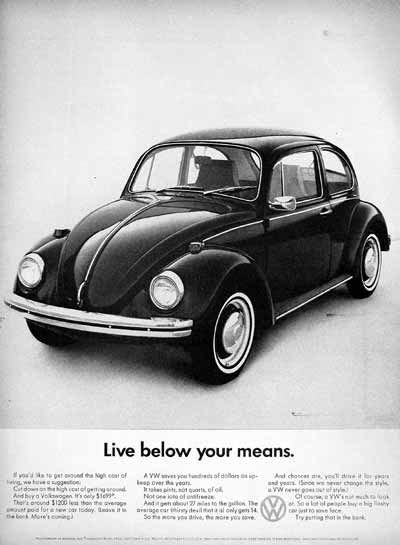
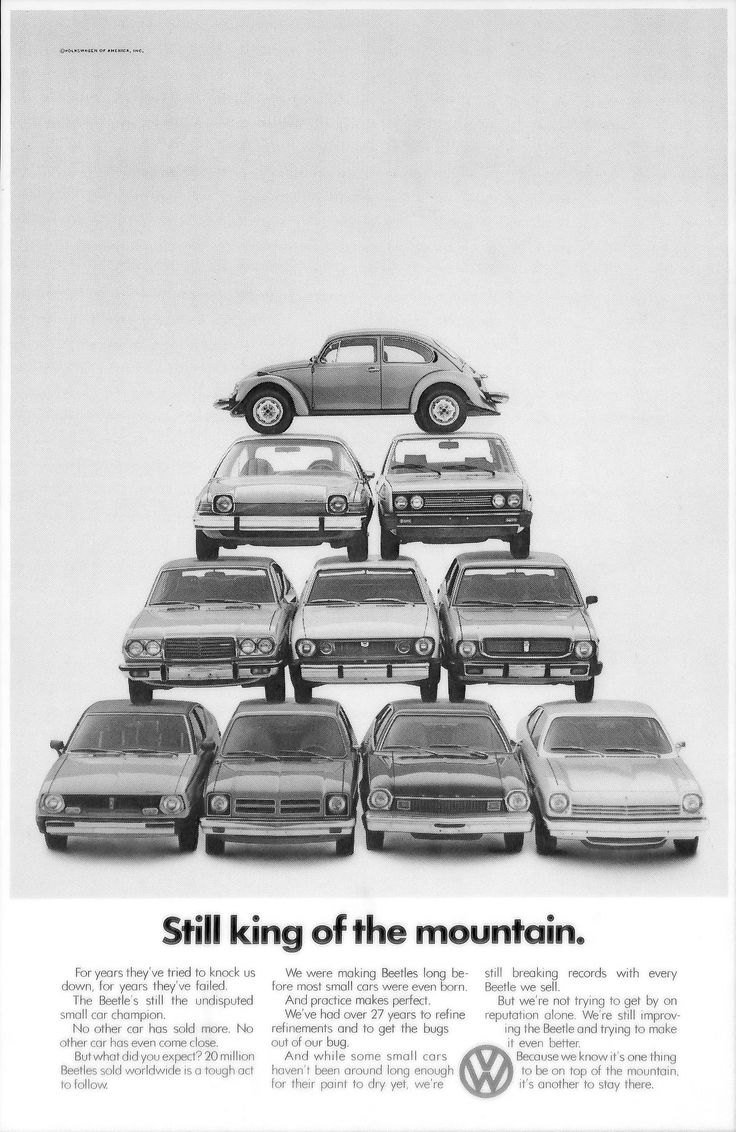
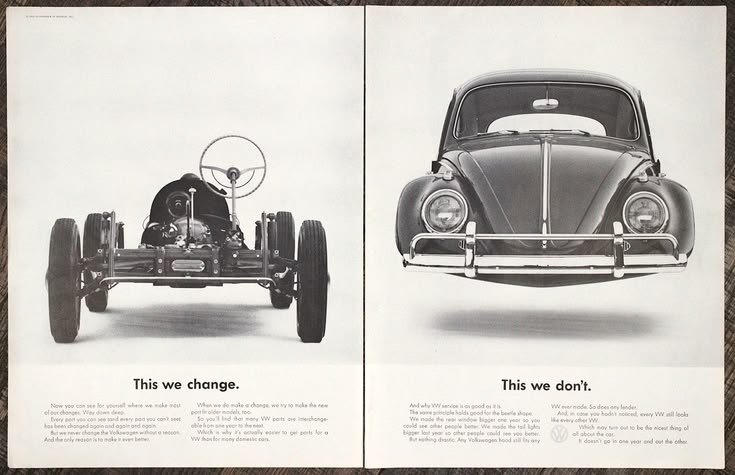
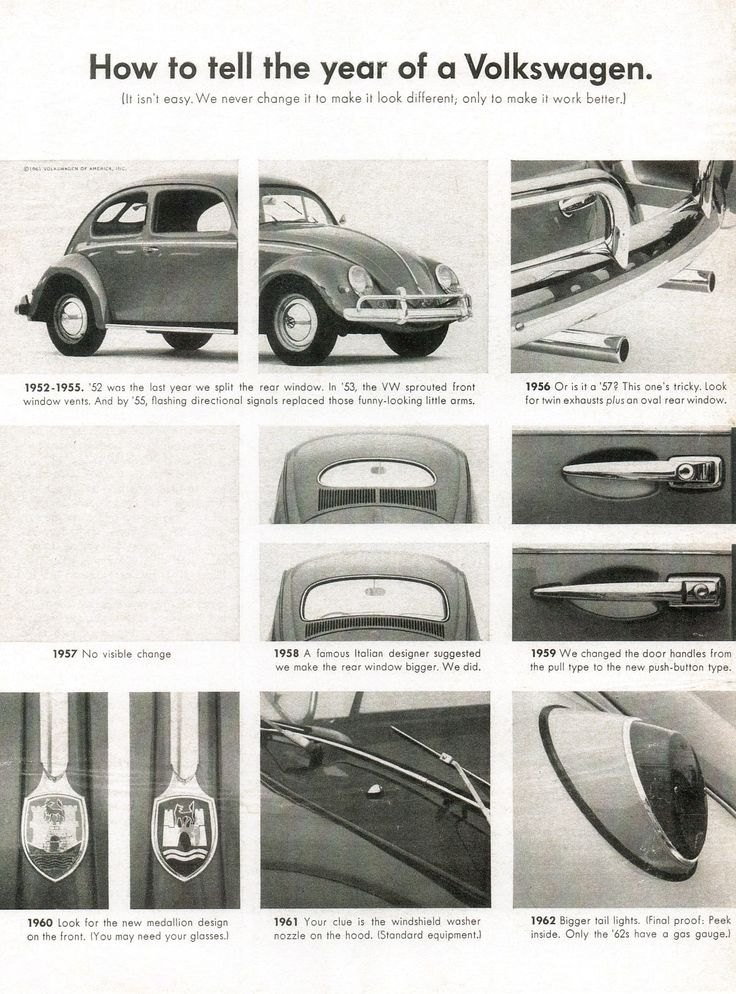
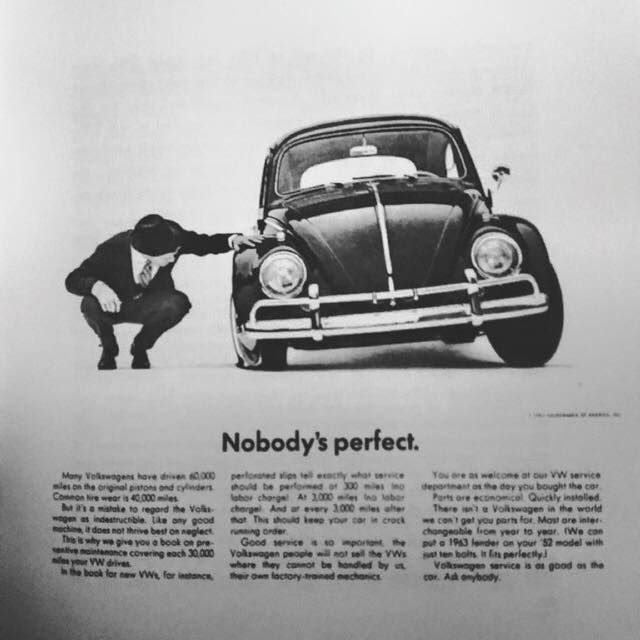
The campaign began on 17 August 1959. Krone put a small photograph of the Beetle high on a white page, with a short headline and three narrow columns of copy below. Koenig's "Think small." made the size the subject: 32 miles to the gallon, five pints of oil instead of five quarts, no antifreeze. "Lemon." in 1960 showed a perfect-looking car and said it had been rejected by inspector Kurt Kroner for a blemished chrome strip on the glove compartment; it closed, "We pluck the lemons; you get the plums." Volkswagen says its share of US imports rose from 20 to 32 percent in 1960, and US Beetle sales reached 423,008 in 1968. In 1999 Advertising Age named the campaign the best of the twentieth century.
The work.
Film
In 1959 a small agency on Madison Avenue was handed a car built in a factory Hitler had opened, and told the truth about it.
Back to the archive →