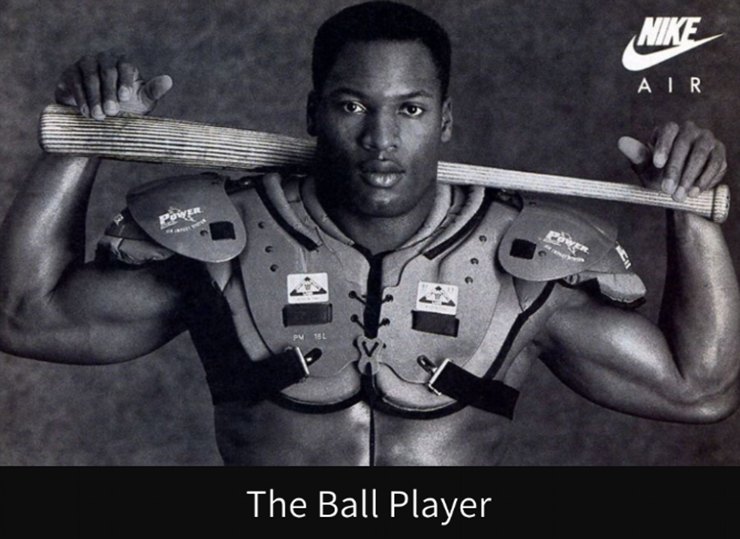
Bo Knows
Nike sold a new shoe category by putting it inside one real man who played two professional sports, then let him fail at a third.
The era.
In 1986 Reebok took the top spot in the American athletic shoe market from Nike. Its engine was the Freestyle, a soft leather shoe launched in 1982 for women going to aerobics classes. Reebok's net sales went from $12.8 million in 1983 to $920 million in 1986.
Nike had built itself on running and then on basketball, where Air Jordan had arrived in 1985. Reebok's growth came from people who bought sports shoes for exercise classes and the gym, a customer Nike had not built for. Reebok's net sales reached $1.39 billion in 1987.
Nike's answer was product and advertising. In 1988 Wieden+Kennedy wrote Just Do It for the brand. In 1989 Nike took back the number one position from Reebok, and the Bo Jackson commercials were credited inside Nike as a large part of the reason.
The culture.
Bo Jackson won the Heisman Trophy at Auburn in 1985. Tampa Bay drafted him first overall in 1986 and he refused to sign with them. He signed with the Kansas City Royals to play baseball instead.
In 1987 the Los Angeles Raiders took him in the seventh round, and he agreed to play once owner Al Davis let him finish each baseball season first. In July 1987 the Toronto Star printed his line that whatever came after the baseball season was a hobby, like fishing. He was the first athlete of the modern era to play professional baseball and football in the same year.
On 11 July 1989, at the baseball All-Star Game in Anaheim, he led off the first inning with a home run of about 448 feet. Ronald Reagan was in the broadcast booth with Vin Scully. Jackson was named the game's most valuable player, and the first Bo Knows commercial ran in a break during the same broadcast.
The problem.
Nike had invented a shoe for people who play many sports, and nobody had asked for one.
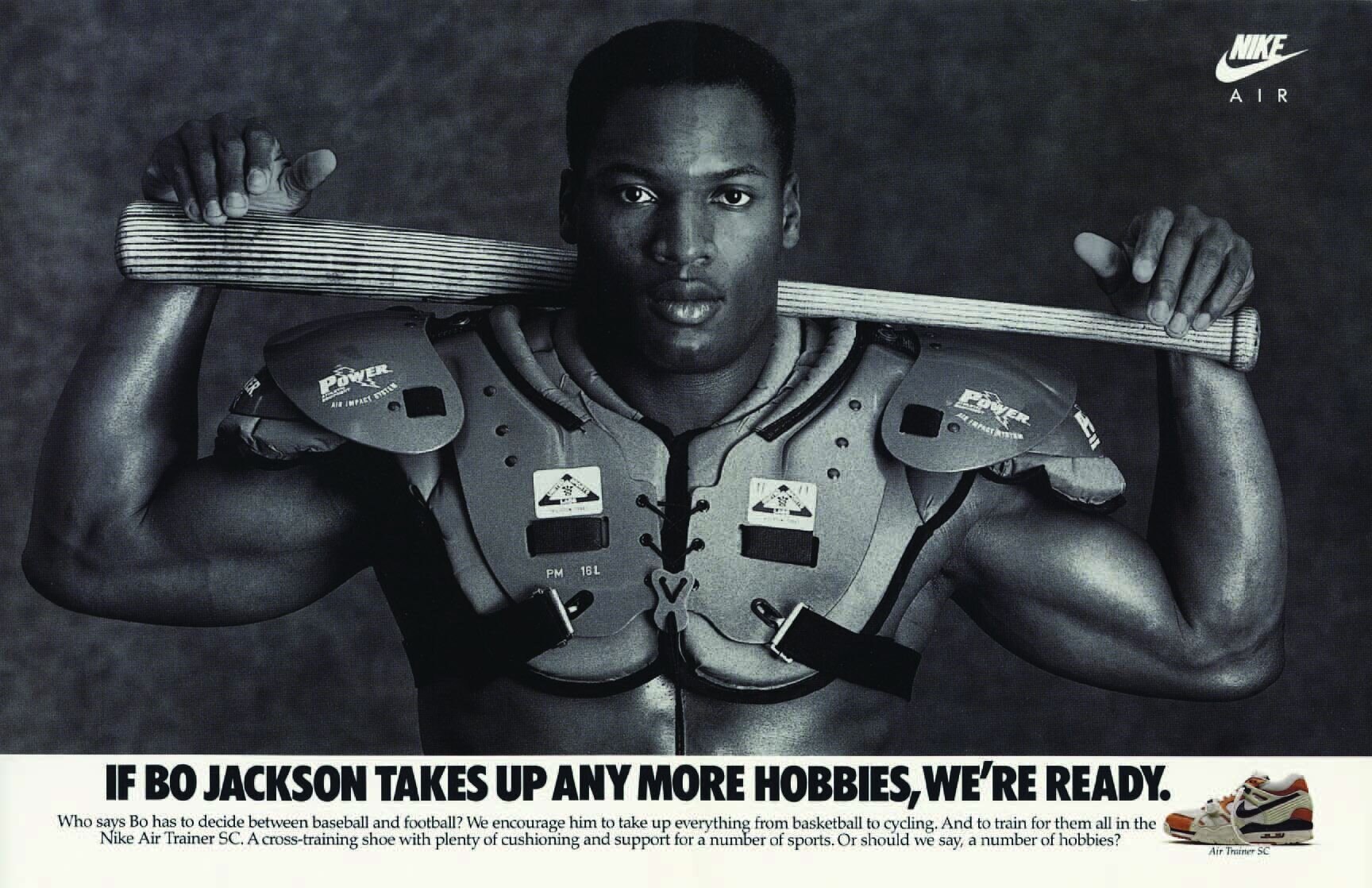
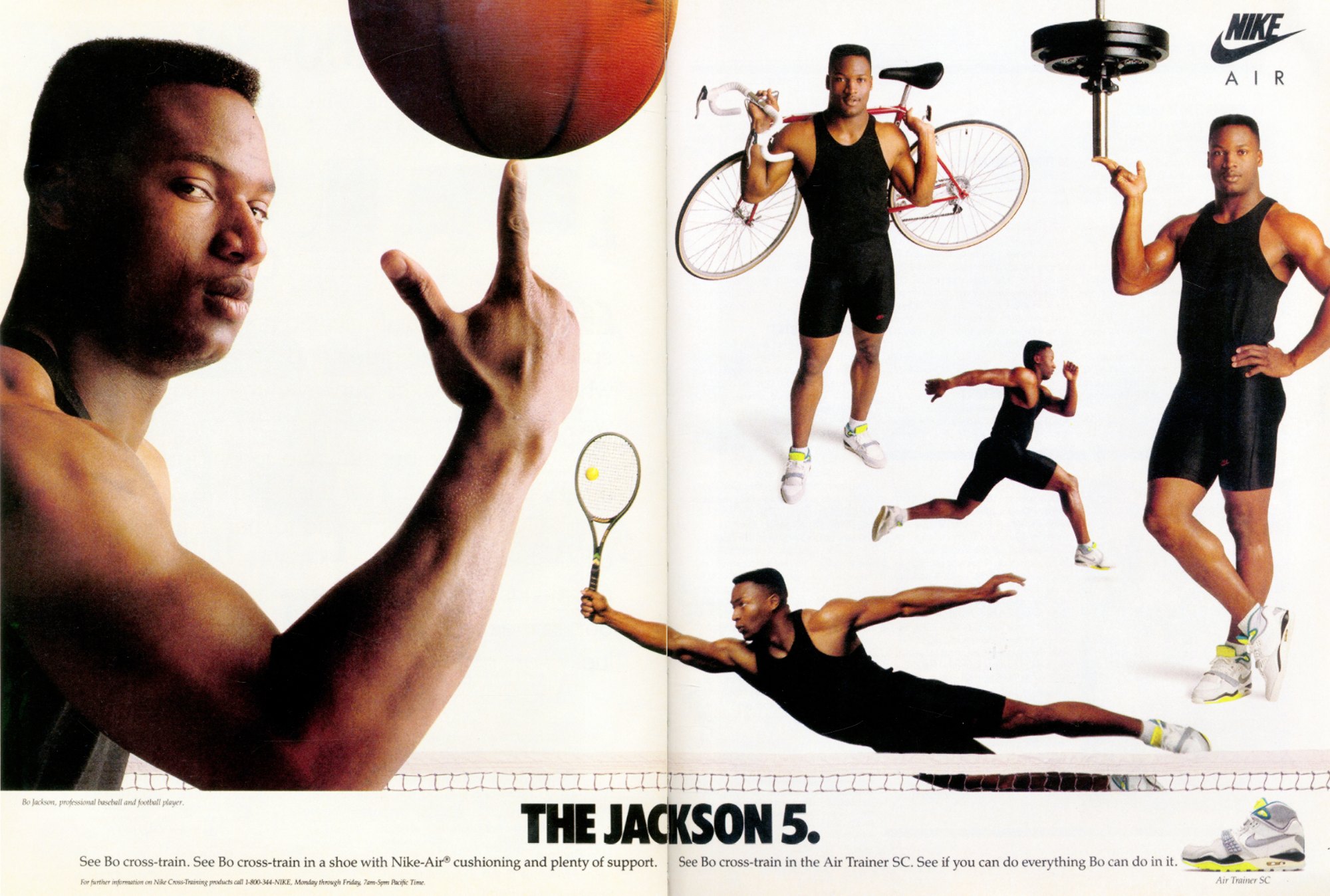
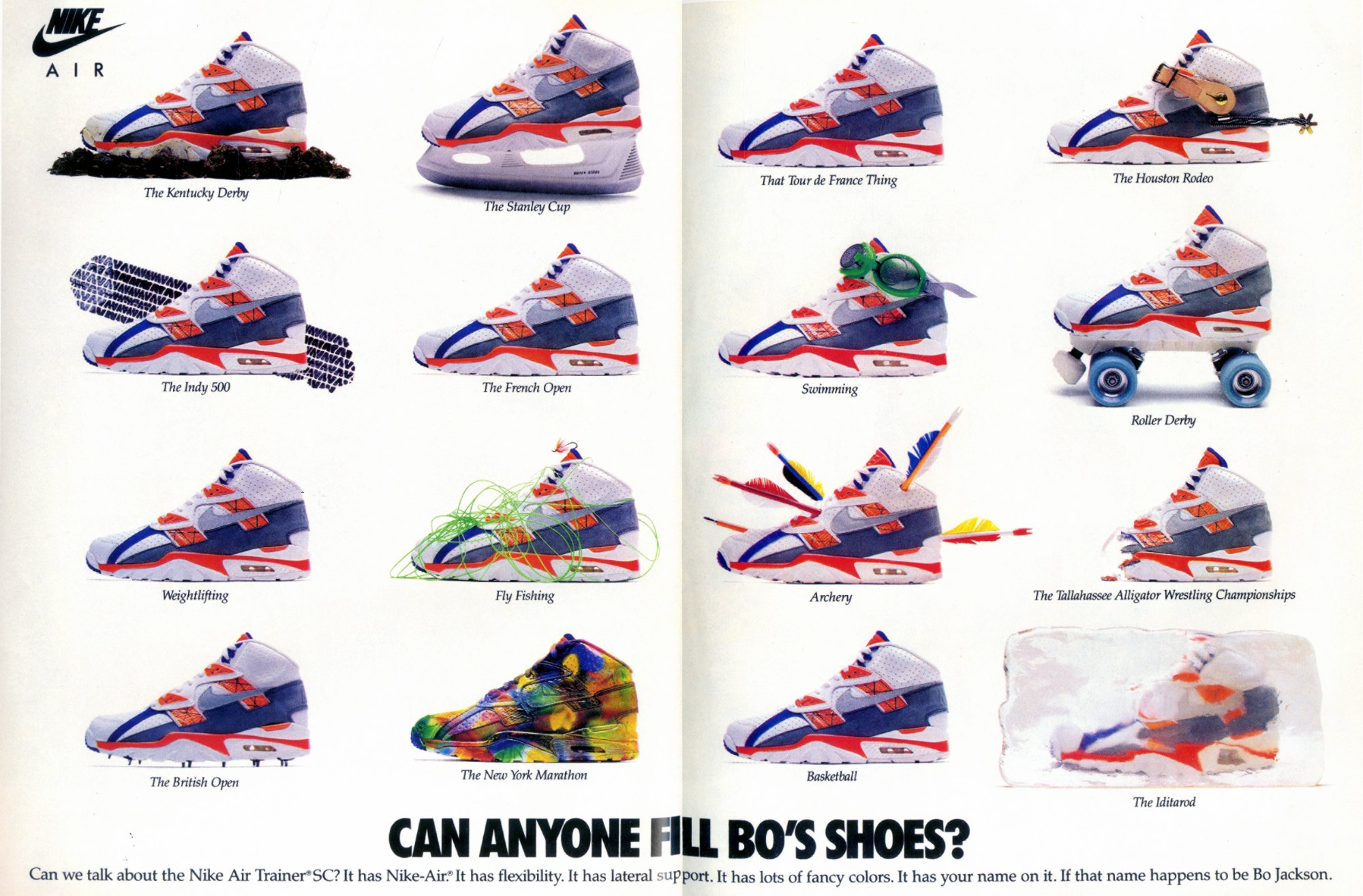
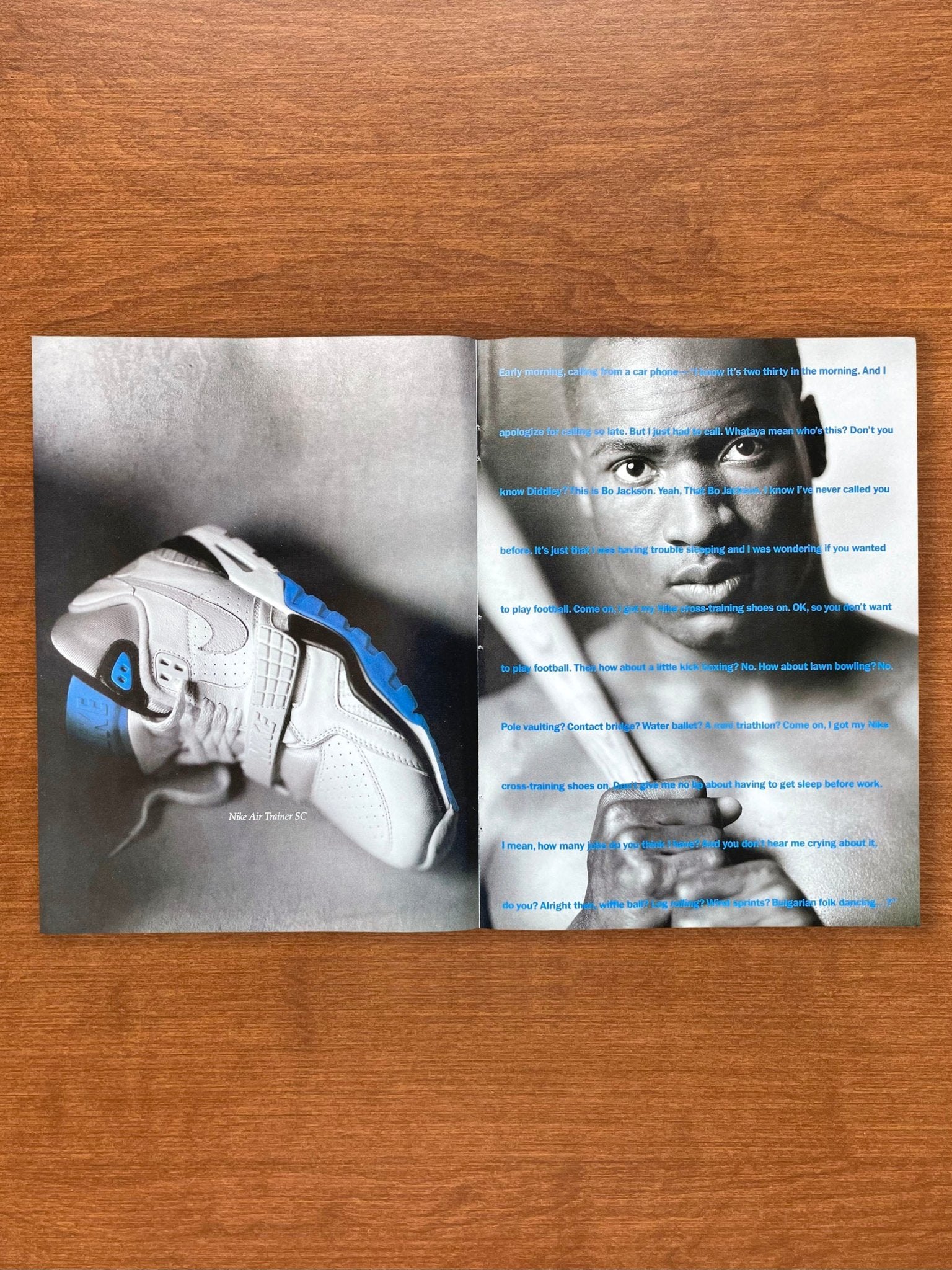
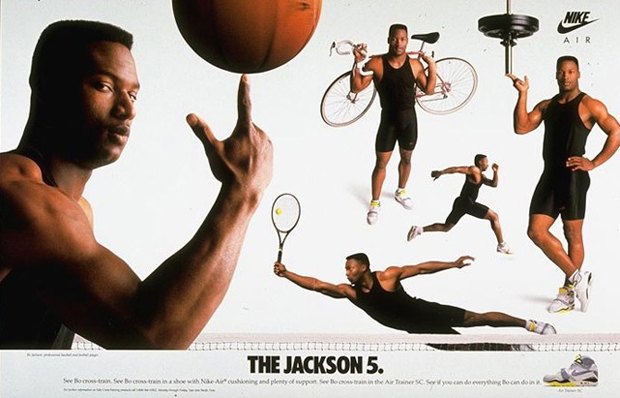
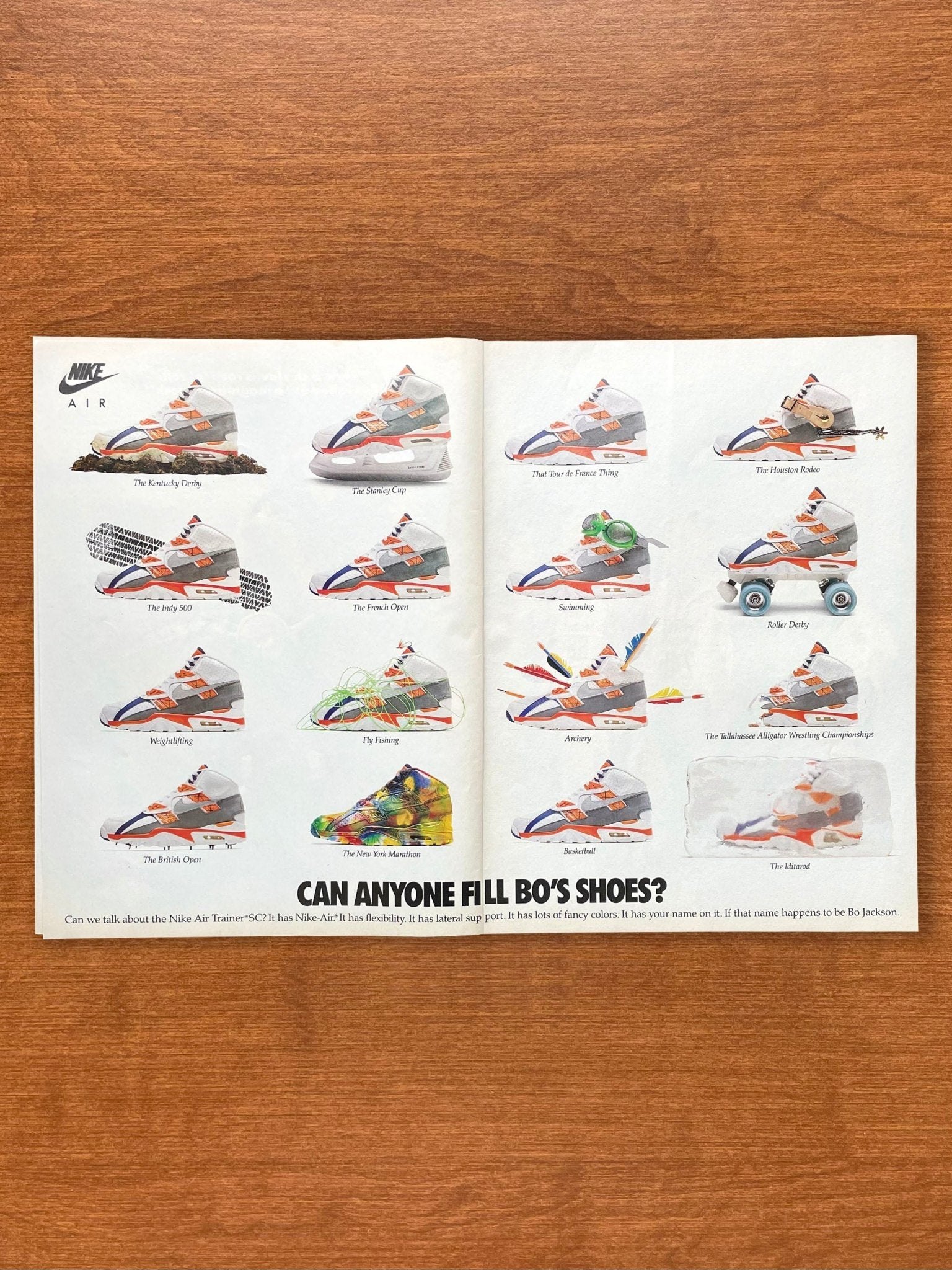
In 1987 Nike launched the Air Trainer, designed by Tinker Hatfield as one shoe for the gym, the court and the road. It sat in no existing category. Shoppers knew what a running shoe was and what a basketball shoe was; a cross-training shoe had to be explained.
The first explanation was rational. A 1987 print advertisement with the Raiders defensive end Howie Long carried the line Man does not live by one sport alone. Nike's first choice for the face of the shoe was Long. Jim Riswold at Wieden+Kennedy later called the print insert they tried boring.
The difficulty was that the benefit was abstract. Telling people a shoe works for several sports gives them nothing to picture.
Nike had the Air Trainer and a cross-training category to build, and it brought the job to Wieden+Kennedy in Portland, its agency since 1982. Nike first wanted Howie Long as the face of the shoe; Jim Riswold argued for Bo Jackson, and Riswold and Nike executives worked through other famous Bos before settling on Bo Knows.
The solution.
Find the one person who is the product claim, then make other famous people vouch for him and let him fail at something.
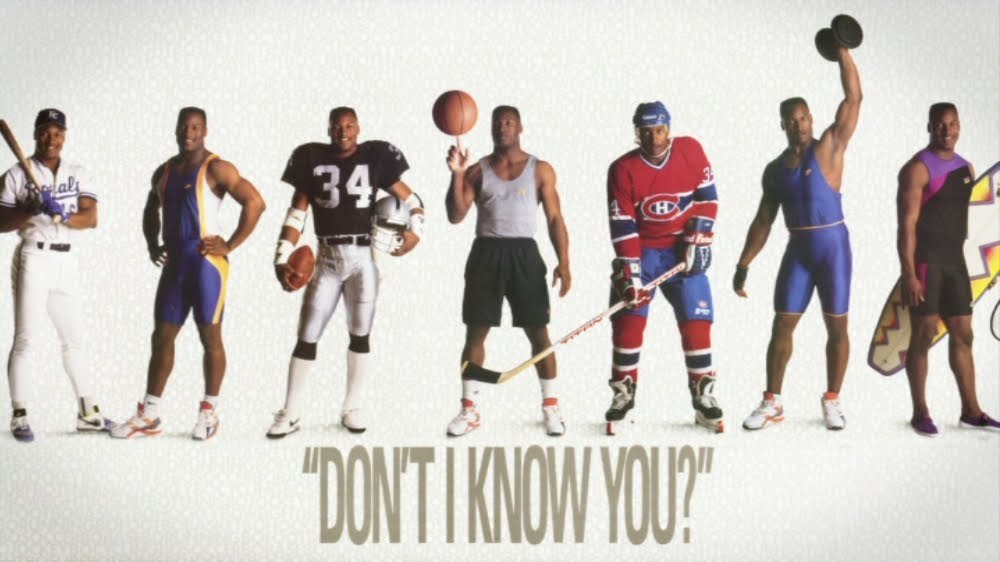
Riswold proposed Bo Jackson, who did in real life what the shoe promised: he played two professional sports at once. The commercial turned the claim into testimony. Kirk Gibson says Bo knows baseball, Jim Everett says Bo knows football, and Michael Jordan, John McEnroe and Joan Benoit Samuelson vouch for him in their sports. Wayne Gretzky, asked about hockey, just says no.
The film ends with Jackson playing guitar badly beside Bo Diddley, who tells him he doesn't know Diddley. The joke at the hero's expense made the boast likeable and made people watch it again. Nike ran three Jackson ads before committing to a large media buy around the 1989 All-Star Game, and Jackson's home run in the first inning did the rest.
The line Bo Knows spread into talk, parody and pirated T-shirts. Nike's advertising manager Bill Zeitz told The New York Times in 1990 that the Jackson commercials had played a big part in sales that had grown dramatically. Phil Knight reportedly ranked the campaign second in Nike's history, behind Air Jordan.
The work.
Film
Same shape of problem.
More from Nike.
Every Nikecampaign →A shoe for every sport needed a man who played two of them for a living.
Back to the archive →