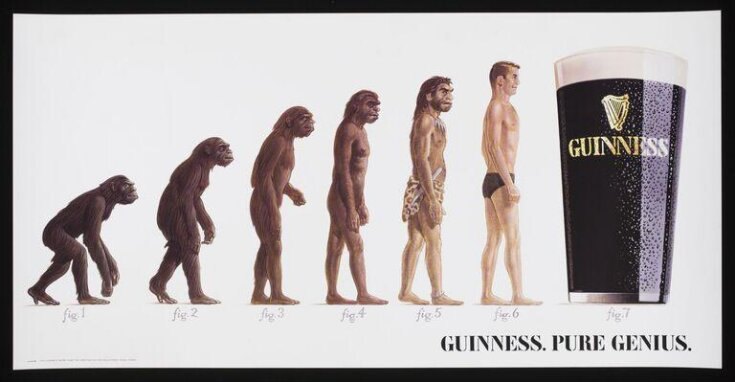
Pure Genius
Two words and a strange man in black turned an ageing stout into a drink for people who liked to think they were different.
The era.
In the mid-1980s Guinness was a company in the news for the wrong reasons. In 1986 Guinness plc won a bitter takeover fight for Distillers, and the share-trading behind that bid became a national scandal. Its chief executive, Ernest Saunders, was dismissed in January 1987 and later tried and convicted. The beer itself had to keep selling through all of it.
In August 1985 Ogilvy & Mather took over the British Guinness account from J. Walter Thompson. The old line "Guinness is good for you" could no longer be used, because it made a health claim. The brand needed a new way to say why anyone should order a pint of black stout.
London in these years was rich and loud. The City was booming after the 1986 changes to the stock market, and the Lloyd's building opened in the same year. Young drinkers with money had plenty of choice, and lager was the default pint for many of them.
The culture.
Rutger Hauer was a Dutch actor with a cult following after playing the replicant Roy Batty in Blade Runner in 1982. He was known for cold, unsettling roles. He was not the kind of face a brewer would usually put next to a pint.
British advertising in the late 1980s rewarded wit and strangeness. Viewers were used to long-running comic beer campaigns, and the brands that stood out were the ones that did something odd. By the early 1990s rivals such as Holsten Pils were copying the eccentric spokesman format.
Street style in London was changing fast. Hip hop crews in Brixton and Shepherd's Bush, club culture and designer labels all fed a young audience that cared about looking like it knew something others didn't. Guinness wanted to belong to that crowd and not to its fathers.
The problem.
A stout that had lost its famous health claim and was seen as an old man's drink had to win younger drinkers without becoming one more cheerful pub beer.
Guinness sales had been falling in the early 1980s. The brand could no longer say it was good for you, and that line had carried it for decades.
A 1983 campaign, "Guinnless isn't good for you", aimed at working-class men in their twenties and thirties and helped stop the decline. It did not change what younger drinkers thought of the brand. To many of them Guinness was still a drink for older men.
When Ogilvy & Mather won the account in 1985, the job was to give the beer a reason to be chosen. It had to feel modern without losing the dark, slow, serious character that made it Guinness.
Ogilvy & Mather took over the British Guinness account from J. Walter Thompson in August 1985 and introduced "Pure Genius" as the new sign-off. In May 1987 it built the Rutger Hauer campaign on that line.
The solution.
Make the drink strange on purpose: a two-word sign-off that claims intelligence, and a cult actor in black talking riddles to camera, so ordering a Guinness looked like a mark of taste.
Mark Wnek, a young copywriter at Ogilvy & Mather, wrote "Pure Genius". He said the line described the drink as "mysterious, elemental, nourishing, rewarding and relaxing." It flattered the drinker as much as the drink.
In May 1987 the agency launched "The Man with the Guinness", with Rutger Hauer dressed in black, his blond hair matching the pint. Wnek's off-kilter monologues had Hauer talking about Mars, dolphins and telepathy. Later films brought in directors including Hugh Hudson, Ridley Scott and Paul Weiland.
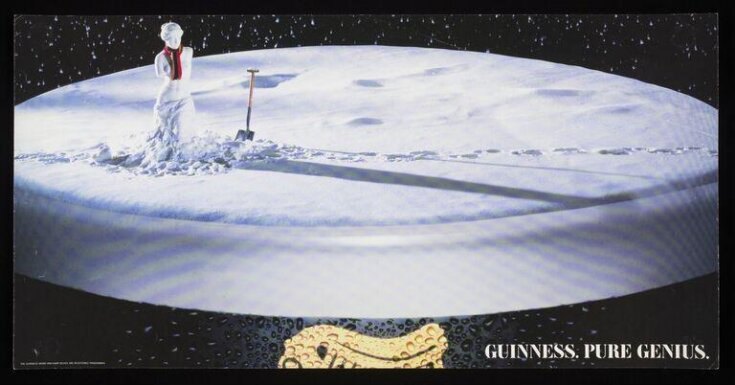
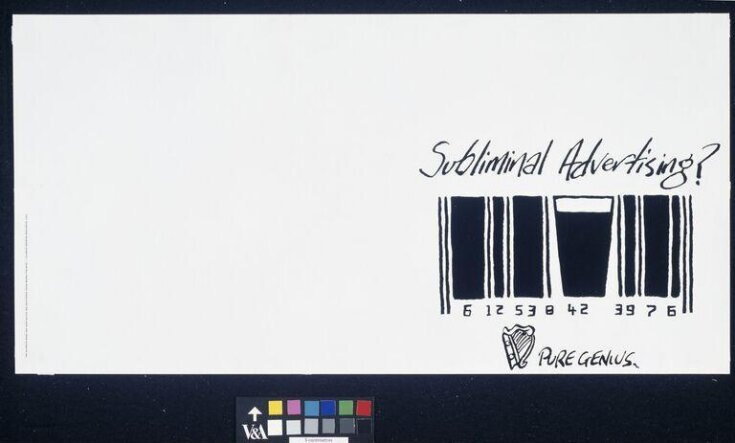
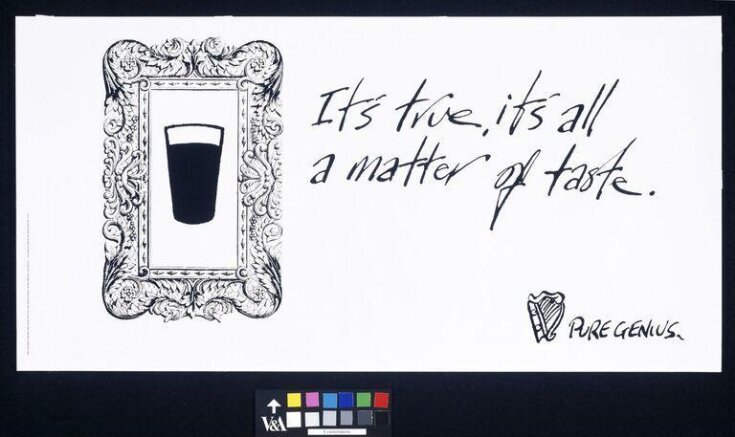
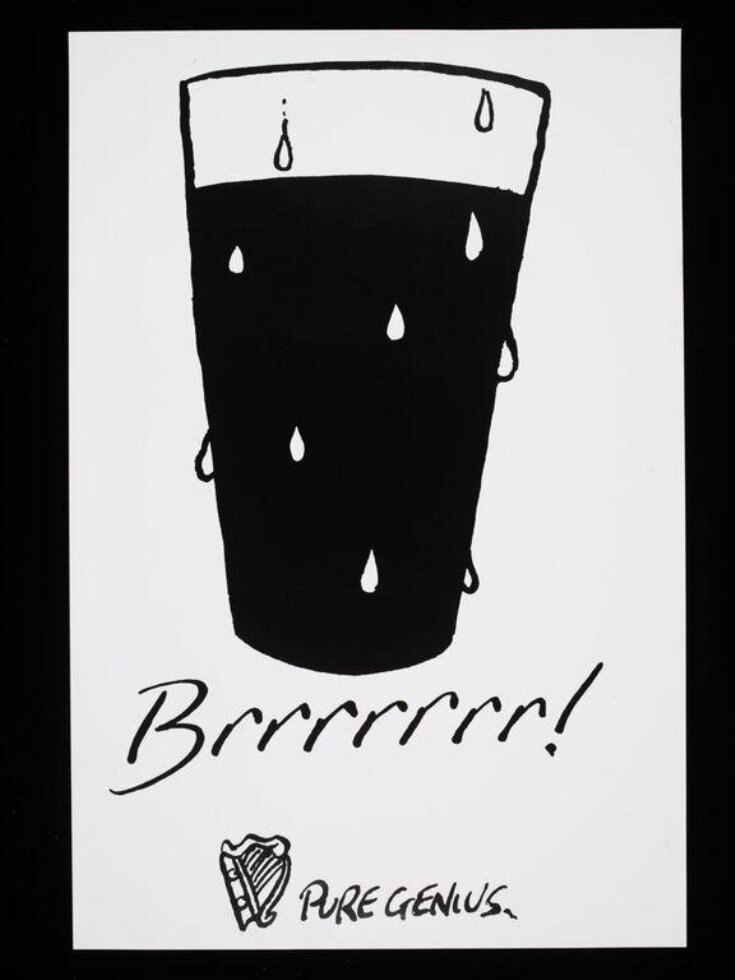
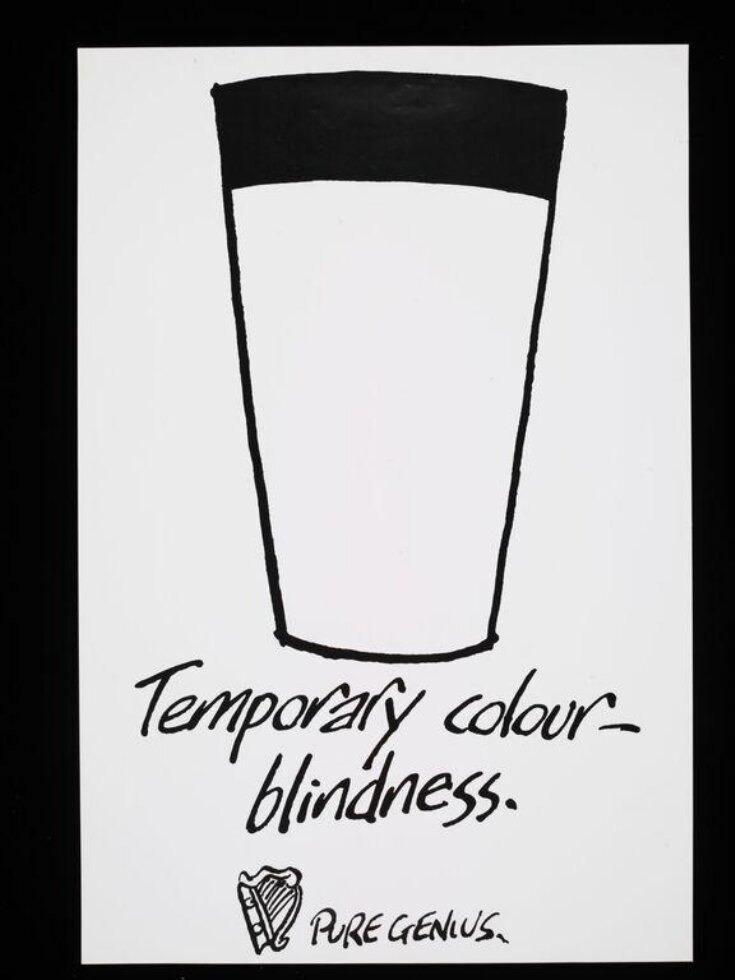
Sales rose 22 per cent in the first three months, worth about 37 million extra pints a year. Draught Guinness sales kept rising until 1991. Posters in the early 1990s carried the line into print with hand-drawn illustrations by Brian Fraser and handwritten jokes by Simon Learman.
The work.
Film
Same shape of problem.
The brand lost the right to say it was good for you, so it told you that you were clever for drinking it.
Back to the archive →