Ideas worth saving.
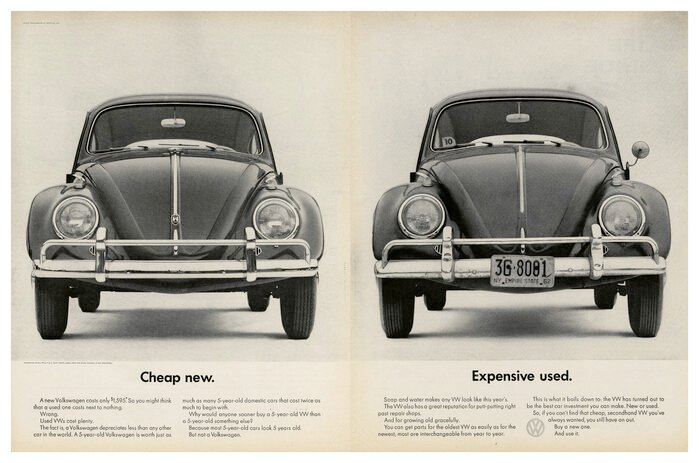
The decade American advertising stopped talking down to the reader — traced from Ogilvy's research desk to a sledgehammer thrown at a screen.
Read the collection →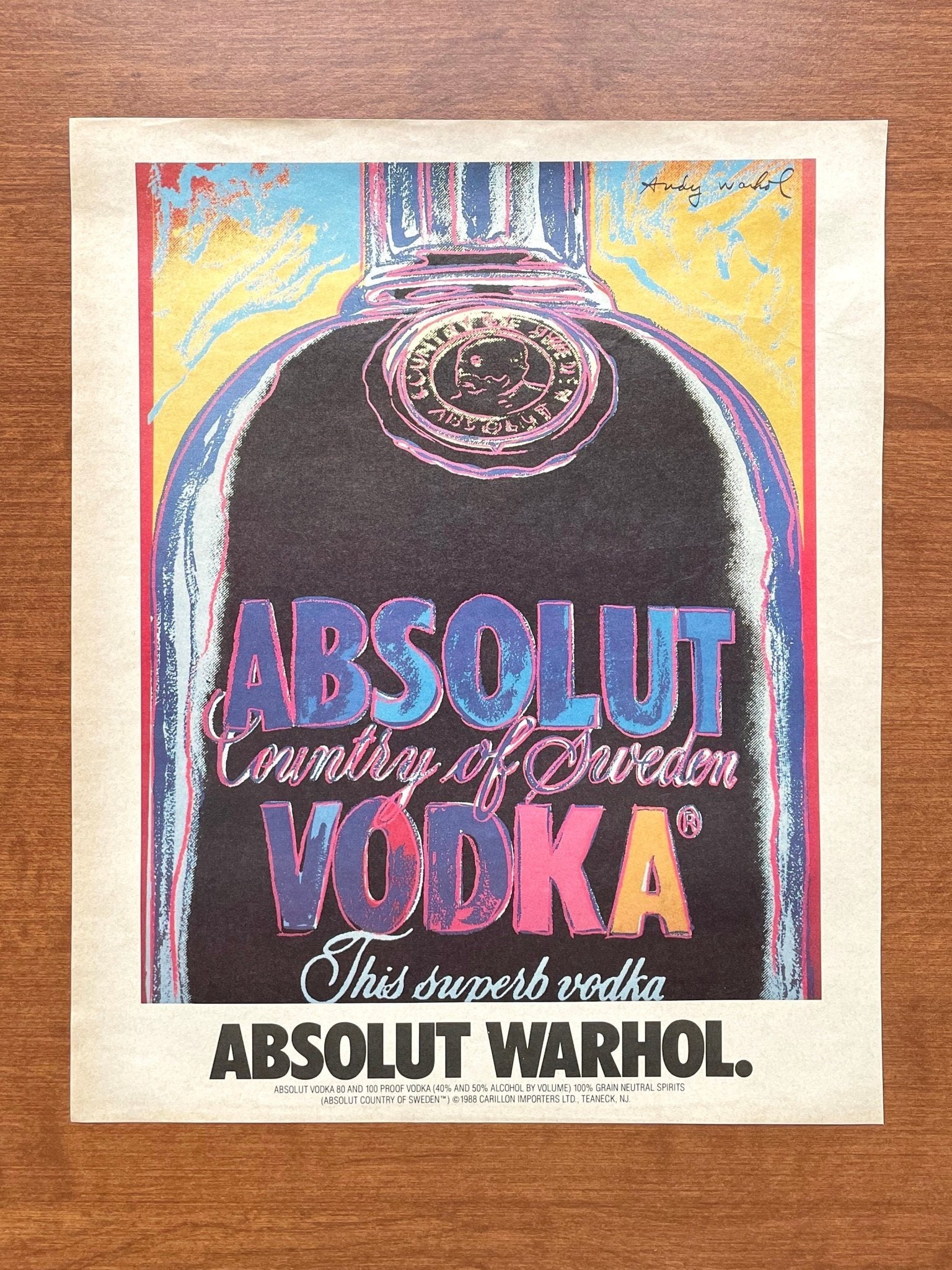
Three products the market had no reason to believe in — and the three moves that made premium stick: an engineering fact, a cowboy, and a bottle.
Read the collection →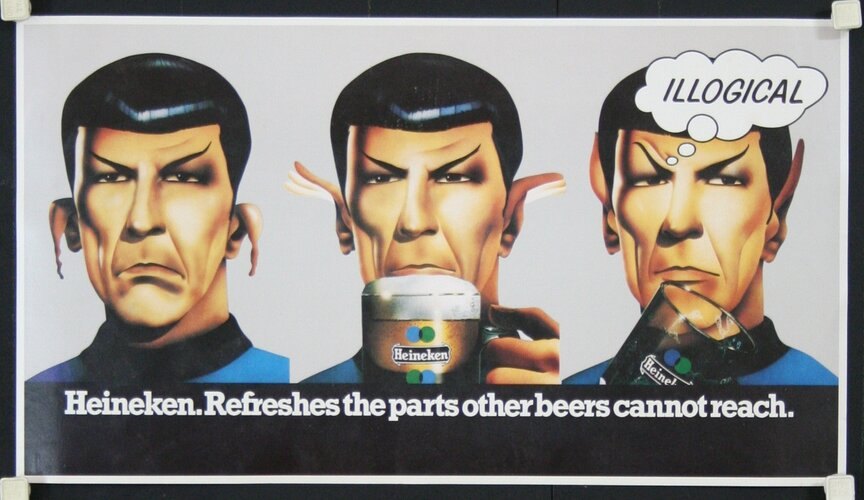
Three products with no rational advantage left to claim — and three agencies that sold a feeling, a joke and a speed instead.
Read the collection →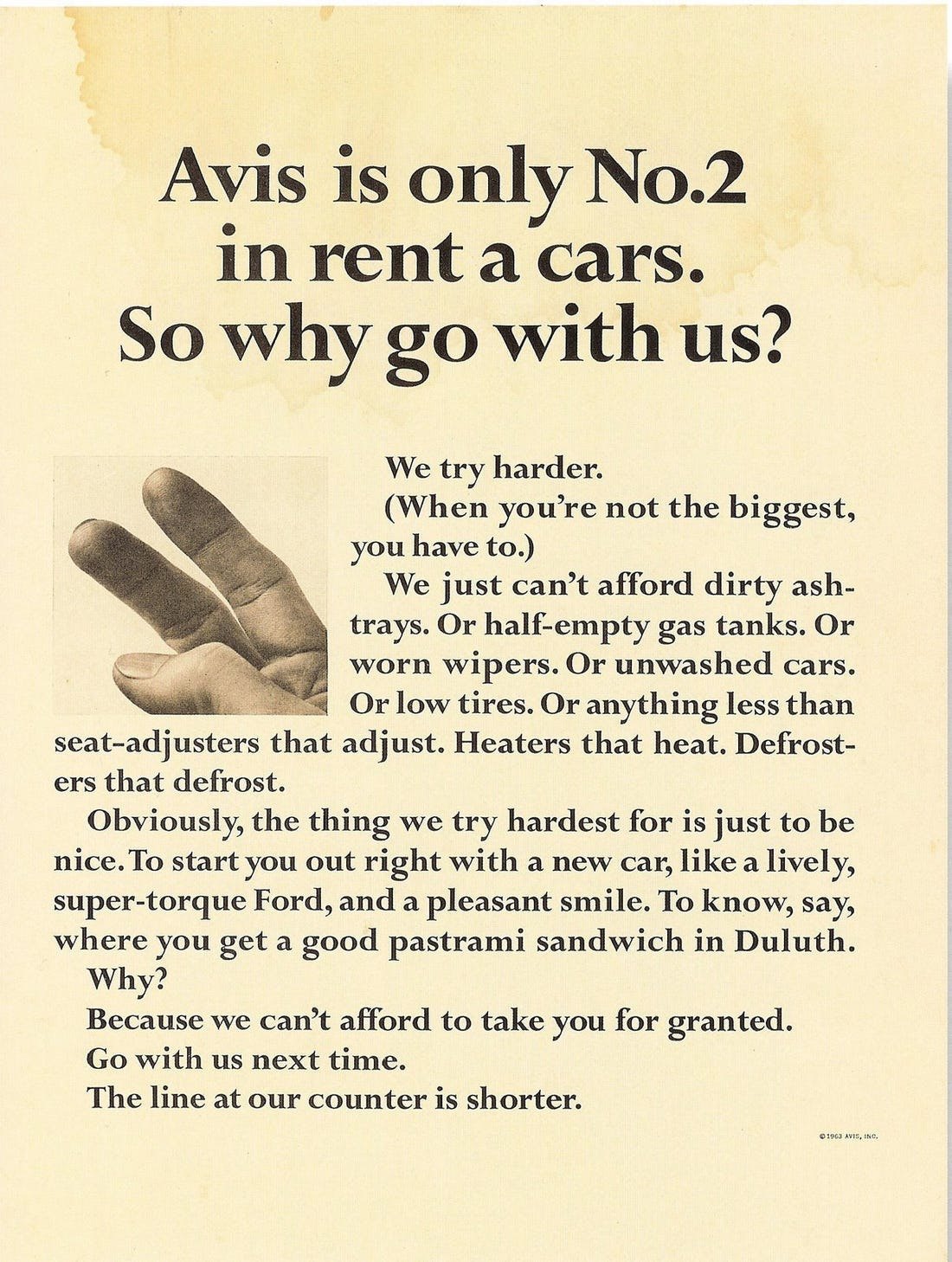
A rental company in second place, a vodka with no heritage and a computer against an incumbent the size of the sky — three challengers who made the gap the story.
Read the collection →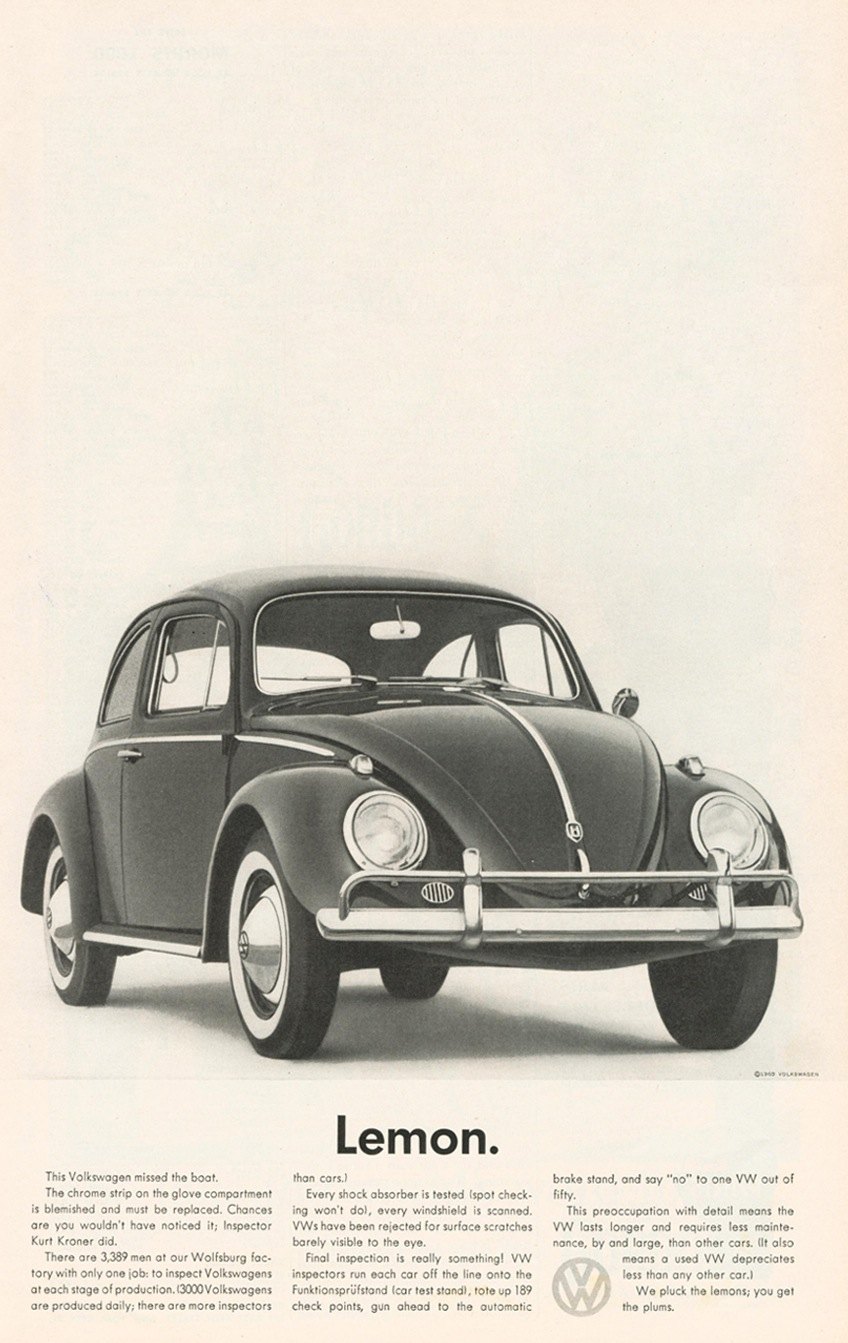
A small car, a vodka that tastes of nothing, a bread that belonged to somebody else and a paper nobody could classify — each sold by putting the flaw in the headline.
Read the collection →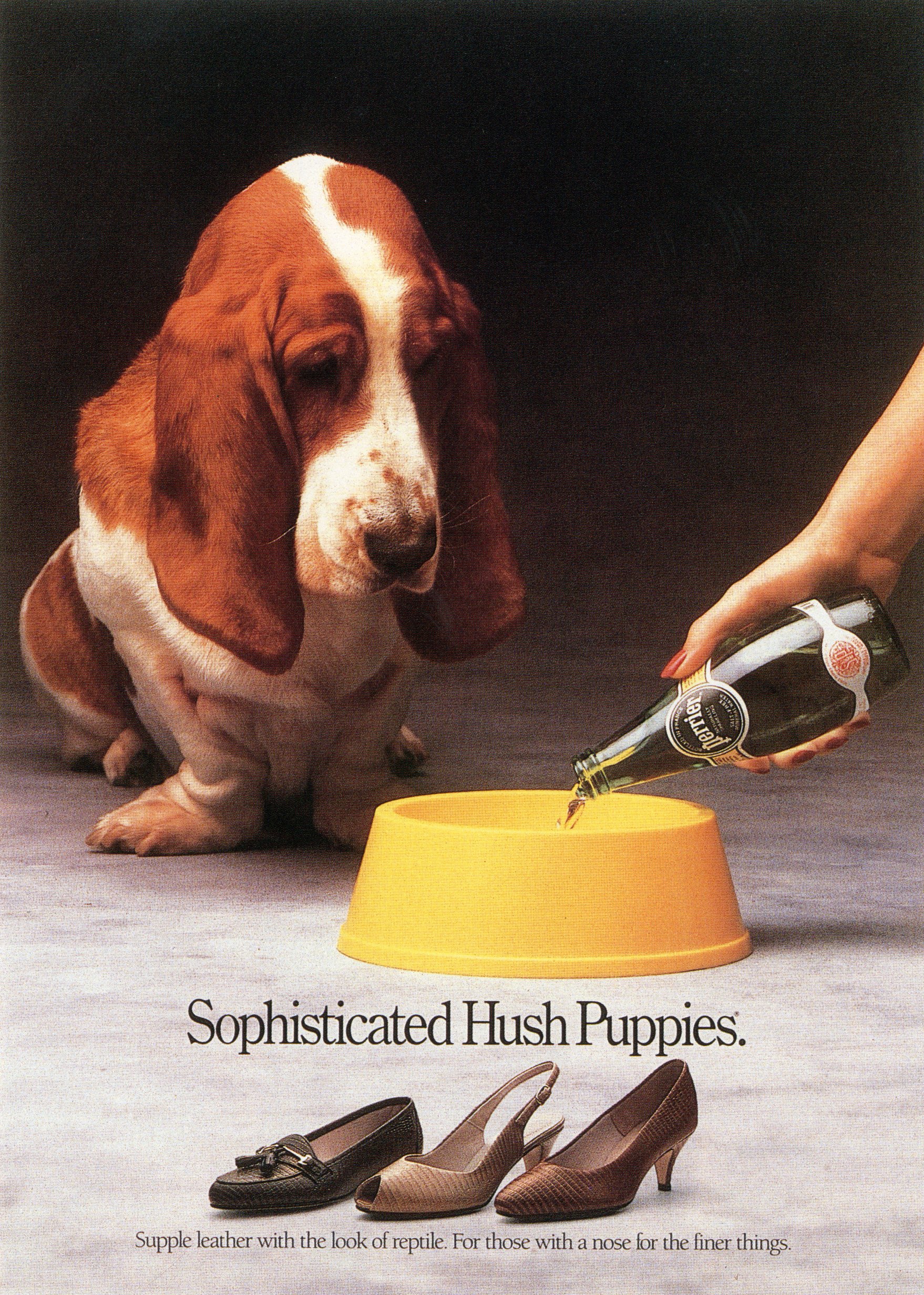
Four brands tempted to throw out the one thing people still recognised — a cartoon cry, a clipper ship, an old line, a sad-eyed dog — and the work that kept it.
Read the collection →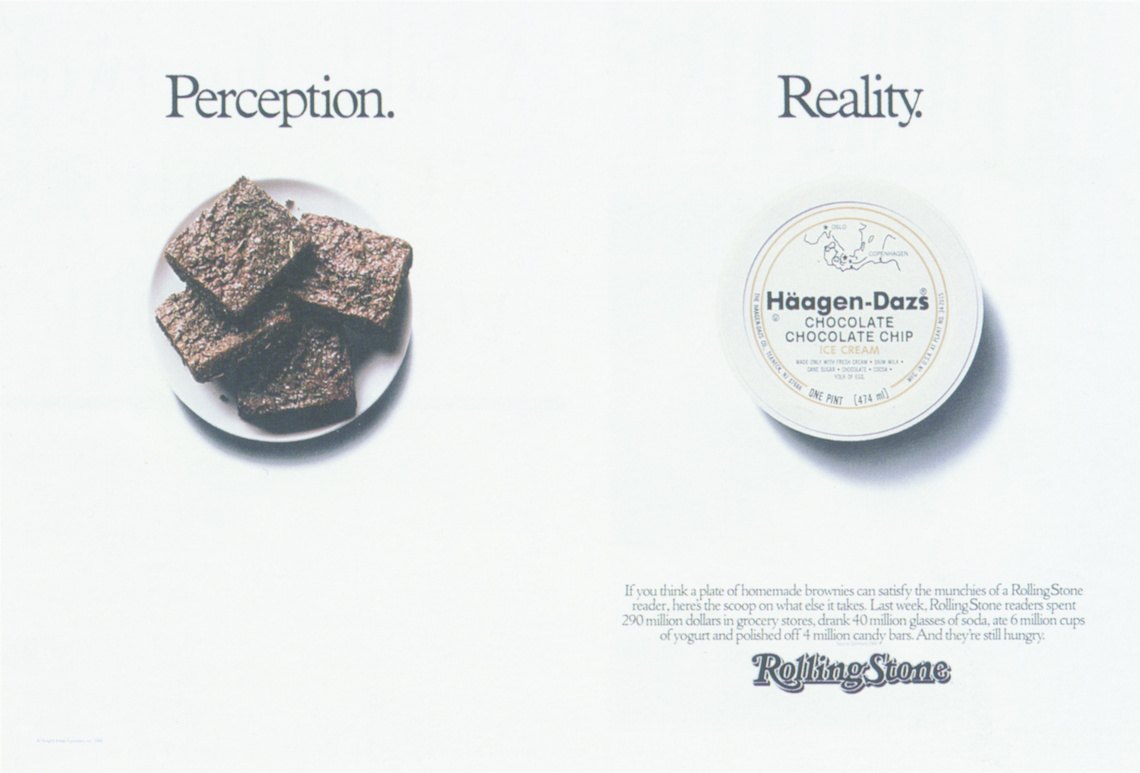
Four brands whose future sat with someone other than the public — cable operators, media buyers, franchisees — and four ways of reaching that person.
Read the collection →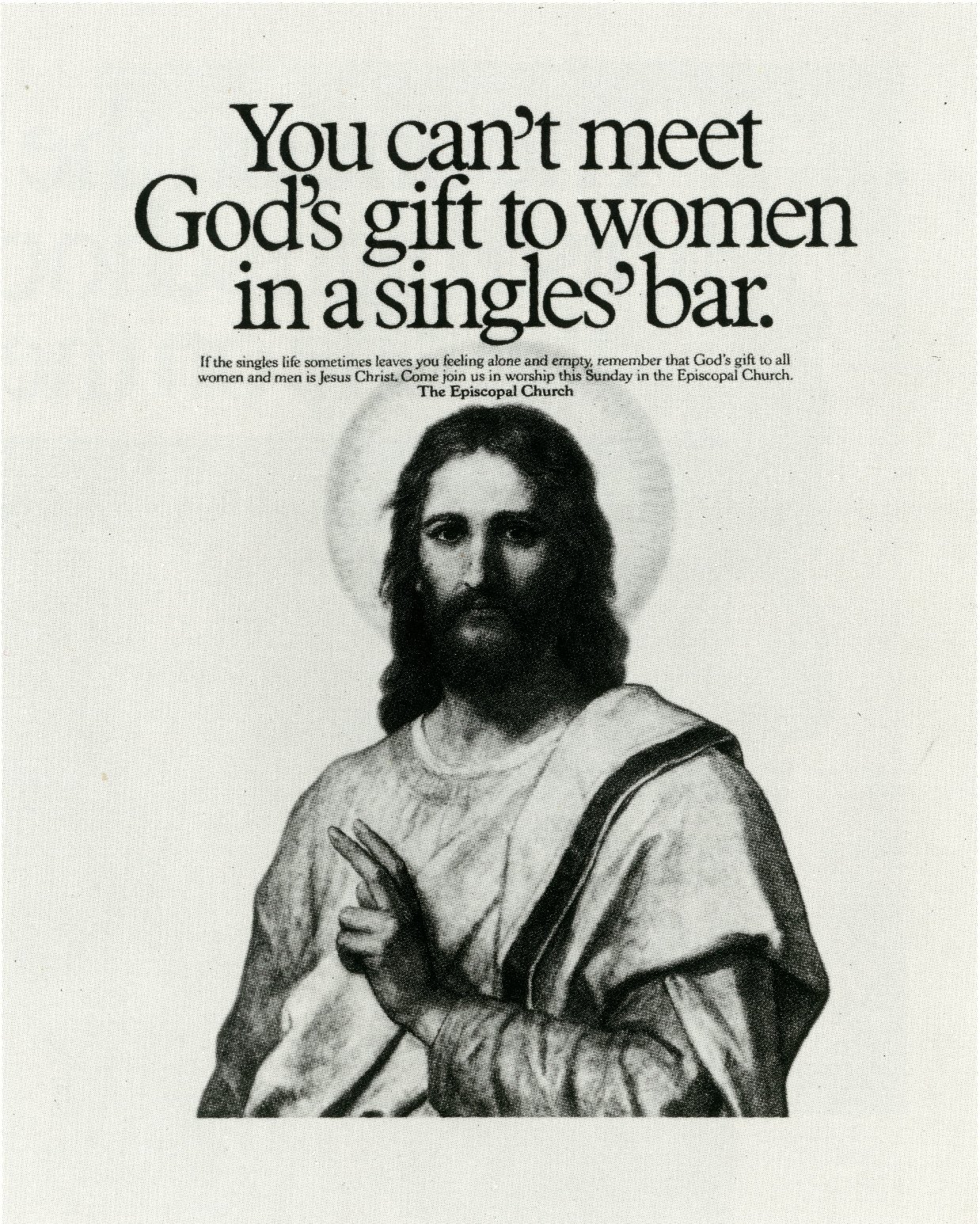
A health council, a conservation club, a city betting office and a church, each trying to reach people who had already decided not to come in.
Read the collection →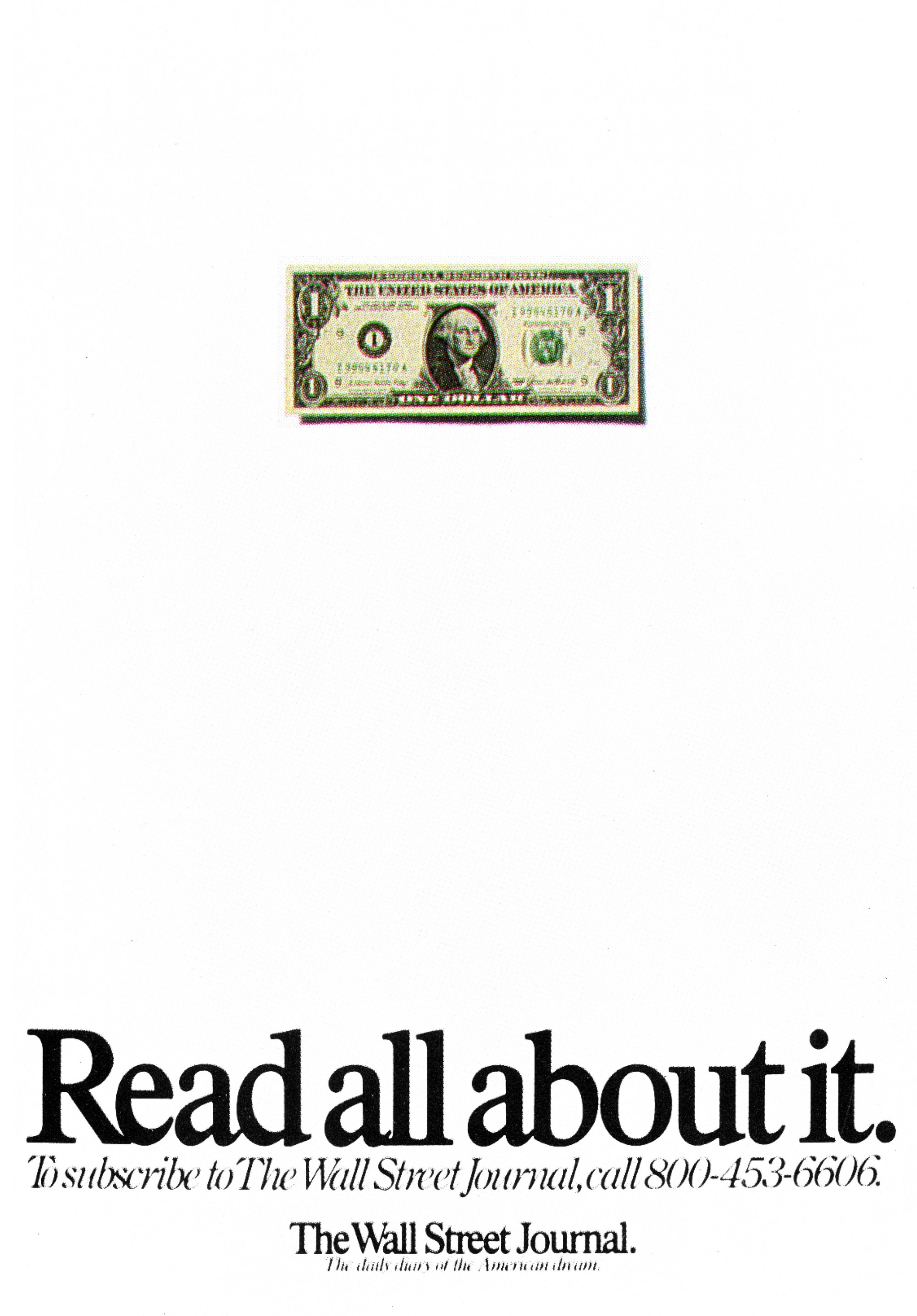
How a new agency went from a one-shop barber to national accounts with one headline and one picture — and how it lost three of them.
Read the collection →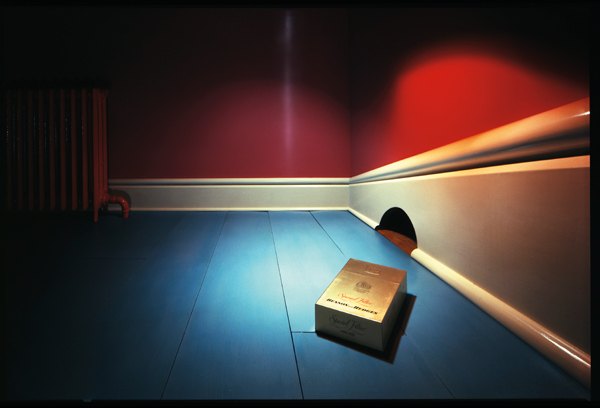
A cough remedy, a cigarette, a fashion label and a running shoe, each sold by leaving out the part the reader could supply.
Read the collection →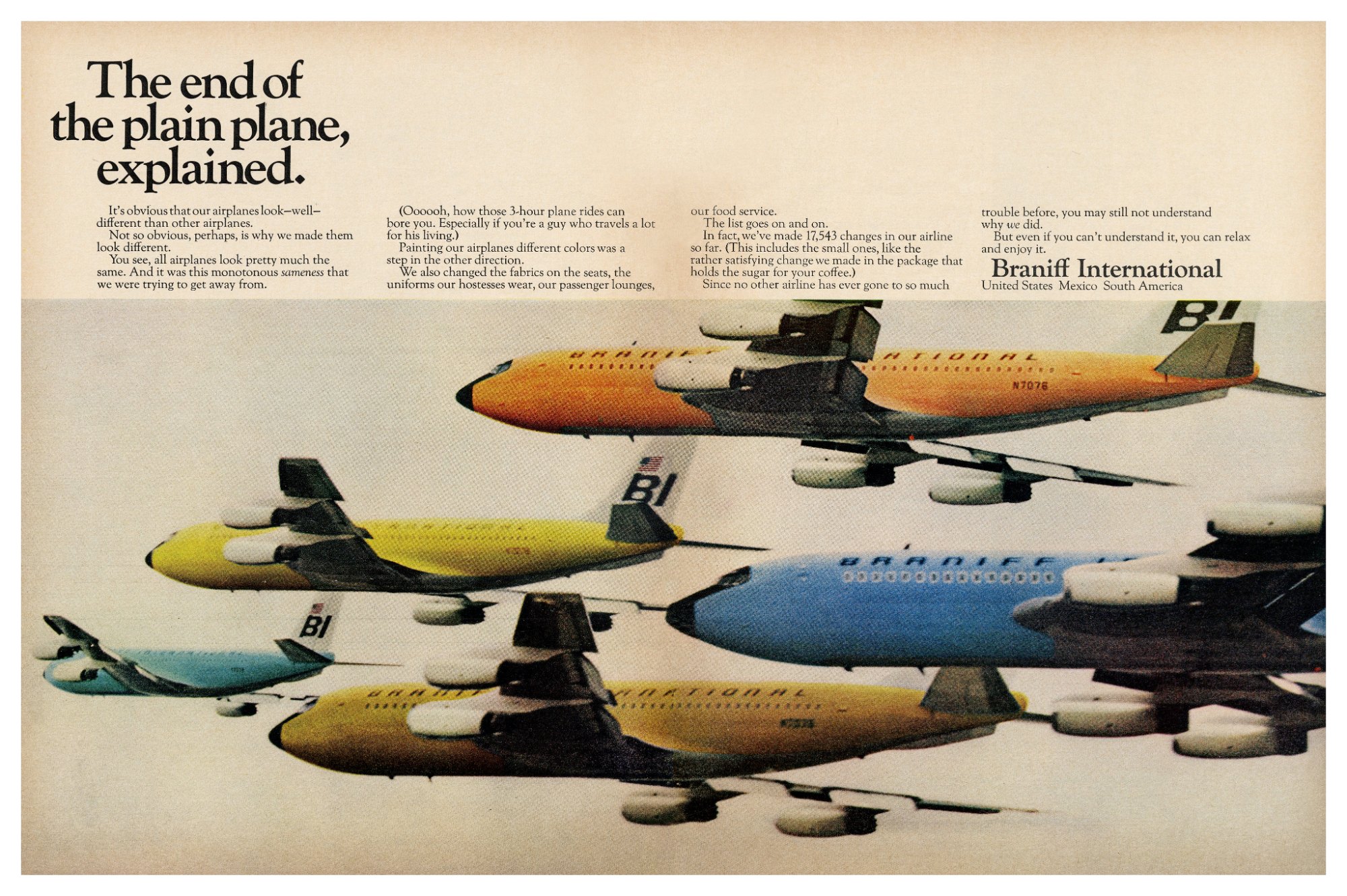
An airline that could not compete on fares, a cigarette that could not show people, a vodka bound by its makers' rules and a barber who could afford only black and white.
Read the collection →Join Matchbook
Save campaigns to boards, build your own collections, and read the thinking behind the work. Free.