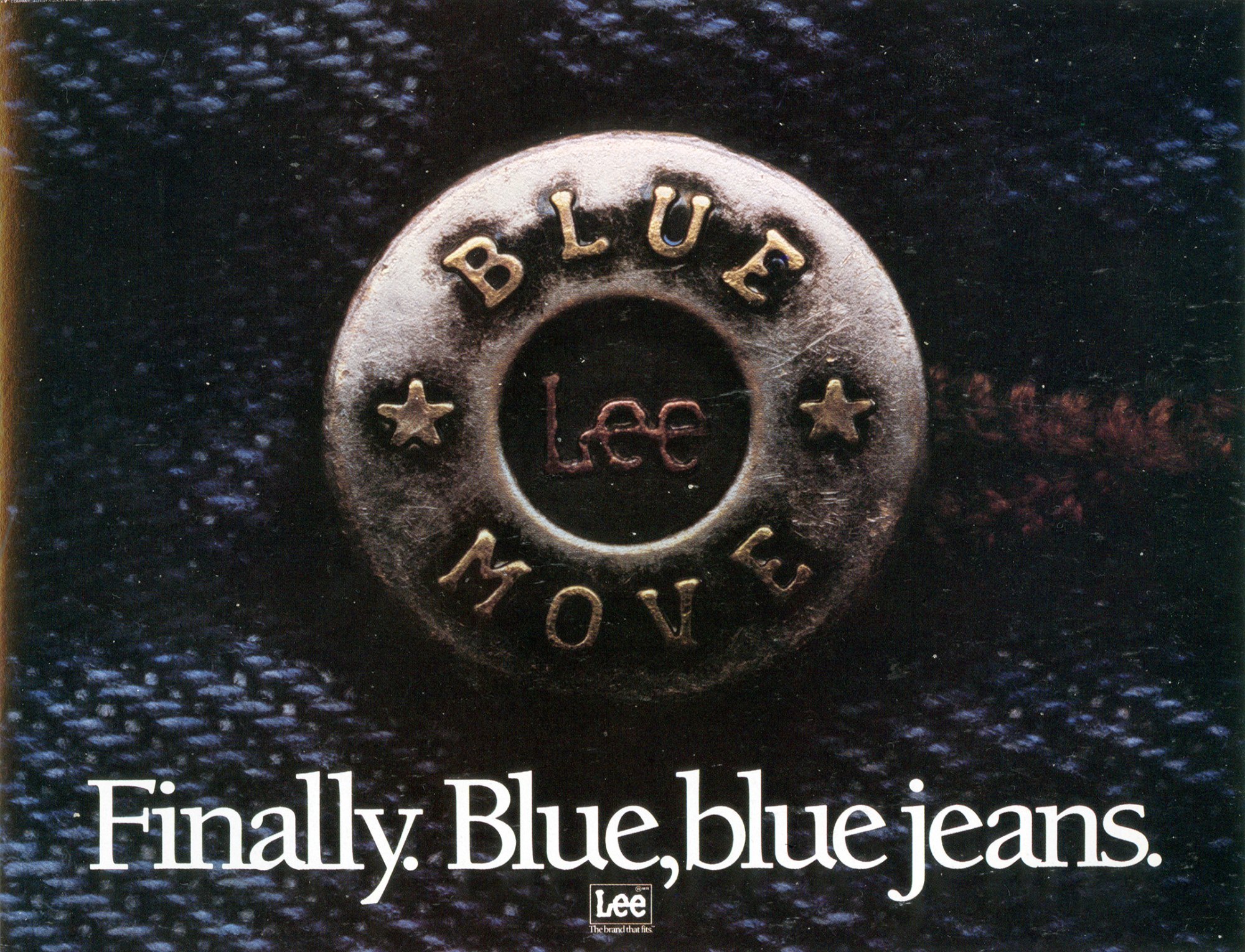
The Brand That Fits
A jeans maker with a real product advantage, fit, found a written voice for it at a time when the rest of the category sold attitude.
The era.
Lee began in Salina, Kansas, as a grocery and dry-goods business founded by Henry David Lee in 1889. It opened its first garment factory in 1912 and made overalls and work jackets. The 101 Riders cowboy jeans followed in the 1920s, and Lady Lee Riders, its jeans for women, in 1947.
By the early 1980s Lee belonged to VF Corporation and was its largest business, accounting for as much as 80 percent of VF's revenue. When Levi Strauss began selling through mass merchants, some department stores dropped Levi's and stocked Lee instead. Lee entered the decade in a strong position.
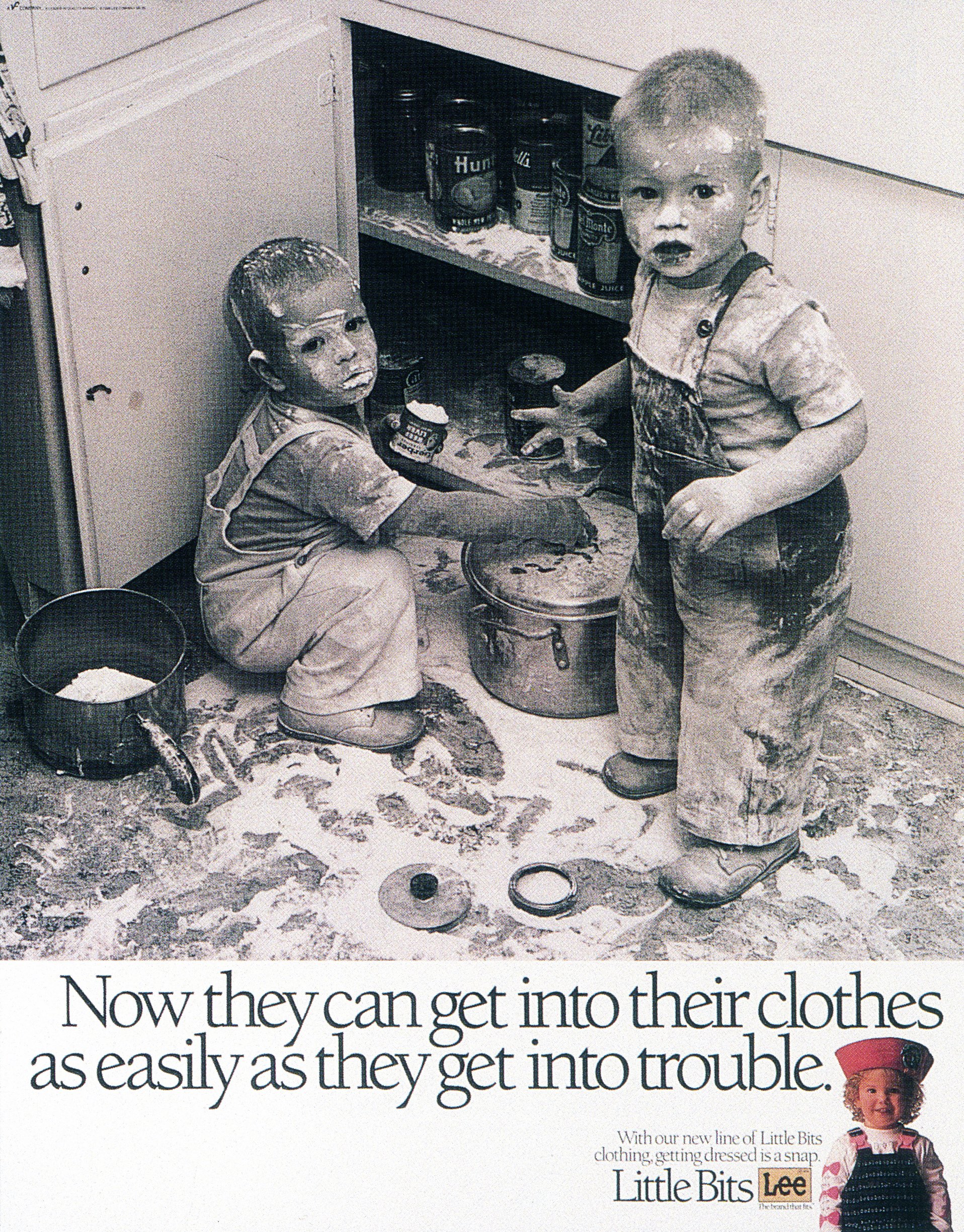
In 1982 Lee launched the line 'The Brand That Fits.' In 1983 it introduced jeans for women cut in several fits. Through the 1980s it held the top share of women's jeans in the United States. In 1986 Fallon McElligott became its creative agency.
The culture.
Jeans advertising at the start of the decade belonged to the designers. Calvin Klein's 1980 television spots made denim a matter of sex and controversy, and the designer-jeans boom put names on back pockets. Jeans were sold as who you were.
Denim was also part of the music. In 1984 Bruce Springsteen wore a Lee jean jacket on the cover of Rolling Stone. Fit was what people judged in the changing room, and what the glamorous advertising of the day had little to say about.
In Minneapolis, Fallon McElligott had become known for print with wit and a lawyer's precision. Dave Dye later described McElligott's work as reading as if it were 'written by a very smart lawyer with a wicked sense of humour.' The agency won Lee two years after Advertising Age named it Agency of the Year, in March 1984.
The problem.
Lee led on fit in a category that only advertised fantasy.
Lee was a large, profitable brand without glamour. Levi's had the myth of the American West, and the designers had celebrity and sex.
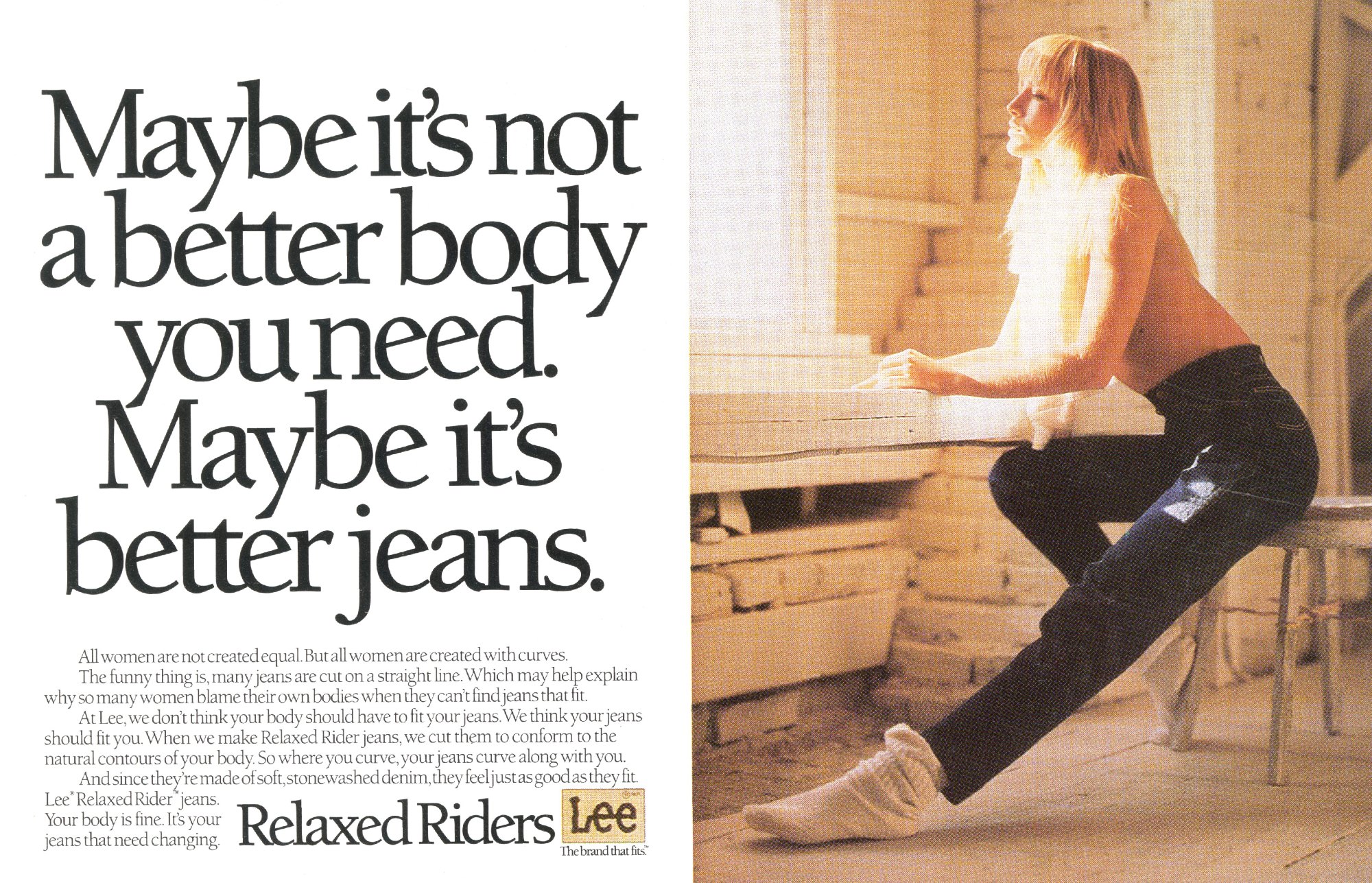
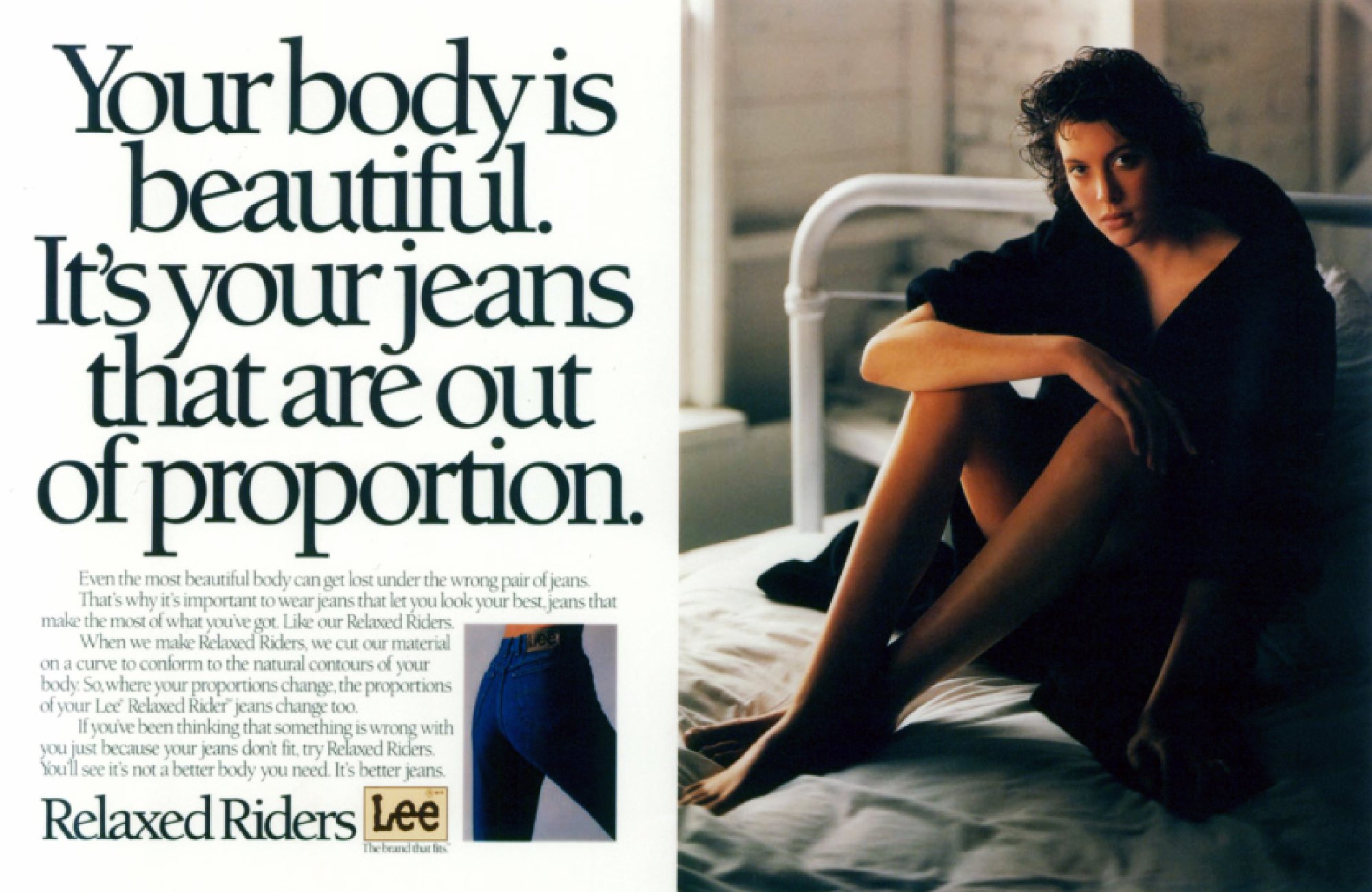
Lee's real advantage was a product truth: its jeans fit, especially for women. In 1983 it became the first brand to offer women's jeans in several fits, and it held the top share of women's jeans.
Fit is hard to make interesting in an advertisement. Lee already had a line that said so, "The Brand That Fits", introduced in 1982. It needed advertising that made the claim feel like something worth reading.
Fallon became Lee's creative agency in 1986. Lee already had its line, "The Brand That Fits", introduced in 1982, and the agency kept it.
The solution.
Give a dull product truth a voice of its own, so the writing itself becomes the brand device.
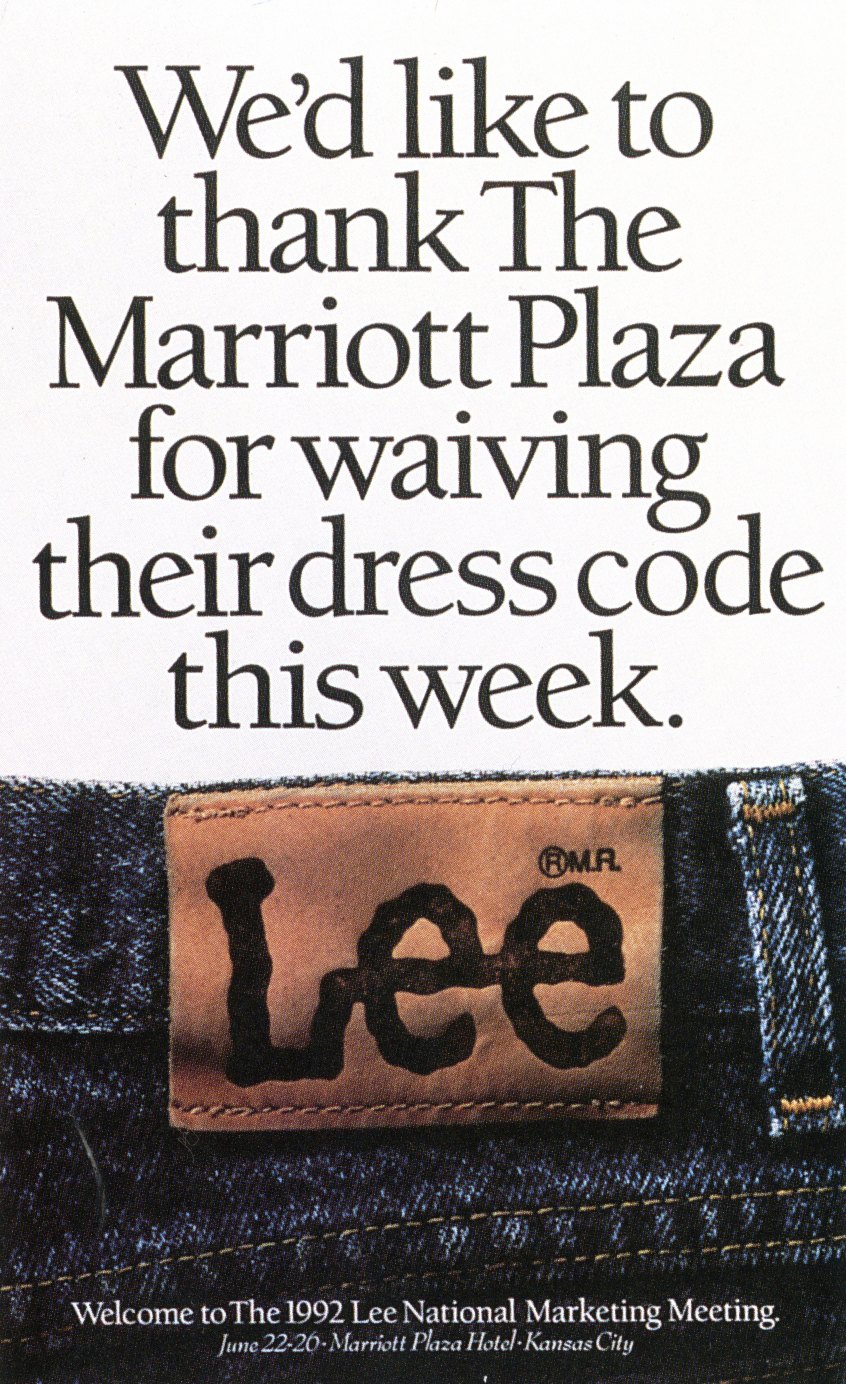
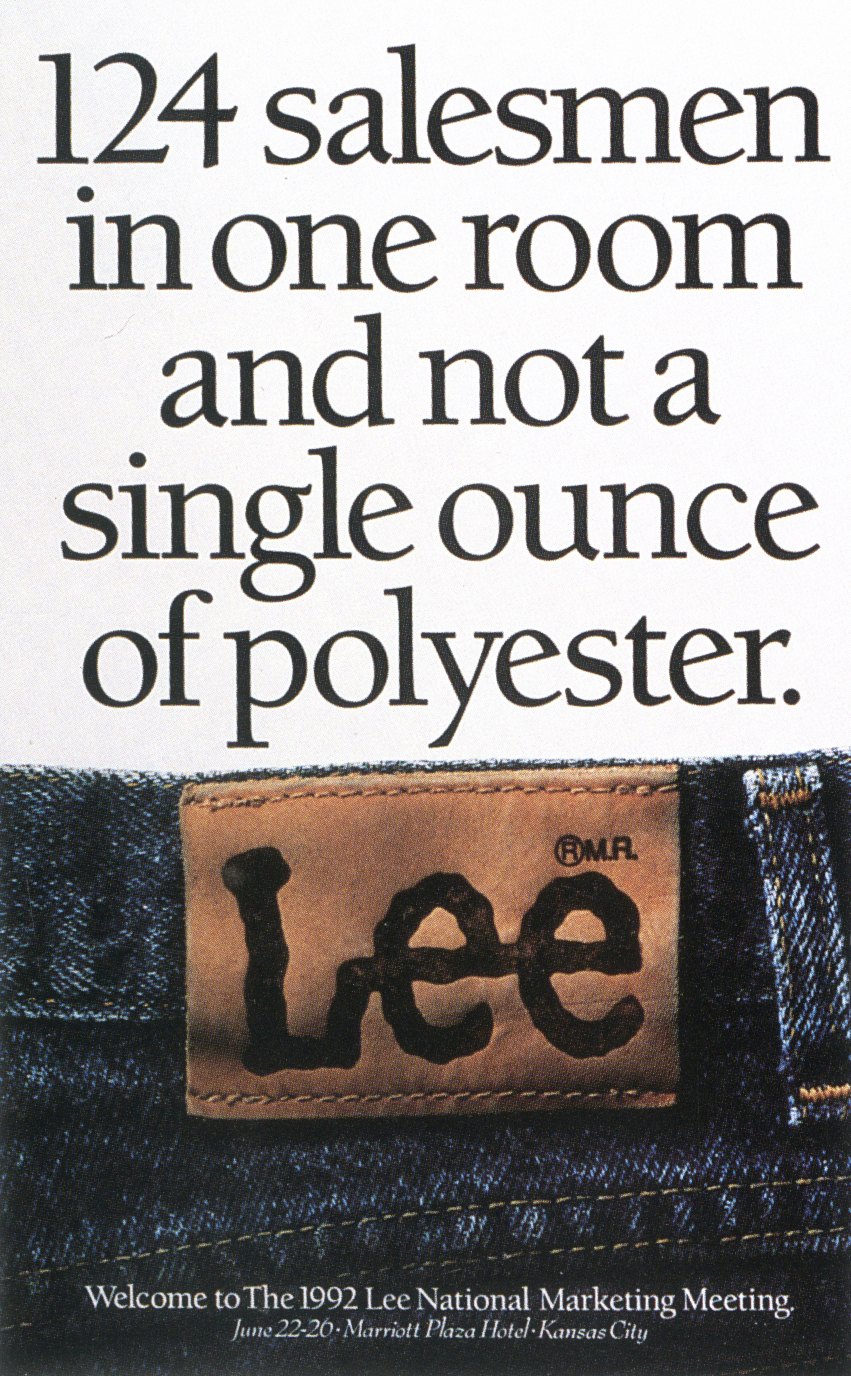
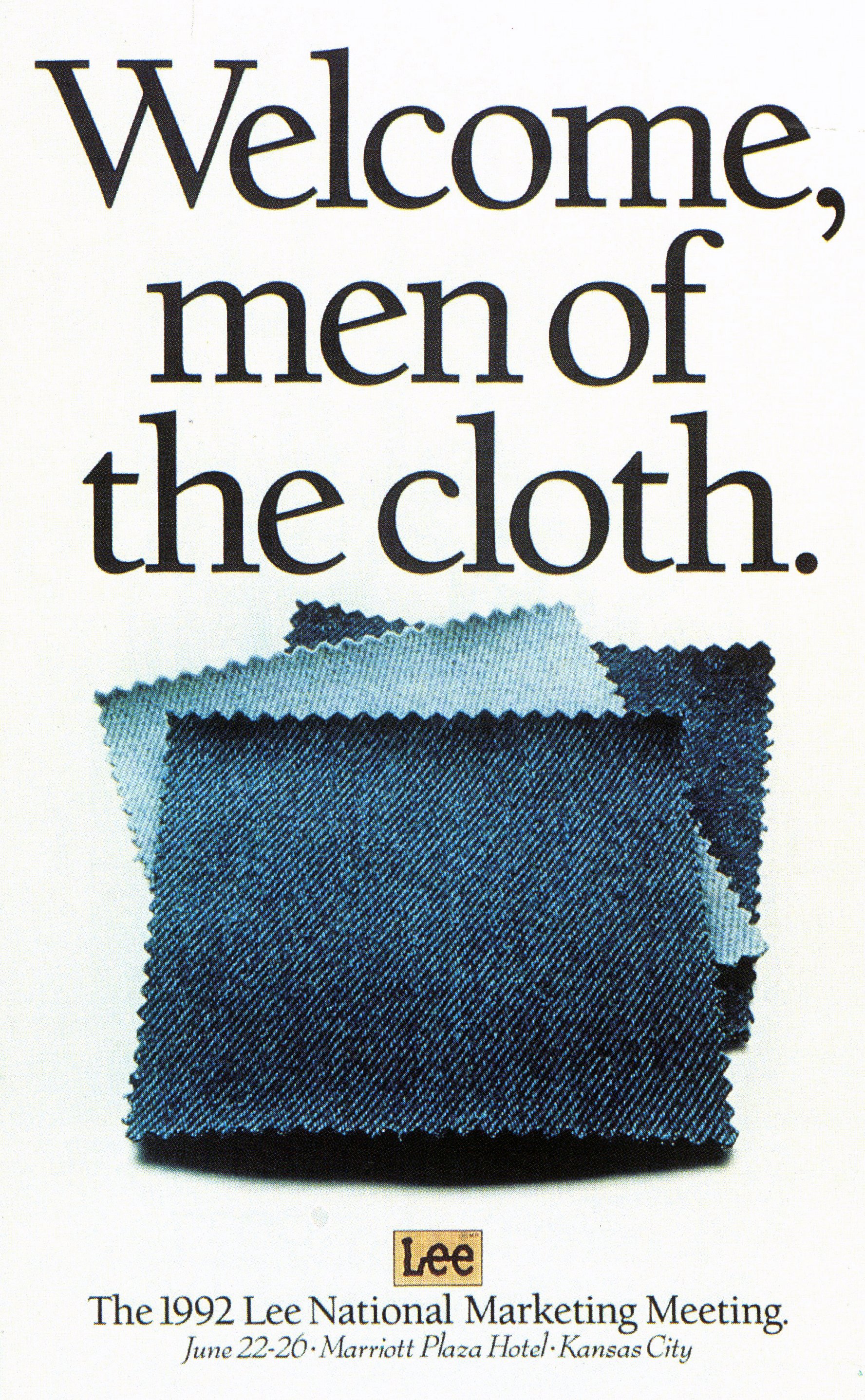
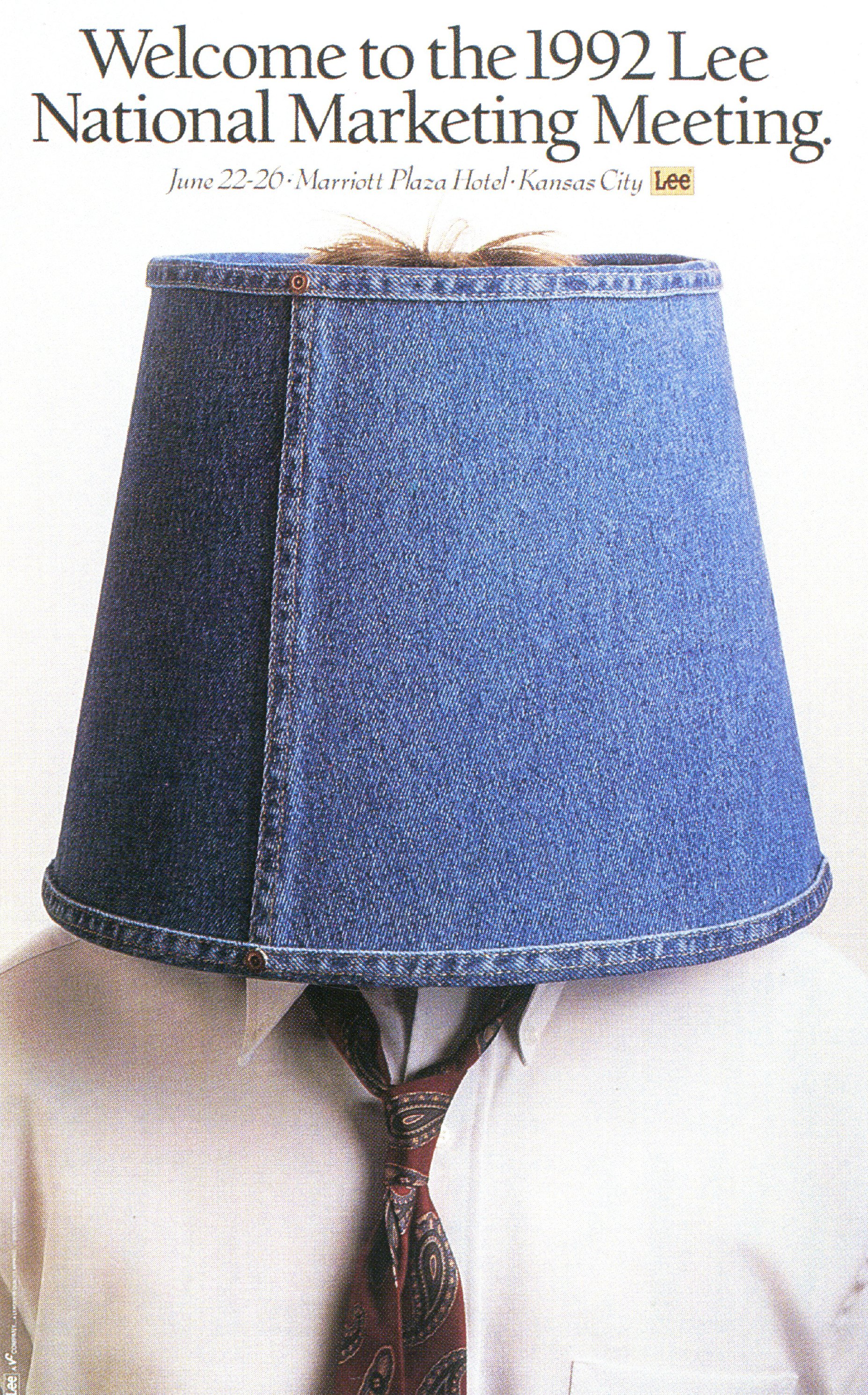
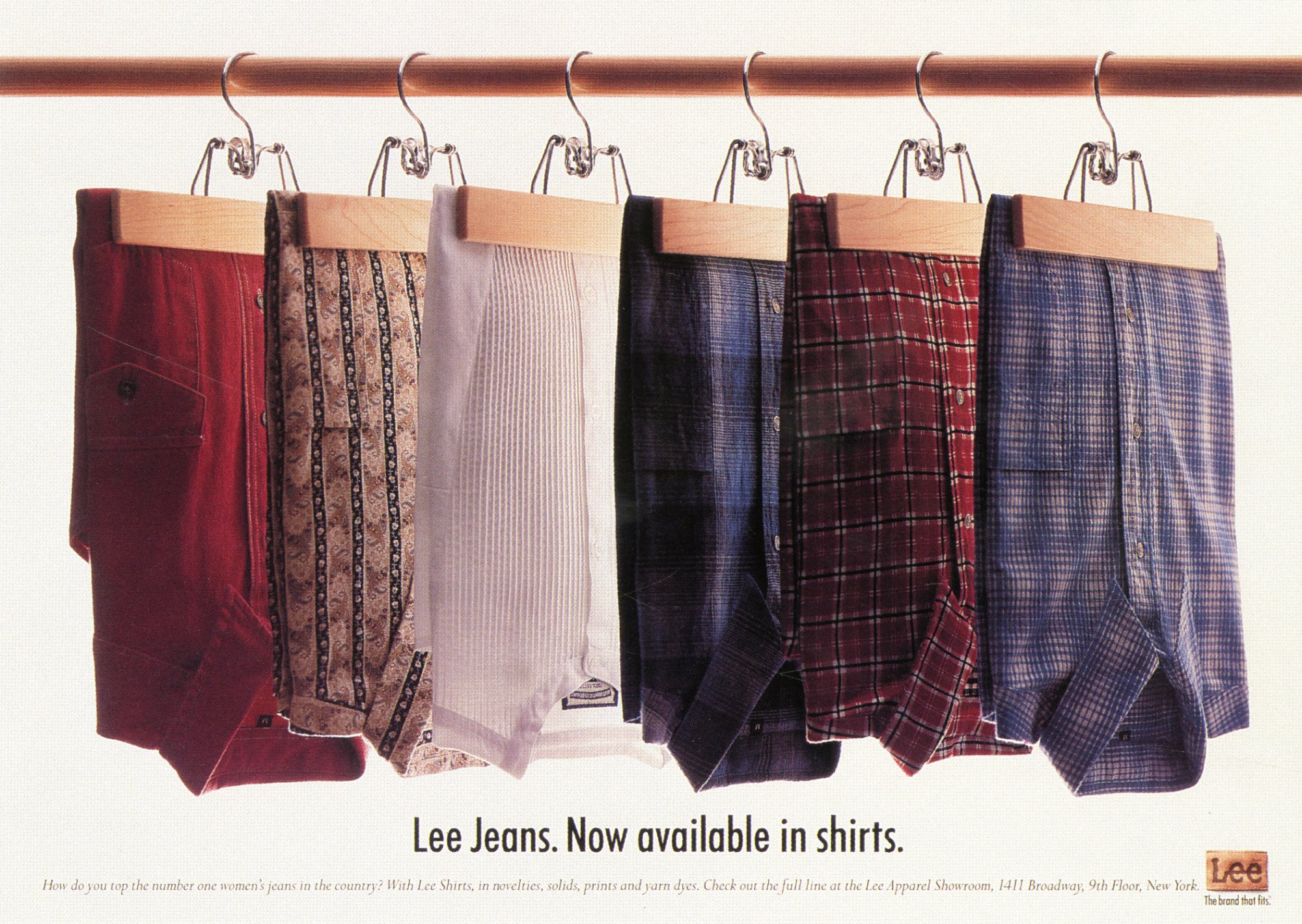
Fallon McElligott kept the line and changed the way Lee spoke. The print campaign built the fit claim into a recognizable written style, one that Dave Dye says 'looks familiar now, it wasn't at the time.' He adds that the agency gave its campaigns own-able verbal devices the same way it gave them visual ones. The ads ran in magazines through the last years of McElligott's time at the agency. Fallon kept the Lee account for nearly two decades after.
The work.
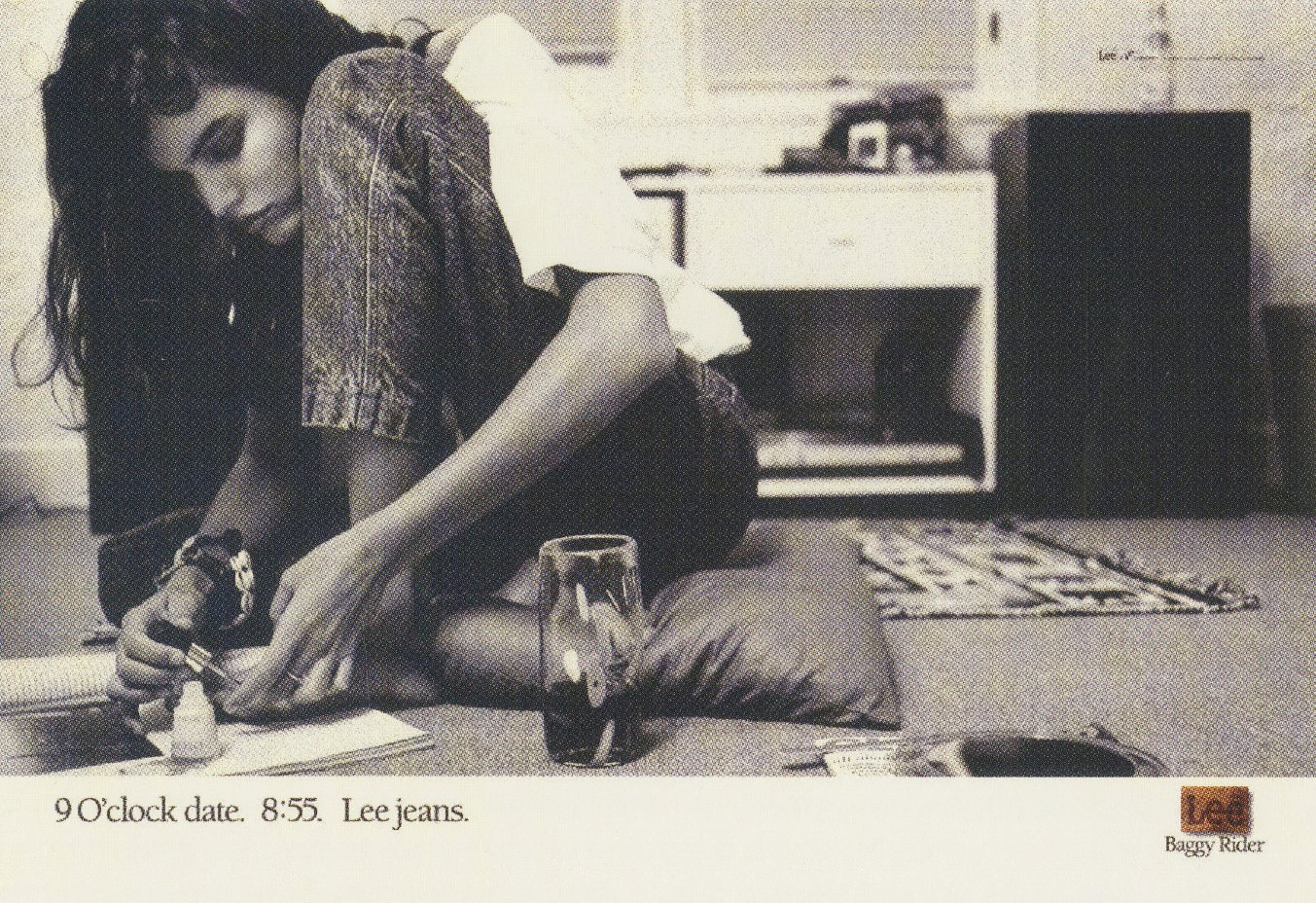
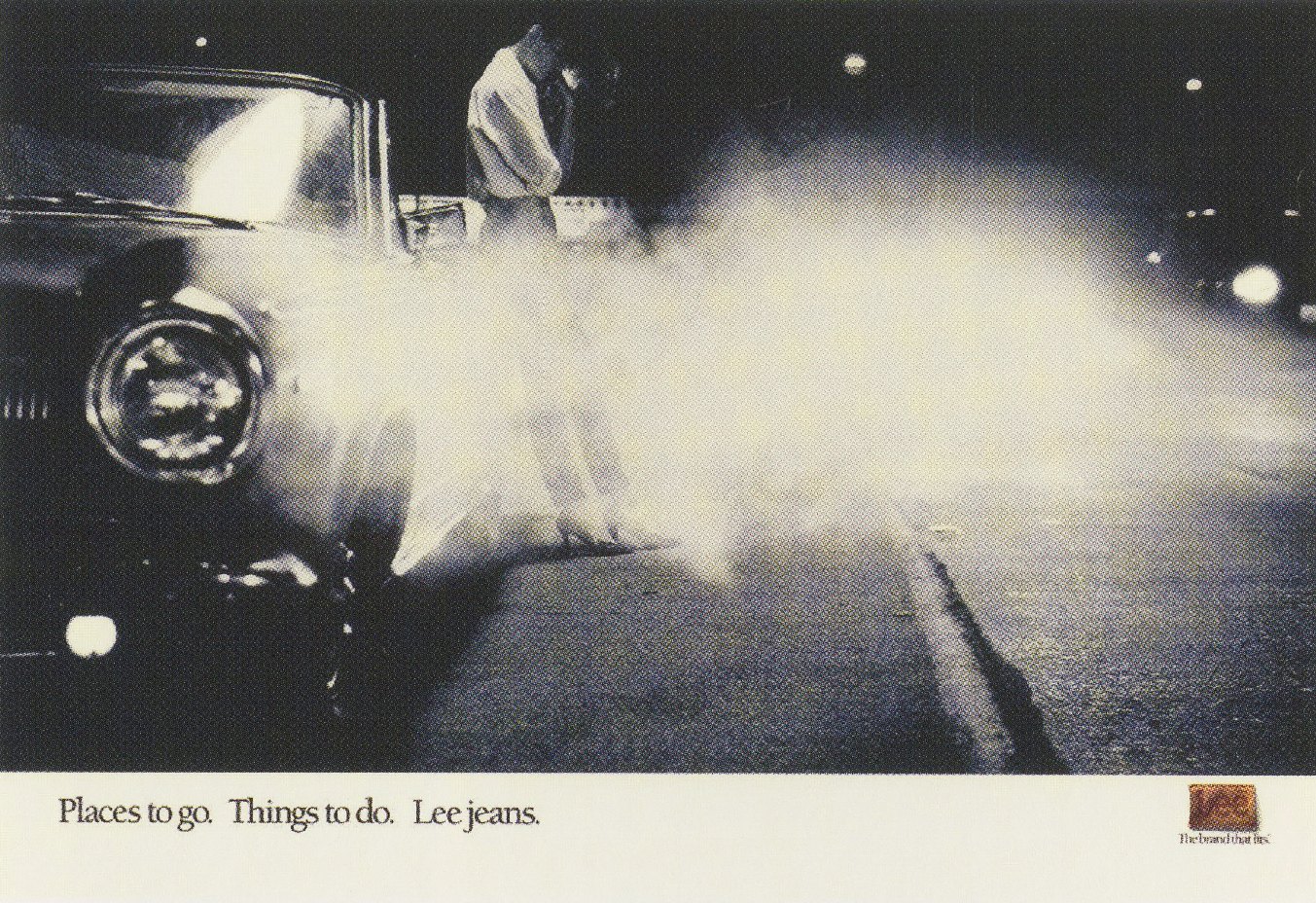
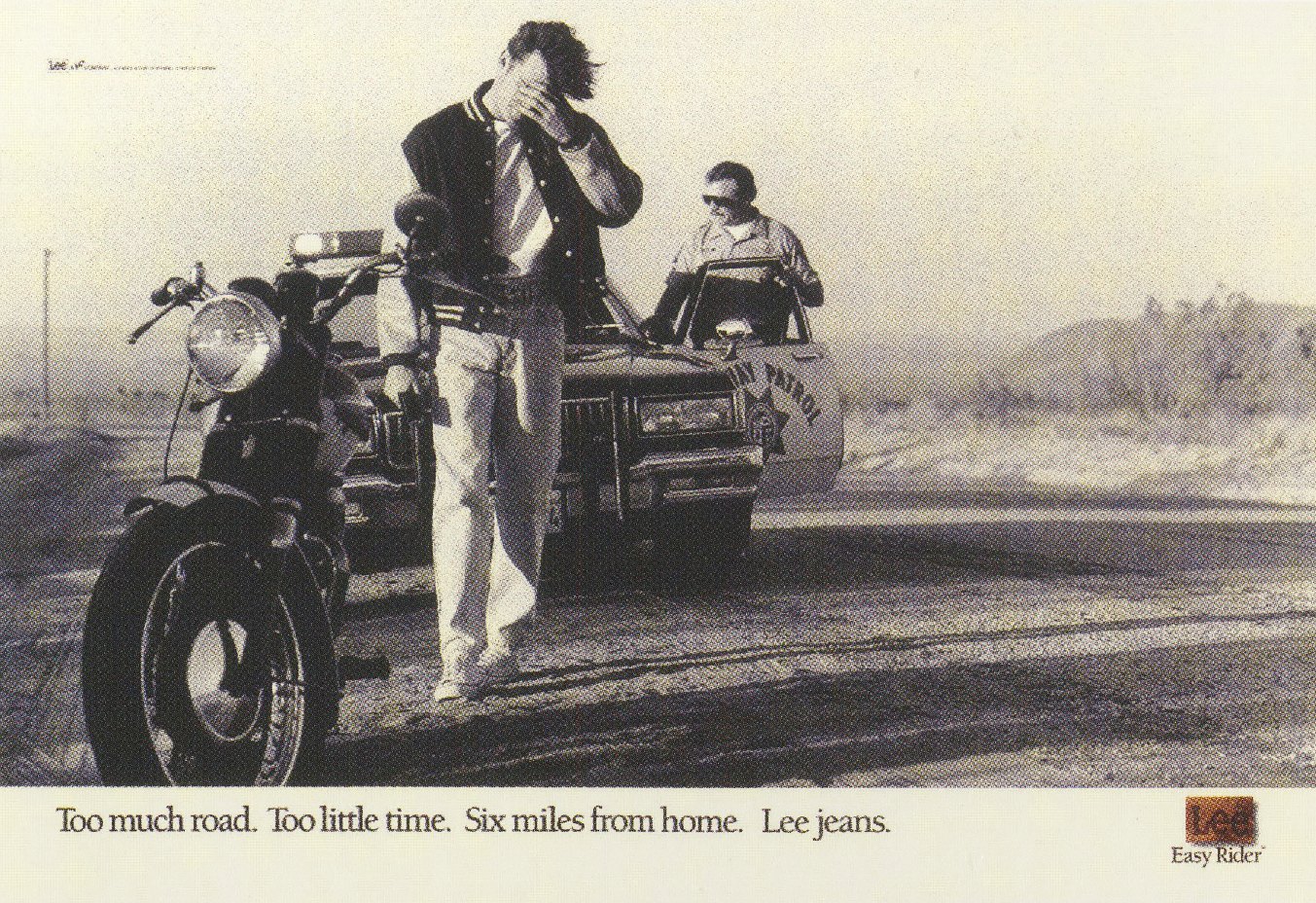
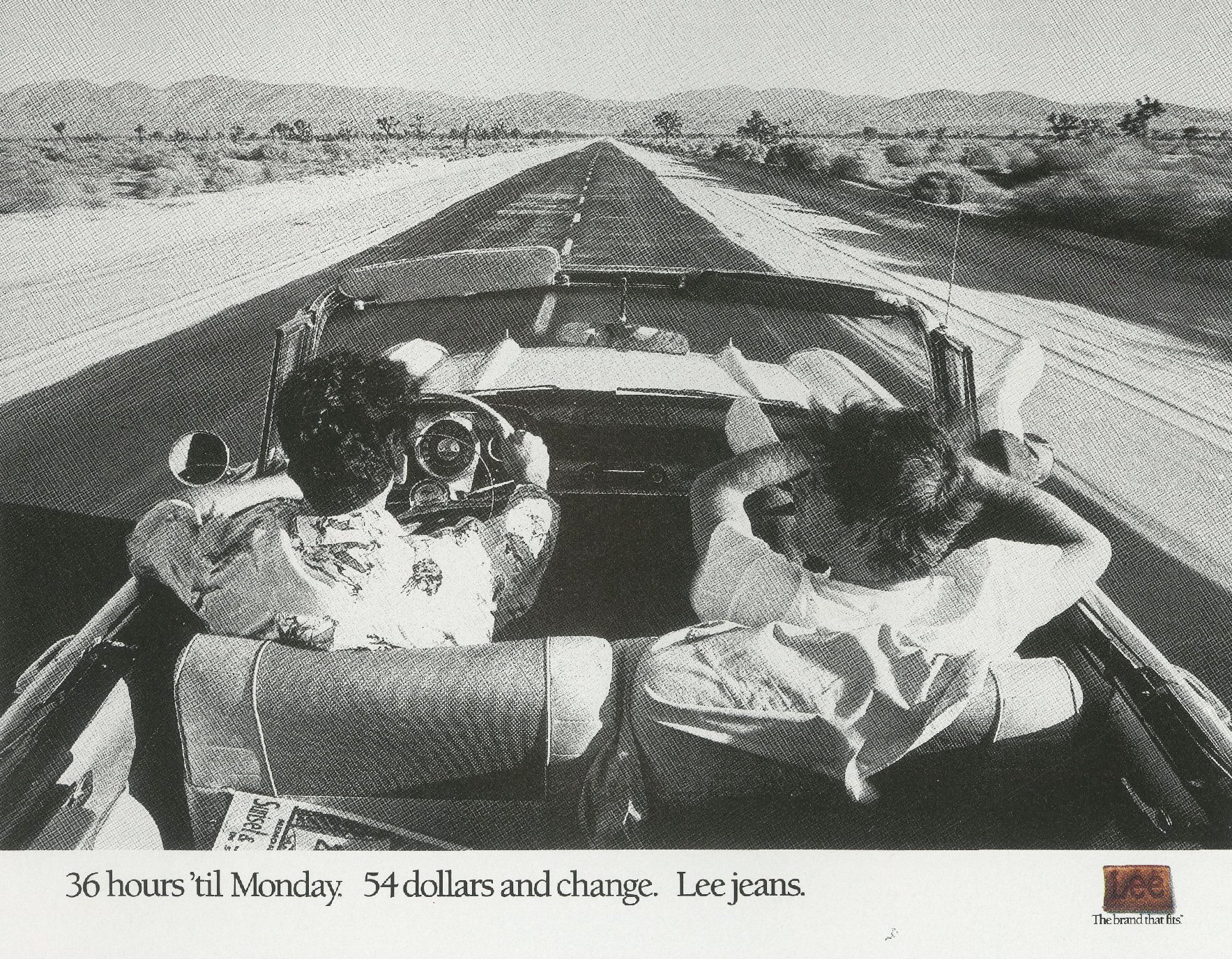
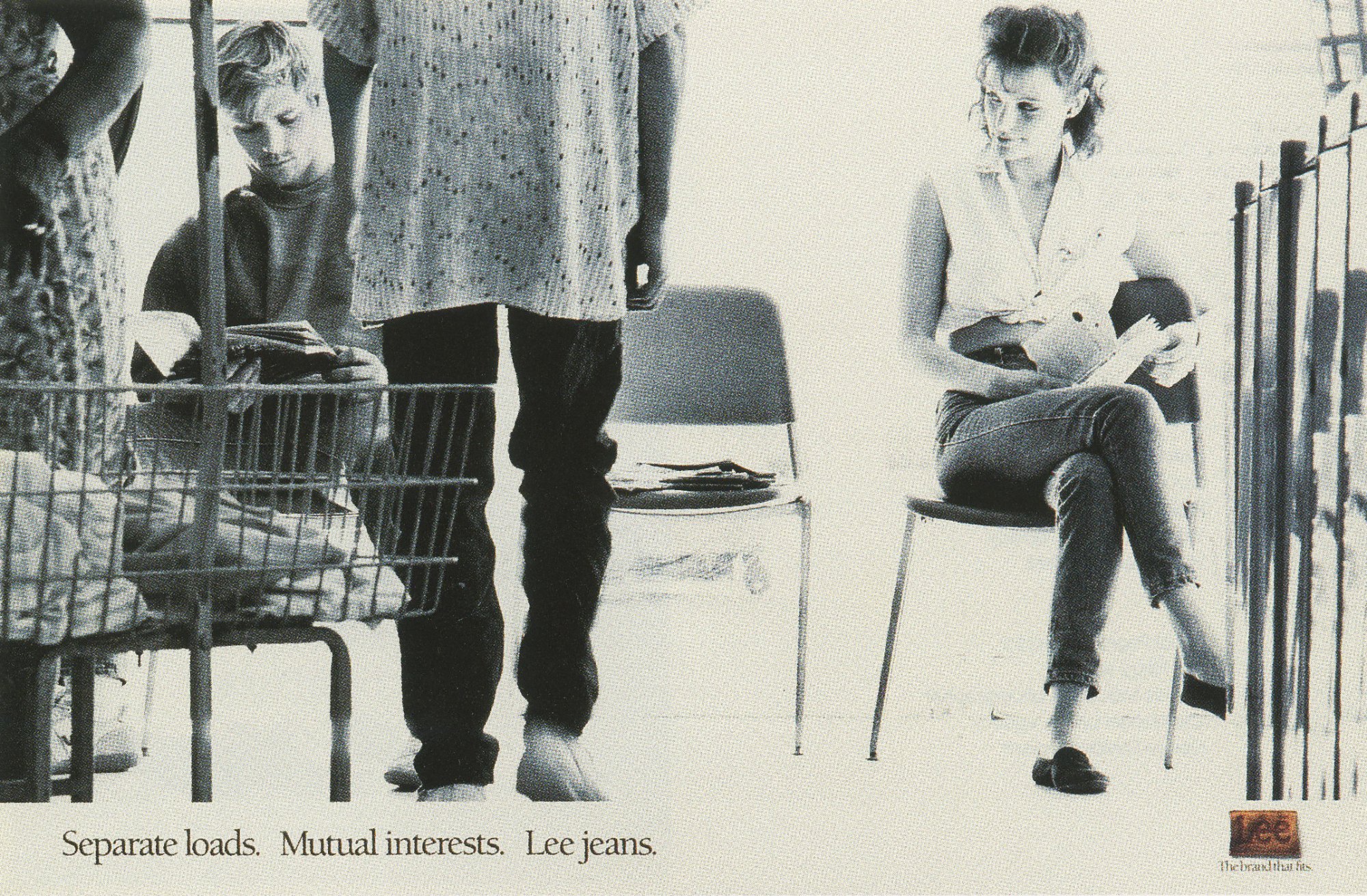
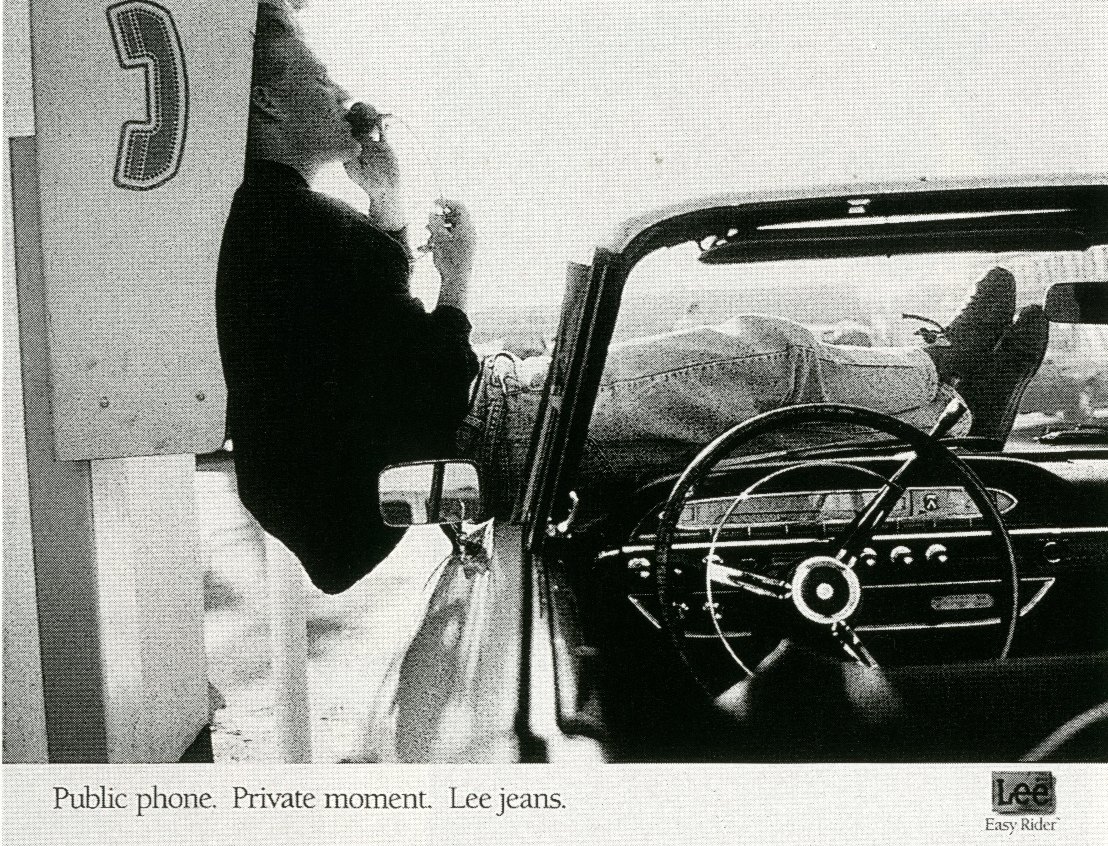
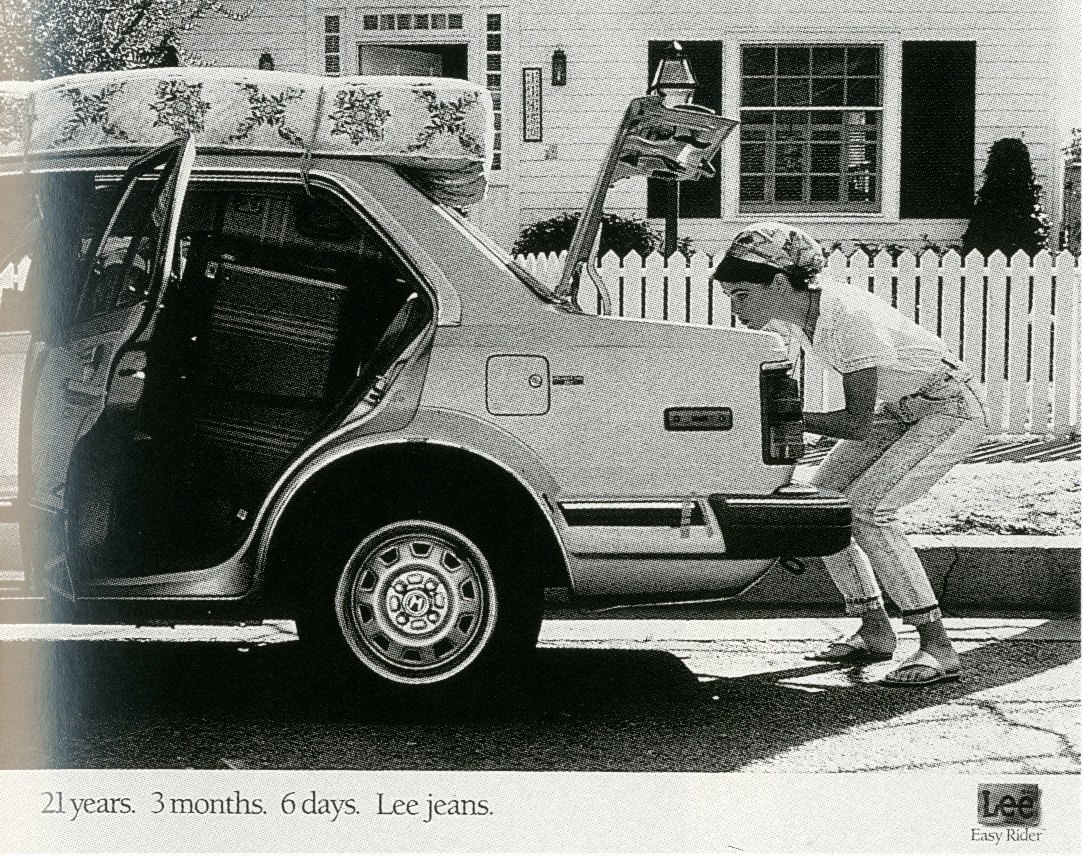
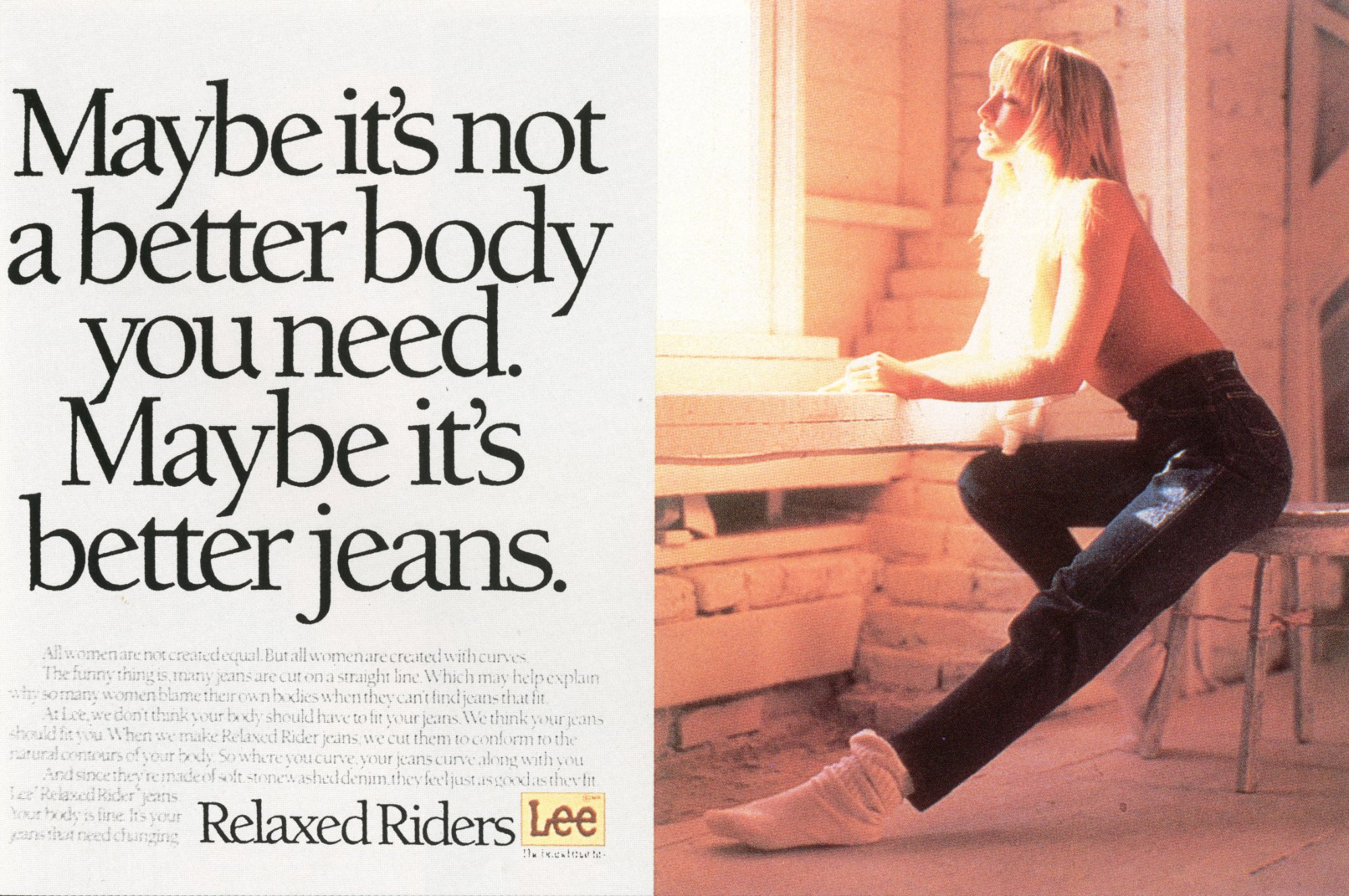
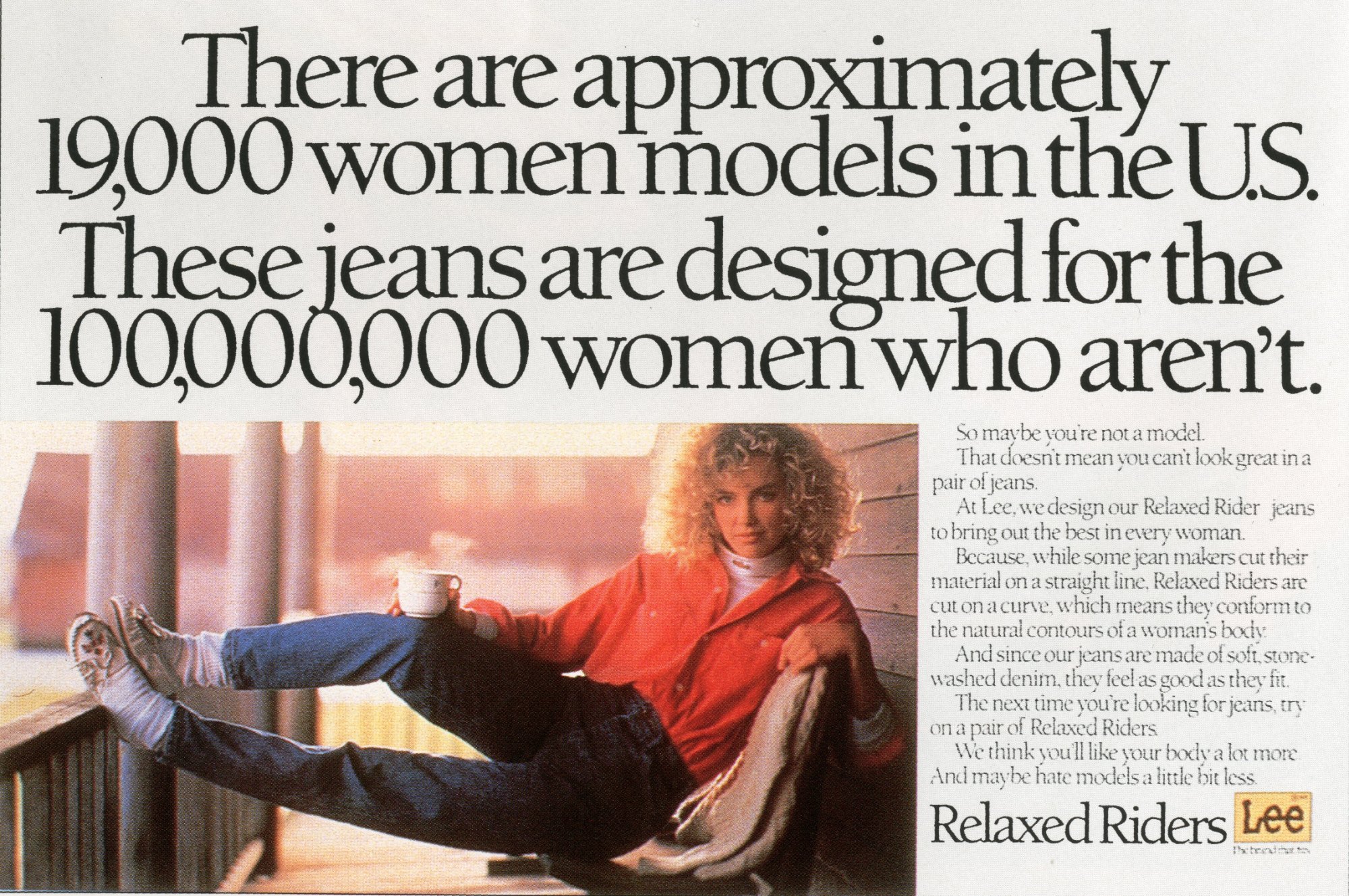
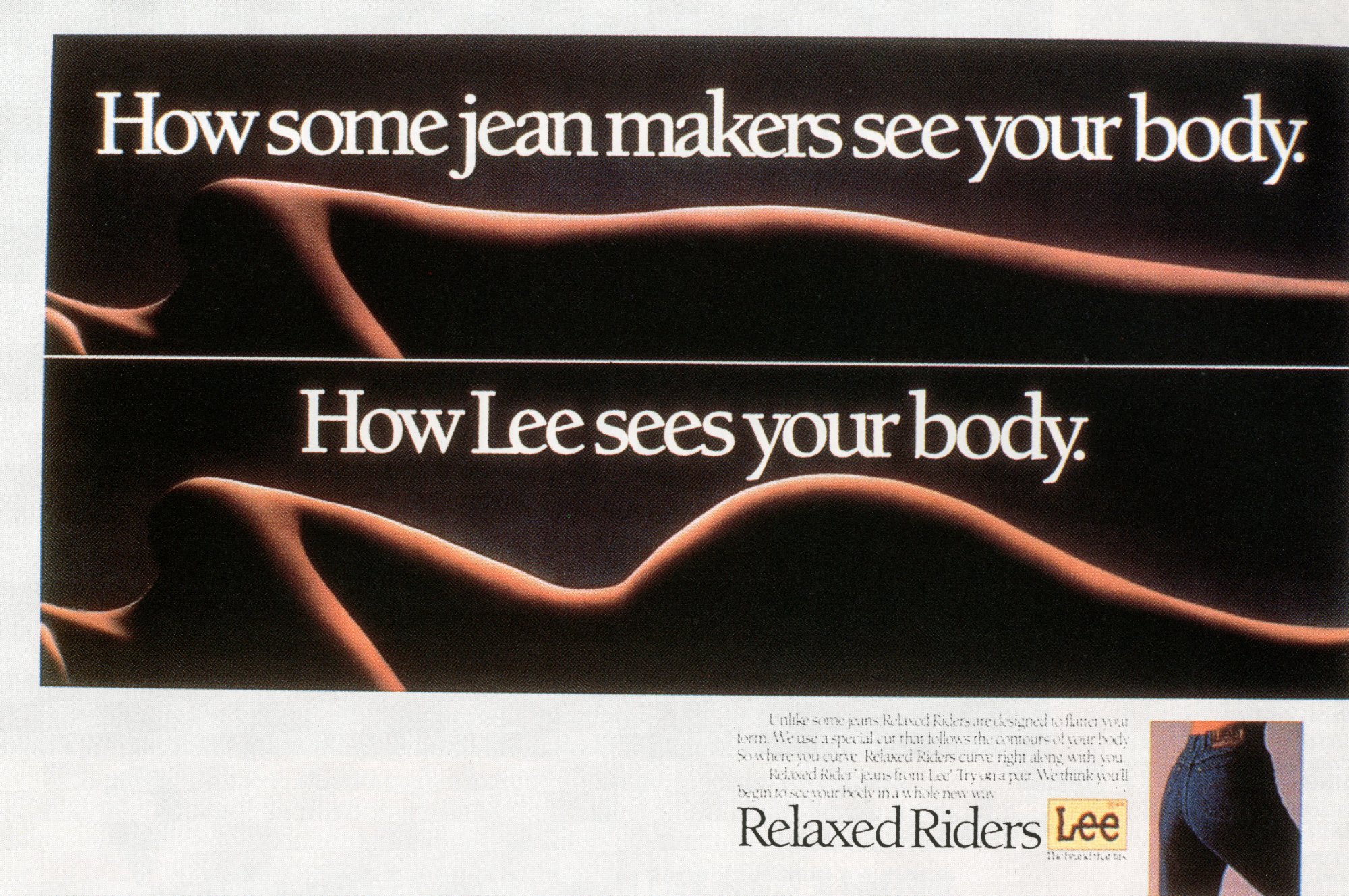
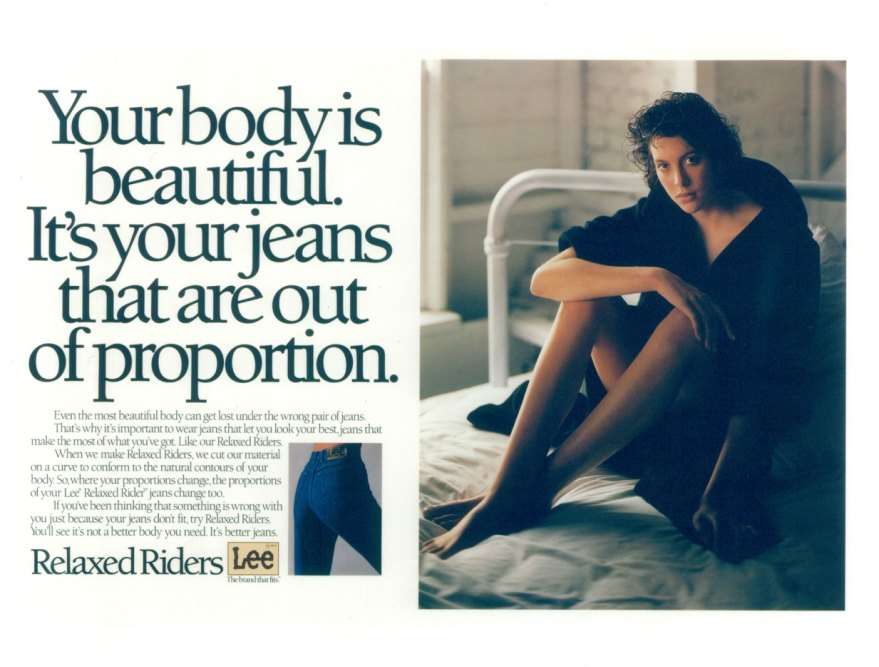
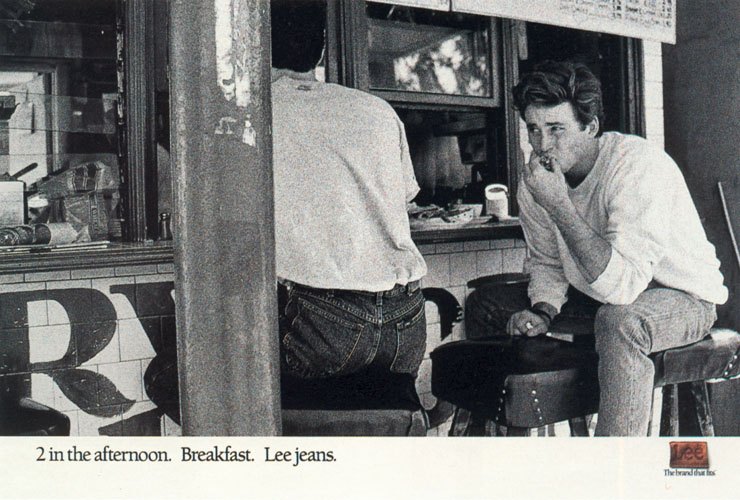
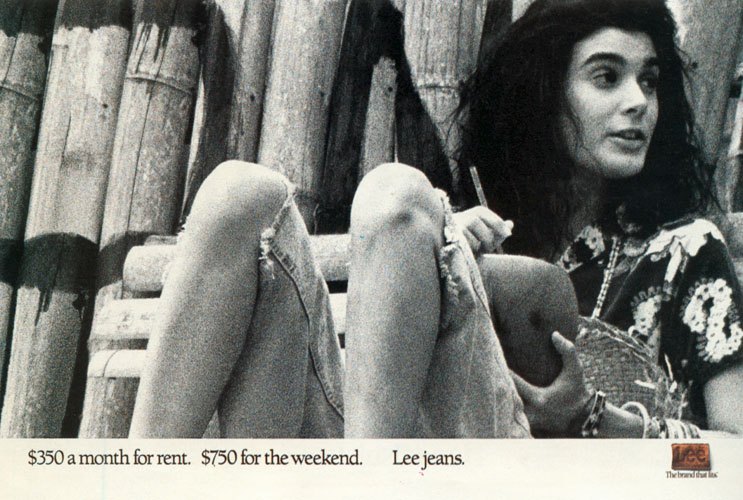
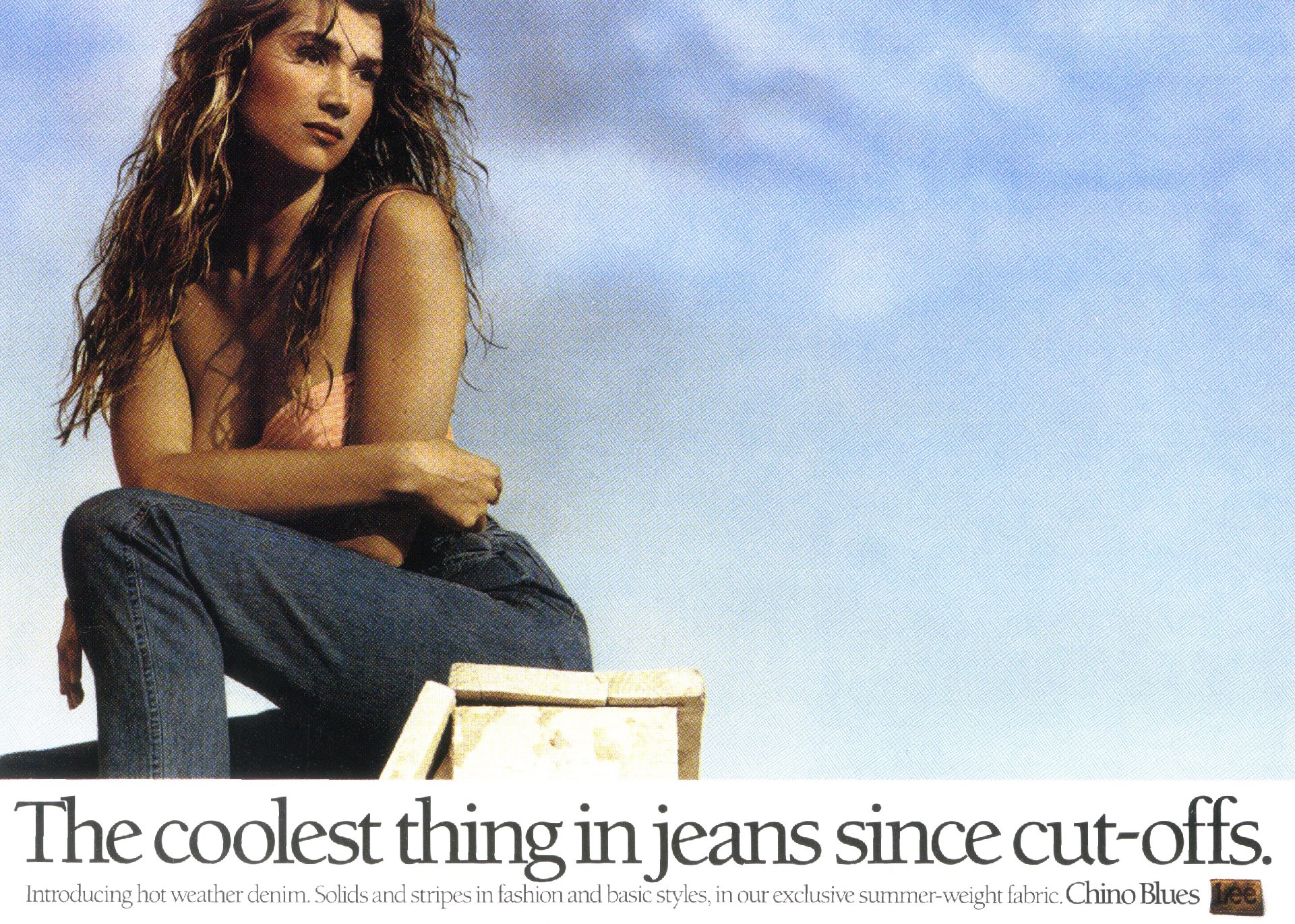
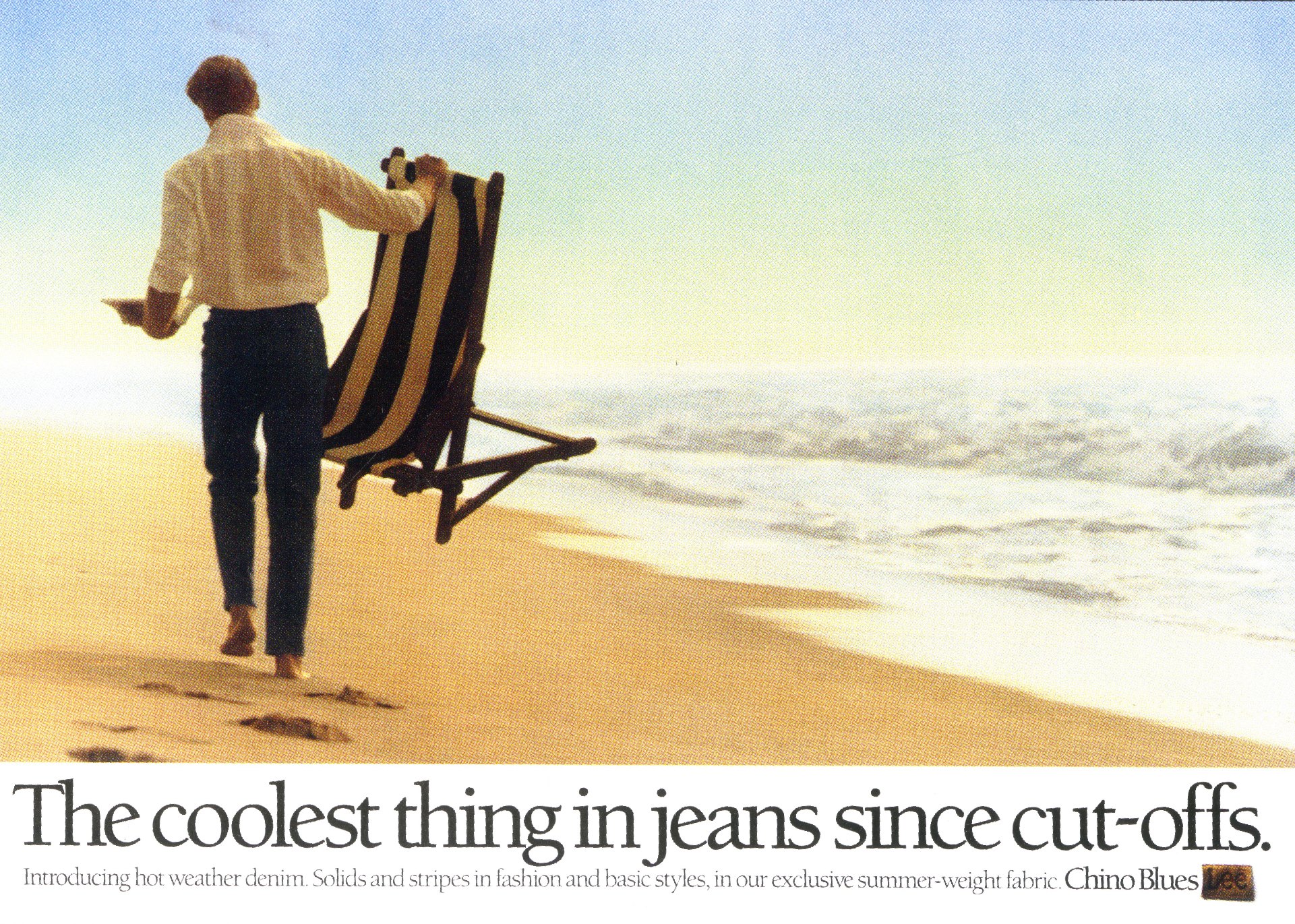
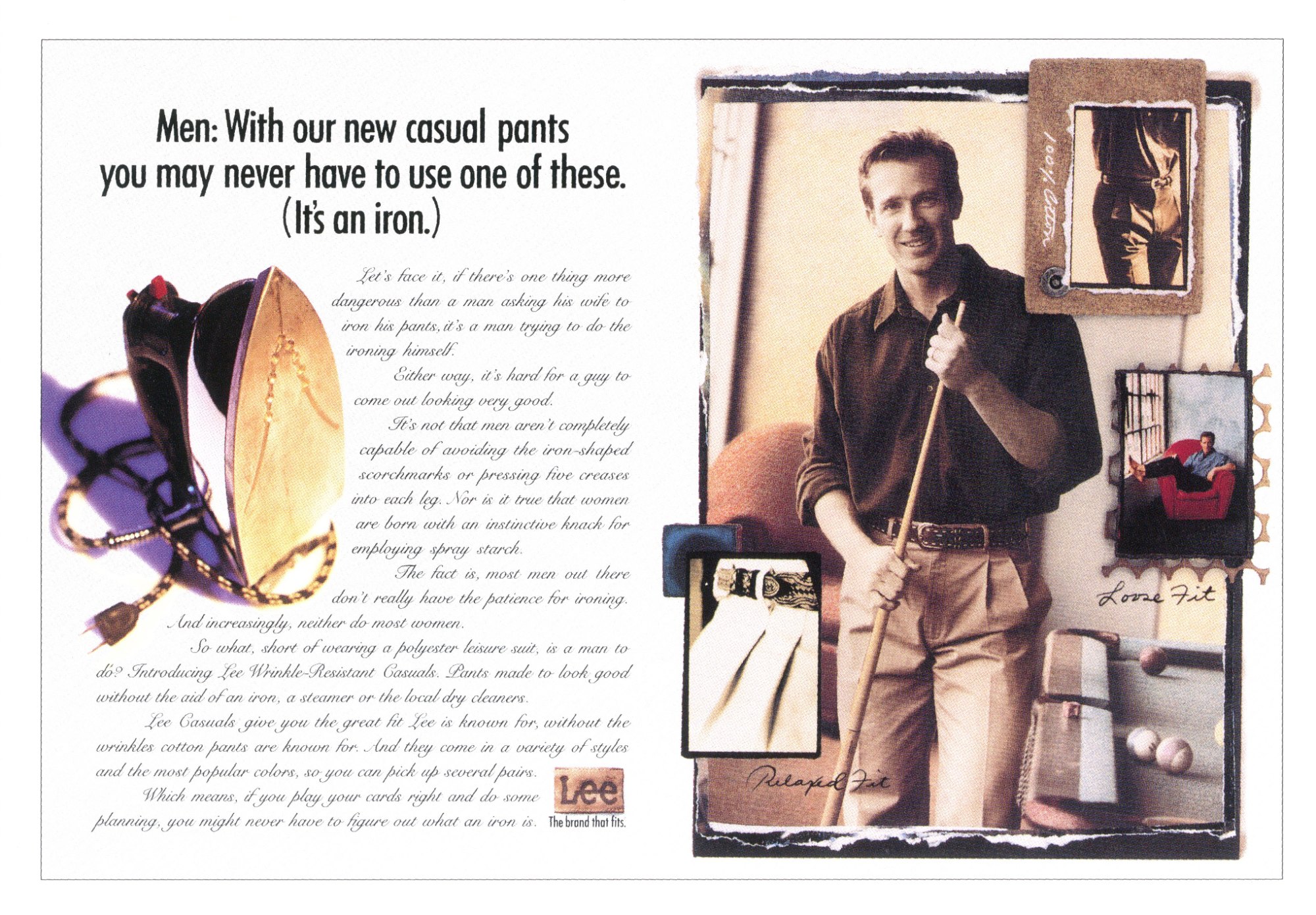
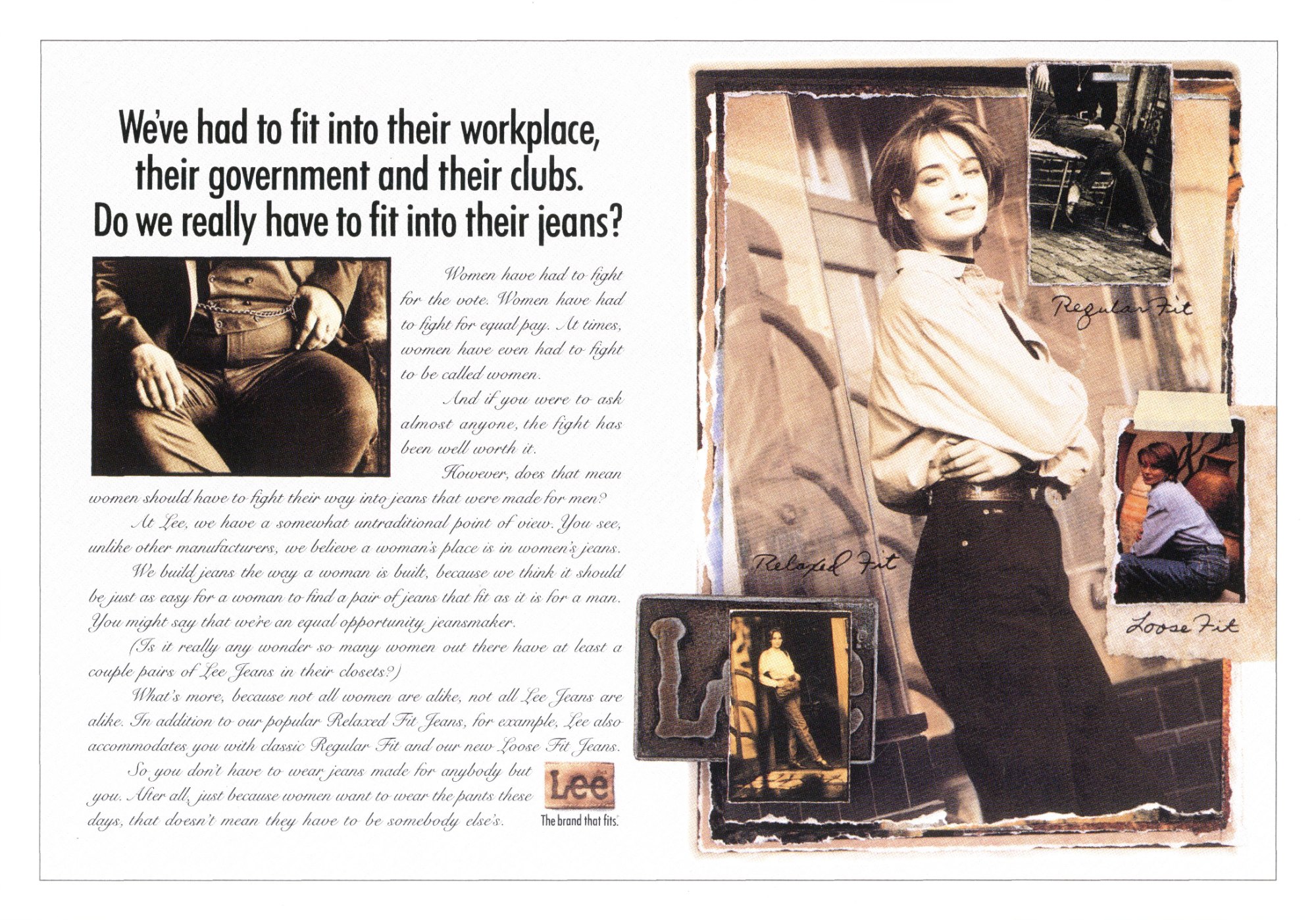
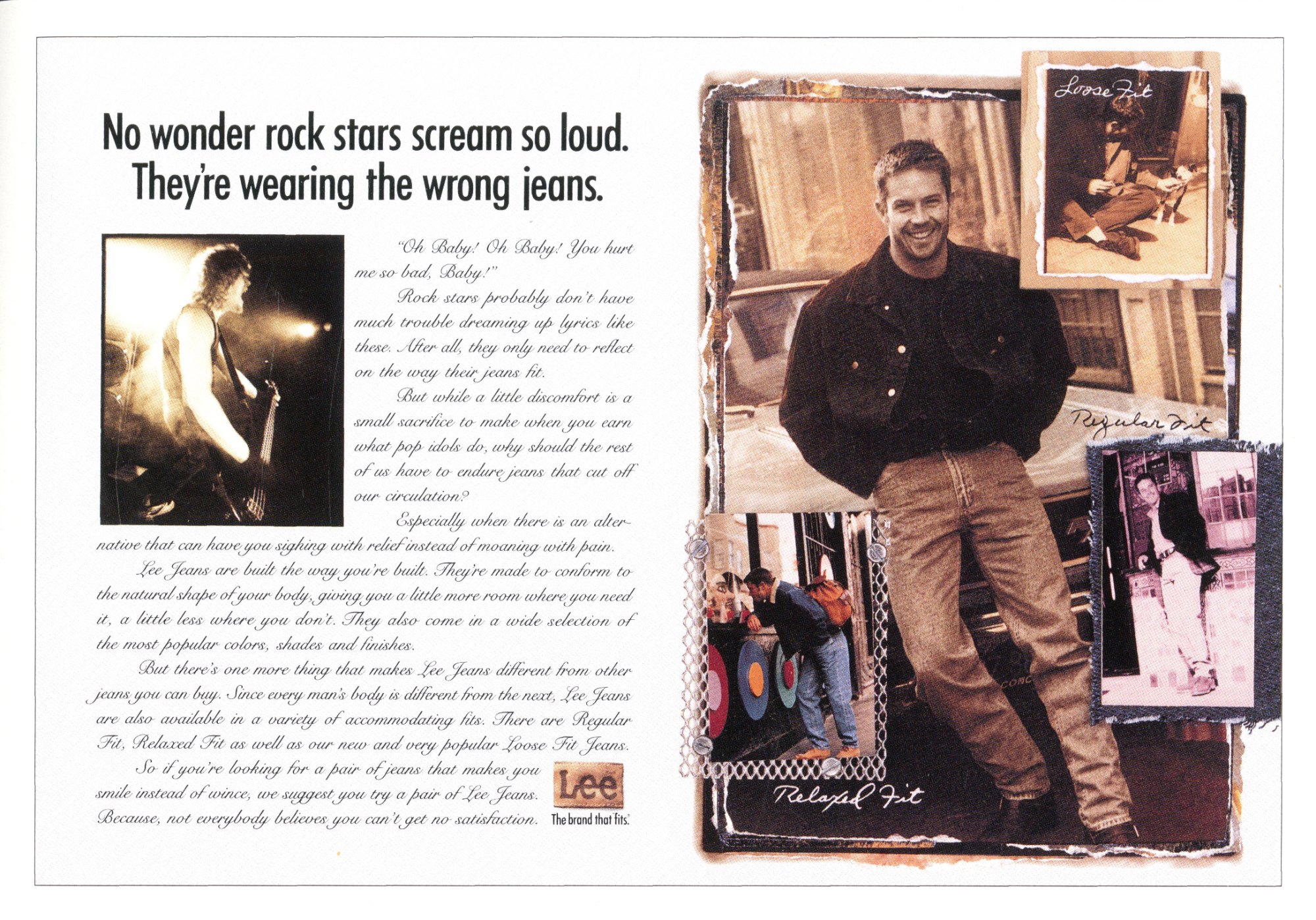
Same shape of problem.
Everyone else sold jeans as sex. Lee sold them as jeans that fit, and made that readable.
Back to the archive →