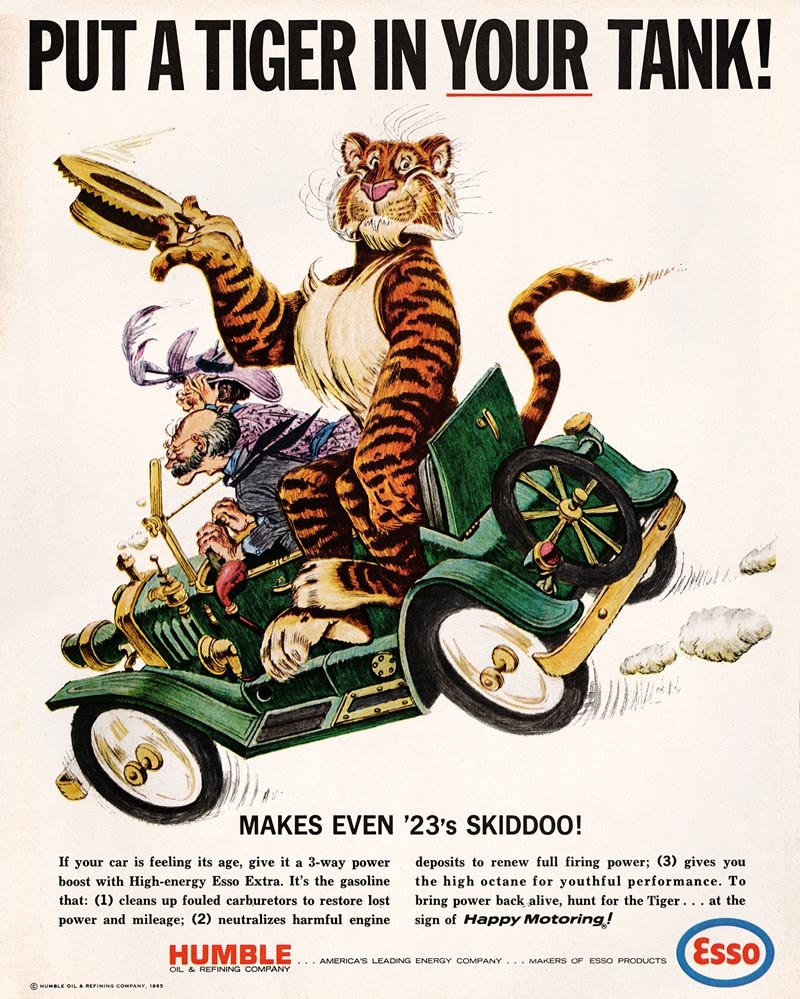
Put a Tiger in Your Tank
An oil company selling a product nobody could see or smell gave it an animal, and the animal crossed brand names, borders and languages.
The era.
In 1959 Standard Oil of New Jersey took full control of Humble Oil, its Texas affiliate. The combined company sold gasoline across the United States, but not under one name. A 1937 court ruling, won by other Standard Oil companies, barred it from using Esso in most states.
So the same gasoline reached drivers as Esso in some states, Enco in others and Humble in a few. Enco itself caused trouble: in 1960 Standard Oil of Ohio objected that it looked too much like Esso, and Ohio stations had to be called Humble. In 1966 the Justice Department ordered Esso signs off stations in several Southeastern states.
Abroad, the company sold under the Esso name. At home it was a patchwork. Any advertising idea had to work whatever was written on the sign.
The culture.
The late 1950s and 1960s were years of fast roads and bigger engines in America. The interstate highway system, begun in 1956, was laying thousands of miles of new road. Car makers advertised horsepower, and gasoline companies advertised additives and octane.
Gasoline advertising had a basic weakness. Every brand claimed more power, smoother running and cleaner engines, and drivers could not tell one tankful from another. The claims cancelled each other out.
Television was now in most American homes, and drawn brand characters were a familiar part of it. A picture could carry a feeling that a chemist's claim could not. It also needed no translation.
The problem.
Gasoline is invisible, every brand promised the same power, and this one was sold under three different names.
Humble's gasoline was sold as Esso, Enco and Humble depending on the state, and legal rulings kept moving the lines. A campaign built on a brand name would have had to be rebuilt market by market.
The product itself gave advertising little to work with. Drivers never saw gasoline, and every competitor claimed power and performance for its own. Humble needed a single idea that could promote its Esso Extra and Enco Extra grades wherever they were sold, and make one premium grade feel different from the rest.
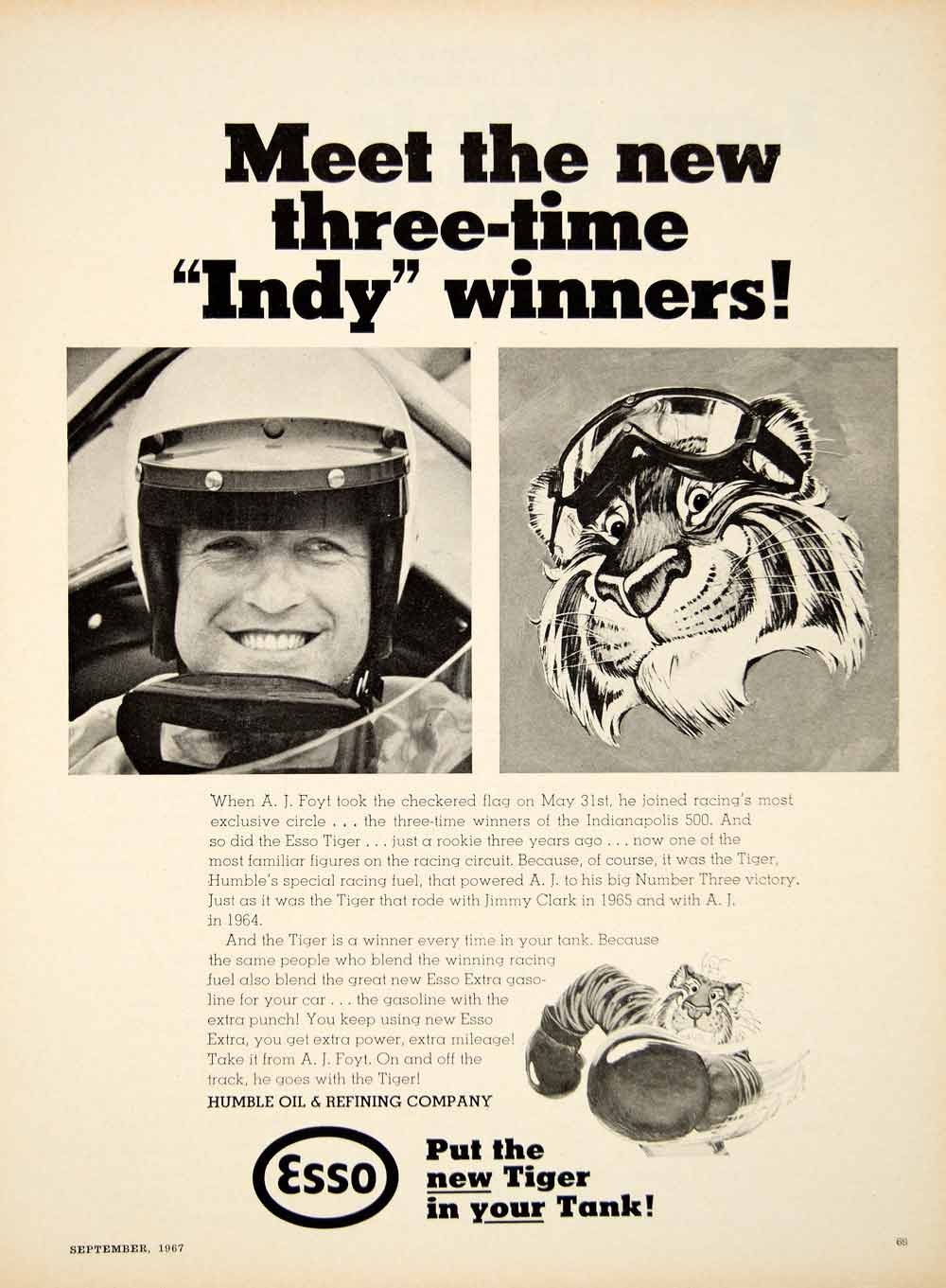
Humble introduced the tiger in 1959 to promote its Esso Extra and Enco Extra grades. Sources give McCann Erickson as the agency of the 1964 relaunch; none found names who at Humble briefed it.
The solution.
Give an invisible product an animal, so the promise of power travels without needing a brand name or a chemistry lesson.
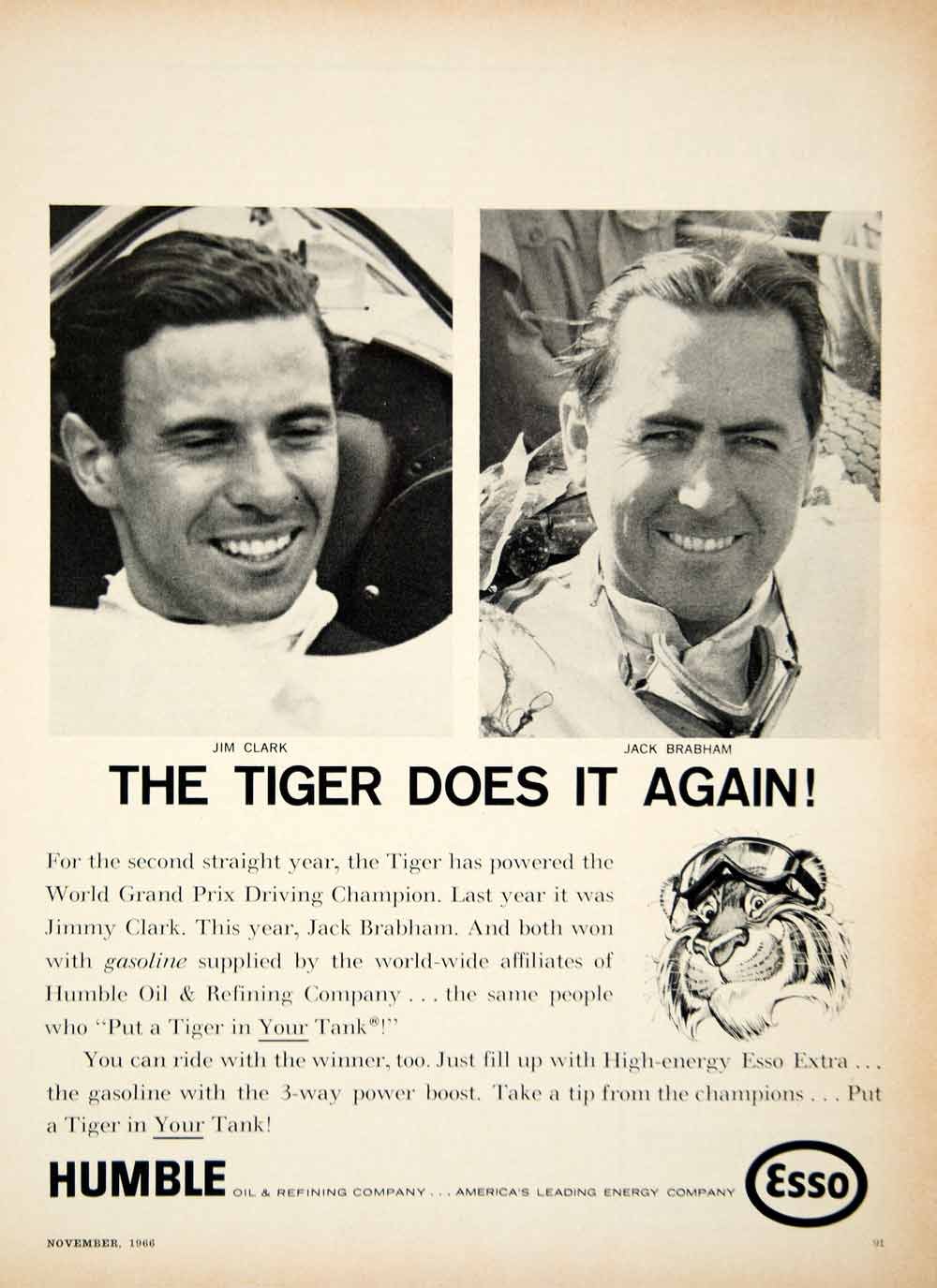
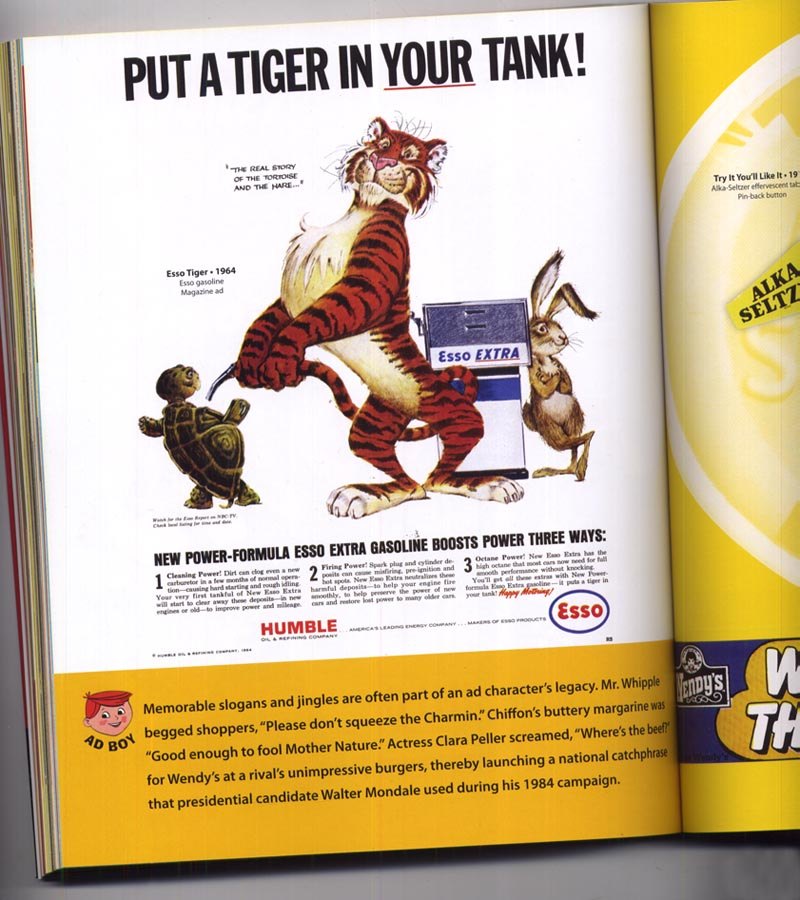
The line "Put a Tiger in Your Tank", credited to Emery Smith, arrived in 1959 to sell Esso Extra and Enco Extra. The tiger was power made visible. It did not depend on what was written on the station sign, so it worked in Esso states and Enco states alike.
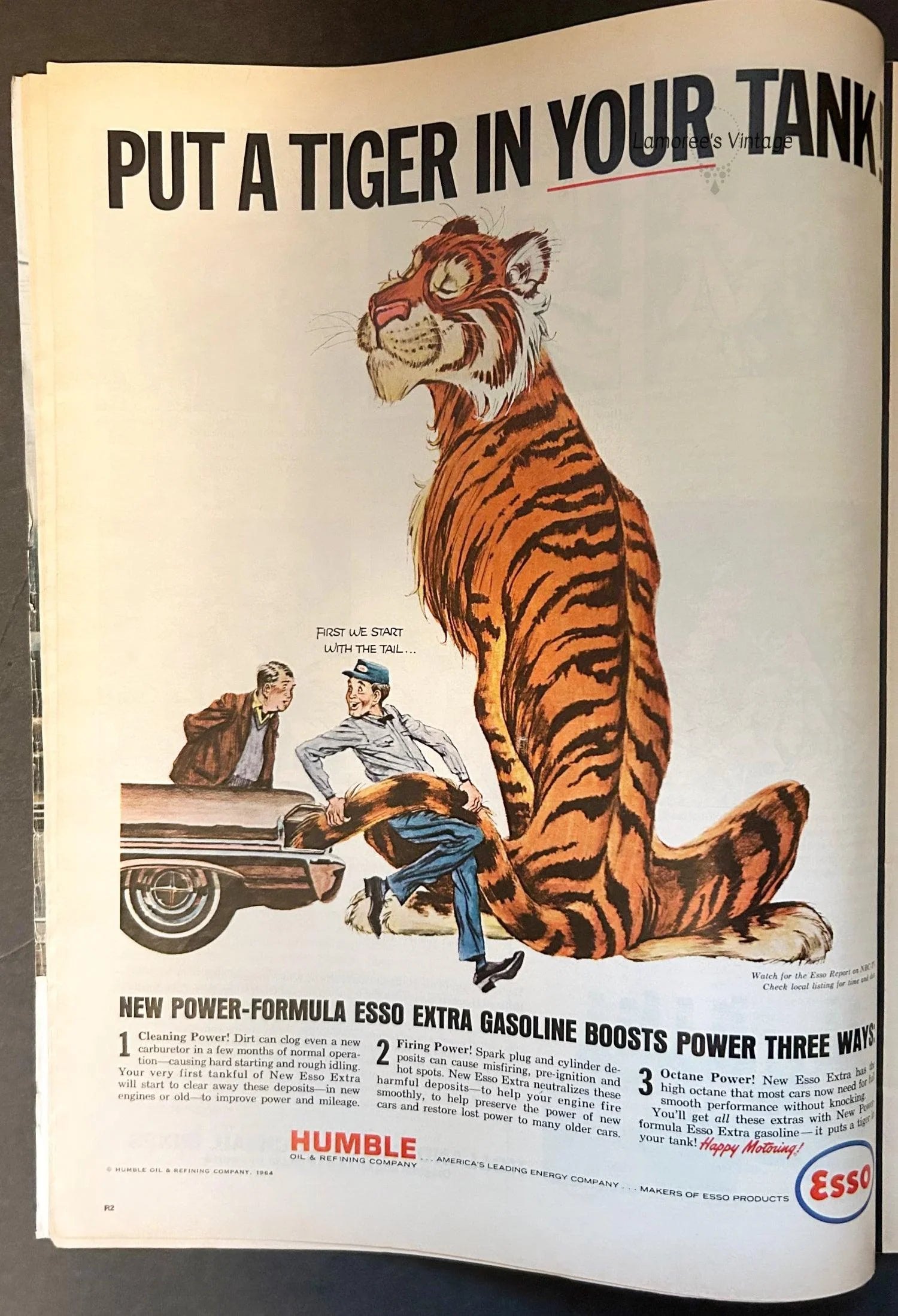
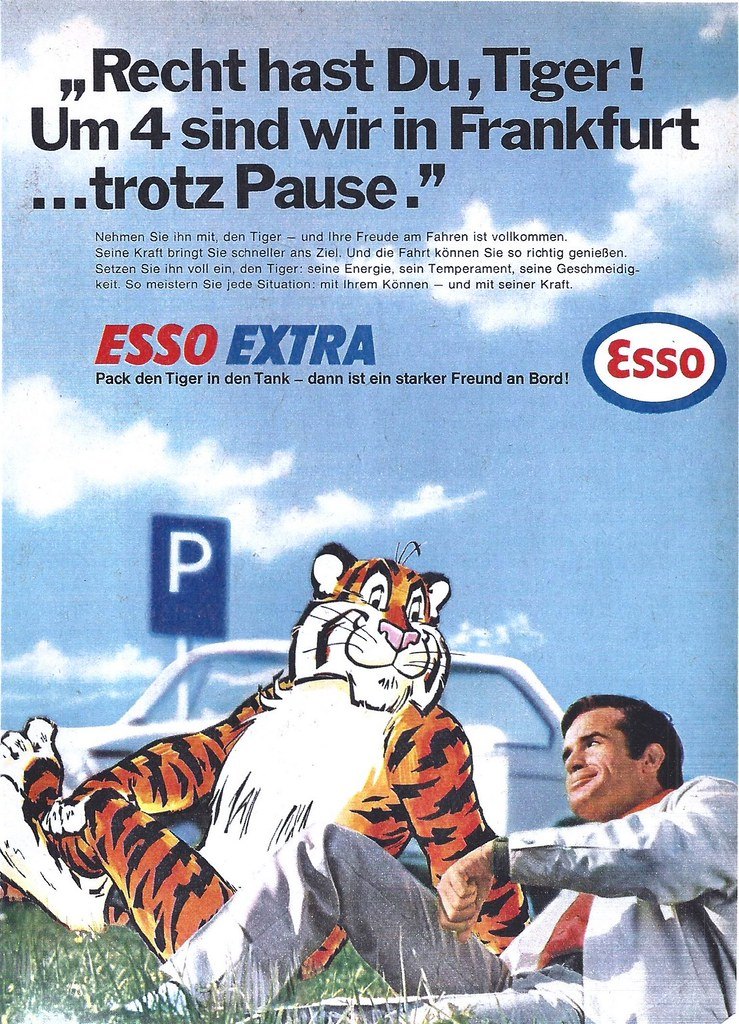
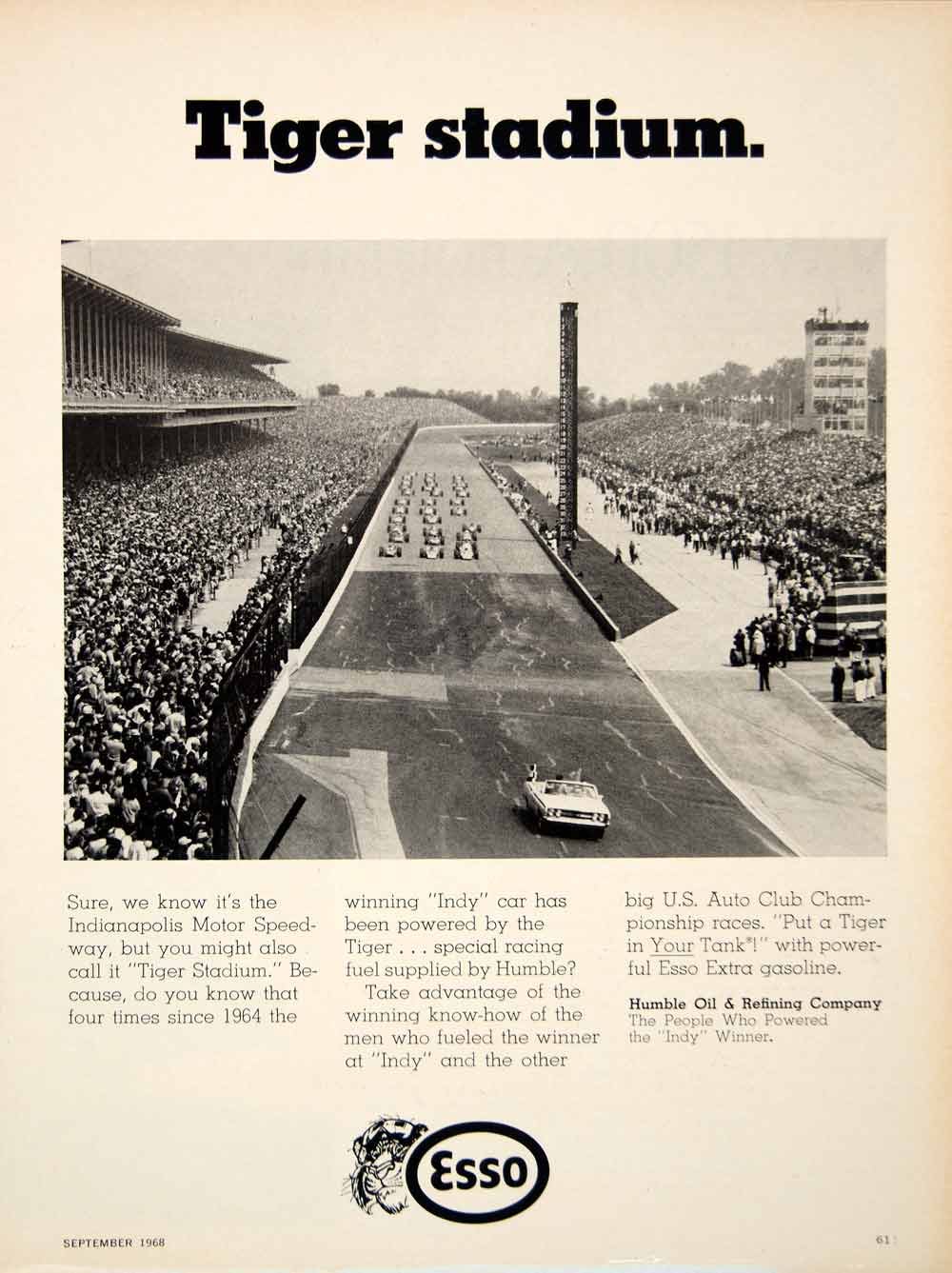
In 1964 McCann Erickson relaunched the campaign, and Time magazine called it the Year of the Tiger on Madison Avenue. Ads showed a tiger's tail hanging out of a car's fuel cap, and in England drivers bought fake tiger tails to tie under their own fuel caps. In 1965 Time reported the tiger going abroad to Western Europe, where pump hoses were wrapped in stripes and pop songs were written for it.
Humble replaced Esso and Enco with the single name Exxon across the United States in 1972, one of the most expensive name changes in the oil industry's history. Tiger imagery still appears on ExxonMobil pumps.
The work.
Same shape of problem.
Drivers across England tied fake tiger tails to their fuel caps.
Back to the archive →