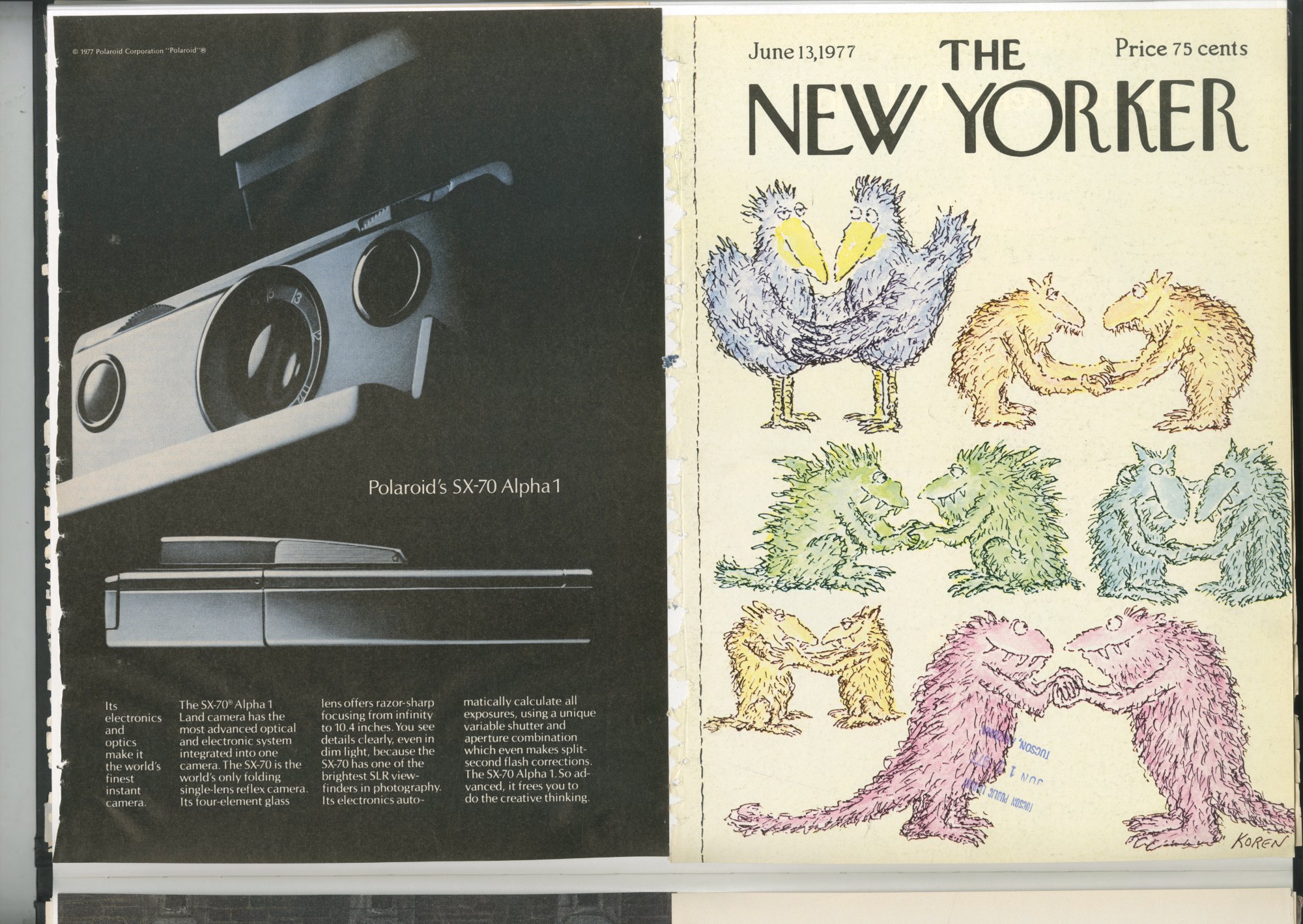
Polaroid · Doyle Dane Bernbach
SX-70
A company with a technical marvel and a high price chose gravity over gimmicks, and cast Laurence Olivier to say plainly what the camera did.
The era.
Edwin Land put the first Polaroid Land Camera on sale in 1948. For more than twenty years instant photography meant peeling a print away from its negative, timing the development and throwing away the backing. Land considered the SX-70 his crowning achievement.
On 25 April 1972, at Polaroid's annual meeting in Needham, Massachusetts, Land took the folding camera out of his suit pocket and made five photographs in ten seconds. Each print came out of the front of the camera and developed in the light, with nothing to peel. Its internal code name had been Aladdin.
The camera listed at $180, and a ten-exposure film pack cost $6.90. Industrial designer Henry Dreyfuss and his firm did the final styling, and Paul Giambarba designed the packaging. Polaroid planned a Christmas 1972 launch, then delayed it in September 1972 because it could not make enough cameras.
The culture.
The SX-70 went on sale first around Miami in late 1972. Polaroid chose Florida because vacationers there took so many snapshots. The national launch followed in the autumn of 1973.
Artists took to it early. Andy Warhol, Walker Evans and Ansel Adams used or praised the camera, and in December 1973 the photographer Oliviero Toscani photographed Warhol at Carnegie Hall holding a Polaroid with a print sliding out of its front.
Polaroid also hired Charles and Ray Eames to make a short film for its stockholders explaining how the camera worked. The company's 1973 annual report carried a booklet, The SX-70 Experience, of photographs taken by Land himself.
The problem.
A camera nobody could picture, at a price few would pay, had to be made to seem worth the wait.
The SX-70 was a new kind of object. It folded flat, focused through a mirror and pushed out a finished photograph by motor. Phyllis Robinson at Doyle Dane Bernbach later said that because it was such a different product, it was difficult to make an advertisement equal to it.
The business problem was harder than the creative one. At $180 the camera cost far more than a snapshot camera, and Consumer Reports named the price as a drawback. The film's built-in batteries were sometimes too weak, focusing was difficult, and Polaroid took back hundreds of thousands of defective film packs.
Polaroid expected to sell a million cameras in 1973. It sold 415,000. Its stock fell by about ninety per cent between 1972 and 1974.
Polaroid had been a Doyle Dane Bernbach client since the 1950s, so the SX-70 went to the agency's existing team. No source found says who at Polaroid briefed it or what exactly was asked.
The solution.
Treat a new technology as an event, and let one voice of unquestioned authority describe it plainly.
Doyle Dane Bernbach had made Polaroid's advertising since the 1950s. For the SX-70, Robinson said she came up with an atmosphere that only Laurence Olivier could play, and Polaroid got him. He sat against a black background and listed what the camera was: pocket sized, folding, electronically controlled, motor driven.
The commercials were shot in Paris, reportedly for $250,000, and Olivier agreed on condition that they never be shown in England. The setting was bare and the words were specifications. The authority came from the man saying them.
The approach set the tone Polaroid kept for its SX-70 cameras through the decade, with Liv Ullmann in 1979 and Christopher Plummer in 1980 speaking for the SX-70 Sonar OneStep. The volume came later, from cheaper cameras: the $40 OneStep of 1977, which used SX-70 film, was the best-selling camera of that Christmas.
The work.
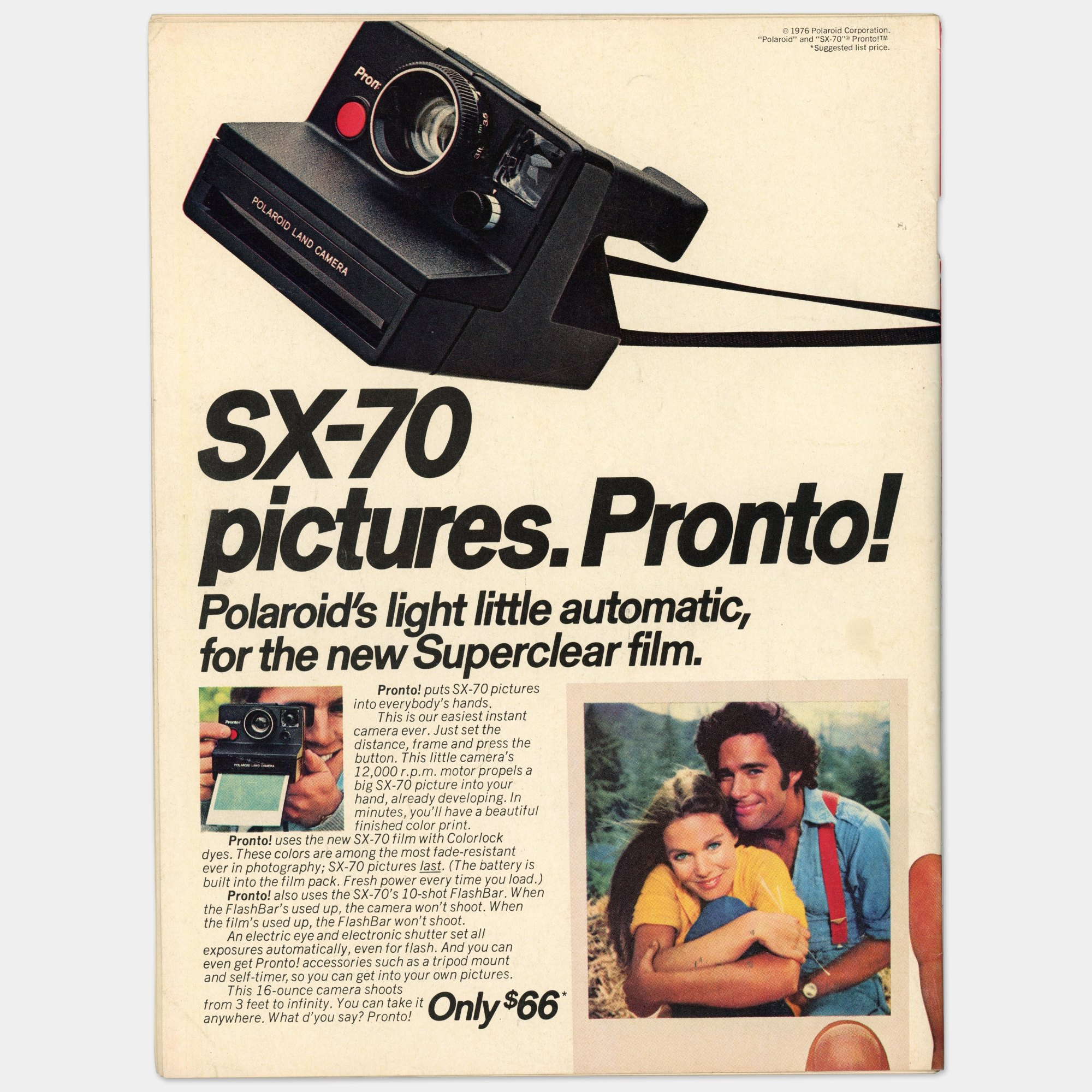
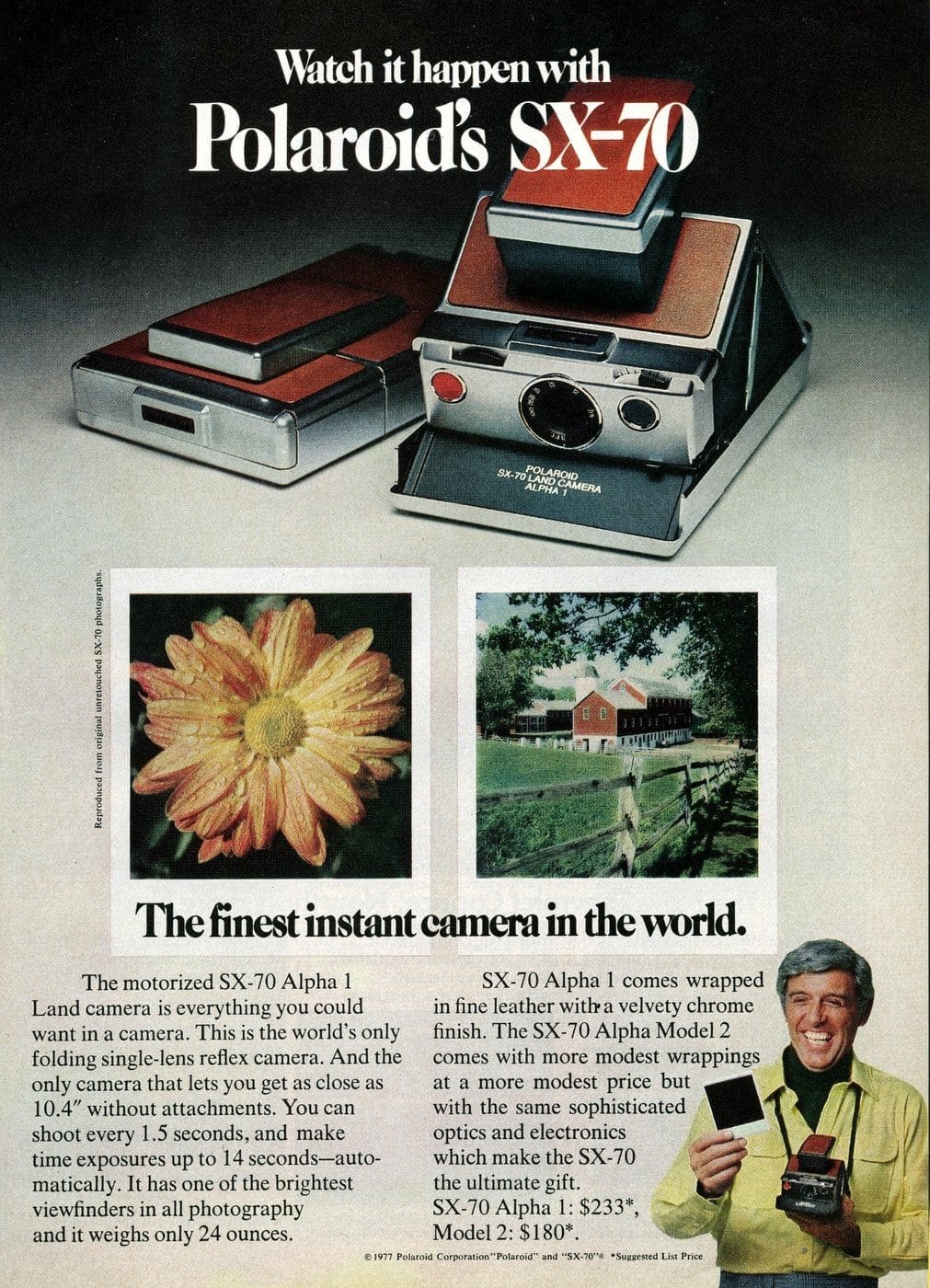
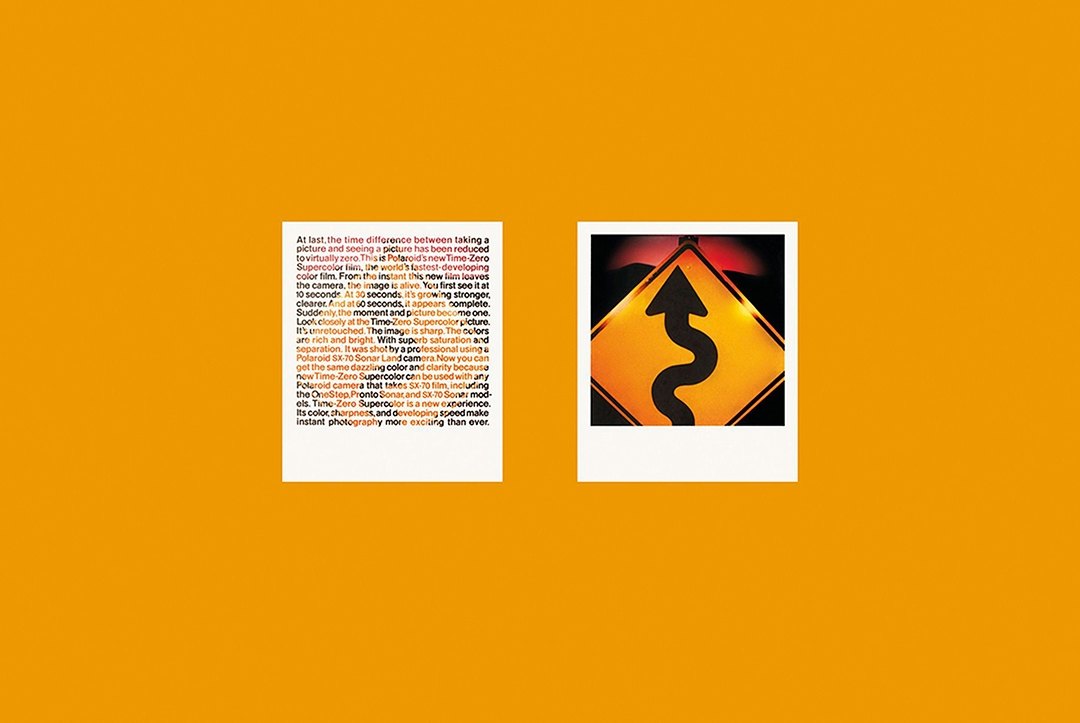
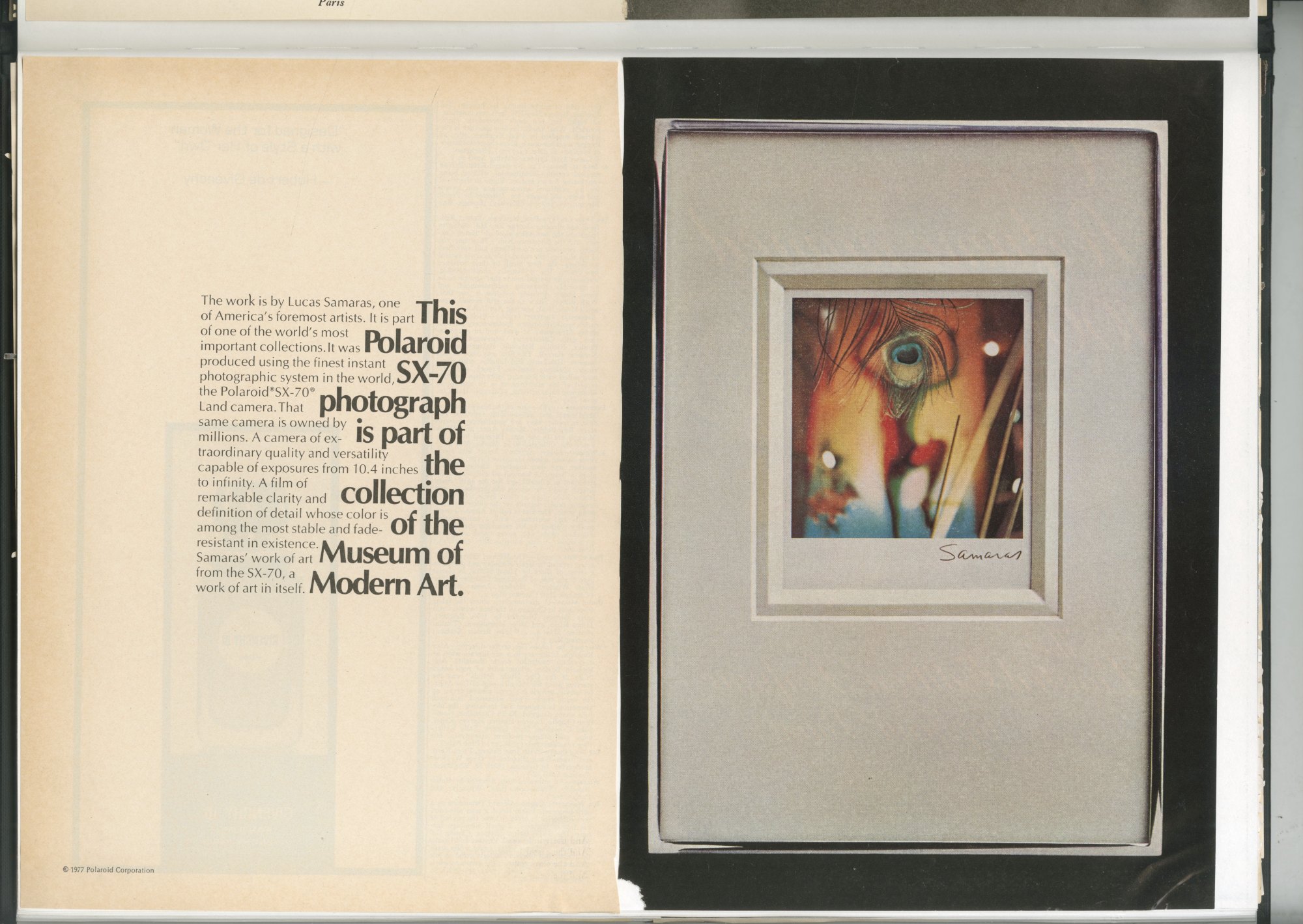
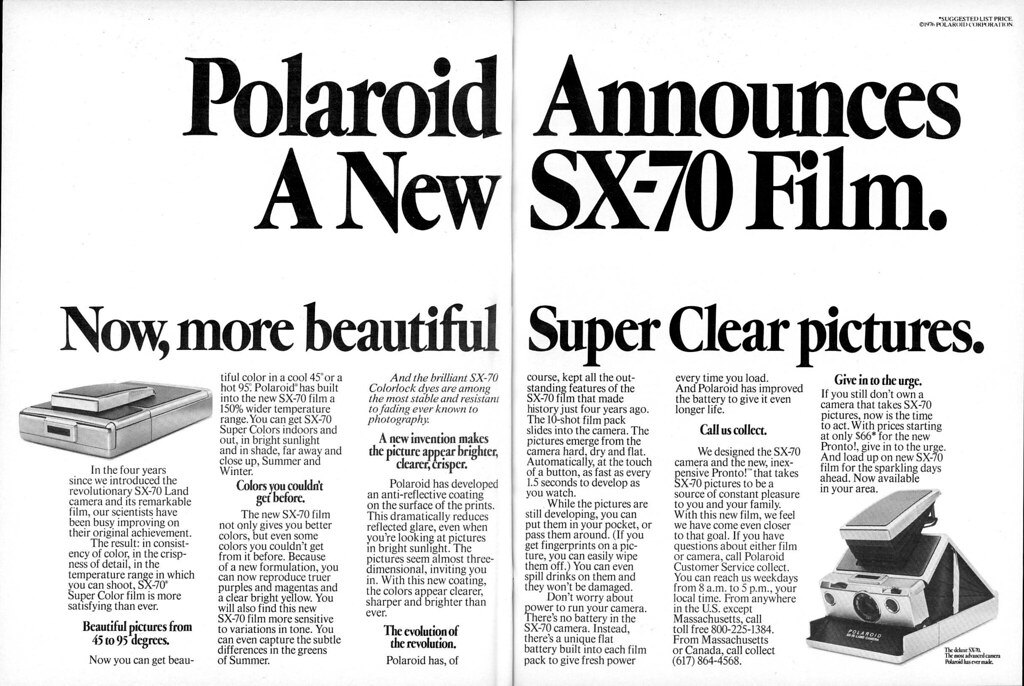
Polaroid's answer to a product nobody could picture was Laurence Olivier and a black backdrop.
Back to the archive →