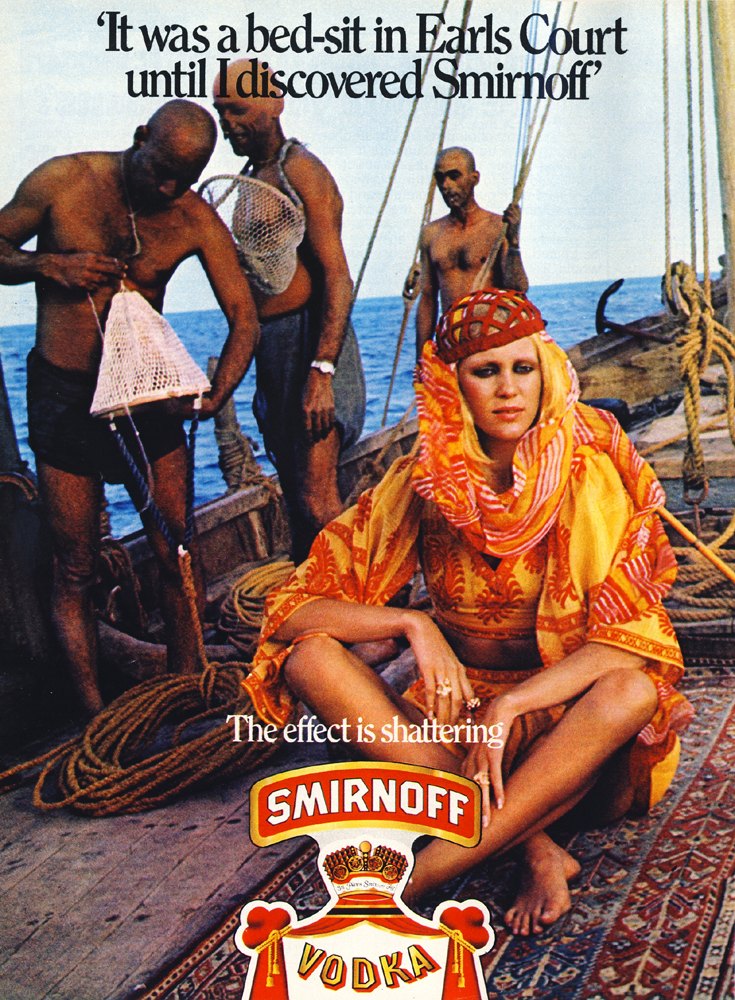
Accountancy Was My Life Until I Discovered Smirnoff
A one-line formula that let a premium vodka promise its drinkers a different life, until the advertising code made the promise too risky.
The era.
Britain in the early 1970s was changing its money, its markets and its habits. Decimal currency arrived in February 1971. Britain joined the European Economic Community in January 1973. The miners' strike and the three-day week followed in the winter of 1973 to 1974.
Drinking habits were shifting too. Vodka was the newcomer, and it was taking drinkers from gin. By the end of the decade vodka had become the second most popular spirit among drinkers aged 18 to 24.
Smirnoff was sold in Britain by International Distillers and Vintners, and Young & Rubicam in London had handled its advertising since 1961 or 1962. The brand led the vodka market and charged more than its rivals. Between 1970 and 1976 its sales tripled.
The culture.
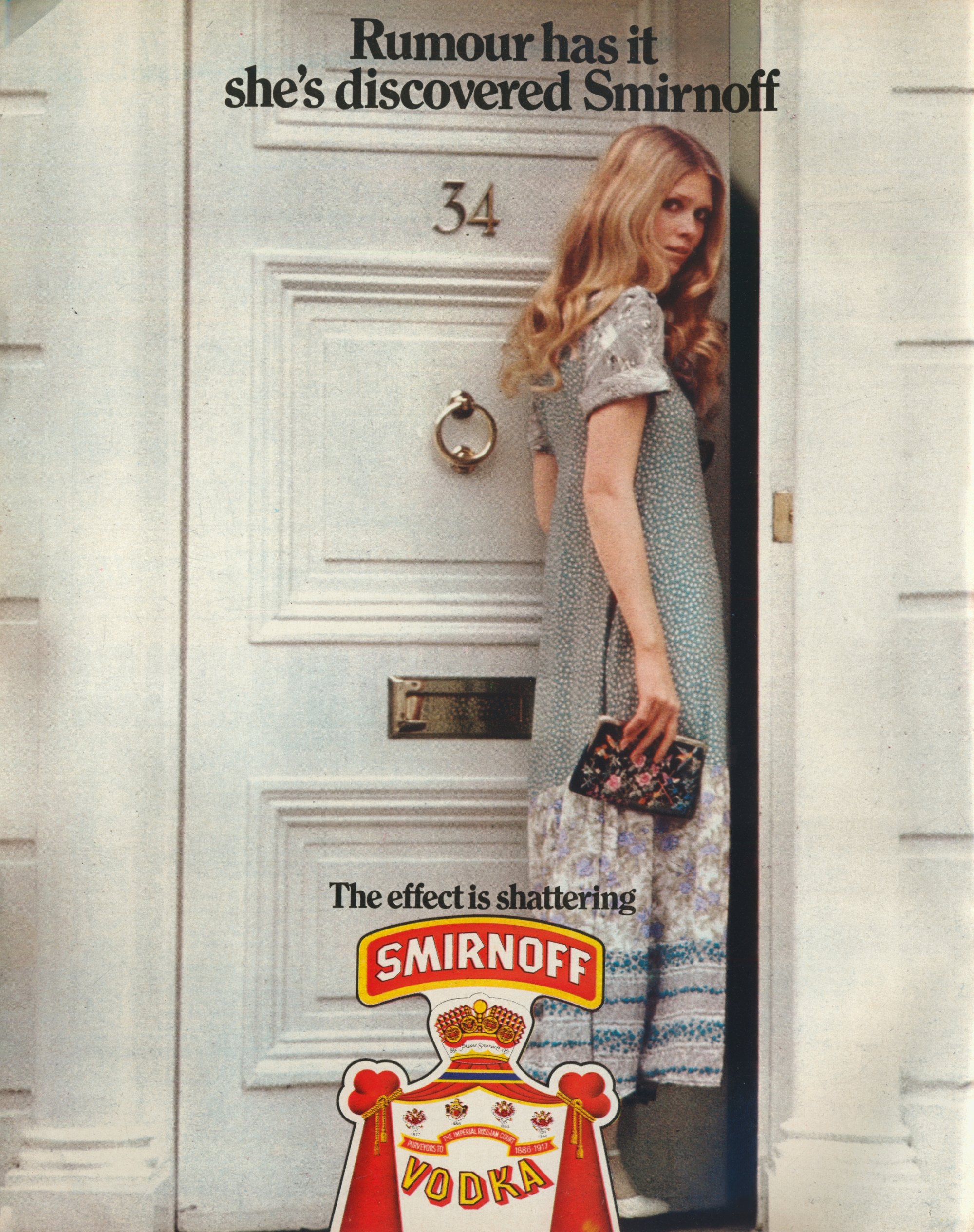
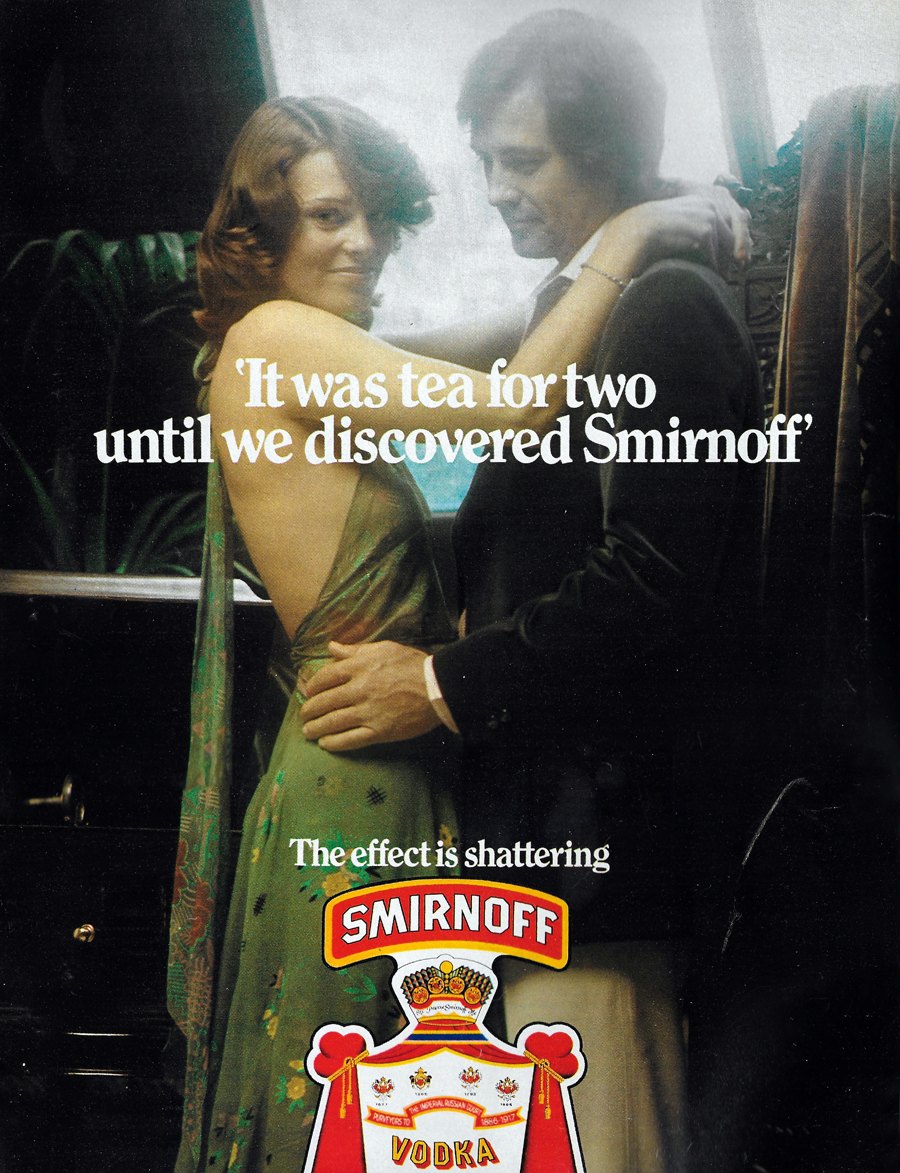
London set the pace for young fashion. Biba sold a whole look from its shops in Kensington, and Ossie Clark dressed pop stars and models in printed chiffon and crepe. One of the Smirnoff magazine pages of 1974 dressed its model in an Ossie Clark outfit for a 1930s look.
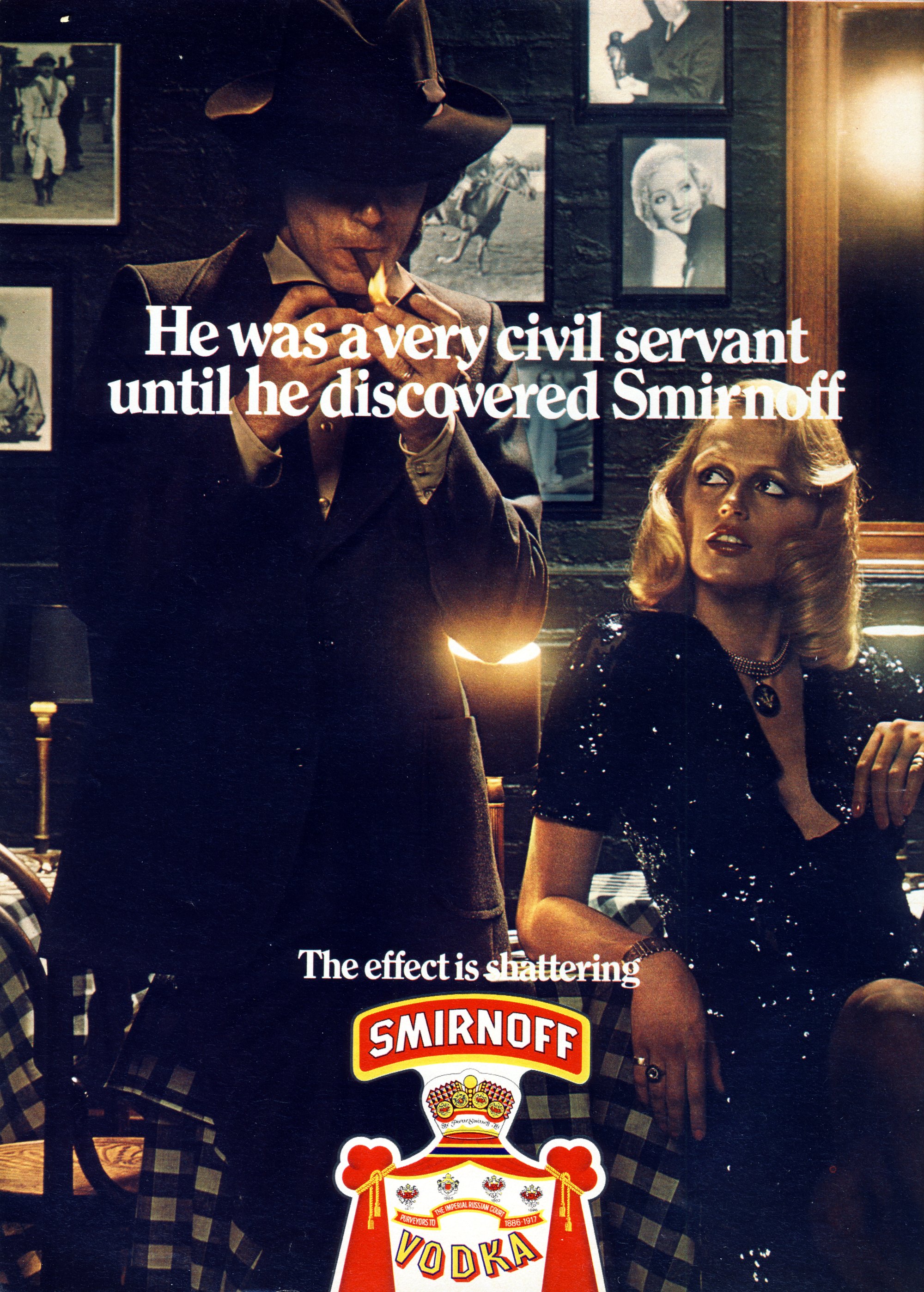
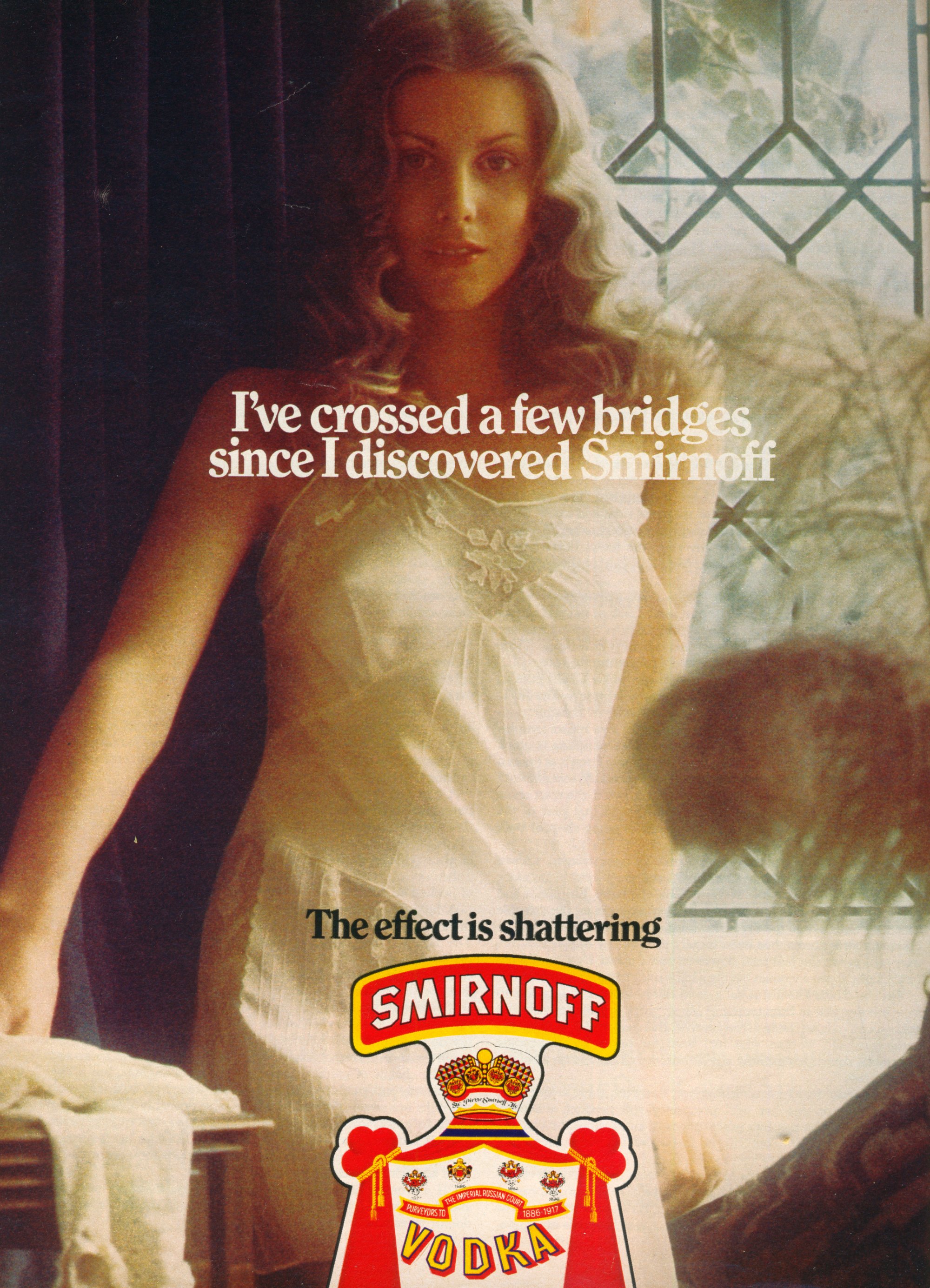
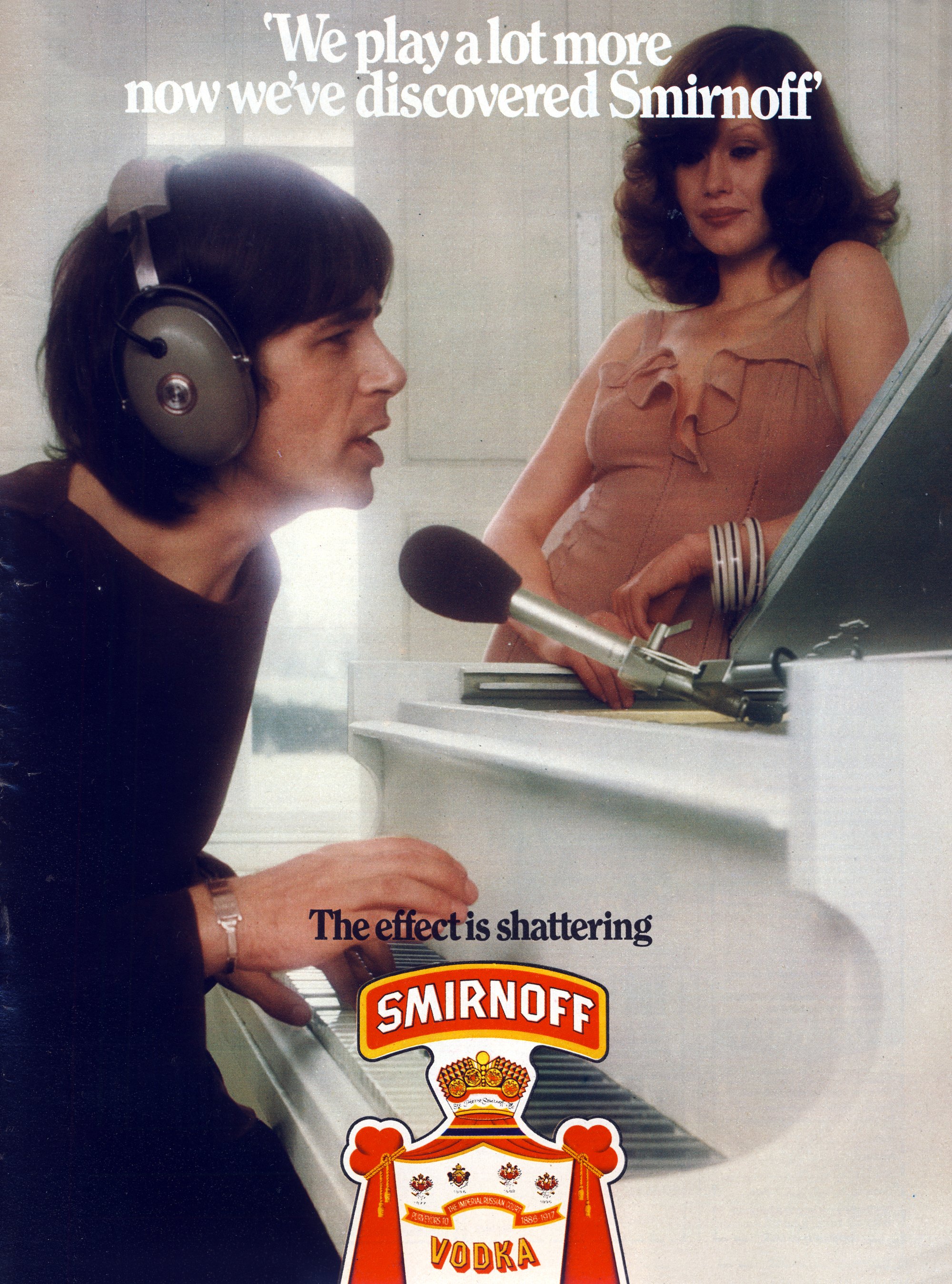
Most surviving copies of this campaign were cut from Honey, 19 and Cosmopolitan, magazines read by young women. The ads ran there month after month, each a new character with a new before-and-after. The headline changed every time and the structure never did.
Advertising in print was policed by the industry itself, through the Code of Advertising Practice and the Advertising Standards Authority. In 1977 Young & Rubicam changed Smirnoff's advertising because of a feeling that it might come too close to breaking the code.
The problem.
Smirnoff cost more than other vodkas, and it had to make young drinkers want the name enough to pay for it.
Vodka was the spirit young British drinkers were moving to, and it was growing at gin's expense. Smirnoff led that market with about half of it, at a premium price.
A clear spirit gives an advertiser few product facts to work with, and other vodkas sold for less. If Smirnoff was going to keep its price, the reason had to be the brand itself.
Young & Rubicam's job was to give the name a personality young drinkers would choose, in the magazines and on the posters they actually saw.
Young & Rubicam in London had held the Smirnoff account since 1961 or 1962, so this was a brief to an existing agency. No source found records the original brief or the creative team who wrote the line.
The solution.
Write a deadpan confession of a dull life transformed, "Accountancy was my life until I discovered Smirnoff", and sign it off with "The effect is shattering".
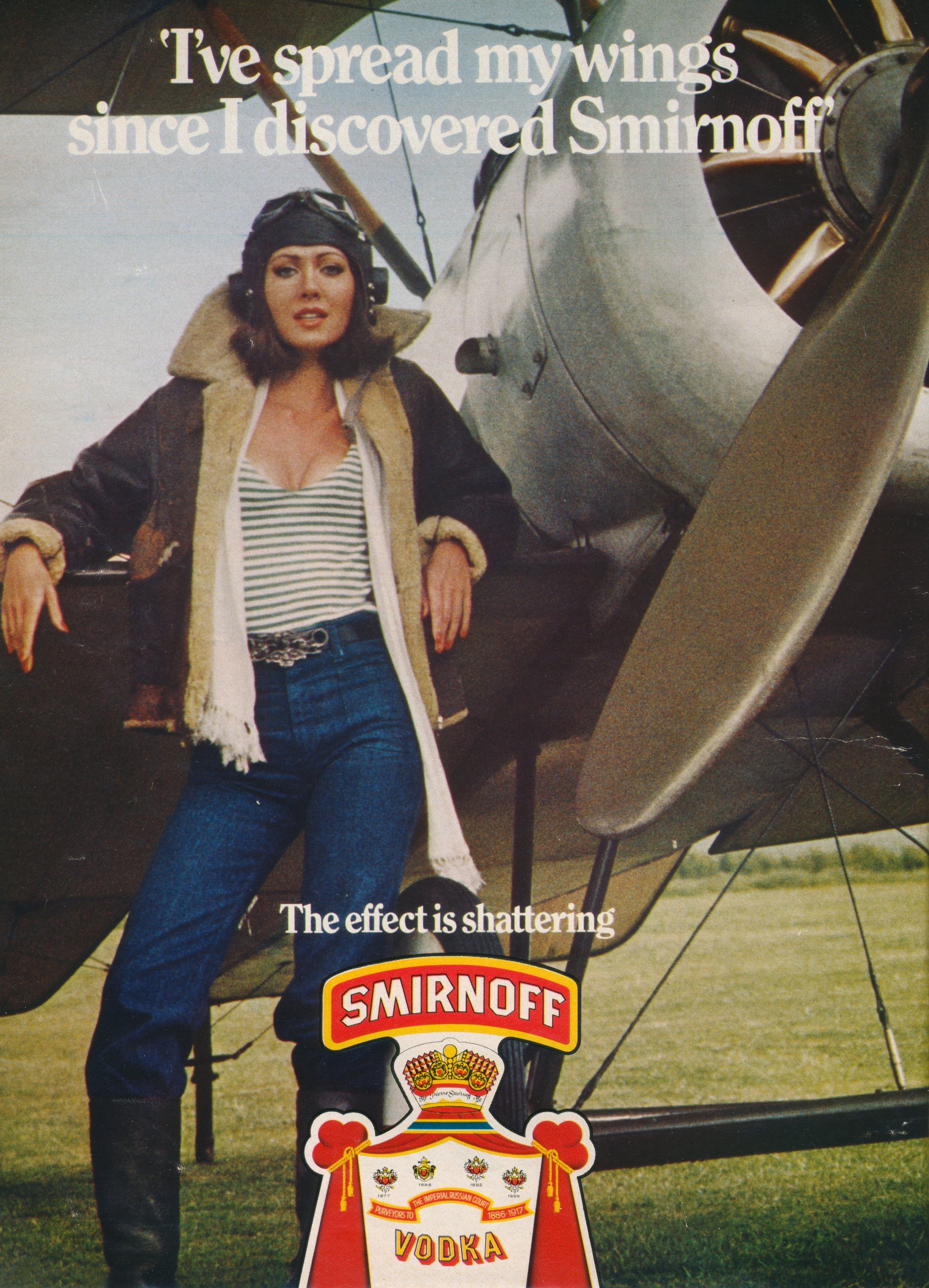
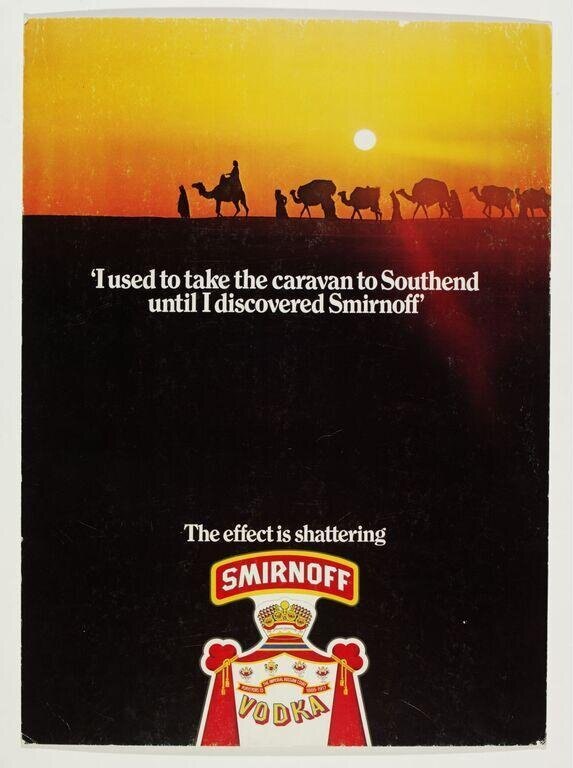
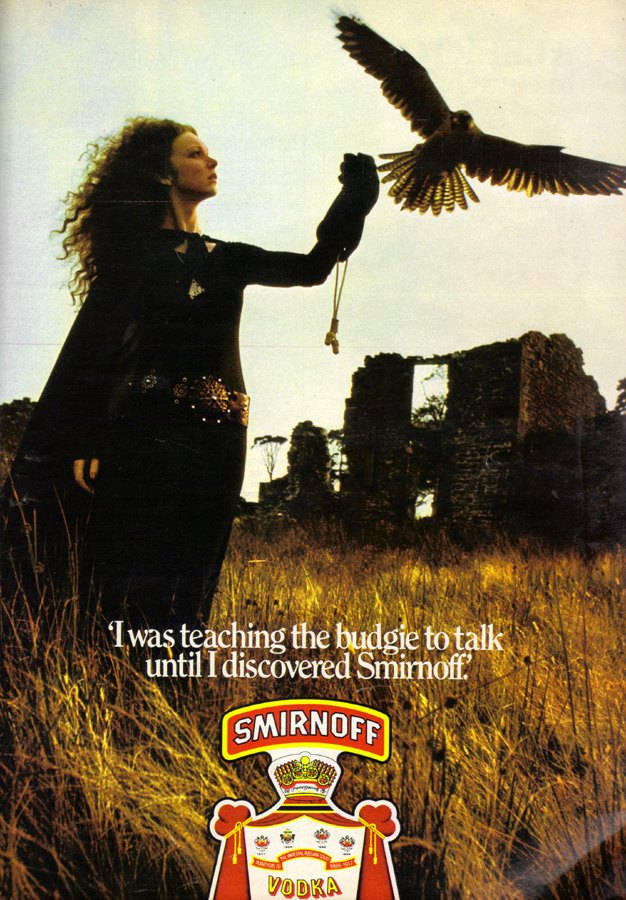
Each ad was a single sentence from an ordinary person whose life had changed: before, something dull; after, Smirnoff. "Accountancy was my life until I discovered Smirnoff." "I never saw further than the boy next door until I discovered Smirnoff." "It was a bedsit in Earls Court until I discovered Smirnoff." The pictures were stylish and odd, and the line underneath read "The effect is shattering".
The formula was endlessly renewable. New characters arrived every month, from a library regular to someone teaching the budgie to talk, and the sentence turned round to "since" and "now" as the years went on. The joke was always on the speaker's old life, which let the brand promise a change without stating one.
Between 1970 and 1976 Smirnoff's sales tripled, vodka overtook gin in popularity, and the brand held around half the market while charging more than its rivals. Tim Ambler, marketing director at International Distillers and Vintners, worked on the campaign. In 1977 the agency changed course over the code, and from 1979 Smirnoff ran "Well, they said anything could happen", with "Remember, whatever happens, don't overdo it" in the small print.
The work.
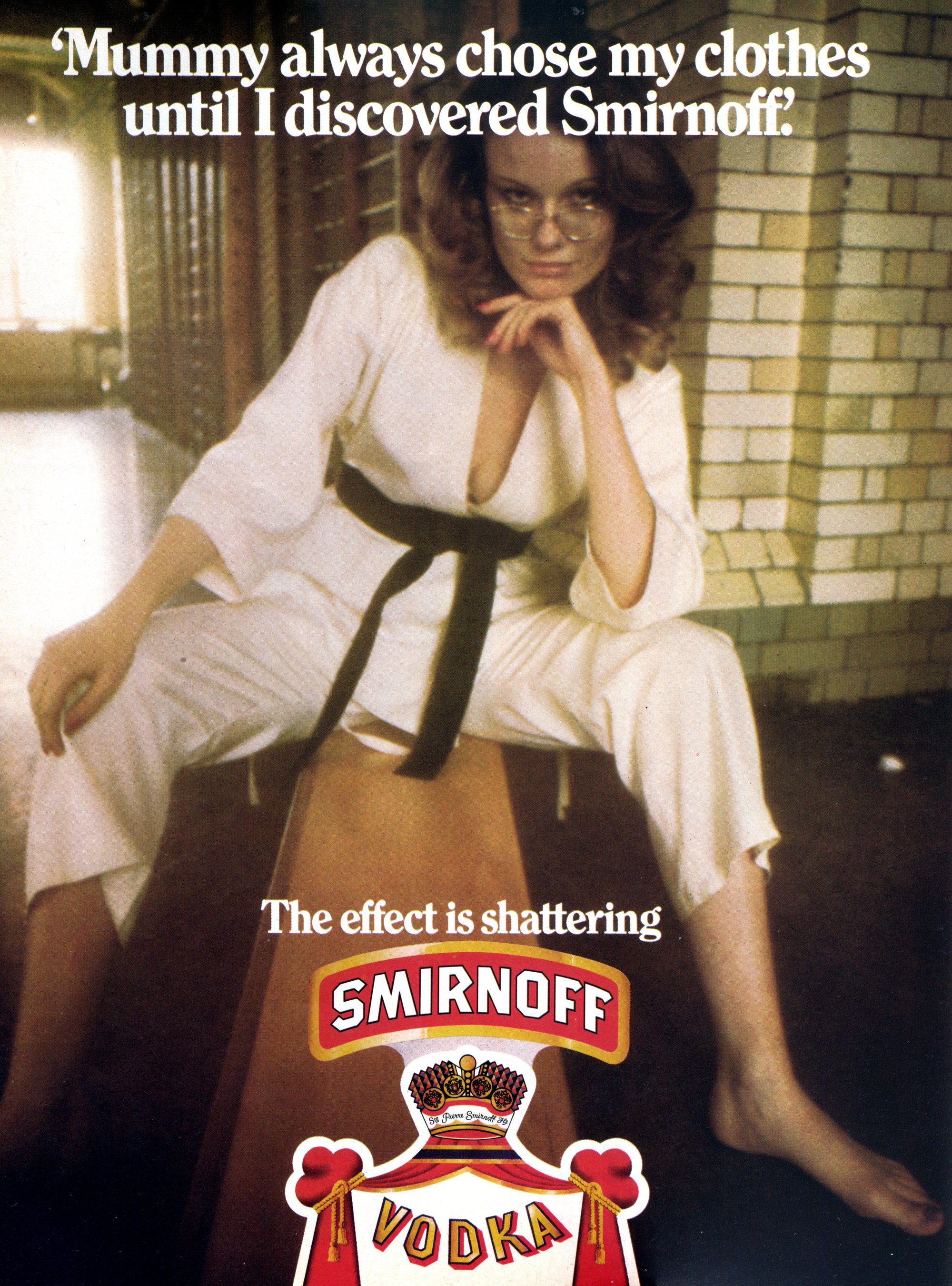
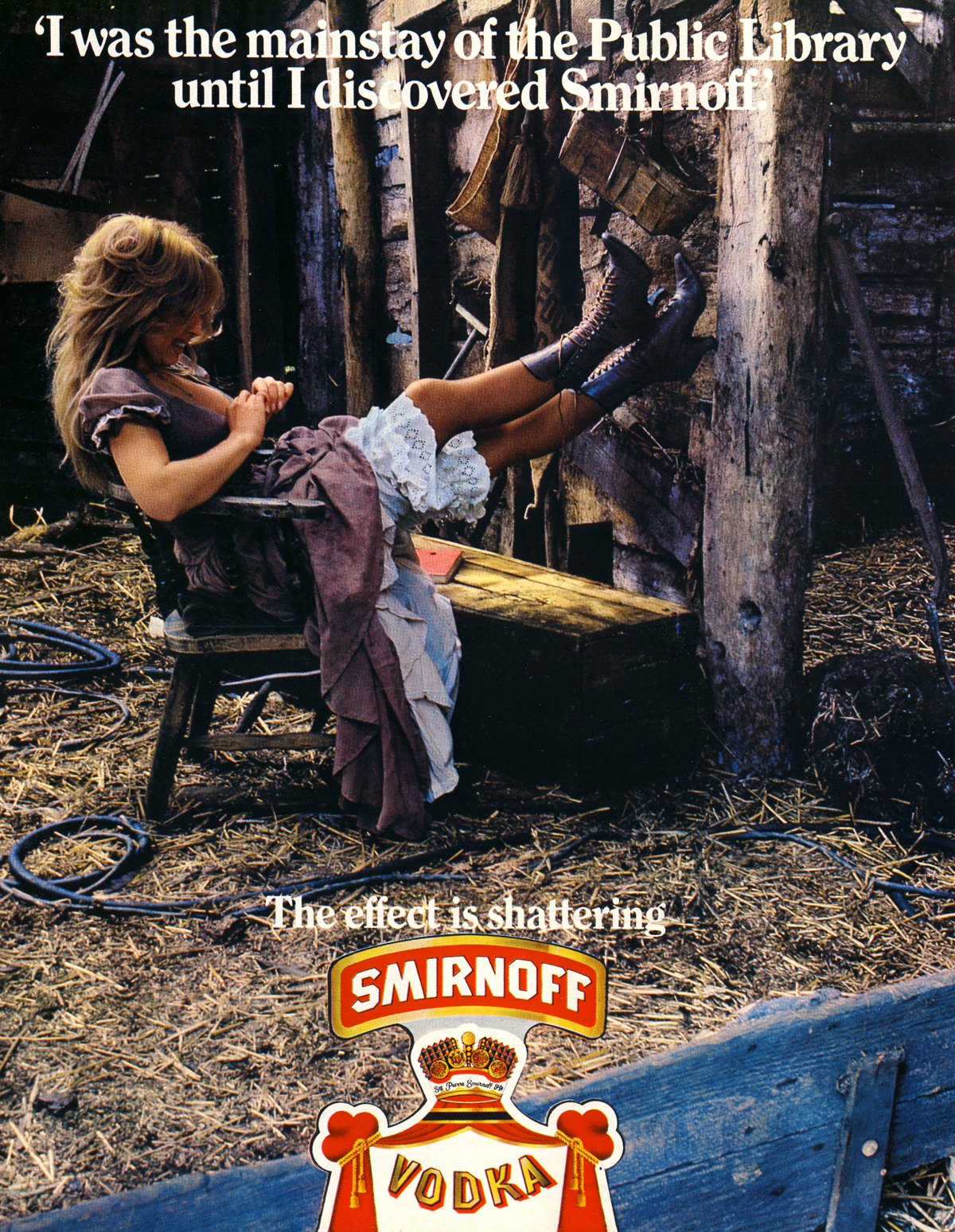
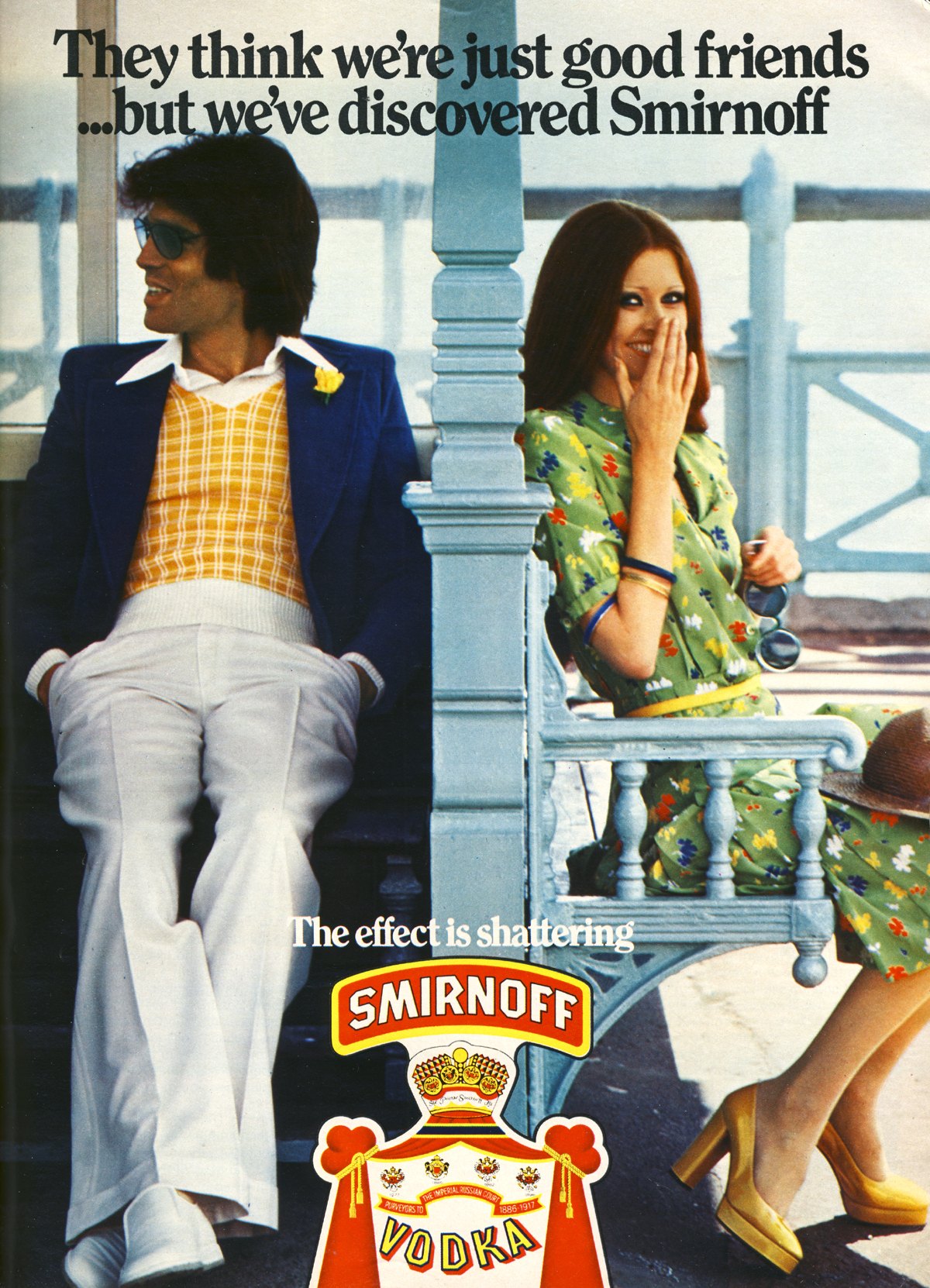
Same shape of problem.
A vodka sold for years through confessions from people whose dull lives ended the day they found the bottle.
Back to the archive →