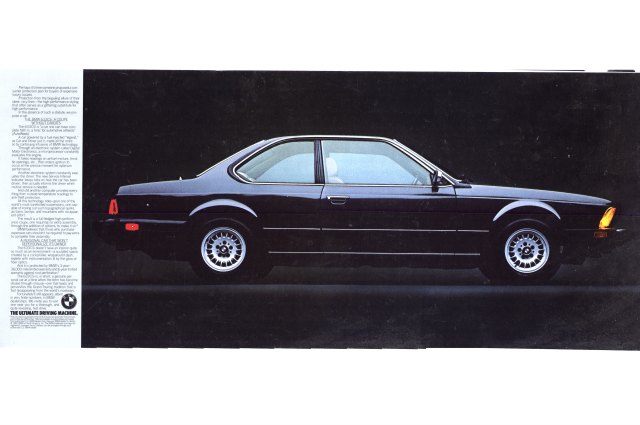
The Ultimate Driving Machine
A small German carmaker with no fixed image in America built its business there on one line about how the car drives, written by an agency that had almost run out of money.
The era.
In late 1973 the Arab oil embargo pushed up American fuel prices and put lines at filling stations across the country. Oregon was the first state to ration fuel by odd and even registration numbers, and by early 1974 drivers there lined up according to the last digit on the car. Detroit was still selling large, soft cars built for cheap fuel. Recession and inflation followed the fuel shock into the middle of the decade.
Imported cars reached America through importers and regional distributors who often ran their own advertising. From 1962 BMW was sold in the United States mainly through Max Hoffman, the importer who had introduced the brand to American buyers. Dealers and distributors hired their own agencies, so the brand spoke with many voices. In 1974 BMW sold 15,007 cars in the United States.
BMW's competition in the expensive import market was Mercedes-Benz, Volvo, Jaguar and Audi. BMW was smaller and less known than most of them, and its cars cost more than most imports. The account of the campaign kept by St. John's University in New York notes that some Americans confused the name with British car makers. In Munich, BMW's management decided to take its American business into its own hands.
The culture.
A generation born after the Second World War was moving into well-paid work by the mid-1970s. Many of them read car magazines and cared how a machine worked. American motoring magazines wrote warmly about BMW, and Bob Lutz, the BMW board member for sales, later said the brand owed much of its American standing to that coverage. The cars had a following before they had a campaign.
Status in American motoring still meant the big sedan, the country club and the badge on the front of the car. The research BMW's advertising candidates were working from pointed to older, cigar-smoking club members as buyers of an expensive German car. Martin Puris argued for his own generation instead, a group he called the "Affluent Activists": younger, active and interested in engineering. "We'll sell it to our own generation, the ones who love engineering and performance," he said.
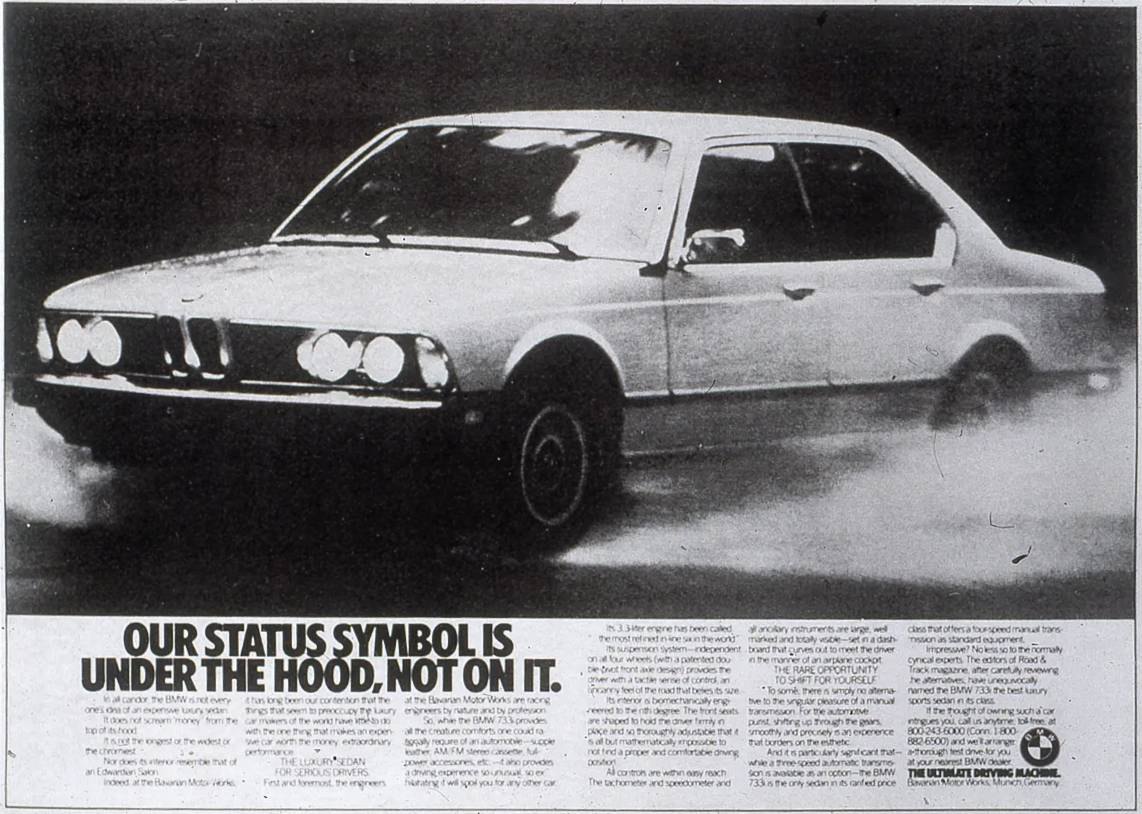
Television was expensive for a small importer, and many import brands of the period, Volkswagen, Volvo, Subaru and Honda among them, leaned on print. Magazine readers would take in a page of copy if it told them something. BMW's early advertising ran in titles such as Road & Track, where its ads appeared in June 1975 and June 1977. Long copy became the house style.
The problem.
An expensive, little-known German car, sold in America by importers and dealers who each told their own story about it.
In 1974 BMW sold about 15,000 cars in the United States. The cars cost more than most imports, and many Americans did not know the name or what it stood for.
The brand was in other people's hands. Max Hoffman held the import contract, and distributors and dealers ran their own advertising. Bob Lutz said later: "You can't define the brand if you have individual distributors and individual companies making up their own minds."
BMW set up BMW of North America to take control and settled with Hoffman on 14 March 1975. The new company needed one voice and an agency to give it one. Against Mercedes-Benz, the easy route was to sell BMW as another luxury badge, on ground where Mercedes was already established.
Bob Lutz had seen Ammirati and Puris's Fiat advertising from their years at Carl Ally. BMW narrowed its American review to three agencies, Ted Bates, Benton & Bowles and the new Ammirati, Puris, AvRutick, gave each a budget, access to any executive and three months, and heard the pitches in Munich. The young agency, working out of a room at the Delmonico Hotel in Manhattan with about eleven days of money left, won.
The solution.
Sell what the engineers built: a car defined by how it drives, aimed at a younger buyer who cares more about that than about the badge.
Ralph Ammirati and Martin Puris spent weeks in Munich with BMW's engineers rather than its marketing staff. Puris summed up what they found: "BMW put a race engine in a family car, which nobody had ever done before." He wrote "The Ultimate Driving Machine", and it was the first thing the agency showed in the pitch; Puris later said the two rival agencies "completely misunderstood" the company.
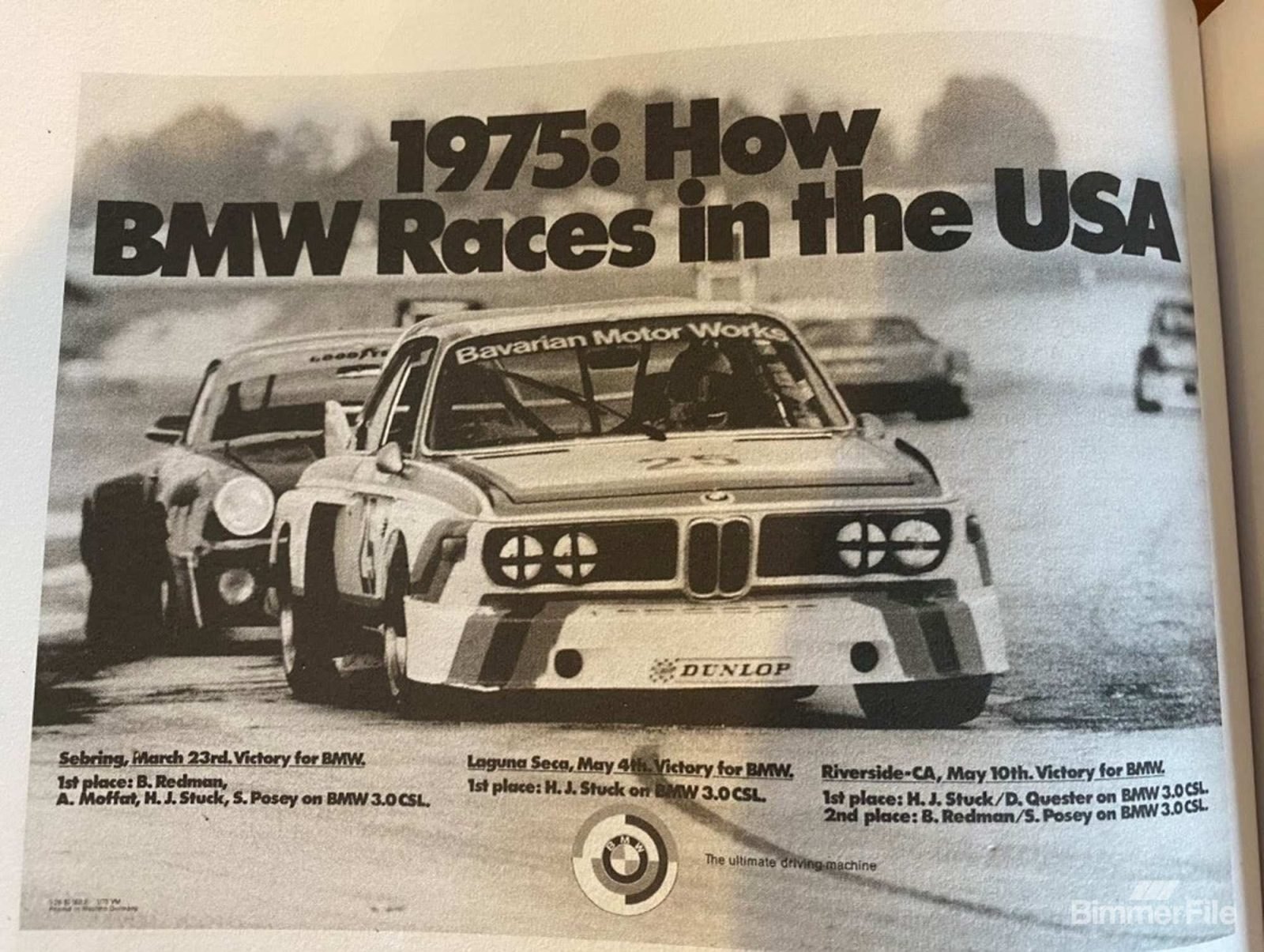
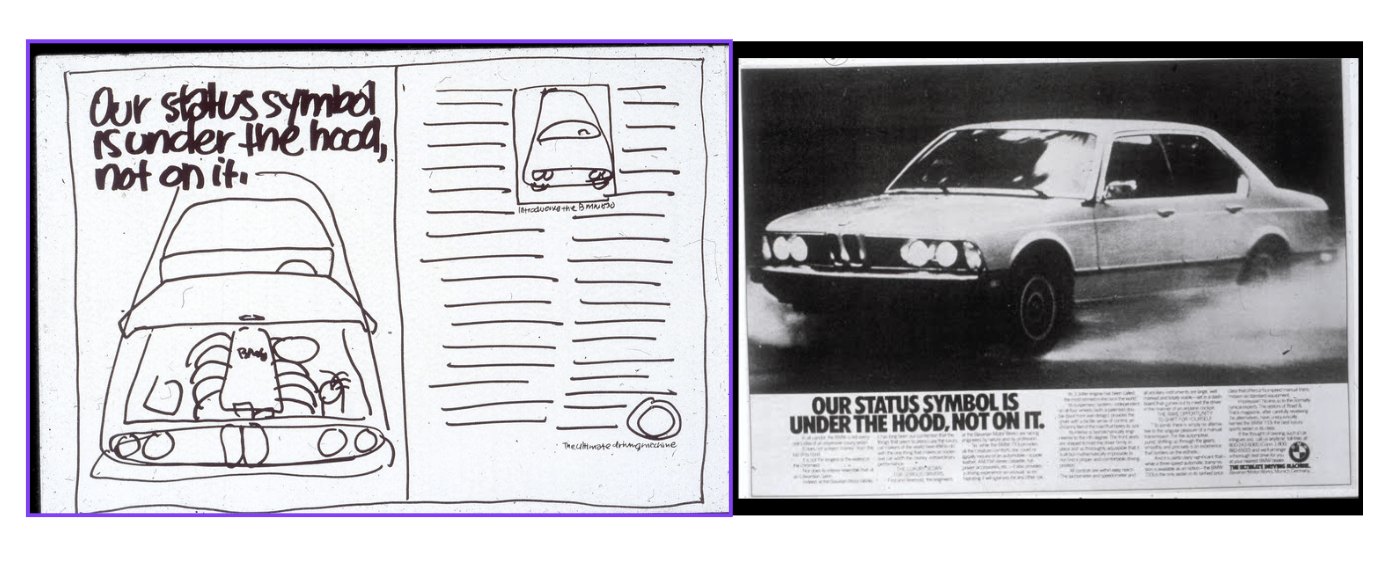
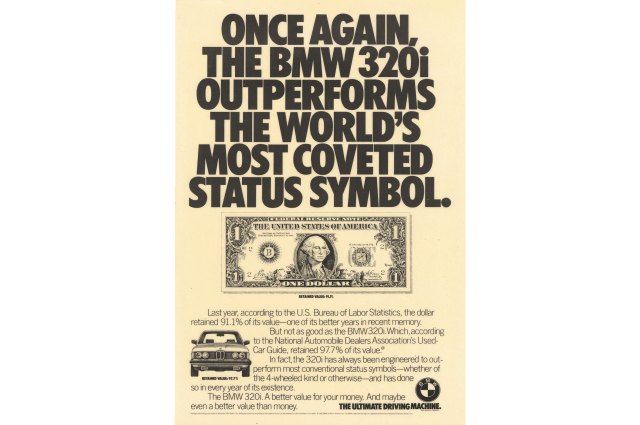
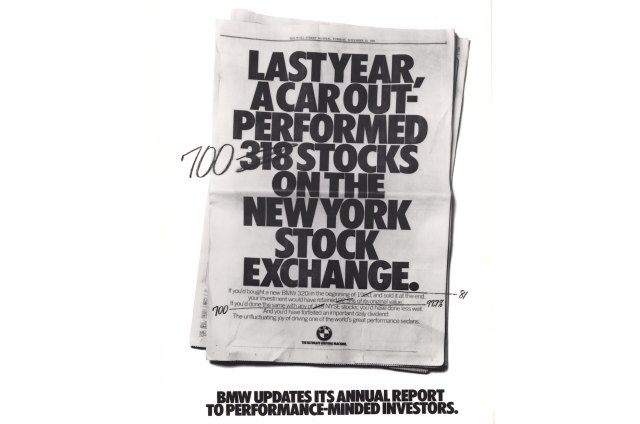
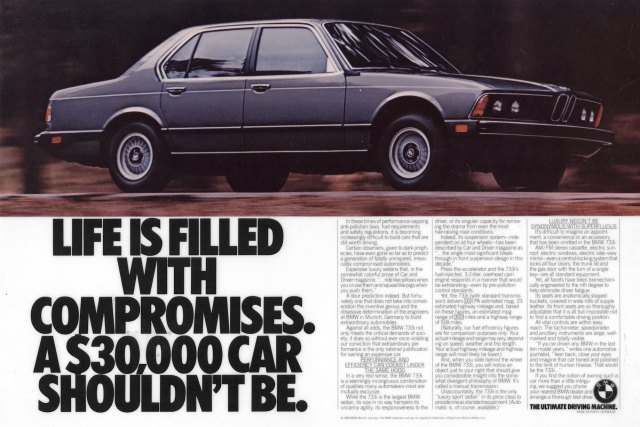
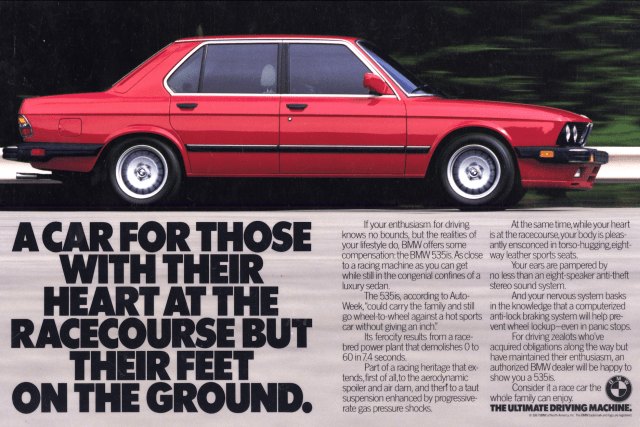
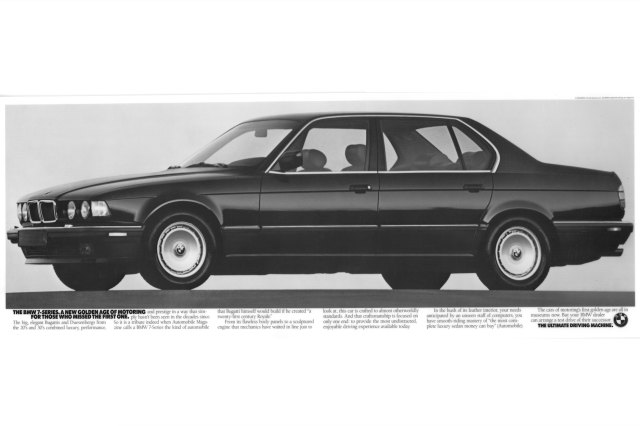
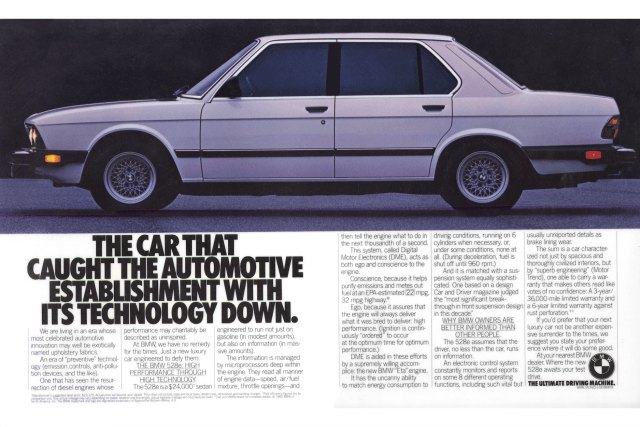
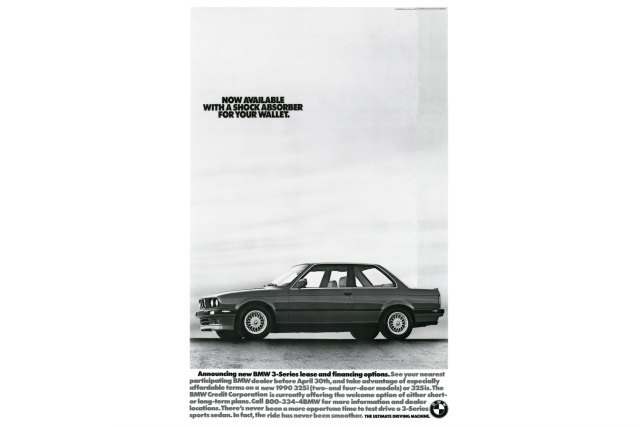
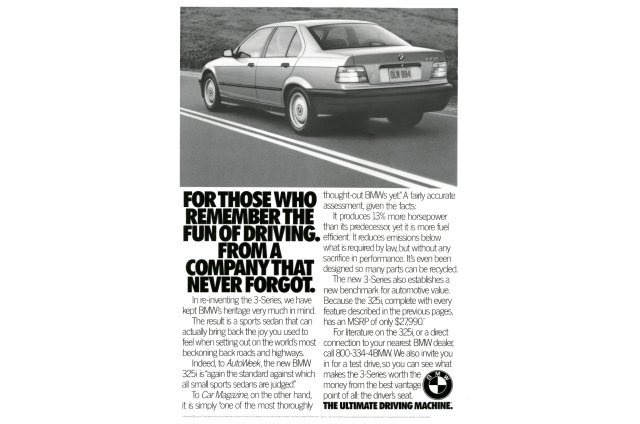
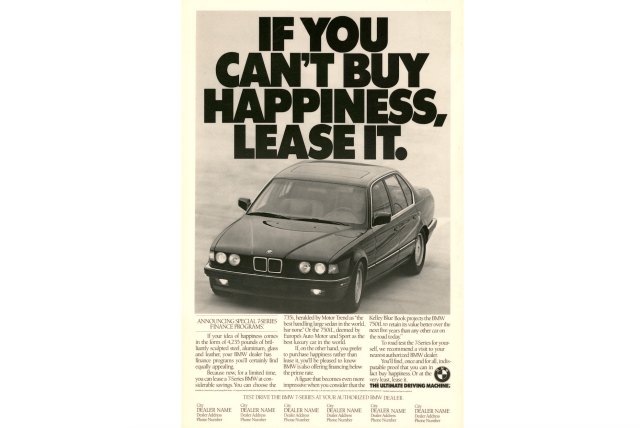
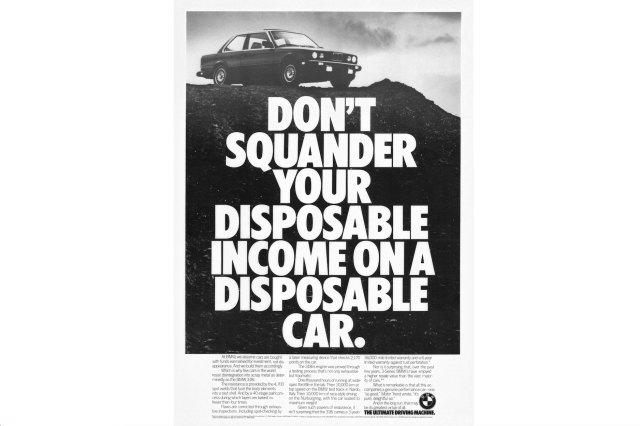
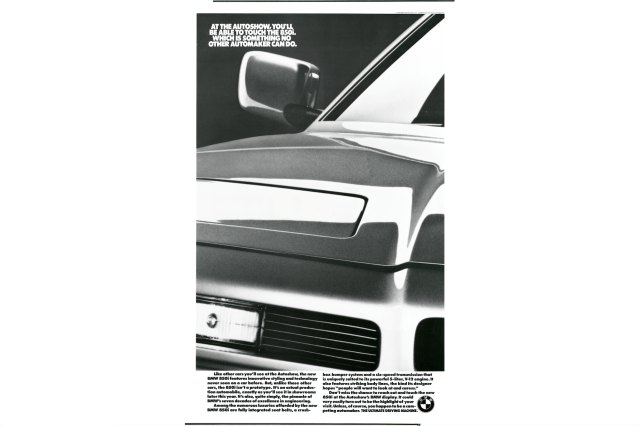
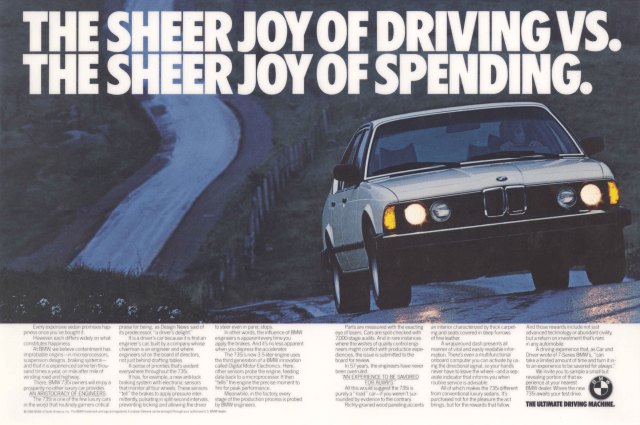
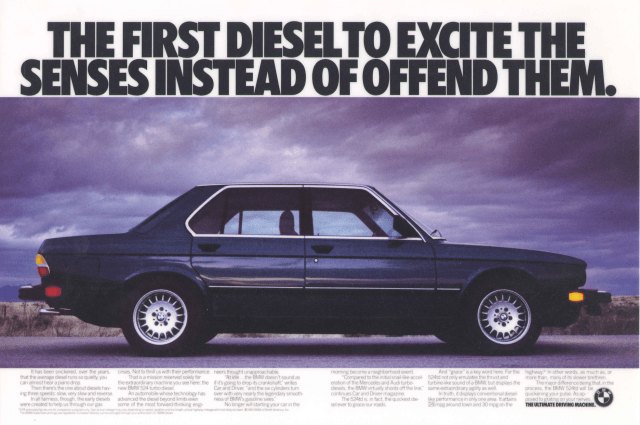
The first print ads paired a photograph of the car with long copy about its engineering, and the line sat under the BMW roundel. When a BMW 3.0 CSL won the 12 Hours of Sebring in March 1975, the new American company ran win ads carrying the line. "We never said 'luxury car,'" Puris said. Status came from the driving, which gave a buyer a reason to pay more that did not depend on what other people thought.
United States sales rose to 19,419 in 1975, 26,040 in 1976 and a peak of 96,759 in 1986. The agency kept the account until October 1992, when BMW of North America put it into review and Ammirati & Puris resigned it rather than pitch.
The work.
Same shape of problem.
An agency with eleven days of cash left flew to Munich and came back with the line BMW would build its American business on.
Back to the archive →