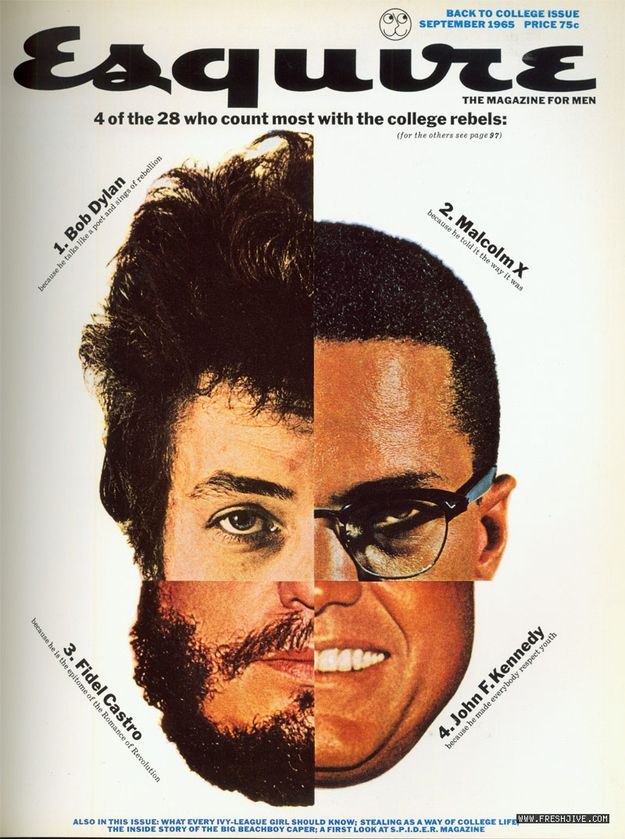
The Esquire Covers
A magazine near bankruptcy handed its cover to an outside adman, and for ten years the cover became the magazine's only advertisement and its loudest opinion.
The era.
Esquire was founded in 1933 as a monthly for men. It peaked in the 1940s. By 1961, according to the Museum of Modern Art, it was on the verge of bankruptcy. Its covers had long been illustrations, cartoons and staged gags, and its mascot, Esky, had appeared on them since the 1930s.
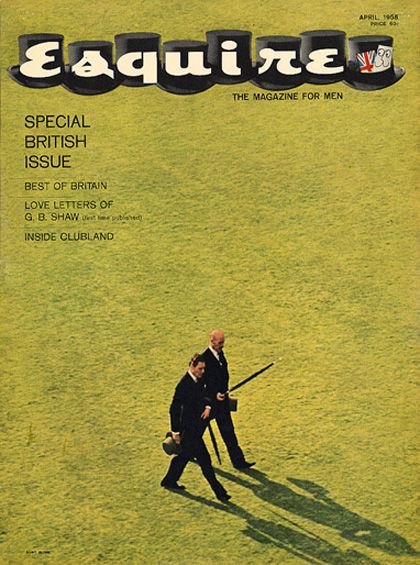
Most American magazine covers worked the same way. The Saturday Evening Post ran painted scenes of everyday life. Fashion and women's magazines ran a posed model with a list of cover lines. A cover decorated the issue. It rarely took a position.
Harold Hayes became Esquire's editor in 1961. He regarded the cover as the most visible and important page for public recognition, and he was not getting covers he liked. In 1962 he called George Lois, a partner at Papert Koenig Lois who had never worked for a magazine, and asked him to do one cover. He gave Lois a list of the issue's contents and a few days.
The culture.
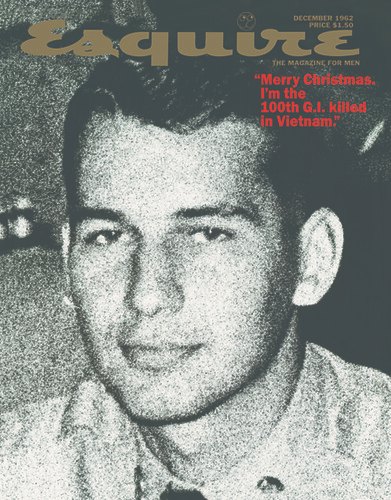
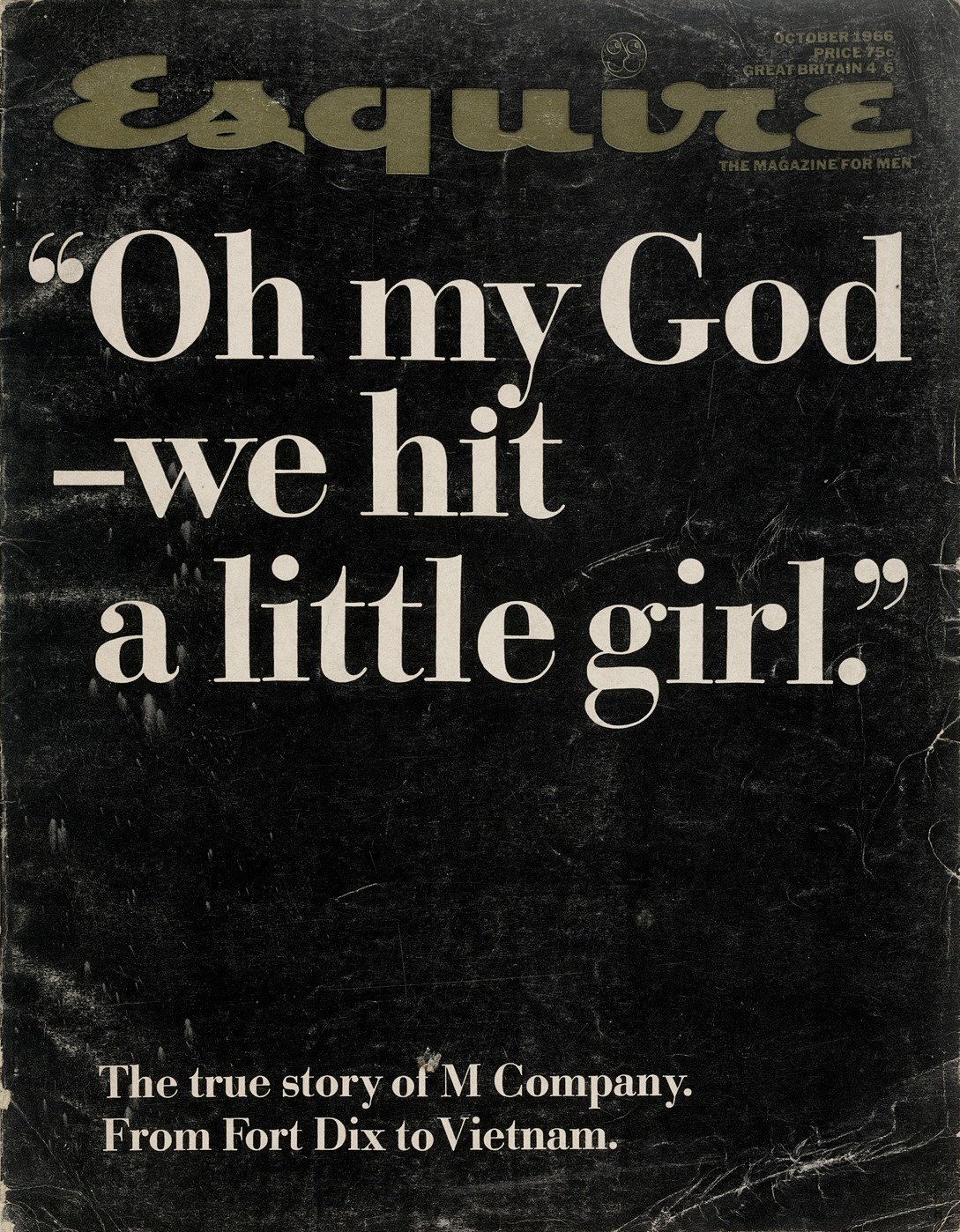
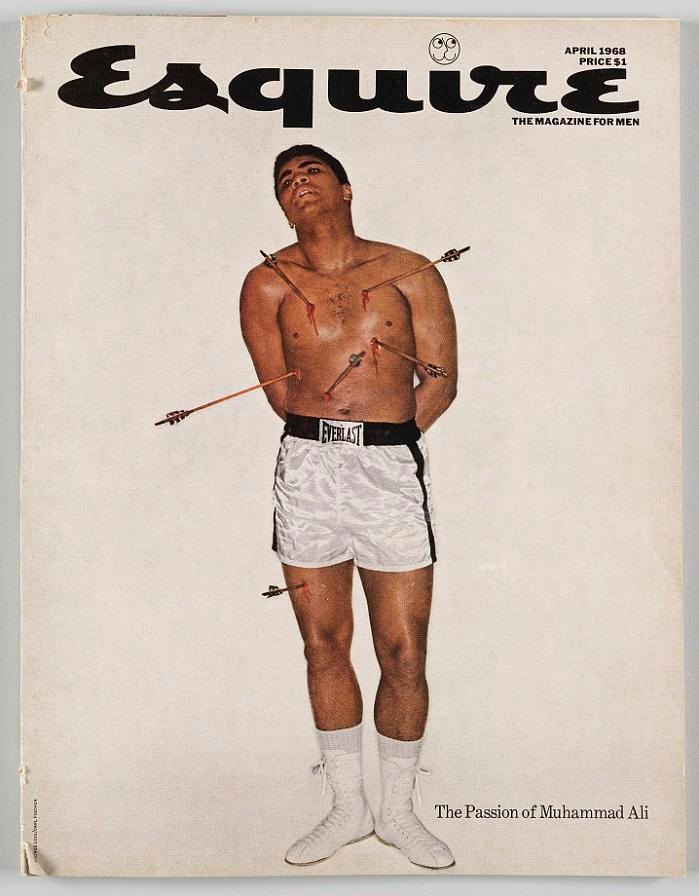
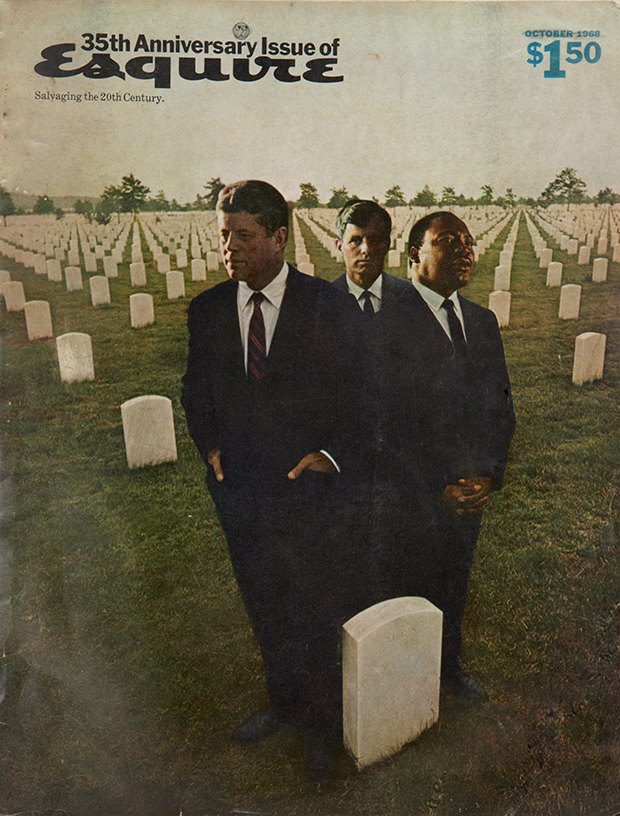
The decade that followed gave a monthly magazine more than it could easily carry. John F. Kennedy was killed in November 1963, and Martin Luther King Jr. and Robert Kennedy in 1968. American troops in Vietnam went from advisers to an army, and in 1967 Muhammad Ali refused induction and lost his title. In March 1968 American soldiers killed villagers at My Lai; Lieutenant William Calley was later charged with murder.
Under Hayes, Esquire's inside pages were taking these subjects on in long, personal reporting. The cover had not caught up. It still looked like a men's lifestyle magazine of the previous decade.
Esquire also had a practical problem. Each issue took months to produce, so a cover could not chase the news. Whatever it said had to still be true, or still be arguable, when it reached the newsstand.
The problem.
A magazine near bankruptcy needed one page to stop people at the newsstand every month, and it was printed too far ahead to chase the news.
By 1961 Esquire had passed its peak and was close to bankruptcy. Its covers did nothing to stand out on the rack, though the cover was the one advertisement every copy carried.
The covers were decided by a group of editors, a method Lois later called a 'group grope', and they came out as decoration. The magazine took four to five months to print, which ruled out topical news covers. Harold Hayes needed covers that would sell single copies and also announce what kind of magazine Esquire now was.
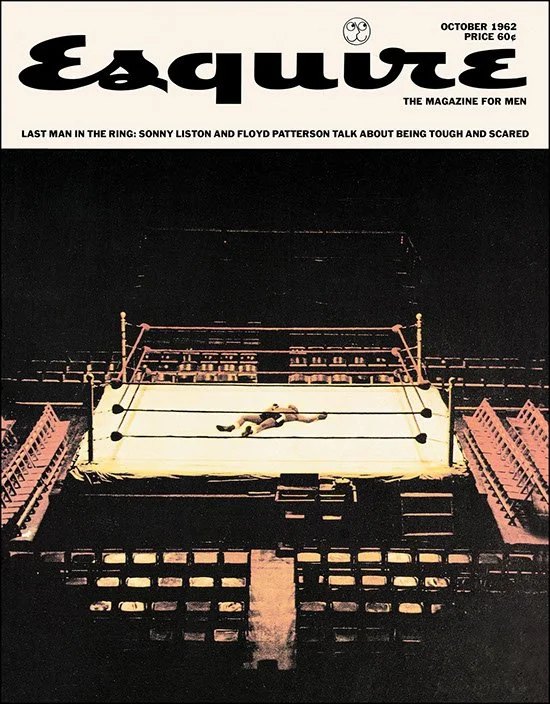
Lois told Hayes that one designer should make each cover in place of the staff's design by consensus. Hayes asked him to design a single cover, for October 1962, and then let him go straight to finished covers without the usual sketch for approval.
The solution.
Give one outsider the cover with no committee, and let every issue make a single argument in one image and almost no words.
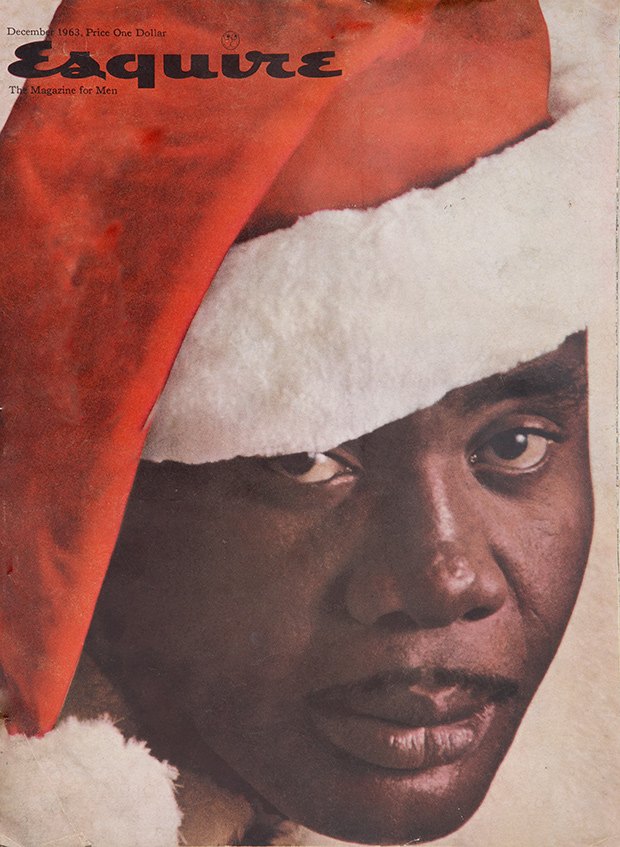
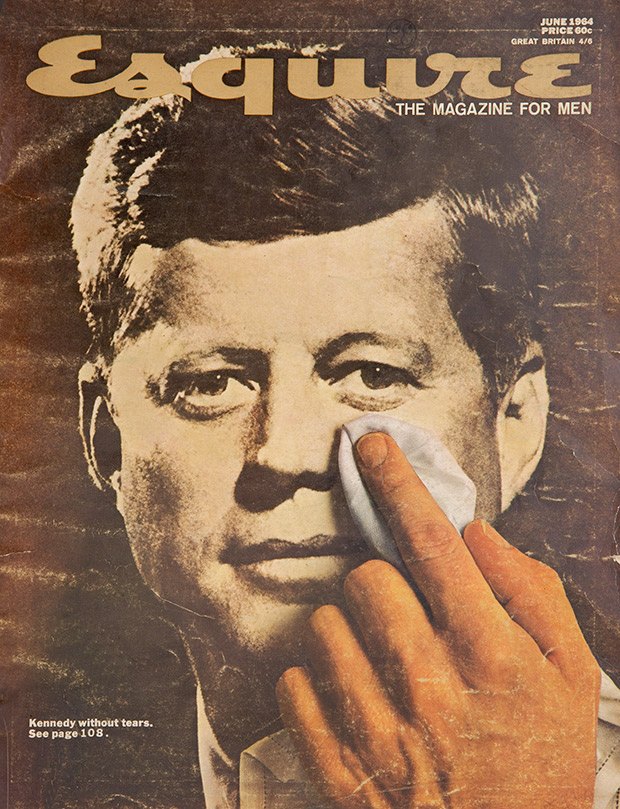
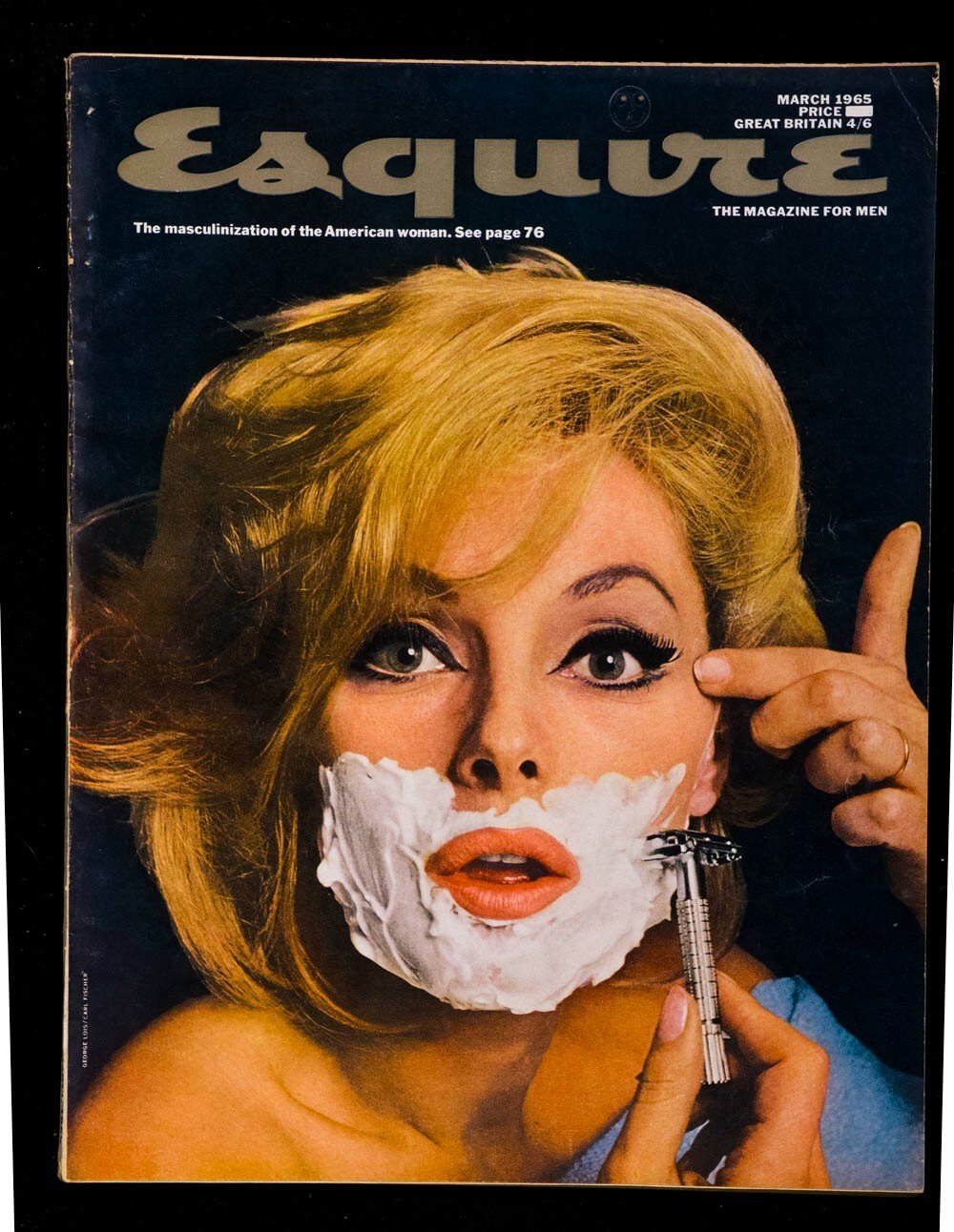
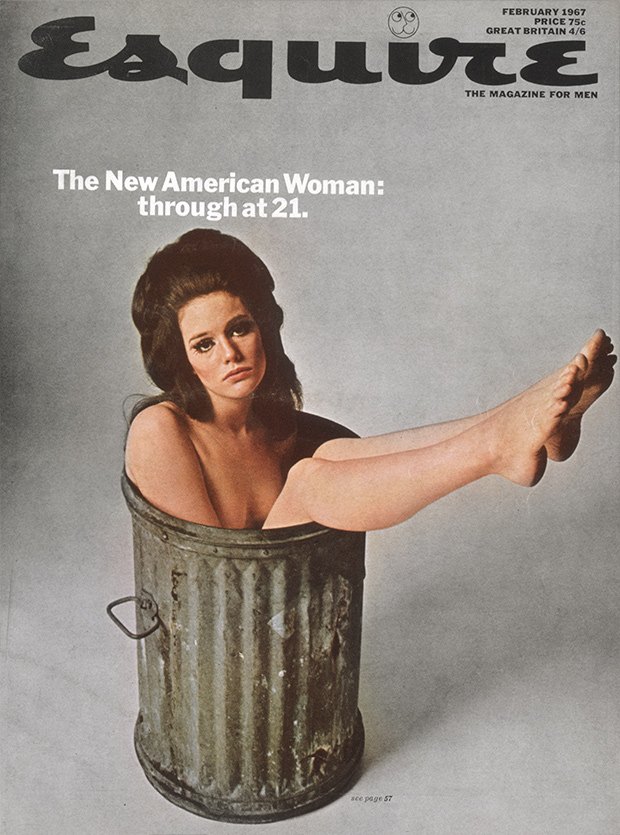
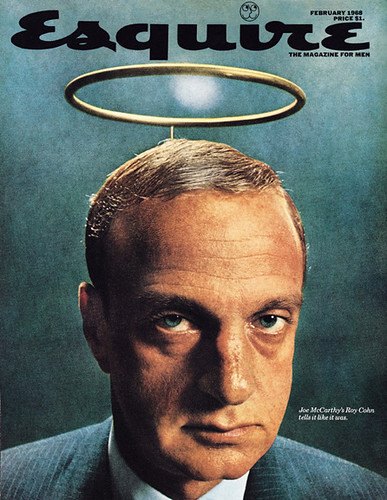
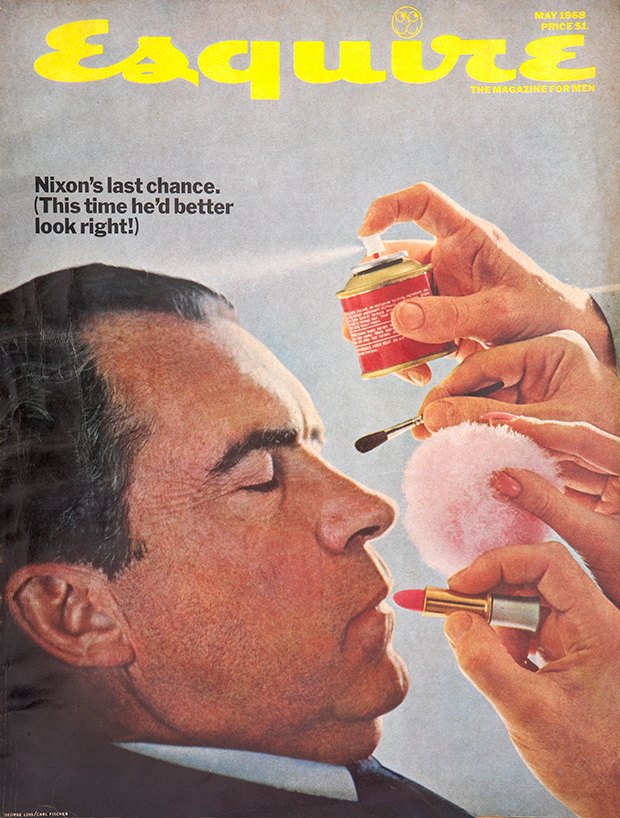
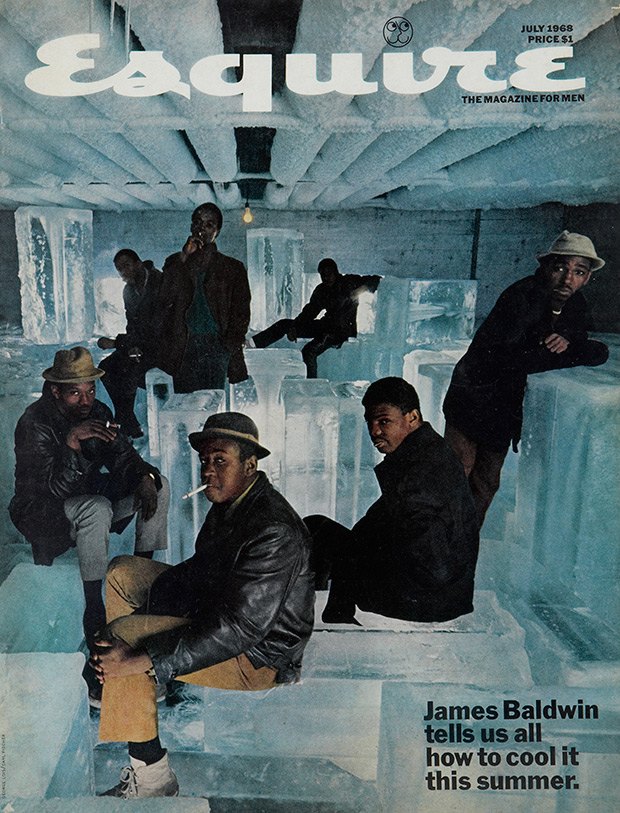
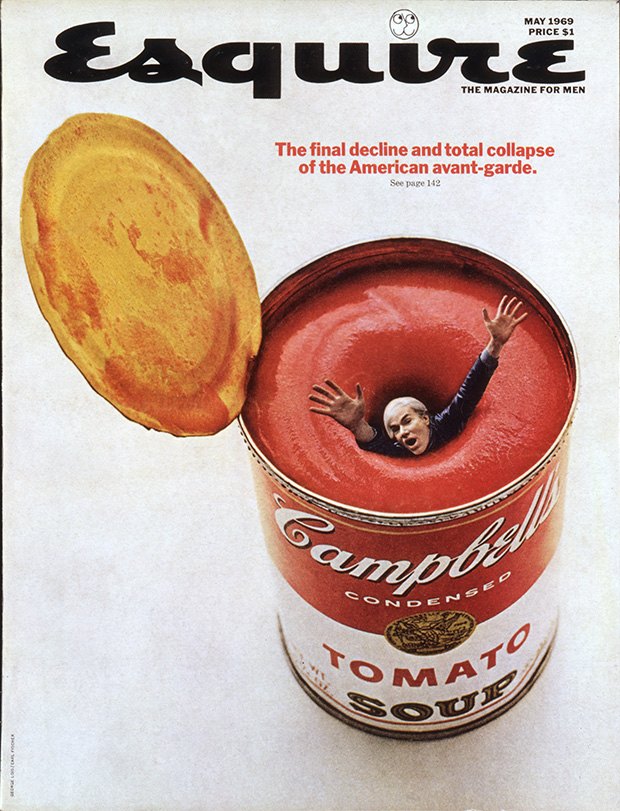
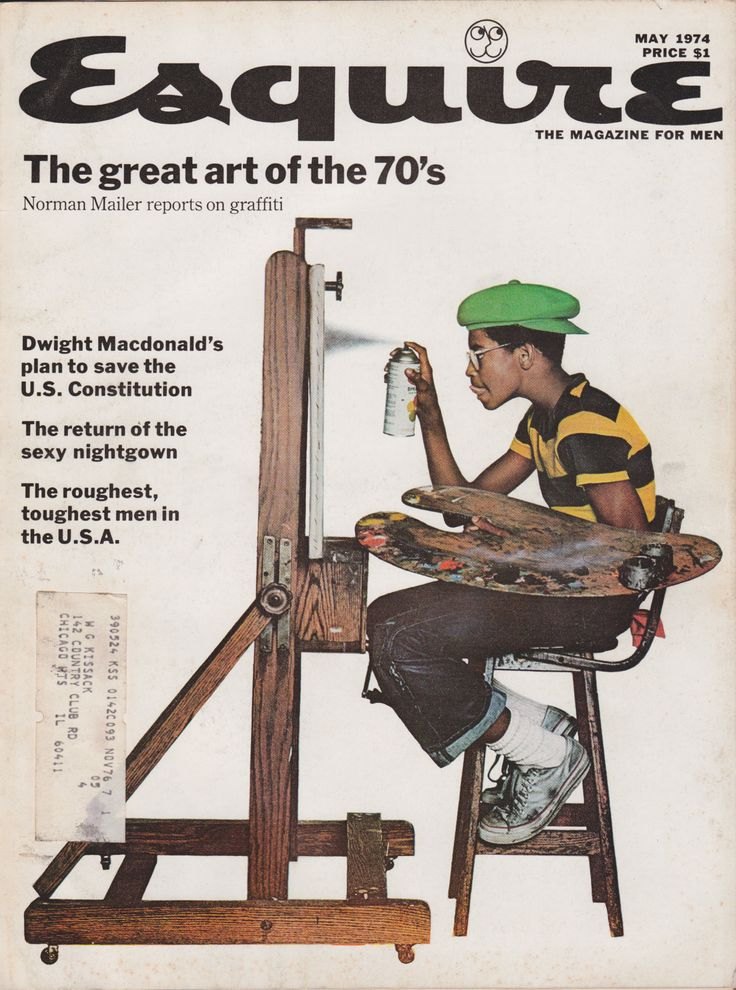
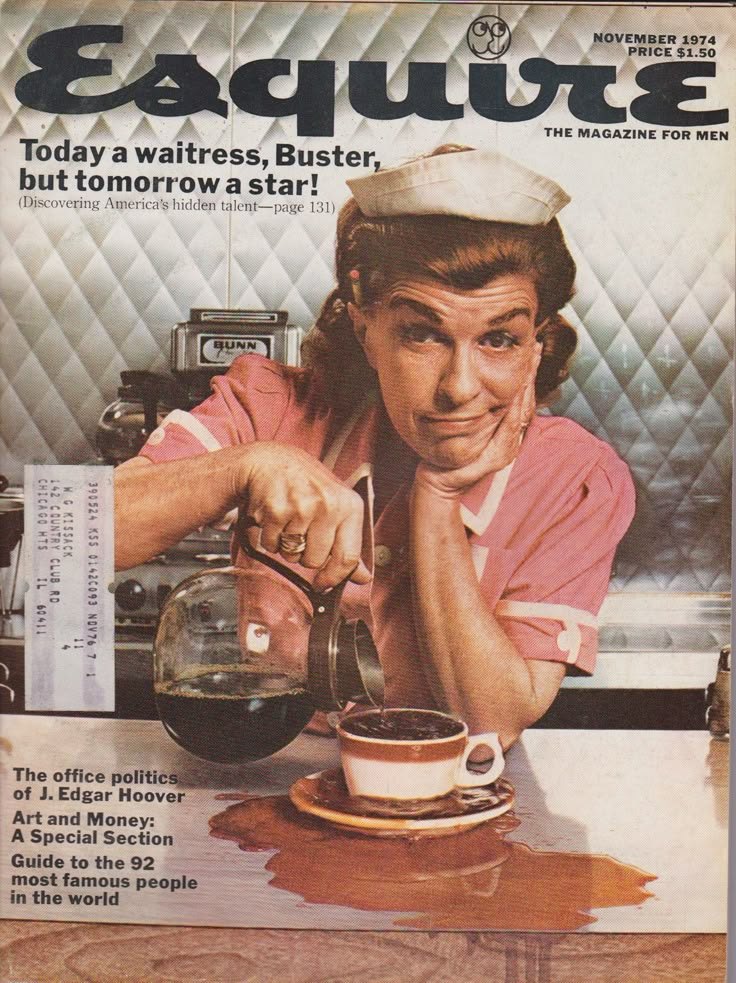
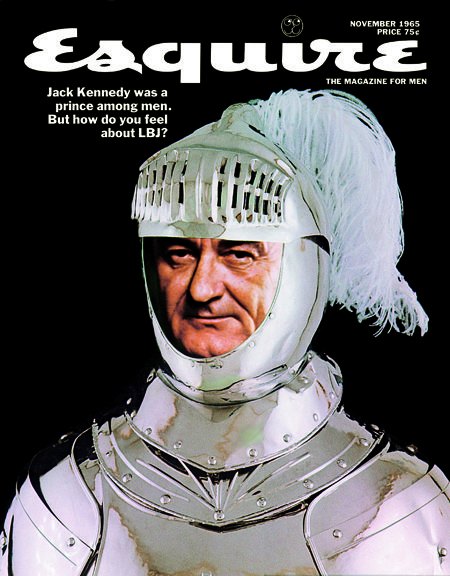
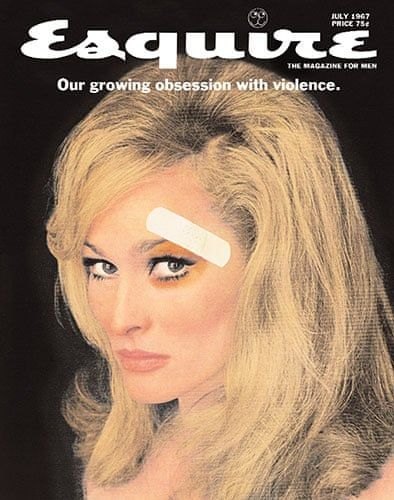
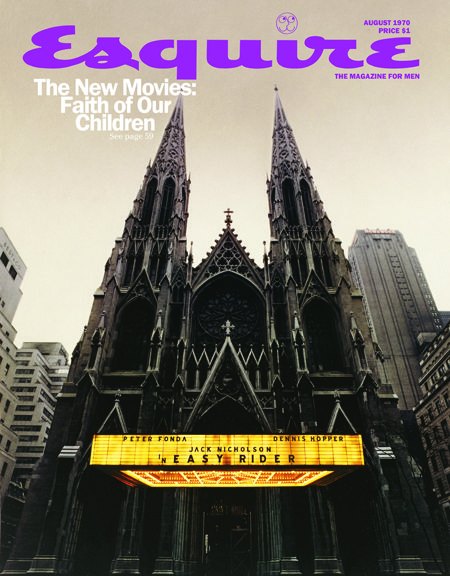
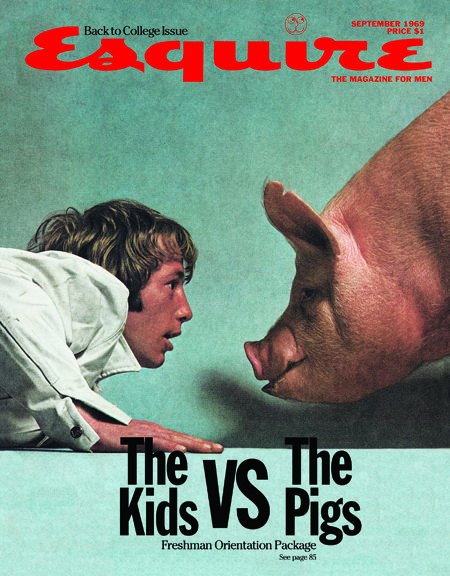
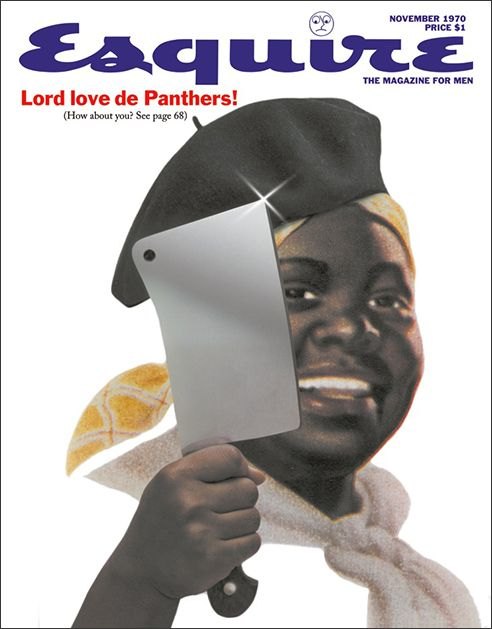
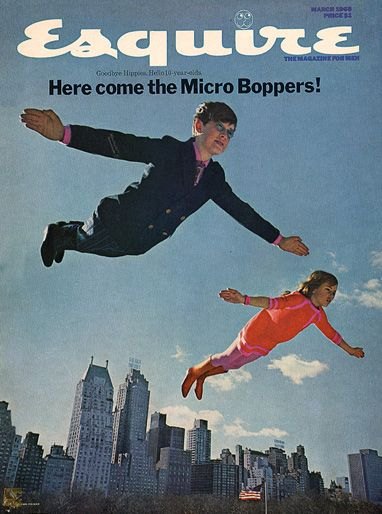
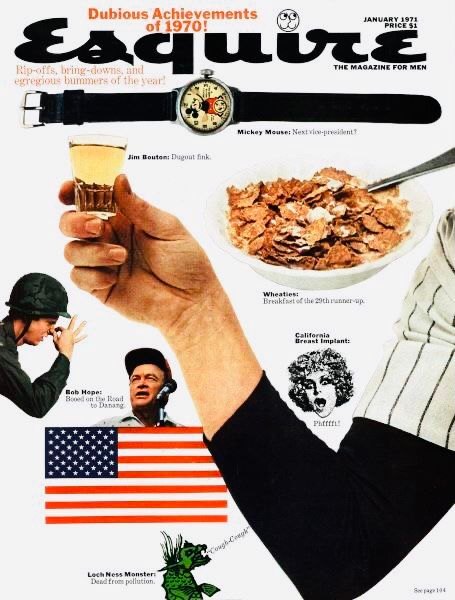
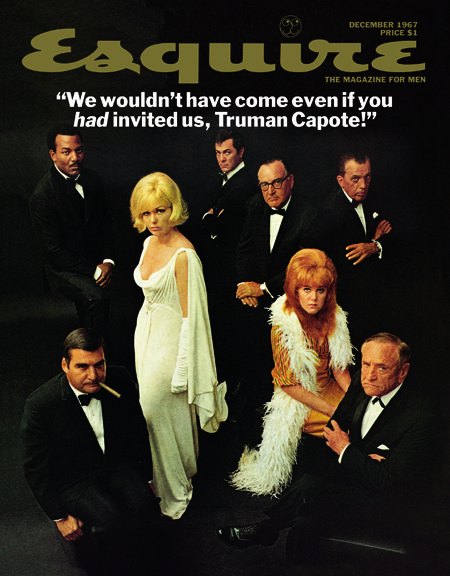
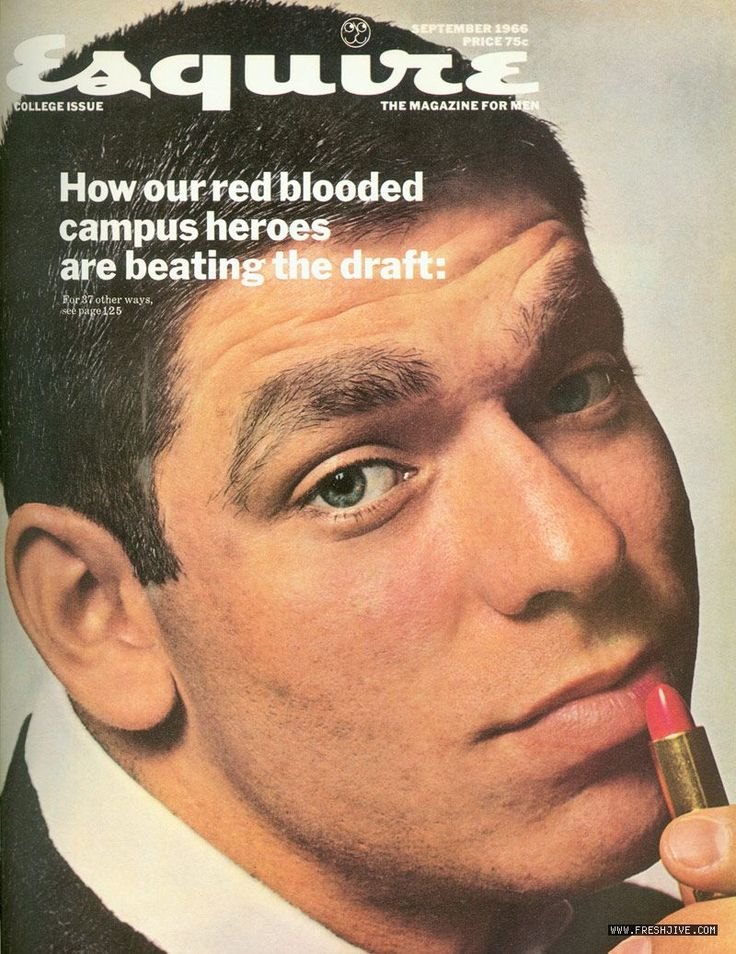
Lois worked alone, from his agency office, at Papert Koenig Lois until 1967 and then at Lois Holland Callaway, and chose the subject of each cover himself. His first, for October 1962, showed Floyd Patterson knocked out in an empty arena, calling the fight for the challenger, Sonny Liston, before it happened; the publisher's letter inside disowned the prediction, Liston won, and the issue sold out. The December 1963 cover put Sonny Liston in a Santa Claus hat and cost the magazine an estimated $750,000 in advertising. In the four years after it, the Museum of Modern Art reports, circulation rose from 500,000 to 2.5 million and Esquire made more than $3 million in profit. Most covers were photographed by Carl Fischer, who solved the technical problems on set and later said some of the ideas were his.
The work.
Same shape of problem.
Lois's first Esquire cover called a heavyweight fight for the underdog before it was fought, and the underdog won.
Back to the archive →