1958–1993 · The Golden Era
The Archive.
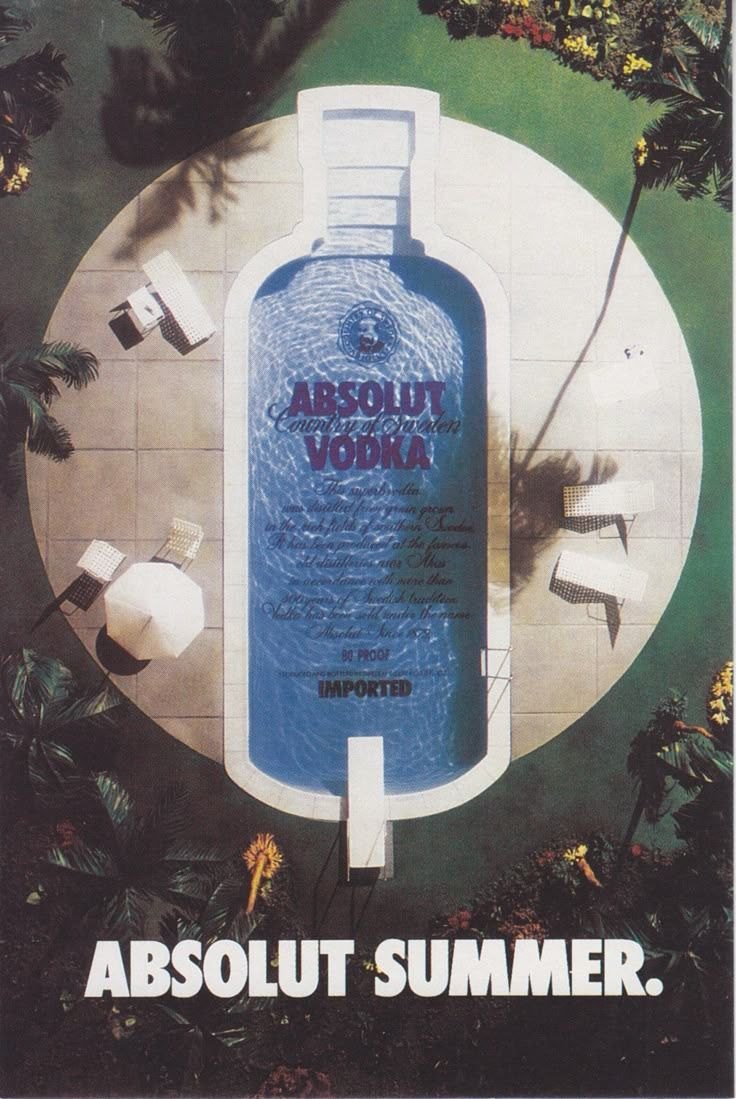
Absolut [Adjective]
A Swedish vodka with no American history made its odd bottle the whole advertisement, then kept the frame for twenty-five years and let the variations do the talking.
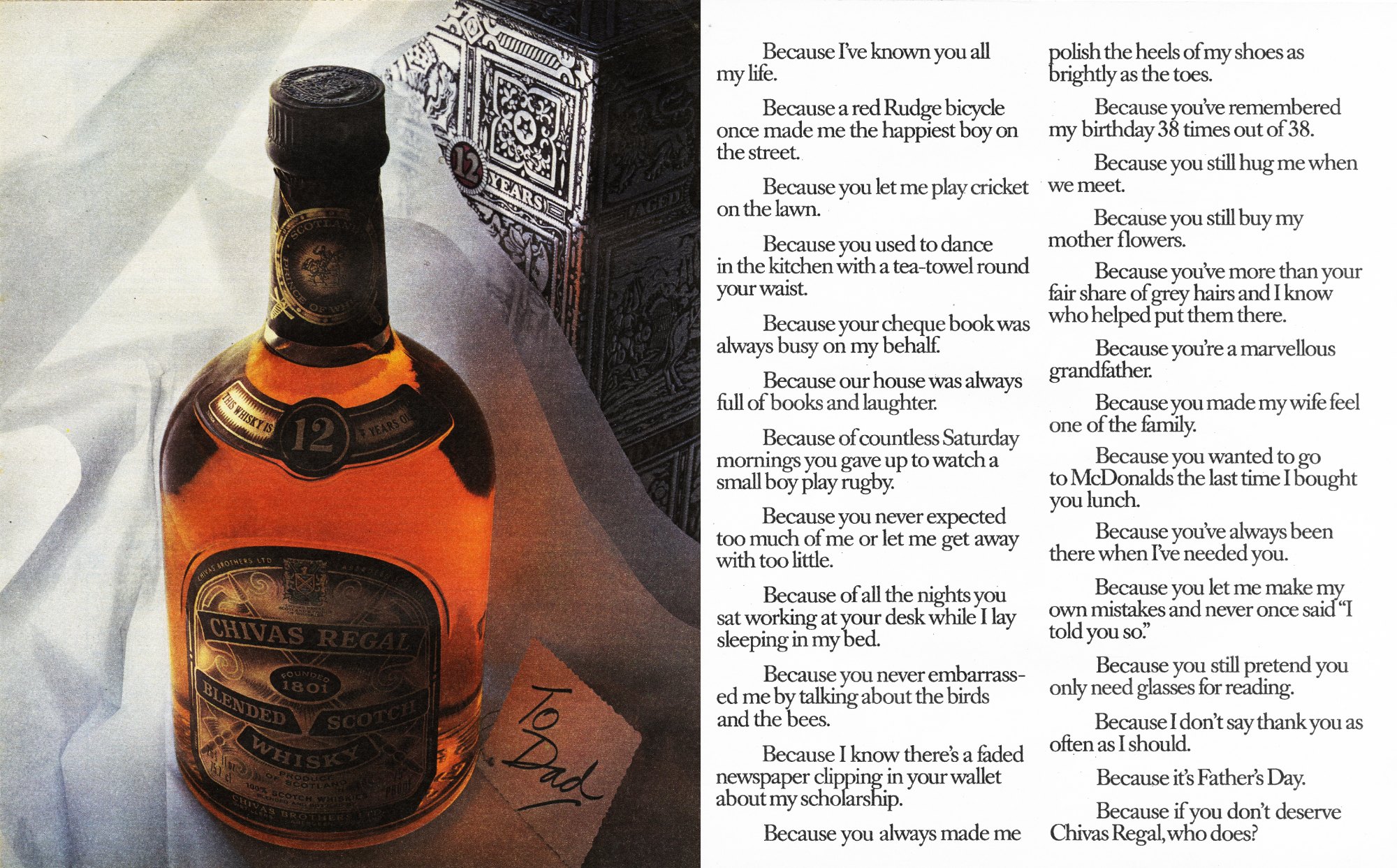
To Dad
A gift-occasion ad with no headline and no logo, written by the copywriter to his own father, became the page a generation of writers point to.
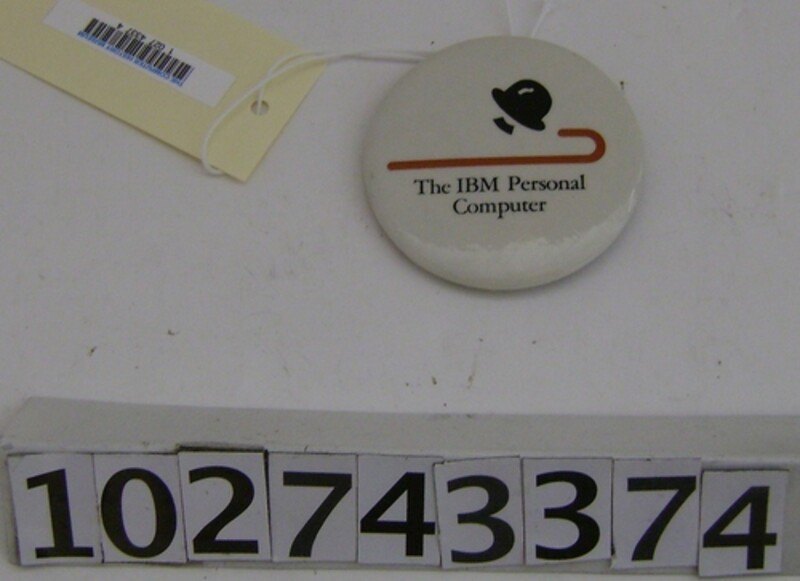
The Little Tramp
The company people saw as cold and corporate sold its first personal computer through a silent-film character the audience already loved, the man who had once been crushed by machinery.
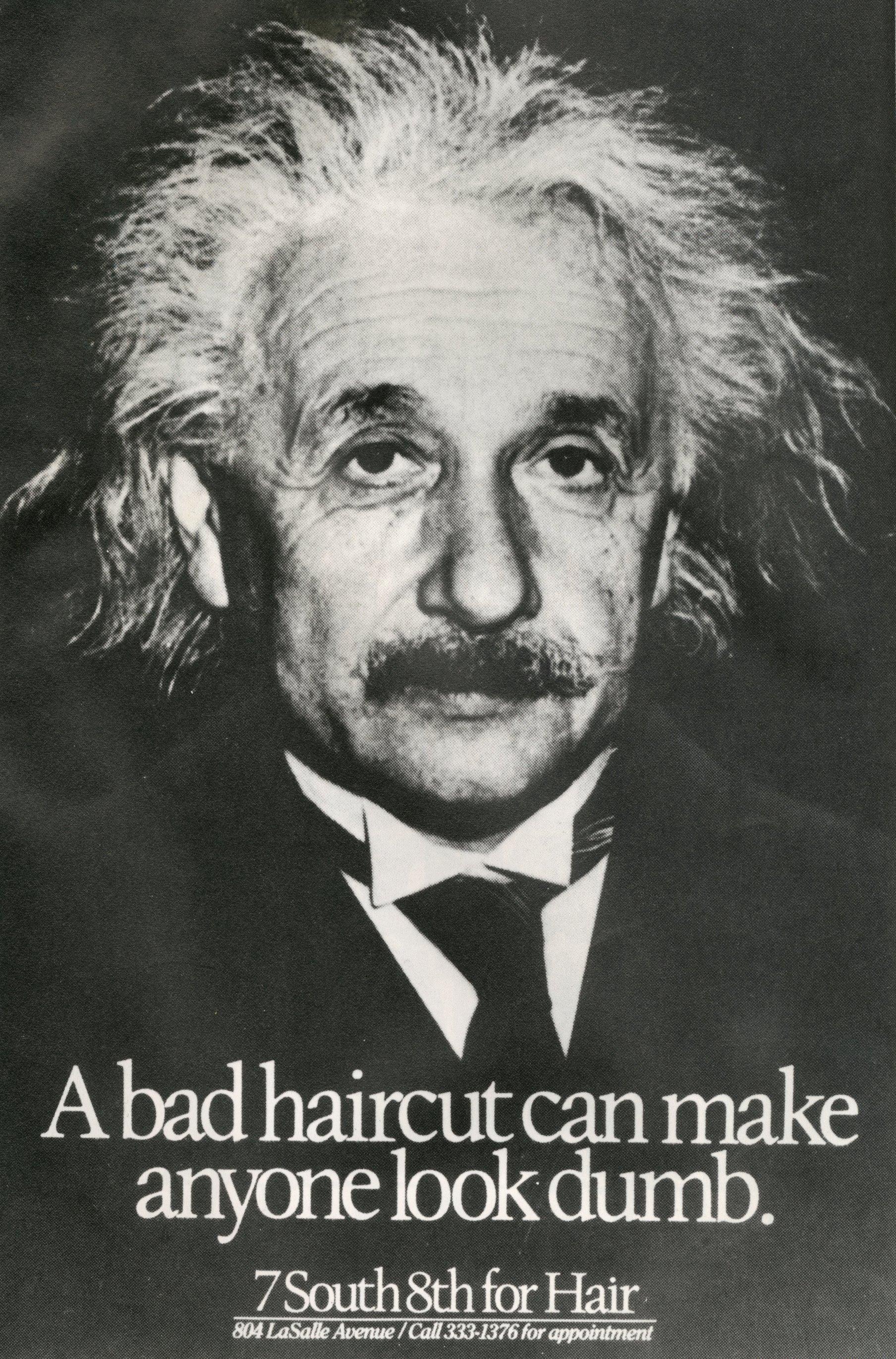
7 South 8th for Hair
A barbershop down the street, a few famous photographs and one line about bad hair became part of the body of work that made Fallon McElligott Rice Advertising Age's Agency of the Year.
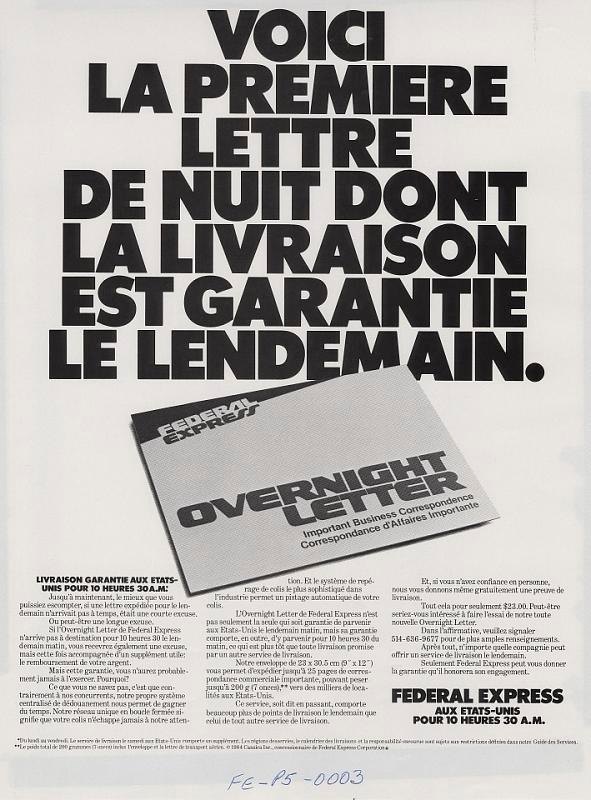
Fast-Paced World
An overnight courier proved its promise of speed by making the viewer struggle to keep up, and a business service became a phrase people repeated at home.
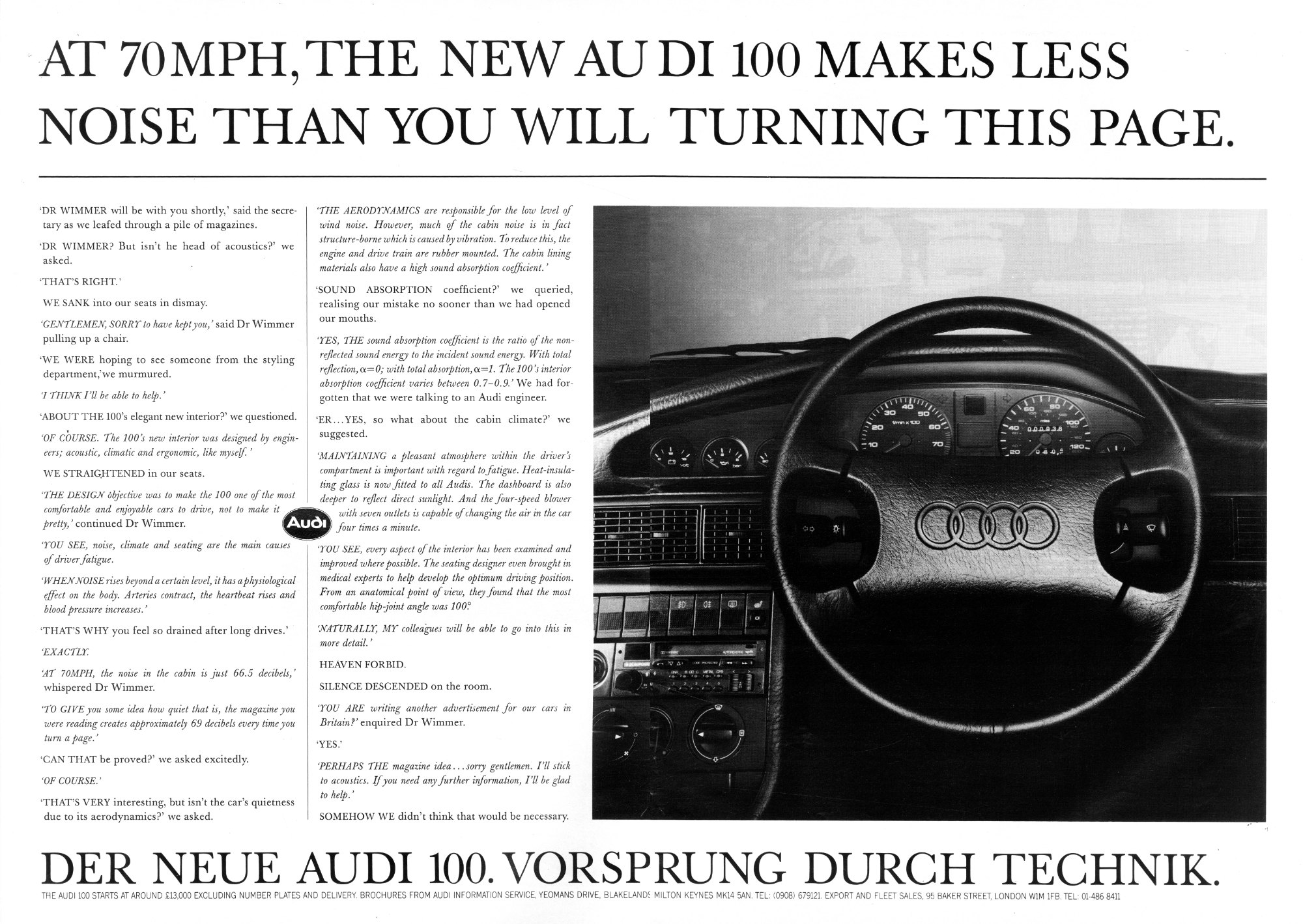
Vorsprung durch Technik
A car Britain could not place was given a nationality by signing every ad with a German line nobody translated.
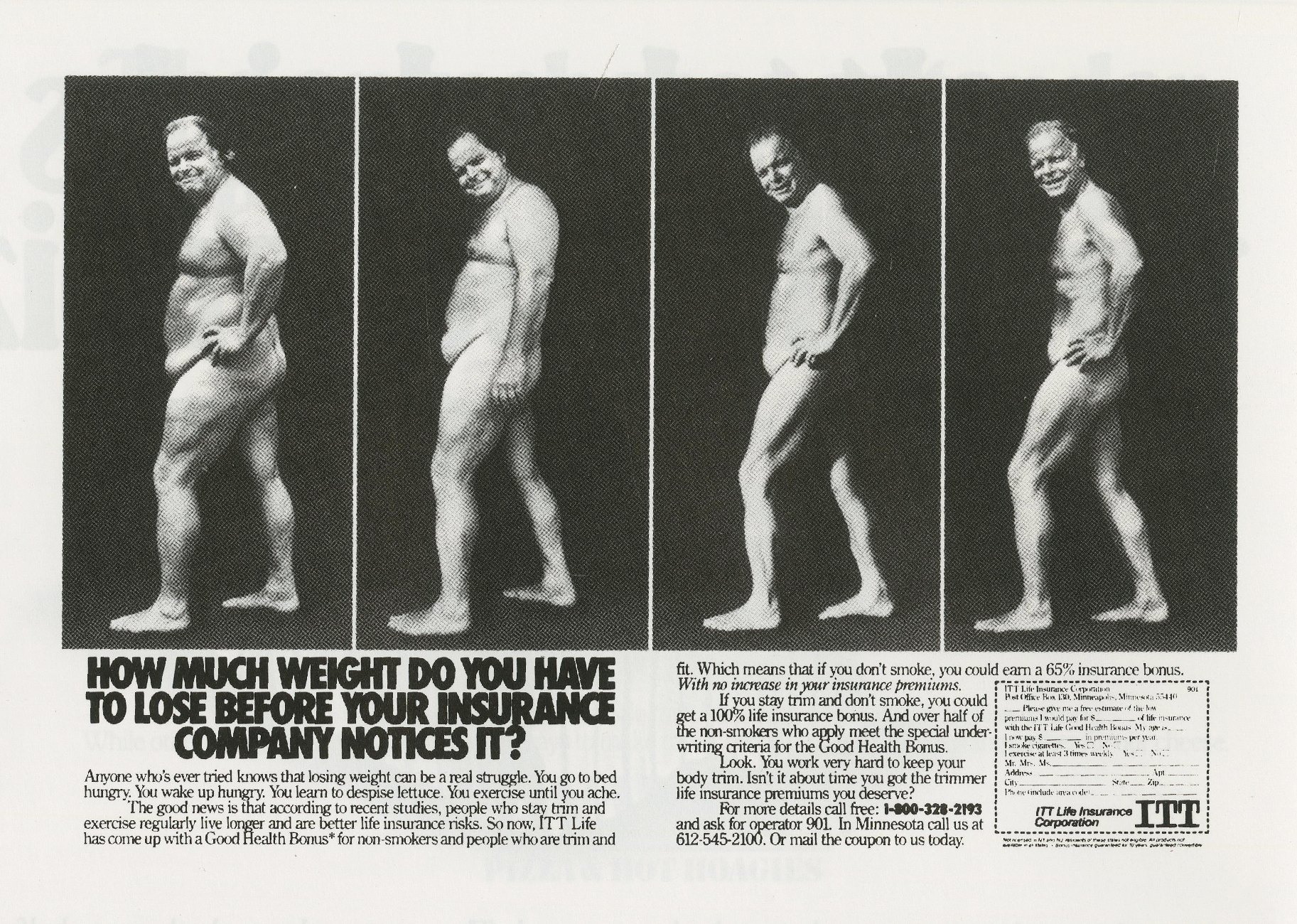
ITT Life Insurance: Your Whole Life Is a Mistake
An insurer paid for newspaper ads telling readers that the industry's best-selling product was a mistake, and they drew 12,000 responses, three times the goal.
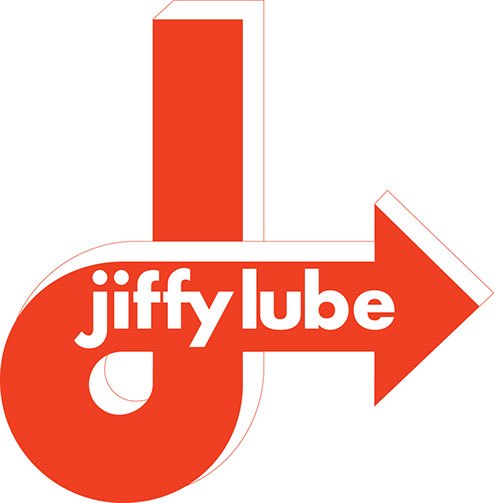
Jiffy Lube Changes the Way America Changes Its Oil
A handful of oil-change bays got a logo built to steer cars off the road, and a line that claimed the whole category before it existed.
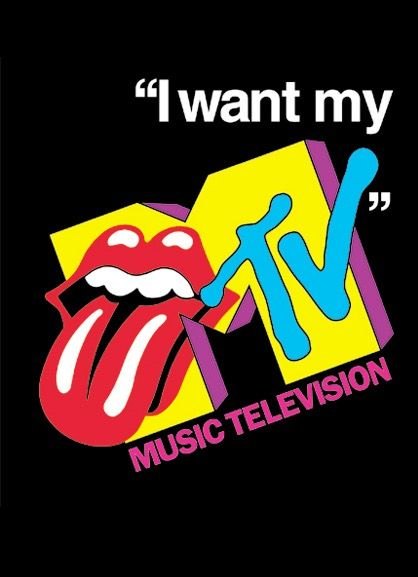
I Want My MTV
A channel that cable operators would not carry went over their heads to the audience and had viewers make the demand by phone.
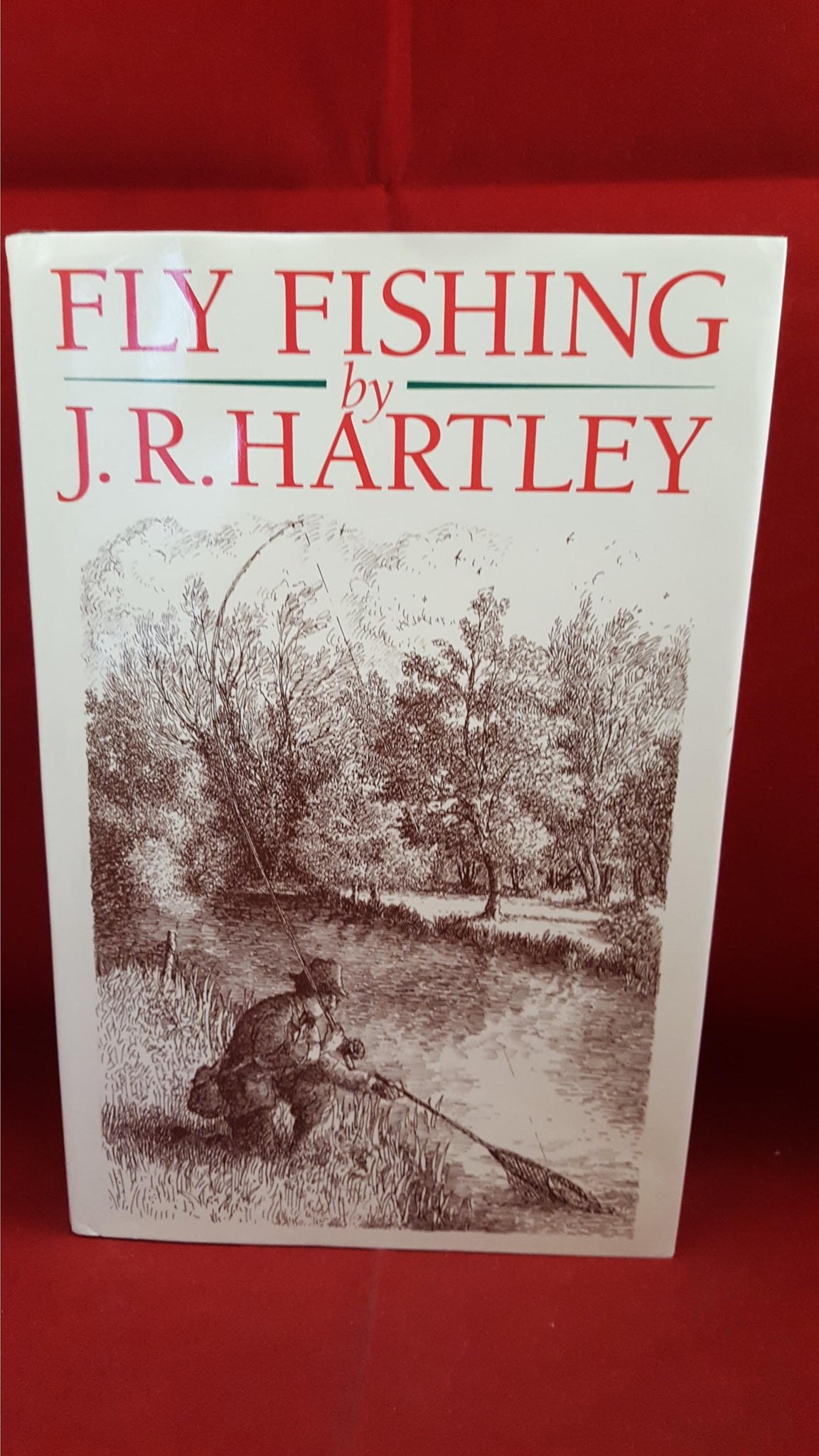
J.R. Hartley
A directory kept for emergencies was moved to the rest of the week by a sixty-second story in which the product appears only at the end.
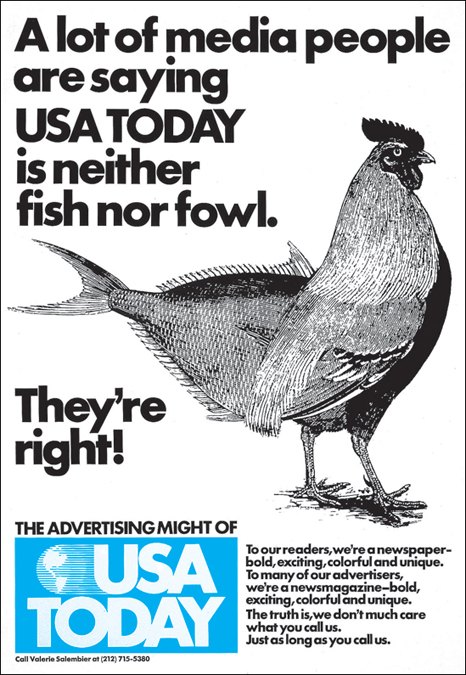
Neither Fish Nor Fowl
A new national paper mocked by the trade took the insult, printed it as its own headline, and sold the confusion as range.
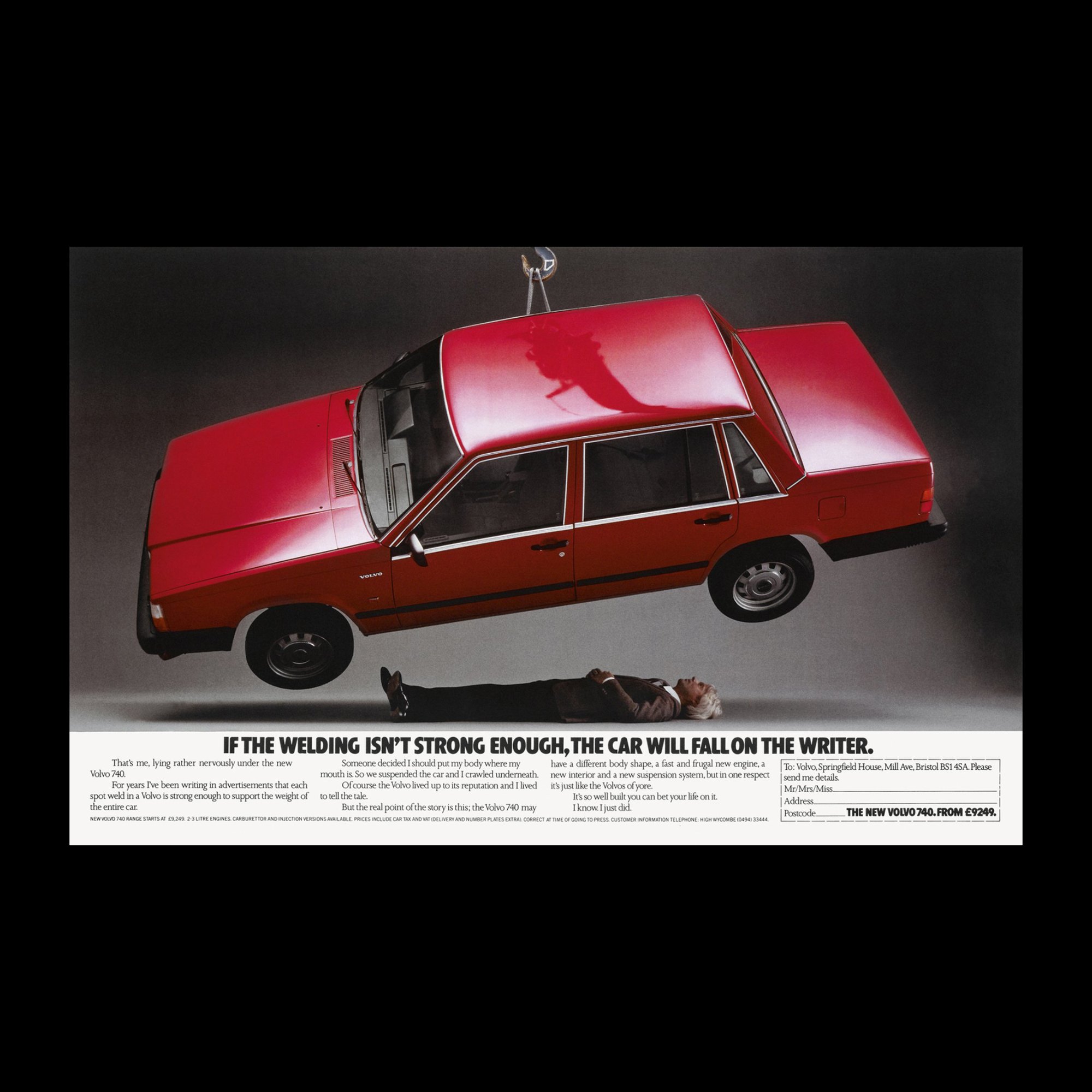
The Car Will Fall on the Writer
A safety claim everyone had stopped hearing was turned into a photograph nobody could ignore, with the writer's own body as the proof.
Where's the Beef?
Where's the Beef?
Three words that put a brand's competitive claim into a presidential debate, by never showing the brand's own product.
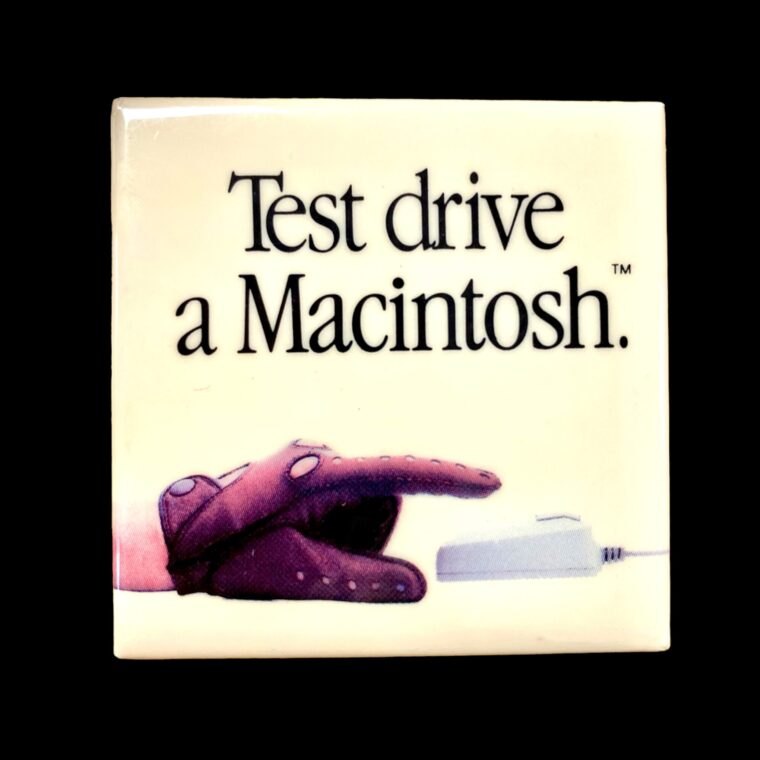
Test Drive a Macintosh
A trial promotion that proved the product and still failed, because the thing stopping the sale was the price.
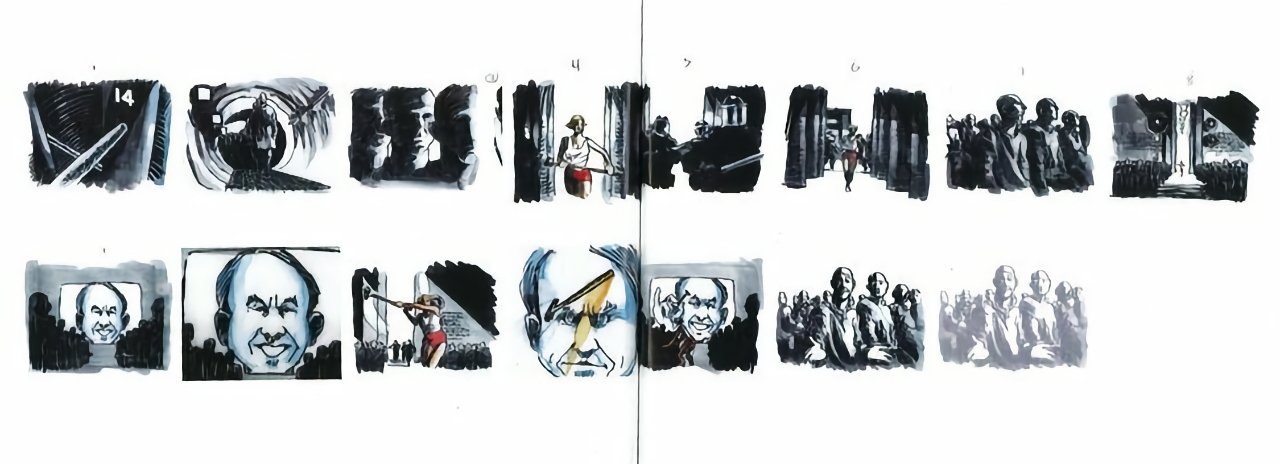
1984
A computer launch sold without showing the computer: sixty seconds of film that cast the market leader as Big Brother and turned a Super Bowl break into the launch itself.
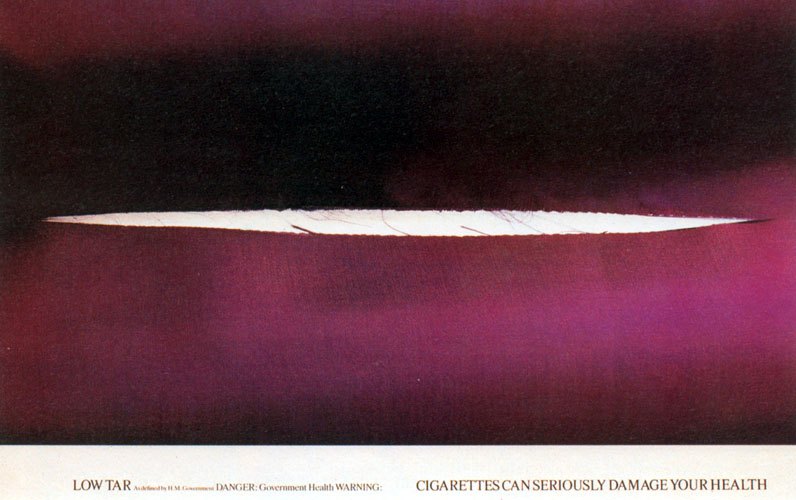
Purple Silk
A cigarette sold for nearly two decades with no name, no smoker and no claim, only purple, a fabric and a cut.
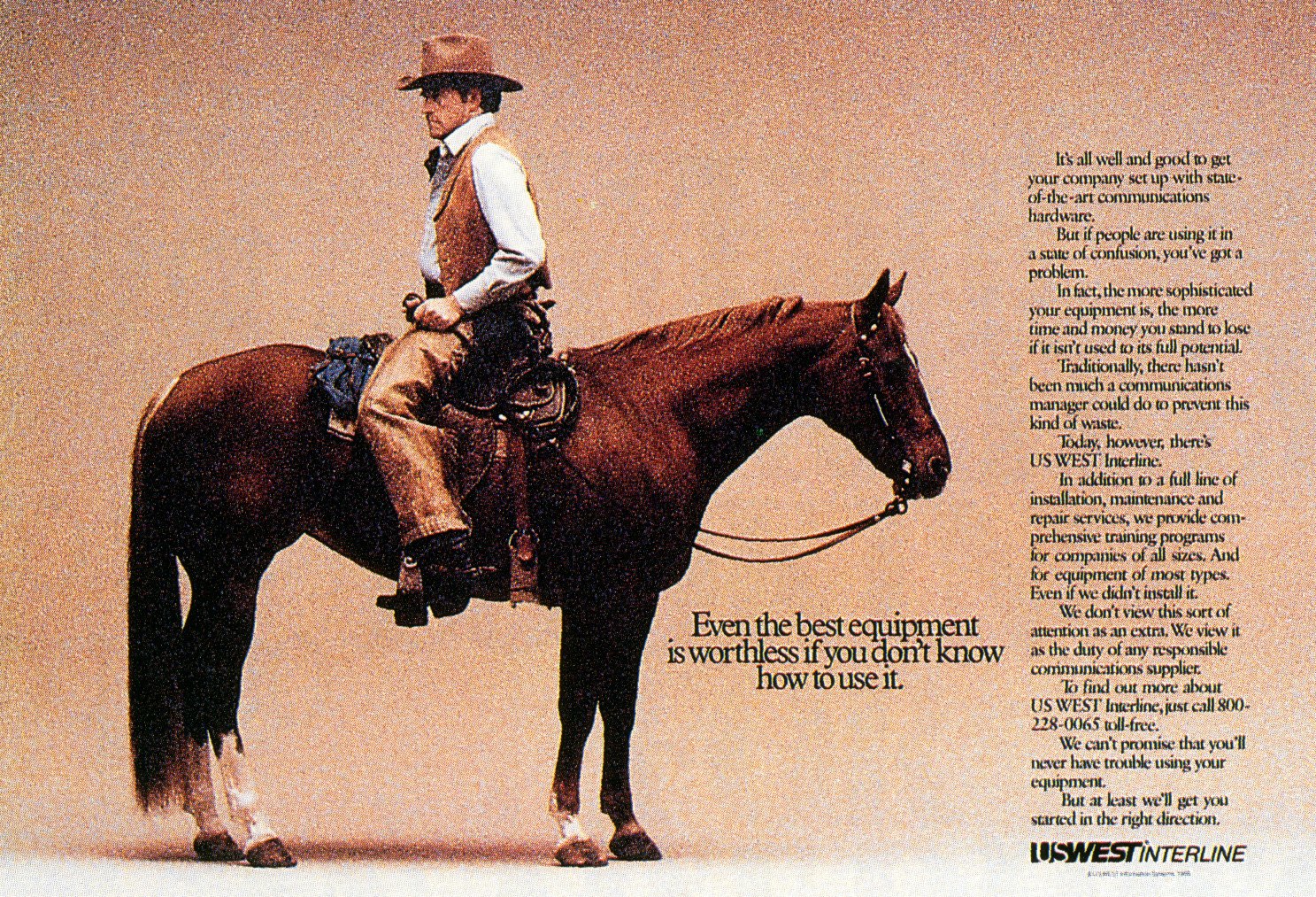
US WEST Corporate Print
A new company created by a court-ordered breakup had to introduce a name nobody knew; it is also the account whose loss in 1988 marked the start of the end of McElligott's time at Fallon.
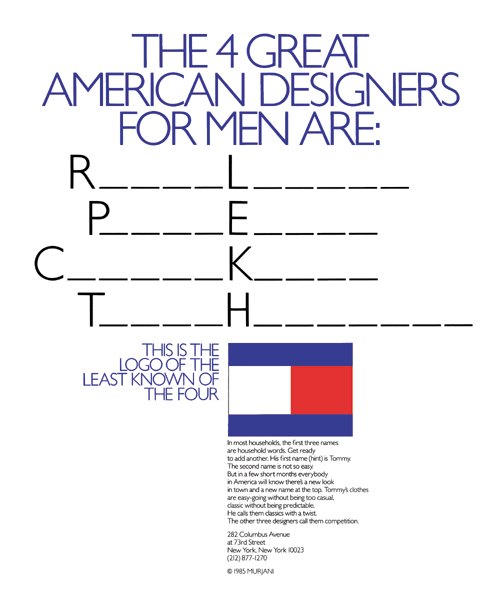
The 4 Great American Designers for Men
An unknown designer was announced as one of the four greats of American menswear, in a Times Square word game, on a budget of about $200,000.
Lemmings
Lemmings
A sequel that made the buyer the joke, attached to a product nobody could yet buy.
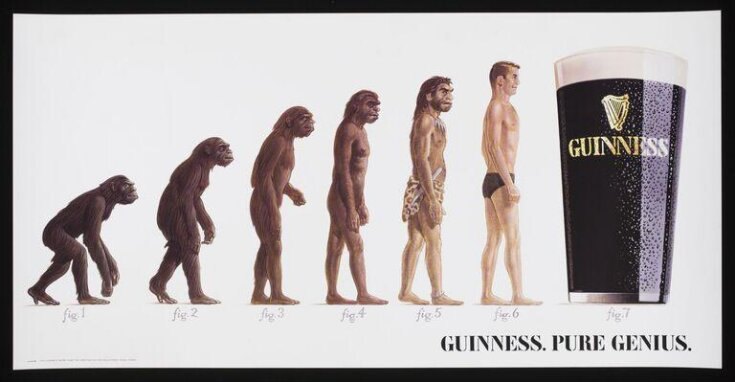
Pure Genius
Two words and a strange man in black turned an ageing stout into a drink for people who liked to think they were different.
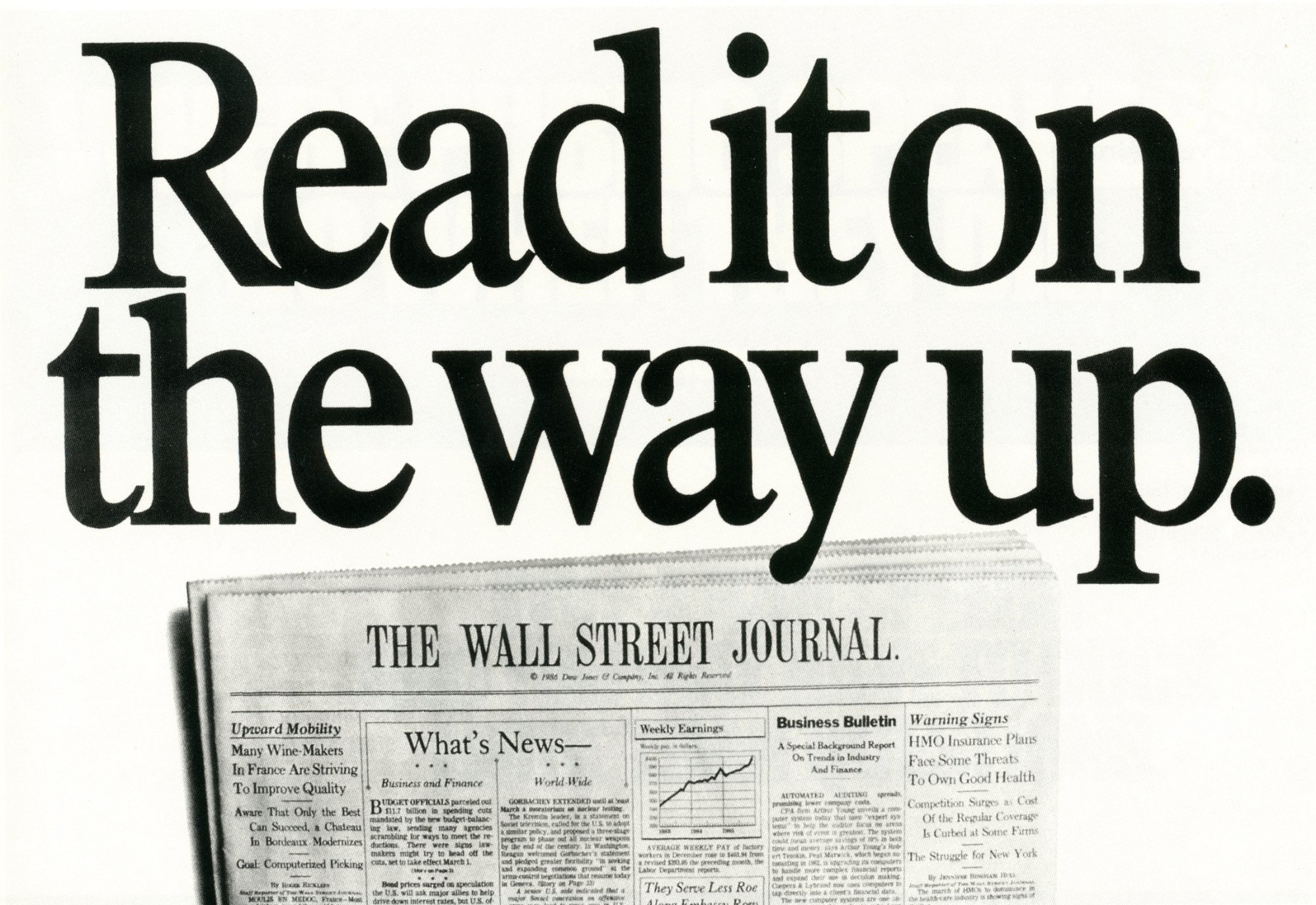
The Wall Street Journal: The Daily Diary of the American Dream
A Minneapolis agency took the Journal from its agency of nearly forty years and recast a financial paper as the daily record of personal ambition.
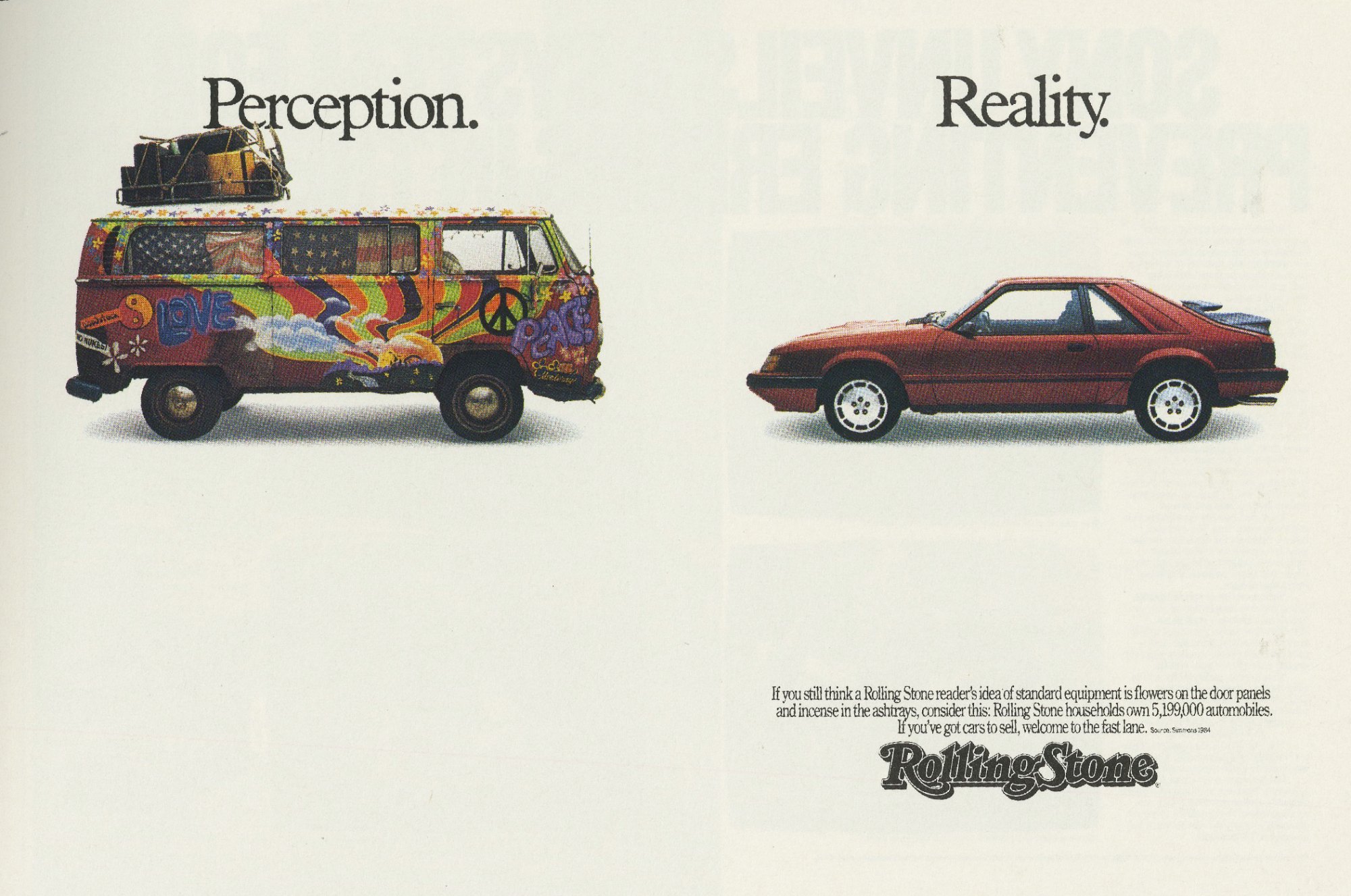
Perception. Reality.
A trade campaign aimed at media buyers that fixed a magazine's image problem with two words and two pictures, and became the model for every 'what you think versus what is true' ad since.
The Power to Be Your Best
How a four per cent computer company stopped arguing about the office and started arguing about the person sitting in it.
The Brand That Fits
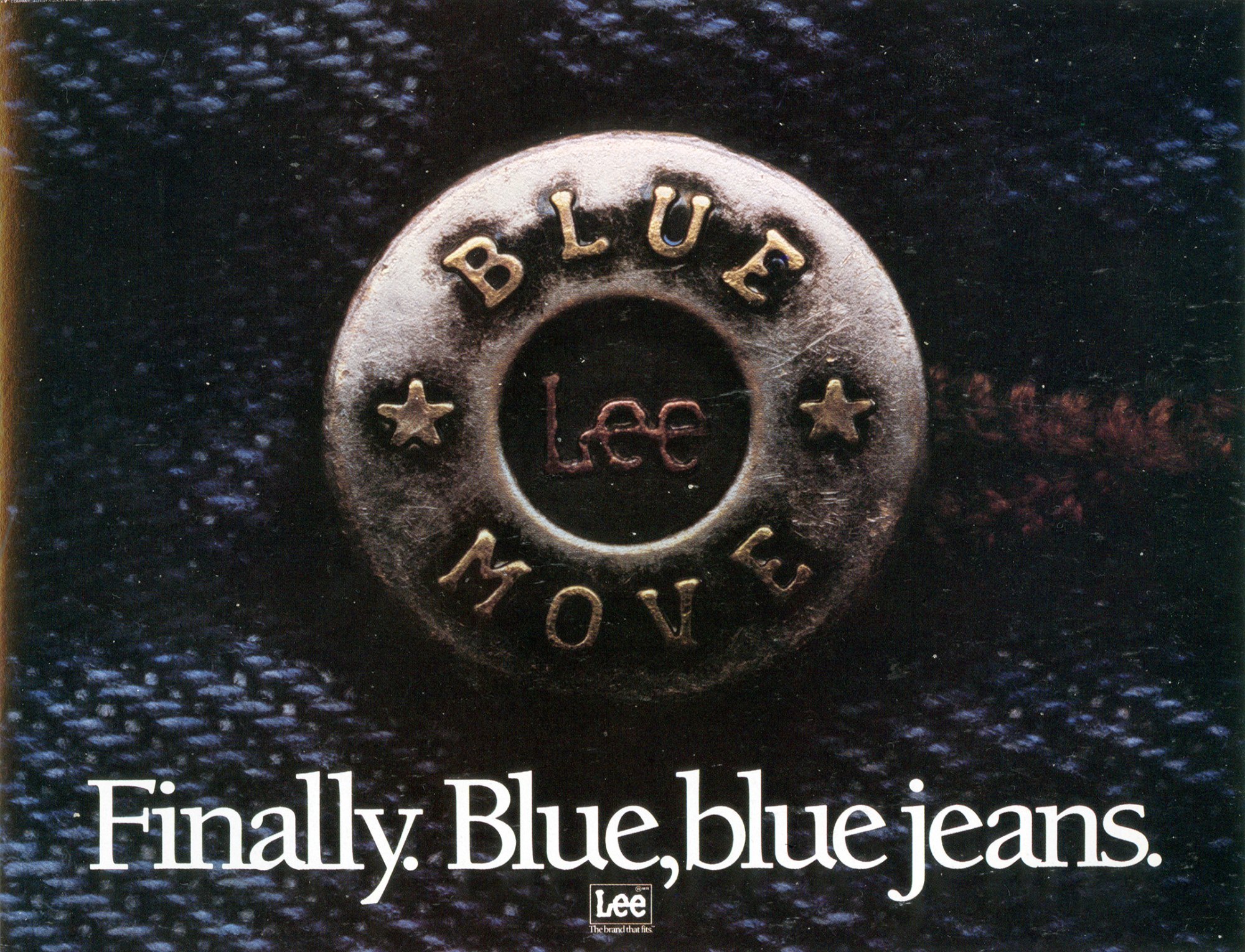
A jeans maker with a real product advantage, fit, found a written voice for it at a time when the rest of the category sold attitude.
The California Raisins
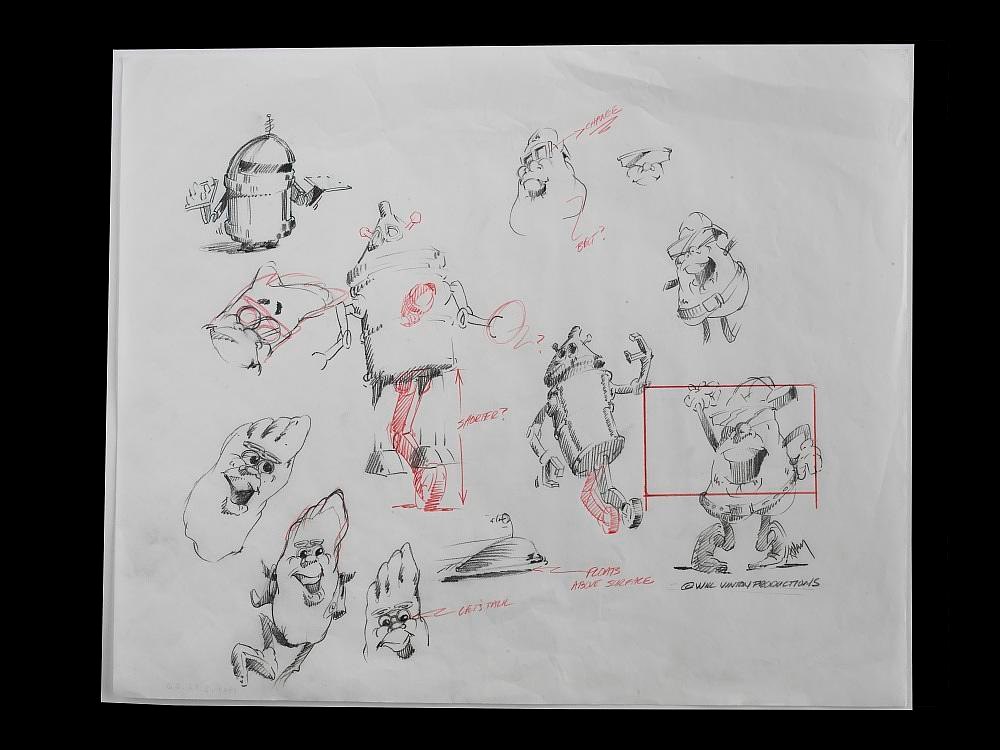
How a commodity with no brand bought an emotion it could not generate, and chose the one borrowed thing that could not be pulled off the product.
The Basset Hound Campaign
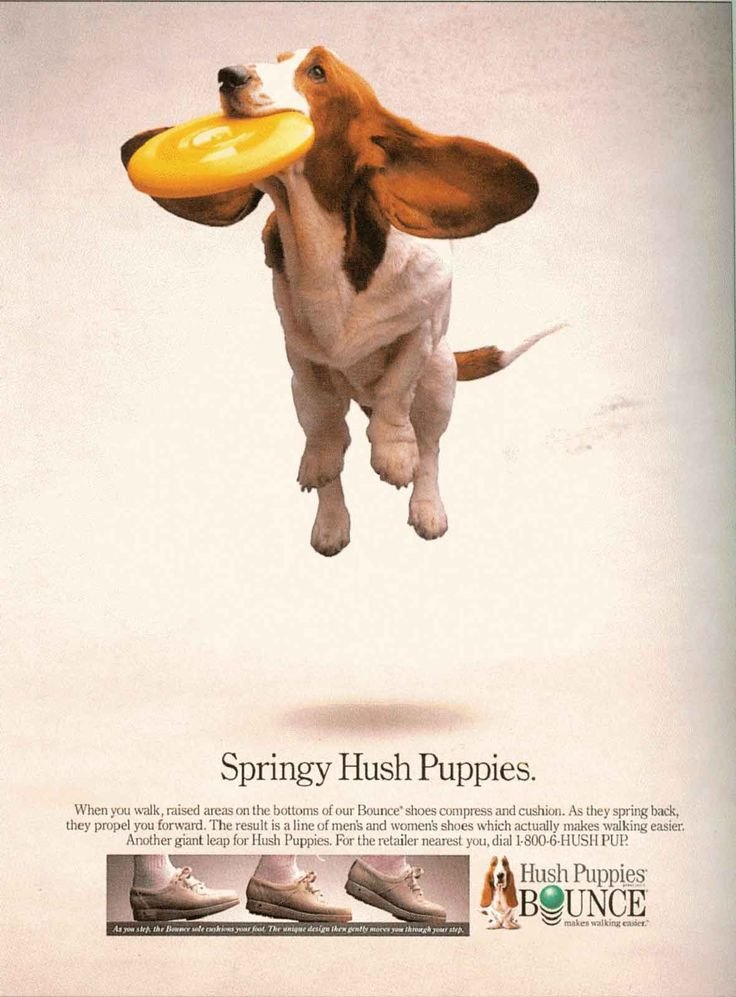
A tired shoe brand rebuilt on the one asset it had left, its dog, with the product name in every headline and the ads still funny.
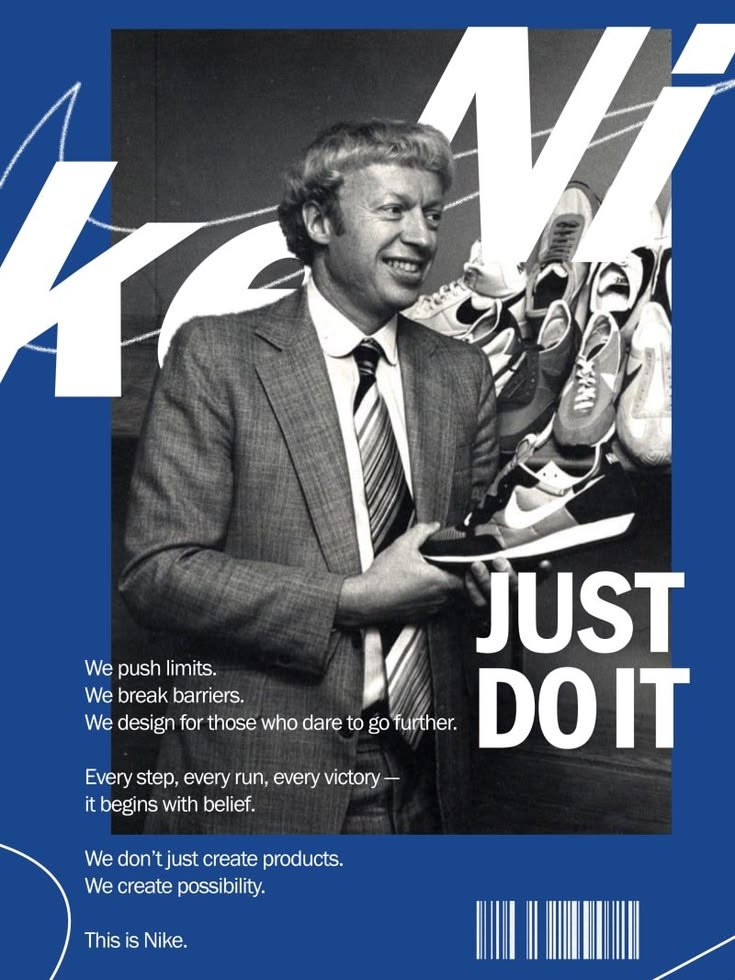
Just Do It
A three-word line with no sport in it, written to hold five unrelated commercials together, that let a runner's brand speak to everyone who moves.
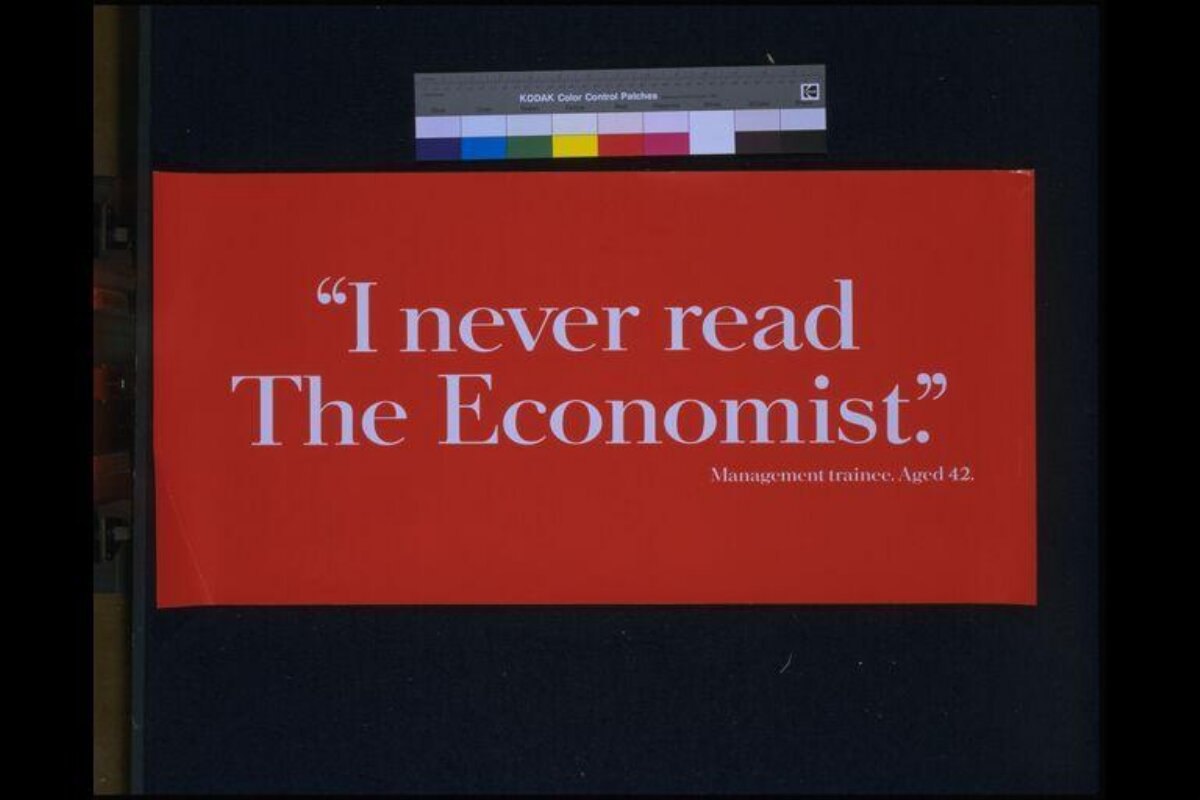
White Out of Red
A magazine sold its brand instead of its contents, with a poster that was nothing but its own masthead and one line, and kept it up for nineteen years.
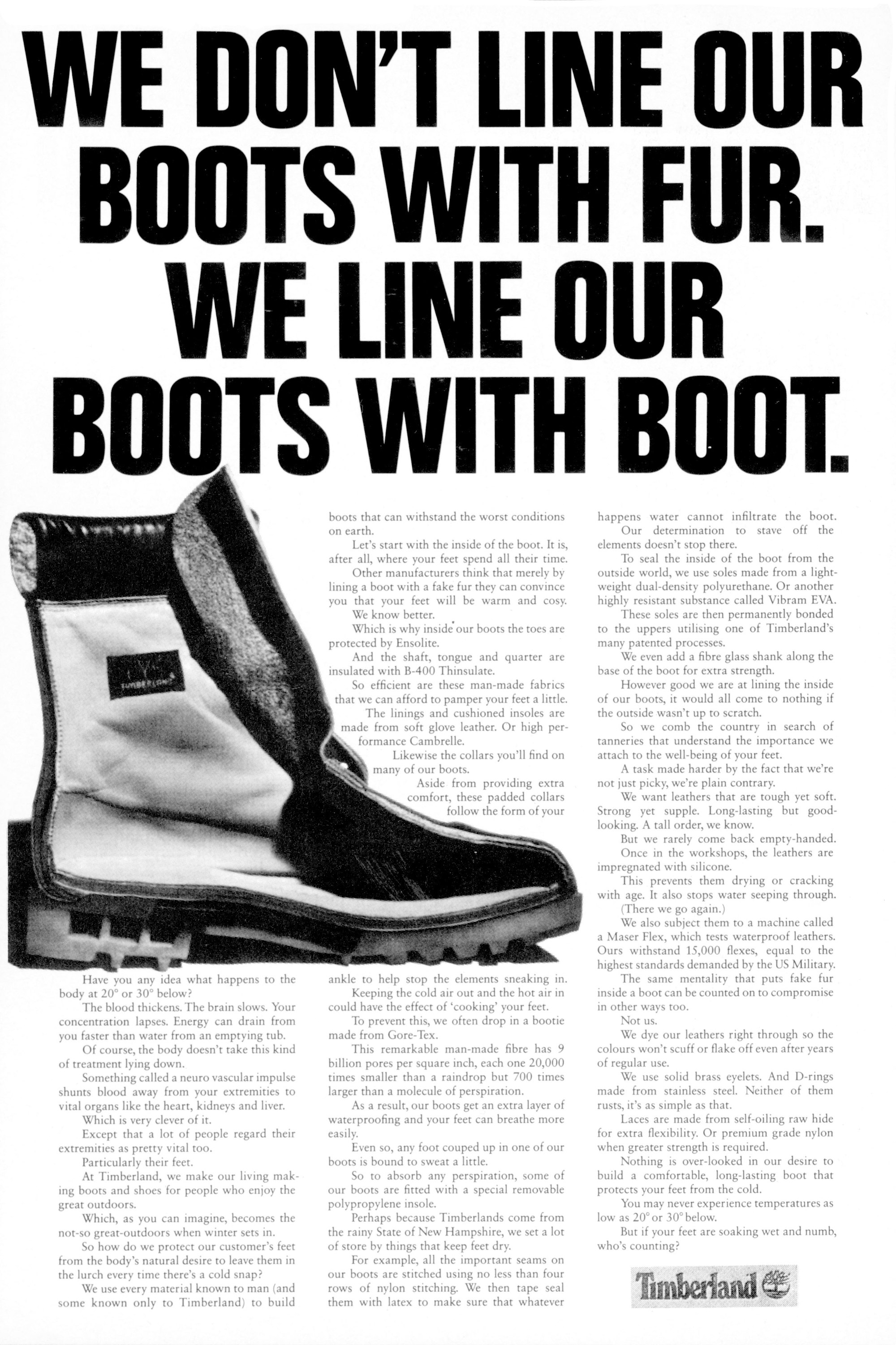
The Timberland Press Campaign
An unknown American boot at £110 a pair, sold to British newspaper readers with a loud headline and a full page of reasons.
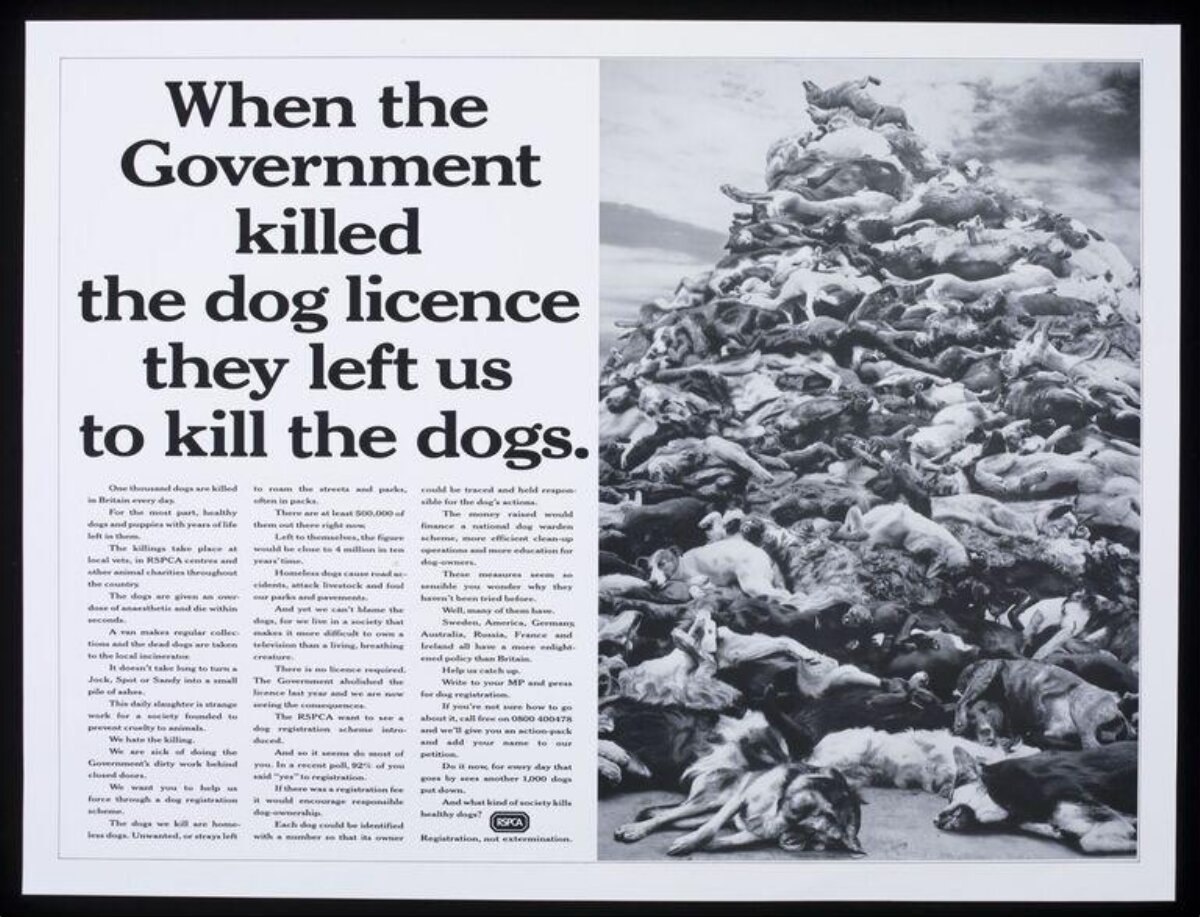
They Left Us to Kill the Dogs
A charity that had always asked for sympathy accused the Government instead, and came within thirteen votes of changing the law.
The Energizer Bunny
The Energizer Bunny
A brand took possession of the symbol its competitor had spent fifteen years building and then stopped defending.
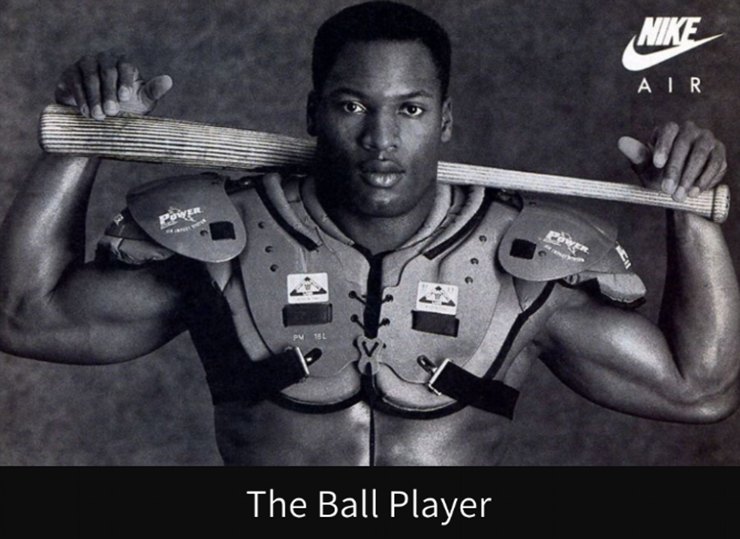
Bo Knows
Nike sold a new shoe category by putting it inside one real man who played two professional sports, then let him fail at a third.