Art Director / Creative Director · Papert Koenig Lois
George Lois
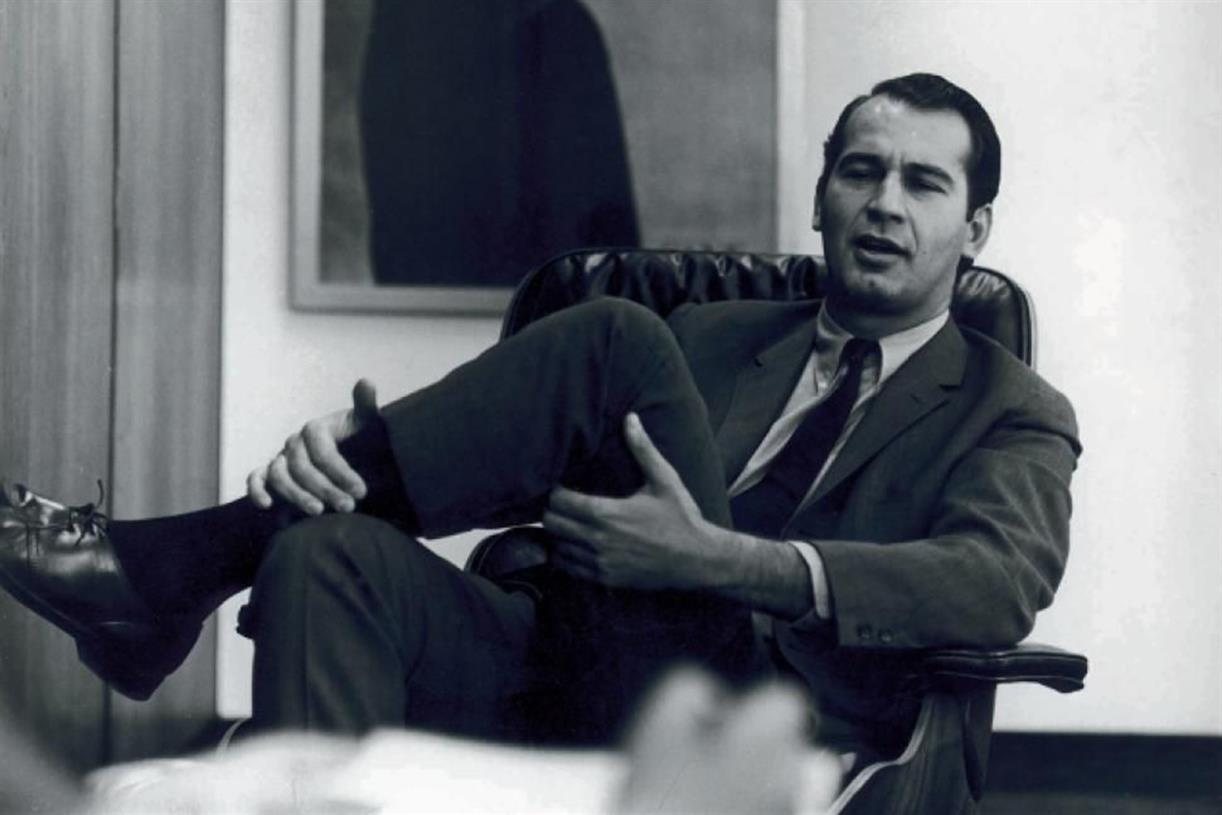
George Lois was the loudest argument the Creative Revolution ever made for itself. The son of a Greek florist in the Bronx, he passed through CBS promotions and a single year at Doyle Dane Bernbach before co-founding Papert Koenig Lois in January 1960 — the first American advertising agency to go public. Across four decades and four agencies he built his work on one principle he called the Big Idea: a single loaded image, a minimum of type, a visual pun or a shock that a reader could not walk past.
His most enduring work is not advertising at all. From 1962 to 1972, under editor Harold Hayes, Lois made ninety-two covers for Esquire that turned a near-bankrupt magazine into the visual conscience of the decade — Muhammad Ali pierced with arrows, Andy Warhol drowning in a can of Campbell's soup, Richard Nixon being made up for the camera. Hayes gave him near-total control: no committee, no sketches, run whatever he delivered. Circulation rose from half a million toward two million.
In commercial work he treated celebrity as spendable currency and built campaigns that entered the language — "When you got it, flaunt it" for Braniff, "I Want My MTV," Tommy Hilfiger declared a great American designer before anyone had heard of him. He was also a brilliant self-mythologiser, and the credit on several famous pieces is disputed. What is not in doubt is that he understood, earlier and louder than almost anyone, that an ad's job is to stop you cold.
The work, year by year.
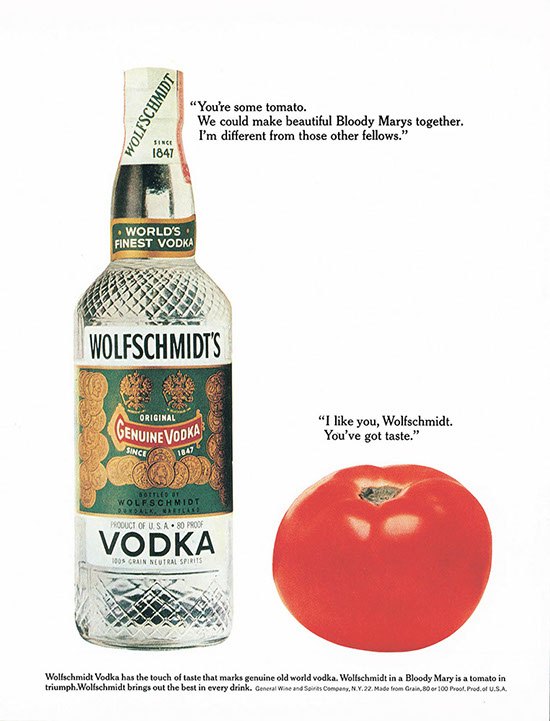
Wolfschmidt Vodka — The Talking Bottle
Gave an also-ran vodka a seducer's voice, trading double entendres with a tomato — wit made sellable at the dawn of Papert Koenig Lois.
See the full campaign →
Coldene
Stripped a children's cold remedy ad to a dark bedroom and a woken couple's dialogue — no product, no logo. Advertising Age ran an editorial condemning it.
See the full campaign →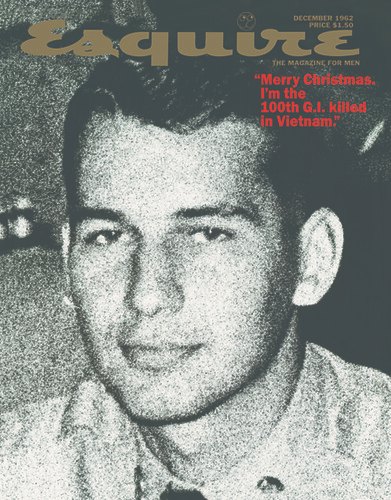
Esquire Covers
Ninety-two covers under Harold Hayes that gave the 1960s a visual language the newsstand didn't have, and saved the magazine.
See the full campaign →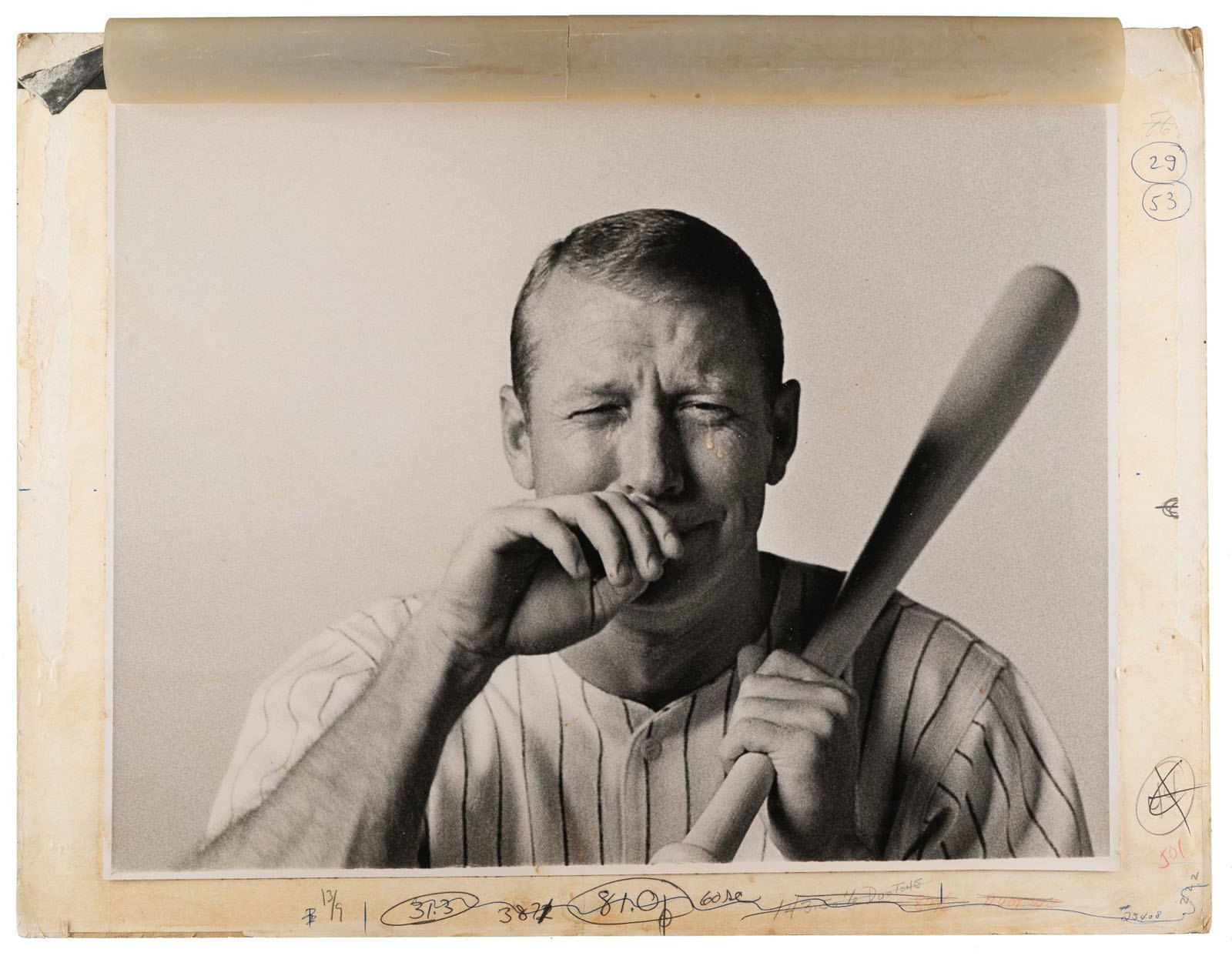
Maypo — I Want My Maypo
Put a child's demand in the mouths of the toughest men in sport, in tears — the direct ancestor of "I Want My MTV."
Disputed credit: The New York Times's 2008 correction credits John & Faith Hubley. Presented here as Lois's account.
See the full campaign →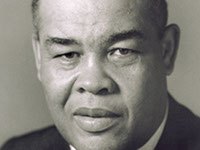
Edwards & Hanly
The first broker on television: Joe Louis, who had lost his fortune, asking "Where were you when I needed you?"
See the full campaign →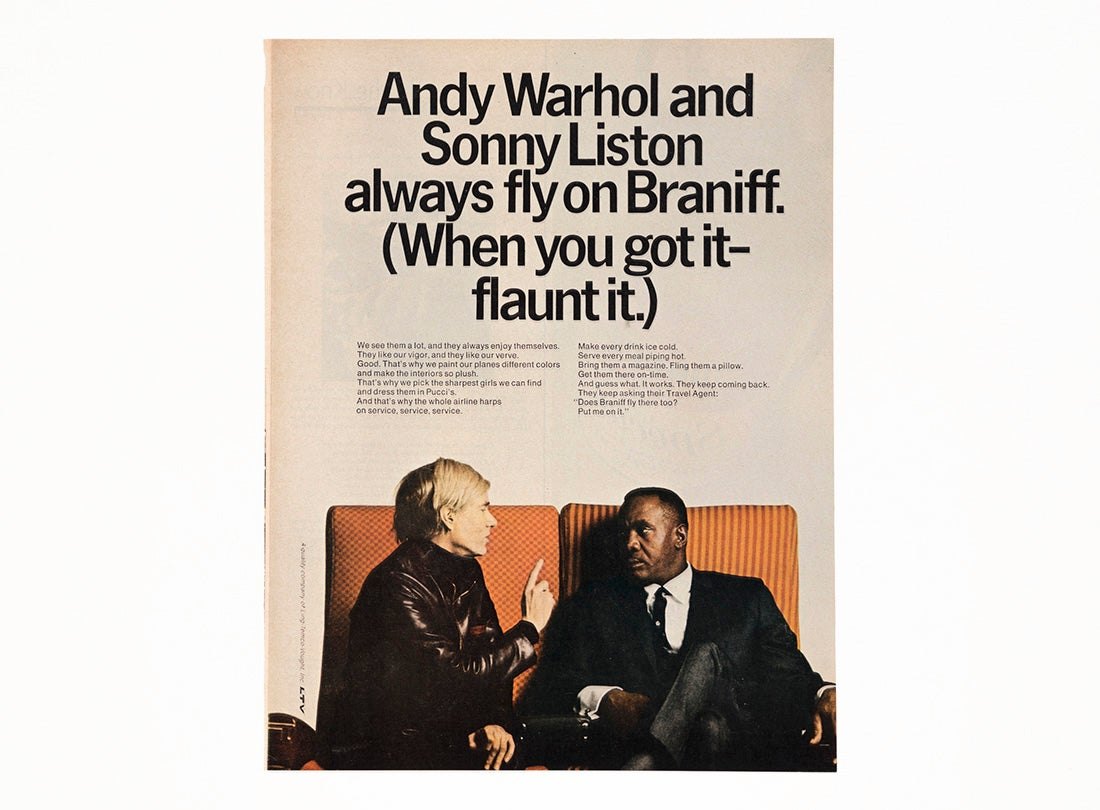
Braniff — When You Got It, Flaunt It
Cast improbable celebrity pairs — Warhol with Sonny Liston, Dalí with Whitey Ford — and coined a line that outlived the airline.
See the full campaign →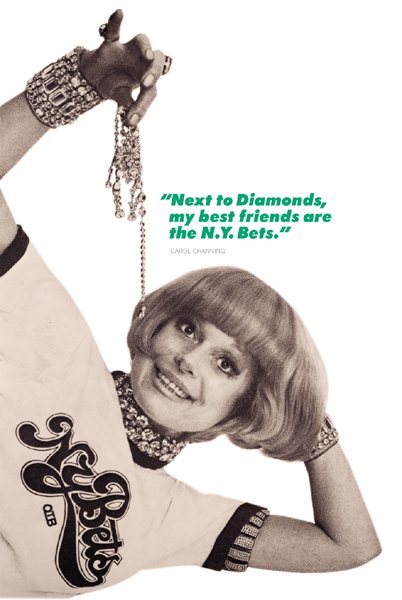
NYC Off-Track Betting — You're Just Right for the Bets
Made a government betting operation respectable with beloved celebrities working for free and a singsong line.
See the full campaign →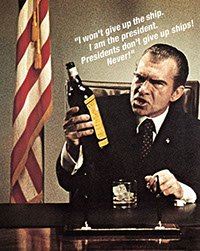
Cutty Sark — Don't Give Up the Ship
Defended a dated clipper-ship trademark with fast-turn topical newspaper ads, including a Nixon spoof Lois claims the FBI seized.
See the full campaign →
Jiffy Lube
One ownable idea and an action logo took the chain from roughly eighteen outlets to over sixteen hundred.
See the full campaign →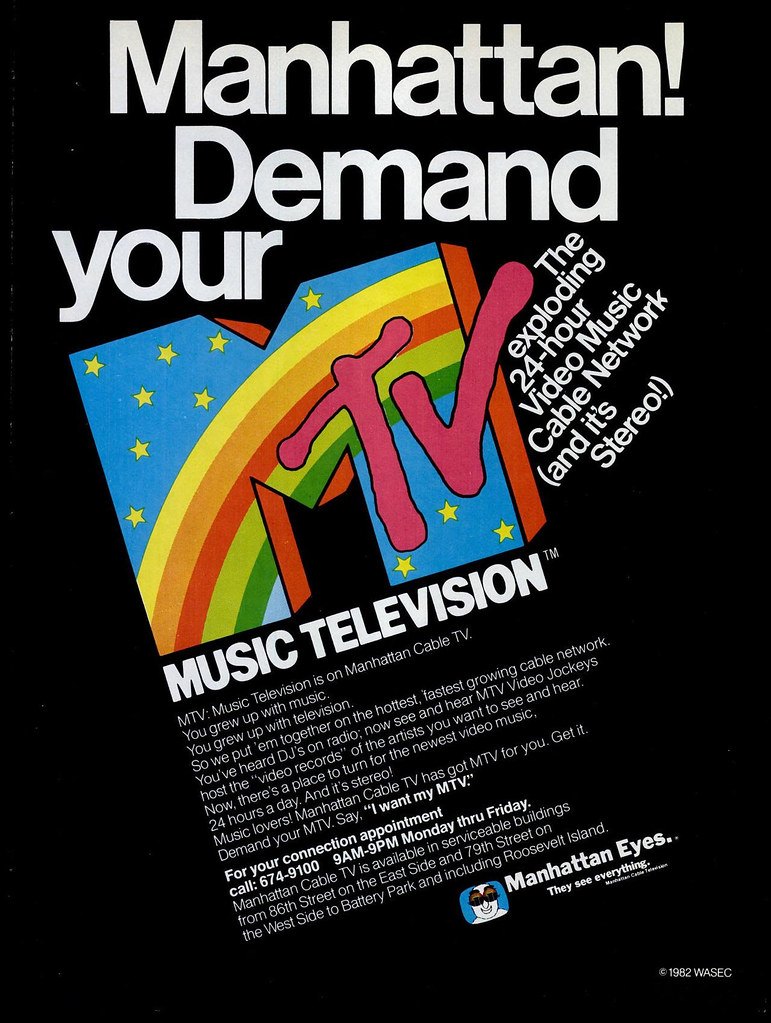
MTV — I Want My MTV
Skipped the cable operators and manufactured demand: rock stars yelling the line, viewers told to phone their cable company. MTV reached ~80% of cable homes within months.
See the full campaign →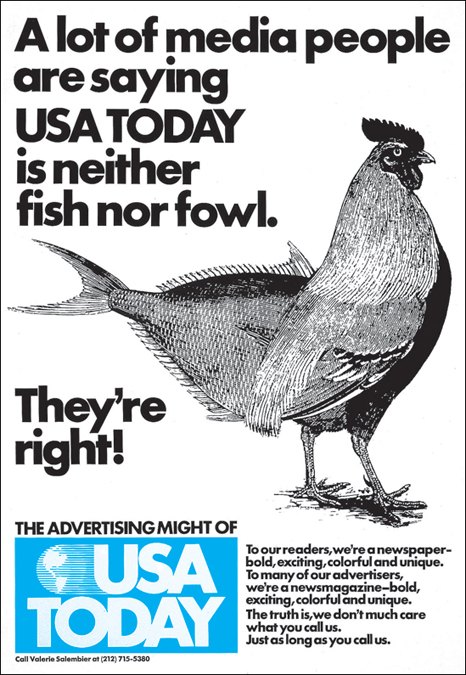
USA Today — Neither Fish Nor Fowl
Agreed with the press's sneer, then flipped it — won the account by telling Gannett their advertising was bad.
See the full campaign →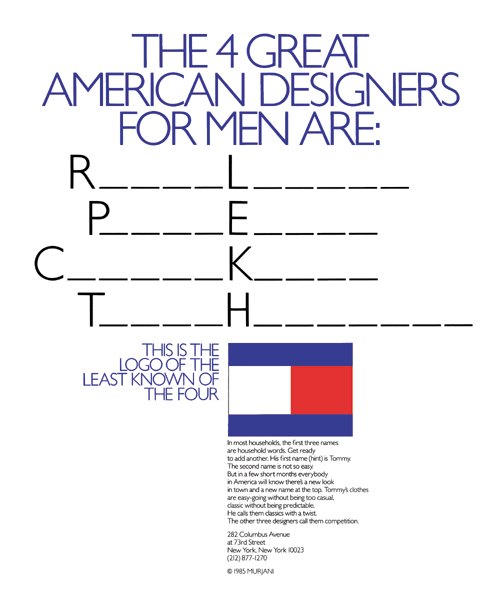
Tommy Hilfiger — The 4 Great American Designers
Declared an unknown designer a great before it was true, teasing his name as a hangman puzzle across Times Square. About $200,000; made him a household name.
See the full campaign →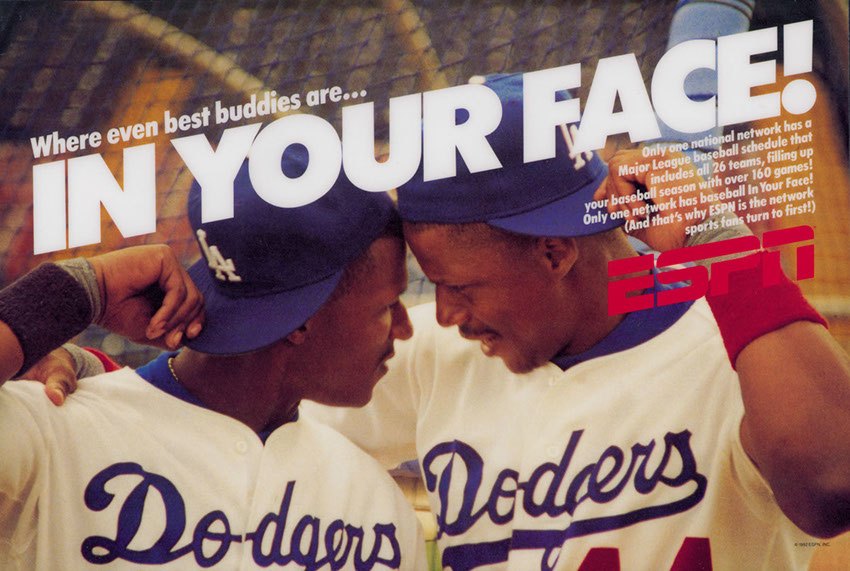
ESPN — In Your Face
Borrowed credibility from the biggest names in sport to turn a "junk sports" reputation around — later called a Harvard case study in image.
Date varies by source (1990 on his site; some give 1994).
See the full campaign →