Copywriter / Creative Director · Fallon McElligott
Tom McElligott
Tom McElligott is the inverse of the loud adman. The son of an Episcopal priest, a former Marine, he is a print copywriter who is nearly absent from the record of his generation — no interviews for some twenty-five years, his name once stripped out of his own agency's credits by Lürzer's Archive in what Dave Dye called a "Stalinesque purge." The work is the argument; he made sure of it.
Through the 1970s he learned the craft in Minneapolis under art director Ron Anderson — Dayton-Hudson, Knox Reeves, then Bozell & Jacobs — on retail, charity and a pro bono Episcopal campaign that proved a church could be funny. In 1981 he co-founded Fallon McElligott Rice with Pat Fallon and Nancy Rice, on a house ad that promised "imagination is one of the last remaining legal means you have to gain an unfair advantage over your competition." By 1983 it was Advertising Age's Agency of the Year, with thirty-eight employees.
What he built there became known as the Minneapolis style: an oversized Franklin Gothic headline, one arresting image, and copy written, in Dye's phrase, "by a very smart lawyer with a wicked sense of humour." Rolling Stone's "Perception. Reality.," the Wall Street Journal as "the daily diary of the American dream," Hush Puppies reduced to a basset hound and two words — he flattered the reader's intelligence and was rewarded for it with more awards than almost anyone of his era.
He left Fallon in December 1988, passed through Chiat/Day and one last short-lived shop, and retired from advertising in 1993, before turning fifty. He has stayed out of public view since.
The work, year by year.
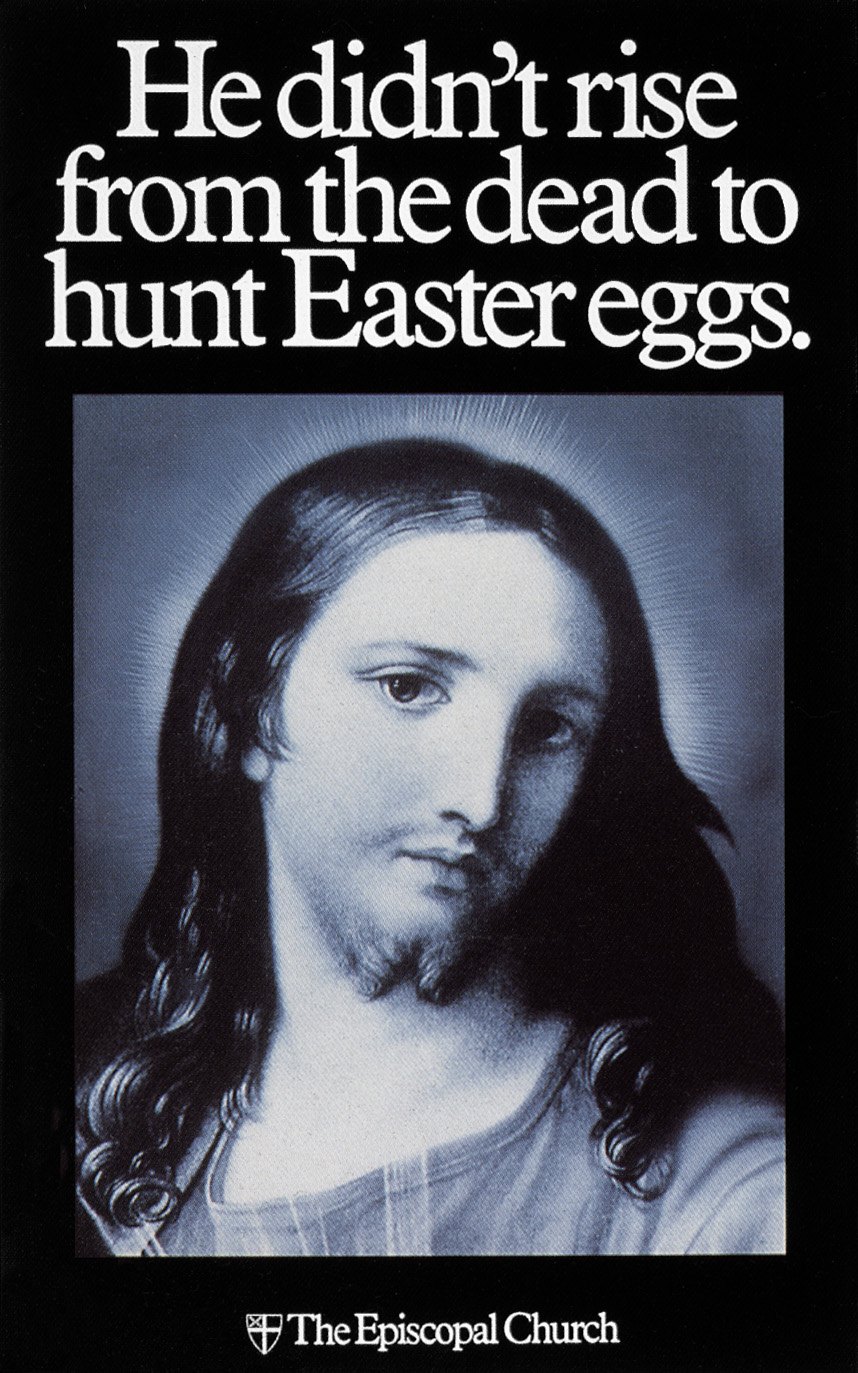
Episcopal Ad Project
Proved a church could advertise with wit — "He died to take away your sins. Not your mind." A priest's son's pro bono work; One Show gold, 1984.
See the full campaign →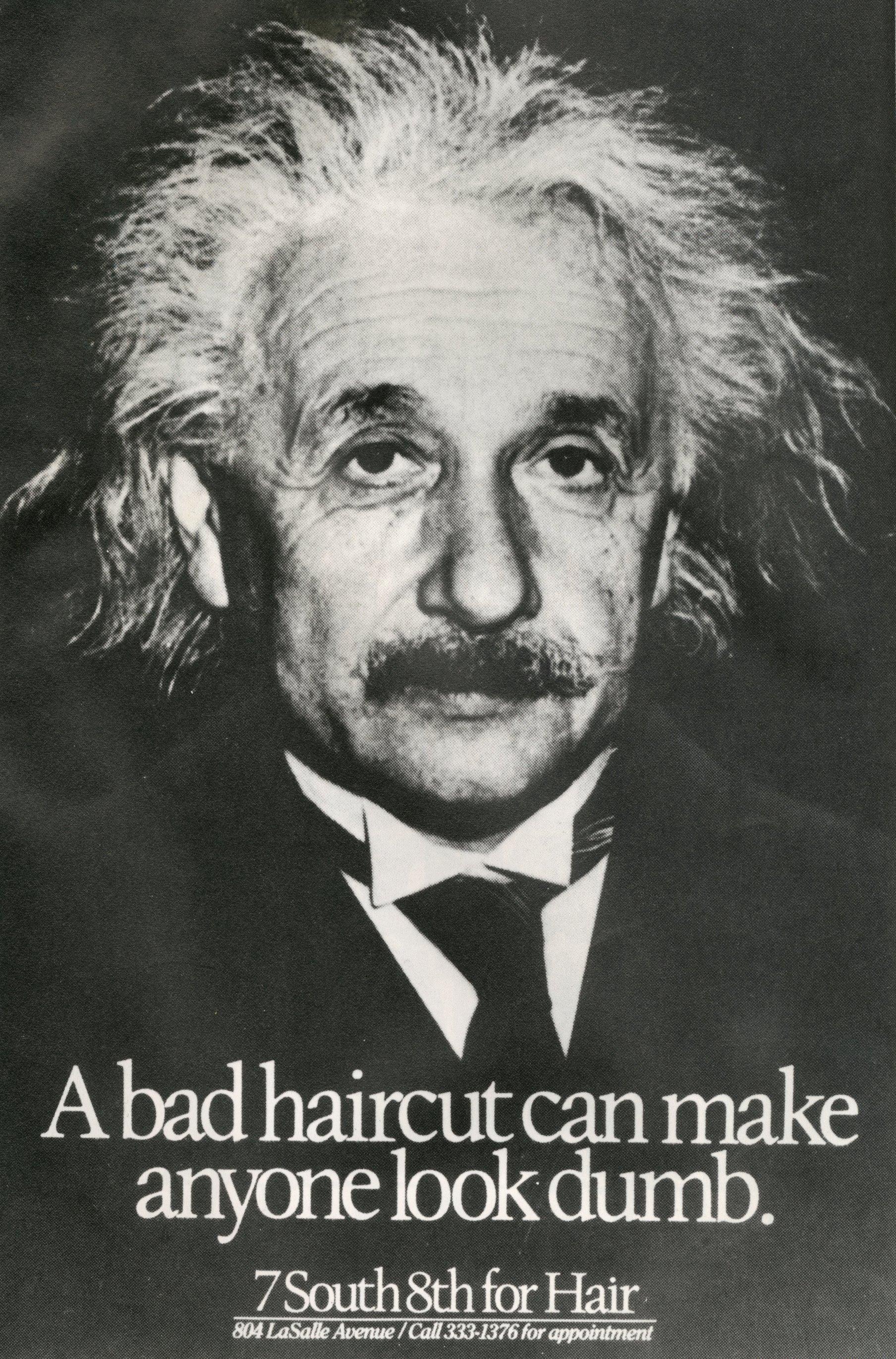
7 South 8th for Hair
A zero-budget Minneapolis salon turned national-award work: a stock photo of Einstein and the line "A bad haircut can make anyone look dumb."
See the full campaign →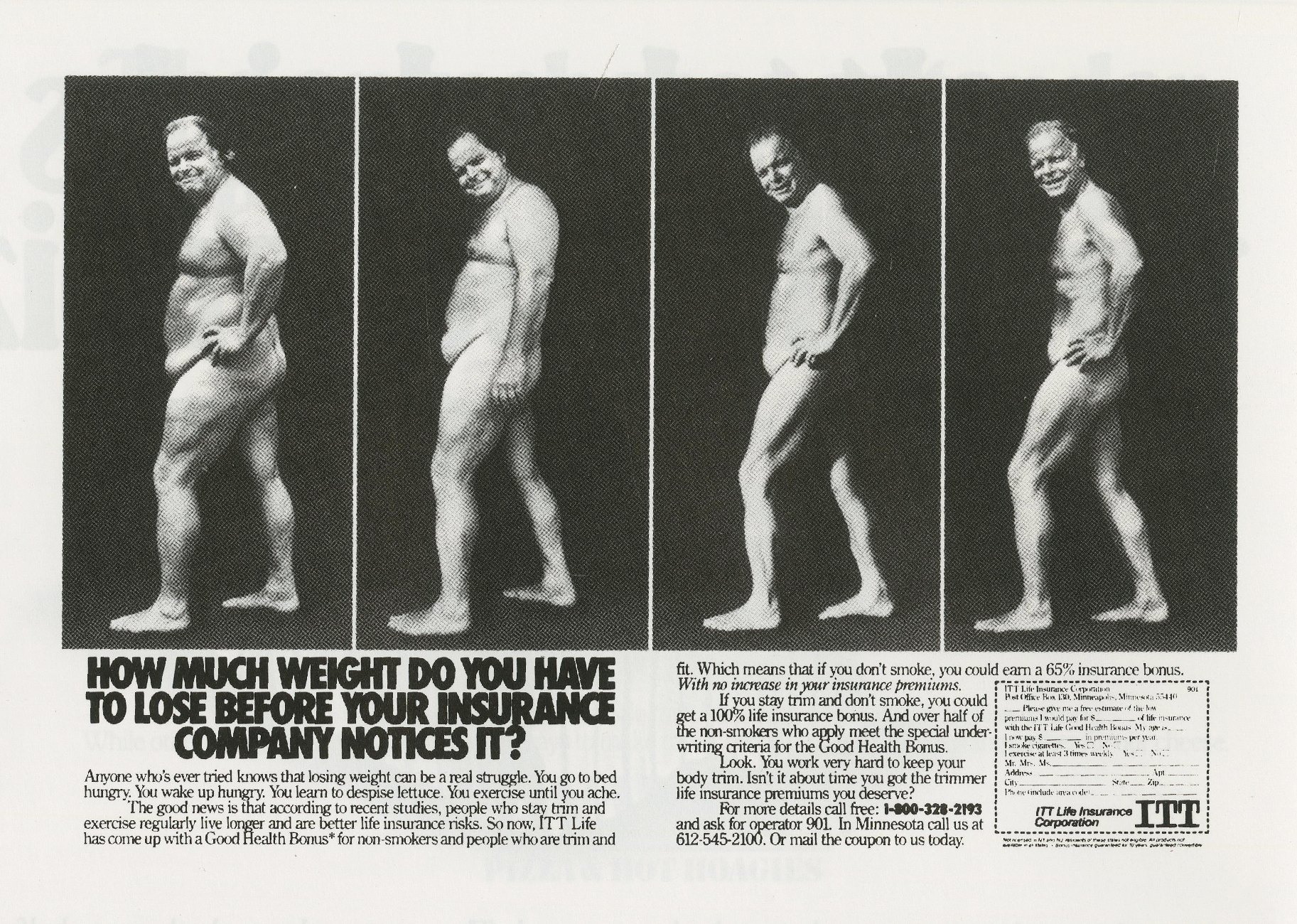
ITT Life Insurance
Whistleblower positioning that set a small insurer against the industry's giants. Fallon's first national client.
See the full campaign →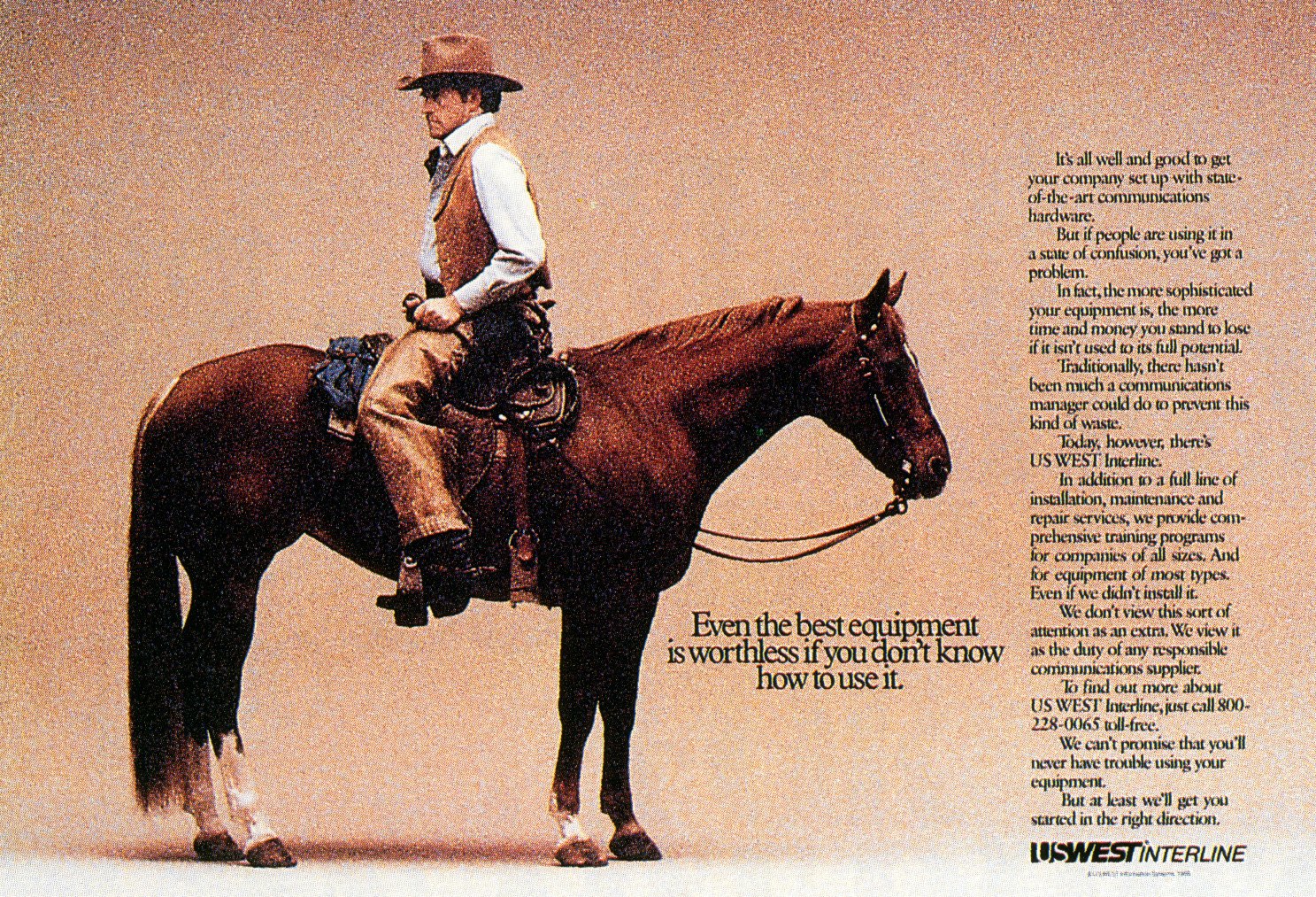
US WEST
Introduced one of seven identical post-breakup Baby Bells as the unstodgy, frontier-spirited one — bold Minneapolis-style print.
See the full campaign →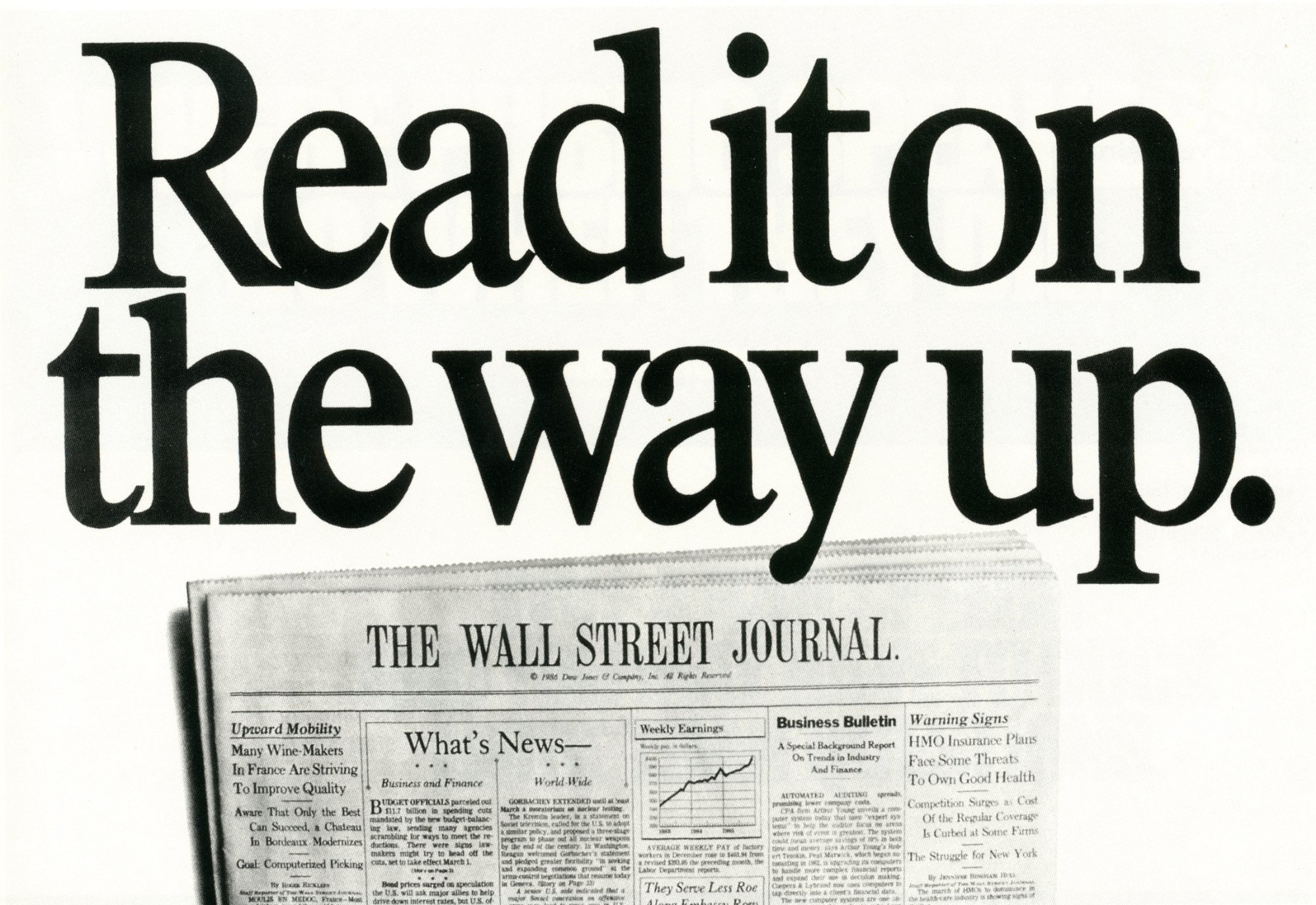
The Wall Street Journal — The Daily Diary of the American Dream
Reframed a bankers' paper as the instrument of personal ambition. A line credited to the agency; lost in the 1988 fallout.
See the full campaign →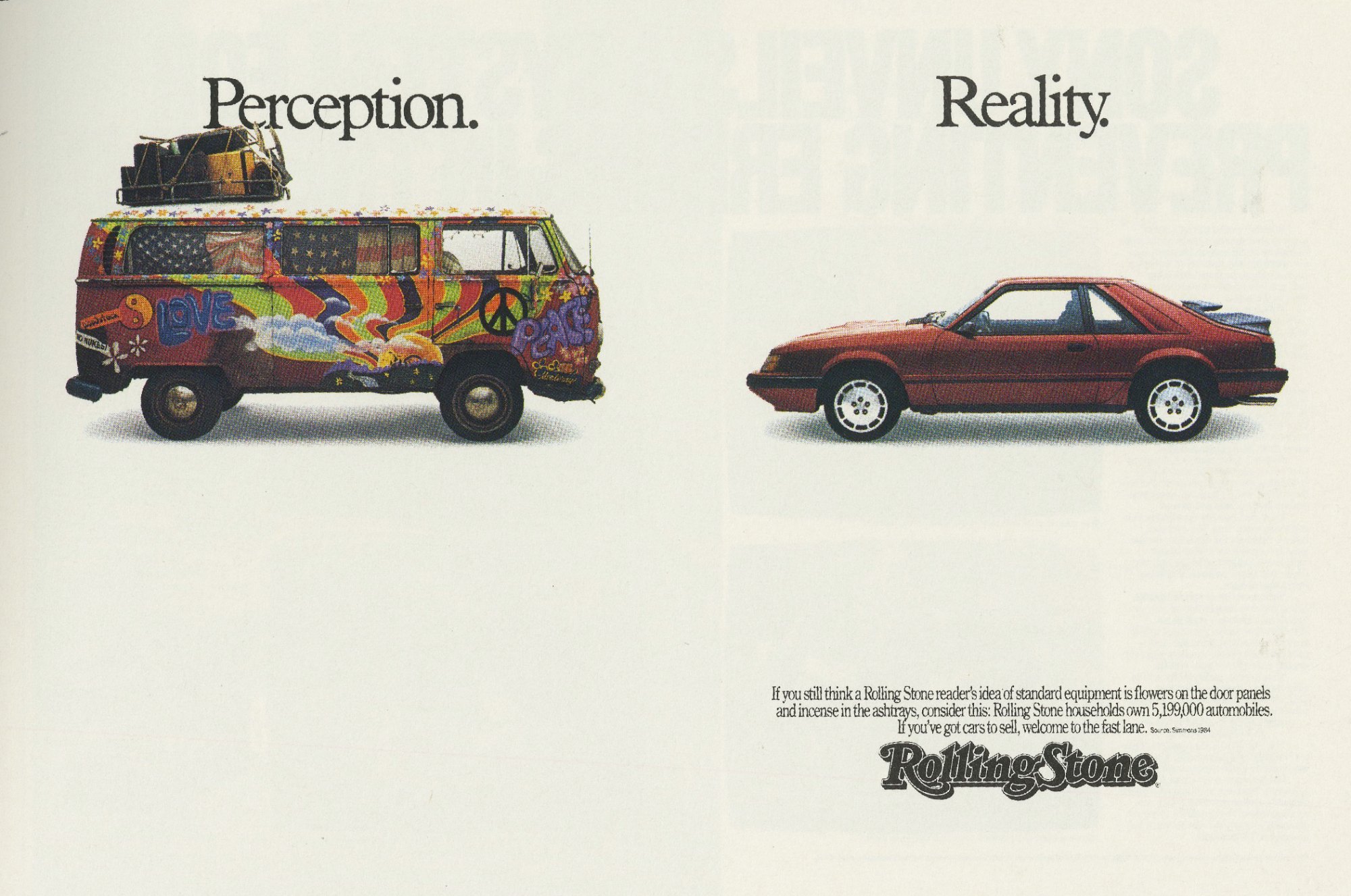
Rolling Stone — Perception. Reality.
Two facing pages aimed at media buyers — the hippie they imagined against the capitalist who actually read it. Ad sales rose by roughly half in year one.
Written by Bill Miller, art director Houman Pirdavari; McElligott was executive creative director, not the writer.
See the full campaign →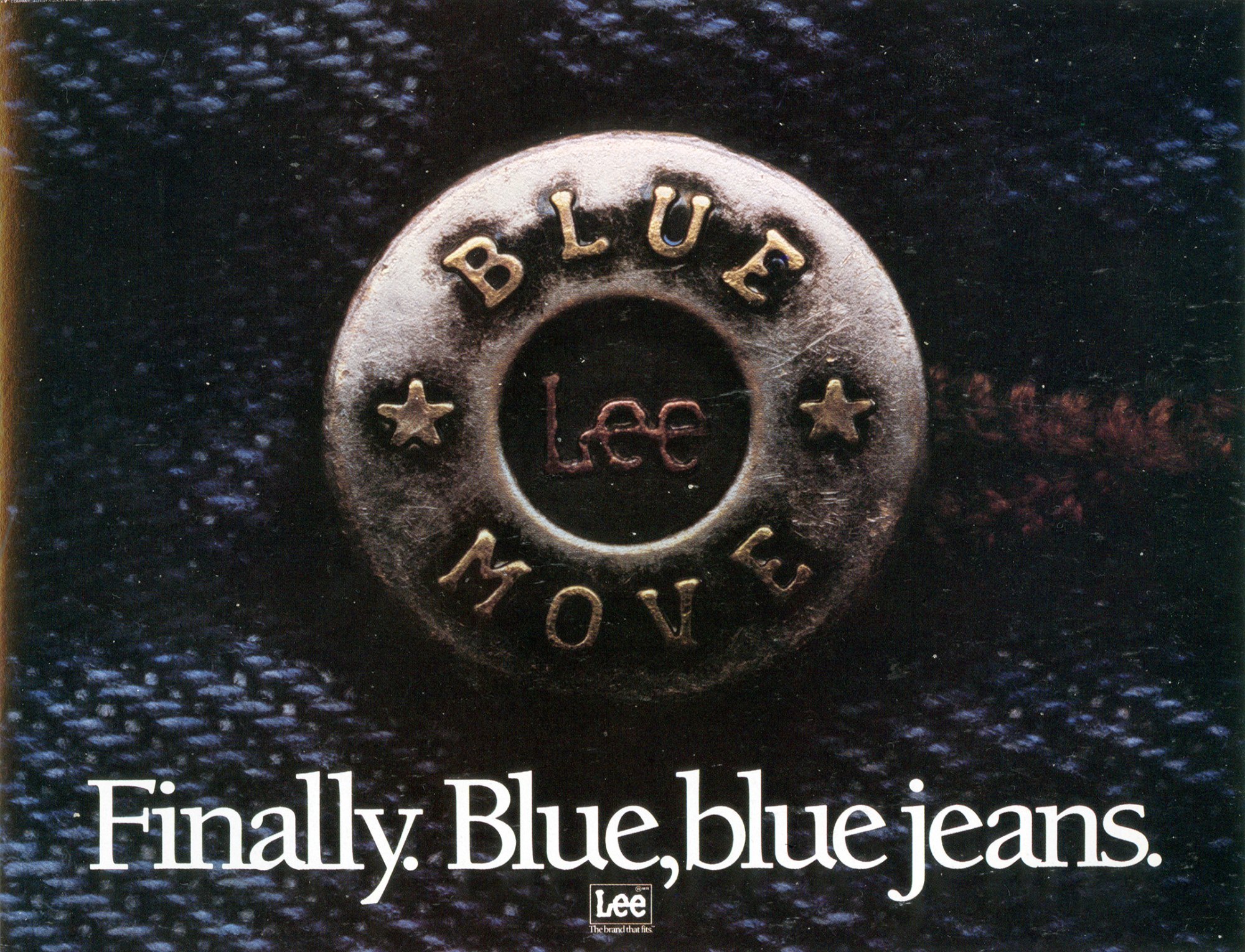
Lee Jeans
Owned "fit" with wry long-copy print while everyone else sold sex and rock'n'roll — a way of writing denim that didn't yet exist.
See the full campaign →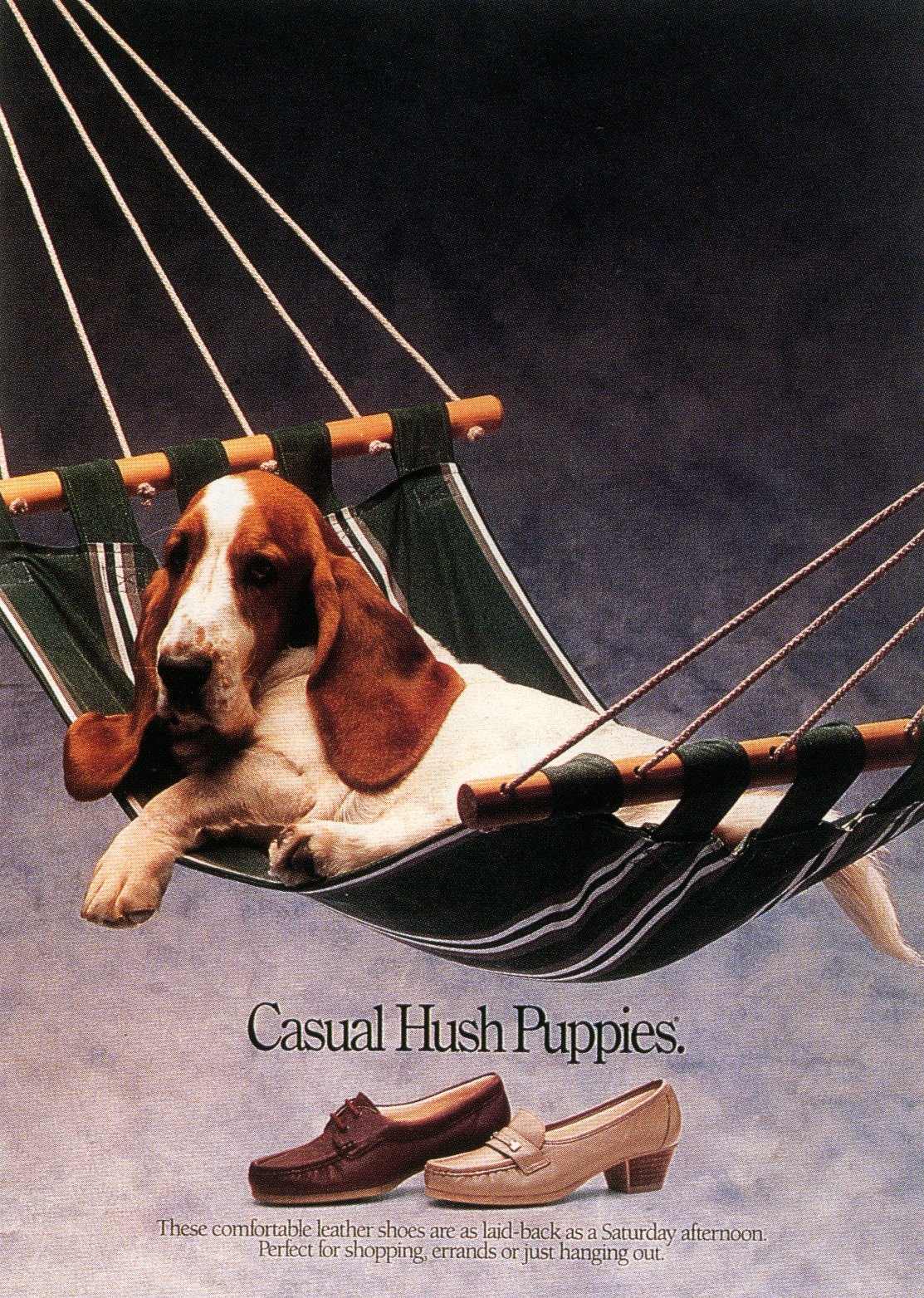
Hush Puppies
Made the basset-hound mascot the entire ad — product name in every two-word headline, and still funny enough to win awards.
See the full campaign →